


44145 Results
Form:
drawings, textual records, photographs
drawings, textual records, photographs
Actions:
Reference number:
AP178.S1.1998.PR03.SS3.001
Description:
This file includes correspondence with the client, construction firm, architects, and engineers. It also includes structural drawings, plumbing drawings, mechanical drawings, technical drawings, as well as working details, carpentry drawings, and details of the stairs. It also contains photographs of construction work and built project, documentation about furniture and accessories designed by Siza for the building, documentation about the audiovisual equipment and doors, as well as contract details.
AP178.S1.1998.PR03.SS3.001
Description:
This file includes correspondence with the client, construction firm, architects, and engineers. It also includes structural drawings, plumbing drawings, mechanical drawings, technical drawings, as well as working details, carpentry drawings, and details of the stairs. It also contains photographs of construction work and built project, documentation about furniture and accessories designed by Siza for the building, documentation about the audiovisual equipment and doors, as well as contract details.
People:
Date:
2003
2003
Title:
Box of project documentation, technical drawings, mechanical drawings, construction details, photographs and correspondence, Edifício Zaida, Casa Pátio, Granada
Actions:
AP178.S1.1998.PR03.SS3.001
Description:
This file includes correspondence with the client, construction firm, architects, and engineers. It also includes structural drawings, plumbing drawings, mechanical drawings, technical drawings, as well as working details, carpentry drawings, and details of the stairs. It also contains photographs of construction work and built project, documentation about furniture and accessories designed by Siza for the building, documentation about the audiovisual equipment and doors, as well as contract details.
Box of project documentation, technical drawings, mechanical drawings, construction details, photographs and correspondence, Edifício Zaida, Casa Pátio, Granada
Actions:
AP178.S1.1998.PR03.SS3.001
Description:
This file includes correspondence with the client, construction firm, architects, and engineers. It also includes structural drawings, plumbing drawings, mechanical drawings, technical drawings, as well as working details, carpentry drawings, and details of the stairs. It also contains photographs of construction work and built project, documentation about furniture and accessories designed by Siza for the building, documentation about the audiovisual equipment and doors, as well as contract details.
Form:
drawings, textual records, photographs
drawings, textual records, photographs
Date:
2003
2003
People:
Level of archival description:
Series
Series
Title:
Architectural projects
Architectural projects
Reference number:
AP206.S1
Description:
The Architectural projects series, 1957-2007, records 82 architectural projects of Aditya Prakash throughout his career as an architect in Chandigarh, India. Most of these projects were completed with his daughter, Chetna Prakash, through his private practice, Arcon Architects, from 1982-2007. These projects include private residences, housing complexes, university campuses, schools, factories, theatres, sport and yoga centres, offices and furniture, among others. The projects include built work, competition entries and proposals, though it is not always clear which projects were realized. While many projects were located in Chandigarh, the series documents projects across northern India, particularly in Jammu and Kashmir, Punjab, Haryana, Himachal Pradesh and Uttar Pradesh. The projects in this series were identified based on their unique locations and dates. Some projects, located at the same site, consisted of multiple buildings and were designed and/or constructed over long periods of time. The materials for projects like this are described together in one project series, instead of being separated out by building or time period. These projects are recorded largely through original drawings, which include sketches, plans, elevations, sections, perspectives, details, axonometric views and working drawings. However, materials for each project are sparse, often consisting of only 1-10 drawings. Textual records and photographs are also included in the materials for a few projects. The photographs show completed work, while the textual records primarily consist of client correspondence.
AP206.S1
Description:
The Architectural projects series, 1957-2007, records 82 architectural projects of Aditya Prakash throughout his career as an architect in Chandigarh, India. Most of these projects were completed with his daughter, Chetna Prakash, through his private practice, Arcon Architects, from 1982-2007. These projects include private residences, housing complexes, university campuses, schools, factories, theatres, sport and yoga centres, offices and furniture, among others. The projects include built work, competition entries and proposals, though it is not always clear which projects were realized. While many projects were located in Chandigarh, the series documents projects across northern India, particularly in Jammu and Kashmir, Punjab, Haryana, Himachal Pradesh and Uttar Pradesh. The projects in this series were identified based on their unique locations and dates. Some projects, located at the same site, consisted of multiple buildings and were designed and/or constructed over long periods of time. The materials for projects like this are described together in one project series, instead of being separated out by building or time period. These projects are recorded largely through original drawings, which include sketches, plans, elevations, sections, perspectives, details, axonometric views and working drawings. However, materials for each project are sparse, often consisting of only 1-10 drawings. Textual records and photographs are also included in the materials for a few projects. The photographs show completed work, while the textual records primarily consist of client correspondence.
People:
Date:
1957-2007
1957-2007
Title:
Architectural projects
Actions:
AP206.S1
Description:
The Architectural projects series, 1957-2007, records 82 architectural projects of Aditya Prakash throughout his career as an architect in Chandigarh, India. Most of these projects were completed with his daughter, Chetna Prakash, through his private practice, Arcon Architects, from 1982-2007. These projects include private residences, housing complexes, university campuses, schools, factories, theatres, sport and yoga centres, offices and furniture, among others. The projects include built work, competition entries and proposals, though it is not always clear which projects were realized. While many projects were located in Chandigarh, the series documents projects across northern India, particularly in Jammu and Kashmir, Punjab, Haryana, Himachal Pradesh and Uttar Pradesh. The projects in this series were identified based on their unique locations and dates. Some projects, located at the same site, consisted of multiple buildings and were designed and/or constructed over long periods of time. The materials for projects like this are described together in one project series, instead of being separated out by building or time period. These projects are recorded largely through original drawings, which include sketches, plans, elevations, sections, perspectives, details, axonometric views and working drawings. However, materials for each project are sparse, often consisting of only 1-10 drawings. Textual records and photographs are also included in the materials for a few projects. The photographs show completed work, while the textual records primarily consist of client correspondence.
Architectural projects
Actions:
AP206.S1
Description:
The Architectural projects series, 1957-2007, records 82 architectural projects of Aditya Prakash throughout his career as an architect in Chandigarh, India. Most of these projects were completed with his daughter, Chetna Prakash, through his private practice, Arcon Architects, from 1982-2007. These projects include private residences, housing complexes, university campuses, schools, factories, theatres, sport and yoga centres, offices and furniture, among others. The projects include built work, competition entries and proposals, though it is not always clear which projects were realized. While many projects were located in Chandigarh, the series documents projects across northern India, particularly in Jammu and Kashmir, Punjab, Haryana, Himachal Pradesh and Uttar Pradesh. The projects in this series were identified based on their unique locations and dates. Some projects, located at the same site, consisted of multiple buildings and were designed and/or constructed over long periods of time. The materials for projects like this are described together in one project series, instead of being separated out by building or time period. These projects are recorded largely through original drawings, which include sketches, plans, elevations, sections, perspectives, details, axonometric views and working drawings. However, materials for each project are sparse, often consisting of only 1-10 drawings. Textual records and photographs are also included in the materials for a few projects. The photographs show completed work, while the textual records primarily consist of client correspondence.
Level of archival description:
Series
Series
Date:
1957-2007
1957-2007
People:
Level of archival description:
Project
Project
Reference number:
AP207.S1.1985.PR04
Description:
The project series documents "Case Conquistate Dal Verde," a series of photographs of buildings covered in vegetation, and "conquered" by nature. The photographs were "taken at different times but grouped under a single date to indicate the author's interest in the subject in that period, Pettena returns to the theme of the architecture not made by architects that had characterized the work he had done in the United States [...]" [1] The project series contains a sketch showing a house conquered by vegetation and the photographs series. Source: [1] Gianni Pettena website, https://www.giannipettena.it/italiano/opere-1/nat-buildings-conquered-1985/ (last accessed 11 December 2019).
AP207.S1.1985.PR04
Description:
The project series documents "Case Conquistate Dal Verde," a series of photographs of buildings covered in vegetation, and "conquered" by nature. The photographs were "taken at different times but grouped under a single date to indicate the author's interest in the subject in that period, Pettena returns to the theme of the architecture not made by architects that had characterized the work he had done in the United States [...]" [1] The project series contains a sketch showing a house conquered by vegetation and the photographs series. Source: [1] Gianni Pettena website, https://www.giannipettena.it/italiano/opere-1/nat-buildings-conquered-1985/ (last accessed 11 December 2019).
People:
Date:
circa 1985
circa 1985
Title:
Case Conquistate Dal Verde [Buildings Conquered by Nature] (1985)
Actions:
AP207.S1.1985.PR04
Description:
The project series documents "Case Conquistate Dal Verde," a series of photographs of buildings covered in vegetation, and "conquered" by nature. The photographs were "taken at different times but grouped under a single date to indicate the author's interest in the subject in that period, Pettena returns to the theme of the architecture not made by architects that had characterized the work he had done in the United States [...]" [1] The project series contains a sketch showing a house conquered by vegetation and the photographs series. Source: [1] Gianni Pettena website, https://www.giannipettena.it/italiano/opere-1/nat-buildings-conquered-1985/ (last accessed 11 December 2019).
Case Conquistate Dal Verde [Buildings Conquered by Nature] (1985)
Actions:
AP207.S1.1985.PR04
Description:
The project series documents "Case Conquistate Dal Verde," a series of photographs of buildings covered in vegetation, and "conquered" by nature. The photographs were "taken at different times but grouped under a single date to indicate the author's interest in the subject in that period, Pettena returns to the theme of the architecture not made by architects that had characterized the work he had done in the United States [...]" [1] The project series contains a sketch showing a house conquered by vegetation and the photographs series. Source: [1] Gianni Pettena website, https://www.giannipettena.it/italiano/opere-1/nat-buildings-conquered-1985/ (last accessed 11 December 2019).
Level of archival description:
Project
Project
Date:
circa 1985
circa 1985
People:
Form:
photographs
Quantity:
7 photograph(s)
photographs
Quantity:
7 photograph(s)
Reference number:
ARCH269544
Description:
Group consists of photographs predominantly of Le Corbusier in Chandigarh, India, including a photograph of him with the model of the Bhakra Dam around 1960 or 1961, photographs with engineers and contractors at the Capitol Complex in 1953 and in 1956. There is also a photograph of him at work at the Bhakra Dam in construction. The group also contains photographs of Maxwell Fry, including a photograph of him and Jawaharlal Nehru in 1958.
ARCH269544
Description:
Group consists of photographs predominantly of Le Corbusier in Chandigarh, India, including a photograph of him with the model of the Bhakra Dam around 1960 or 1961, photographs with engineers and contractors at the Capitol Complex in 1953 and in 1956. There is also a photograph of him at work at the Bhakra Dam in construction. The group also contains photographs of Maxwell Fry, including a photograph of him and Jawaharlal Nehru in 1958.
People:
Date:
1953-1961
1953-1961
Title:
Le Corbusier and others at Chandigarh, India
Actions:
ARCH269544
Description:
Group consists of photographs predominantly of Le Corbusier in Chandigarh, India, including a photograph of him with the model of the Bhakra Dam around 1960 or 1961, photographs with engineers and contractors at the Capitol Complex in 1953 and in 1956. There is also a photograph of him at work at the Bhakra Dam in construction. The group also contains photographs of Maxwell Fry, including a photograph of him and Jawaharlal Nehru in 1958.
Le Corbusier and others at Chandigarh, India
Actions:
ARCH269544
Description:
Group consists of photographs predominantly of Le Corbusier in Chandigarh, India, including a photograph of him with the model of the Bhakra Dam around 1960 or 1961, photographs with engineers and contractors at the Capitol Complex in 1953 and in 1956. There is also a photograph of him at work at the Bhakra Dam in construction. The group also contains photographs of Maxwell Fry, including a photograph of him and Jawaharlal Nehru in 1958.
Form:
photographs
Quantity:
7 photograph(s)
photographs
Quantity:
7 photograph(s)
Date:
1953-1961
1953-1961
People:
Form:
drawings, textual records, works of art, journals and magazines
drawings, textual records, works of art, journals and magazines
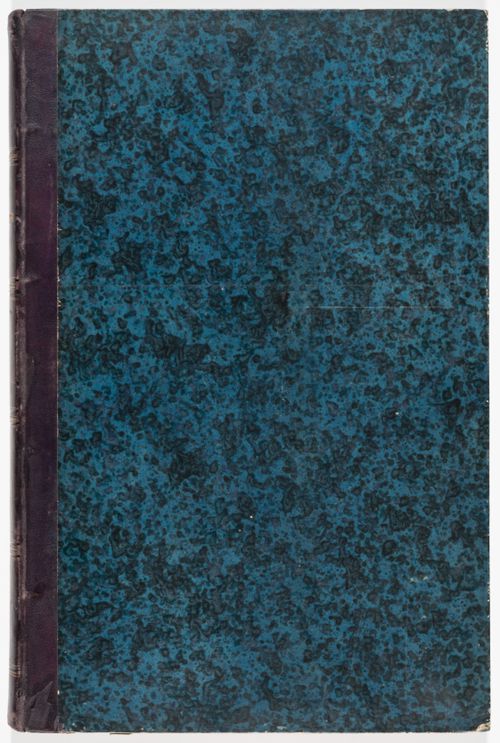
Reference number:
DR1974:0002:017:001-060
Description:
- This album contains plans, elevations and sections as well as written documents - the contract, specifications, work logs, letters and financial records - for the Hippodrome national, Paris. Most of the drawings and documents date from 1845, when the Hippodrome national was constructed, including the contract and contract drawings (DR1974:0002:017:025 and DR1974:0002:017:027 - DR1974:0002:017:031), a description and cost estimate, structural drawings, and plans, sections and elevations, some coloured, showing the various elements of the design. The construction of the building is documented by two work logs, one of which is probably a draft (work log: DR1974:0002:017:017:001-027; draft work log: DR1974:0002:017:044:001-038). The building was designed in the Islamic Revival style. It was constructed primarily of painted canvas stretched on frames and attached to the structural framework (Dupavillion, 81). Several preliminary drawings for the Hippodrome national are included: an elevation and plan dated 1844 and a pencil rendering of an elaborate Moorish façade, probably alternate designs (DR1974:0002:017:004, DR1974:0002:017:026, and DR1974:0002:017:060), and a watercolour perspective view, plan and section (DR1974:0002:017:001 - DR1974:0002:017:003), possibly for a different site, dated February 1845. Four drawings dated February 1846 are for additions to the hippodrome, including a portico on the front of the princes' pavilion, and a pedestrian bridge over the service court entrance (DR1974:0002:017:011, DR1974:0002:017:012, DR1974:0002:017:016 and DR1974:0002:017:037). Plan DR1974:0002:017:015 is probably also related to these additions. It has not been determined if these additions were carried out. Also included are three record drawings of the Circus of Maxentius and the hippodrome at Villa Borghese in Rome; a copy of "L'Entr'acte" containing an article on the proposed construction of a hippodrome (cirque) in Paris; and two letters requesting information on the Hippodrome national.
DR1974:0002:017:001-060
Description:
- This album contains plans, elevations and sections as well as written documents - the contract, specifications, work logs, letters and financial records - for the Hippodrome national, Paris. Most of the drawings and documents date from 1845, when the Hippodrome national was constructed, including the contract and contract drawings (DR1974:0002:017:025 and DR1974:0002:017:027 - DR1974:0002:017:031), a description and cost estimate, structural drawings, and plans, sections and elevations, some coloured, showing the various elements of the design. The construction of the building is documented by two work logs, one of which is probably a draft (work log: DR1974:0002:017:017:001-027; draft work log: DR1974:0002:017:044:001-038). The building was designed in the Islamic Revival style. It was constructed primarily of painted canvas stretched on frames and attached to the structural framework (Dupavillion, 81). Several preliminary drawings for the Hippodrome national are included: an elevation and plan dated 1844 and a pencil rendering of an elaborate Moorish façade, probably alternate designs (DR1974:0002:017:004, DR1974:0002:017:026, and DR1974:0002:017:060), and a watercolour perspective view, plan and section (DR1974:0002:017:001 - DR1974:0002:017:003), possibly for a different site, dated February 1845. Four drawings dated February 1846 are for additions to the hippodrome, including a portico on the front of the princes' pavilion, and a pedestrian bridge over the service court entrance (DR1974:0002:017:011, DR1974:0002:017:012, DR1974:0002:017:016 and DR1974:0002:017:037). Plan DR1974:0002:017:015 is probably also related to these additions. It has not been determined if these additions were carried out. Also included are three record drawings of the Circus of Maxentius and the hippodrome at Villa Borghese in Rome; a copy of "L'Entr'acte" containing an article on the proposed construction of a hippodrome (cirque) in Paris; and two letters requesting information on the Hippodrome national.
People:
Subject:
architecture
architecture
Date:
1840-1850, printed 1845, published 11 September 1844
1840-1850, printed 1845, published 11 September 1844
Title:
Album of drawings and documents for the Hippodrome national, Paris
Actions:
DR1974:0002:017:001-060
Description:
- This album contains plans, elevations and sections as well as written documents - the contract, specifications, work logs, letters and financial records - for the Hippodrome national, Paris. Most of the drawings and documents date from 1845, when the Hippodrome national was constructed, including the contract and contract drawings (DR1974:0002:017:025 and DR1974:0002:017:027 - DR1974:0002:017:031), a description and cost estimate, structural drawings, and plans, sections and elevations, some coloured, showing the various elements of the design. The construction of the building is documented by two work logs, one of which is probably a draft (work log: DR1974:0002:017:017:001-027; draft work log: DR1974:0002:017:044:001-038). The building was designed in the Islamic Revival style. It was constructed primarily of painted canvas stretched on frames and attached to the structural framework (Dupavillion, 81). Several preliminary drawings for the Hippodrome national are included: an elevation and plan dated 1844 and a pencil rendering of an elaborate Moorish façade, probably alternate designs (DR1974:0002:017:004, DR1974:0002:017:026, and DR1974:0002:017:060), and a watercolour perspective view, plan and section (DR1974:0002:017:001 - DR1974:0002:017:003), possibly for a different site, dated February 1845. Four drawings dated February 1846 are for additions to the hippodrome, including a portico on the front of the princes' pavilion, and a pedestrian bridge over the service court entrance (DR1974:0002:017:011, DR1974:0002:017:012, DR1974:0002:017:016 and DR1974:0002:017:037). Plan DR1974:0002:017:015 is probably also related to these additions. It has not been determined if these additions were carried out. Also included are three record drawings of the Circus of Maxentius and the hippodrome at Villa Borghese in Rome; a copy of "L'Entr'acte" containing an article on the proposed construction of a hippodrome (cirque) in Paris; and two letters requesting information on the Hippodrome national.
Album of drawings and documents for the Hippodrome national, Paris
Actions:
DR1974:0002:017:001-060
Description:
- This album contains plans, elevations and sections as well as written documents - the contract, specifications, work logs, letters and financial records - for the Hippodrome national, Paris. Most of the drawings and documents date from 1845, when the Hippodrome national was constructed, including the contract and contract drawings (DR1974:0002:017:025 and DR1974:0002:017:027 - DR1974:0002:017:031), a description and cost estimate, structural drawings, and plans, sections and elevations, some coloured, showing the various elements of the design. The construction of the building is documented by two work logs, one of which is probably a draft (work log: DR1974:0002:017:017:001-027; draft work log: DR1974:0002:017:044:001-038). The building was designed in the Islamic Revival style. It was constructed primarily of painted canvas stretched on frames and attached to the structural framework (Dupavillion, 81). Several preliminary drawings for the Hippodrome national are included: an elevation and plan dated 1844 and a pencil rendering of an elaborate Moorish façade, probably alternate designs (DR1974:0002:017:004, DR1974:0002:017:026, and DR1974:0002:017:060), and a watercolour perspective view, plan and section (DR1974:0002:017:001 - DR1974:0002:017:003), possibly for a different site, dated February 1845. Four drawings dated February 1846 are for additions to the hippodrome, including a portico on the front of the princes' pavilion, and a pedestrian bridge over the service court entrance (DR1974:0002:017:011, DR1974:0002:017:012, DR1974:0002:017:016 and DR1974:0002:017:037). Plan DR1974:0002:017:015 is probably also related to these additions. It has not been determined if these additions were carried out. Also included are three record drawings of the Circus of Maxentius and the hippodrome at Villa Borghese in Rome; a copy of "L'Entr'acte" containing an article on the proposed construction of a hippodrome (cirque) in Paris; and two letters requesting information on the Hippodrome national.
Form:
drawings, textual records, works of art, journals and magazines
drawings, textual records, works of art, journals and magazines
Date:
1840-1850, printed 1845, published 11 September 1844
1840-1850, printed 1845, published 11 September 1844
People:
Subject:
architecture
architecture
Level of archival description:
Series
Series
Title:
Publications and writings
Publications and writings
Reference number:
AP206.S2
Description:
The Publications and writings series, 1947-2008, records the published and unpublished papers, books, articles, poems, diaries and notes of Aditya Prakash throughout his architectural education and career, up until his death in 2008. Many materials in this series are unpublished works, and concentrate on Chandigarh, urban planning, reflections on his past work and new ideas, architectural education, art and theatre. A number of these were prepared for talks and speeches Prakash gave as the Principal of the Chandigarh College of Architecture or for various clubs and committees. Published works in this series were typically published in newspapers, but some magazine and journal articles are included. This series also includes notebooks and diaries, the latter which give detailed daily accounts of Aditya Prakash’s life from 1947-1955. The writings in this series are a mix of typed and handwritten textual records, recorded primarily in English, but with some Hindi and Urdu works also included.
AP206.S2
Description:
The Publications and writings series, 1947-2008, records the published and unpublished papers, books, articles, poems, diaries and notes of Aditya Prakash throughout his architectural education and career, up until his death in 2008. Many materials in this series are unpublished works, and concentrate on Chandigarh, urban planning, reflections on his past work and new ideas, architectural education, art and theatre. A number of these were prepared for talks and speeches Prakash gave as the Principal of the Chandigarh College of Architecture or for various clubs and committees. Published works in this series were typically published in newspapers, but some magazine and journal articles are included. This series also includes notebooks and diaries, the latter which give detailed daily accounts of Aditya Prakash’s life from 1947-1955. The writings in this series are a mix of typed and handwritten textual records, recorded primarily in English, but with some Hindi and Urdu works also included.
People:
Date:
1947-2008
1947-2008
Title:
Publications and writings
Actions:
AP206.S2
Description:
The Publications and writings series, 1947-2008, records the published and unpublished papers, books, articles, poems, diaries and notes of Aditya Prakash throughout his architectural education and career, up until his death in 2008. Many materials in this series are unpublished works, and concentrate on Chandigarh, urban planning, reflections on his past work and new ideas, architectural education, art and theatre. A number of these were prepared for talks and speeches Prakash gave as the Principal of the Chandigarh College of Architecture or for various clubs and committees. Published works in this series were typically published in newspapers, but some magazine and journal articles are included. This series also includes notebooks and diaries, the latter which give detailed daily accounts of Aditya Prakash’s life from 1947-1955. The writings in this series are a mix of typed and handwritten textual records, recorded primarily in English, but with some Hindi and Urdu works also included.
Publications and writings
Actions:
AP206.S2
Description:
The Publications and writings series, 1947-2008, records the published and unpublished papers, books, articles, poems, diaries and notes of Aditya Prakash throughout his architectural education and career, up until his death in 2008. Many materials in this series are unpublished works, and concentrate on Chandigarh, urban planning, reflections on his past work and new ideas, architectural education, art and theatre. A number of these were prepared for talks and speeches Prakash gave as the Principal of the Chandigarh College of Architecture or for various clubs and committees. Published works in this series were typically published in newspapers, but some magazine and journal articles are included. This series also includes notebooks and diaries, the latter which give detailed daily accounts of Aditya Prakash’s life from 1947-1955. The writings in this series are a mix of typed and handwritten textual records, recorded primarily in English, but with some Hindi and Urdu works also included.
Level of archival description:
Series
Series
Date:
1947-2008
1947-2008
People:
Level of archival description:
Project
Project
Reference number:
AP178.S1.1979.PR02
Description:
The project series documents the 1979 design entry for the Görlitzer Bad swimming pool. While the records were held in the office’s archives this project was assigned the number 48/70; in the past the office identified the project as number 159. The office assigned the date 1979 for this project. This project was submitted to the International Architectural Exhibition Berlin competition (International Bauaustellung, IBA, circa 1979-1987), an urban renewal strategy for West Berlin, Germany. Siza would later submit proposals to the IBA for Block 70 and 89 (Fränkelufer residential complex), Block 121 (Bonjour Tristesse), Block 11-12 (Kottbusser Damm), Monument to Gestapo victims Prinz- Albrecht-Palais, and a proposal for the Kulturforum. The Görlitzer Bad swimming pool was Siza's first international project and first competition. Preceding the IBA competition, Siza attended the 1976 International Design Zentrum (IDZ) symposium in Berlin, "Stadtstruktur-Stadtgestalt". Brigitte Fleck, responsible for national and international architecture competitions for the Senate of Berlin (1971-1985), invited Siza to participate in the IBA competition to design the swimming pool for Kreuzberg. Fleck had heard of Siza’s participation in the IDZ symposium and became interested in Siza’s work with the Servicio Ambulatorio de Apio Lokal (SAAL). By this time Siza’s work with SAAL had been published in the December 1976 and March 1978 publications of the Lotus International Quarterly Architectural Review (numbers 13 and 18). Fleck felt that Siza's work with SAAL would be relevant to the IBA. In 1979, Siza entered his design for the Görlitzer Bad swimming pool to be built on a vacant area on the east side of Kreuzberg. The design for the pool was strongly opposed by the public because the dome over the main swimming pool was said to resemble a mosque. This area of Kreuzberg was largely populated by Turkish Muslims and there was hostility towards this immigrant community. Although Siza’s entry went through the first round of the IBA competition, it did not win the competition and was only awarded a special prize. The project series contains sketches and studies, as well as conceptual and design development drawings of elevations, site plans, and floor plans. Documentation for the competition includes site plans for the competition and a strata plan. The photographs, negatives, contact sheets, and slides mostly document the model and drawings for the project.
AP178.S1.1979.PR02
Description:
The project series documents the 1979 design entry for the Görlitzer Bad swimming pool. While the records were held in the office’s archives this project was assigned the number 48/70; in the past the office identified the project as number 159. The office assigned the date 1979 for this project. This project was submitted to the International Architectural Exhibition Berlin competition (International Bauaustellung, IBA, circa 1979-1987), an urban renewal strategy for West Berlin, Germany. Siza would later submit proposals to the IBA for Block 70 and 89 (Fränkelufer residential complex), Block 121 (Bonjour Tristesse), Block 11-12 (Kottbusser Damm), Monument to Gestapo victims Prinz- Albrecht-Palais, and a proposal for the Kulturforum. The Görlitzer Bad swimming pool was Siza's first international project and first competition. Preceding the IBA competition, Siza attended the 1976 International Design Zentrum (IDZ) symposium in Berlin, "Stadtstruktur-Stadtgestalt". Brigitte Fleck, responsible for national and international architecture competitions for the Senate of Berlin (1971-1985), invited Siza to participate in the IBA competition to design the swimming pool for Kreuzberg. Fleck had heard of Siza’s participation in the IDZ symposium and became interested in Siza’s work with the Servicio Ambulatorio de Apio Lokal (SAAL). By this time Siza’s work with SAAL had been published in the December 1976 and March 1978 publications of the Lotus International Quarterly Architectural Review (numbers 13 and 18). Fleck felt that Siza's work with SAAL would be relevant to the IBA. In 1979, Siza entered his design for the Görlitzer Bad swimming pool to be built on a vacant area on the east side of Kreuzberg. The design for the pool was strongly opposed by the public because the dome over the main swimming pool was said to resemble a mosque. This area of Kreuzberg was largely populated by Turkish Muslims and there was hostility towards this immigrant community. Although Siza’s entry went through the first round of the IBA competition, it did not win the competition and was only awarded a special prize. The project series contains sketches and studies, as well as conceptual and design development drawings of elevations, site plans, and floor plans. Documentation for the competition includes site plans for the competition and a strata plan. The photographs, negatives, contact sheets, and slides mostly document the model and drawings for the project.
People:
Date:
1978-1979
1978-1979
Title:
Piscina de "Görlitzer Bad" Kreuzberg, Berlim Oeste [Görlitzer Bad swimming pool], Berlin, Germany (1978-1979)
Actions:
AP178.S1.1979.PR02
Description:
The project series documents the 1979 design entry for the Görlitzer Bad swimming pool. While the records were held in the office’s archives this project was assigned the number 48/70; in the past the office identified the project as number 159. The office assigned the date 1979 for this project. This project was submitted to the International Architectural Exhibition Berlin competition (International Bauaustellung, IBA, circa 1979-1987), an urban renewal strategy for West Berlin, Germany. Siza would later submit proposals to the IBA for Block 70 and 89 (Fränkelufer residential complex), Block 121 (Bonjour Tristesse), Block 11-12 (Kottbusser Damm), Monument to Gestapo victims Prinz- Albrecht-Palais, and a proposal for the Kulturforum. The Görlitzer Bad swimming pool was Siza's first international project and first competition. Preceding the IBA competition, Siza attended the 1976 International Design Zentrum (IDZ) symposium in Berlin, "Stadtstruktur-Stadtgestalt". Brigitte Fleck, responsible for national and international architecture competitions for the Senate of Berlin (1971-1985), invited Siza to participate in the IBA competition to design the swimming pool for Kreuzberg. Fleck had heard of Siza’s participation in the IDZ symposium and became interested in Siza’s work with the Servicio Ambulatorio de Apio Lokal (SAAL). By this time Siza’s work with SAAL had been published in the December 1976 and March 1978 publications of the Lotus International Quarterly Architectural Review (numbers 13 and 18). Fleck felt that Siza's work with SAAL would be relevant to the IBA. In 1979, Siza entered his design for the Görlitzer Bad swimming pool to be built on a vacant area on the east side of Kreuzberg. The design for the pool was strongly opposed by the public because the dome over the main swimming pool was said to resemble a mosque. This area of Kreuzberg was largely populated by Turkish Muslims and there was hostility towards this immigrant community. Although Siza’s entry went through the first round of the IBA competition, it did not win the competition and was only awarded a special prize. The project series contains sketches and studies, as well as conceptual and design development drawings of elevations, site plans, and floor plans. Documentation for the competition includes site plans for the competition and a strata plan. The photographs, negatives, contact sheets, and slides mostly document the model and drawings for the project.
Piscina de "Görlitzer Bad" Kreuzberg, Berlim Oeste [Görlitzer Bad swimming pool], Berlin, Germany (1978-1979)
Actions:
AP178.S1.1979.PR02
Description:
The project series documents the 1979 design entry for the Görlitzer Bad swimming pool. While the records were held in the office’s archives this project was assigned the number 48/70; in the past the office identified the project as number 159. The office assigned the date 1979 for this project. This project was submitted to the International Architectural Exhibition Berlin competition (International Bauaustellung, IBA, circa 1979-1987), an urban renewal strategy for West Berlin, Germany. Siza would later submit proposals to the IBA for Block 70 and 89 (Fränkelufer residential complex), Block 121 (Bonjour Tristesse), Block 11-12 (Kottbusser Damm), Monument to Gestapo victims Prinz- Albrecht-Palais, and a proposal for the Kulturforum. The Görlitzer Bad swimming pool was Siza's first international project and first competition. Preceding the IBA competition, Siza attended the 1976 International Design Zentrum (IDZ) symposium in Berlin, "Stadtstruktur-Stadtgestalt". Brigitte Fleck, responsible for national and international architecture competitions for the Senate of Berlin (1971-1985), invited Siza to participate in the IBA competition to design the swimming pool for Kreuzberg. Fleck had heard of Siza’s participation in the IDZ symposium and became interested in Siza’s work with the Servicio Ambulatorio de Apio Lokal (SAAL). By this time Siza’s work with SAAL had been published in the December 1976 and March 1978 publications of the Lotus International Quarterly Architectural Review (numbers 13 and 18). Fleck felt that Siza's work with SAAL would be relevant to the IBA. In 1979, Siza entered his design for the Görlitzer Bad swimming pool to be built on a vacant area on the east side of Kreuzberg. The design for the pool was strongly opposed by the public because the dome over the main swimming pool was said to resemble a mosque. This area of Kreuzberg was largely populated by Turkish Muslims and there was hostility towards this immigrant community. Although Siza’s entry went through the first round of the IBA competition, it did not win the competition and was only awarded a special prize. The project series contains sketches and studies, as well as conceptual and design development drawings of elevations, site plans, and floor plans. Documentation for the competition includes site plans for the competition and a strata plan. The photographs, negatives, contact sheets, and slides mostly document the model and drawings for the project.
Level of archival description:
Project
Project
Date:
1978-1979
1978-1979
People:
Level of archival description:
Project
Project
Actions:
Reference number:
AP075.S1.1971.PR02
Description:
Project series documents Cornelia Hahn Oberlander's project of gardens for a housing project Marine Gardens, situated at the corner of S. W. Marine Drive and Yukon Street in Vancouver, British Columbia. Oberlander worked on this project in 1971 with architect Michael Katz. It was created as a demonstration project for the United Nation Habitat Conference held in Vancouver in 1976. The project consisted in a middle income family housing complex of 70 two-storey town houses connected by walkways and a shared garden space. The housing complex also included a day care centre. Oberlander was in charged of designing the gardens for the row houses development and the central shared courtyard. The development has been progressively destroyed and remplaced by condo towers since 2015. The project series contains a perspective drawing and working drawings such as a site plan, a unit plan, sections and elevations, a parking level plan, landscape plans, planting plans and sections of planters. The project is also recorded through photographs of the landscape work and textual records, including specifications, correspondence, inspection reports, and plant lists.
AP075.S1.1971.PR02
Description:
Project series documents Cornelia Hahn Oberlander's project of gardens for a housing project Marine Gardens, situated at the corner of S. W. Marine Drive and Yukon Street in Vancouver, British Columbia. Oberlander worked on this project in 1971 with architect Michael Katz. It was created as a demonstration project for the United Nation Habitat Conference held in Vancouver in 1976. The project consisted in a middle income family housing complex of 70 two-storey town houses connected by walkways and a shared garden space. The housing complex also included a day care centre. Oberlander was in charged of designing the gardens for the row houses development and the central shared courtyard. The development has been progressively destroyed and remplaced by condo towers since 2015. The project series contains a perspective drawing and working drawings such as a site plan, a unit plan, sections and elevations, a parking level plan, landscape plans, planting plans and sections of planters. The project is also recorded through photographs of the landscape work and textual records, including specifications, correspondence, inspection reports, and plant lists.
People:
Date:
1971
1971
Title:
Marine Gardens housing project, S. W. Marine Drive, Vancouver, British Columbia (1971)
Actions:
AP075.S1.1971.PR02
Description:
Project series documents Cornelia Hahn Oberlander's project of gardens for a housing project Marine Gardens, situated at the corner of S. W. Marine Drive and Yukon Street in Vancouver, British Columbia. Oberlander worked on this project in 1971 with architect Michael Katz. It was created as a demonstration project for the United Nation Habitat Conference held in Vancouver in 1976. The project consisted in a middle income family housing complex of 70 two-storey town houses connected by walkways and a shared garden space. The housing complex also included a day care centre. Oberlander was in charged of designing the gardens for the row houses development and the central shared courtyard. The development has been progressively destroyed and remplaced by condo towers since 2015. The project series contains a perspective drawing and working drawings such as a site plan, a unit plan, sections and elevations, a parking level plan, landscape plans, planting plans and sections of planters. The project is also recorded through photographs of the landscape work and textual records, including specifications, correspondence, inspection reports, and plant lists.
Marine Gardens housing project, S. W. Marine Drive, Vancouver, British Columbia (1971)
Actions:
AP075.S1.1971.PR02
Description:
Project series documents Cornelia Hahn Oberlander's project of gardens for a housing project Marine Gardens, situated at the corner of S. W. Marine Drive and Yukon Street in Vancouver, British Columbia. Oberlander worked on this project in 1971 with architect Michael Katz. It was created as a demonstration project for the United Nation Habitat Conference held in Vancouver in 1976. The project consisted in a middle income family housing complex of 70 two-storey town houses connected by walkways and a shared garden space. The housing complex also included a day care centre. Oberlander was in charged of designing the gardens for the row houses development and the central shared courtyard. The development has been progressively destroyed and remplaced by condo towers since 2015. The project series contains a perspective drawing and working drawings such as a site plan, a unit plan, sections and elevations, a parking level plan, landscape plans, planting plans and sections of planters. The project is also recorded through photographs of the landscape work and textual records, including specifications, correspondence, inspection reports, and plant lists.
Level of archival description:
Project
Project
Date:
1971
1971
People:
Level of archival description:
Project
Project
Actions:
Reference number:
AP075.S1.1992.PR04
Description:
Project series documents Cornelia Hahn Oberlander's landscape project for Thunderbird Housing at University of British Columbia, in Vancouver, British Columbia. Orberlander worked on this project from 1992-1995 with architectural firm Waisman Dewar Grout Carter. Oberlander landscape design for this project included planting beds, trees and espaliers to screen the windows from the paved commun courtyard. The courtyard also includes a circular barbecue construsted by continuing pavers, the same used as pavement for the courtyard. She also included planting of trees along the facades of the building and along the pathway connecting the student housing to the rest of the campus pavilions. The project series includes sketches, design development drawings, including landscape concept plans with plant lists, landscape elevations and sections, presentation drawings, and working drawings, such as irrigation plans, site plans, landscape plans and planting plans. The project is also documented through working drawings for the new student housing used as reference and photographs of the landscaping work. Textual records for this project comprises a proposal, concept notes by Oberlander, correspondence, including with clients, architects and consultants, and specifications.
AP075.S1.1992.PR04
Description:
Project series documents Cornelia Hahn Oberlander's landscape project for Thunderbird Housing at University of British Columbia, in Vancouver, British Columbia. Orberlander worked on this project from 1992-1995 with architectural firm Waisman Dewar Grout Carter. Oberlander landscape design for this project included planting beds, trees and espaliers to screen the windows from the paved commun courtyard. The courtyard also includes a circular barbecue construsted by continuing pavers, the same used as pavement for the courtyard. She also included planting of trees along the facades of the building and along the pathway connecting the student housing to the rest of the campus pavilions. The project series includes sketches, design development drawings, including landscape concept plans with plant lists, landscape elevations and sections, presentation drawings, and working drawings, such as irrigation plans, site plans, landscape plans and planting plans. The project is also documented through working drawings for the new student housing used as reference and photographs of the landscaping work. Textual records for this project comprises a proposal, concept notes by Oberlander, correspondence, including with clients, architects and consultants, and specifications.
People:
Date:
1991-2001
1991-2001
Title:
Thunderbird Housing, University of British Columbia, Vancouver, British Columbia (1992-1996)
Actions:
AP075.S1.1992.PR04
Description:
Project series documents Cornelia Hahn Oberlander's landscape project for Thunderbird Housing at University of British Columbia, in Vancouver, British Columbia. Orberlander worked on this project from 1992-1995 with architectural firm Waisman Dewar Grout Carter. Oberlander landscape design for this project included planting beds, trees and espaliers to screen the windows from the paved commun courtyard. The courtyard also includes a circular barbecue construsted by continuing pavers, the same used as pavement for the courtyard. She also included planting of trees along the facades of the building and along the pathway connecting the student housing to the rest of the campus pavilions. The project series includes sketches, design development drawings, including landscape concept plans with plant lists, landscape elevations and sections, presentation drawings, and working drawings, such as irrigation plans, site plans, landscape plans and planting plans. The project is also documented through working drawings for the new student housing used as reference and photographs of the landscaping work. Textual records for this project comprises a proposal, concept notes by Oberlander, correspondence, including with clients, architects and consultants, and specifications.
Thunderbird Housing, University of British Columbia, Vancouver, British Columbia (1992-1996)
Actions:
AP075.S1.1992.PR04
Description:
Project series documents Cornelia Hahn Oberlander's landscape project for Thunderbird Housing at University of British Columbia, in Vancouver, British Columbia. Orberlander worked on this project from 1992-1995 with architectural firm Waisman Dewar Grout Carter. Oberlander landscape design for this project included planting beds, trees and espaliers to screen the windows from the paved commun courtyard. The courtyard also includes a circular barbecue construsted by continuing pavers, the same used as pavement for the courtyard. She also included planting of trees along the facades of the building and along the pathway connecting the student housing to the rest of the campus pavilions. The project series includes sketches, design development drawings, including landscape concept plans with plant lists, landscape elevations and sections, presentation drawings, and working drawings, such as irrigation plans, site plans, landscape plans and planting plans. The project is also documented through working drawings for the new student housing used as reference and photographs of the landscaping work. Textual records for this project comprises a proposal, concept notes by Oberlander, correspondence, including with clients, architects and consultants, and specifications.
Level of archival description:
Project
Project
Date:
1991-2001
1991-2001
People:
Level of archival description:
Project
Project
Reference number:
AP142.S2.D11
Description:
File documents an exhibition titled 'Espace pour l'art - espace de l'art' that was held 29 June to 24 August 1997 at the Fondation Louis Moret, Martigny, Switzerland. The exhibition included work by Candida Höfer, Gigon & Guyer, Renzo Piano Building Workshop, Herzog & de Meuron, and Aldo Rossi. Aldo Rossi presented materials relating to his design for Centre d'Art Contemporain de Vassivière (see AP142.S1.D119). Material in this file was produced in 1997. File contains textual records, including sketches, drawings, correspondence, estimates, a list of projects by Aldo Rossi, a title page, photocopies of views of an exhibition, a business card, and notes.
AP142.S2.D11
Description:
File documents an exhibition titled 'Espace pour l'art - espace de l'art' that was held 29 June to 24 August 1997 at the Fondation Louis Moret, Martigny, Switzerland. The exhibition included work by Candida Höfer, Gigon & Guyer, Renzo Piano Building Workshop, Herzog & de Meuron, and Aldo Rossi. Aldo Rossi presented materials relating to his design for Centre d'Art Contemporain de Vassivière (see AP142.S1.D119). Material in this file was produced in 1997. File contains textual records, including sketches, drawings, correspondence, estimates, a list of projects by Aldo Rossi, a title page, photocopies of views of an exhibition, a business card, and notes.
People:
Date:
1997
1997
Title:
Esposizione d'arte ed architettura a Martigny
Actions:
AP142.S2.D11
Description:
File documents an exhibition titled 'Espace pour l'art - espace de l'art' that was held 29 June to 24 August 1997 at the Fondation Louis Moret, Martigny, Switzerland. The exhibition included work by Candida Höfer, Gigon & Guyer, Renzo Piano Building Workshop, Herzog & de Meuron, and Aldo Rossi. Aldo Rossi presented materials relating to his design for Centre d'Art Contemporain de Vassivière (see AP142.S1.D119). Material in this file was produced in 1997. File contains textual records, including sketches, drawings, correspondence, estimates, a list of projects by Aldo Rossi, a title page, photocopies of views of an exhibition, a business card, and notes.
Esposizione d'arte ed architettura a Martigny
Actions:
AP142.S2.D11
Description:
File documents an exhibition titled 'Espace pour l'art - espace de l'art' that was held 29 June to 24 August 1997 at the Fondation Louis Moret, Martigny, Switzerland. The exhibition included work by Candida Höfer, Gigon & Guyer, Renzo Piano Building Workshop, Herzog & de Meuron, and Aldo Rossi. Aldo Rossi presented materials relating to his design for Centre d'Art Contemporain de Vassivière (see AP142.S1.D119). Material in this file was produced in 1997. File contains textual records, including sketches, drawings, correspondence, estimates, a list of projects by Aldo Rossi, a title page, photocopies of views of an exhibition, a business card, and notes.
Level of archival description:
File 11
File 11
Date:
1997
1997
People:


