


12622 Results
Level of archival description:
Project
Project
Reference number:
AP206.S1.1975.PR01
Description:
This project series documents Aditya Prakash's proposal for an alternative plan for Chandigarh, India, which came to be known as the Linear City. Prakash began developing and advocating for this idea around the early 1970s. The Linear City had two fundamental ideas at its core. The first was to raise the roadways in Chandigarh (or any future city) 10-12 feet from ground level. This, he proposed, would separate vehicular traffic from pedestrians, eliminating all the hazardous impacts of traffic on daily life. The large part of the drawings for this project show sector plans and city blocks with evenly dispersed roundabout roadways as major transit hubs, wrapping around but high above centres of pedestrian activity that included shops, markets and green spaces. The sale of the land below the roadways would pay for the upheaval. He also recommended building this city only a few sectors deep, but endlessly expanding it length-wise, with a raised canal along one side to provide an additional transportation network and irrigation. The second fundamental idea of this city was the creation of self-sustaining sectors in the city plan, advocating that each neighbourhood should have the infrastructure to provide food and recycling for its residents. He fervently argued for the reimagination of modernist Chandigarh by incorporating sustainable, local traditions - the rural should exist in harmony with the urban. In opposition to Le Corbusier and Pierre Jeanneret, he believed areas for recycling, animal husbandry, and growing food should be incorporated into the fabric of the city.[1] This project is recorded largely through original drawings of city plans, perspectives and axonometric views detailing Prakash's new vision for the city. It seems that many of the perspectives were drawn by family friend Sandeep Virmani, after listening to Prakash's ideas.[2] The project is also recorded through photographs, negatives and slides showing plans and the project model. A small amount of notes and an article on the project are also included. [1]Vikramaditya Prakash, One Continuous Line: Art, Architecture and Urbanism of Aditya Prakash (Ahmedabad, India: Mapin Publishing Pvt. Ltd., 2019), 164-181. [2]Prakash, One Continuous Line, 169.
AP206.S1.1975.PR01
Description:
This project series documents Aditya Prakash's proposal for an alternative plan for Chandigarh, India, which came to be known as the Linear City. Prakash began developing and advocating for this idea around the early 1970s. The Linear City had two fundamental ideas at its core. The first was to raise the roadways in Chandigarh (or any future city) 10-12 feet from ground level. This, he proposed, would separate vehicular traffic from pedestrians, eliminating all the hazardous impacts of traffic on daily life. The large part of the drawings for this project show sector plans and city blocks with evenly dispersed roundabout roadways as major transit hubs, wrapping around but high above centres of pedestrian activity that included shops, markets and green spaces. The sale of the land below the roadways would pay for the upheaval. He also recommended building this city only a few sectors deep, but endlessly expanding it length-wise, with a raised canal along one side to provide an additional transportation network and irrigation. The second fundamental idea of this city was the creation of self-sustaining sectors in the city plan, advocating that each neighbourhood should have the infrastructure to provide food and recycling for its residents. He fervently argued for the reimagination of modernist Chandigarh by incorporating sustainable, local traditions - the rural should exist in harmony with the urban. In opposition to Le Corbusier and Pierre Jeanneret, he believed areas for recycling, animal husbandry, and growing food should be incorporated into the fabric of the city.[1] This project is recorded largely through original drawings of city plans, perspectives and axonometric views detailing Prakash's new vision for the city. It seems that many of the perspectives were drawn by family friend Sandeep Virmani, after listening to Prakash's ideas.[2] The project is also recorded through photographs, negatives and slides showing plans and the project model. A small amount of notes and an article on the project are also included. [1]Vikramaditya Prakash, One Continuous Line: Art, Architecture and Urbanism of Aditya Prakash (Ahmedabad, India: Mapin Publishing Pvt. Ltd., 2019), 164-181. [2]Prakash, One Continuous Line, 169.
People:
Date:
circa 1975-2003
circa 1975-2003
Title:
Linear city, Chandigarh, India (circa 1975-1987)
Actions:
AP206.S1.1975.PR01
Description:
This project series documents Aditya Prakash's proposal for an alternative plan for Chandigarh, India, which came to be known as the Linear City. Prakash began developing and advocating for this idea around the early 1970s. The Linear City had two fundamental ideas at its core. The first was to raise the roadways in Chandigarh (or any future city) 10-12 feet from ground level. This, he proposed, would separate vehicular traffic from pedestrians, eliminating all the hazardous impacts of traffic on daily life. The large part of the drawings for this project show sector plans and city blocks with evenly dispersed roundabout roadways as major transit hubs, wrapping around but high above centres of pedestrian activity that included shops, markets and green spaces. The sale of the land below the roadways would pay for the upheaval. He also recommended building this city only a few sectors deep, but endlessly expanding it length-wise, with a raised canal along one side to provide an additional transportation network and irrigation. The second fundamental idea of this city was the creation of self-sustaining sectors in the city plan, advocating that each neighbourhood should have the infrastructure to provide food and recycling for its residents. He fervently argued for the reimagination of modernist Chandigarh by incorporating sustainable, local traditions - the rural should exist in harmony with the urban. In opposition to Le Corbusier and Pierre Jeanneret, he believed areas for recycling, animal husbandry, and growing food should be incorporated into the fabric of the city.[1] This project is recorded largely through original drawings of city plans, perspectives and axonometric views detailing Prakash's new vision for the city. It seems that many of the perspectives were drawn by family friend Sandeep Virmani, after listening to Prakash's ideas.[2] The project is also recorded through photographs, negatives and slides showing plans and the project model. A small amount of notes and an article on the project are also included. [1]Vikramaditya Prakash, One Continuous Line: Art, Architecture and Urbanism of Aditya Prakash (Ahmedabad, India: Mapin Publishing Pvt. Ltd., 2019), 164-181. [2]Prakash, One Continuous Line, 169.
Linear city, Chandigarh, India (circa 1975-1987)
Actions:
AP206.S1.1975.PR01
Description:
This project series documents Aditya Prakash's proposal for an alternative plan for Chandigarh, India, which came to be known as the Linear City. Prakash began developing and advocating for this idea around the early 1970s. The Linear City had two fundamental ideas at its core. The first was to raise the roadways in Chandigarh (or any future city) 10-12 feet from ground level. This, he proposed, would separate vehicular traffic from pedestrians, eliminating all the hazardous impacts of traffic on daily life. The large part of the drawings for this project show sector plans and city blocks with evenly dispersed roundabout roadways as major transit hubs, wrapping around but high above centres of pedestrian activity that included shops, markets and green spaces. The sale of the land below the roadways would pay for the upheaval. He also recommended building this city only a few sectors deep, but endlessly expanding it length-wise, with a raised canal along one side to provide an additional transportation network and irrigation. The second fundamental idea of this city was the creation of self-sustaining sectors in the city plan, advocating that each neighbourhood should have the infrastructure to provide food and recycling for its residents. He fervently argued for the reimagination of modernist Chandigarh by incorporating sustainable, local traditions - the rural should exist in harmony with the urban. In opposition to Le Corbusier and Pierre Jeanneret, he believed areas for recycling, animal husbandry, and growing food should be incorporated into the fabric of the city.[1] This project is recorded largely through original drawings of city plans, perspectives and axonometric views detailing Prakash's new vision for the city. It seems that many of the perspectives were drawn by family friend Sandeep Virmani, after listening to Prakash's ideas.[2] The project is also recorded through photographs, negatives and slides showing plans and the project model. A small amount of notes and an article on the project are also included. [1]Vikramaditya Prakash, One Continuous Line: Art, Architecture and Urbanism of Aditya Prakash (Ahmedabad, India: Mapin Publishing Pvt. Ltd., 2019), 164-181. [2]Prakash, One Continuous Line, 169.
Level of archival description:
Project
Project
Date:
circa 1975-2003
circa 1975-2003
People:
Form:
events
events
Actions:
Description:
As the Earth’s climate reaches a state of constant instability, there is growing awareness of how global warming can affect human rights and increase social strife. Less attention has been paid to the ways in which political violence and human rights abuses, from past and present, constitute driving factors in the transformations of the global environment and climate.(...)
As the Earth’s climate reaches a state of constant instability, there is growing awareness of how global warming can affect human rights and increase social strife. Less attention has been paid to the ways in which political violence and human rights abuses, from past and present, constitute driving factors in the transformations of the global environment and climate.(...)
Location:
Paul Demarais Theatre
Paul Demarais Theatre
Date:
1 December 2016, 6pm
1 December 2016, 6pm
Title:
In the Frontiers of Climate Change (Toward a Politics of Nonhuman Rights)
Actions:
Description:
As the Earth’s climate reaches a state of constant instability, there is growing awareness of how global warming can affect human rights and increase social strife. Less attention has been paid to the ways in which political violence and human rights abuses, from past and present, constitute driving factors in the transformations of the global environment and climate.(...)
In the Frontiers of Climate Change (Toward a Politics of Nonhuman Rights)
Actions:
Description:
As the Earth’s climate reaches a state of constant instability, there is growing awareness of how global warming can affect human rights and increase social strife. Less attention has been paid to the ways in which political violence and human rights abuses, from past and present, constitute driving factors in the transformations of the global environment and climate.(...)
Form:
events
events
Date:
1 December 2016
6pm
1 December 2016
6pm
Location:
Paul Demarais Theatre
Paul Demarais Theatre
Form:
archives
Level of archival description:
Collection
archives
Level of archival description:
Collection
Title:
Eero Saarinen collection
Eero Saarinen collection
Reference number:
AP159
Synopsis:
The Eero Saarinen Collection documents eight built projects undertaken between 1956 and 1964. The IBM Exhibition Pavilion for the New York World's Fair was undertaken in association with Charles Eames. Eero Saarinen died before this project got underway and was carried out by his successor firm, led by Kevin Roche.
AP159
Synopsis:
The Eero Saarinen Collection documents eight built projects undertaken between 1956 and 1964. The IBM Exhibition Pavilion for the New York World's Fair was undertaken in association with Charles Eames. Eero Saarinen died before this project got underway and was carried out by his successor firm, led by Kevin Roche.
People:
Date:
1956-1964
1956-1964
Title:
Eero Saarinen collection
Actions:
AP159
Synopsis:
The Eero Saarinen Collection documents eight built projects undertaken between 1956 and 1964. The IBM Exhibition Pavilion for the New York World's Fair was undertaken in association with Charles Eames. Eero Saarinen died before this project got underway and was carried out by his successor firm, led by Kevin Roche.
Eero Saarinen collection
Actions:
AP159
Synopsis:
The Eero Saarinen Collection documents eight built projects undertaken between 1956 and 1964. The IBM Exhibition Pavilion for the New York World's Fair was undertaken in association with Charles Eames. Eero Saarinen died before this project got underway and was carried out by his successor firm, led by Kevin Roche.
Form:
archives
Level of archival description:
Collection
archives
Level of archival description:
Collection
Date:
1956-1964
1956-1964
People:
Level of archival description:
Project
Project
Actions:
Reference number:
AP075.S1.2006.PR01
Description:
Project series documents Cornelia Hahn Oberlander's landscape project for the restauration of the Evergreen Building, a ten-story office tower on West Pender Street, in Vancouver, British Columbia. The building was previously known as the Laxton Building. The project consisted in renovations work to the building, design by architect Arthur Erickson in the 1980. Oberlander herself worked with Erickson at the time. After helping to save the building from demolition in the early 2000s, Oberlander worked as a landscape consultant for Omicron Architecture Engineering Construction Co. in 2006-2007. She was consulted for the restoration of the landscaping at the street level and the replanting of the planted balconies she had created while working with Erickson. As the building facade consisted in a stepped facade with an alternance of zigzag floor plates and straight floor plates, Oberlander chose cascading plants for the zigzag floors and upright planting for the straight floors. "Since the plants were brought to the structure's edges, the geometries of the building were dramatically amplified." [1] The Evergreen Building received a heritage status in the mid-2000s. This project series contains only materials related to the 2006-2007 renovations project. The project series comprises sketches, design development drawings, including site plans, plantings plans and landscape elevations, and buildings plans used as reference. The project series is also documented through corrsepondence, including correspondence with architects and contractors, specifications, plant lists, digital files of a presentation on the existing site condition, financial material, and research material for the project. Source: [1] Herrington, Susan. Cornelia Hahn Oberlander: Making the Modern Landscape, University of Virginia Press, 2014, 304 pages, p. 139.
AP075.S1.2006.PR01
Description:
Project series documents Cornelia Hahn Oberlander's landscape project for the restauration of the Evergreen Building, a ten-story office tower on West Pender Street, in Vancouver, British Columbia. The building was previously known as the Laxton Building. The project consisted in renovations work to the building, design by architect Arthur Erickson in the 1980. Oberlander herself worked with Erickson at the time. After helping to save the building from demolition in the early 2000s, Oberlander worked as a landscape consultant for Omicron Architecture Engineering Construction Co. in 2006-2007. She was consulted for the restoration of the landscaping at the street level and the replanting of the planted balconies she had created while working with Erickson. As the building facade consisted in a stepped facade with an alternance of zigzag floor plates and straight floor plates, Oberlander chose cascading plants for the zigzag floors and upright planting for the straight floors. "Since the plants were brought to the structure's edges, the geometries of the building were dramatically amplified." [1] The Evergreen Building received a heritage status in the mid-2000s. This project series contains only materials related to the 2006-2007 renovations project. The project series comprises sketches, design development drawings, including site plans, plantings plans and landscape elevations, and buildings plans used as reference. The project series is also documented through corrsepondence, including correspondence with architects and contractors, specifications, plant lists, digital files of a presentation on the existing site condition, financial material, and research material for the project. Source: [1] Herrington, Susan. Cornelia Hahn Oberlander: Making the Modern Landscape, University of Virginia Press, 2014, 304 pages, p. 139.
People:
Date:
2006-2007
2006-2007
Title:
Evergreen Building restoration, Vancouver, British Columbia (2006)
Actions:
AP075.S1.2006.PR01
Description:
Project series documents Cornelia Hahn Oberlander's landscape project for the restauration of the Evergreen Building, a ten-story office tower on West Pender Street, in Vancouver, British Columbia. The building was previously known as the Laxton Building. The project consisted in renovations work to the building, design by architect Arthur Erickson in the 1980. Oberlander herself worked with Erickson at the time. After helping to save the building from demolition in the early 2000s, Oberlander worked as a landscape consultant for Omicron Architecture Engineering Construction Co. in 2006-2007. She was consulted for the restoration of the landscaping at the street level and the replanting of the planted balconies she had created while working with Erickson. As the building facade consisted in a stepped facade with an alternance of zigzag floor plates and straight floor plates, Oberlander chose cascading plants for the zigzag floors and upright planting for the straight floors. "Since the plants were brought to the structure's edges, the geometries of the building were dramatically amplified." [1] The Evergreen Building received a heritage status in the mid-2000s. This project series contains only materials related to the 2006-2007 renovations project. The project series comprises sketches, design development drawings, including site plans, plantings plans and landscape elevations, and buildings plans used as reference. The project series is also documented through corrsepondence, including correspondence with architects and contractors, specifications, plant lists, digital files of a presentation on the existing site condition, financial material, and research material for the project. Source: [1] Herrington, Susan. Cornelia Hahn Oberlander: Making the Modern Landscape, University of Virginia Press, 2014, 304 pages, p. 139.
Evergreen Building restoration, Vancouver, British Columbia (2006)
Actions:
AP075.S1.2006.PR01
Description:
Project series documents Cornelia Hahn Oberlander's landscape project for the restauration of the Evergreen Building, a ten-story office tower on West Pender Street, in Vancouver, British Columbia. The building was previously known as the Laxton Building. The project consisted in renovations work to the building, design by architect Arthur Erickson in the 1980. Oberlander herself worked with Erickson at the time. After helping to save the building from demolition in the early 2000s, Oberlander worked as a landscape consultant for Omicron Architecture Engineering Construction Co. in 2006-2007. She was consulted for the restoration of the landscaping at the street level and the replanting of the planted balconies she had created while working with Erickson. As the building facade consisted in a stepped facade with an alternance of zigzag floor plates and straight floor plates, Oberlander chose cascading plants for the zigzag floors and upright planting for the straight floors. "Since the plants were brought to the structure's edges, the geometries of the building were dramatically amplified." [1] The Evergreen Building received a heritage status in the mid-2000s. This project series contains only materials related to the 2006-2007 renovations project. The project series comprises sketches, design development drawings, including site plans, plantings plans and landscape elevations, and buildings plans used as reference. The project series is also documented through corrsepondence, including correspondence with architects and contractors, specifications, plant lists, digital files of a presentation on the existing site condition, financial material, and research material for the project. Source: [1] Herrington, Susan. Cornelia Hahn Oberlander: Making the Modern Landscape, University of Virginia Press, 2014, 304 pages, p. 139.
Level of archival description:
Project
Project
Date:
2006-2007
2006-2007
People:
Form:
textual records
textual records
Title:
Graphic reference material
Graphic reference material
Actions:
Reference number:
ARCH273358
Description:
Includes magazine clippings (art and architecture), an unsigned watercolour and ink painting, an unsigned graphite on paper drawing, blank postcards, a copy of Saturday Night magazine (24 December 1955), a monograph on Leonardo da Vinci from the Collections of the Fine Arts Department, International Business Machines Corporation (1951) and various reproductive prints, from the National Gallery, London and Alinari, Firenze. Material is assembled in a Ross Brothers, Limited cloth bound folder.
ARCH273358
Description:
Includes magazine clippings (art and architecture), an unsigned watercolour and ink painting, an unsigned graphite on paper drawing, blank postcards, a copy of Saturday Night magazine (24 December 1955), a monograph on Leonardo da Vinci from the Collections of the Fine Arts Department, International Business Machines Corporation (1951) and various reproductive prints, from the National Gallery, London and Alinari, Firenze. Material is assembled in a Ross Brothers, Limited cloth bound folder.
People:
Date:
ca. 1950-ca. 1960
ca. 1950-ca. 1960
Title:
Graphic reference material
Actions:
ARCH273358
Description:
Includes magazine clippings (art and architecture), an unsigned watercolour and ink painting, an unsigned graphite on paper drawing, blank postcards, a copy of Saturday Night magazine (24 December 1955), a monograph on Leonardo da Vinci from the Collections of the Fine Arts Department, International Business Machines Corporation (1951) and various reproductive prints, from the National Gallery, London and Alinari, Firenze. Material is assembled in a Ross Brothers, Limited cloth bound folder.
Graphic reference material
Actions:
ARCH273358
Description:
Includes magazine clippings (art and architecture), an unsigned watercolour and ink painting, an unsigned graphite on paper drawing, blank postcards, a copy of Saturday Night magazine (24 December 1955), a monograph on Leonardo da Vinci from the Collections of the Fine Arts Department, International Business Machines Corporation (1951) and various reproductive prints, from the National Gallery, London and Alinari, Firenze. Material is assembled in a Ross Brothers, Limited cloth bound folder.
Form:
textual records
textual records
Date:
ca. 1950-ca. 1960
ca. 1950-ca. 1960
People:
Form:
textual records
textual records
Title:
PDE publication files
PDE publication files
Actions:
Reference number:
DR2001:0033
Description:
documents include PDE publication files, 1980-1985: building design - 10 June 1983 - Ohio State Visual Arts Centre, Bauwelt - 3/9/81 - Berlin, Harpers - July, 1981, New Brunswick Daily News, OSU News Releases, PA (Progressive Architecture) 9/80 - Portland, Peter Eisenman - New York Times - July 16, 1983. OP/ED USFL, OSU Alumni magazine, House VI (inluces original drawings and notes), Quaderns Review - (IBA project Berlin), Newspaper clippings - Berlin competition, Aug. 22-Spet. 20, 1981, Die Zeit - July 24, 1981, Berlin competition, Archetype - (City of Artificial Excavation), APA News 2/81 - Pioneer Sqare, Financial Times 12/22/80 - PDE, Europeo 3/2/81 - Berlin, Domus - 3 Texts for Venice, Building Design, July 1982 - Eisenman interview. File Folder - "Old Articles": House VI, NY Times, April 8/82 - Eisenman, Artists & Architects in Collaboration, A+U, 12/80 - "Houses For Sale", A+U - Peter Eisenman Reprints, AA - L'Architecture D'aujourd'hui, - "Modeles d'architecture 1970-1980".
DR2001:0033
Description:
documents include PDE publication files, 1980-1985: building design - 10 June 1983 - Ohio State Visual Arts Centre, Bauwelt - 3/9/81 - Berlin, Harpers - July, 1981, New Brunswick Daily News, OSU News Releases, PA (Progressive Architecture) 9/80 - Portland, Peter Eisenman - New York Times - July 16, 1983. OP/ED USFL, OSU Alumni magazine, House VI (inluces original drawings and notes), Quaderns Review - (IBA project Berlin), Newspaper clippings - Berlin competition, Aug. 22-Spet. 20, 1981, Die Zeit - July 24, 1981, Berlin competition, Archetype - (City of Artificial Excavation), APA News 2/81 - Pioneer Sqare, Financial Times 12/22/80 - PDE, Europeo 3/2/81 - Berlin, Domus - 3 Texts for Venice, Building Design, July 1982 - Eisenman interview. File Folder - "Old Articles": House VI, NY Times, April 8/82 - Eisenman, Artists & Architects in Collaboration, A+U, 12/80 - "Houses For Sale", A+U - Peter Eisenman Reprints, AA - L'Architecture D'aujourd'hui, - "Modeles d'architecture 1970-1980".
People:
Title:
PDE publication files
Actions:
DR2001:0033
Description:
documents include PDE publication files, 1980-1985: building design - 10 June 1983 - Ohio State Visual Arts Centre, Bauwelt - 3/9/81 - Berlin, Harpers - July, 1981, New Brunswick Daily News, OSU News Releases, PA (Progressive Architecture) 9/80 - Portland, Peter Eisenman - New York Times - July 16, 1983. OP/ED USFL, OSU Alumni magazine, House VI (inluces original drawings and notes), Quaderns Review - (IBA project Berlin), Newspaper clippings - Berlin competition, Aug. 22-Spet. 20, 1981, Die Zeit - July 24, 1981, Berlin competition, Archetype - (City of Artificial Excavation), APA News 2/81 - Pioneer Sqare, Financial Times 12/22/80 - PDE, Europeo 3/2/81 - Berlin, Domus - 3 Texts for Venice, Building Design, July 1982 - Eisenman interview. File Folder - "Old Articles": House VI, NY Times, April 8/82 - Eisenman, Artists & Architects in Collaboration, A+U, 12/80 - "Houses For Sale", A+U - Peter Eisenman Reprints, AA - L'Architecture D'aujourd'hui, - "Modeles d'architecture 1970-1980".
PDE publication files
Actions:
DR2001:0033
Description:
documents include PDE publication files, 1980-1985: building design - 10 June 1983 - Ohio State Visual Arts Centre, Bauwelt - 3/9/81 - Berlin, Harpers - July, 1981, New Brunswick Daily News, OSU News Releases, PA (Progressive Architecture) 9/80 - Portland, Peter Eisenman - New York Times - July 16, 1983. OP/ED USFL, OSU Alumni magazine, House VI (inluces original drawings and notes), Quaderns Review - (IBA project Berlin), Newspaper clippings - Berlin competition, Aug. 22-Spet. 20, 1981, Die Zeit - July 24, 1981, Berlin competition, Archetype - (City of Artificial Excavation), APA News 2/81 - Pioneer Sqare, Financial Times 12/22/80 - PDE, Europeo 3/2/81 - Berlin, Domus - 3 Texts for Venice, Building Design, July 1982 - Eisenman interview. File Folder - "Old Articles": House VI, NY Times, April 8/82 - Eisenman, Artists & Architects in Collaboration, A+U, 12/80 - "Houses For Sale", A+U - Peter Eisenman Reprints, AA - L'Architecture D'aujourd'hui, - "Modeles d'architecture 1970-1980".
Form:
textual records
textual records
People:
Form:
archives
Level of archival description:
Fonds
archives
Level of archival description:
Fonds
Actions:
Reference number:
AP202
Description:
The OFFICE Kersten Geers David Van Severen fonds, circa 2004-2015, documents the firm’s work on three projects: Tower and Square (unbuilt, Rotterdam, the Netherlands, 2004), Drying Hall Arbor (Hulshout, Belgium, 2013), and Villa Buggenhout (Buggenhout, Belgium, 2010). The fonds consists of born-digital and textual materials, as well as several models. The digital files include three project directories packaged as .zip files: “CCA-office09-tower&square”; “CCA-office29-villa buggenhout”; “CCA-office117-Arbor”. Each directory is divided into two subdirectories titled “working folder” and “final materials". The “working folder” subdirectory is organized either chronologically per phase or per file type. The “final materials” subdirectory contains the final project files, including presentation drawings, photos, and final versions of the collages. The transfer also includes two copies of the project credits in .pages and .pdf file formats.
AP202
Description:
The OFFICE Kersten Geers David Van Severen fonds, circa 2004-2015, documents the firm’s work on three projects: Tower and Square (unbuilt, Rotterdam, the Netherlands, 2004), Drying Hall Arbor (Hulshout, Belgium, 2013), and Villa Buggenhout (Buggenhout, Belgium, 2010). The fonds consists of born-digital and textual materials, as well as several models. The digital files include three project directories packaged as .zip files: “CCA-office09-tower&square”; “CCA-office29-villa buggenhout”; “CCA-office117-Arbor”. Each directory is divided into two subdirectories titled “working folder” and “final materials". The “working folder” subdirectory is organized either chronologically per phase or per file type. The “final materials” subdirectory contains the final project files, including presentation drawings, photos, and final versions of the collages. The transfer also includes two copies of the project credits in .pages and .pdf file formats.
People:
Date:
circa 2004 - 2015
circa 2004 - 2015
Title:
OFFICE Kersten Geers David Van Severen fonds
Actions:
AP202
Description:
The OFFICE Kersten Geers David Van Severen fonds, circa 2004-2015, documents the firm’s work on three projects: Tower and Square (unbuilt, Rotterdam, the Netherlands, 2004), Drying Hall Arbor (Hulshout, Belgium, 2013), and Villa Buggenhout (Buggenhout, Belgium, 2010). The fonds consists of born-digital and textual materials, as well as several models. The digital files include three project directories packaged as .zip files: “CCA-office09-tower&square”; “CCA-office29-villa buggenhout”; “CCA-office117-Arbor”. Each directory is divided into two subdirectories titled “working folder” and “final materials". The “working folder” subdirectory is organized either chronologically per phase or per file type. The “final materials” subdirectory contains the final project files, including presentation drawings, photos, and final versions of the collages. The transfer also includes two copies of the project credits in .pages and .pdf file formats.
OFFICE Kersten Geers David Van Severen fonds
Actions:
AP202
Description:
The OFFICE Kersten Geers David Van Severen fonds, circa 2004-2015, documents the firm’s work on three projects: Tower and Square (unbuilt, Rotterdam, the Netherlands, 2004), Drying Hall Arbor (Hulshout, Belgium, 2013), and Villa Buggenhout (Buggenhout, Belgium, 2010). The fonds consists of born-digital and textual materials, as well as several models. The digital files include three project directories packaged as .zip files: “CCA-office09-tower&square”; “CCA-office29-villa buggenhout”; “CCA-office117-Arbor”. Each directory is divided into two subdirectories titled “working folder” and “final materials". The “working folder” subdirectory is organized either chronologically per phase or per file type. The “final materials” subdirectory contains the final project files, including presentation drawings, photos, and final versions of the collages. The transfer also includes two copies of the project credits in .pages and .pdf file formats.
Form:
archives
Level of archival description:
Fonds
archives
Level of archival description:
Fonds
Date:
circa 2004 - 2015
circa 2004 - 2015
People:
Form:
events
events
Title:
Talking Pictures
Talking Pictures
Actions:
Description:
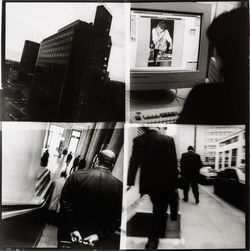
Sophie Dars and Carlo Menon, Stefano Graziani, and Yasufumi Nakamori present strategies for reimagining and employing visual formats such as the photo essay, the photo novel, and the photo exhibition. The event takes place in the framework of an ongoing CCA research project on the relationship between architecture and photography funded by The Andrew W. Mellon(...)
Sophie Dars and Carlo Menon, Stefano Graziani, and Yasufumi Nakamori present strategies for reimagining and employing visual formats such as the photo essay, the photo novel, and the photo exhibition. The event takes place in the framework of an ongoing CCA research project on the relationship between architecture and photography funded by The Andrew W. Mellon(...)
Date:
13 October 2016, 6pm
13 October 2016, 6pm
Title:
Talking Pictures
Actions:
Description:
Sophie Dars and Carlo Menon, Stefano Graziani, and Yasufumi Nakamori present strategies for reimagining and employing visual formats such as the photo essay, the photo novel, and the photo exhibition. The event takes place in the framework of an ongoing CCA research project on the relationship between architecture and photography funded by The Andrew W. Mellon(...)
Talking Pictures
Actions:
Description:
Sophie Dars and Carlo Menon, Stefano Graziani, and Yasufumi Nakamori present strategies for reimagining and employing visual formats such as the photo essay, the photo novel, and the photo exhibition. The event takes place in the framework of an ongoing CCA research project on the relationship between architecture and photography funded by The Andrew W. Mellon(...)
Form:
events
events
Date:
13 October 2016
6pm
13 October 2016
6pm
Form:
textual records
textual records
Reference number:
DR2001:0020
Description:
Documents include Business development General files: Alteka office building correspondences, Wexner correspondences, Centre of Berlin correspondences, memorandums, capital improvements bulletin from Ohio Department of Administrative services, Aleppo telephone conversation records, drawings, maps, plans, Purpose of the project bibliotheque de France, notes, World Architecture Triennial correspondences, qualification submission package for design of Museum of science and technology for Phoenix Arizona. Business development for Museum of Contemporary Art: documentations, correspondences, memo, notes, business contracts, telephone conversation records. Business development for San Diego Convention Centre competition: documentation and correspondences. Business development for Matrix: documentation, correspondences, plans, elevations. New Business Proposals rejected: the county of Mobile, Alabama in cooperation with the City of Mobile, documentation, correspondences, clippings. UC Riverside: photographs, draft-qualification statement science library, notes, telephone conversation records, fax transmittals, correspondences, documentation report, list of articles on Peter Eisenman in books, periodicals and catalogues. American Centre for Physics: statement of interest, correspondences, documentation, notes, faxes transmittals. Business Development General for Time-Pack Museum: fax communications. The Mandell Companies, Inc: report exhibits to the business plan, memo, correspondences, documentation, business plan, report of the Rick Mandell trip to Israel, clipping, curriculum vitea of Rick Mandell. Business Development for General Lake Superior Centre: statement of interest, correspondences, notes. Cleveland State University: capital improvements bulletin (Ohio department of administrative service) request for professional design services, telephone conversation records, documentation records, documentation program and Urban Design phase, clippings. Charlestown Navy Yard: notes, clippings, telephone conversation records, competition fees, professional cards, fax transmittals, project program, Harbor Park District Zoning amendment. Case Western Reserve University macromolecular science facility: proposal of phase one, memorandum 1990, chemistry note DRCON1999:0015:087:004. Koc University: statement of interest, meeting minutes, memo, correspondences, documentation, map of Istanbul, fax transmittals. The JBSpeed Art Museum, Louisville, Kentucky: promotion material folder, correspondences, meeting minutes, notes. The Environmental design building, University of California: proposal for detailed project program, maps, fax transmittals, notes, and documentations. Aerospace Centre Washington DC: Album with photographs, drawings and plans.
DR2001:0020
Description:
Documents include Business development General files: Alteka office building correspondences, Wexner correspondences, Centre of Berlin correspondences, memorandums, capital improvements bulletin from Ohio Department of Administrative services, Aleppo telephone conversation records, drawings, maps, plans, Purpose of the project bibliotheque de France, notes, World Architecture Triennial correspondences, qualification submission package for design of Museum of science and technology for Phoenix Arizona. Business development for Museum of Contemporary Art: documentations, correspondences, memo, notes, business contracts, telephone conversation records. Business development for San Diego Convention Centre competition: documentation and correspondences. Business development for Matrix: documentation, correspondences, plans, elevations. New Business Proposals rejected: the county of Mobile, Alabama in cooperation with the City of Mobile, documentation, correspondences, clippings. UC Riverside: photographs, draft-qualification statement science library, notes, telephone conversation records, fax transmittals, correspondences, documentation report, list of articles on Peter Eisenman in books, periodicals and catalogues. American Centre for Physics: statement of interest, correspondences, documentation, notes, faxes transmittals. Business Development General for Time-Pack Museum: fax communications. The Mandell Companies, Inc: report exhibits to the business plan, memo, correspondences, documentation, business plan, report of the Rick Mandell trip to Israel, clipping, curriculum vitea of Rick Mandell. Business Development for General Lake Superior Centre: statement of interest, correspondences, notes. Cleveland State University: capital improvements bulletin (Ohio department of administrative service) request for professional design services, telephone conversation records, documentation records, documentation program and Urban Design phase, clippings. Charlestown Navy Yard: notes, clippings, telephone conversation records, competition fees, professional cards, fax transmittals, project program, Harbor Park District Zoning amendment. Case Western Reserve University macromolecular science facility: proposal of phase one, memorandum 1990, chemistry note DRCON1999:0015:087:004. Koc University: statement of interest, meeting minutes, memo, correspondences, documentation, map of Istanbul, fax transmittals. The JBSpeed Art Museum, Louisville, Kentucky: promotion material folder, correspondences, meeting minutes, notes. The Environmental design building, University of California: proposal for detailed project program, maps, fax transmittals, notes, and documentations. Aerospace Centre Washington DC: Album with photographs, drawings and plans.
People:
Title:
Correspondence and other administrative records for various projects
Actions:
DR2001:0020
Description:
Documents include Business development General files: Alteka office building correspondences, Wexner correspondences, Centre of Berlin correspondences, memorandums, capital improvements bulletin from Ohio Department of Administrative services, Aleppo telephone conversation records, drawings, maps, plans, Purpose of the project bibliotheque de France, notes, World Architecture Triennial correspondences, qualification submission package for design of Museum of science and technology for Phoenix Arizona. Business development for Museum of Contemporary Art: documentations, correspondences, memo, notes, business contracts, telephone conversation records. Business development for San Diego Convention Centre competition: documentation and correspondences. Business development for Matrix: documentation, correspondences, plans, elevations. New Business Proposals rejected: the county of Mobile, Alabama in cooperation with the City of Mobile, documentation, correspondences, clippings. UC Riverside: photographs, draft-qualification statement science library, notes, telephone conversation records, fax transmittals, correspondences, documentation report, list of articles on Peter Eisenman in books, periodicals and catalogues. American Centre for Physics: statement of interest, correspondences, documentation, notes, faxes transmittals. Business Development General for Time-Pack Museum: fax communications. The Mandell Companies, Inc: report exhibits to the business plan, memo, correspondences, documentation, business plan, report of the Rick Mandell trip to Israel, clipping, curriculum vitea of Rick Mandell. Business Development for General Lake Superior Centre: statement of interest, correspondences, notes. Cleveland State University: capital improvements bulletin (Ohio department of administrative service) request for professional design services, telephone conversation records, documentation records, documentation program and Urban Design phase, clippings. Charlestown Navy Yard: notes, clippings, telephone conversation records, competition fees, professional cards, fax transmittals, project program, Harbor Park District Zoning amendment. Case Western Reserve University macromolecular science facility: proposal of phase one, memorandum 1990, chemistry note DRCON1999:0015:087:004. Koc University: statement of interest, meeting minutes, memo, correspondences, documentation, map of Istanbul, fax transmittals. The JBSpeed Art Museum, Louisville, Kentucky: promotion material folder, correspondences, meeting minutes, notes. The Environmental design building, University of California: proposal for detailed project program, maps, fax transmittals, notes, and documentations. Aerospace Centre Washington DC: Album with photographs, drawings and plans.
Correspondence and other administrative records for various projects
Actions:
DR2001:0020
Description:
Documents include Business development General files: Alteka office building correspondences, Wexner correspondences, Centre of Berlin correspondences, memorandums, capital improvements bulletin from Ohio Department of Administrative services, Aleppo telephone conversation records, drawings, maps, plans, Purpose of the project bibliotheque de France, notes, World Architecture Triennial correspondences, qualification submission package for design of Museum of science and technology for Phoenix Arizona. Business development for Museum of Contemporary Art: documentations, correspondences, memo, notes, business contracts, telephone conversation records. Business development for San Diego Convention Centre competition: documentation and correspondences. Business development for Matrix: documentation, correspondences, plans, elevations. New Business Proposals rejected: the county of Mobile, Alabama in cooperation with the City of Mobile, documentation, correspondences, clippings. UC Riverside: photographs, draft-qualification statement science library, notes, telephone conversation records, fax transmittals, correspondences, documentation report, list of articles on Peter Eisenman in books, periodicals and catalogues. American Centre for Physics: statement of interest, correspondences, documentation, notes, faxes transmittals. Business Development General for Time-Pack Museum: fax communications. The Mandell Companies, Inc: report exhibits to the business plan, memo, correspondences, documentation, business plan, report of the Rick Mandell trip to Israel, clipping, curriculum vitea of Rick Mandell. Business Development for General Lake Superior Centre: statement of interest, correspondences, notes. Cleveland State University: capital improvements bulletin (Ohio department of administrative service) request for professional design services, telephone conversation records, documentation records, documentation program and Urban Design phase, clippings. Charlestown Navy Yard: notes, clippings, telephone conversation records, competition fees, professional cards, fax transmittals, project program, Harbor Park District Zoning amendment. Case Western Reserve University macromolecular science facility: proposal of phase one, memorandum 1990, chemistry note DRCON1999:0015:087:004. Koc University: statement of interest, meeting minutes, memo, correspondences, documentation, map of Istanbul, fax transmittals. The JBSpeed Art Museum, Louisville, Kentucky: promotion material folder, correspondences, meeting minutes, notes. The Environmental design building, University of California: proposal for detailed project program, maps, fax transmittals, notes, and documentations. Aerospace Centre Washington DC: Album with photographs, drawings and plans.
Form:
textual records
textual records
People:
Level of archival description:
Project
Project
Reference number:
AP178.S1.1988.PR07
Description:
This project series documents the Reconstrução do Chiado in Lisbon, Portugal. The office's archives identified this project as 58/80. The office assigned the dates 1988-1998 for this project. Chiado is a historic district in the center of Lisbon, Portugal, and a linchpin between the Baixa Pombalina and the Bairro Alto Hill. After a devastating earthquake in 1755, the city was rebuilt and reorganized by military architects and engineers. The Pombaline style, specific to Lisbon, includes pre-fabricated anti-seismic structure and sober style. On August 25, 1988, a fire started in one of the oldest department stores of Lisbon, the Grandella building, damaging partially or totally seventeen buildings, between the Rua Do Carmo, Rua Nova do Almada and Rua Garret. Álvaro Siza was selected by the mayor of Lisbon, Nuno Krus Abecasis, to reorganize and rebuild the district. After public consultations, it was decided to maintain the historic image of the Chiado by restoring the façades and ornamentations. Adjustments by Siza include introducing residential and cultural functions to the district, with the exception of the Grandes Armazéns building and the Grandella building, which had their own program. As Siza said himself: "It’s not about drawing a new section of the city, but rather just introducing corrections and adjustments, reinforce the whole city." Siza started to work on the layout plan in January 1989 and presented it to the municipal authorities of Lisbon in April 1990. The reconstruction of the Chiado had several goals, but there were two general concepts behind his plan. The aesthetic aspect of the program included restorations of buildings to reinstitute the historical spirit of the district. The spatial reorganization, in a really Siza way, focused on finding architectural solutions that would bring more functionality to the city. The idea was to think of the reconstruction in relation with the urban revitalization of the Baixa Pombalina and to maintain as much as possible the patrimonial value of the district. Siza's intentions were to stimulate the commercial and residential functions of the district, which was on the decline over the last years prior to the fire. Some of the measures taken were: improving the traffic fluidity; creating parking spaces for the future residents and shopkeepers, improving the access to stores and others facilities, creating a staired passageway between Rua do Crucifixo and Rua Nova do Almada, and a pedestrian passageway between the rear of those buildings giving onto Rua Garret and Rua Do Carmo. They also studied the integration of a subway station to the district. Municipal authorities decided to rebuild or restore the original facades, reorganize the interior and improve the safety of the buildings. The biggest challenge was to convert the Grandes Armazéns do Chiado into a hotel and rebuild the Grandella with its original 20th century façade, while rethinking the interior division(s?) in order to add different functions to the building, including offices and leisure and cultural facilities. The reconstruction plan was divided into six distinct blocks: Bloco A, Bloco B, Bloco C, Bloco D, Bloco E, and Bloco F. Each Block includes several buildings and each was individually numbered. The first three blocks (A, B, C) were the most damaged, and required massive work, stonework, technical and mechanical work, replacing doors and windows, as well as repainting, repaving, and restoring decorative elements. Reconstruction for Blocks D, E, and F, which are less documented in the fonds, focused on making changes that complemented the neighboring building. Siza also worked specifically on the Edifício Castro e Melo, Câmara Chaves, Edifício Leonel, Edifício Grandella, and Recuperaçäo do Edifício dos Grandes Armazéns. The rest of the buildings were restored by other architects and firms. "Chiado" is often referring to two different things: the districts between the Baixa Pombalina and the Bairro Alto Hill, as well as a building, also known as the Hotel do Chiado. To avoid confusion, in this finding aid the term "Chiado" is always referring to the district, and the Chiado building will be referred to as the Grandes Armazéns do Chiado building. To fully understand the nature of the project, it is important to comprehend the reconstruction of the Chiado as a whole project, rather than as individual components. Siza himself saw the Chiado as one big building. Bloco A (plots 7,8,9,10,11 and 20) Bloco B (plots 12, 13, 14/15 and 16) Bloco C (plots 2, 3 and 6) Bloco D (plots 4 and 5) Bloco E (plots 1,17,18 and 19) This project series includes eleven subseries : Subseries 1) AP178.S1.1988.PR07.SS1 Master plans and exterior spaces, Reconstruction of Chiado, 2) AP178.S1.1988.PR07.SS2 Bloco A, 3) AP178.S1.1988.PR07.SS3 Edificio Camara Chaves building, 4) AP178.S1.1988.PR07.SS4 Edifício Castro e Melo, 5) AP178.S1.1988.PR07.SS5 Bloco B, 6) AP178.S1.1988.PR07.SS6– Bloco, B Chiado, Edifício Leonel, Lisboa, Portugal (1988-1998), 7) AP178.S1.1988.PR07.SS7 Bloco C, 8) AP178.S1.1988.PR07.SS8 - Bloco C, Chiado, Recuperaçäo do Edifício Grandella, 9) AP178.S1.1988.PR07.SS9 - Bloco C, Chiado, Recuperaçäo do Edifício dos Grandes Armazéns, 10) AP178.S1.1988.PR07.SS10 Ligacao Pedonal do Patio B, 11) AP178.S1.1988.PR07.SS11 Chiado, Estação de Metropolitano Baixa Chiado. It is important to note that the project AP178.S1.1994.PR08 Renovação do Elevador de Santa Justa, Chiado, 1994 is also related to the Reconstruction of the Chiado. All documentation for this project series, including the project subseries, has been kept together to maintain the office's arrangement.
AP178.S1.1988.PR07
Description:
This project series documents the Reconstrução do Chiado in Lisbon, Portugal. The office's archives identified this project as 58/80. The office assigned the dates 1988-1998 for this project. Chiado is a historic district in the center of Lisbon, Portugal, and a linchpin between the Baixa Pombalina and the Bairro Alto Hill. After a devastating earthquake in 1755, the city was rebuilt and reorganized by military architects and engineers. The Pombaline style, specific to Lisbon, includes pre-fabricated anti-seismic structure and sober style. On August 25, 1988, a fire started in one of the oldest department stores of Lisbon, the Grandella building, damaging partially or totally seventeen buildings, between the Rua Do Carmo, Rua Nova do Almada and Rua Garret. Álvaro Siza was selected by the mayor of Lisbon, Nuno Krus Abecasis, to reorganize and rebuild the district. After public consultations, it was decided to maintain the historic image of the Chiado by restoring the façades and ornamentations. Adjustments by Siza include introducing residential and cultural functions to the district, with the exception of the Grandes Armazéns building and the Grandella building, which had their own program. As Siza said himself: "It’s not about drawing a new section of the city, but rather just introducing corrections and adjustments, reinforce the whole city." Siza started to work on the layout plan in January 1989 and presented it to the municipal authorities of Lisbon in April 1990. The reconstruction of the Chiado had several goals, but there were two general concepts behind his plan. The aesthetic aspect of the program included restorations of buildings to reinstitute the historical spirit of the district. The spatial reorganization, in a really Siza way, focused on finding architectural solutions that would bring more functionality to the city. The idea was to think of the reconstruction in relation with the urban revitalization of the Baixa Pombalina and to maintain as much as possible the patrimonial value of the district. Siza's intentions were to stimulate the commercial and residential functions of the district, which was on the decline over the last years prior to the fire. Some of the measures taken were: improving the traffic fluidity; creating parking spaces for the future residents and shopkeepers, improving the access to stores and others facilities, creating a staired passageway between Rua do Crucifixo and Rua Nova do Almada, and a pedestrian passageway between the rear of those buildings giving onto Rua Garret and Rua Do Carmo. They also studied the integration of a subway station to the district. Municipal authorities decided to rebuild or restore the original facades, reorganize the interior and improve the safety of the buildings. The biggest challenge was to convert the Grandes Armazéns do Chiado into a hotel and rebuild the Grandella with its original 20th century façade, while rethinking the interior division(s?) in order to add different functions to the building, including offices and leisure and cultural facilities. The reconstruction plan was divided into six distinct blocks: Bloco A, Bloco B, Bloco C, Bloco D, Bloco E, and Bloco F. Each Block includes several buildings and each was individually numbered. The first three blocks (A, B, C) were the most damaged, and required massive work, stonework, technical and mechanical work, replacing doors and windows, as well as repainting, repaving, and restoring decorative elements. Reconstruction for Blocks D, E, and F, which are less documented in the fonds, focused on making changes that complemented the neighboring building. Siza also worked specifically on the Edifício Castro e Melo, Câmara Chaves, Edifício Leonel, Edifício Grandella, and Recuperaçäo do Edifício dos Grandes Armazéns. The rest of the buildings were restored by other architects and firms. "Chiado" is often referring to two different things: the districts between the Baixa Pombalina and the Bairro Alto Hill, as well as a building, also known as the Hotel do Chiado. To avoid confusion, in this finding aid the term "Chiado" is always referring to the district, and the Chiado building will be referred to as the Grandes Armazéns do Chiado building. To fully understand the nature of the project, it is important to comprehend the reconstruction of the Chiado as a whole project, rather than as individual components. Siza himself saw the Chiado as one big building. Bloco A (plots 7,8,9,10,11 and 20) Bloco B (plots 12, 13, 14/15 and 16) Bloco C (plots 2, 3 and 6) Bloco D (plots 4 and 5) Bloco E (plots 1,17,18 and 19) This project series includes eleven subseries : Subseries 1) AP178.S1.1988.PR07.SS1 Master plans and exterior spaces, Reconstruction of Chiado, 2) AP178.S1.1988.PR07.SS2 Bloco A, 3) AP178.S1.1988.PR07.SS3 Edificio Camara Chaves building, 4) AP178.S1.1988.PR07.SS4 Edifício Castro e Melo, 5) AP178.S1.1988.PR07.SS5 Bloco B, 6) AP178.S1.1988.PR07.SS6– Bloco, B Chiado, Edifício Leonel, Lisboa, Portugal (1988-1998), 7) AP178.S1.1988.PR07.SS7 Bloco C, 8) AP178.S1.1988.PR07.SS8 - Bloco C, Chiado, Recuperaçäo do Edifício Grandella, 9) AP178.S1.1988.PR07.SS9 - Bloco C, Chiado, Recuperaçäo do Edifício dos Grandes Armazéns, 10) AP178.S1.1988.PR07.SS10 Ligacao Pedonal do Patio B, 11) AP178.S1.1988.PR07.SS11 Chiado, Estação de Metropolitano Baixa Chiado. It is important to note that the project AP178.S1.1994.PR08 Renovação do Elevador de Santa Justa, Chiado, 1994 is also related to the Reconstruction of the Chiado. All documentation for this project series, including the project subseries, has been kept together to maintain the office's arrangement.
People:
Date:
1942-2012
1942-2012
Title:
Reconstrução do Chiado [Reconstruction of the Chiado area], Lisbon, Portugal (1988-1998)
Actions:
AP178.S1.1988.PR07
Description:
This project series documents the Reconstrução do Chiado in Lisbon, Portugal. The office's archives identified this project as 58/80. The office assigned the dates 1988-1998 for this project. Chiado is a historic district in the center of Lisbon, Portugal, and a linchpin between the Baixa Pombalina and the Bairro Alto Hill. After a devastating earthquake in 1755, the city was rebuilt and reorganized by military architects and engineers. The Pombaline style, specific to Lisbon, includes pre-fabricated anti-seismic structure and sober style. On August 25, 1988, a fire started in one of the oldest department stores of Lisbon, the Grandella building, damaging partially or totally seventeen buildings, between the Rua Do Carmo, Rua Nova do Almada and Rua Garret. Álvaro Siza was selected by the mayor of Lisbon, Nuno Krus Abecasis, to reorganize and rebuild the district. After public consultations, it was decided to maintain the historic image of the Chiado by restoring the façades and ornamentations. Adjustments by Siza include introducing residential and cultural functions to the district, with the exception of the Grandes Armazéns building and the Grandella building, which had their own program. As Siza said himself: "It’s not about drawing a new section of the city, but rather just introducing corrections and adjustments, reinforce the whole city." Siza started to work on the layout plan in January 1989 and presented it to the municipal authorities of Lisbon in April 1990. The reconstruction of the Chiado had several goals, but there were two general concepts behind his plan. The aesthetic aspect of the program included restorations of buildings to reinstitute the historical spirit of the district. The spatial reorganization, in a really Siza way, focused on finding architectural solutions that would bring more functionality to the city. The idea was to think of the reconstruction in relation with the urban revitalization of the Baixa Pombalina and to maintain as much as possible the patrimonial value of the district. Siza's intentions were to stimulate the commercial and residential functions of the district, which was on the decline over the last years prior to the fire. Some of the measures taken were: improving the traffic fluidity; creating parking spaces for the future residents and shopkeepers, improving the access to stores and others facilities, creating a staired passageway between Rua do Crucifixo and Rua Nova do Almada, and a pedestrian passageway between the rear of those buildings giving onto Rua Garret and Rua Do Carmo. They also studied the integration of a subway station to the district. Municipal authorities decided to rebuild or restore the original facades, reorganize the interior and improve the safety of the buildings. The biggest challenge was to convert the Grandes Armazéns do Chiado into a hotel and rebuild the Grandella with its original 20th century façade, while rethinking the interior division(s?) in order to add different functions to the building, including offices and leisure and cultural facilities. The reconstruction plan was divided into six distinct blocks: Bloco A, Bloco B, Bloco C, Bloco D, Bloco E, and Bloco F. Each Block includes several buildings and each was individually numbered. The first three blocks (A, B, C) were the most damaged, and required massive work, stonework, technical and mechanical work, replacing doors and windows, as well as repainting, repaving, and restoring decorative elements. Reconstruction for Blocks D, E, and F, which are less documented in the fonds, focused on making changes that complemented the neighboring building. Siza also worked specifically on the Edifício Castro e Melo, Câmara Chaves, Edifício Leonel, Edifício Grandella, and Recuperaçäo do Edifício dos Grandes Armazéns. The rest of the buildings were restored by other architects and firms. "Chiado" is often referring to two different things: the districts between the Baixa Pombalina and the Bairro Alto Hill, as well as a building, also known as the Hotel do Chiado. To avoid confusion, in this finding aid the term "Chiado" is always referring to the district, and the Chiado building will be referred to as the Grandes Armazéns do Chiado building. To fully understand the nature of the project, it is important to comprehend the reconstruction of the Chiado as a whole project, rather than as individual components. Siza himself saw the Chiado as one big building. Bloco A (plots 7,8,9,10,11 and 20) Bloco B (plots 12, 13, 14/15 and 16) Bloco C (plots 2, 3 and 6) Bloco D (plots 4 and 5) Bloco E (plots 1,17,18 and 19) This project series includes eleven subseries : Subseries 1) AP178.S1.1988.PR07.SS1 Master plans and exterior spaces, Reconstruction of Chiado, 2) AP178.S1.1988.PR07.SS2 Bloco A, 3) AP178.S1.1988.PR07.SS3 Edificio Camara Chaves building, 4) AP178.S1.1988.PR07.SS4 Edifício Castro e Melo, 5) AP178.S1.1988.PR07.SS5 Bloco B, 6) AP178.S1.1988.PR07.SS6– Bloco, B Chiado, Edifício Leonel, Lisboa, Portugal (1988-1998), 7) AP178.S1.1988.PR07.SS7 Bloco C, 8) AP178.S1.1988.PR07.SS8 - Bloco C, Chiado, Recuperaçäo do Edifício Grandella, 9) AP178.S1.1988.PR07.SS9 - Bloco C, Chiado, Recuperaçäo do Edifício dos Grandes Armazéns, 10) AP178.S1.1988.PR07.SS10 Ligacao Pedonal do Patio B, 11) AP178.S1.1988.PR07.SS11 Chiado, Estação de Metropolitano Baixa Chiado. It is important to note that the project AP178.S1.1994.PR08 Renovação do Elevador de Santa Justa, Chiado, 1994 is also related to the Reconstruction of the Chiado. All documentation for this project series, including the project subseries, has been kept together to maintain the office's arrangement.
Reconstrução do Chiado [Reconstruction of the Chiado area], Lisbon, Portugal (1988-1998)
Actions:
AP178.S1.1988.PR07
Description:
This project series documents the Reconstrução do Chiado in Lisbon, Portugal. The office's archives identified this project as 58/80. The office assigned the dates 1988-1998 for this project. Chiado is a historic district in the center of Lisbon, Portugal, and a linchpin between the Baixa Pombalina and the Bairro Alto Hill. After a devastating earthquake in 1755, the city was rebuilt and reorganized by military architects and engineers. The Pombaline style, specific to Lisbon, includes pre-fabricated anti-seismic structure and sober style. On August 25, 1988, a fire started in one of the oldest department stores of Lisbon, the Grandella building, damaging partially or totally seventeen buildings, between the Rua Do Carmo, Rua Nova do Almada and Rua Garret. Álvaro Siza was selected by the mayor of Lisbon, Nuno Krus Abecasis, to reorganize and rebuild the district. After public consultations, it was decided to maintain the historic image of the Chiado by restoring the façades and ornamentations. Adjustments by Siza include introducing residential and cultural functions to the district, with the exception of the Grandes Armazéns building and the Grandella building, which had their own program. As Siza said himself: "It’s not about drawing a new section of the city, but rather just introducing corrections and adjustments, reinforce the whole city." Siza started to work on the layout plan in January 1989 and presented it to the municipal authorities of Lisbon in April 1990. The reconstruction of the Chiado had several goals, but there were two general concepts behind his plan. The aesthetic aspect of the program included restorations of buildings to reinstitute the historical spirit of the district. The spatial reorganization, in a really Siza way, focused on finding architectural solutions that would bring more functionality to the city. The idea was to think of the reconstruction in relation with the urban revitalization of the Baixa Pombalina and to maintain as much as possible the patrimonial value of the district. Siza's intentions were to stimulate the commercial and residential functions of the district, which was on the decline over the last years prior to the fire. Some of the measures taken were: improving the traffic fluidity; creating parking spaces for the future residents and shopkeepers, improving the access to stores and others facilities, creating a staired passageway between Rua do Crucifixo and Rua Nova do Almada, and a pedestrian passageway between the rear of those buildings giving onto Rua Garret and Rua Do Carmo. They also studied the integration of a subway station to the district. Municipal authorities decided to rebuild or restore the original facades, reorganize the interior and improve the safety of the buildings. The biggest challenge was to convert the Grandes Armazéns do Chiado into a hotel and rebuild the Grandella with its original 20th century façade, while rethinking the interior division(s?) in order to add different functions to the building, including offices and leisure and cultural facilities. The reconstruction plan was divided into six distinct blocks: Bloco A, Bloco B, Bloco C, Bloco D, Bloco E, and Bloco F. Each Block includes several buildings and each was individually numbered. The first three blocks (A, B, C) were the most damaged, and required massive work, stonework, technical and mechanical work, replacing doors and windows, as well as repainting, repaving, and restoring decorative elements. Reconstruction for Blocks D, E, and F, which are less documented in the fonds, focused on making changes that complemented the neighboring building. Siza also worked specifically on the Edifício Castro e Melo, Câmara Chaves, Edifício Leonel, Edifício Grandella, and Recuperaçäo do Edifício dos Grandes Armazéns. The rest of the buildings were restored by other architects and firms. "Chiado" is often referring to two different things: the districts between the Baixa Pombalina and the Bairro Alto Hill, as well as a building, also known as the Hotel do Chiado. To avoid confusion, in this finding aid the term "Chiado" is always referring to the district, and the Chiado building will be referred to as the Grandes Armazéns do Chiado building. To fully understand the nature of the project, it is important to comprehend the reconstruction of the Chiado as a whole project, rather than as individual components. Siza himself saw the Chiado as one big building. Bloco A (plots 7,8,9,10,11 and 20) Bloco B (plots 12, 13, 14/15 and 16) Bloco C (plots 2, 3 and 6) Bloco D (plots 4 and 5) Bloco E (plots 1,17,18 and 19) This project series includes eleven subseries : Subseries 1) AP178.S1.1988.PR07.SS1 Master plans and exterior spaces, Reconstruction of Chiado, 2) AP178.S1.1988.PR07.SS2 Bloco A, 3) AP178.S1.1988.PR07.SS3 Edificio Camara Chaves building, 4) AP178.S1.1988.PR07.SS4 Edifício Castro e Melo, 5) AP178.S1.1988.PR07.SS5 Bloco B, 6) AP178.S1.1988.PR07.SS6– Bloco, B Chiado, Edifício Leonel, Lisboa, Portugal (1988-1998), 7) AP178.S1.1988.PR07.SS7 Bloco C, 8) AP178.S1.1988.PR07.SS8 - Bloco C, Chiado, Recuperaçäo do Edifício Grandella, 9) AP178.S1.1988.PR07.SS9 - Bloco C, Chiado, Recuperaçäo do Edifício dos Grandes Armazéns, 10) AP178.S1.1988.PR07.SS10 Ligacao Pedonal do Patio B, 11) AP178.S1.1988.PR07.SS11 Chiado, Estação de Metropolitano Baixa Chiado. It is important to note that the project AP178.S1.1994.PR08 Renovação do Elevador de Santa Justa, Chiado, 1994 is also related to the Reconstruction of the Chiado. All documentation for this project series, including the project subseries, has been kept together to maintain the office's arrangement.
Level of archival description:
Project
Project
Date:
1942-2012
1942-2012
People:


