


147 Results
Form:
books
books
Actions:
Price:
$100.95
(available to order)
Summary:
Tehran-born director Kiarostami is internationally acclaimed for his poetic documentary-style films. In addition to the forty-odd films that have brought him fame, Kiarostami has produced photography, paintings and graphic design. Snow White collects snow-scene photographs taken from 1978 to 2004. These black and white images of deep drifts, dogs and bare trees on snowy(...)
$100.95
(available to order)
Summary:
Tehran-born director Kiarostami is internationally acclaimed for his poetic documentary-style films. In addition to the forty-odd films that have brought him fame, Kiarostami has produced photography, paintings and graphic design. Snow White collects snow-scene photographs taken from 1978 to 2004. These black and white images of deep drifts, dogs and bare trees on snowy(...)
Title:
Abbas Kiarostami : snow white
Actions:
Price:
$100.95
(available to order)
Summary:
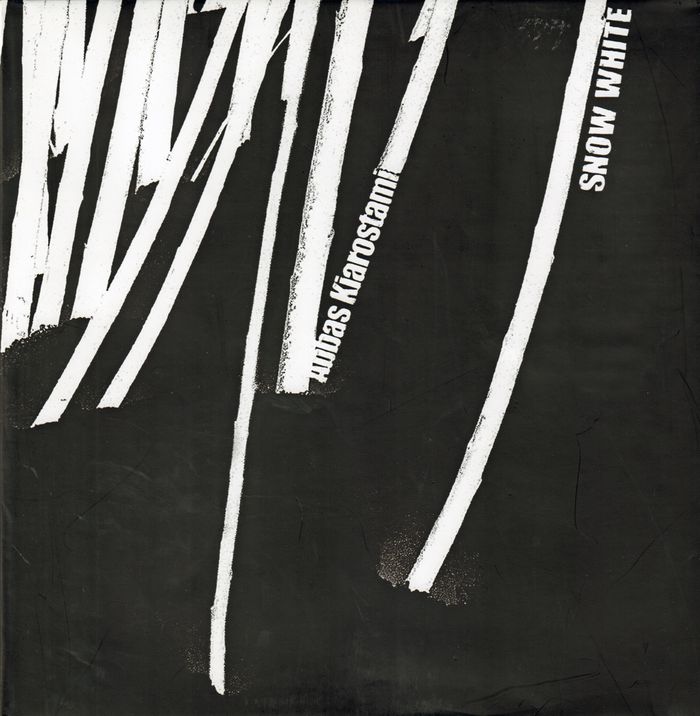
Tehran-born director Kiarostami is internationally acclaimed for his poetic documentary-style films. In addition to the forty-odd films that have brought him fame, Kiarostami has produced photography, paintings and graphic design. Snow White collects snow-scene photographs taken from 1978 to 2004. These black and white images of deep drifts, dogs and bare trees on snowy hillsides all epitomize the simplicity of Kiarostamis introduction: On a snowy morning I run out, hatless and coatless, happy as a child.
Abbas Kiarostami : snow white
Actions:
Price:
$100.95
(available to order)
Summary:
Tehran-born director Kiarostami is internationally acclaimed for his poetic documentary-style films. In addition to the forty-odd films that have brought him fame, Kiarostami has produced photography, paintings and graphic design. Snow White collects snow-scene photographs taken from 1978 to 2004. These black and white images of deep drifts, dogs and bare trees on snowy hillsides all epitomize the simplicity of Kiarostamis introduction: On a snowy morning I run out, hatless and coatless, happy as a child.
Form:
books
books
Publication:
January 2010
January 2010
Subject:
Photography monographs
Photography monographs
Form:
books
books
Price:
$55.00
(available in store)
Summary:
In this fascinating and unique book, Alexandru Balasescu explores questions of Islamic dress, modernity and public space in Paris and Tehran. How are we to understand the exclusion of the Islamic dress from public space in France if, at the same time, trendy French women and wealthy Middle Eastern tourists shop for designer-label hijab, apparently accepting its conversion(...)
$55.00
(available in store)
Summary:
In this fascinating and unique book, Alexandru Balasescu explores questions of Islamic dress, modernity and public space in Paris and Tehran. How are we to understand the exclusion of the Islamic dress from public space in France if, at the same time, trendy French women and wealthy Middle Eastern tourists shop for designer-label hijab, apparently accepting its conversion(...)
Publication:
January 2007, Bucharest
January 2007, Bucharest
Title:
Paris chic, Teheran thrills : aesthetic bodies, political subjects
Actions:
Price:
$55.00
(available in store)
Summary:
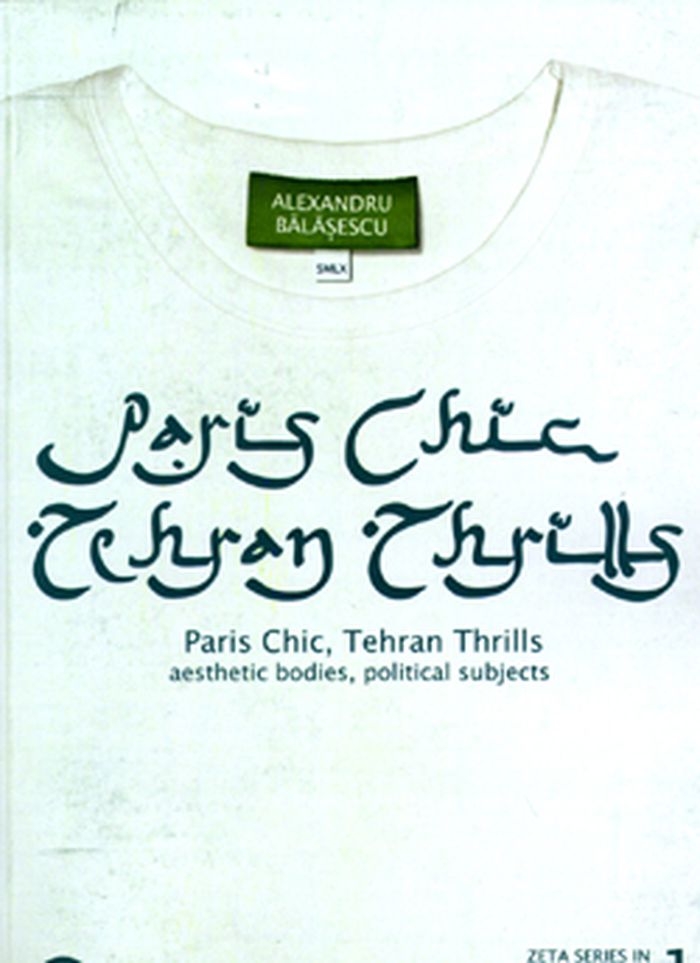
In this fascinating and unique book, Alexandru Balasescu explores questions of Islamic dress, modernity and public space in Paris and Tehran. How are we to understand the exclusion of the Islamic dress from public space in France if, at the same time, trendy French women and wealthy Middle Eastern tourists shop for designer-label hijab, apparently accepting its conversion into a (depoliticited, deracinated) commodity? And how are we to understand the creation of "designer label" Islamic dress, when fashionable women recast the meanings and practices associated with veiling, understood by Western observers to be the mark of their subordination to a religious regime, into couture?
Paris chic, Teheran thrills : aesthetic bodies, political subjects
Actions:
Price:
$55.00
(available in store)
Summary:
In this fascinating and unique book, Alexandru Balasescu explores questions of Islamic dress, modernity and public space in Paris and Tehran. How are we to understand the exclusion of the Islamic dress from public space in France if, at the same time, trendy French women and wealthy Middle Eastern tourists shop for designer-label hijab, apparently accepting its conversion into a (depoliticited, deracinated) commodity? And how are we to understand the creation of "designer label" Islamic dress, when fashionable women recast the meanings and practices associated with veiling, understood by Western observers to be the mark of their subordination to a religious regime, into couture?
Form:
books
books
Publication:
January 2007, Bucharest
January 2007, Bucharest
Form:
books
books
Price:
$82.50
(available in store)
Summary:
Gio Ponti (1891–1979) was a giant of Italian Modernism, contributing to a multitude of fields: architecture, industrial design, furniture design, education, art criticism and publishing. From 1923 to 1930, Ponti served as the artistic director of the now cult Italian tableware manufacturer Richard Ginori. In 1928, he founded the internationally renowned magazine Domus,(...)
$82.50
(available in store)
Summary:
Gio Ponti (1891–1979) was a giant of Italian Modernism, contributing to a multitude of fields: architecture, industrial design, furniture design, education, art criticism and publishing. From 1923 to 1930, Ponti served as the artistic director of the now cult Italian tableware manufacturer Richard Ginori. In 1928, he founded the internationally renowned magazine Domus,(...)
Subject:
Architecture Monographs
Architecture Monographs
Publication:
October 2025
October 2025
Title:
More than one: Gio Ponti. Critic, editor, graphic artist, architect
Actions:
Price:
$82.50
(available in store)
Summary:
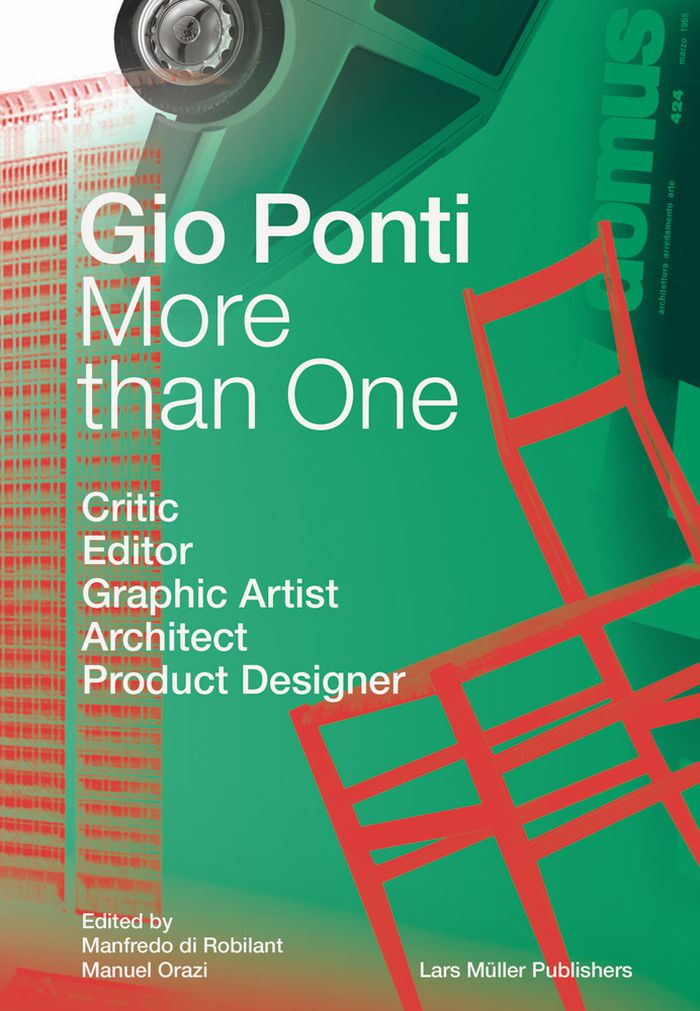
Gio Ponti (1891–1979) was a giant of Italian Modernism, contributing to a multitude of fields: architecture, industrial design, furniture design, education, art criticism and publishing. From 1923 to 1930, Ponti served as the artistic director of the now cult Italian tableware manufacturer Richard Ginori. In 1928, he founded the internationally renowned magazine Domus, which, apart from a break in the 1940s, he continued to direct for the rest of his life. In the postwar era, Ponti and his associates Antonio Fornaroli and Alberto Rosselli shaped the architectural image of Milan but were also active across the globe from Caracas to Tehran, Denver, Islamabad and Eindhoven. "More than one: Gio Ponti" delves into the many components of Ponti’s creative contribution to the 20th century and traces his enduring influence in Italy and across the globe.
More than one: Gio Ponti. Critic, editor, graphic artist, architect
Actions:
Price:
$82.50
(available in store)
Summary:
Gio Ponti (1891–1979) was a giant of Italian Modernism, contributing to a multitude of fields: architecture, industrial design, furniture design, education, art criticism and publishing. From 1923 to 1930, Ponti served as the artistic director of the now cult Italian tableware manufacturer Richard Ginori. In 1928, he founded the internationally renowned magazine Domus, which, apart from a break in the 1940s, he continued to direct for the rest of his life. In the postwar era, Ponti and his associates Antonio Fornaroli and Alberto Rosselli shaped the architectural image of Milan but were also active across the globe from Caracas to Tehran, Denver, Islamabad and Eindhoven. "More than one: Gio Ponti" delves into the many components of Ponti’s creative contribution to the 20th century and traces his enduring influence in Italy and across the globe.
Form:
books
books
Publication:
October 2025
October 2025
Subject:
Architecture Monographs
Architecture Monographs
Form:
books
books
Actions:
Price:
$83.00
(available to order)
Summary:
Walter Niedermayr (born 1952) is among Europe's finest contemporary photographers, a virtuoso in the portrayal of contemporary architecture and Alpine landscapes whose subtle handling of scale, diffuse light effects and desaturated color has been much imitated in recent years. Between 2005 and 2008, Niedermayr traveled in Iran, visiting Tehran, Isfahan, Yazd, Shiraz and(...)
$83.00
(available to order)
Summary:
Walter Niedermayr (born 1952) is among Europe's finest contemporary photographers, a virtuoso in the portrayal of contemporary architecture and Alpine landscapes whose subtle handling of scale, diffuse light effects and desaturated color has been much imitated in recent years. Between 2005 and 2008, Niedermayr traveled in Iran, visiting Tehran, Isfahan, Yazd, Shiraz and(...)
Title:
Walter Niedermayr : recollection
Actions:
Price:
$83.00
(available to order)
Summary:
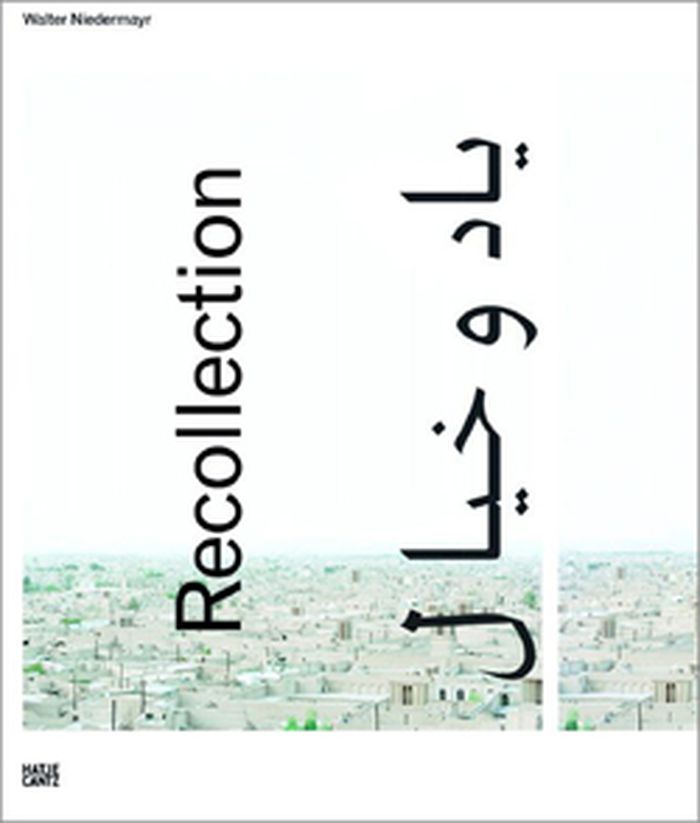
Walter Niedermayr (born 1952) is among Europe's finest contemporary photographers, a virtuoso in the portrayal of contemporary architecture and Alpine landscapes whose subtle handling of scale, diffuse light effects and desaturated color has been much imitated in recent years. Between 2005 and 2008, Niedermayr traveled in Iran, visiting Tehran, Isfahan, Yazd, Shiraz and other smaller cities and historical sites. His travels spurred the undertaking of a new series examining Iranian architecture in its cultural and historical context. The resulting photographs reveal a wild mingling of east and west as older buildings jostle with colorful billboards, beltways and apartment blocks that look as if they could be located anywhere in the world. As with Niedermayr's famous winter landscapes, the majestic, pale color composition of these photographs transports them far beyond mere documentary, towards a sense of tremendous scale and implied political narrative.
Walter Niedermayr : recollection
Actions:
Price:
$83.00
(available to order)
Summary:
Walter Niedermayr (born 1952) is among Europe's finest contemporary photographers, a virtuoso in the portrayal of contemporary architecture and Alpine landscapes whose subtle handling of scale, diffuse light effects and desaturated color has been much imitated in recent years. Between 2005 and 2008, Niedermayr traveled in Iran, visiting Tehran, Isfahan, Yazd, Shiraz and other smaller cities and historical sites. His travels spurred the undertaking of a new series examining Iranian architecture in its cultural and historical context. The resulting photographs reveal a wild mingling of east and west as older buildings jostle with colorful billboards, beltways and apartment blocks that look as if they could be located anywhere in the world. As with Niedermayr's famous winter landscapes, the majestic, pale color composition of these photographs transports them far beyond mere documentary, towards a sense of tremendous scale and implied political narrative.
Form:
books
books
Publication:
January 2011
January 2011
Subject:
Photography monographs
Photography monographs
Form:
books
books
Price:
$43.95
(available to order)
Summary:
The Middle Eastern bazaar is much more than a context for commerce: the studies in this book illustrate that markets, regardless of their location, scale, and permanency, have also played important cultural roles within their societies, reflecting historical evolution, industrial development, social and political conditions, urban morphology, and architectural functions.(...)
$43.95
(available to order)
Summary:
The Middle Eastern bazaar is much more than a context for commerce: the studies in this book illustrate that markets, regardless of their location, scale, and permanency, have also played important cultural roles within their societies, reflecting historical evolution, industrial development, social and political conditions, urban morphology, and architectural functions.(...)
Title:
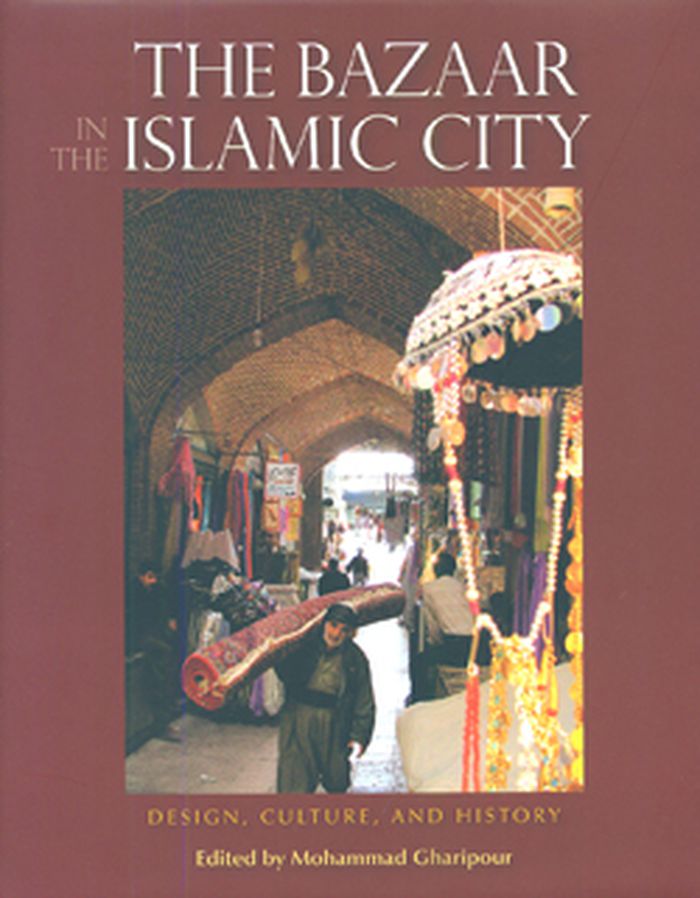
The bazaar in the Islamic city : design, culture, and history
Actions:
Price:
$43.95
(available to order)
Summary:
The Middle Eastern bazaar is much more than a context for commerce: the studies in this book illustrate that markets, regardless of their location, scale, and permanency, have also played important cultural roles within their societies, reflecting historical evolution, industrial development, social and political conditions, urban morphology, and architectural functions. This interdisciplinary volume explores the dynamics of the bazaar with a number of case studies from Cairo, Damascus, Aleppo, Nablus, Bursa, Istanbul, Sanaa, Kabul, Tehran, and Yazd. Although they share some contextual and functional characteristics, each bazaar has its own unique and fascinating history, traditions, cultural practices, and structure. One of the most intriguing aspects revealed in this volume is the thread of continuity from past to present exhibited by the bazaar as a forum where a society meets and intermingles in the practice of goods exchange—a social and cultural ritual that is as old as human history.
The bazaar in the Islamic city : design, culture, and history
Actions:
Price:
$43.95
(available to order)
Summary:
The Middle Eastern bazaar is much more than a context for commerce: the studies in this book illustrate that markets, regardless of their location, scale, and permanency, have also played important cultural roles within their societies, reflecting historical evolution, industrial development, social and political conditions, urban morphology, and architectural functions. This interdisciplinary volume explores the dynamics of the bazaar with a number of case studies from Cairo, Damascus, Aleppo, Nablus, Bursa, Istanbul, Sanaa, Kabul, Tehran, and Yazd. Although they share some contextual and functional characteristics, each bazaar has its own unique and fascinating history, traditions, cultural practices, and structure. One of the most intriguing aspects revealed in this volume is the thread of continuity from past to present exhibited by the bazaar as a forum where a society meets and intermingles in the practice of goods exchange—a social and cultural ritual that is as old as human history.
Form:
books
books
Publication:
June 2012
June 2012
Subject:
History until 1900, Middle East
History until 1900, Middle East
Form:
books
books
Title:
Architecture guide Iran
Architecture guide Iran
Actions:
Price:
$65.95
(available to order)
Summary:
Iran has one of the oldest town cultures in the world, going back more than 4000 years. Between the Islamic conquest in the seventh century and Westernisation in the second half of the nineteenth century, the cities and towns in today’s Islamic Republic of Iran underwent repeated changes. Persian building culture influenced architects and artists as far as Central Asia in(...)
$65.95
(available to order)
Summary:
Iran has one of the oldest town cultures in the world, going back more than 4000 years. Between the Islamic conquest in the seventh century and Westernisation in the second half of the nineteenth century, the cities and towns in today’s Islamic Republic of Iran underwent repeated changes. Persian building culture influenced architects and artists as far as Central Asia in(...)
Title:
Architecture guide Iran
Actions:
Price:
$65.95
(available to order)
Summary:
Iran has one of the oldest town cultures in the world, going back more than 4000 years. Between the Islamic conquest in the seventh century and Westernisation in the second half of the nineteenth century, the cities and towns in today’s Islamic Republic of Iran underwent repeated changes. Persian building culture influenced architects and artists as far as Central Asia in the north and India in the east. Unlike any other country in the region, Iran shows a unique urban and architectonic development whose defining characteristics merged with other cultures over time, representing an important contribution to world architecture. In this architectural guide, author and architect Thomas Meyer-Wieser embarks on a journey into history, showcasing nearly 300 buildings and other projects in Tehran, Isfahan and Shiraz. His focus is on the Iranian-Islamic architectural identity, which has held its own since the rise of the Safavids in 1501.
Architecture guide Iran
Actions:
Price:
$65.95
(available to order)
Summary:
Iran has one of the oldest town cultures in the world, going back more than 4000 years. Between the Islamic conquest in the seventh century and Westernisation in the second half of the nineteenth century, the cities and towns in today’s Islamic Republic of Iran underwent repeated changes. Persian building culture influenced architects and artists as far as Central Asia in the north and India in the east. Unlike any other country in the region, Iran shows a unique urban and architectonic development whose defining characteristics merged with other cultures over time, representing an important contribution to world architecture. In this architectural guide, author and architect Thomas Meyer-Wieser embarks on a journey into history, showcasing nearly 300 buildings and other projects in Tehran, Isfahan and Shiraz. His focus is on the Iranian-Islamic architectural identity, which has held its own since the rise of the Safavids in 1501.
Form:
books
books
Publication:
June 2017
June 2017
Subject:
City Guides
City Guides
Form:
books
books
Actions:
Price:
$85.00
(available to order)
Summary:
This book revisits the history of modernism in architecture through the legacy of one of its protagonists, Armenian architect Gabriel Guevrekian (c. 1900–70). Born in Istanbul, Guevrekian grew up in Tehran and then moved to Vienna to study architecture at the Kunstgewerbeschule; he later worked with Oskar Strnad, Josef Hoffmann, Adolf Loos, Henri Sauvage and Robert(...)
$85.00
(available to order)
Summary:
This book revisits the history of modernism in architecture through the legacy of one of its protagonists, Armenian architect Gabriel Guevrekian (c. 1900–70). Born in Istanbul, Guevrekian grew up in Tehran and then moved to Vienna to study architecture at the Kunstgewerbeschule; he later worked with Oskar Strnad, Josef Hoffmann, Adolf Loos, Henri Sauvage and Robert(...)
Title:
Gabriel Guevrekian: the elusive modernist
Actions:
Price:
$85.00
(available to order)
Summary:
This book revisits the history of modernism in architecture through the legacy of one of its protagonists, Armenian architect Gabriel Guevrekian (c. 1900–70). Born in Istanbul, Guevrekian grew up in Tehran and then moved to Vienna to study architecture at the Kunstgewerbeschule; he later worked with Oskar Strnad, Josef Hoffmann, Adolf Loos, Henri Sauvage and Robert Mallet-Stevens. Among Guevrekian’s famous designs are the Cubist Garden for Villa Noailles in France and two houses for the Vienna Werkbund exhibition. Before he turned 30, Guevrekian was recognized as one of the protagonists of the European avant-garde in Paris. During the 1930s, Guevrekian spent a few years in Iran designing public buildings. Later, after the World War II, he took up teaching positions in Europe and America. All of Guevrekian’s various pursuits, and the homes and nationalities he held in Asia, Europe and then America, led the architect to a serial adoption of personae. Guevrekian was an architect, an avant-gardist and a cosmopolitan. He made every discipline meaningful, every city central, every period epochal, simply by his own very tangible engagement with it.
Gabriel Guevrekian: the elusive modernist
Actions:
Price:
$85.00
(available to order)
Summary:
This book revisits the history of modernism in architecture through the legacy of one of its protagonists, Armenian architect Gabriel Guevrekian (c. 1900–70). Born in Istanbul, Guevrekian grew up in Tehran and then moved to Vienna to study architecture at the Kunstgewerbeschule; he later worked with Oskar Strnad, Josef Hoffmann, Adolf Loos, Henri Sauvage and Robert Mallet-Stevens. Among Guevrekian’s famous designs are the Cubist Garden for Villa Noailles in France and two houses for the Vienna Werkbund exhibition. Before he turned 30, Guevrekian was recognized as one of the protagonists of the European avant-garde in Paris. During the 1930s, Guevrekian spent a few years in Iran designing public buildings. Later, after the World War II, he took up teaching positions in Europe and America. All of Guevrekian’s various pursuits, and the homes and nationalities he held in Asia, Europe and then America, led the architect to a serial adoption of personae. Guevrekian was an architect, an avant-gardist and a cosmopolitan. He made every discipline meaningful, every city central, every period epochal, simply by his own very tangible engagement with it.
Form:
books
books
Publication:
January 2021
January 2021
Subject:
Architecture Monographs
Architecture Monographs


