


1735 Results
Form:
books
books
Title:
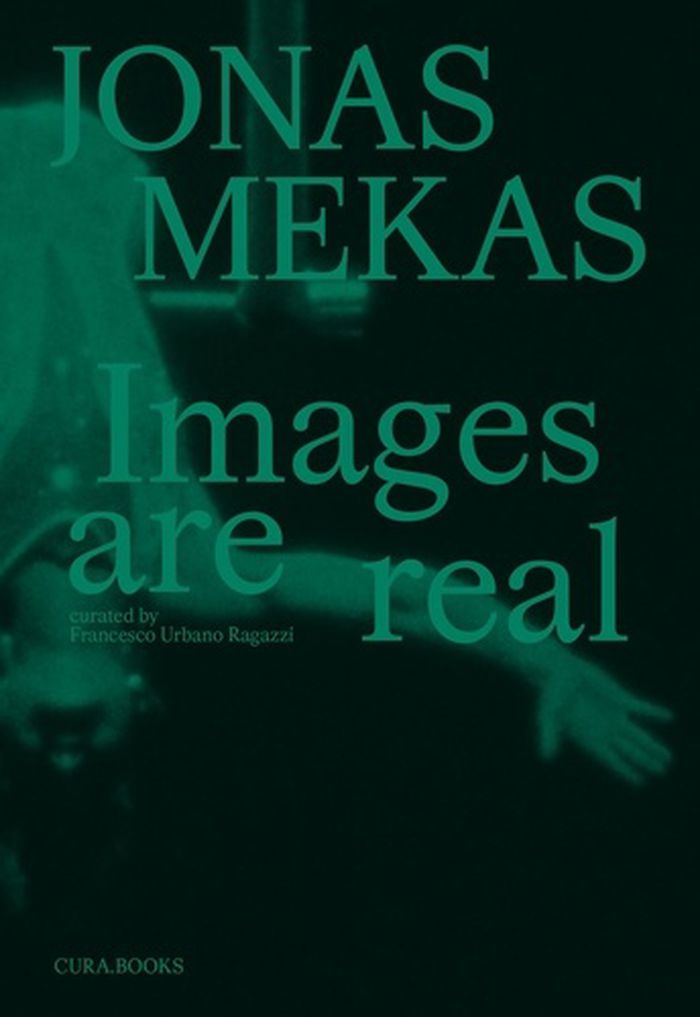
Jonas Mekas: Images are real
Jonas Mekas: Images are real
Actions:
Price:
$40.00
(available in store)
Summary:
Through a wide selection of works from the 1960s to the late 2010s, this catalogue aims to read the Lithuanian filmmaker's work as a Dantesque journey leading to happiness, from the infernos of history, through a daily exercise in filmmaking. The title is a quote taken from the film ''Out-takes From the Life of a Happy Man'', in which the artist's voice-over reflects to(...)
Title:
Jonas Mekas: Images are real
Actions:
Price:
$40.00
(available in store)
Summary:
Through a wide selection of works from the 1960s to the late 2010s, this catalogue aims to read the Lithuanian filmmaker's work as a Dantesque journey leading to happiness, from the infernos of history, through a daily exercise in filmmaking. The title is a quote taken from the film ''Out-takes From the Life of a Happy Man'', in which the artist's voice-over reflects to himself, ''Memories are past, but images are here, and images are real!'' Completing the volume are a collection of texts by Francesco Urbano Ragazzi, Hollis Melton, P. Adams Sitney, Ieva Jasinskaite, and Philipp Scheid.
Form:
books
books
Publication:
April 2023
April 2023
Subject:
Architecture and Film, Set Design
Architecture and Film, Set Design
Form:
books
books
Actions:
Price:
$29.95
(available to order)
Summary:
Berlin's history of conflict, violence, and transformation has created an arena of particular urban surfaces, from which the present-day city and its layered, wounded past are projected simultaneously. In this publication, cultural historian Stephen Barber explores the intimate connections between those surfaces and the works of art and film that have both incised(...)
Title:
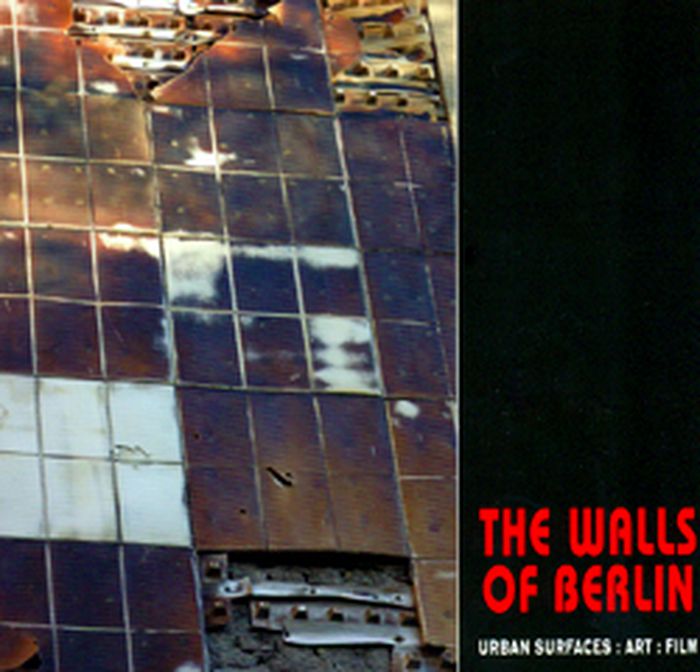
The walls of Berlin: urban surfaces, art, film
Actions:
Price:
$29.95
(available to order)
Summary:
Berlin's history of conflict, violence, and transformation has created an arena of particular urban surfaces, from which the present-day city and its layered, wounded past are projected simultaneously. In this publication, cultural historian Stephen Barber explores the intimate connections between those surfaces and the works of art and film that have both incised Berlin's urban screens and been inspired by them. Drawing on a vast range of material - from the first films of Berlin in the 1890s to the city's place in contemporary digital art - this book takes the form of a series of image-propelled journeys across the face of Berlin and through its urban histories, excavating the ricochets among the city, art, and film. In Barber's hands, Berlin's walls become apertures that mediate the city's preoccupations and manias, damage and scars, strata and outgrowths, sexual obsessions, and urban vanishings. The Walls of Berlin is a cultural history of the city's memories-as well as its acts of forgetting-that illuminates overlooked spaces and the sensory presences that inhabit them.
Form:
books
books
Publication:
June 2011
June 2011
Subject:
Architecture and Film, Set Design
Architecture and Film, Set Design
Form:
books
books
Actions:
Price:
$42.95
(available to order)
Summary:
Technique d’animation image par image, le stop motion fascine, attire et intrigue. Cet ouvrage présente cet art centenaire qui permet d’insuffler la vie et le mouvement à des objets inanimés. Pas à pas, il nous entraîne dans les coulisses des films, détaillant les aspects techniques du tournage et dévoilant les secrets de création des décors et des marionnettes.
Title:
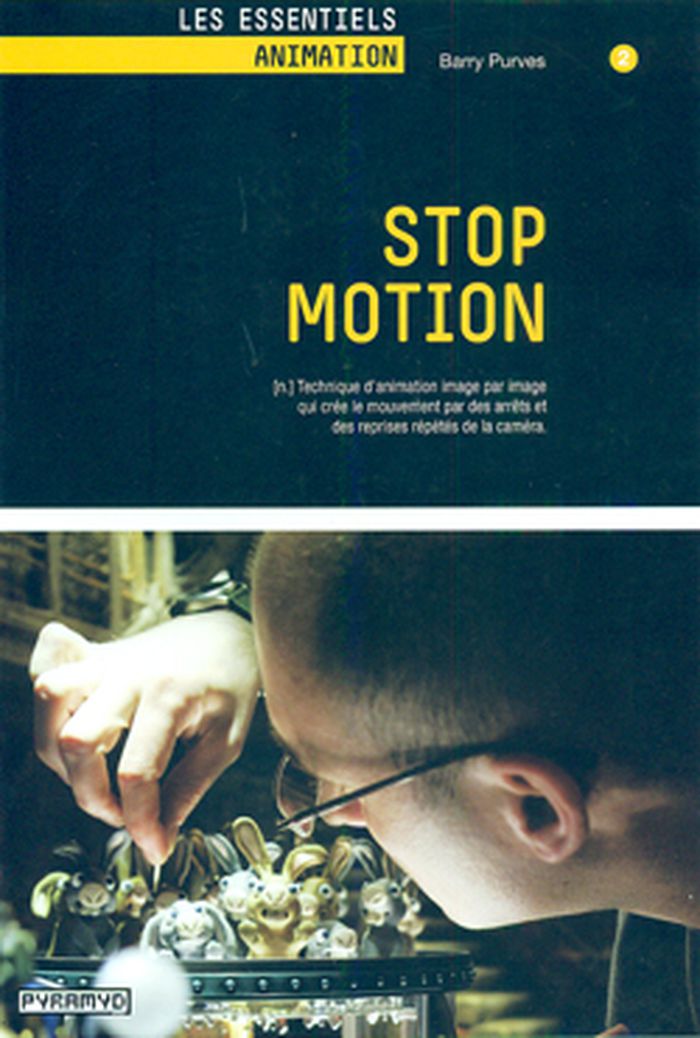
Les essentiels de l'animation: stop motion
Actions:
Price:
$42.95
(available to order)
Summary:
Technique d’animation image par image, le stop motion fascine, attire et intrigue. Cet ouvrage présente cet art centenaire qui permet d’insuffler la vie et le mouvement à des objets inanimés. Pas à pas, il nous entraîne dans les coulisses des films, détaillant les aspects techniques du tournage et dévoilant les secrets de création des décors et des marionnettes.
Form:
books
books
Publication:
January 2012
January 2012
Subject:
Architecture and Film, Set Design
Architecture and Film, Set Design
Form:
books
books
Actions:
Price:
$24.95
(available in store)
Summary:
For more than 30 years, internationally renowned moving image artists and designers the Quay Brothers have been in the avant-garde of stop-motion puppet animation. Creating work in the tradition of Czech Surrealists Jan Svankmajer and Jiri Trnka, Russian animator Yuri Norstein and Polish animator Walerian Borowczyk, the twin brothers practice a design aesthetic influenced(...)
Title:
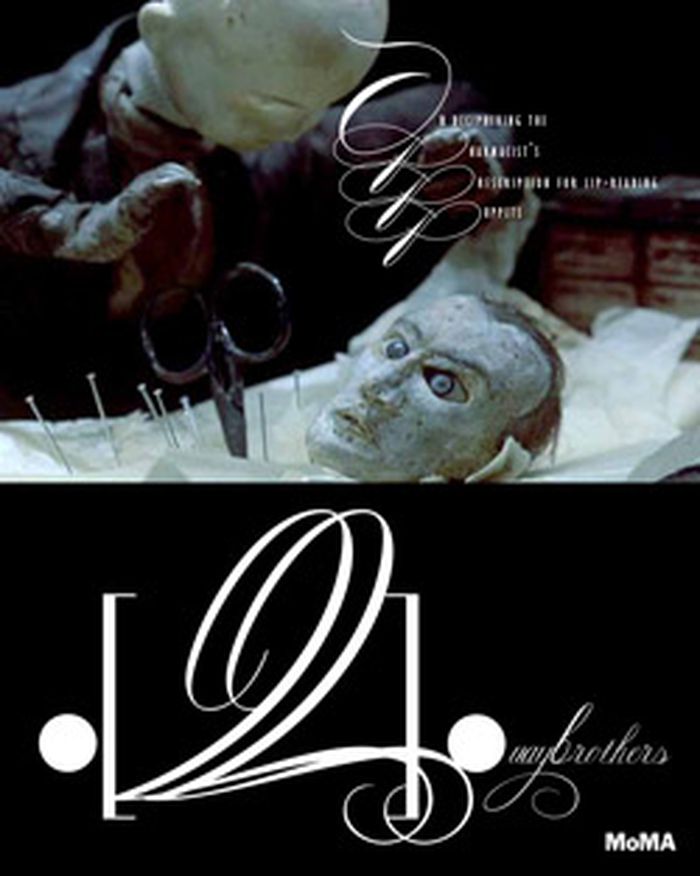
Quay Brothers: on deciphering the pharmacist’s prescription for lip-reading puppets
Actions:
Price:
$24.95
(available in store)
Summary:
For more than 30 years, internationally renowned moving image artists and designers the Quay Brothers have been in the avant-garde of stop-motion puppet animation. Creating work in the tradition of Czech Surrealists Jan Svankmajer and Jiri Trnka, Russian animator Yuri Norstein and Polish animator Walerian Borowczyk, the twin brothers practice a design aesthetic influenced by the graphic surrealism of Polish poster artists of the 1950s and 1960s. Since 1971, they have produced more than 45 moving images, including features, music videos, dance films and documentaries, and have designed sets and projections for opera, drama and concert performances. Published to accompany an exhibition at The Museum of Modern Art, this publication presents their films as well as previously unseen moving image works and graphic design, drawings, typography and notebooks for films.
Form:
books
books
Publication:
August 2012
August 2012
Subject:
Architecture and Film, Set Design
Architecture and Film, Set Design
Form:
books
books
Price:
$43.95
(available in store)
Summary:
Once the province of film and media scholars, today the moving image is of broad concern to historians of art and architecture and designers of everything from websites to cities. As museums and galleries devote increasing space to video installations which no longer presuppose a fixed viewer, urban space becomes envisioned and planned through "fly throughs," and(...)
Title:
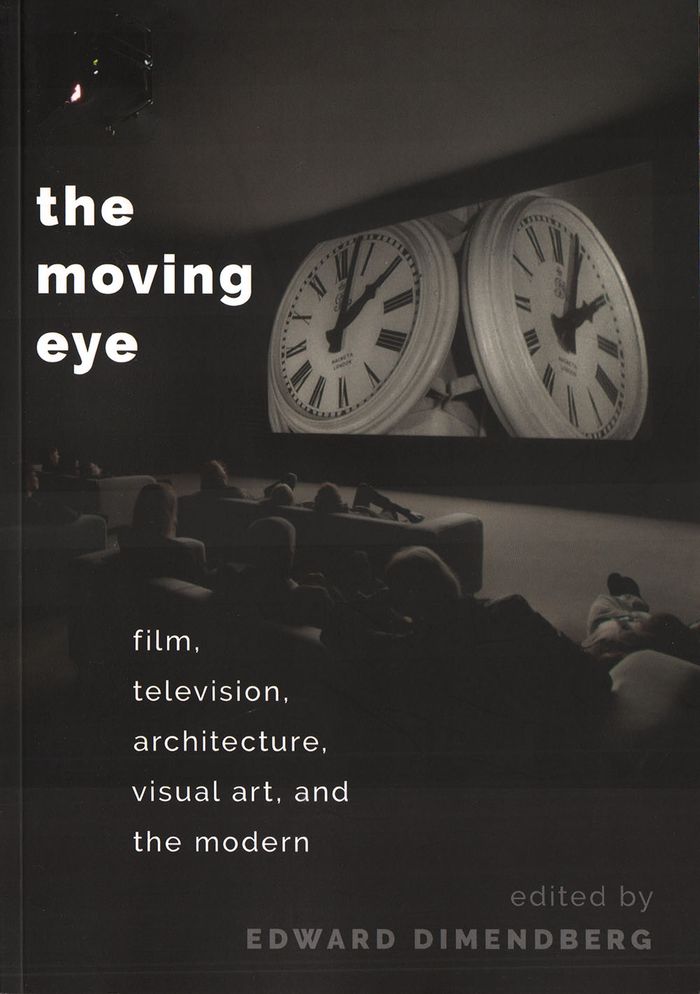
The moving eye: film, television, architecture, visual art, and the modern
Actions:
Price:
$43.95
(available in store)
Summary:
Once the province of film and media scholars, today the moving image is of broad concern to historians of art and architecture and designers of everything from websites to cities. As museums and galleries devote increasing space to video installations which no longer presuppose a fixed viewer, urban space becomes envisioned and planned through "fly throughs," and technologies such as GPS add data to the experience of travel, moving images have captured the attention of geographers and scholars across the humanities and social sciences. Their practice of "mobility studies" is remaking how we understand a contemporary world in relentless motion. Media theorist and historian Anne Friedberg (1952-2009) was among the first practitioners of visual studies to theorize the experience of vision in motion. Her books have become key points of reference in the discussion of the windows that frame images and the viewers in motion who perceive them. Although widely influential beyond her own discipline, Friedberg's work has never been the subject of an extended study. "The Moving Eye" gathers together essays by renowned thinkers in media studies, art history, architecture, and museum studies to consider the rich implications of her work for understanding film and video, new media, visual art, architecture, exhibition design, urban space, and virtual reality.
Form:
books
books
Publication:
June 2019
June 2019
Subject:
Architecture and Film, Set Design
Architecture and Film, Set Design
Form:
books
books
Actions:
Price:
$65.00
(available to order)
Summary:
Sergei Eisenstein’s cinematic adaptation of Karl Marx’s Capital was never realized, yet it has haunted the imagination of many filmmakers, historians, and philosophers to the present day. 'Dance of Values' aims to conjure the phantom of Eisenstein’s Capital, presenting for the first time material from the full scope of the film project’s archival body. This 'visual(...)
Title:
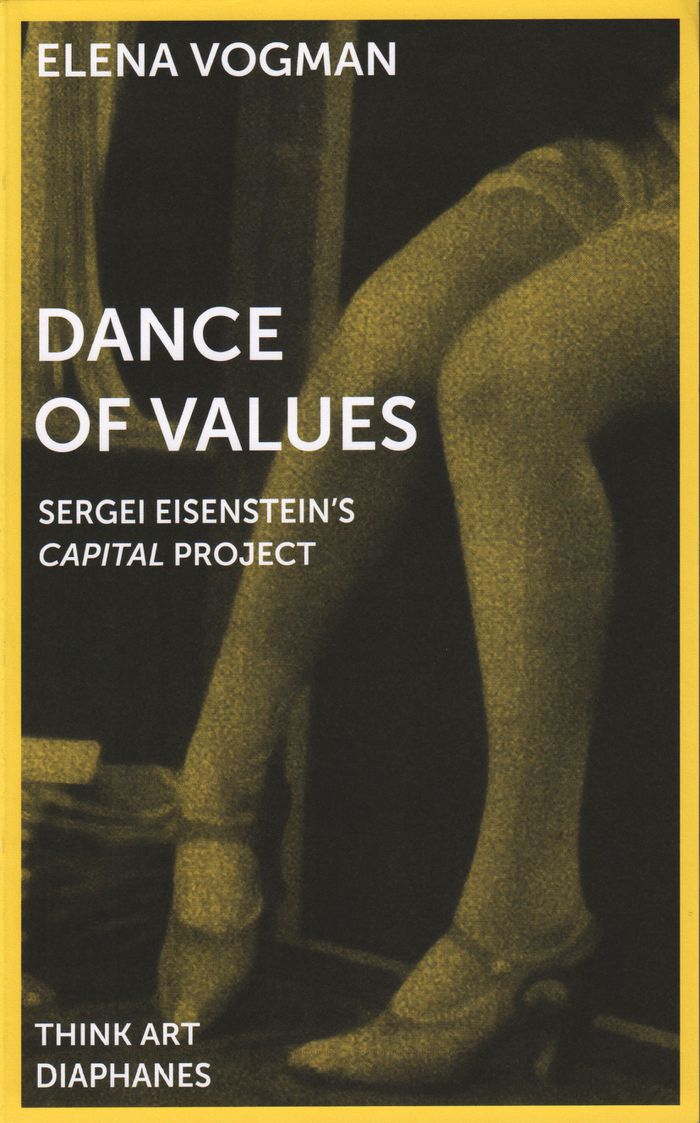
Dance of values: Sergei Eisenstein's Capital proect
Actions:
Price:
$65.00
(available to order)
Summary:
Sergei Eisenstein’s cinematic adaptation of Karl Marx’s Capital was never realized, yet it has haunted the imagination of many filmmakers, historians, and philosophers to the present day. 'Dance of Values' aims to conjure the phantom of Eisenstein’s Capital, presenting for the first time material from the full scope of the film project’s archival body. This 'visual instruction in the dialectical method,' as Eisenstein called it, comprises more than five hundred pages of notes, drawings, press clippings, diagrams, negatives, theoretical reflections, and extensive quotations. 'Dance of Values' explores the internal formal necessity underlying Eisenstein’s artistic choices, and argues that its brilliant adaptation of Marx’s Capital relied on the fragmentary and nonlinear state of its material. Published here for the first time, sequences from Eisenstein’s archival materials are presented in this volume not as mere illustrations but as arguments in their own right, a visual theorization of value.
Form:
books
books
Publication:
January 2018
January 2018
Subject:
Architecture and Film, Set Design
Architecture and Film, Set Design
Form:
books
books
Actions:
Price:
$78.95
(available to order)
Summary:
Des artistes de différents horizons témoignent de leur attachement à l’œuvre de Jacques Tati ( Pierre Étaix, David Lynch, Olivier Assayas, Jean-Claude Carrière, Sempé, Philippe Delerm, Jean-Philippe Toussaint…). Si le livre reproduit les objets, souvenirs, photogrammes des films rassemblés dans l’exposition que la Cinémathèque française consacre au cinéaste, il est,(...)
Subject:
Architecture and Film, Set Design
Architecture and Film, Set Design
Publication:
May 2009
May 2009
Title:
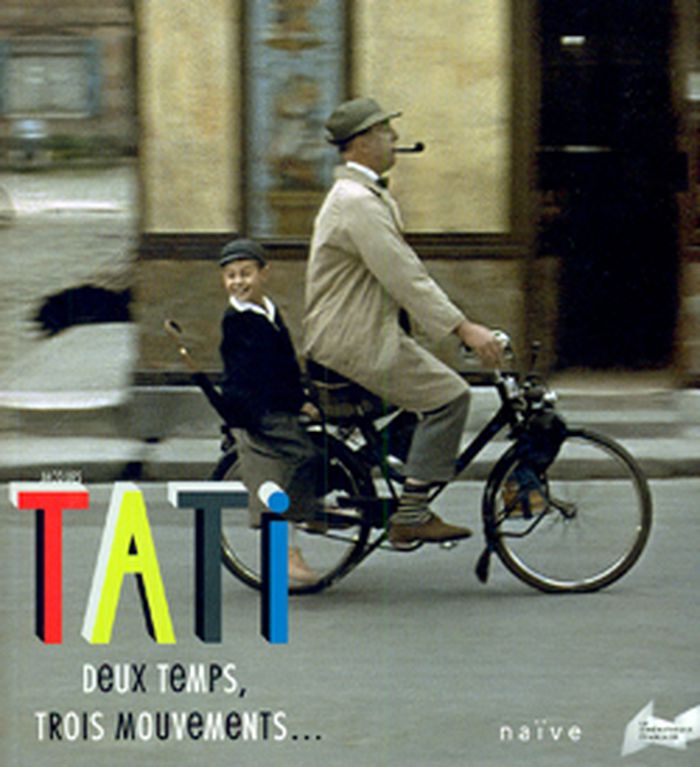
Jacques Tati: deux temps, trois mouvements
Actions:
Price:
$78.95
(available to order)
Summary:
Des artistes de différents horizons témoignent de leur attachement à l’œuvre de Jacques Tati ( Pierre Étaix, David Lynch, Olivier Assayas, Jean-Claude Carrière, Sempé, Philippe Delerm, Jean-Philippe Toussaint…). Si le livre reproduit les objets, souvenirs, photogrammes des films rassemblés dans l’exposition que la Cinémathèque française consacre au cinéaste, il est, au-delà d’un catalogue, une création graphique, un objet ludique qui réussit à restituer l’esprit et la fantaisie si singulière de Tati.
Form:
books
books
Publication:
May 2009
May 2009
Subject:
Architecture and Film, Set Design
Architecture and Film, Set Design
Form:
books
books
Actions:
Price:
$20.95
(available to order)
Summary:
Marc Augé was eleven or twelve years old when he first saw Casablanca. The film-with its recurring scenes of waiting, menace, and flight-occupies a significant place in Augé's own memory of his uprooted childhood and the wartime exploits of his family. Seamlessly weaving together film criticism and memoir, Casablanca moves between Augé's insights into the filmgoing(...)
Title:
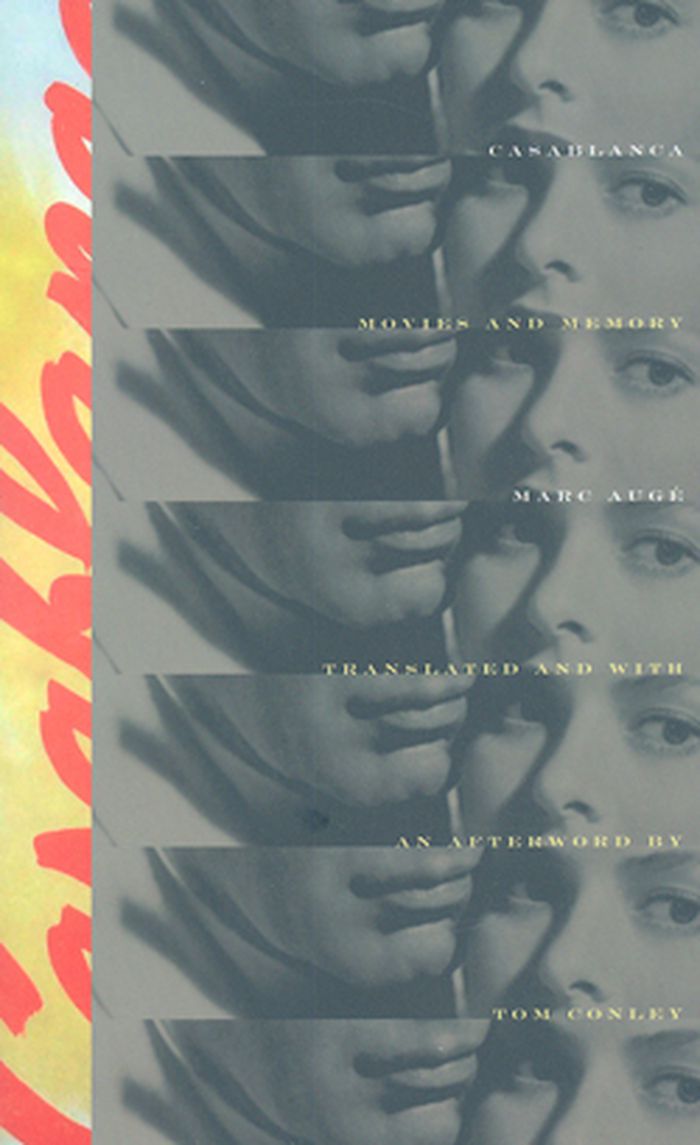
Casablanca: movies and memory
Actions:
Price:
$20.95
(available to order)
Summary:
Marc Augé was eleven or twelve years old when he first saw Casablanca. The film-with its recurring scenes of waiting, menace, and flight-occupies a significant place in Augé's own memory of his uprooted childhood and the wartime exploits of his family. Seamlessly weaving together film criticism and memoir, Casablanca moves between Augé's insights into the filmgoing experience and his reflections on his own life, the collective trauma of France's wartime history, and how such events as the fall of Paris, the exodus of refugees, and the Occupation-all depicted in the film-were lived and are remembered.
Form:
books
books
Publication:
October 2009
October 2009
Subject:
Architecture and Film, Set Design
Architecture and Film, Set Design
Form:
books
books
Actions:
Price:
$60.00
(available to order)
Summary:
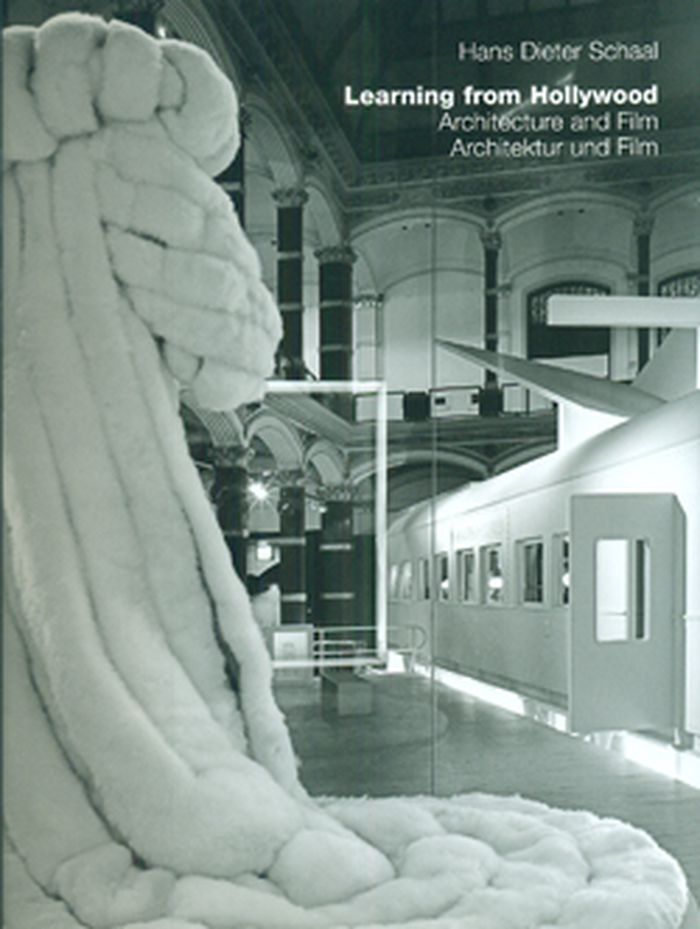
Hollywood is not only the secret world capital of dreams and the fictions of the subconscious, but also the capital of architecture. Hollywood is the Rome and the Versailles of the 20th and 21st centuries. A new awareness of space spanning the entire world was created here. These backgrounds, stage sets and filmic spaces are indelibly fixed in every spectator's mind.
Title:
Learning from Hollywood: Architecture and film
Actions:
Price:
$60.00
(available to order)
Summary:
Hollywood is not only the secret world capital of dreams and the fictions of the subconscious, but also the capital of architecture. Hollywood is the Rome and the Versailles of the 20th and 21st centuries. A new awareness of space spanning the entire world was created here. These backgrounds, stage sets and filmic spaces are indelibly fixed in every spectator's mind.
Form:
books
books
Publication:
November 2010
November 2010
Subject:
Architecture and Film, Set Design
Architecture and Film, Set Design
Form:
books
books

Price:
$95.00
(available to order)
Summary:
The experience of architectural spaces is formed by the way they are staged. The Drama of Space examines the composition and articulation of architectural spaces in terms of spatial dramaturgy, as a repertoire of means and strategies for shaping spatial experience. This fundamental approach to architectural design is presented in four parts: Archetypal principles of(...)
Title:
The drama of space: spatial sequences and compositions in architecture
Actions:
Price:
$95.00
(available to order)
Summary:
The experience of architectural spaces is formed by the way they are staged. The Drama of Space examines the composition and articulation of architectural spaces in terms of spatial dramaturgy, as a repertoire of means and strategies for shaping spatial experience. This fundamental approach to architectural design is presented in four parts: Archetypal principles of spatial composition are traced from the study of three assembly buildings of the early modern period in Venice. Theatre, film, music, and theory provide background knowledge on dramaturgy. Detailed analyses of 18 international case studies offer new perspectives on contemporary architecture. The book ends with a systematic presentation of the dramaturgy of space, its parameters and tools, in architectural design.
Form:
books
books
Publication:
November 2017
November 2017
Subject:
Architecture and Film, Set Design
Architecture and Film, Set Design


