


1460 Results
Form:
books
books

Title:
Lee Friedlander: Christmas
Lee Friedlander: Christmas
Actions:
Price:
$100.00
(available in store)
Summary:
Whether or not you celebrated Christmas at some point during the last 70 years, you have no doubt encountered many of the scenes shown here in Lee Friedlander's eclectic black-and-white documentation of the holiday season across America. From city sidewalks to cookie-cutter suburbs, Friedlander captures it all: main street store window displays; plastic nativities on(...)
$100.00
(available in store)
Summary:
Whether or not you celebrated Christmas at some point during the last 70 years, you have no doubt encountered many of the scenes shown here in Lee Friedlander's eclectic black-and-white documentation of the holiday season across America. From city sidewalks to cookie-cutter suburbs, Friedlander captures it all: main street store window displays; plastic nativities on(...)
Title:
Lee Friedlander: Christmas
Actions:
Price:
$100.00
(available in store)
Summary:
Whether or not you celebrated Christmas at some point during the last 70 years, you have no doubt encountered many of the scenes shown here in Lee Friedlander's eclectic black-and-white documentation of the holiday season across America. From city sidewalks to cookie-cutter suburbs, Friedlander captures it all: main street store window displays; plastic nativities on snow-covered lawns; inflatable snowglobes and Santa Clauses; questionable St. Nicholas–themed lingerie; oversize or underwhelming Christmas trees; and houses so covered in string lights as to demand nothing short of a miracle from the local power grid. As in all of his work, Friedlander's images of Christmas reflect his own version of the holiday. Is Christmas in America a religious celebration? A commercial precept? A misunderstanding? An indulgent blasphemy? Or all of the above? The only certain thing is that December 25 has provided an opportunity for the people's photographer to hold up a mirror to a flawed, inventive, preoccupied and wonderful society.
Lee Friedlander: Christmas
Actions:
Price:
$100.00
(available in store)
Summary:
Whether or not you celebrated Christmas at some point during the last 70 years, you have no doubt encountered many of the scenes shown here in Lee Friedlander's eclectic black-and-white documentation of the holiday season across America. From city sidewalks to cookie-cutter suburbs, Friedlander captures it all: main street store window displays; plastic nativities on snow-covered lawns; inflatable snowglobes and Santa Clauses; questionable St. Nicholas–themed lingerie; oversize or underwhelming Christmas trees; and houses so covered in string lights as to demand nothing short of a miracle from the local power grid. As in all of his work, Friedlander's images of Christmas reflect his own version of the holiday. Is Christmas in America a religious celebration? A commercial precept? A misunderstanding? An indulgent blasphemy? Or all of the above? The only certain thing is that December 25 has provided an opportunity for the people's photographer to hold up a mirror to a flawed, inventive, preoccupied and wonderful society.
Form:
books
books
Publication:
October 2025
October 2025
Subject:
Photography monographs
Photography monographs
Form:
books
books
![[Collecting systems] : learning book #001](/img-bookstore/8f1VgIQpwBbXOpoE_9GM4qCs1mc=/700x998/MIG-18252.jpg)
Actions:
Price:
$11.50
(available to order)
Summary:
Factories, farms, and ecosystems all generate mountains of unused material every day. These materials—often viewed as useless leftovers —actually have rich, untapped creative potential. The artist collective Learning Group created several art projects that explore these possibilities, and [Collecting systems] presents these projects in images and words. Members of(...)
$11.50
(available to order)
Summary:
Factories, farms, and ecosystems all generate mountains of unused material every day. These materials—often viewed as useless leftovers —actually have rich, untapped creative potential. The artist collective Learning Group created several art projects that explore these possibilities, and [Collecting systems] presents these projects in images and words. Members of(...)
Publication:
August 2006, Chicago
August 2006, Chicago
Title:
[Collecting systems] : learning book #001
Actions:
Price:
$11.50
(available to order)
Summary:
Factories, farms, and ecosystems all generate mountains of unused material every day. These materials—often viewed as useless leftovers —actually have rich, untapped creative potential. The artist collective Learning Group created several art projects that explore these possibilities, and [Collecting systems] presents these projects in images and words. Members of Learning Group traveled to three different urban environments—Chicago; Monterrey, Mexico; and Mikado, Japan — and built structures that incorporated waste objects in unexpected and fascinating ways. Whether a cardboard house modeled after the structure of sea urchin shells, a wearable walking city, or two houses made of plastic bottles and other gathered materials, their projects recycle trash into treasure. The authors investigate the social issues connected to these projects, such as economics, labor, property rights, and environmental conditions, and they propose innovative courses of action on these issues. In an increasingly disposable world, [Collecting systems] is a compelling look at how we can use the materials around us to their fullest potential.
[Collecting systems] : learning book #001
Actions:
Price:
$11.50
(available to order)
Summary:
Factories, farms, and ecosystems all generate mountains of unused material every day. These materials—often viewed as useless leftovers —actually have rich, untapped creative potential. The artist collective Learning Group created several art projects that explore these possibilities, and [Collecting systems] presents these projects in images and words. Members of Learning Group traveled to three different urban environments—Chicago; Monterrey, Mexico; and Mikado, Japan — and built structures that incorporated waste objects in unexpected and fascinating ways. Whether a cardboard house modeled after the structure of sea urchin shells, a wearable walking city, or two houses made of plastic bottles and other gathered materials, their projects recycle trash into treasure. The authors investigate the social issues connected to these projects, such as economics, labor, property rights, and environmental conditions, and they propose innovative courses of action on these issues. In an increasingly disposable world, [Collecting systems] is a compelling look at how we can use the materials around us to their fullest potential.
Form:
books
books
Publication:
August 2006, Chicago
August 2006, Chicago
Form:
books
books

Price:
$61.95
(available to order)
Summary:
The cased photographic portrait was fashionable from the early 1840s until the end of the 1860s. Around it grew a considerable industry supplying everything from simple leather covered cases, to sophisticated creations in moulded thermoplastic. This book looks at the photographic portrait from daguerrotype to carte de visite, and at the range of cases in which it was(...)
$61.95
(available to order)
Summary:
The cased photographic portrait was fashionable from the early 1840s until the end of the 1860s. Around it grew a considerable industry supplying everything from simple leather covered cases, to sophisticated creations in moulded thermoplastic. This book looks at the photographic portrait from daguerrotype to carte de visite, and at the range of cases in which it was(...)
Title:
Case histories : the presentation of the photographic portrait 1840-1875
Actions:
Price:
$61.95
(available to order)
Summary:
The cased photographic portrait was fashionable from the early 1840s until the end of the 1860s. Around it grew a considerable industry supplying everything from simple leather covered cases, to sophisticated creations in moulded thermoplastic. This book looks at the photographic portrait from daguerrotype to carte de visite, and at the range of cases in which it was marketed. The cased Victorian photographic portrait was a sophisticated product, with the delicate hand-colouring of the image echoed in the colours of the protective velvet pad and trim with which the case was finished. Hitherto, the relationship between the portrait and its packaging and presentation has not been explored in book form. " Case histories " also highlights British manufacturers of cases and trims, and identifies the only British manufacturer yet found who made moulded thermoplastic cases. Such was the importance of the cased photographic portrait, that moulded picture cases were one of the world’s first uses for moulded plastic.
Case histories : the presentation of the photographic portrait 1840-1875
Actions:
Price:
$61.95
(available to order)
Summary:
The cased photographic portrait was fashionable from the early 1840s until the end of the 1860s. Around it grew a considerable industry supplying everything from simple leather covered cases, to sophisticated creations in moulded thermoplastic. This book looks at the photographic portrait from daguerrotype to carte de visite, and at the range of cases in which it was marketed. The cased Victorian photographic portrait was a sophisticated product, with the delicate hand-colouring of the image echoed in the colours of the protective velvet pad and trim with which the case was finished. Hitherto, the relationship between the portrait and its packaging and presentation has not been explored in book form. " Case histories " also highlights British manufacturers of cases and trims, and identifies the only British manufacturer yet found who made moulded thermoplastic cases. Such was the importance of the cased photographic portrait, that moulded picture cases were one of the world’s first uses for moulded plastic.
Form:
books
books
Publication:
January 1900, Suffolk
January 1900, Suffolk
Subject:
Theory of Photography
Theory of Photography
Form:
books
books
Actions:
Price:
$60.00
(available to order)
Summary:
Bricks can be cleaned, timber hardens with age, and metal develops a pleasing patina without deteriorating, making them all perfect for reuse. Considering the many options for reusing building materials, this book offers a viable alternative to using those manufactured from virgin resources. This inspiring book is an antidote to the unsustainable use of materials,(...)
$60.00
(available to order)
Summary:
Bricks can be cleaned, timber hardens with age, and metal develops a pleasing patina without deteriorating, making them all perfect for reuse. Considering the many options for reusing building materials, this book offers a viable alternative to using those manufactured from virgin resources. This inspiring book is an antidote to the unsustainable use of materials,(...)
Title:
Reclaimed: new homes from old materials
Actions:
Price:
$60.00
(available to order)
Summary:
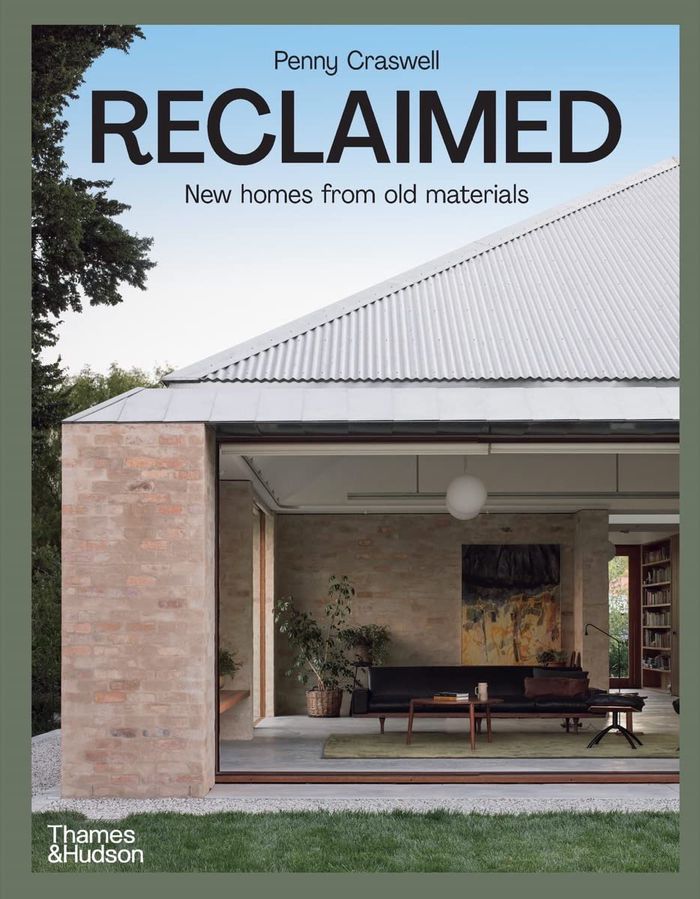
Bricks can be cleaned, timber hardens with age, and metal develops a pleasing patina without deteriorating, making them all perfect for reuse. Considering the many options for reusing building materials, this book offers a viable alternative to using those manufactured from virgin resources. This inspiring book is an antidote to the unsustainable use of materials, focusing on contemporary homes made with reused components or materials that might once have been considered waste. Divided into four key categoriesbrick— timber, metal, and a range of recycled materials— every home showcases design ingenuity and award-winning architecture. Featuring twenty-four unique houses and apartments, from a barn-inspired house made entirely with reclaimed bricks to a semidetached Edwardian with recycled benchtops and cabinets made from plastic chopping boards and bottle tops, every project shows what can be achieved with creativity and flair. Reclaimed showcases clever design while celebrating the myriad possibilities of closely aligning building with ethics and sustainability.
Reclaimed: new homes from old materials
Actions:
Price:
$60.00
(available to order)
Summary:
Bricks can be cleaned, timber hardens with age, and metal develops a pleasing patina without deteriorating, making them all perfect for reuse. Considering the many options for reusing building materials, this book offers a viable alternative to using those manufactured from virgin resources. This inspiring book is an antidote to the unsustainable use of materials, focusing on contemporary homes made with reused components or materials that might once have been considered waste. Divided into four key categoriesbrick— timber, metal, and a range of recycled materials— every home showcases design ingenuity and award-winning architecture. Featuring twenty-four unique houses and apartments, from a barn-inspired house made entirely with reclaimed bricks to a semidetached Edwardian with recycled benchtops and cabinets made from plastic chopping boards and bottle tops, every project shows what can be achieved with creativity and flair. Reclaimed showcases clever design while celebrating the myriad possibilities of closely aligning building with ethics and sustainability.
Form:
books
books
Publication:
January 2023
January 2023
Subject:
Residential Architecture
Residential Architecture
Form:
books
books
Actions:
Price:
$65.00
(available to order)
Summary:
"Experimental Formats 2" builds on the success of "Experimental Formats", bringing the subject bang up to date. It explores every aspect of designing the printed form, from single page to commercial package. Case studies of professional work celebrate the healthy tradition for experimentation in this field, showcasing projects that stand out on their physical merits(...)
$65.00
(available to order)
Summary:
"Experimental Formats 2" builds on the success of "Experimental Formats", bringing the subject bang up to date. It explores every aspect of designing the printed form, from single page to commercial package. Case studies of professional work celebrate the healthy tradition for experimentation in this field, showcasing projects that stand out on their physical merits(...)
Subject:
Graphic Design and Typography
Graphic Design and Typography
Publication:
March 2005, Mies, Switzerland
March 2005, Mies, Switzerland
Title:
Experimental formats 2 : books, brochures, catalogs
Actions:
Price:
$65.00
(available to order)
Summary:
"Experimental Formats 2" builds on the success of "Experimental Formats", bringing the subject bang up to date. It explores every aspect of designing the printed form, from single page to commercial package. Case studies of professional work celebrate the healthy tradition for experimentation in this field, showcasing projects that stand out on their physical merits alone. Looking at proportions, formats, materials, printing, folding and binding, "Experimental Formats 2" offers designers an awe-inspiring selection of inspirational new ideas for practical application. It also explores exciting material innovations such as tear-proof "plastic", paper, and PVC, gelling agents, luminescent inks, concertina folds, single-screw and press-stud binding, among its many treasures. With its definitive glossary of terms, this is an indispensable guide and inspiration for the future of two- and three-dimensional print and graphic design. "Experimental Formats 2" is itself published as an innovative, multi-hinged hardback book, making it a real collector's edition.
Experimental formats 2 : books, brochures, catalogs
Actions:
Price:
$65.00
(available to order)
Summary:
"Experimental Formats 2" builds on the success of "Experimental Formats", bringing the subject bang up to date. It explores every aspect of designing the printed form, from single page to commercial package. Case studies of professional work celebrate the healthy tradition for experimentation in this field, showcasing projects that stand out on their physical merits alone. Looking at proportions, formats, materials, printing, folding and binding, "Experimental Formats 2" offers designers an awe-inspiring selection of inspirational new ideas for practical application. It also explores exciting material innovations such as tear-proof "plastic", paper, and PVC, gelling agents, luminescent inks, concertina folds, single-screw and press-stud binding, among its many treasures. With its definitive glossary of terms, this is an indispensable guide and inspiration for the future of two- and three-dimensional print and graphic design. "Experimental Formats 2" is itself published as an innovative, multi-hinged hardback book, making it a real collector's edition.
Form:
books
books
Publication:
March 2005, Mies, Switzerland
March 2005, Mies, Switzerland
Subject:
Graphic Design and Typography
Graphic Design and Typography
Form:
books
books
Actions:
Price:
$99.95
(available to order)
Summary:
Think plastic. Think inflatable PVC chairs and TV tables. It must be the 1960s, when radical furniture designs "popped" next to new art, traditional designs were recast with new materials, and the results were often mixed in one room. One of the boldest decades of design in the twentieth century, this a decade of contradictions in styles that Anne Bony has captured in(...)
$99.95
(available to order)
Summary:
Think plastic. Think inflatable PVC chairs and TV tables. It must be the 1960s, when radical furniture designs "popped" next to new art, traditional designs were recast with new materials, and the results were often mixed in one room. One of the boldest decades of design in the twentieth century, this a decade of contradictions in styles that Anne Bony has captured in(...)
Title:
Furniture & interiors of the 1960s
Actions:
Price:
$99.95
(available to order)
Summary:
Think plastic. Think inflatable PVC chairs and TV tables. It must be the 1960s, when radical furniture designs "popped" next to new art, traditional designs were recast with new materials, and the results were often mixed in one room. One of the boldest decades of design in the twentieth century, this a decade of contradictions in styles that Anne Bony has captured in this book. "Furniture and interiors of the 1960s" pays homage to the vibrancy and buoyant energy of the decade's design trends and influences in 300 key designs that attract enormous interest and command unprecedented prices today. For the first time, America was leading a design revolution with Wendell Castle's Molar and Castle chairs, Estelle Lavergne's lucite furniture and the experiments of Ray and Charles Eames. Warren Planter, Hans Knoll, Harry Bertoia, Alexander Girard, and Robert Propst were world-ranked designers who pioneered new directions in furnishings and accessories that appeared in trendy homes and offices in Europe and Asia.
Furniture & interiors of the 1960s
Actions:
Price:
$99.95
(available to order)
Summary:
Think plastic. Think inflatable PVC chairs and TV tables. It must be the 1960s, when radical furniture designs "popped" next to new art, traditional designs were recast with new materials, and the results were often mixed in one room. One of the boldest decades of design in the twentieth century, this a decade of contradictions in styles that Anne Bony has captured in this book. "Furniture and interiors of the 1960s" pays homage to the vibrancy and buoyant energy of the decade's design trends and influences in 300 key designs that attract enormous interest and command unprecedented prices today. For the first time, America was leading a design revolution with Wendell Castle's Molar and Castle chairs, Estelle Lavergne's lucite furniture and the experiments of Ray and Charles Eames. Warren Planter, Hans Knoll, Harry Bertoia, Alexander Girard, and Robert Propst were world-ranked designers who pioneered new directions in furnishings and accessories that appeared in trendy homes and offices in Europe and Asia.
Form:
books
books
Publication:
May 2004, Paris
May 2004, Paris
Subject:
Interior Design
Interior Design
Form:
books
books
Actions:
Price:
$115.00
(available in store)
Summary:
Basketry is one of Japan’s oldest art forms. Since the eighth century, meticulously woven bamboo baskets have served daily functions, first in Buddhist liturgy and later in the tea ceremony. Over the past two centuries, bamboo art has risen to the status of fine art, with leading makers creating coveted works for ikebana and, more recently, sculptural objects celebrated(...)
$115.00
(available in store)
Summary:
Basketry is one of Japan’s oldest art forms. Since the eighth century, meticulously woven bamboo baskets have served daily functions, first in Buddhist liturgy and later in the tea ceremony. Over the past two centuries, bamboo art has risen to the status of fine art, with leading makers creating coveted works for ikebana and, more recently, sculptural objects celebrated(...)
Title:
Japanese baskets: Woven art for an endangered planet
Actions:
Price:
$115.00
(available in store)
Summary:
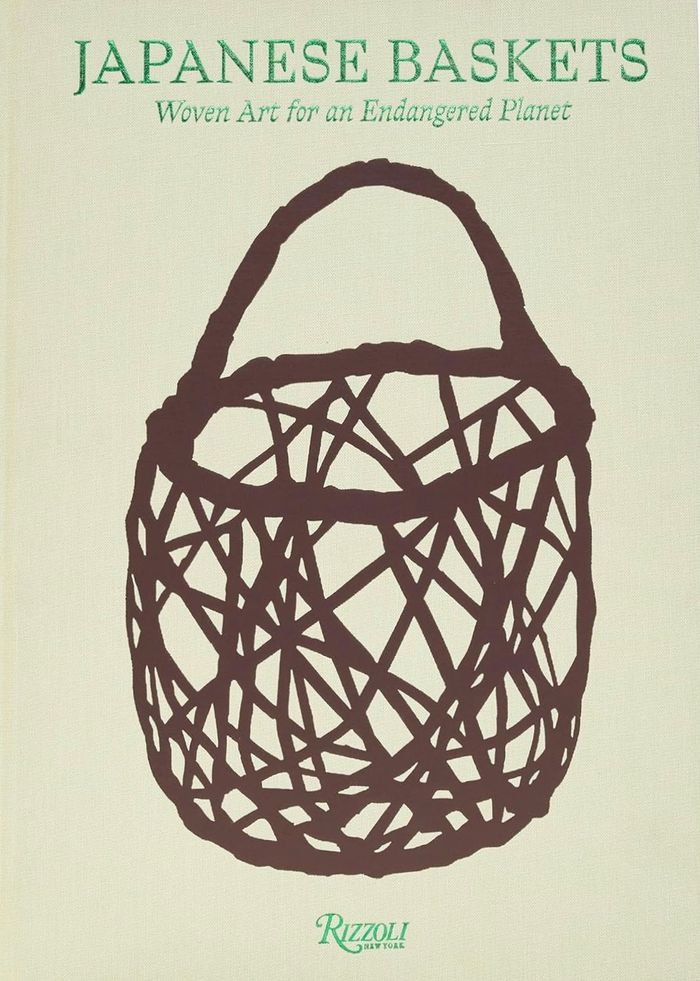
Basketry is one of Japan’s oldest art forms. Since the eighth century, meticulously woven bamboo baskets have served daily functions, first in Buddhist liturgy and later in the tea ceremony. Over the past two centuries, bamboo art has risen to the status of fine art, with leading makers creating coveted works for ikebana and, more recently, sculptural objects celebrated as contemporary art. This elegant, richly illustrated volume presents over 160 baskets, highlighting their spectacular silhouettes and exquisite details—from complex weaving patterns and refined signatures to intricately plaited undersides. Informative captions reveal the techniques of an art now enjoying renewed attention, as bamboo offers a durable and ecological alternative to disposable materials. Most photographs were taken against specially conceived backdrops recalling the enigmatic architectural spaces of Giorgio de Chirico, while others show baskets with contemporary flower arrangements set before industrial waste-processing facilities, underscoring the book’s advocacy for bamboo as a renewable resource that challenges our throwaway plastic culture.
Japanese baskets: Woven art for an endangered planet
Actions:
Price:
$115.00
(available in store)
Summary:
Basketry is one of Japan’s oldest art forms. Since the eighth century, meticulously woven bamboo baskets have served daily functions, first in Buddhist liturgy and later in the tea ceremony. Over the past two centuries, bamboo art has risen to the status of fine art, with leading makers creating coveted works for ikebana and, more recently, sculptural objects celebrated as contemporary art. This elegant, richly illustrated volume presents over 160 baskets, highlighting their spectacular silhouettes and exquisite details—from complex weaving patterns and refined signatures to intricately plaited undersides. Informative captions reveal the techniques of an art now enjoying renewed attention, as bamboo offers a durable and ecological alternative to disposable materials. Most photographs were taken against specially conceived backdrops recalling the enigmatic architectural spaces of Giorgio de Chirico, while others show baskets with contemporary flower arrangements set before industrial waste-processing facilities, underscoring the book’s advocacy for bamboo as a renewable resource that challenges our throwaway plastic culture.
Form:
books
books
Publication:
April 2026
April 2026
Subject:
Design, Periods and Styles
Design, Periods and Styles
Form:
books
books
Actions:
Price:
$27.95
(available to order)
Summary:
Amid the cultural and political ferment of 1960s France, a group of avant-garde architects, artists, writers, theorists, and critics known as "spatial urbanists" envisioned a series of urban utopias, phantom cities of a possible future. The utopian "spatial" city most often took the form of a massive grid or mesh suspended above the ground, all of its parts (and(...)
$27.95
(available to order)
Summary:
Amid the cultural and political ferment of 1960s France, a group of avant-garde architects, artists, writers, theorists, and critics known as "spatial urbanists" envisioned a series of urban utopias, phantom cities of a possible future. The utopian "spatial" city most often took the form of a massive grid or mesh suspended above the ground, all of its parts (and(...)
Title:
Topologies : The urban utopia in France, 1960-1970
Actions:
Price:
$27.95
(available to order)
Summary:
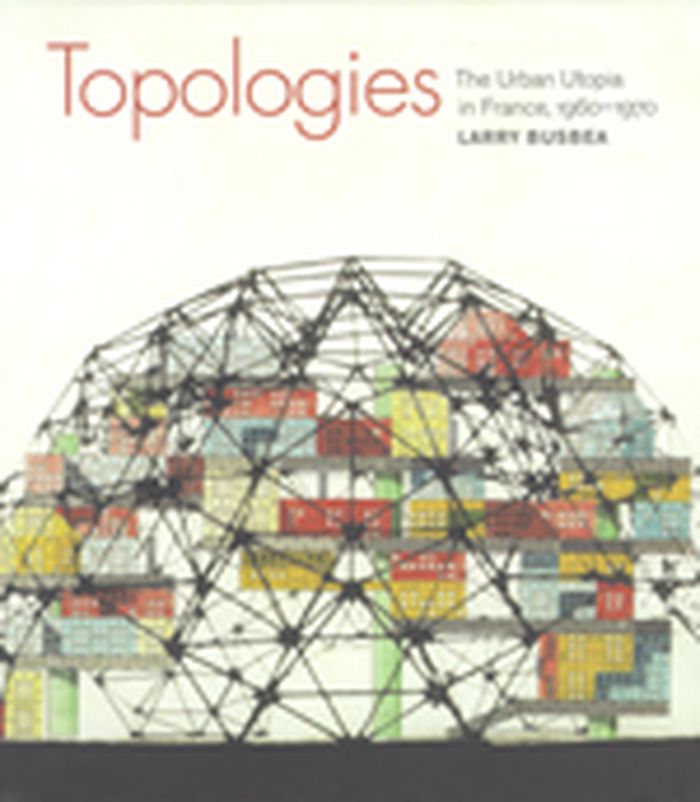
Amid the cultural and political ferment of 1960s France, a group of avant-garde architects, artists, writers, theorists, and critics known as "spatial urbanists" envisioned a series of urban utopias, phantom cities of a possible future. The utopian "spatial" city most often took the form of a massive grid or mesh suspended above the ground, all of its parts (and inhabitants) circulating in a smooth, synchronous rhythm, its streets and buildings constituting a gigantic work of plastic art or interactive machine. In this new urban world, technology and automation were positive forces, providing for material needs as well as time and space for leisure. In this first study of the French avant-garde tendency known as spatial urbanism, Larry Busbea analyzes projects by artists and architects (including the most famous spatial practitioner, Yona Friedman) and explores texts (many of which have never before been translated from the French) by Michel Ragon, the influential founder of the Groupe International d'Architecture Prospective (GIAP), Victor Vasarely, and others.
Topologies : The urban utopia in France, 1960-1970
Actions:
Price:
$27.95
(available to order)
Summary:
Amid the cultural and political ferment of 1960s France, a group of avant-garde architects, artists, writers, theorists, and critics known as "spatial urbanists" envisioned a series of urban utopias, phantom cities of a possible future. The utopian "spatial" city most often took the form of a massive grid or mesh suspended above the ground, all of its parts (and inhabitants) circulating in a smooth, synchronous rhythm, its streets and buildings constituting a gigantic work of plastic art or interactive machine. In this new urban world, technology and automation were positive forces, providing for material needs as well as time and space for leisure. In this first study of the French avant-garde tendency known as spatial urbanism, Larry Busbea analyzes projects by artists and architects (including the most famous spatial practitioner, Yona Friedman) and explores texts (many of which have never before been translated from the French) by Michel Ragon, the influential founder of the Groupe International d'Architecture Prospective (GIAP), Victor Vasarely, and others.
Form:
books
books
Publication:
May 2007, Massachusetts
May 2007, Massachusetts
Subject:
Urban Theory
Urban Theory
Form:
books
books

Title:
Pollution is colonialism
Pollution is colonialism
Actions:
Price:
$33.95
(available to order)
Summary:
In 'Pollution Is Colonialism' Max Liboiron presents a framework for understanding scientific research methods as practices that can align with or against colonialism. They point out that even when researchers are working toward benevolent goals, environmental science and activism are often premised on a colonial worldview and access to land. Focusing on plastic pollution,(...)
$33.95
(available to order)
Summary:
In 'Pollution Is Colonialism' Max Liboiron presents a framework for understanding scientific research methods as practices that can align with or against colonialism. They point out that even when researchers are working toward benevolent goals, environmental science and activism are often premised on a colonial worldview and access to land. Focusing on plastic pollution,(...)
Title:
Pollution is colonialism
Actions:
Price:
$33.95
(available to order)
Summary:
In 'Pollution Is Colonialism' Max Liboiron presents a framework for understanding scientific research methods as practices that can align with or against colonialism. They point out that even when researchers are working toward benevolent goals, environmental science and activism are often premised on a colonial worldview and access to land. Focusing on plastic pollution, the book models an anticolonial scientific practice aligned with Indigenous, particularly Métis, concepts of land, ethics, and relations. Liboiron draws on their work in the Civic Laboratory for Environmental Action Research (CLEAR) — an anticolonial science laboratory in Newfoundland, Canada — to illuminate how pollution is not a symptom of capitalism but a violent enactment of colonial land relations that claim access to Indigenous land. Liboiron's creative, lively, and passionate text refuses theories of pollution that make Indigenous land available for settler and colonial goals. In this way, their methodology demonstrates that anticolonial science is not only possible but is currently being practiced in ways that enact more ethical modes of being in the world.
Pollution is colonialism
Actions:
Price:
$33.95
(available to order)
Summary:
In 'Pollution Is Colonialism' Max Liboiron presents a framework for understanding scientific research methods as practices that can align with or against colonialism. They point out that even when researchers are working toward benevolent goals, environmental science and activism are often premised on a colonial worldview and access to land. Focusing on plastic pollution, the book models an anticolonial scientific practice aligned with Indigenous, particularly Métis, concepts of land, ethics, and relations. Liboiron draws on their work in the Civic Laboratory for Environmental Action Research (CLEAR) — an anticolonial science laboratory in Newfoundland, Canada — to illuminate how pollution is not a symptom of capitalism but a violent enactment of colonial land relations that claim access to Indigenous land. Liboiron's creative, lively, and passionate text refuses theories of pollution that make Indigenous land available for settler and colonial goals. In this way, their methodology demonstrates that anticolonial science is not only possible but is currently being practiced in ways that enact more ethical modes of being in the world.
Form:
books
books
Publication:
May 2021
May 2021
Subject:
Environment and environmental theory
Environment and environmental theory
Form:
books
books
Actions:
Price:
$23.00
(available to order)
Summary:
First published in 1971. In this volume, British artist David Musgrave revisits Franz Kafka's novella Blumfeld, an Elderly Bachelor, the tale of a man who arrives home one day to find two plastic balls bouncing off the ground of their own accord. To his great irritation, these balls follow Blumfeld--who is a stickler for absolute order in his universe--wherever he goes,(...)
$23.00
(available to order)
Summary:
First published in 1971. In this volume, British artist David Musgrave revisits Franz Kafka's novella Blumfeld, an Elderly Bachelor, the tale of a man who arrives home one day to find two plastic balls bouncing off the ground of their own accord. To his great irritation, these balls follow Blumfeld--who is a stickler for absolute order in his universe--wherever he goes,(...)
Subject:
Graphic Design and Typography
Graphic Design and Typography
Publication:
January 2009, London
January 2009, London
Title:
Blumfeld, an elderly bachelor
Actions:
Price:
$23.00
(available to order)
Summary:
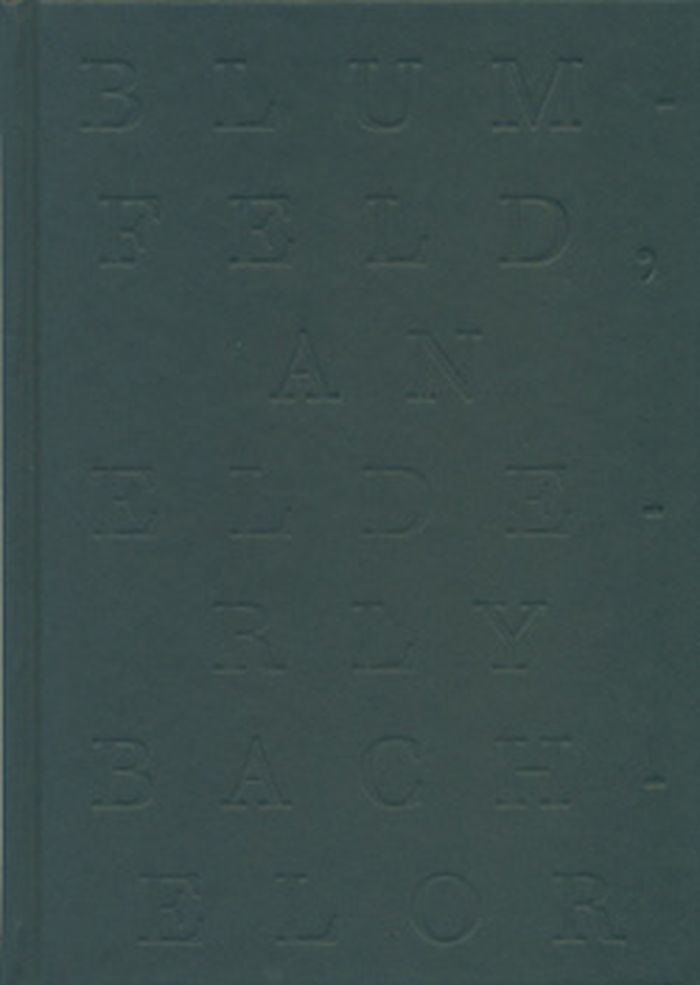
First published in 1971. In this volume, British artist David Musgrave revisits Franz Kafka's novella Blumfeld, an Elderly Bachelor, the tale of a man who arrives home one day to find two plastic balls bouncing off the ground of their own accord. To his great irritation, these balls follow Blumfeld--who is a stickler for absolute order in his universe--wherever he goes, and his attempts to divest himself of their presence are described with Kafka's customary flair for the detached observation of the extremely bizarre. Musgrave has responded to Kafka's story with a series of pencil drawings of curious artifacts and pseudo-archaeological fragments of his own invention. Combined with John Morgan's austere design--which finds the book typeset in Kafka's preferred font and large type size, which he was never able to see printed in his lifetime--this volume almost feels like a case study of some unique bygone supernatural phenomenon.
Blumfeld, an elderly bachelor
Actions:
Price:
$23.00
(available to order)
Summary:
First published in 1971. In this volume, British artist David Musgrave revisits Franz Kafka's novella Blumfeld, an Elderly Bachelor, the tale of a man who arrives home one day to find two plastic balls bouncing off the ground of their own accord. To his great irritation, these balls follow Blumfeld--who is a stickler for absolute order in his universe--wherever he goes, and his attempts to divest himself of their presence are described with Kafka's customary flair for the detached observation of the extremely bizarre. Musgrave has responded to Kafka's story with a series of pencil drawings of curious artifacts and pseudo-archaeological fragments of his own invention. Combined with John Morgan's austere design--which finds the book typeset in Kafka's preferred font and large type size, which he was never able to see printed in his lifetime--this volume almost feels like a case study of some unique bygone supernatural phenomenon.
Form:
books
books
Publication:
January 2009, London
January 2009, London
Subject:
Graphic Design and Typography
Graphic Design and Typography


