


1735 Results
Form:
books
books
Price:
$62.00
(available to order)
Summary:
"Architecture, film, and the in-between: spatio-cinematic betwixt" looks at the cinematic representation of architectural in-betweenness, as well as the in-between spaces within the architectural structure of films. As films seek to depict architecture in evolving, original ways, they can also expand betwixt areas, imbuing them with horror or fantasy. Spies can escape(...)
Subject:
Architecture and Film, Set Design
Architecture and Film, Set Design
Publication:
September 2024
September 2024
Title:
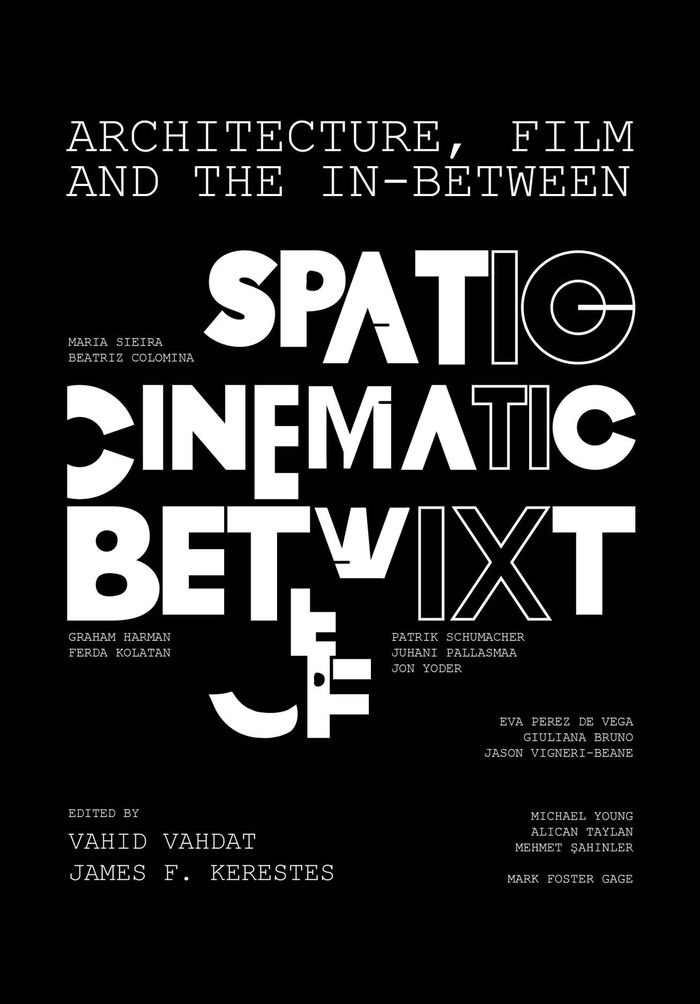
Architecture, film, and the in-between: Spatio-cinematic between
Actions:
Price:
$62.00
(available to order)
Summary:
"Architecture, film, and the in-between: spatio-cinematic betwixt" looks at the cinematic representation of architectural in-betweenness, as well as the in-between spaces within the architectural structure of films. As films seek to depict architecture in evolving, original ways, they can also expand betwixt areas, imbuing them with horror or fantasy. Spies can escape inside unconvincingly stable ducts and children can slide through pipes with no discernible function. And just as subway routes and airplanes can stitch together two destinations, loopholes and magic architectural features can connect distinct realms via interstitial spaces. Contributors discuss a range of architects and filmmakers, including John Lautner, David Lynch, Christopher Nolan, Agnès Varda, and Mies van der Rohe, and take diverse approaches to the liminal space between architecture and film, touching on existential experience, post-phenomenological thinking, sociopolitical cinearchitecture, fictive ecologies, and more. Collecting essays by well-respected architects, thinkers, and philosophers—such as Juhani Pallasmaa, Beatriz Colomina, and Graham Harman—the book includes imagery and infographics that map filmic spaces, diagram narratives, and visualize the hidden spatial dimensions of movies.
Form:
books
books
Publication:
September 2024
September 2024
Subject:
Architecture and Film, Set Design
Architecture and Film, Set Design
Form:
books
books
Title:
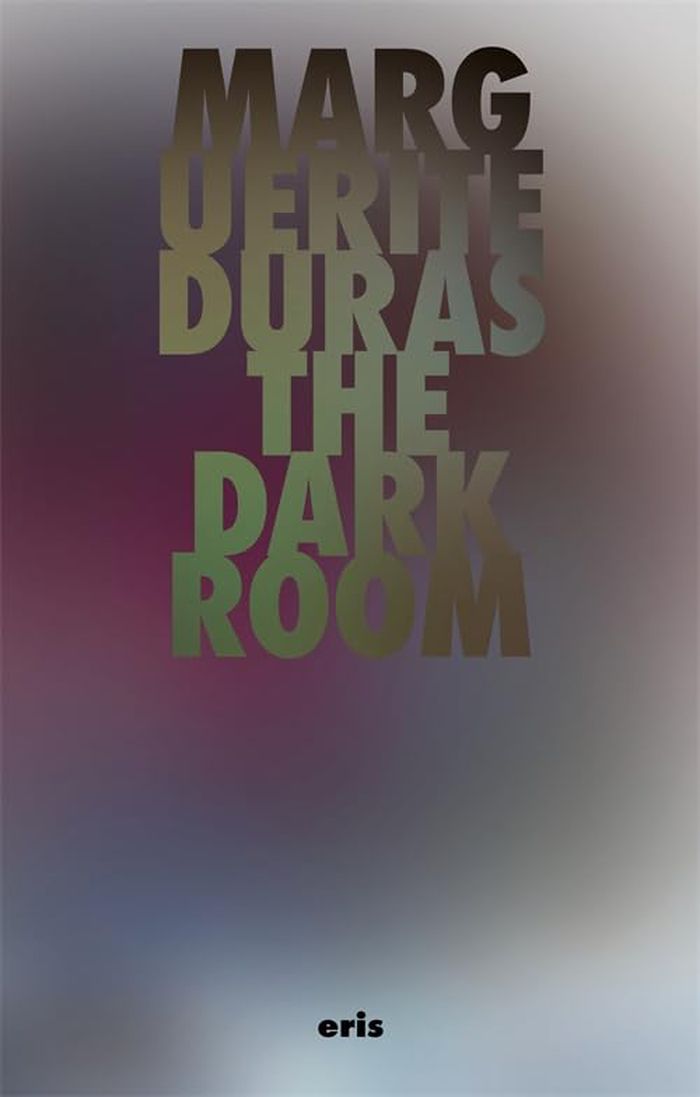
The Darkroom
The Darkroom
Actions:
Price:
$24.00
(available to order)
Summary:
"The darkroom" contains the script for Marguerite Duras's 1977 radically experimental film "Le camion" ("The Truck"). Between images of a truck in motion, juxtaposed voiceovers, and cutaways to Duras in conversation with Gérard Depardieu, Le camion turns the art of film into a means of enabling the viewer to engage multiple faculties--not only the visual and the aural,(...)
Subject:
Architecture and Film, Set Design
Architecture and Film, Set Design
Publication:
March 2025
March 2025
Title:
The Darkroom
Actions:
Price:
$24.00
(available to order)
Summary:
"The darkroom" contains the script for Marguerite Duras's 1977 radically experimental film "Le camion" ("The Truck"). Between images of a truck in motion, juxtaposed voiceovers, and cutaways to Duras in conversation with Gérard Depardieu, Le camion turns the art of film into a means of enabling the viewer to engage multiple faculties--not only the visual and the aural, but also memory, imagination, and desire. Also included here is a series of short essays in which Duras makes provocative connections between film and textuality, as well as a fascinating dialogue with Michelle Porte. Together amounting to a crucial contribution to the field of film theory, these texts make brilliantly apparent the depth and integrity of Duras's aesthetic, philosophical, and political thinking.
Form:
books
books
Publication:
March 2025
March 2025
Subject:
Architecture and Film, Set Design
Architecture and Film, Set Design
Form:
books
books
Actions:
Price:
$54.00
(available to order)
Summary:
Video (television, film, the moving image generally) is today's most popular information medium. Two-thirds of the world's internet traffic is video. Americans get their news and information more often from screens and speakers than through any other means. "The moving image" is the first authoritative account of how we have arrived here, together with the first(...)
Title:
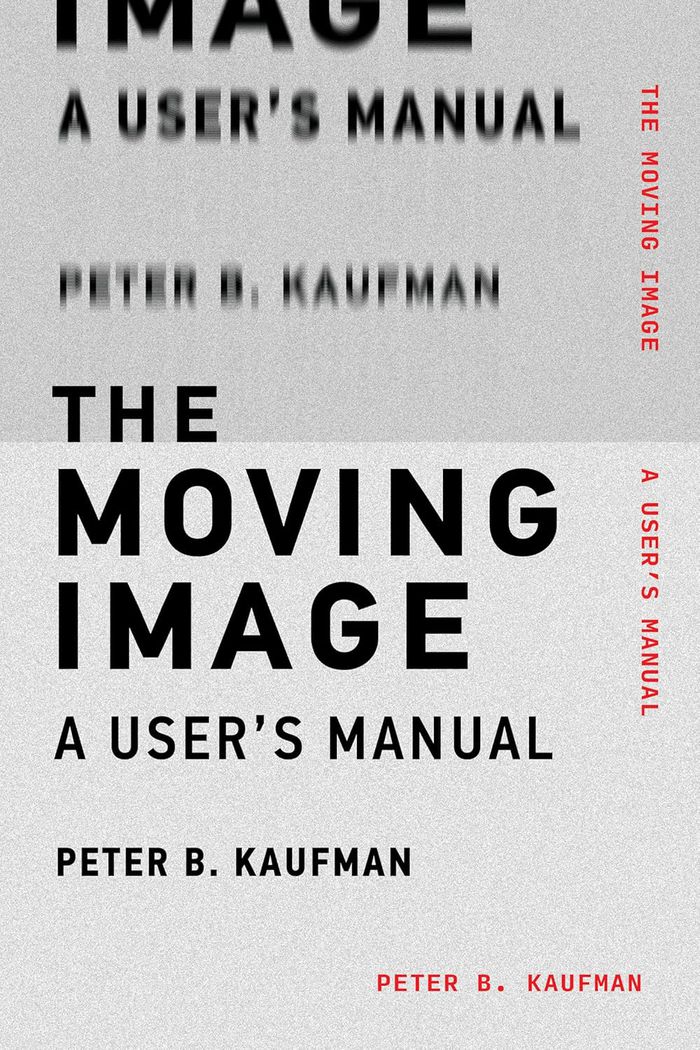
The moving image: A user's manual
Actions:
Price:
$54.00
(available to order)
Summary:
Video (television, film, the moving image generally) is today's most popular information medium. Two-thirds of the world's internet traffic is video. Americans get their news and information more often from screens and speakers than through any other means. "The moving image" is the first authoritative account of how we have arrived here, together with the first definitive manual to help writers, educators, and publishers use video more effectively. Drawing on decades as an educator, publisher, and producer, MIT's Peter Kaufman presents new tools, best practices, and community resources for integrating film and sound into media that matters.
Form:
books
books
Publication:
February 2025
February 2025
Subject:
Architecture and Film, Set Design
Architecture and Film, Set Design
Form:
books
books
Actions:
Price:
$41.95
(available to order)
Summary:
Although a few among us are intrepid architectural tourists, visiting buildings and landscapes our cameras at the ready, most of us experience architecture through the windshield of a moving vehicle, the architectural experience reduced to a blurry and momentary drive-by. And the rest of our architectural "tourism" is through the images of cameras, movies, and television(...)
Subject:
Architecture and Film, Set Design
Architecture and Film, Set Design
Publication:
May 2004, New York
May 2004, New York
Title:
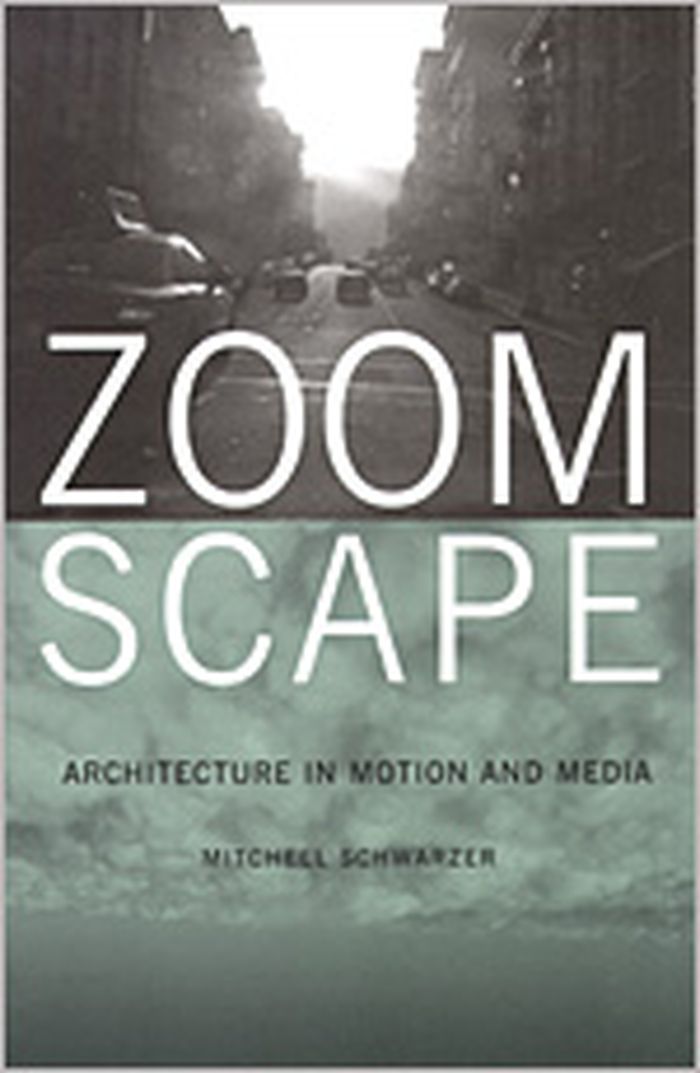
Zoomscape : architecture and motion in media
Actions:
Price:
$41.95
(available to order)
Summary:
Although a few among us are intrepid architectural tourists, visiting buildings and landscapes our cameras at the ready, most of us experience architecture through the windshield of a moving vehicle, the architectural experience reduced to a blurry and momentary drive-by. And the rest of our architectural "tourism" is through the images of cameras, movies, and television programs—that is, through the lens of another's eye. Architectural historian Mitchell Schwarzer calls this new mediated architectural experience the "zoomscape." In this thought-provoking book, he argues that the perception of architecture has been fundamentally altered by the technologies of transportation and the camera - we now look at buildings, neighborhoods, cities, and even entire continents as we ride in trains, cars, and planes, and/or as we view photographs, movies, and television. "Zoomscape" shows how we now perceive buildings and places at high speeds, across great distances, through edited and multiple reproductions. Nowadays, our views of the architectural landscape are modulated by the accelerator pedal and the remote control, by studio production techniques and airplane flight paths. Using examples from high art and popular culture - from the novels of Don DeLillo to the opening credits of "The Sopranos" - Mitchell Schwarzer shows that the zoomscape has brought about unprecedented and often marvelous new ways of perceiving the built environment.
Form:
books
books
Publication:
May 2004, New York
May 2004, New York
Subject:
Architecture and Film, Set Design
Architecture and Film, Set Design
Form:
books
books

Actions:
Price:
$20.00
(available to order)
Summary:
The publication is an anthology of contemporary reflections, scholarly texts, historical documents and visual documentation that examines the depth, brilliance and contradictions of Toronto’s media arts history and ecology. With a focus on artists’ film and video organizations, practices, manifestos, and guiding debates, this volume takes stock of where we’ve been and(...)
Subject:
Architecture and Film, Set Design
Architecture and Film, Set Design
Publication:
September 2013
September 2013
Title:
Explosion in the movie machine: essays and documents on Toronto artists' film and video
Actions:
Price:
$20.00
(available to order)
Summary:
The publication is an anthology of contemporary reflections, scholarly texts, historical documents and visual documentation that examines the depth, brilliance and contradictions of Toronto’s media arts history and ecology. With a focus on artists’ film and video organizations, practices, manifestos, and guiding debates, this volume takes stock of where we’ve been and speculates on where we’re headed.
Form:
books
books
Publication:
September 2013
September 2013
Subject:
Architecture and Film, Set Design
Architecture and Film, Set Design
Form:
books
books

Actions:
Price:
$46.00
(available to order)
Summary:
Agnès Varda is a prolific film director, photographer, and artist whose cinematic career spans more than six decades. Today she is best known as the innovative “mother” of the French New Wave film movement of the 1950s and '60s and for her multimedia art exhibitions. Varying her use of different media, she is a figure who defies easy categorization. In this extensively(...)
Title:
Agnes Varda: between film, photography and art
Actions:
Price:
$46.00
(available to order)
Summary:
Agnès Varda is a prolific film director, photographer, and artist whose cinematic career spans more than six decades. Today she is best known as the innovative “mother” of the French New Wave film movement of the 1950s and '60s and for her multimedia art exhibitions. Varying her use of different media, she is a figure who defies easy categorization. In this extensively researched book, Rebecca J. DeRoo demonstrates how Varda draws upon the histories of art, photography, and film to complicate the overt narratives in her works and to advance contemporary cultural politics. Based on interviews with Varda and unparalleled access to Varda's archives, this interdisciplinary study constructs new frameworks for understanding one of the most versatile talents in twentieth and twenty-first century culture.
Form:
books
books
Publication:
October 2017
October 2017
Subject:
Architecture and Film, Set Design
Architecture and Film, Set Design
Form:
books
books

Actions:
Price:
$52.50
(available to order)
Summary:
Originally published in 1963 by Jonas Mekas as a special issue of "Film Culture", and designed by George Maciunas, Stan Brakhage’s (1933–2003) classic "Metaphors on vision" stands as the major theoretical statement by one of avant-garde cinema’s most influential figures, a treatise on mythopoeia and the nature of visual experience written in a style as idiosyncratic as(...)
Title:
Stan Brakhage: metaphors on vision
Actions:
Price:
$52.50
(available to order)
Summary:
Originally published in 1963 by Jonas Mekas as a special issue of "Film Culture", and designed by George Maciunas, Stan Brakhage’s (1933–2003) classic "Metaphors on vision" stands as the major theoretical statement by one of avant-garde cinema’s most influential figures, a treatise on mythopoeia and the nature of visual experience written in a style as idiosyncratic as his art. Long out of print, the volume is now available in this definitive edition from Anthology Film Archives and Light Industry, featuring Brakhage’s complete text in its distinctive original layout, as well as annotations by scholar P. Adams Sitney.
Form:
books
books
Publication:
August 2017
August 2017
Subject:
Architecture and Film, Set Design
Architecture and Film, Set Design
Form:
books
books
Actions:
Price:
$40.00
(available to order)
Summary:
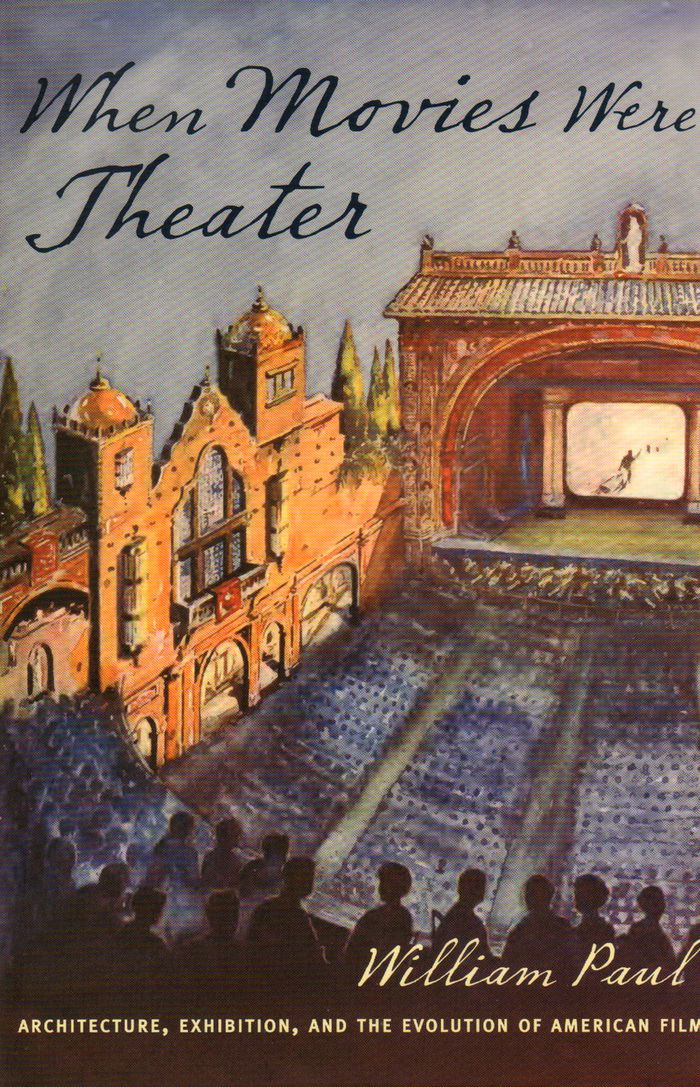
There was a time when seeing a movie meant more than seeing a film. The theater itself shaped the very perception of events on screen. This multilayered history tells the story of American film through the evolution of theater architecture and the surprisingly varied ways movies were shown, ranging from Edison's 1896 projections to the 1968 Cinerama premiere of Stanley(...)
Title:
When movies were theater: architecture, exhibition, and the evolution of American film
Actions:
Price:
$40.00
(available to order)
Summary:
There was a time when seeing a movie meant more than seeing a film. The theater itself shaped the very perception of events on screen. This multilayered history tells the story of American film through the evolution of theater architecture and the surprisingly varied ways movies were shown, ranging from Edison's 1896 projections to the 1968 Cinerama premiere of Stanley Kubrick's 2001. William Paul matches distinct architectural forms to movie styles, showing how cinema's roots in theater influenced business practices, exhibition strategies, and film technologies.
Form:
books
books
Publication:
May 2016
May 2016
Subject:
Architecture and Film, Set Design
Architecture and Film, Set Design
Form:
books
books
Price:
$74.10
(available to order)
Summary:
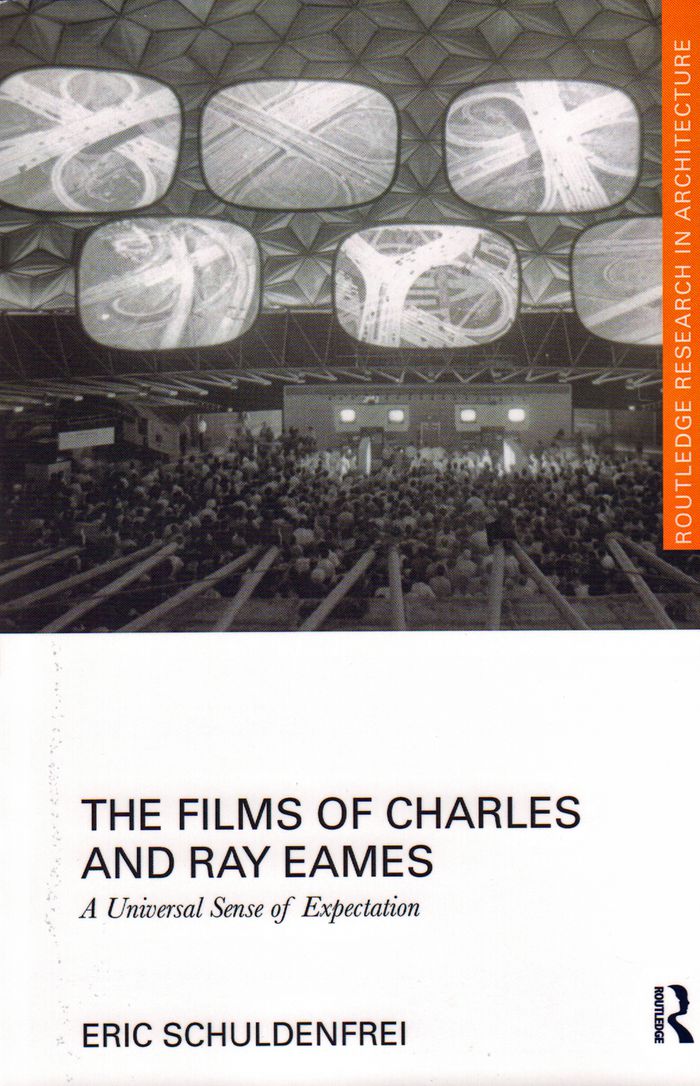
"The films of Charles and Ray Eames" traces the history of the Eameses’ work, examining their evolution away from the design of mass-produced goods and toward projects created as educational experiences. Closely examining how the Eameses described their work reveals how the films and exhibitions they generated were completely at odds with the earlier objectives(...)
Title:
The films of Charles and Ray Eames: a universal sense of expectation
Actions:
Price:
$74.10
(available to order)
Summary:
"The films of Charles and Ray Eames" traces the history of the Eameses’ work, examining their evolution away from the design of mass-produced goods and toward projects created as educational experiences. Closely examining how the Eameses described their work reveals how the films and exhibitions they generated were completely at odds with the earlier objectives exemplified in their furniture designs. Shifting away from promoting the consumer-culture, they turned their attention to the presentation of complex sets of scientific, artistic, and philosophical ideas.
Form:
books
books
Publication:
October 2016
October 2016
Subject:
Architecture and Film, Set Design
Architecture and Film, Set Design
Form:
books
books

Actions:
Price:
$72.00
(available to order)
Summary:
This book showcases the drawings of Ken Adam, the man who has created some of the most iconic and memorable sets in the history of film. Presented chronologically, the book takes us from design sketches for his earliest movies, including "Around the World in Eighty Days", through his Oscar-winning work with Stanley Kubrick, to production designs for what are probably his(...)
Subject:
Architecture and Film, Set Design
Architecture and Film, Set Design
Publication:
November 2008, New York
November 2008, New York
Title:
Ken Adams designs the movies: james bond and beyond
Actions:
Price:
$72.00
(available to order)
Summary:
This book showcases the drawings of Ken Adam, the man who has created some of the most iconic and memorable sets in the history of film. Presented chronologically, the book takes us from design sketches for his earliest movies, including "Around the World in Eighty Days", through his Oscar-winning work with Stanley Kubrick, to production designs for what are probably his most celebrated films the first seven "James Bond" movies, including "Dr. No", "Goldfinger", "Diamonds are Forever" and "Moonraker". Also included are production drawings for classics such as "Chitty Chitty Bang Bang", "Goodbye", "Mr Chips", "Sleuth" and "The Last Emperor". Adam's virtuoso sketches for films and other projects are accompanied by illuminating commentary from the eminent Sir Christopher Frayling, and together present an unrivaled archive of breathtaking and inspirational production design.
Form:
books
books
Publication:
November 2008, New York
November 2008, New York
Subject:
Architecture and Film, Set Design
Architecture and Film, Set Design


