


2636 Results
Form:
books
books
Actions:
Price:
$59.95
(available to order)
Summary:
"L'Ornement est un crime" rend hommage de manière originale au mouvement moderne, l'une des périodes les plus inventives et radicales de l'histoire de l'architecture. Des chefs-d'oeuvre des premiers architectes du mouvement moderne tels Le Corbusier, Marcel Breuer, Walter Gropius ou Mies van der Rohe et de nombreux trésors méconnus côtoient ainsi les créations de grands(...)
$59.95
(available to order)
Summary:
"L'Ornement est un crime" rend hommage de manière originale au mouvement moderne, l'une des périodes les plus inventives et radicales de l'histoire de l'architecture. Des chefs-d'oeuvre des premiers architectes du mouvement moderne tels Le Corbusier, Marcel Breuer, Walter Gropius ou Mies van der Rohe et de nombreux trésors méconnus côtoient ainsi les créations de grands(...)
Title:
L'ornement est un crime : architecture du mouvement moderne
Actions:
Price:
$59.95
(available to order)
Summary:
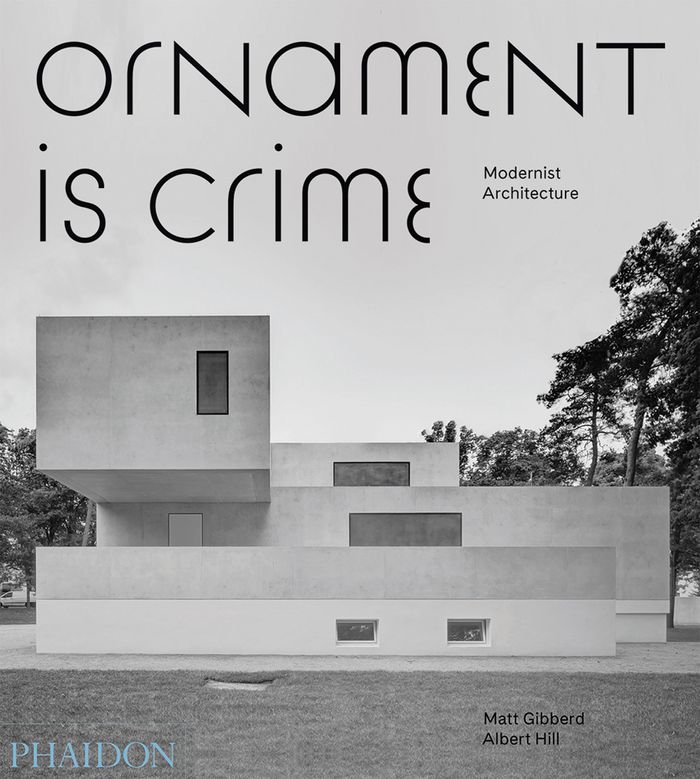
"L'Ornement est un crime" rend hommage de manière originale au mouvement moderne, l'une des périodes les plus inventives et radicales de l'histoire de l'architecture. Des chefs-d'oeuvre des premiers architectes du mouvement moderne tels Le Corbusier, Marcel Breuer, Walter Gropius ou Mies van der Rohe et de nombreux trésors méconnus côtoient ainsi les créations de grands architectes contemporains dont l'oeuvre s'inscrit dans la même lignée, tels David Adjaye, Tadao Ando ou Steven Holl. "L'Ornement est un crime" offre un tour du monde de ce style d'architecture, réunissant des maisons conçues aussi bien aux Etats-Unis et en Europe (notamment en République tchèque, en Irlande, en Pologne, au Portugal, en Slovaquie, en Grèce) qu'en Argentine, au Chili, au Pérou, en Australie, au Canada, au Ghana ou en Israël.
L'ornement est un crime : architecture du mouvement moderne
Actions:
Price:
$59.95
(available to order)
Summary:
"L'Ornement est un crime" rend hommage de manière originale au mouvement moderne, l'une des périodes les plus inventives et radicales de l'histoire de l'architecture. Des chefs-d'oeuvre des premiers architectes du mouvement moderne tels Le Corbusier, Marcel Breuer, Walter Gropius ou Mies van der Rohe et de nombreux trésors méconnus côtoient ainsi les créations de grands architectes contemporains dont l'oeuvre s'inscrit dans la même lignée, tels David Adjaye, Tadao Ando ou Steven Holl. "L'Ornement est un crime" offre un tour du monde de ce style d'architecture, réunissant des maisons conçues aussi bien aux Etats-Unis et en Europe (notamment en République tchèque, en Irlande, en Pologne, au Portugal, en Slovaquie, en Grèce) qu'en Argentine, au Chili, au Pérou, en Australie, au Canada, au Ghana ou en Israël.
Form:
books
books
Publication:
September 2017
September 2017
Subject:
Modernism
Modernism
Form:
books
books
Price:
$103.00
(available to order)
Summary:
Building for oneself has a special connotation under the conditions of migration and exile. Among the most prominent examples are the private homes of Rudolph Schindler in West Hollywood, Richard Neutra in Los Angeles, Walter Gropius in Lincoln, Massachusetts. What expression could voluntary migration or forced change of location find in these buildings? To what extent(...)
$103.00
(available to order)
Summary:
Building for oneself has a special connotation under the conditions of migration and exile. Among the most prominent examples are the private homes of Rudolph Schindler in West Hollywood, Richard Neutra in Los Angeles, Walter Gropius in Lincoln, Massachusetts. What expression could voluntary migration or forced change of location find in these buildings? To what extent(...)
Title:
A home of one's own: Émigré architects and their houses 1920-1960
Actions:
Price:
$103.00
(available to order)
Summary:
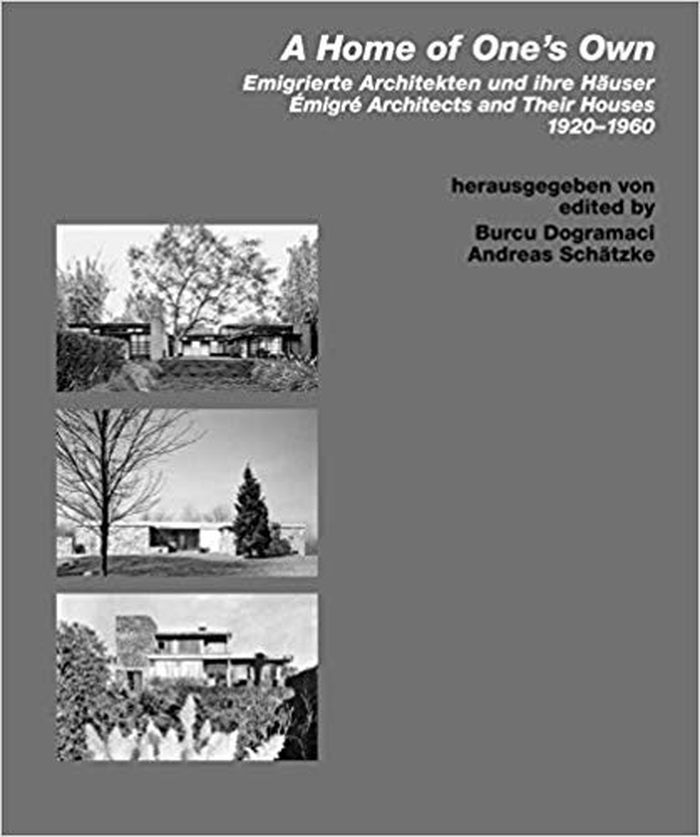
Building for oneself has a special connotation under the conditions of migration and exile. Among the most prominent examples are the private homes of Rudolph Schindler in West Hollywood, Richard Neutra in Los Angeles, Walter Gropius in Lincoln, Massachusetts. What expression could voluntary migration or forced change of location find in these buildings? To what extent do the architects’ other buildings differ from such 'homes of one’s own' in a foreign country, to use an expression borrowed and modified from Virginia Woolf?
A home of one's own: Émigré architects and their houses 1920-1960
Actions:
Price:
$103.00
(available to order)
Summary:
Building for oneself has a special connotation under the conditions of migration and exile. Among the most prominent examples are the private homes of Rudolph Schindler in West Hollywood, Richard Neutra in Los Angeles, Walter Gropius in Lincoln, Massachusetts. What expression could voluntary migration or forced change of location find in these buildings? To what extent do the architects’ other buildings differ from such 'homes of one’s own' in a foreign country, to use an expression borrowed and modified from Virginia Woolf?
Form:
books
books
Publication:
June 2018
June 2018
Subject:
Modernism
Modernism
Form:
books
books
Title:
The spirit of the Bauhaus
The spirit of the Bauhaus
Actions:
Price:
$66.00
(available to order)
Summary:
“Architects, sculptors, painters, we all must return to the crafts!” declared architect Walter Gropius in his Bauhaus manifesto. Founded in 1919 as an art school in Weimar, the Bauhaus established itself as a major influence on twentieth- century art and design. Bauhaus students were taught by some of the most celebrated artists of the time, including Paul Klee, Lyonel(...)
$66.00
(available to order)
Summary:
“Architects, sculptors, painters, we all must return to the crafts!” declared architect Walter Gropius in his Bauhaus manifesto. Founded in 1919 as an art school in Weimar, the Bauhaus established itself as a major influence on twentieth- century art and design. Bauhaus students were taught by some of the most celebrated artists of the time, including Paul Klee, Lyonel(...)
Title:
The spirit of the Bauhaus
Actions:
Price:
$66.00
(available to order)
Summary:
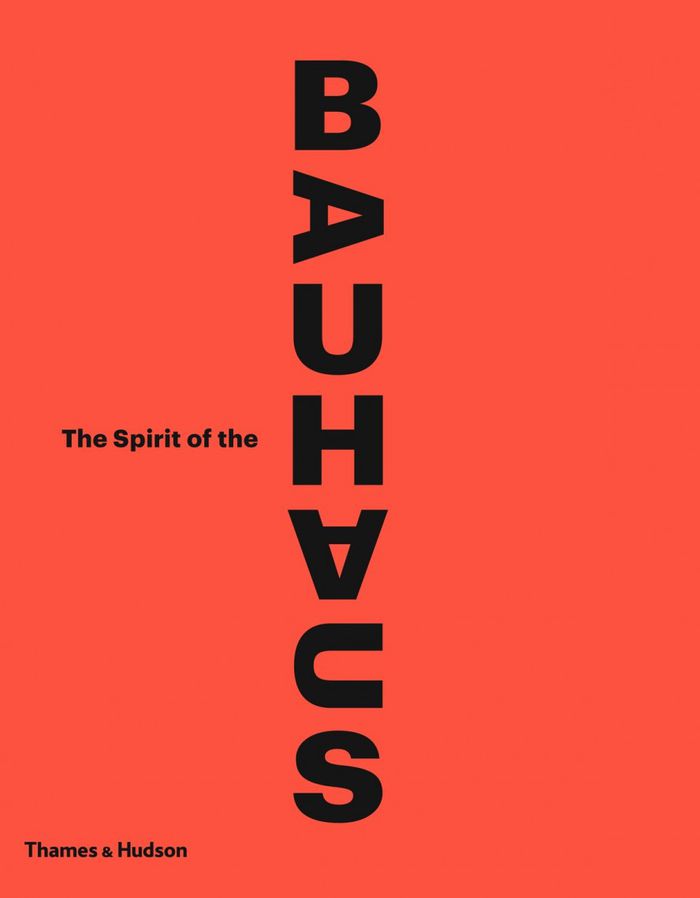
“Architects, sculptors, painters, we all must return to the crafts!” declared architect Walter Gropius in his Bauhaus manifesto. Founded in 1919 as an art school in Weimar, the Bauhaus established itself as a major influence on twentieth- century art and design. Bauhaus students were taught by some of the most celebrated artists of the time, including Paul Klee, Lyonel Feininger, and Wassily Kandinsky. Having moved to Berlin in 1932 under architect Ludwig Mies van der Rohe, it was forced to close for good by the Gestapo in 1933. Uncovering the sources of inspiration that brought the Bauhaus into existence, from medieval cathedrals of Europe and Hokusai prints to William Morris and Arts and Crafts, The Spirit of the Bauhaus explores workshops and courses in detail, illustrating the extraordinary wealth of experimentation in every medium: ceramics, wood and metalwork, textiles, glass- painting, sculpture, mural, printing and binding, theater, architecture, and photography. This essential and accessible guide to the Bauhaus, published in time for the 100th anniversary of the school in 2019, celebrates a school that continues to be recognized as the most durable and influential source of modern ideas about art, design, and craft.
The spirit of the Bauhaus
Actions:
Price:
$66.00
(available to order)
Summary:
“Architects, sculptors, painters, we all must return to the crafts!” declared architect Walter Gropius in his Bauhaus manifesto. Founded in 1919 as an art school in Weimar, the Bauhaus established itself as a major influence on twentieth- century art and design. Bauhaus students were taught by some of the most celebrated artists of the time, including Paul Klee, Lyonel Feininger, and Wassily Kandinsky. Having moved to Berlin in 1932 under architect Ludwig Mies van der Rohe, it was forced to close for good by the Gestapo in 1933. Uncovering the sources of inspiration that brought the Bauhaus into existence, from medieval cathedrals of Europe and Hokusai prints to William Morris and Arts and Crafts, The Spirit of the Bauhaus explores workshops and courses in detail, illustrating the extraordinary wealth of experimentation in every medium: ceramics, wood and metalwork, textiles, glass- painting, sculpture, mural, printing and binding, theater, architecture, and photography. This essential and accessible guide to the Bauhaus, published in time for the 100th anniversary of the school in 2019, celebrates a school that continues to be recognized as the most durable and influential source of modern ideas about art, design, and craft.
Form:
books
books
Publication:
May 2018
May 2018
Subject:
Modernism
Modernism
Form:
books
books
Price:
$25.95
(available to order)
Summary:
Bus stops are normally mundane structures, standardized and replaceable and therefore scarcely paid any attention. Out on the country roads of the former Soviet Union states, however, lies a treasure trove of unexpected waiting zones for those willing to make the trip - a wide-ranging panoply of socialist architecture. Photographer Peter Ortner offers up a selection of(...)
$25.95
(available to order)
Summary:
Bus stops are normally mundane structures, standardized and replaceable and therefore scarcely paid any attention. Out on the country roads of the former Soviet Union states, however, lies a treasure trove of unexpected waiting zones for those willing to make the trip - a wide-ranging panoply of socialist architecture. Photographer Peter Ortner offers up a selection of(...)
Title:
Back in the USSR: Soviet roadside architecture from Samarkand to Yerevan
Actions:
Price:
$25.95
(available to order)
Summary:
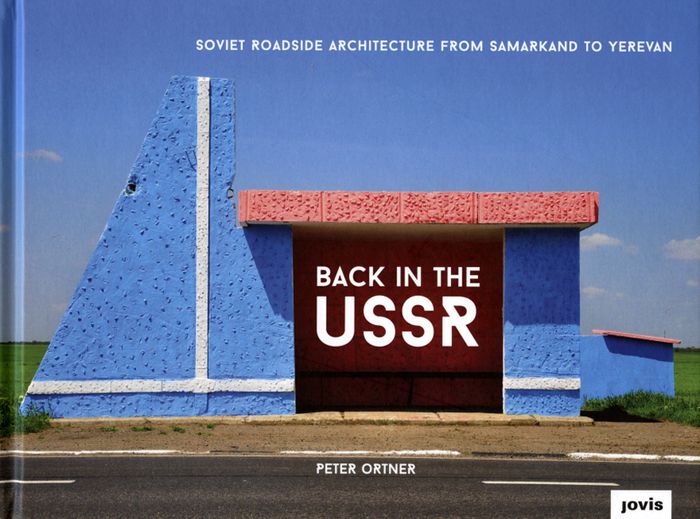
Bus stops are normally mundane structures, standardized and replaceable and therefore scarcely paid any attention. Out on the country roads of the former Soviet Union states, however, lies a treasure trove of unexpected waiting zones for those willing to make the trip - a wide-ranging panoply of socialist architecture. Photographer Peter Ortner offers up a selection of these varied bus stops in this publication. Taken both in Central Asia and in Eastern Europe, in Azerbaijan, Moldova, Uzbekistan, Armenia, Georgia, Ukraine and the Crimea peninsula, Ortner’s photographs illuminate the imaginative variations on this vernacular architecture as well as the more expected works of socialist modernism.
Back in the USSR: Soviet roadside architecture from Samarkand to Yerevan
Actions:
Price:
$25.95
(available to order)
Summary:
Bus stops are normally mundane structures, standardized and replaceable and therefore scarcely paid any attention. Out on the country roads of the former Soviet Union states, however, lies a treasure trove of unexpected waiting zones for those willing to make the trip - a wide-ranging panoply of socialist architecture. Photographer Peter Ortner offers up a selection of these varied bus stops in this publication. Taken both in Central Asia and in Eastern Europe, in Azerbaijan, Moldova, Uzbekistan, Armenia, Georgia, Ukraine and the Crimea peninsula, Ortner’s photographs illuminate the imaginative variations on this vernacular architecture as well as the more expected works of socialist modernism.
Form:
books
books
Publication:
October 2016
October 2016
Subject:
Modernism
Modernism
Form:
books
books
Actions:
Price:
$64.95
(available in store)
Summary:
Ninety years after the Bauhaus first opened its doors in Dessau, ''Big Plans! Modern Figures, Visionaries, and Inventors'' examines for the first time the role of the Bauhaus in the early modernist vision of utopia. Not just an experimental forum for the avant-garde, the Bauhaus, once it moved to Dessau, became part of an industrial region that had been a hotbed of(...)
$64.95
(available in store)
Summary:
Ninety years after the Bauhaus first opened its doors in Dessau, ''Big Plans! Modern Figures, Visionaries, and Inventors'' examines for the first time the role of the Bauhaus in the early modernist vision of utopia. Not just an experimental forum for the avant-garde, the Bauhaus, once it moved to Dessau, became part of an industrial region that had been a hotbed of(...)
Title:
Big plans! Modern figures, visionaries, and inventors
Actions:
Price:
$64.95
(available in store)
Summary:
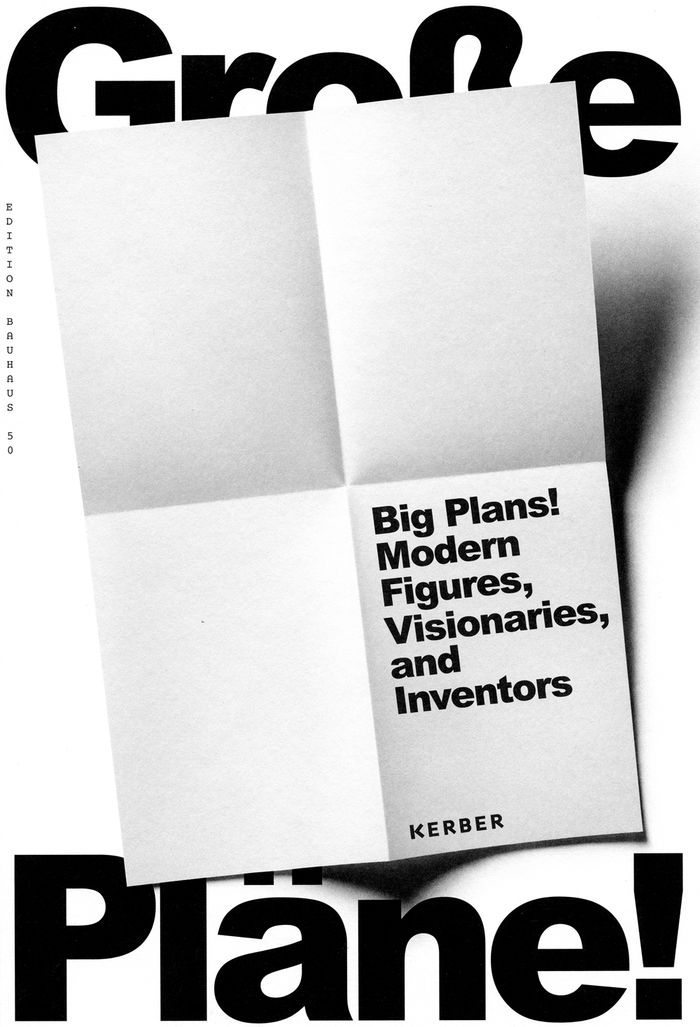
Ninety years after the Bauhaus first opened its doors in Dessau, ''Big Plans! Modern Figures, Visionaries, and Inventors'' examines for the first time the role of the Bauhaus in the early modernist vision of utopia. Not just an experimental forum for the avant-garde, the Bauhaus, once it moved to Dessau, became part of an industrial region that had been a hotbed of idealized planning for the future of humanity since the end of the First World War. This visionary futurist age of Saxony-Anhalt, reflected in its local architecture, industrial production, education and advertising, continued until the rise of the Nazi party in the 1930s.
Big plans! Modern figures, visionaries, and inventors
Actions:
Price:
$64.95
(available in store)
Summary:
Ninety years after the Bauhaus first opened its doors in Dessau, ''Big Plans! Modern Figures, Visionaries, and Inventors'' examines for the first time the role of the Bauhaus in the early modernist vision of utopia. Not just an experimental forum for the avant-garde, the Bauhaus, once it moved to Dessau, became part of an industrial region that had been a hotbed of idealized planning for the future of humanity since the end of the First World War. This visionary futurist age of Saxony-Anhalt, reflected in its local architecture, industrial production, education and advertising, continued until the rise of the Nazi party in the 1930s.
Form:
books
books
Publication:
August 2016
August 2016
Subject:
Modernism
Modernism
Form:
books
books
Title:
Modern futures
Modern futures
Actions:
Price:
$34.95
(available in store)
Summary:
There has been a groundswell of interest in modernist architecture in recent years, particularly buildings from the second half of the twentieth century. Individuals and groups are engaging with modernist environments in the form of popular histories, documentaries and community projects, and digital and social media. Alongside this growing popularity however, many of(...)
$34.95
(available in store)
Summary:
There has been a groundswell of interest in modernist architecture in recent years, particularly buildings from the second half of the twentieth century. Individuals and groups are engaging with modernist environments in the form of popular histories, documentaries and community projects, and digital and social media. Alongside this growing popularity however, many of(...)
Title:
Modern futures
Actions:
Price:
$34.95
(available in store)
Summary:
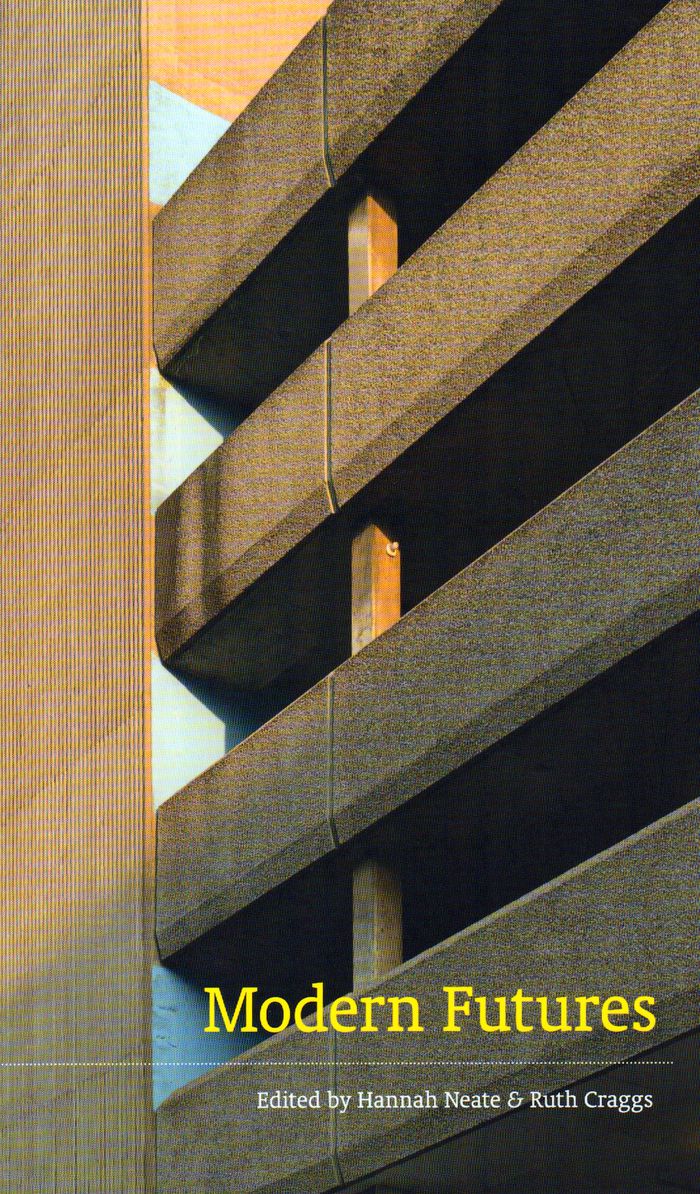
There has been a groundswell of interest in modernist architecture in recent years, particularly buildings from the second half of the twentieth century. Individuals and groups are engaging with modernist environments in the form of popular histories, documentaries and community projects, and digital and social media. Alongside this growing popularity however, many of these buildings are under threat from demolition and regeneration. "Modern futures" explores these trends, their connections, and how more popular and creative engagements might be used to inform the uncertain future of modernist architecture.
Modern futures
Actions:
Price:
$34.95
(available in store)
Summary:
There has been a groundswell of interest in modernist architecture in recent years, particularly buildings from the second half of the twentieth century. Individuals and groups are engaging with modernist environments in the form of popular histories, documentaries and community projects, and digital and social media. Alongside this growing popularity however, many of these buildings are under threat from demolition and regeneration. "Modern futures" explores these trends, their connections, and how more popular and creative engagements might be used to inform the uncertain future of modernist architecture.
Form:
books
books
Publication:
October 2016
October 2016
Subject:
Modernism
Modernism
Form:
books
books
Actions:
Price:
$49.95
(available to order)
Summary:
“How are we to live in a way that is healthy and economical?” One answer to this question was provided by Ernst Jahn’s film of the same name Wie wohnen wir gesund und wirtschaftlich? (1926–28), which showed the kitchen in the Gropius House complete with all the latest domestic appliances it was equipped with. The Dessau Masters’ Houses were not only showcases of “new(...)
$49.95
(available to order)
Summary:
“How are we to live in a way that is healthy and economical?” One answer to this question was provided by Ernst Jahn’s film of the same name Wie wohnen wir gesund und wirtschaftlich? (1926–28), which showed the kitchen in the Gropius House complete with all the latest domestic appliances it was equipped with. The Dessau Masters’ Houses were not only showcases of “new(...)
Title:
In reserve: the household. Historic models and contemporary positions from the Bauhaus
Actions:
Price:
$49.95
(available to order)
Summary:
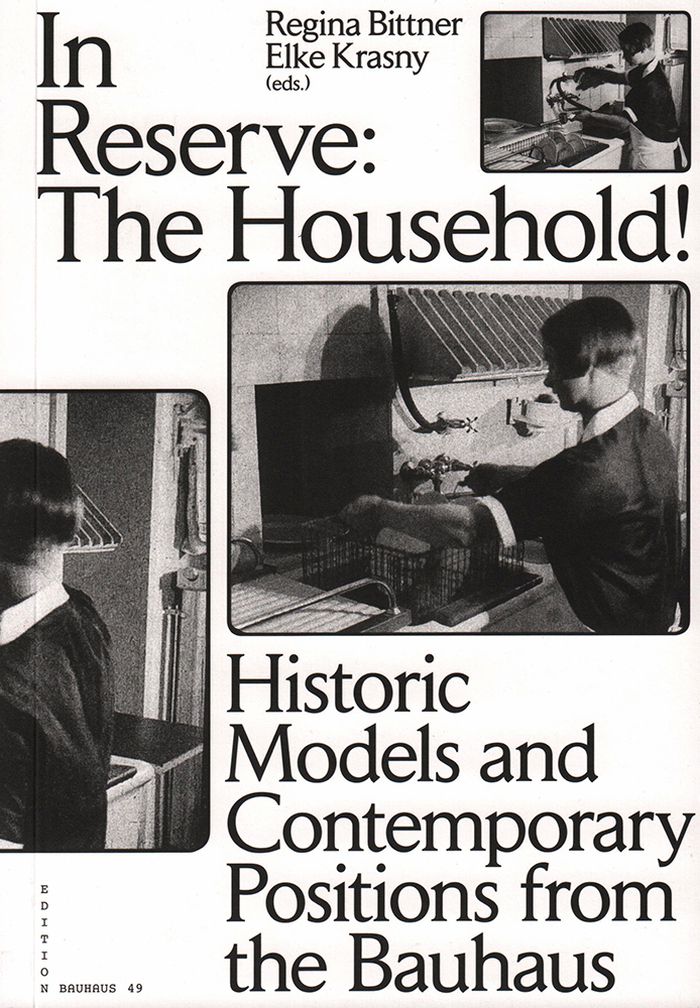
“How are we to live in a way that is healthy and economical?” One answer to this question was provided by Ernst Jahn’s film of the same name Wie wohnen wir gesund und wirtschaftlich? (1926–28), which showed the kitchen in the Gropius House complete with all the latest domestic appliances it was equipped with. The Dessau Masters’ Houses were not only showcases of “new living” (Neues Wohnen) but also places where modern methods of housekeeping could be demonstrated. The topical relevance of this question was discussed at the 2015 Haushaltsmesse, an international trade fair on the art of housekeeping and budgeting. The publication Housekeeping in the Modern Age, which takes a documentary approach to this subject, now brings together these different viewpoints eyeing the question through the prism of the problems we face today. In the face of climate change and dwindling resources, the externalized costs of running a modern household are back on the (kitchen) table. The book is a compilation of essays by anthropologists, economists, artists, architects, historians, and cultural studies experts and also contains historical documents and photographs.
In reserve: the household. Historic models and contemporary positions from the Bauhaus
Actions:
Price:
$49.95
(available to order)
Summary:
“How are we to live in a way that is healthy and economical?” One answer to this question was provided by Ernst Jahn’s film of the same name Wie wohnen wir gesund und wirtschaftlich? (1926–28), which showed the kitchen in the Gropius House complete with all the latest domestic appliances it was equipped with. The Dessau Masters’ Houses were not only showcases of “new living” (Neues Wohnen) but also places where modern methods of housekeeping could be demonstrated. The topical relevance of this question was discussed at the 2015 Haushaltsmesse, an international trade fair on the art of housekeeping and budgeting. The publication Housekeeping in the Modern Age, which takes a documentary approach to this subject, now brings together these different viewpoints eyeing the question through the prism of the problems we face today. In the face of climate change and dwindling resources, the externalized costs of running a modern household are back on the (kitchen) table. The book is a compilation of essays by anthropologists, economists, artists, architects, historians, and cultural studies experts and also contains historical documents and photographs.
Form:
books
books
Publication:
May 2017
May 2017
Subject:
Modernism
Modernism
Form:
books
books
Title:
Bauhaus World Heritage Site
Bauhaus World Heritage Site
Actions:
Price:
$21.00
(available to order)
Summary:
Between 1919 and 1933, the Bauhaus revolutionized prevailing ideas about architecture and design, and the construction methods associated with them. The architecture of the Bauhaus itself was equally innovative; the buildings conceived by Walter Gropius and Hannes Meyer had a lasting influence on the architecture of the 20th century. To celebrate and preserve this legacy,(...)
$21.00
(available to order)
Summary:
Between 1919 and 1933, the Bauhaus revolutionized prevailing ideas about architecture and design, and the construction methods associated with them. The architecture of the Bauhaus itself was equally innovative; the buildings conceived by Walter Gropius and Hannes Meyer had a lasting influence on the architecture of the 20th century. To celebrate and preserve this legacy,(...)
Title:
Bauhaus World Heritage Site
Actions:
Price:
$21.00
(available to order)
Summary:
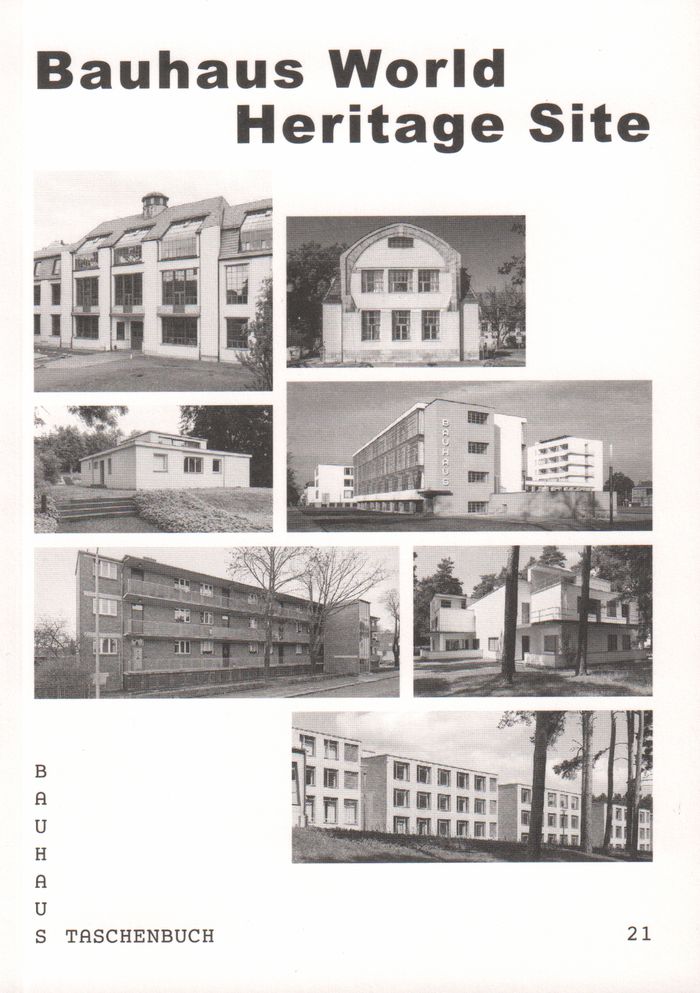
Between 1919 and 1933, the Bauhaus revolutionized prevailing ideas about architecture and design, and the construction methods associated with them. The architecture of the Bauhaus itself was equally innovative; the buildings conceived by Walter Gropius and Hannes Meyer had a lasting influence on the architecture of the 20th century. To celebrate and preserve this legacy, the Bauhaus buildings in Weimar and Dessau were named UNESCO World Heritage Sites in 1996. More recently, UNESCO added several other Bauhaus buildings to the list, including the houses with balcony access in Dessau, the ADGB Trades Union School in Bernau, the Haus am Horn and the old Art School and the old School of Arts and Crafts in Weimar. Bauhaus World Heritage Site documents the Bauhaus buildings protected by UNESCO, exploring the architectural legacy of the Bauhaus through a close look at the school’s own architecture.
Bauhaus World Heritage Site
Actions:
Price:
$21.00
(available to order)
Summary:
Between 1919 and 1933, the Bauhaus revolutionized prevailing ideas about architecture and design, and the construction methods associated with them. The architecture of the Bauhaus itself was equally innovative; the buildings conceived by Walter Gropius and Hannes Meyer had a lasting influence on the architecture of the 20th century. To celebrate and preserve this legacy, the Bauhaus buildings in Weimar and Dessau were named UNESCO World Heritage Sites in 1996. More recently, UNESCO added several other Bauhaus buildings to the list, including the houses with balcony access in Dessau, the ADGB Trades Union School in Bernau, the Haus am Horn and the old Art School and the old School of Arts and Crafts in Weimar. Bauhaus World Heritage Site documents the Bauhaus buildings protected by UNESCO, exploring the architectural legacy of the Bauhaus through a close look at the school’s own architecture.
Form:
books
books
Publication:
June 2018
June 2018
Subject:
Modernism
Modernism
Form:
books
books
Title:
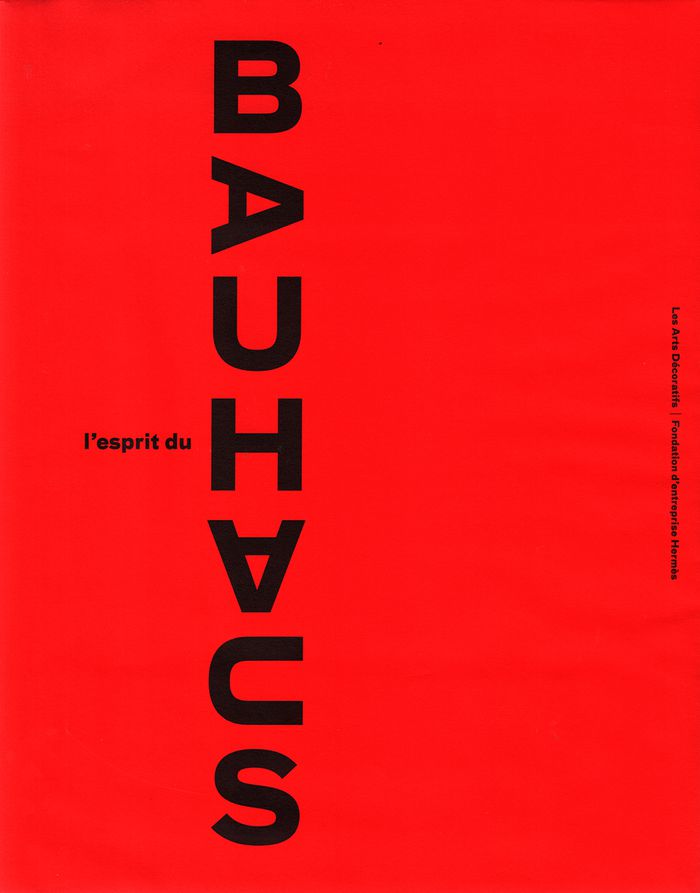
L'esprit du Bauhaus
L'esprit du Bauhaus
Actions:
Price:
$72.95
(available to order)
Summary:
Fondé à Weimar en 1919, dissout à Berlin en 1933 face à la montée du nazisme, le Bauhaus est une école d'enseignement artistique qui s'est imposée comme une référence incontournable de l'histoire de l'art au XXe siècle. Elle a été créée par l'architecte Walter Gropius pour redonner vie à l'habitat et à l'architecture grâce à une synthèse des arts plastiques, de(...)
$72.95
(available to order)
Summary:
Fondé à Weimar en 1919, dissout à Berlin en 1933 face à la montée du nazisme, le Bauhaus est une école d'enseignement artistique qui s'est imposée comme une référence incontournable de l'histoire de l'art au XXe siècle. Elle a été créée par l'architecte Walter Gropius pour redonner vie à l'habitat et à l'architecture grâce à une synthèse des arts plastiques, de(...)
Title:
L'esprit du Bauhaus
Actions:
Price:
$72.95
(available to order)
Summary:
Fondé à Weimar en 1919, dissout à Berlin en 1933 face à la montée du nazisme, le Bauhaus est une école d'enseignement artistique qui s'est imposée comme une référence incontournable de l'histoire de l'art au XXe siècle. Elle a été créée par l'architecte Walter Gropius pour redonner vie à l'habitat et à l'architecture grâce à une synthèse des arts plastiques, de l'artisanat et de l'industrie. Le coeur de ce livre reflète la diversité du champ des expérimentations menées à l'école : dessin, peinture, mobilier, sculpture, textile, céramique, mais aussi typographie, photographie et théâtre sont abordés sous l'angle des ateliers où les élèves de l'école recevaient les enseignements.
L'esprit du Bauhaus
Actions:
Price:
$72.95
(available to order)
Summary:
Fondé à Weimar en 1919, dissout à Berlin en 1933 face à la montée du nazisme, le Bauhaus est une école d'enseignement artistique qui s'est imposée comme une référence incontournable de l'histoire de l'art au XXe siècle. Elle a été créée par l'architecte Walter Gropius pour redonner vie à l'habitat et à l'architecture grâce à une synthèse des arts plastiques, de l'artisanat et de l'industrie. Le coeur de ce livre reflète la diversité du champ des expérimentations menées à l'école : dessin, peinture, mobilier, sculpture, textile, céramique, mais aussi typographie, photographie et théâtre sont abordés sous l'angle des ateliers où les élèves de l'école recevaient les enseignements.
Form:
books
books
Publication:
October 2016
October 2016
Subject:
Modernism
Modernism
Form:
books
books
Actions:
Price:
$50.00
(available in store)
Summary:
From the pre-war Viennese Werkbund Estate (designed by the likes of Gerrit Rietveld and Adolf Loos), the post-war Swiss Siedlung Halen (by Atelier 5) to more recent builds such as the Medina Complex in Eindhoven (Neave Brown), Modernist Estates: Europe showcases 15 housing schemes through archival and contemporary photography, alongside a series of interviews with current(...)
$50.00
(available in store)
Summary:
From the pre-war Viennese Werkbund Estate (designed by the likes of Gerrit Rietveld and Adolf Loos), the post-war Swiss Siedlung Halen (by Atelier 5) to more recent builds such as the Medina Complex in Eindhoven (Neave Brown), Modernist Estates: Europe showcases 15 housing schemes through archival and contemporary photography, alongside a series of interviews with current(...)
Title:
Modernist Estates: Europe: The buildings and the people who live in them today
Actions:
Price:
$50.00
(available in store)
Summary:
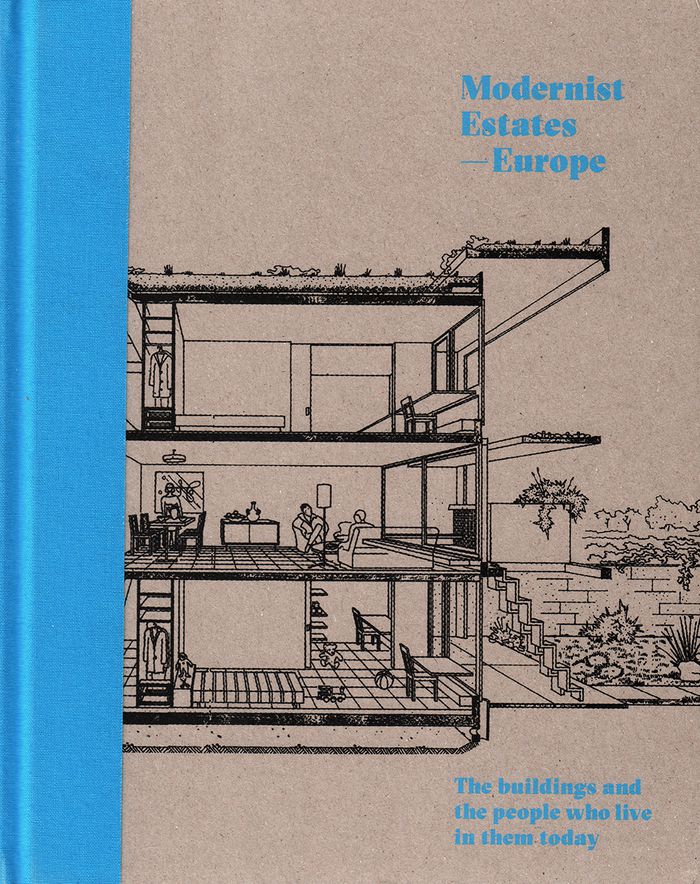
From the pre-war Viennese Werkbund Estate (designed by the likes of Gerrit Rietveld and Adolf Loos), the post-war Swiss Siedlung Halen (by Atelier 5) to more recent builds such as the Medina Complex in Eindhoven (Neave Brown), Modernist Estates: Europe showcases 15 housing schemes through archival and contemporary photography, alongside a series of interviews with current residents. This beautifully designed book takes an inside look at how these estates are inhabited today and examines the differences and similarities between estates across Europe.
Modernist Estates: Europe: The buildings and the people who live in them today
Actions:
Price:
$50.00
(available in store)
Summary:
From the pre-war Viennese Werkbund Estate (designed by the likes of Gerrit Rietveld and Adolf Loos), the post-war Swiss Siedlung Halen (by Atelier 5) to more recent builds such as the Medina Complex in Eindhoven (Neave Brown), Modernist Estates: Europe showcases 15 housing schemes through archival and contemporary photography, alongside a series of interviews with current residents. This beautifully designed book takes an inside look at how these estates are inhabited today and examines the differences and similarities between estates across Europe.
Form:
books
books
Publication:
February 2019
February 2019
Subject:
Modernism
Modernism


