


1630 Results
Form:
books
books
Actions:
Price:
$80.00
(available to order)
Summary:
"Sleeping by the Mississippi" by Alec Soth is one of the defining publications in the photobook era. First published by Steidl in 2004, it was Soth’s first book, sold through three editions, and established him as one of the leading lights of contemporary photographic practice. This MACK edition launches to coincide with the first exhibition in London dedicated to the(...)
$80.00
(available to order)
Summary:
"Sleeping by the Mississippi" by Alec Soth is one of the defining publications in the photobook era. First published by Steidl in 2004, it was Soth’s first book, sold through three editions, and established him as one of the leading lights of contemporary photographic practice. This MACK edition launches to coincide with the first exhibition in London dedicated to the(...)
Title:
Alec Soth : sleeping by the Mississippi
Actions:
Price:
$80.00
(available to order)
Summary:
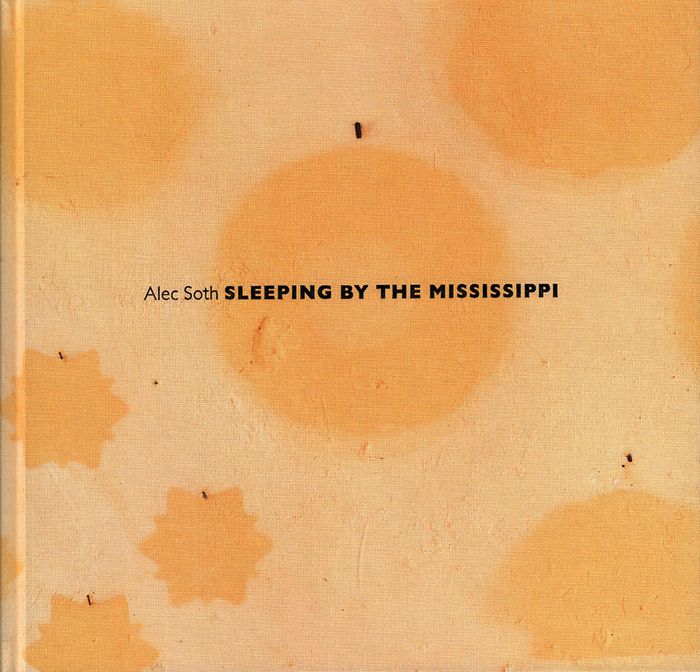
"Sleeping by the Mississippi" by Alec Soth is one of the defining publications in the photobook era. First published by Steidl in 2004, it was Soth’s first book, sold through three editions, and established him as one of the leading lights of contemporary photographic practice. This MACK edition launches to coincide with the first exhibition in London dedicated to the series at Beetles+Huxley gallery, and includes two new photographs that were not included in the previous versions of the book. Evolving from a series of road trips along the Mississippi River, "Sleeping by the Mississippi" captures America’s iconic yet oft-neglected ‘third coast’. Soth’s richly descriptive, large-format colour photographs present an eclectic mix of individuals, landscapes, and interiors. Sensuous in detail and raw in subject, Sleeping by the Mississippi elicits a consistent mood of loneliness, longing, and reverie. ‘In the book’s 46 ruthlessly edited pictures’, writes Anne Wilkes Tucker in the original essay published in the book, ‘Soth alludes to illness, procreation, race, crime, learning, art, music, death, religion, redemption, politics, and cheap sex.’ Like Robert Frank’s classic "The Americans", "Sleeping by the Mississippi" merges a documentary style with poetic sensibility. The Mississippi is less the subject of the book than its organizing structure. Not bound by a rigid concept or ideology, the series is created out of a quintessentially American spirit of wanderlust. Thirteen years since the book was first published, the artist’s lyrical view has undoubtedly acquired a nuanced significance – one in which hope, fear, desire and regret coalesce in the evocative journey along this mythic river.
Alec Soth : sleeping by the Mississippi
Actions:
Price:
$80.00
(available to order)
Summary:
"Sleeping by the Mississippi" by Alec Soth is one of the defining publications in the photobook era. First published by Steidl in 2004, it was Soth’s first book, sold through three editions, and established him as one of the leading lights of contemporary photographic practice. This MACK edition launches to coincide with the first exhibition in London dedicated to the series at Beetles+Huxley gallery, and includes two new photographs that were not included in the previous versions of the book. Evolving from a series of road trips along the Mississippi River, "Sleeping by the Mississippi" captures America’s iconic yet oft-neglected ‘third coast’. Soth’s richly descriptive, large-format colour photographs present an eclectic mix of individuals, landscapes, and interiors. Sensuous in detail and raw in subject, Sleeping by the Mississippi elicits a consistent mood of loneliness, longing, and reverie. ‘In the book’s 46 ruthlessly edited pictures’, writes Anne Wilkes Tucker in the original essay published in the book, ‘Soth alludes to illness, procreation, race, crime, learning, art, music, death, religion, redemption, politics, and cheap sex.’ Like Robert Frank’s classic "The Americans", "Sleeping by the Mississippi" merges a documentary style with poetic sensibility. The Mississippi is less the subject of the book than its organizing structure. Not bound by a rigid concept or ideology, the series is created out of a quintessentially American spirit of wanderlust. Thirteen years since the book was first published, the artist’s lyrical view has undoubtedly acquired a nuanced significance – one in which hope, fear, desire and regret coalesce in the evocative journey along this mythic river.
Form:
books
books
Publication:
September 2017
September 2017
Subject:
Photography monographs
Photography monographs
Form:
books
books
Actions:
Price:
$52.00
(available to order)
Summary:
Known for their in-depth research and innovative, inventive, and meticulously constructed architecture, KieranTimberlake Assoicates put its ideas about streamlining the making of architecture to the test. The results took the form of a fully modular and award-winning house, featuring an active and adjustable double-skin facade so advanced that no client would consider it.(...)
$52.00
(available to order)
Summary:
Known for their in-depth research and innovative, inventive, and meticulously constructed architecture, KieranTimberlake Assoicates put its ideas about streamlining the making of architecture to the test. The results took the form of a fully modular and award-winning house, featuring an active and adjustable double-skin facade so advanced that no client would consider it.(...)
Subject:
Architecture Monographs
Architecture Monographs
Publication:
June 2008, New York
June 2008, New York
Title:
Loblolly House: elements of a new architecture
Actions:
Price:
$52.00
(available to order)
Summary:
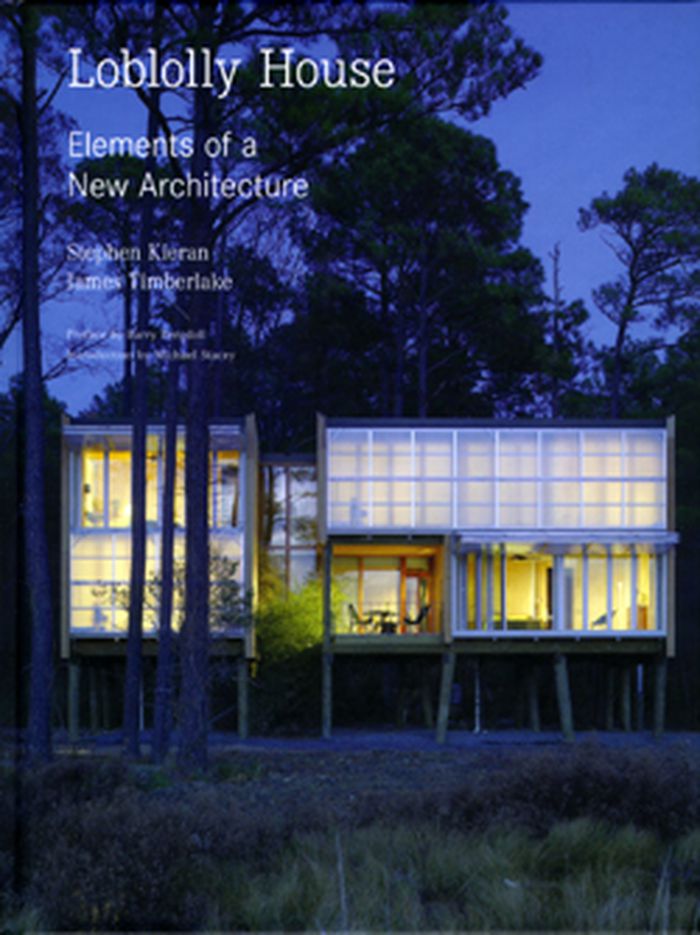
Known for their in-depth research and innovative, inventive, and meticulously constructed architecture, KieranTimberlake Assoicates put its ideas about streamlining the making of architecture to the test. The results took the form of a fully modular and award-winning house, featuring an active and adjustable double-skin facade so advanced that no client would consider it. KieranTimberlake Assoicates boldly took the project upon themselves, using partner Stephen Kieran's own summer house as a laboratory. Situated on idyllic Taylors Island, off the coast of Maryland's Chesapeake Bay, Loblolly House inaugurates a truly new, more efficient way of building. Through the use of state-of-the-art building information modeling (BIM), the architects were able to streamline the design-build process. Thousands of parts were collapsed and integrated into a few dozen panels and blocks that slid into an aluminum frame set on wooden pylons. Consisting of 70 percent prefabricated components, the kit-of-parts house was assembled (mostly with a wrench) and lifted into place on-site in less than six weeks. Unlike most houses, even those built with sustainability in mind, Loblolly disassembles as easily as it assembles, making it an ecologically sound structure with a manageable environmental footprint. Focusing on a single built project and illustrated with extensive photographic documentation and numerous detailed drawings, Loblolly House is the manual for componentized prefab. The book includes a DVD of the film "A House in the Trees" by producers Rick Deppe and Kathleen Blake, a real-time documentary of the design, fabrication, and assembly of Loblolly House.
Loblolly House: elements of a new architecture
Actions:
Price:
$52.00
(available to order)
Summary:
Known for their in-depth research and innovative, inventive, and meticulously constructed architecture, KieranTimberlake Assoicates put its ideas about streamlining the making of architecture to the test. The results took the form of a fully modular and award-winning house, featuring an active and adjustable double-skin facade so advanced that no client would consider it. KieranTimberlake Assoicates boldly took the project upon themselves, using partner Stephen Kieran's own summer house as a laboratory. Situated on idyllic Taylors Island, off the coast of Maryland's Chesapeake Bay, Loblolly House inaugurates a truly new, more efficient way of building. Through the use of state-of-the-art building information modeling (BIM), the architects were able to streamline the design-build process. Thousands of parts were collapsed and integrated into a few dozen panels and blocks that slid into an aluminum frame set on wooden pylons. Consisting of 70 percent prefabricated components, the kit-of-parts house was assembled (mostly with a wrench) and lifted into place on-site in less than six weeks. Unlike most houses, even those built with sustainability in mind, Loblolly disassembles as easily as it assembles, making it an ecologically sound structure with a manageable environmental footprint. Focusing on a single built project and illustrated with extensive photographic documentation and numerous detailed drawings, Loblolly House is the manual for componentized prefab. The book includes a DVD of the film "A House in the Trees" by producers Rick Deppe and Kathleen Blake, a real-time documentary of the design, fabrication, and assembly of Loblolly House.
Form:
books
books
Publication:
June 2008, New York
June 2008, New York
Subject:
Architecture Monographs
Architecture Monographs
Form:
books
books
Actions:
Price:
$47.95
(available to order)
Summary:
Since its invention, photography has been used to document and interpret the landscape. Survey photographers in the 1860s were the first environmental advocates, arguing for the U.S. national park system. During the first half of the 20th century photographers Ansel Adams and Eliot Porter were central figures in influencing American attitudes toward wilderness and(...)
$47.95
(available to order)
Summary:
Since its invention, photography has been used to document and interpret the landscape. Survey photographers in the 1860s were the first environmental advocates, arguing for the U.S. national park system. During the first half of the 20th century photographers Ansel Adams and Eliot Porter were central figures in influencing American attitudes toward wilderness and(...)
Subject:
Photography by Region
Photography by Region
Publication:
April 2011
April 2011
Title:
Earth now: american photographers and the environment
Actions:
Price:
$47.95
(available to order)
Summary:
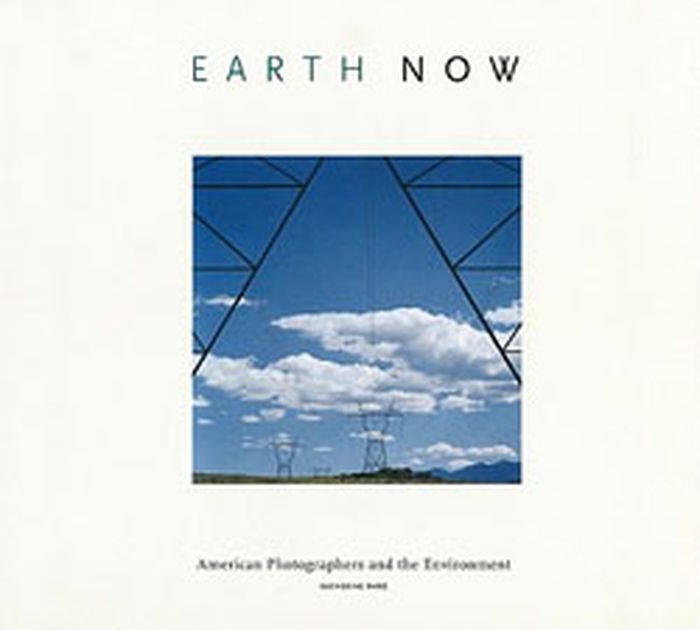
Since its invention, photography has been used to document and interpret the landscape. Survey photographers in the 1860s were the first environmental advocates, arguing for the U.S. national park system. During the first half of the 20th century photographers Ansel Adams and Eliot Porter were central figures in influencing American attitudes toward wilderness and conservation. This book traces the development of environmental photography beginning with Adams, Porter and others, and the next generation of landscape photographers - Robert Adams, Richard Misrach, Robert Glenn Ketchum, Patrick Nagatani, Mark Klett, whose works confronted the issues of landscape and the environment in less idealised terms. Shifting from the historical framework, the book presents new work by twenty-three photographers working in the U.S., the next wave of artists using the camera to engage the environmental issues of the day. Ranging from documentary to conceptual, the photographs touch on topics such as land and water use, the human place in the landscape, mounting consumer waste, industrial pollution, roof gardens and the green roof initiative, local food production, energy consumption, and the effects of industry on humans and animals. Katherine Ware's text offers insightful commentary on photography and the ways that environmental issues have been framed and advanced through the medium of photography. This is a powerful commentary on global environmental issues as seen through the lens of the newest wave of environmental photographers. This book is published to coincide with an exhibition to open at the New Mexico Museum of Art, Santa Fe, New Mexico, in April 2011.
Earth now: american photographers and the environment
Actions:
Price:
$47.95
(available to order)
Summary:
Since its invention, photography has been used to document and interpret the landscape. Survey photographers in the 1860s were the first environmental advocates, arguing for the U.S. national park system. During the first half of the 20th century photographers Ansel Adams and Eliot Porter were central figures in influencing American attitudes toward wilderness and conservation. This book traces the development of environmental photography beginning with Adams, Porter and others, and the next generation of landscape photographers - Robert Adams, Richard Misrach, Robert Glenn Ketchum, Patrick Nagatani, Mark Klett, whose works confronted the issues of landscape and the environment in less idealised terms. Shifting from the historical framework, the book presents new work by twenty-three photographers working in the U.S., the next wave of artists using the camera to engage the environmental issues of the day. Ranging from documentary to conceptual, the photographs touch on topics such as land and water use, the human place in the landscape, mounting consumer waste, industrial pollution, roof gardens and the green roof initiative, local food production, energy consumption, and the effects of industry on humans and animals. Katherine Ware's text offers insightful commentary on photography and the ways that environmental issues have been framed and advanced through the medium of photography. This is a powerful commentary on global environmental issues as seen through the lens of the newest wave of environmental photographers. This book is published to coincide with an exhibition to open at the New Mexico Museum of Art, Santa Fe, New Mexico, in April 2011.
Form:
books
books
Publication:
April 2011
April 2011
Subject:
Photography by Region
Photography by Region
Form:
books
books
Actions:
Price:
$99.95
(available to order)
Summary:
Eliot Noyes (1910–77) was a remarkable figure in twentieth-century design. An architect who began his career working in the office of Walter Gropius and Marcel Breuer, he went on to become the first Director of the Industrial Design department at MoMA in the 1940s. From the late 1950s until his death in 1977 he was Consulting Director of Design for IBM, Mobil Oil,(...)
$99.95
(available to order)
Summary:
Eliot Noyes (1910–77) was a remarkable figure in twentieth-century design. An architect who began his career working in the office of Walter Gropius and Marcel Breuer, he went on to become the first Director of the Industrial Design department at MoMA in the 1940s. From the late 1950s until his death in 1977 he was Consulting Director of Design for IBM, Mobil Oil,(...)
Title:
Eliot Noyes : a pioneer of design and architecture in the age of American modernism
Actions:
Price:
$99.95
(available to order)
Summary:
Eliot Noyes (1910–77) was a remarkable figure in twentieth-century design. An architect who began his career working in the office of Walter Gropius and Marcel Breuer, he went on to become the first Director of the Industrial Design department at MoMA in the 1940s. From the late 1950s until his death in 1977 he was Consulting Director of Design for IBM, Mobil Oil, Westinghouse and Cummins Engine Company, and was responsible for bringing about a change in the way that these corporations, and others that followed, were to think about design and its impact on business. He enlisted pioneering designers, notably Charles Eames, Paul Rand, Ivan Chermayeff and Tom Geismar, to help him bring about innovative architectural, graphic and industrial design. He was personally responsible for the design of some notable twentieth-century classics, such as IBM’s Selectric typewriter and Mobil Oil’s service stations and petrol pumps. His own work includes architectural projects, such as the award-winning Noyes' family residence in Connecticut. This monograph traces the life of this unique architect, designer and businessman who devoted a great deal of his career to encouraging large American businesses to respect and develop policies that were rich in cultural expression. The author has had extended access to the Noyes' archive of personal as well as business projects, materials and letters, and he has carried out extended interviews with a great deal of Noyes' acquaintances and relations. His comprehensive and lively text is accompanied by archival and new colour photography, drawings, plans and a diverse range of documentary material, much of which is previously unpublished.
Eliot Noyes : a pioneer of design and architecture in the age of American modernism
Actions:
Price:
$99.95
(available to order)
Summary:
Eliot Noyes (1910–77) was a remarkable figure in twentieth-century design. An architect who began his career working in the office of Walter Gropius and Marcel Breuer, he went on to become the first Director of the Industrial Design department at MoMA in the 1940s. From the late 1950s until his death in 1977 he was Consulting Director of Design for IBM, Mobil Oil, Westinghouse and Cummins Engine Company, and was responsible for bringing about a change in the way that these corporations, and others that followed, were to think about design and its impact on business. He enlisted pioneering designers, notably Charles Eames, Paul Rand, Ivan Chermayeff and Tom Geismar, to help him bring about innovative architectural, graphic and industrial design. He was personally responsible for the design of some notable twentieth-century classics, such as IBM’s Selectric typewriter and Mobil Oil’s service stations and petrol pumps. His own work includes architectural projects, such as the award-winning Noyes' family residence in Connecticut. This monograph traces the life of this unique architect, designer and businessman who devoted a great deal of his career to encouraging large American businesses to respect and develop policies that were rich in cultural expression. The author has had extended access to the Noyes' archive of personal as well as business projects, materials and letters, and he has carried out extended interviews with a great deal of Noyes' acquaintances and relations. His comprehensive and lively text is accompanied by archival and new colour photography, drawings, plans and a diverse range of documentary material, much of which is previously unpublished.
Form:
books
books
Publication:
October 2006, London, New York
October 2006, London, New York
Subject:
Design Monographs
Design Monographs
Form:
books
books
Actions:
Price:
$34.00
(available to order)
Summary:
Along with Russian constructivism and surrealism, Dada stands as one of the three most significant movements of the historical avant-garde. Born in the heart of Europe in the midst of World War I, Dada displayed a raucous skepticism about accepted values. Its embrace of new materials, of collage and assemblage techniques, of the designation of manufactured objects as art(...)
$34.00
(available to order)
Summary:
Along with Russian constructivism and surrealism, Dada stands as one of the three most significant movements of the historical avant-garde. Born in the heart of Europe in the midst of World War I, Dada displayed a raucous skepticism about accepted values. Its embrace of new materials, of collage and assemblage techniques, of the designation of manufactured objects as art(...)
Title:
Dada: Zurich,Berlin, Hannover, Cologne, New York, Paris
Actions:
Price:
$34.00
(available to order)
Summary:
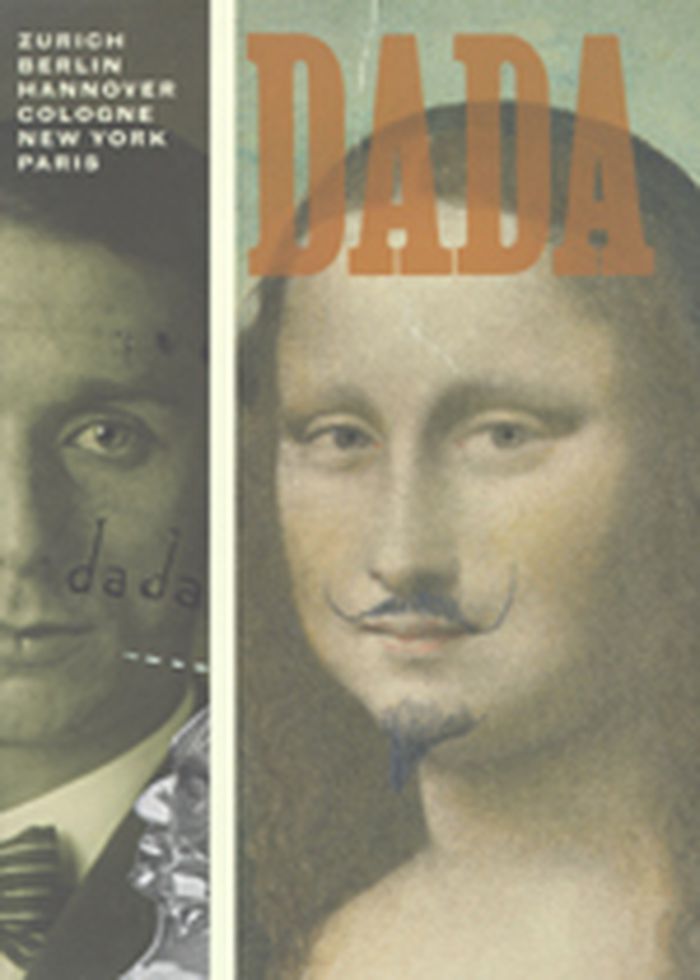
Along with Russian constructivism and surrealism, Dada stands as one of the three most significant movements of the historical avant-garde. Born in the heart of Europe in the midst of World War I, Dada displayed a raucous skepticism about accepted values. Its embrace of new materials, of collage and assemblage techniques, of the designation of manufactured objects as art objects as well as its interest in performance, sound poetry, and manifestos fundamentally shaped the terms of modern art practice and created an abiding legacy for postwar art. Yet, while the word Dada has common currency, few know much about Dada art itself. In contrast to other key avant-garde movements, there has never been a major American exhibition that explores Dada specifically in broad view. Dada--the catalogue to the exhibition on view in 2006 at the National Gallery of Art in Washington and The Museum of Modern Art in New York presents the hybrid forms of Dada art through an examination of city centers where Dada emerged: Zurich, Berlin, Cologne, Hannover, New York, and Paris. Covered here are works by some 40 artists made in the period from circa 1916, when the Cabaret Voltaire was founded in Zurich, to 1926, by which time most of the Dada groups had dispersed or significantly transformed. The city sections bring together painting, sculpture, photography, collage, photomontage, prints and graphic work. Relying on dynamic design and vivid documentary images, Dada takes us through these six cities via topical essays and extensive plate sections; an illustrated chronology of the movement; witty chronicles of events in each city center; a selected bibliography; and biographies of each artist--accompanied by Dada-era photographs.
Dada: Zurich,Berlin, Hannover, Cologne, New York, Paris
Actions:
Price:
$34.00
(available to order)
Summary:
Along with Russian constructivism and surrealism, Dada stands as one of the three most significant movements of the historical avant-garde. Born in the heart of Europe in the midst of World War I, Dada displayed a raucous skepticism about accepted values. Its embrace of new materials, of collage and assemblage techniques, of the designation of manufactured objects as art objects as well as its interest in performance, sound poetry, and manifestos fundamentally shaped the terms of modern art practice and created an abiding legacy for postwar art. Yet, while the word Dada has common currency, few know much about Dada art itself. In contrast to other key avant-garde movements, there has never been a major American exhibition that explores Dada specifically in broad view. Dada--the catalogue to the exhibition on view in 2006 at the National Gallery of Art in Washington and The Museum of Modern Art in New York presents the hybrid forms of Dada art through an examination of city centers where Dada emerged: Zurich, Berlin, Cologne, Hannover, New York, and Paris. Covered here are works by some 40 artists made in the period from circa 1916, when the Cabaret Voltaire was founded in Zurich, to 1926, by which time most of the Dada groups had dispersed or significantly transformed. The city sections bring together painting, sculpture, photography, collage, photomontage, prints and graphic work. Relying on dynamic design and vivid documentary images, Dada takes us through these six cities via topical essays and extensive plate sections; an illustrated chronology of the movement; witty chronicles of events in each city center; a selected bibliography; and biographies of each artist--accompanied by Dada-era photographs.
Form:
books
books
Publication:
March 2008, Washington
March 2008, Washington
Subject:
Contemporary Art Monographs
Contemporary Art Monographs
Form:
video
video
Title:
The end of suburbia
The end of suburbia
Actions:
Price:
$25.00
(available to order)
Summary:
Since World War II North Americans have invested much of their newfound wealth in suburbia. It has promised a sense of space, affordability, family life and upward mobility. As the population of suburban sprawl has exploded in the past 50 years, so too has the suburban way of life become embedded in the American consciousness. Suburbia, and all it promises, has become(...)
$25.00
(available to order)
Summary:
Since World War II North Americans have invested much of their newfound wealth in suburbia. It has promised a sense of space, affordability, family life and upward mobility. As the population of suburban sprawl has exploded in the past 50 years, so too has the suburban way of life become embedded in the American consciousness. Suburbia, and all it promises, has become(...)
Title:
The end of suburbia
Actions:
Price:
$25.00
(available to order)
Summary:
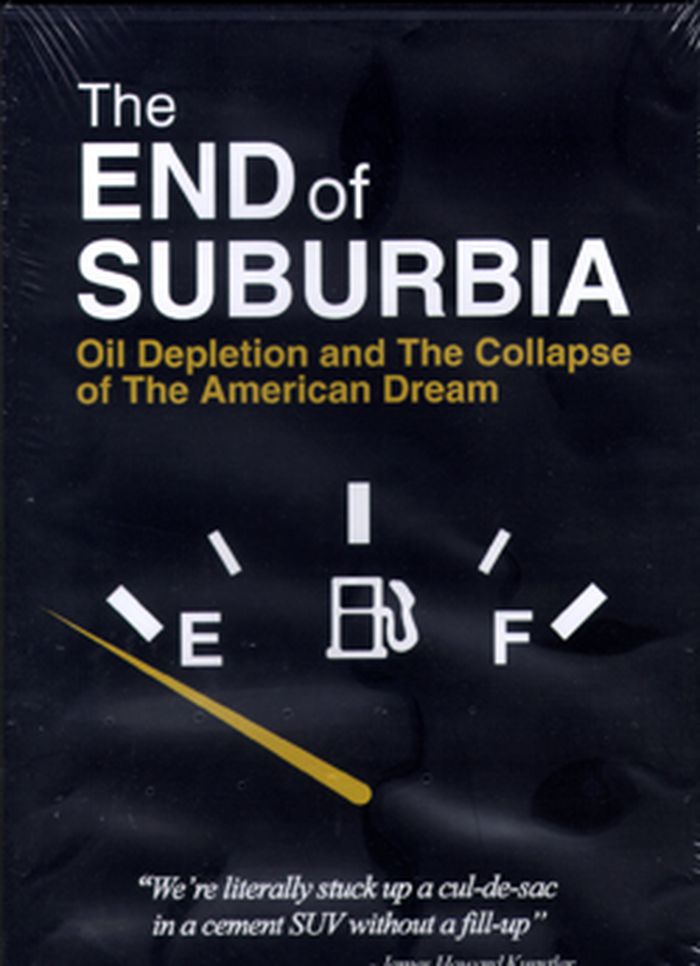
Since World War II North Americans have invested much of their newfound wealth in suburbia. It has promised a sense of space, affordability, family life and upward mobility. As the population of suburban sprawl has exploded in the past 50 years, so too has the suburban way of life become embedded in the American consciousness. Suburbia, and all it promises, has become the American Dream. But as we enter the 21st century, serious questions are beginning to emerge about the sustainability of this way of life. With brutal honesty and a touch of irony, "The End of Suburbia" explores the American Way of Life and its prospects as the planet approaches a critical era, as global demand for fossil fuels begins to outstrip supply. World Oil Peak and the inevitable decline of fossil fuels are upon us now, some scientists and policy makers argue in this documentary. The consequences of inaction in the face of this global crisis are enormous. What does Oil Peak mean for North America? As energy prices skyrocket in the coming years, how will the populations of suburbia react to the collapse of their dream? Are today's suburbs destined to become the slums of tomorrow? And what can be done NOW, individually and collectively, to avoid The End of Suburbia ? Hosted by Barrie Zwicker. Featuring James Howard Kunstler, Peter Calthorpe, Michael Klare, Richard Heinberg, Matthew Simmons, Michael C. Ruppert, Julian Darley, Colin Campbell, Kenneth Deffeyes, Ali Samsam Bakhtiari and Steve Andrews. Directed by Gregory Greene. Produced by Barry Silverthorn. Duration: 78 minutes DVD BONUS: Includes the vintage short films, "In the Suburbs" and "Destination Earth", and producer/director commentary.
The end of suburbia
Actions:
Price:
$25.00
(available to order)
Summary:
Since World War II North Americans have invested much of their newfound wealth in suburbia. It has promised a sense of space, affordability, family life and upward mobility. As the population of suburban sprawl has exploded in the past 50 years, so too has the suburban way of life become embedded in the American consciousness. Suburbia, and all it promises, has become the American Dream. But as we enter the 21st century, serious questions are beginning to emerge about the sustainability of this way of life. With brutal honesty and a touch of irony, "The End of Suburbia" explores the American Way of Life and its prospects as the planet approaches a critical era, as global demand for fossil fuels begins to outstrip supply. World Oil Peak and the inevitable decline of fossil fuels are upon us now, some scientists and policy makers argue in this documentary. The consequences of inaction in the face of this global crisis are enormous. What does Oil Peak mean for North America? As energy prices skyrocket in the coming years, how will the populations of suburbia react to the collapse of their dream? Are today's suburbs destined to become the slums of tomorrow? And what can be done NOW, individually and collectively, to avoid The End of Suburbia ? Hosted by Barrie Zwicker. Featuring James Howard Kunstler, Peter Calthorpe, Michael Klare, Richard Heinberg, Matthew Simmons, Michael C. Ruppert, Julian Darley, Colin Campbell, Kenneth Deffeyes, Ali Samsam Bakhtiari and Steve Andrews. Directed by Gregory Greene. Produced by Barry Silverthorn. Duration: 78 minutes DVD BONUS: Includes the vintage short films, "In the Suburbs" and "Destination Earth", and producer/director commentary.
Form:
video
video
Publication:
November 2007, Toronto
November 2007, Toronto
Subject:
DVDs
DVDs
Form:
books
books
Title:
Architecture and film
Architecture and film
Actions:
Price:
$32.50
(available to order)
Summary:
"Architecture and Film" looks at the ways architecture and architects are treated on screen and, conversely, how these depictions filter and shape the ways we understand the built environment. It also examines the significant effect that the film industry has had on the (...)
$32.50
(available to order)
Summary:
"Architecture and Film" looks at the ways architecture and architects are treated on screen and, conversely, how these depictions filter and shape the ways we understand the built environment. It also examines the significant effect that the film industry has had on the (...)
Subject:
Architecture and Film, Set Design
Architecture and Film, Set Design
Publication:
February 2000, New York
February 2000, New York
Title:
Architecture and film
Actions:
Price:
$32.50
(available to order)
Summary:
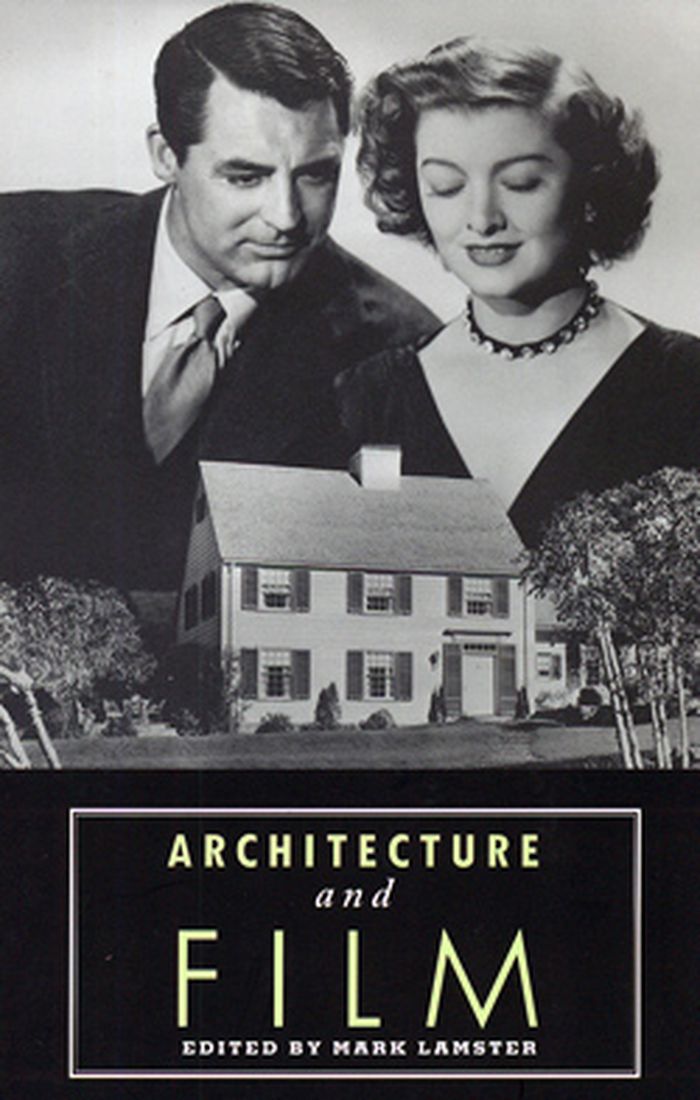
"Architecture and Film" looks at the ways architecture and architects are treated on screen and, conversely, how these depictions filter and shape the ways we understand the built environment. It also examines the significant effect that the film industry has had on the American public's perception of urban, suburban, and rural spaces. Contributors to this collection of essays come from a wide range of disciplines. Nancy Levinson writes on how films from "The Fountainhead" to "Jungle Fever" have depicted architects. Eric Rosenberg looks at how architecture and spatial relations shape the Beatles films "A Hard Day's Night", "Help!", and "Let It Be". Joseph Rosa discusses why modern domestic architecture in recent Hollywood films such as "The Ice Storm", "L.A. Confidential", and "The Big Lebowski" has become synonymous with unstable inhabitants. Peter Hall discusses the history of film titling, focusing on the groundbreaking work of Saul Bass and Maurice Binder. Editor Mark Lamster examines the anti-urbanism of the Star Wars trilogy. The collection also includes the voices of those from within the film industry, who are uniquely able to provide a "behind the scenes" perspective: film editor Bob Eisenhardt comments on the making of "Concert of Wills", a documentary on the construction of the Getty Museum; and Robert Kraft focuses on his work as a location director for Diane Keaton's upcoming film about Los Angeles. Also included are interviews with David Rockwell, architect of numerous Planet Hollywood restaurants worldwide and designer of a new hall to host the Academy Awards ceremony; Kyle Kooper, who created title sequences for "Seven" and "Mission Impossible"; and motion picture art director Jan Roelfs, whose credits include "Gattaca", "Orlando", and "Little Women". Previously priced at $41.50.
Architecture and film
Actions:
Price:
$32.50
(available to order)
Summary:
"Architecture and Film" looks at the ways architecture and architects are treated on screen and, conversely, how these depictions filter and shape the ways we understand the built environment. It also examines the significant effect that the film industry has had on the American public's perception of urban, suburban, and rural spaces. Contributors to this collection of essays come from a wide range of disciplines. Nancy Levinson writes on how films from "The Fountainhead" to "Jungle Fever" have depicted architects. Eric Rosenberg looks at how architecture and spatial relations shape the Beatles films "A Hard Day's Night", "Help!", and "Let It Be". Joseph Rosa discusses why modern domestic architecture in recent Hollywood films such as "The Ice Storm", "L.A. Confidential", and "The Big Lebowski" has become synonymous with unstable inhabitants. Peter Hall discusses the history of film titling, focusing on the groundbreaking work of Saul Bass and Maurice Binder. Editor Mark Lamster examines the anti-urbanism of the Star Wars trilogy. The collection also includes the voices of those from within the film industry, who are uniquely able to provide a "behind the scenes" perspective: film editor Bob Eisenhardt comments on the making of "Concert of Wills", a documentary on the construction of the Getty Museum; and Robert Kraft focuses on his work as a location director for Diane Keaton's upcoming film about Los Angeles. Also included are interviews with David Rockwell, architect of numerous Planet Hollywood restaurants worldwide and designer of a new hall to host the Academy Awards ceremony; Kyle Kooper, who created title sequences for "Seven" and "Mission Impossible"; and motion picture art director Jan Roelfs, whose credits include "Gattaca", "Orlando", and "Little Women". Previously priced at $41.50.
Form:
books
books
Publication:
February 2000, New York
February 2000, New York
Subject:
Architecture and Film, Set Design
Architecture and Film, Set Design
Form:
books
books
Title:
Alphabet city 10 : suspects
Alphabet city 10 : suspects
Actions:
Price:
$18.95
(available in store)
Summary:
What is the condition of the suspect in a post-9/11 world? Do perpetual detention, ubiquitous surveillance cameras, and the legal apparatus of the USA Patriot Act target suspects accurately or generate suspicion indiscriminately? "Suspect", the latest in a series from Alphabet City and the first in its new format of topical book-length magazines, gathers hard evidence(...)
$18.95
(available in store)
Summary:
What is the condition of the suspect in a post-9/11 world? Do perpetual detention, ubiquitous surveillance cameras, and the legal apparatus of the USA Patriot Act target suspects accurately or generate suspicion indiscriminately? "Suspect", the latest in a series from Alphabet City and the first in its new format of topical book-length magazines, gathers hard evidence(...)
Title:
Alphabet city 10 : suspects
Actions:
Price:
$18.95
(available in store)
Summary:
What is the condition of the suspect in a post-9/11 world? Do perpetual detention, ubiquitous surveillance cameras, and the legal apparatus of the USA Patriot Act target suspects accurately or generate suspicion indiscriminately? "Suspect", the latest in a series from Alphabet City and the first in its new format of topical book-length magazines, gathers hard evidence about the fate of the suspect in a culture of suspicion with contributions from writers, artists, and filmmakers. Their testimony takes a multiplicity of forms and formats. Among them:a 24-page color comic by graphic novelist Joey Dubuc asks the reader to make narrative choices in a web of surveillance, suspicion, and fear. Harper's contributor Mark Kingwell observes that while suspicion tries to isolate the suspect, in fact we are all the suspect. Slavoj Zizek reflects on the new cultural status of the suspect after Abu Ghraib. Philosopher George Bragues argues that even as the United Nations looks for ways to discipline "suspect nations," it simply cannot succeed under current international conditions. Alphabet City editor John Knechtel interviews Naomi Klein, author of No Logo, about the legal and political strategies of the Bush administration. Sylwia Chrostowska describes what happens, in the the 1970 Italian film Investigation of a Citizen Above Suspicion, when a corrupt official investigates himself. Screenwriter Timothy Stock and illustrator Warren Heise create a documentary in comic form about Critical Ensemble artist Steve Kurtz, charged under the bioterrorism provisions of the Patriot Act. Novelist Camilla Gibb portrays, in "Things Collapse," the terrifying effects of a "separating sickness" of unknown origin, which perhaps exists only in the fears of the population it strikes. And novelist Diana Fitzgerald Bryden follows her character Rafa Ahmed, a PFLP hijacker from the 1970s, as, many years later, she is to appear at a peace conference. Filmmaker Patricia Rozema, director of Mansfield Park and other films, contributes a 16-page film-in-a-book, "Suspect." Suspect is a non-partisan handbook on the mechanisms and machinations of suspicion for the twenty-first century national security state.
Alphabet city 10 : suspects
Actions:
Price:
$18.95
(available in store)
Summary:
What is the condition of the suspect in a post-9/11 world? Do perpetual detention, ubiquitous surveillance cameras, and the legal apparatus of the USA Patriot Act target suspects accurately or generate suspicion indiscriminately? "Suspect", the latest in a series from Alphabet City and the first in its new format of topical book-length magazines, gathers hard evidence about the fate of the suspect in a culture of suspicion with contributions from writers, artists, and filmmakers. Their testimony takes a multiplicity of forms and formats. Among them:a 24-page color comic by graphic novelist Joey Dubuc asks the reader to make narrative choices in a web of surveillance, suspicion, and fear. Harper's contributor Mark Kingwell observes that while suspicion tries to isolate the suspect, in fact we are all the suspect. Slavoj Zizek reflects on the new cultural status of the suspect after Abu Ghraib. Philosopher George Bragues argues that even as the United Nations looks for ways to discipline "suspect nations," it simply cannot succeed under current international conditions. Alphabet City editor John Knechtel interviews Naomi Klein, author of No Logo, about the legal and political strategies of the Bush administration. Sylwia Chrostowska describes what happens, in the the 1970 Italian film Investigation of a Citizen Above Suspicion, when a corrupt official investigates himself. Screenwriter Timothy Stock and illustrator Warren Heise create a documentary in comic form about Critical Ensemble artist Steve Kurtz, charged under the bioterrorism provisions of the Patriot Act. Novelist Camilla Gibb portrays, in "Things Collapse," the terrifying effects of a "separating sickness" of unknown origin, which perhaps exists only in the fears of the population it strikes. And novelist Diana Fitzgerald Bryden follows her character Rafa Ahmed, a PFLP hijacker from the 1970s, as, many years later, she is to appear at a peace conference. Filmmaker Patricia Rozema, director of Mansfield Park and other films, contributes a 16-page film-in-a-book, "Suspect." Suspect is a non-partisan handbook on the mechanisms and machinations of suspicion for the twenty-first century national security state.
Form:
books
books
Publication:
October 2005, Cambridge, London
October 2005, Cambridge, London
Subject:
small format
small format
Form:
books
books
Actions:
Price:
$45.00
(available to order)
Summary:
November 2009 marks the 100th anniversary of the Grand Boulevard and Concourse, the Bronx’s crown jewel of urban planning, which stretches over four miles from 138th Street to the Mosholu Parkway. This famous roadway represents Art Deco and Art Moderne architecture at its grandest, including a cornucopia of apartment complexes, the Concourse Plaza Hotel, the Loews(...)
$45.00
(available to order)
Summary:
November 2009 marks the 100th anniversary of the Grand Boulevard and Concourse, the Bronx’s crown jewel of urban planning, which stretches over four miles from 138th Street to the Mosholu Parkway. This famous roadway represents Art Deco and Art Moderne architecture at its grandest, including a cornucopia of apartment complexes, the Concourse Plaza Hotel, the Loews(...)
Title:
Intersections : the grand concourse at 100
Actions:
Price:
$45.00
(available to order)
Summary:
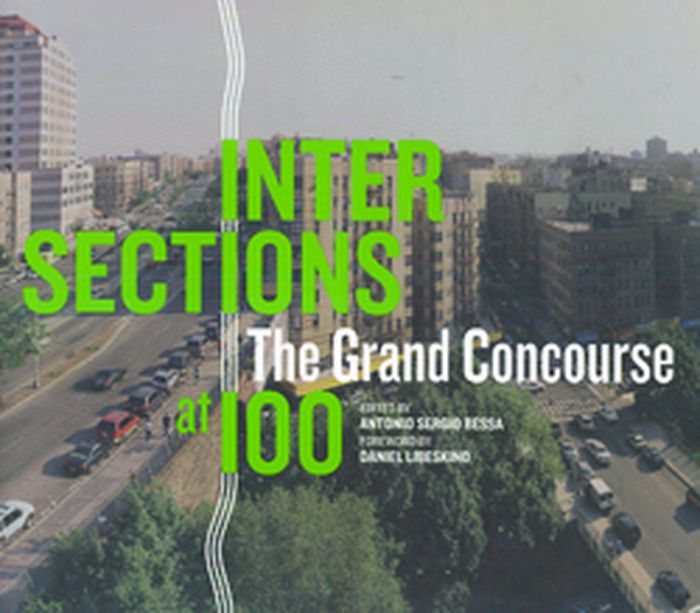
November 2009 marks the 100th anniversary of the Grand Boulevard and Concourse, the Bronx’s crown jewel of urban planning, which stretches over four miles from 138th Street to the Mosholu Parkway. This famous roadway represents Art Deco and Art Moderne architecture at its grandest, including a cornucopia of apartment complexes, the Concourse Plaza Hotel, the Loews Paradise Theater, the Bronx County Courthouse, and, of course, Yankee Stadium. Modeled on the Champs Élysées in Paris and described in the 1939 WPA Guide to New York as “the Park Avenue of the middle-class,” it offered residents amenities not seen before in the city, such as private bathrooms and central heating. This publication examines the rich history of the Bronx’s most famous thoroughfare through a collection of pieces — written by historians and contemporary museum curators, and accompanied by two original texts by Alsatian-born engineer Louis Risse, who designed and oversaw the construction of the Grand Concourse — on the context that informed its planning and construction, along with a vast collection of photographs that bring this period back to life. The book also features six art projects especially commissioned for the occasion : a series of large-scale color photographs by Jeff Liao; a time line by Skowmon Hastanan; The Tree Museum, a project by Katie Holten on the green spaces along the Concourse; a documentary film by Pablo Helguera on three buildings along the Concourse, namely, Poe’s cottage, the Paradise Theater, and the Freedman Home; a project by Kabir Carter about capturing sounds from different areas along the Concourse; and a special lobby installation by Acconci Studio. Traveling the Concourse today offers a lesson in architecture, history, and sociology as you see the faces and places that call it home. It is truly New York, but more important, authentically the Bronx. You can’t experience the Bronx until you travel the Grand Boulevard and Concourse. Foreword by Daniel Libeskind.
Intersections : the grand concourse at 100
Actions:
Price:
$45.00
(available to order)
Summary:
November 2009 marks the 100th anniversary of the Grand Boulevard and Concourse, the Bronx’s crown jewel of urban planning, which stretches over four miles from 138th Street to the Mosholu Parkway. This famous roadway represents Art Deco and Art Moderne architecture at its grandest, including a cornucopia of apartment complexes, the Concourse Plaza Hotel, the Loews Paradise Theater, the Bronx County Courthouse, and, of course, Yankee Stadium. Modeled on the Champs Élysées in Paris and described in the 1939 WPA Guide to New York as “the Park Avenue of the middle-class,” it offered residents amenities not seen before in the city, such as private bathrooms and central heating. This publication examines the rich history of the Bronx’s most famous thoroughfare through a collection of pieces — written by historians and contemporary museum curators, and accompanied by two original texts by Alsatian-born engineer Louis Risse, who designed and oversaw the construction of the Grand Concourse — on the context that informed its planning and construction, along with a vast collection of photographs that bring this period back to life. The book also features six art projects especially commissioned for the occasion : a series of large-scale color photographs by Jeff Liao; a time line by Skowmon Hastanan; The Tree Museum, a project by Katie Holten on the green spaces along the Concourse; a documentary film by Pablo Helguera on three buildings along the Concourse, namely, Poe’s cottage, the Paradise Theater, and the Freedman Home; a project by Kabir Carter about capturing sounds from different areas along the Concourse; and a special lobby installation by Acconci Studio. Traveling the Concourse today offers a lesson in architecture, history, and sociology as you see the faces and places that call it home. It is truly New York, but more important, authentically the Bronx. You can’t experience the Bronx until you travel the Grand Boulevard and Concourse. Foreword by Daniel Libeskind.
Form:
books
books
Publication:
September 2009
September 2009
Subject:
Urban Theory
Urban Theory
Form:
audio
audio
Title:
Lattina.
Lattina.
Actions:
Description:
1 online resource.
Author:
Subject:
Publication:
[Place of publication not identified] : Lateral Addition, 2015.
[Place of publication not identified] : Lateral Addition, 2015.
Form:
audio
audio
Publication:
[Place of publication not identified] : Lateral Addition, 2015.
[Place of publication not identified] : Lateral Addition, 2015.
Author:
Subject:


