


44145 Results
Form:
articles
articles
Title:
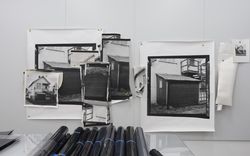
Near Documentary
Near Documentary
Actions:
Jeff Wall in conversation with Stefano Graziani and Bas Princen
Keyword(s):
The Lives of Documents, Photography as a Project, Stefano Graziani and Bas Princen, Jeff Wall, conversation, oral history
The Lives of Documents, Photography as a Project, Stefano Graziani and Bas Princen, Jeff Wall, conversation, oral history
Published:
5 June 2023
5 June 2023
Form:
articles
articles
Title:
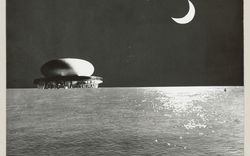
Far from Nostalgia
Far from Nostalgia
Actions:
Claudia Shmidt on the letters of Amancio Williams
Published:
9 October 2023
9 October 2023
Level of archival description:
Project
Project
Reference number:
AP180.S1.1977.PR02
Description:
This project series documents an elementary and middle school in Faedis, Italy. Riva worked on this project in 1977. The school was built with aid from the American Agency for International Development, who funded this project as part of a relief program after the 1976 earthquake in Italy. The project series contains design development drawings and construction drawings. Among these drawings are elevations, sections, floor plans, and details for furnishings.
AP180.S1.1977.PR02
Description:
This project series documents an elementary and middle school in Faedis, Italy. Riva worked on this project in 1977. The school was built with aid from the American Agency for International Development, who funded this project as part of a relief program after the 1976 earthquake in Italy. The project series contains design development drawings and construction drawings. Among these drawings are elevations, sections, floor plans, and details for furnishings.
People:
Date:
1977
1977
Title:
Scuola elementare e media [Elementary and Middle School], Faedis, Italy (1977-1979)
Actions:
AP180.S1.1977.PR02
Description:
This project series documents an elementary and middle school in Faedis, Italy. Riva worked on this project in 1977. The school was built with aid from the American Agency for International Development, who funded this project as part of a relief program after the 1976 earthquake in Italy. The project series contains design development drawings and construction drawings. Among these drawings are elevations, sections, floor plans, and details for furnishings.
Scuola elementare e media [Elementary and Middle School], Faedis, Italy (1977-1979)
Actions:
AP180.S1.1977.PR02
Description:
This project series documents an elementary and middle school in Faedis, Italy. Riva worked on this project in 1977. The school was built with aid from the American Agency for International Development, who funded this project as part of a relief program after the 1976 earthquake in Italy. The project series contains design development drawings and construction drawings. Among these drawings are elevations, sections, floor plans, and details for furnishings.
Level of archival description:
Project
Project
Date:
1977
1977
People:
Level of archival description:
Project
Project
Actions:
Reference number:
AP180.S1.1994.PR06
Description:
This project series documents renovations for an unidentified building, possibly a two-storey private residence or a hotel in Italy. This project was realized. Riva worked on this project from 1994-1995. The project is recorded through studies and design development drawings, including sections, floor plans, interior elevations, exterior elevations, and details, including furnishing details. The project is also identified as Ricatti Ca’ Priuli.
AP180.S1.1994.PR06
Description:
This project series documents renovations for an unidentified building, possibly a two-storey private residence or a hotel in Italy. This project was realized. Riva worked on this project from 1994-1995. The project is recorded through studies and design development drawings, including sections, floor plans, interior elevations, exterior elevations, and details, including furnishing details. The project is also identified as Ricatti Ca’ Priuli.
People:
Date:
1994-1996
1994-1996
Title:
Ca’ Priuli, Bassano del Grappa, Italy (1994-1995)
Actions:
AP180.S1.1994.PR06
Description:
This project series documents renovations for an unidentified building, possibly a two-storey private residence or a hotel in Italy. This project was realized. Riva worked on this project from 1994-1995. The project is recorded through studies and design development drawings, including sections, floor plans, interior elevations, exterior elevations, and details, including furnishing details. The project is also identified as Ricatti Ca’ Priuli.
Ca’ Priuli, Bassano del Grappa, Italy (1994-1995)
Actions:
AP180.S1.1994.PR06
Description:
This project series documents renovations for an unidentified building, possibly a two-storey private residence or a hotel in Italy. This project was realized. Riva worked on this project from 1994-1995. The project is recorded through studies and design development drawings, including sections, floor plans, interior elevations, exterior elevations, and details, including furnishing details. The project is also identified as Ricatti Ca’ Priuli.
Level of archival description:
Project
Project
Date:
1994-1996
1994-1996
People:
Level of archival description:
Sub-series
Sub-series
Reference number:
AP075.S4.SS4
Description:
This sub-series documents Cornelia Hahn Oberlander's research on artists, professionals, organizations or universities'schools related to architecture, landscape architecture, environment and other professions of interest to Oberlander and for her projects. It also documents Oberlander's research on some of her clients or architects she worked with, including Arthur Erickson. The sub-series includes collected documentation, such contact information, press clippings and periodicals and some correspondence.
AP075.S4.SS4
Description:
This sub-series documents Cornelia Hahn Oberlander's research on artists, professionals, organizations or universities'schools related to architecture, landscape architecture, environment and other professions of interest to Oberlander and for her projects. It also documents Oberlander's research on some of her clients or architects she worked with, including Arthur Erickson. The sub-series includes collected documentation, such contact information, press clippings and periodicals and some correspondence.
People:
Date:
1971-2018
1971-2018
Title:
Research on professional community and organizations
Actions:
AP075.S4.SS4
Description:
This sub-series documents Cornelia Hahn Oberlander's research on artists, professionals, organizations or universities'schools related to architecture, landscape architecture, environment and other professions of interest to Oberlander and for her projects. It also documents Oberlander's research on some of her clients or architects she worked with, including Arthur Erickson. The sub-series includes collected documentation, such contact information, press clippings and periodicals and some correspondence.
Research on professional community and organizations
Actions:
AP075.S4.SS4
Description:
This sub-series documents Cornelia Hahn Oberlander's research on artists, professionals, organizations or universities'schools related to architecture, landscape architecture, environment and other professions of interest to Oberlander and for her projects. It also documents Oberlander's research on some of her clients or architects she worked with, including Arthur Erickson. The sub-series includes collected documentation, such contact information, press clippings and periodicals and some correspondence.
Level of archival description:
Sub-series
Sub-series
Date:
1971-2018
1971-2018
People:
Form:
textual records
Quantity:
248 manuscript(s)
textual records
Quantity:
248 manuscript(s)
Actions:
Reference number:
DR1984:1633:001
Description:
- This is a group of correspondences between Edward Leonard and Belgian architects whose work was proposed for inclusion in a book (never published) on domestic Belgian architecture of the 1920s (see object file DR1984:1633:01-02). The architects whose buildings have been included in the album DR1984:1633:002 are: Richard Acke, Fern Bodson, Paul Bonduelle, Victor Bourgeois, A. van Braekel, Frans Cools, J.A. De Bondt, J. De Ridder, Auguste De Smet, Henri Derée, Paul Detaeye, J.B. Dewin, J. Diongre, René Doom, Eeckeren, J.J. Eggericx, Alfons Francken, Lucien Francois, Jean E.P. Hendrickx, E.P. Jean, Huib Hoste, Houben, Huygh, E. Janssens, Ferdinand van Mierlo, J Minmaar, R. Nyst, Jacques Obozinski, Antoine Pompe, Portielje & De Braey Architectes, A Puissant, Paul Rubbers, Shobert, Cornelis Sol, Edward van Steenbergen, P.T.T. Verbruggen, R. Verwilghen, Jozef Viérin, Vincent Cols & Jules De Roeck Architectes, Oscar van de Voorde, and H.A. Wittocx. - The architects with whom Edward Leonard corresponded, but whose work is not included in the album DR1984:1633:002 are: J. van Asperen, E. van Averbeke, Frank Blockx, Georges Brosens, van Cauwelaert, Edward Craye, A.Defever, Julien De Ridder, Albert van Huffel, Jan Jacobs, S. Jasinski, W. van Kuyek, J. de Lange, F.J. Langeraert, Jan Lauwers, C. Leurs, Jean de Ligne, Alfred Minner, E.H.Nagels, E. van Not, E. van der Paal, F. Petit, Florent van Reeth, Jos. Ritzen, Paul Smekens, Jos. Smolderen, Léon Stynen, Lovis van der Swaelmen, Valentin Vaerwyck, and Henry van de Velde.
DR1984:1633:001
Description:
- This is a group of correspondences between Edward Leonard and Belgian architects whose work was proposed for inclusion in a book (never published) on domestic Belgian architecture of the 1920s (see object file DR1984:1633:01-02). The architects whose buildings have been included in the album DR1984:1633:002 are: Richard Acke, Fern Bodson, Paul Bonduelle, Victor Bourgeois, A. van Braekel, Frans Cools, J.A. De Bondt, J. De Ridder, Auguste De Smet, Henri Derée, Paul Detaeye, J.B. Dewin, J. Diongre, René Doom, Eeckeren, J.J. Eggericx, Alfons Francken, Lucien Francois, Jean E.P. Hendrickx, E.P. Jean, Huib Hoste, Houben, Huygh, E. Janssens, Ferdinand van Mierlo, J Minmaar, R. Nyst, Jacques Obozinski, Antoine Pompe, Portielje & De Braey Architectes, A Puissant, Paul Rubbers, Shobert, Cornelis Sol, Edward van Steenbergen, P.T.T. Verbruggen, R. Verwilghen, Jozef Viérin, Vincent Cols & Jules De Roeck Architectes, Oscar van de Voorde, and H.A. Wittocx. - The architects with whom Edward Leonard corresponded, but whose work is not included in the album DR1984:1633:002 are: J. van Asperen, E. van Averbeke, Frank Blockx, Georges Brosens, van Cauwelaert, Edward Craye, A.Defever, Julien De Ridder, Albert van Huffel, Jan Jacobs, S. Jasinski, W. van Kuyek, J. de Lange, F.J. Langeraert, Jan Lauwers, C. Leurs, Jean de Ligne, Alfred Minner, E.H.Nagels, E. van Not, E. van der Paal, F. Petit, Florent van Reeth, Jos. Ritzen, Paul Smekens, Jos. Smolderen, Léon Stynen, Lovis van der Swaelmen, Valentin Vaerwyck, and Henry van de Velde.
People:
Subject:
architecture
architecture
Date:
1922-1929
1922-1929
Title:
Folder of letters and documents concerning the publication of a book on domestic architecture in Belgium after World War I
Actions:
DR1984:1633:001
Description:
- This is a group of correspondences between Edward Leonard and Belgian architects whose work was proposed for inclusion in a book (never published) on domestic Belgian architecture of the 1920s (see object file DR1984:1633:01-02). The architects whose buildings have been included in the album DR1984:1633:002 are: Richard Acke, Fern Bodson, Paul Bonduelle, Victor Bourgeois, A. van Braekel, Frans Cools, J.A. De Bondt, J. De Ridder, Auguste De Smet, Henri Derée, Paul Detaeye, J.B. Dewin, J. Diongre, René Doom, Eeckeren, J.J. Eggericx, Alfons Francken, Lucien Francois, Jean E.P. Hendrickx, E.P. Jean, Huib Hoste, Houben, Huygh, E. Janssens, Ferdinand van Mierlo, J Minmaar, R. Nyst, Jacques Obozinski, Antoine Pompe, Portielje & De Braey Architectes, A Puissant, Paul Rubbers, Shobert, Cornelis Sol, Edward van Steenbergen, P.T.T. Verbruggen, R. Verwilghen, Jozef Viérin, Vincent Cols & Jules De Roeck Architectes, Oscar van de Voorde, and H.A. Wittocx. - The architects with whom Edward Leonard corresponded, but whose work is not included in the album DR1984:1633:002 are: J. van Asperen, E. van Averbeke, Frank Blockx, Georges Brosens, van Cauwelaert, Edward Craye, A.Defever, Julien De Ridder, Albert van Huffel, Jan Jacobs, S. Jasinski, W. van Kuyek, J. de Lange, F.J. Langeraert, Jan Lauwers, C. Leurs, Jean de Ligne, Alfred Minner, E.H.Nagels, E. van Not, E. van der Paal, F. Petit, Florent van Reeth, Jos. Ritzen, Paul Smekens, Jos. Smolderen, Léon Stynen, Lovis van der Swaelmen, Valentin Vaerwyck, and Henry van de Velde.
Folder of letters and documents concerning the publication of a book on domestic architecture in Belgium after World War I
Actions:
DR1984:1633:001
Description:
- This is a group of correspondences between Edward Leonard and Belgian architects whose work was proposed for inclusion in a book (never published) on domestic Belgian architecture of the 1920s (see object file DR1984:1633:01-02). The architects whose buildings have been included in the album DR1984:1633:002 are: Richard Acke, Fern Bodson, Paul Bonduelle, Victor Bourgeois, A. van Braekel, Frans Cools, J.A. De Bondt, J. De Ridder, Auguste De Smet, Henri Derée, Paul Detaeye, J.B. Dewin, J. Diongre, René Doom, Eeckeren, J.J. Eggericx, Alfons Francken, Lucien Francois, Jean E.P. Hendrickx, E.P. Jean, Huib Hoste, Houben, Huygh, E. Janssens, Ferdinand van Mierlo, J Minmaar, R. Nyst, Jacques Obozinski, Antoine Pompe, Portielje & De Braey Architectes, A Puissant, Paul Rubbers, Shobert, Cornelis Sol, Edward van Steenbergen, P.T.T. Verbruggen, R. Verwilghen, Jozef Viérin, Vincent Cols & Jules De Roeck Architectes, Oscar van de Voorde, and H.A. Wittocx. - The architects with whom Edward Leonard corresponded, but whose work is not included in the album DR1984:1633:002 are: J. van Asperen, E. van Averbeke, Frank Blockx, Georges Brosens, van Cauwelaert, Edward Craye, A.Defever, Julien De Ridder, Albert van Huffel, Jan Jacobs, S. Jasinski, W. van Kuyek, J. de Lange, F.J. Langeraert, Jan Lauwers, C. Leurs, Jean de Ligne, Alfred Minner, E.H.Nagels, E. van Not, E. van der Paal, F. Petit, Florent van Reeth, Jos. Ritzen, Paul Smekens, Jos. Smolderen, Léon Stynen, Lovis van der Swaelmen, Valentin Vaerwyck, and Henry van de Velde.
Form:
textual records
Quantity:
248 manuscript(s)
textual records
Quantity:
248 manuscript(s)
Date:
1922-1929
1922-1929
People:
Subject:
architecture
architecture
Level of archival description:
Project
Project
Actions:
Reference number:
AP018.S1.1983.PR02
Description:
This project series documents the design and construction of the new National Gallery of Canada in Ottawa, Ontario from 1983-1988. The office identified the project number as 8303. In 1977, Parkin Architects Planners won a limited architectural competition for their design of the new National Gallery of Canada. However, after cited lack of funds, and controversies over the chosen site as well as how the competition was run, the newly formed Canada Museums Construction Company sought another design and architect for the new National Gallery. The building site was also moved from its original location near the Canadian parliament buildings on Wellington Street to the corner of Sussex Drive and St Patrick Street. Eventually, Moshe Safdie, in joint venture with Parkin Architects Planners, were chosen as the architects for the project. Parkin was the minor partner in this joint venture and his firm's work seemed to focus more on construction than design. The dispute over this decision can be found in the textual records of project series AP018.S1.1976.PR23 in this fonds. This project was commissioned by Public Works Canada and the Canada Museum Construction Company, both federal government agencies. The project is recorded through drawings, photographs and textual records dating from 1976-1989. The drawings consist largely of structural and construction drawings for the project. Some drawings in this project series were prepared by Public Works Canada. The textual records for this project include specifications, financial records, change order documentation, correspondence, interoffice letters, documentation on the competition controversy and competition reports. The textual records also focus heavily on a dispute between Parkin/Safdie and the client regarding the architects' professional fees.
AP018.S1.1983.PR02
Description:
This project series documents the design and construction of the new National Gallery of Canada in Ottawa, Ontario from 1983-1988. The office identified the project number as 8303. In 1977, Parkin Architects Planners won a limited architectural competition for their design of the new National Gallery of Canada. However, after cited lack of funds, and controversies over the chosen site as well as how the competition was run, the newly formed Canada Museums Construction Company sought another design and architect for the new National Gallery. The building site was also moved from its original location near the Canadian parliament buildings on Wellington Street to the corner of Sussex Drive and St Patrick Street. Eventually, Moshe Safdie, in joint venture with Parkin Architects Planners, were chosen as the architects for the project. Parkin was the minor partner in this joint venture and his firm's work seemed to focus more on construction than design. The dispute over this decision can be found in the textual records of project series AP018.S1.1976.PR23 in this fonds. This project was commissioned by Public Works Canada and the Canada Museum Construction Company, both federal government agencies. The project is recorded through drawings, photographs and textual records dating from 1976-1989. The drawings consist largely of structural and construction drawings for the project. Some drawings in this project series were prepared by Public Works Canada. The textual records for this project include specifications, financial records, change order documentation, correspondence, interoffice letters, documentation on the competition controversy and competition reports. The textual records also focus heavily on a dispute between Parkin/Safdie and the client regarding the architects' professional fees.
People:
Date:
1976-1989
1976-1989
Title:
National Gallery of Canada, Ottawa, Ontario (1983)
Actions:
AP018.S1.1983.PR02
Description:
This project series documents the design and construction of the new National Gallery of Canada in Ottawa, Ontario from 1983-1988. The office identified the project number as 8303. In 1977, Parkin Architects Planners won a limited architectural competition for their design of the new National Gallery of Canada. However, after cited lack of funds, and controversies over the chosen site as well as how the competition was run, the newly formed Canada Museums Construction Company sought another design and architect for the new National Gallery. The building site was also moved from its original location near the Canadian parliament buildings on Wellington Street to the corner of Sussex Drive and St Patrick Street. Eventually, Moshe Safdie, in joint venture with Parkin Architects Planners, were chosen as the architects for the project. Parkin was the minor partner in this joint venture and his firm's work seemed to focus more on construction than design. The dispute over this decision can be found in the textual records of project series AP018.S1.1976.PR23 in this fonds. This project was commissioned by Public Works Canada and the Canada Museum Construction Company, both federal government agencies. The project is recorded through drawings, photographs and textual records dating from 1976-1989. The drawings consist largely of structural and construction drawings for the project. Some drawings in this project series were prepared by Public Works Canada. The textual records for this project include specifications, financial records, change order documentation, correspondence, interoffice letters, documentation on the competition controversy and competition reports. The textual records also focus heavily on a dispute between Parkin/Safdie and the client regarding the architects' professional fees.
National Gallery of Canada, Ottawa, Ontario (1983)
Actions:
AP018.S1.1983.PR02
Description:
This project series documents the design and construction of the new National Gallery of Canada in Ottawa, Ontario from 1983-1988. The office identified the project number as 8303. In 1977, Parkin Architects Planners won a limited architectural competition for their design of the new National Gallery of Canada. However, after cited lack of funds, and controversies over the chosen site as well as how the competition was run, the newly formed Canada Museums Construction Company sought another design and architect for the new National Gallery. The building site was also moved from its original location near the Canadian parliament buildings on Wellington Street to the corner of Sussex Drive and St Patrick Street. Eventually, Moshe Safdie, in joint venture with Parkin Architects Planners, were chosen as the architects for the project. Parkin was the minor partner in this joint venture and his firm's work seemed to focus more on construction than design. The dispute over this decision can be found in the textual records of project series AP018.S1.1976.PR23 in this fonds. This project was commissioned by Public Works Canada and the Canada Museum Construction Company, both federal government agencies. The project is recorded through drawings, photographs and textual records dating from 1976-1989. The drawings consist largely of structural and construction drawings for the project. Some drawings in this project series were prepared by Public Works Canada. The textual records for this project include specifications, financial records, change order documentation, correspondence, interoffice letters, documentation on the competition controversy and competition reports. The textual records also focus heavily on a dispute between Parkin/Safdie and the client regarding the architects' professional fees.
Level of archival description:
Project
Project
Date:
1976-1989
1976-1989
People:
Form:
photographs
photographs
Reference number:
DR2012:0012:089:003
Description:
Ring binder containing slides of photographs taken at the following exhibitions of Melvin Charney's work from 1970 to 2000: - Art Gallery of Ontario, Toronto, 1978 (22 slides, including 3 duplicates); - 49th Parallel, New York City, 1984 (3 slides); - Galerie René Blouin, Montréal, 1990 (13 slides of the installation "In flight... Selavy"); - Musée des beaux-arts, Montréal, 1983 (11 slides of the installation "Pliny on my mind"); - Canadian Centre for Architecture, Montréal 1991 (76 slides of the series "Parables and other allegories", including 31 duplicates); - Sable-Castelli Gallery, Toronto, 2001 (20 slides, including 17 duplicates); - Musée des arts contemporain, Montréal, 2002 (70 slides, including 35 duplicates); - Galerie René Blouin, Montréal, 2002 (13 slides). Binder labelled: MC EXHIBITIONS / 1970-2000
DR2012:0012:089:003
Description:
Ring binder containing slides of photographs taken at the following exhibitions of Melvin Charney's work from 1970 to 2000: - Art Gallery of Ontario, Toronto, 1978 (22 slides, including 3 duplicates); - 49th Parallel, New York City, 1984 (3 slides); - Galerie René Blouin, Montréal, 1990 (13 slides of the installation "In flight... Selavy"); - Musée des beaux-arts, Montréal, 1983 (11 slides of the installation "Pliny on my mind"); - Canadian Centre for Architecture, Montréal 1991 (76 slides of the series "Parables and other allegories", including 31 duplicates); - Sable-Castelli Gallery, Toronto, 2001 (20 slides, including 17 duplicates); - Musée des arts contemporain, Montréal, 2002 (70 slides, including 35 duplicates); - Galerie René Blouin, Montréal, 2002 (13 slides). Binder labelled: MC EXHIBITIONS / 1970-2000
People:
Date:
1978-2002
1978-2002
Title:
Photographs of Melvin Charney's exhibitions
Actions:
DR2012:0012:089:003
Description:
Ring binder containing slides of photographs taken at the following exhibitions of Melvin Charney's work from 1970 to 2000: - Art Gallery of Ontario, Toronto, 1978 (22 slides, including 3 duplicates); - 49th Parallel, New York City, 1984 (3 slides); - Galerie René Blouin, Montréal, 1990 (13 slides of the installation "In flight... Selavy"); - Musée des beaux-arts, Montréal, 1983 (11 slides of the installation "Pliny on my mind"); - Canadian Centre for Architecture, Montréal 1991 (76 slides of the series "Parables and other allegories", including 31 duplicates); - Sable-Castelli Gallery, Toronto, 2001 (20 slides, including 17 duplicates); - Musée des arts contemporain, Montréal, 2002 (70 slides, including 35 duplicates); - Galerie René Blouin, Montréal, 2002 (13 slides). Binder labelled: MC EXHIBITIONS / 1970-2000
Photographs of Melvin Charney's exhibitions
Actions:
DR2012:0012:089:003
Description:
Ring binder containing slides of photographs taken at the following exhibitions of Melvin Charney's work from 1970 to 2000: - Art Gallery of Ontario, Toronto, 1978 (22 slides, including 3 duplicates); - 49th Parallel, New York City, 1984 (3 slides); - Galerie René Blouin, Montréal, 1990 (13 slides of the installation "In flight... Selavy"); - Musée des beaux-arts, Montréal, 1983 (11 slides of the installation "Pliny on my mind"); - Canadian Centre for Architecture, Montréal 1991 (76 slides of the series "Parables and other allegories", including 31 duplicates); - Sable-Castelli Gallery, Toronto, 2001 (20 slides, including 17 duplicates); - Musée des arts contemporain, Montréal, 2002 (70 slides, including 35 duplicates); - Galerie René Blouin, Montréal, 2002 (13 slides). Binder labelled: MC EXHIBITIONS / 1970-2000
Form:
photographs
photographs
Date:
1978-2002
1978-2002
People:
Level of archival description:
Project
Project
Reference number:
AP148.S1.1972.PR02
Description:
Project series documents Poli's design and development work on the Supersurface project created with Superstudio in 1972. Part of Superstudio's project, "Five Fundamental Acts: Life, Education, Ceremony, Love and Death", included films created on each theme, Supersurface was the first in the series ("Life"), and was shown at the 1972 exhibition "Italy: The New Domestic Landscape, Achievements and Problems in Italian Design" at the Museum of Modern Art (MoMA) in New York. The final film had a running time of 15 minutes and was shot in colour on 16 mm film. Material predominantly includes project drawings, collages and sketches, along with a textual and drawn storyboard for the film. The storyboard was sent in a folder made by Poli, which has been retained as part of the fonds. Material in the folder has been kept in the order in which Poli transferred it. Of note are also 3 larger drawings, one of which is a collage of photos featuring Poli, and another is an immense brightly-coloured collage of a young woman on the edge of a sea with a machine floating beaming down on her. These drawings have been signed Alessandro Poli-Superstudio. Also included is a copy of "L'Espresso" magazine dated 4 June 1972 (no. 23), featuring Umberto Eco's article "Dal cucchiaio alla città".
AP148.S1.1972.PR02
Description:
Project series documents Poli's design and development work on the Supersurface project created with Superstudio in 1972. Part of Superstudio's project, "Five Fundamental Acts: Life, Education, Ceremony, Love and Death", included films created on each theme, Supersurface was the first in the series ("Life"), and was shown at the 1972 exhibition "Italy: The New Domestic Landscape, Achievements and Problems in Italian Design" at the Museum of Modern Art (MoMA) in New York. The final film had a running time of 15 minutes and was shot in colour on 16 mm film. Material predominantly includes project drawings, collages and sketches, along with a textual and drawn storyboard for the film. The storyboard was sent in a folder made by Poli, which has been retained as part of the fonds. Material in the folder has been kept in the order in which Poli transferred it. Of note are also 3 larger drawings, one of which is a collage of photos featuring Poli, and another is an immense brightly-coloured collage of a young woman on the edge of a sea with a machine floating beaming down on her. These drawings have been signed Alessandro Poli-Superstudio. Also included is a copy of "L'Espresso" magazine dated 4 June 1972 (no. 23), featuring Umberto Eco's article "Dal cucchiaio alla città".
People:
Date:
1971-1972
1971-1972
Title:
Supersuperficie [Supersurface] (1972)
Actions:
AP148.S1.1972.PR02
Description:
Project series documents Poli's design and development work on the Supersurface project created with Superstudio in 1972. Part of Superstudio's project, "Five Fundamental Acts: Life, Education, Ceremony, Love and Death", included films created on each theme, Supersurface was the first in the series ("Life"), and was shown at the 1972 exhibition "Italy: The New Domestic Landscape, Achievements and Problems in Italian Design" at the Museum of Modern Art (MoMA) in New York. The final film had a running time of 15 minutes and was shot in colour on 16 mm film. Material predominantly includes project drawings, collages and sketches, along with a textual and drawn storyboard for the film. The storyboard was sent in a folder made by Poli, which has been retained as part of the fonds. Material in the folder has been kept in the order in which Poli transferred it. Of note are also 3 larger drawings, one of which is a collage of photos featuring Poli, and another is an immense brightly-coloured collage of a young woman on the edge of a sea with a machine floating beaming down on her. These drawings have been signed Alessandro Poli-Superstudio. Also included is a copy of "L'Espresso" magazine dated 4 June 1972 (no. 23), featuring Umberto Eco's article "Dal cucchiaio alla città".
Supersuperficie [Supersurface] (1972)
Actions:
AP148.S1.1972.PR02
Description:
Project series documents Poli's design and development work on the Supersurface project created with Superstudio in 1972. Part of Superstudio's project, "Five Fundamental Acts: Life, Education, Ceremony, Love and Death", included films created on each theme, Supersurface was the first in the series ("Life"), and was shown at the 1972 exhibition "Italy: The New Domestic Landscape, Achievements and Problems in Italian Design" at the Museum of Modern Art (MoMA) in New York. The final film had a running time of 15 minutes and was shot in colour on 16 mm film. Material predominantly includes project drawings, collages and sketches, along with a textual and drawn storyboard for the film. The storyboard was sent in a folder made by Poli, which has been retained as part of the fonds. Material in the folder has been kept in the order in which Poli transferred it. Of note are also 3 larger drawings, one of which is a collage of photos featuring Poli, and another is an immense brightly-coloured collage of a young woman on the edge of a sea with a machine floating beaming down on her. These drawings have been signed Alessandro Poli-Superstudio. Also included is a copy of "L'Espresso" magazine dated 4 June 1972 (no. 23), featuring Umberto Eco's article "Dal cucchiaio alla città".
Level of archival description:
Project
Project
Date:
1971-1972
1971-1972
People:
Level of archival description:
Project
Project
Actions:
Reference number:
AP207.S1.1991.PR02
Description:
The project series documents Pettena's work for the Nuovo Municipio, a new town hall building in Canazei in Italy, from 1990 to 1997. The project consisted of preserving and restoring a historic building designed by Ettore Sottsass in the 1930s and adding a new construction built in a gap between two sections of the building the two volumes of the building. "Through the glazed connection, the new volume maintains a certain distance from the existing volume and is itself split into two parts, creating in practice a pedestrian intersection between the new and the old building and between the two sections of the new building: a pedestrian intersection that is laid out on two distinct levels." [1] The project series contains sketches, site plans, floor plans, elevations and sections. It is also comprised of research material, such as copies of building plans by Ettore Sottsass Sr. The project is also documented through proposals and project descriptions, reports, contracts with the city of Canazei, correspondence with engineers, photographs of the construction, and videos of the building. The project series also includes press clippings about the project and an unidentified videorecording. Source: [1] Gianni Pettena website, https://www.giannipettena.it/italiano/opere-1/arch-new-town-hall-1990-97/ (last accessed 21 January 2020).
AP207.S1.1991.PR02
Description:
The project series documents Pettena's work for the Nuovo Municipio, a new town hall building in Canazei in Italy, from 1990 to 1997. The project consisted of preserving and restoring a historic building designed by Ettore Sottsass in the 1930s and adding a new construction built in a gap between two sections of the building the two volumes of the building. "Through the glazed connection, the new volume maintains a certain distance from the existing volume and is itself split into two parts, creating in practice a pedestrian intersection between the new and the old building and between the two sections of the new building: a pedestrian intersection that is laid out on two distinct levels." [1] The project series contains sketches, site plans, floor plans, elevations and sections. It is also comprised of research material, such as copies of building plans by Ettore Sottsass Sr. The project is also documented through proposals and project descriptions, reports, contracts with the city of Canazei, correspondence with engineers, photographs of the construction, and videos of the building. The project series also includes press clippings about the project and an unidentified videorecording. Source: [1] Gianni Pettena website, https://www.giannipettena.it/italiano/opere-1/arch-new-town-hall-1990-97/ (last accessed 21 January 2020).
People:
Date:
1989-2015
1989-2015
Title:
Nuovo Municipio [New Town Hall of Canazei], Canazei, Italy (1991)
Actions:
AP207.S1.1991.PR02
Description:
The project series documents Pettena's work for the Nuovo Municipio, a new town hall building in Canazei in Italy, from 1990 to 1997. The project consisted of preserving and restoring a historic building designed by Ettore Sottsass in the 1930s and adding a new construction built in a gap between two sections of the building the two volumes of the building. "Through the glazed connection, the new volume maintains a certain distance from the existing volume and is itself split into two parts, creating in practice a pedestrian intersection between the new and the old building and between the two sections of the new building: a pedestrian intersection that is laid out on two distinct levels." [1] The project series contains sketches, site plans, floor plans, elevations and sections. It is also comprised of research material, such as copies of building plans by Ettore Sottsass Sr. The project is also documented through proposals and project descriptions, reports, contracts with the city of Canazei, correspondence with engineers, photographs of the construction, and videos of the building. The project series also includes press clippings about the project and an unidentified videorecording. Source: [1] Gianni Pettena website, https://www.giannipettena.it/italiano/opere-1/arch-new-town-hall-1990-97/ (last accessed 21 January 2020).
Nuovo Municipio [New Town Hall of Canazei], Canazei, Italy (1991)
Actions:
AP207.S1.1991.PR02
Description:
The project series documents Pettena's work for the Nuovo Municipio, a new town hall building in Canazei in Italy, from 1990 to 1997. The project consisted of preserving and restoring a historic building designed by Ettore Sottsass in the 1930s and adding a new construction built in a gap between two sections of the building the two volumes of the building. "Through the glazed connection, the new volume maintains a certain distance from the existing volume and is itself split into two parts, creating in practice a pedestrian intersection between the new and the old building and between the two sections of the new building: a pedestrian intersection that is laid out on two distinct levels." [1] The project series contains sketches, site plans, floor plans, elevations and sections. It is also comprised of research material, such as copies of building plans by Ettore Sottsass Sr. The project is also documented through proposals and project descriptions, reports, contracts with the city of Canazei, correspondence with engineers, photographs of the construction, and videos of the building. The project series also includes press clippings about the project and an unidentified videorecording. Source: [1] Gianni Pettena website, https://www.giannipettena.it/italiano/opere-1/arch-new-town-hall-1990-97/ (last accessed 21 January 2020).
Level of archival description:
Project
Project
Date:
1989-2015
1989-2015
People:


