


1734 Results
Form:
books
books
Actions:
Price:
$23.00
(available in store)
Summary:
The construction of the Stuttgart-Ulm railway line is one of the largest infrastructure projects in Europe. The centrepiece is the new Stuttgart Main Station, which replaces the former 16-track terminus station as an underground 8-track through station. As part of this, the aboveground tracks in the city centre are being removed and the areas thus freed up open up new(...)
$23.00
(available in store)
Summary:
The construction of the Stuttgart-Ulm railway line is one of the largest infrastructure projects in Europe. The centrepiece is the new Stuttgart Main Station, which replaces the former 16-track terminus station as an underground 8-track through station. As part of this, the aboveground tracks in the city centre are being removed and the areas thus freed up open up new(...)
Title:
Christoph Ingenhoven: Stuttgart Main Station
Actions:
Price:
$23.00
(available in store)
Summary:
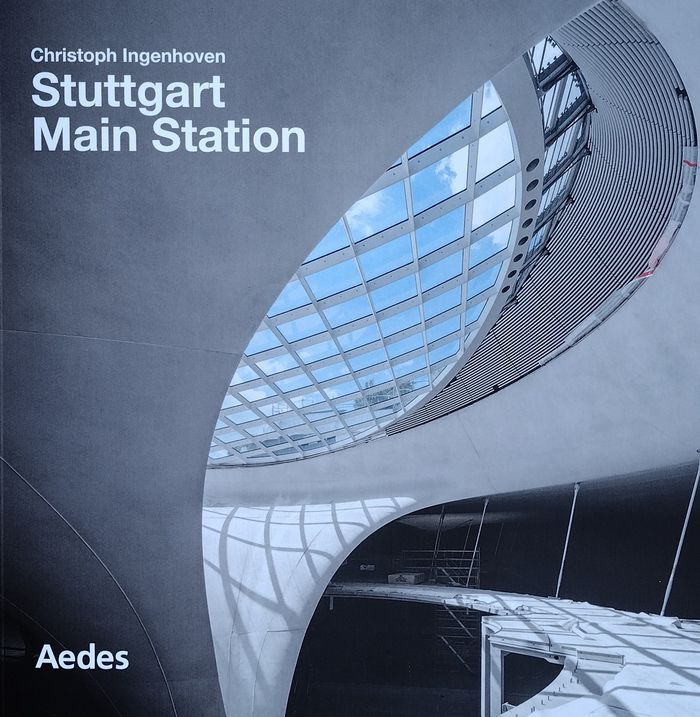
The construction of the Stuttgart-Ulm railway line is one of the largest infrastructure projects in Europe. The centrepiece is the new Stuttgart Main Station, which replaces the former 16-track terminus station as an underground 8-track through station. As part of this, the aboveground tracks in the city centre are being removed and the areas thus freed up open up new urban-development perspectives. Stuttgart-East and Stuttgart-North – city districts previously separated by tracks – will be connected with each other again after over 150 years and travel time shortened. Christoph Ingenhoven (advised by, et al., Frei Otto) won the competition for the new design for the Stuttgart Main Station in 1997. After the financing agreement was concluded in April 2009, construction work was begun on 2 February 2010. The new main station is supposed to go into operation for the change in timetables in December 2026. Christoph Ingenhoven explains: "This project will have enormous significance for the development of Stuttgart, Baden-Württemberg, and southwest Germany. The building must also do justice to this significance with its design – must show what Stuttgart is today and will be in future."
Christoph Ingenhoven: Stuttgart Main Station
Actions:
Price:
$23.00
(available in store)
Summary:
The construction of the Stuttgart-Ulm railway line is one of the largest infrastructure projects in Europe. The centrepiece is the new Stuttgart Main Station, which replaces the former 16-track terminus station as an underground 8-track through station. As part of this, the aboveground tracks in the city centre are being removed and the areas thus freed up open up new urban-development perspectives. Stuttgart-East and Stuttgart-North – city districts previously separated by tracks – will be connected with each other again after over 150 years and travel time shortened. Christoph Ingenhoven (advised by, et al., Frei Otto) won the competition for the new design for the Stuttgart Main Station in 1997. After the financing agreement was concluded in April 2009, construction work was begun on 2 February 2010. The new main station is supposed to go into operation for the change in timetables in December 2026. Christoph Ingenhoven explains: "This project will have enormous significance for the development of Stuttgart, Baden-Württemberg, and southwest Germany. The building must also do justice to this significance with its design – must show what Stuttgart is today and will be in future."
Form:
books
books
Publication:
September 2024
September 2024
Subject:
Architecture Monographs
Architecture Monographs
Form:
journals and magazines
journals and magazines
Actions:
Price:
$39.95
(available to order)
Summary:
The relationship between architecture and tourism has been the subject of ample research from the urban point of view, resulting in various theories about the "tourist gaze." Themes like identity and city branding are familiar to us all these days, but the relationship between architecture and the touristic landscape has thus far received much less consideration. Now that(...)
$39.95
(available to order)
Summary:
The relationship between architecture and tourism has been the subject of ample research from the urban point of view, resulting in various theories about the "tourist gaze." Themes like identity and city branding are familiar to us all these days, but the relationship between architecture and the touristic landscape has thus far received much less consideration. Now that(...)
Subject:
Magazines
Magazines
Publication:
November 2004, Rotterdam
November 2004, Rotterdam
Title:
Oase 64 : landscape and mass tourism
Actions:
Price:
$39.95
(available to order)
Summary:
The relationship between architecture and tourism has been the subject of ample research from the urban point of view, resulting in various theories about the "tourist gaze." Themes like identity and city branding are familiar to us all these days, but the relationship between architecture and the touristic landscape has thus far received much less consideration. Now that tourism is occupying the natural landscape en masse, it is no longer possible to safeguard the ideal of pure, untouched nature. By its very definition, the touristic landscape is a construct in which cultural and functional aspects have a role. As far back as the 18th century, the experience of a touristic landscape was become a physical one; an irreversible transformation of the landscape has been the result. This edition of "OASE" focuses on architecture's contribution to the structuring of mass tourism in the context of landscape, on how architecture frames the landscape and regiments the flow of tourists. A variety of interventions and strategies are reviewed, from mega-structures and infrastructure in ski resorts and Mediterranean holiday villages to nostalgic settlements in man-made miniature landscapes.
Oase 64 : landscape and mass tourism
Actions:
Price:
$39.95
(available to order)
Summary:
The relationship between architecture and tourism has been the subject of ample research from the urban point of view, resulting in various theories about the "tourist gaze." Themes like identity and city branding are familiar to us all these days, but the relationship between architecture and the touristic landscape has thus far received much less consideration. Now that tourism is occupying the natural landscape en masse, it is no longer possible to safeguard the ideal of pure, untouched nature. By its very definition, the touristic landscape is a construct in which cultural and functional aspects have a role. As far back as the 18th century, the experience of a touristic landscape was become a physical one; an irreversible transformation of the landscape has been the result. This edition of "OASE" focuses on architecture's contribution to the structuring of mass tourism in the context of landscape, on how architecture frames the landscape and regiments the flow of tourists. A variety of interventions and strategies are reviewed, from mega-structures and infrastructure in ski resorts and Mediterranean holiday villages to nostalgic settlements in man-made miniature landscapes.
Form:
journals and magazines
journals and magazines
Publication:
November 2004, Rotterdam
November 2004, Rotterdam
Subject:
Magazines
Magazines
Form:
books
books
![Five minutes city : architecture and [im]mobility](/img-bookstore/g-8fLW45kD9B9-2F56_gKQO180E=/700x1003/MIG-14543.jpg)
Actions:
Price:
$42.95
(available to order)
Summary:
FiveMinutesCity was an international forum and workshop for young architects organized by the Berlage Institute in collaboration with the Mies van der Rohe Foundation (Barcelona) and the Institut Français d'Architecture (Paris). The organizers invited Winy Maas, architect and partner in MVRDV from Rotterdam, as the workshop master. Winy Maas proposed a provocative and(...)
$42.95
(available to order)
Summary:
FiveMinutesCity was an international forum and workshop for young architects organized by the Berlage Institute in collaboration with the Mies van der Rohe Foundation (Barcelona) and the Institut Français d'Architecture (Paris). The organizers invited Winy Maas, architect and partner in MVRDV from Rotterdam, as the workshop master. Winy Maas proposed a provocative and(...)
Title:
Five minutes city : architecture and [im]mobility
Actions:
Price:
$42.95
(available to order)
Summary:
FiveMinutesCity was an international forum and workshop for young architects organized by the Berlage Institute in collaboration with the Mies van der Rohe Foundation (Barcelona) and the Institut Français d'Architecture (Paris). The organizers invited Winy Maas, architect and partner in MVRDV from Rotterdam, as the workshop master. Winy Maas proposed a provocative and inspiring brief; he asked participants to redesign the cities of Rotterdam and New York in a way that everything is reachable within five minutes. A series of serious questions arise from the challenging brief: 'What will such a city look like? What happens to such an hypothesis if cars are the only mode of transport? What will such a city look like when it is only accessed by public transport? Or by walking?' How one can extend the knowledge of compact or dense cities? How fast cities can be? Is increased speed an ideal concept for future cities? Is development of new infrastructure sustainable for cities in future? Can Rotterdam become such a city? Is it possible to upscale Manhattan? How does mobility affects the working and living qualities of the cities and how is mobility shaping cities?
Five minutes city : architecture and [im]mobility
Actions:
Price:
$42.95
(available to order)
Summary:
FiveMinutesCity was an international forum and workshop for young architects organized by the Berlage Institute in collaboration with the Mies van der Rohe Foundation (Barcelona) and the Institut Français d'Architecture (Paris). The organizers invited Winy Maas, architect and partner in MVRDV from Rotterdam, as the workshop master. Winy Maas proposed a provocative and inspiring brief; he asked participants to redesign the cities of Rotterdam and New York in a way that everything is reachable within five minutes. A series of serious questions arise from the challenging brief: 'What will such a city look like? What happens to such an hypothesis if cars are the only mode of transport? What will such a city look like when it is only accessed by public transport? Or by walking?' How one can extend the knowledge of compact or dense cities? How fast cities can be? Is increased speed an ideal concept for future cities? Is development of new infrastructure sustainable for cities in future? Can Rotterdam become such a city? Is it possible to upscale Manhattan? How does mobility affects the working and living qualities of the cities and how is mobility shaping cities?
Form:
books
books
Publication:
October 2003, Rotterdam
October 2003, Rotterdam
Subject:
Architecture Monographs
Architecture Monographs
Form:
books
books
Actions:
Price:
$105.00
(available in store)
Summary:
It was their almost obsessive interest in mathematics, fascination with technique and pleasure in designing that caused Moshé Zwarts and Rein Jansma to join forces in 1990. Given the sheer size of their output, it is impossible not to be confronted regularly with projects by Zwarts & Jansma. The major infrastructure works like bridges, viaducts, tunnels, stadiums and(...)
$105.00
(available in store)
Summary:
It was their almost obsessive interest in mathematics, fascination with technique and pleasure in designing that caused Moshé Zwarts and Rein Jansma to join forces in 1990. Given the sheer size of their output, it is impossible not to be confronted regularly with projects by Zwarts & Jansma. The major infrastructure works like bridges, viaducts, tunnels, stadiums and(...)
Subject:
Architecture Monographs
Architecture Monographs
Publication:
December 2003, Rotterdam
December 2003, Rotterdam
Title:
Zwarts & Jansma architecten : 52°22'21
Actions:
Price:
$105.00
(available in store)
Summary:
It was their almost obsessive interest in mathematics, fascination with technique and pleasure in designing that caused Moshé Zwarts and Rein Jansma to join forces in 1990. Given the sheer size of their output, it is impossible not to be confronted regularly with projects by Zwarts & Jansma. The major infrastructure works like bridges, viaducts, tunnels, stadiums and sports complexes loom large in our daily environment. What we often do not see is how ingeniously this work fits together and what processes brought it to that stage. In a conversation with collegue-architect Philippe Samyn this aspect is discussed in particular. Zwarts and Jansma themselves also describe in this book their often unusual sources of inspiration and motive forces. Yet for all that, the design process they follow is a rational one that since the 1980s has consistently featured the computer as a design resource. The book gives a complete overview of the work of Zwarts & Jansma Architects. A selection of thirty works are fully documented in site plans, floor plans, sections and details and of course text, plus photographs taken specially for this book by Rob 't Hart.
Zwarts & Jansma architecten : 52°22'21
Actions:
Price:
$105.00
(available in store)
Summary:
It was their almost obsessive interest in mathematics, fascination with technique and pleasure in designing that caused Moshé Zwarts and Rein Jansma to join forces in 1990. Given the sheer size of their output, it is impossible not to be confronted regularly with projects by Zwarts & Jansma. The major infrastructure works like bridges, viaducts, tunnels, stadiums and sports complexes loom large in our daily environment. What we often do not see is how ingeniously this work fits together and what processes brought it to that stage. In a conversation with collegue-architect Philippe Samyn this aspect is discussed in particular. Zwarts and Jansma themselves also describe in this book their often unusual sources of inspiration and motive forces. Yet for all that, the design process they follow is a rational one that since the 1980s has consistently featured the computer as a design resource. The book gives a complete overview of the work of Zwarts & Jansma Architects. A selection of thirty works are fully documented in site plans, floor plans, sections and details and of course text, plus photographs taken specially for this book by Rob 't Hart.
Form:
books
books
Publication:
December 2003, Rotterdam
December 2003, Rotterdam
Subject:
Architecture Monographs
Architecture Monographs
Form:
books
books
Actions:
Price:
$47.95
(available to order)
Summary:
The future is not as far away as it might seem. What seemed a problem of the next generation now has become a problem of tomorrow. We are accelerating towards a future that is evermore present, guided by political and economic forces that seem unintelligible. Is this quick-paced intangible progression, the role of the architect is at stake. How can architecture keep up(...)
$47.95
(available to order)
Summary:
The future is not as far away as it might seem. What seemed a problem of the next generation now has become a problem of tomorrow. We are accelerating towards a future that is evermore present, guided by political and economic forces that seem unintelligible. Is this quick-paced intangible progression, the role of the architect is at stake. How can architecture keep up(...)
Subject:
Architectural Theory
Architectural Theory
Publication:
June 2018
June 2018
Title:
Future Real: Kersten Geers, Michael Young, David Erdman
Actions:
Price:
$47.95
(available to order)
Summary:
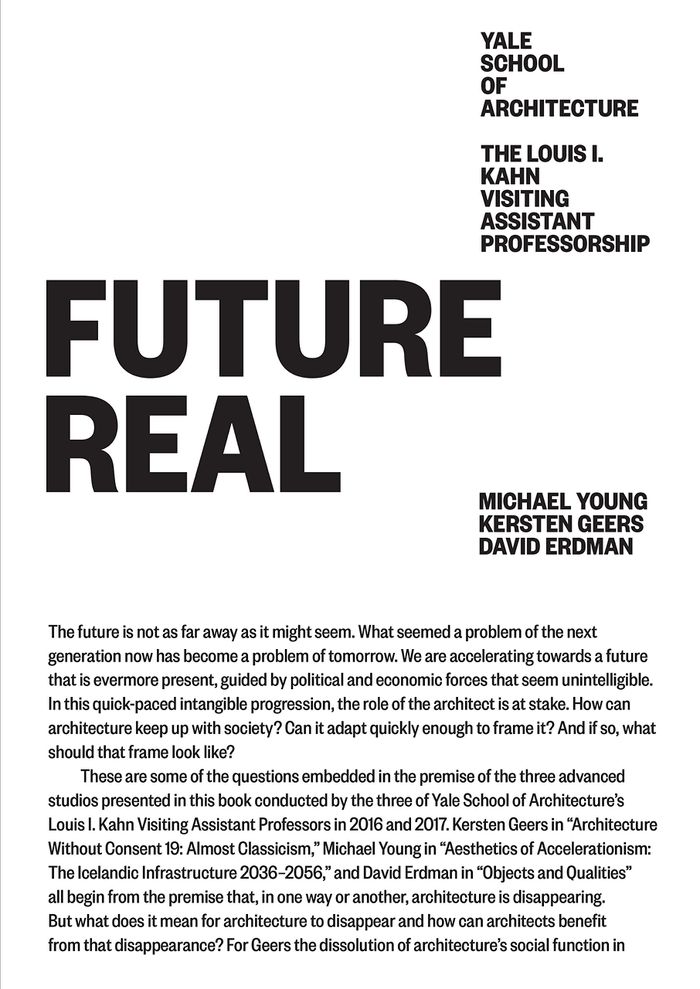
The future is not as far away as it might seem. What seemed a problem of the next generation now has become a problem of tomorrow. We are accelerating towards a future that is evermore present, guided by political and economic forces that seem unintelligible. Is this quick-paced intangible progression, the role of the architect is at stake. How can architecture keep up with society? Can it adapt quickly enough to frame it? And is so, what should that frame look like? These are some of the questions embedded in the premise of the three advanced studios presented in this book conducted by the three of Yale School of Architecture's Louis I. Kahn Visiting Assistant Professors in 2016 and 2017. Michael Young investigates the past from the future in "Aesthetics of Accelerationism: The Icelandic Infrastructure 2036-2056." Kersten Geers analyzes visions for agricultural ensembles for communal living in "Architecture Without Consent 19: Almost Classicism." And David Erdman looks to the potential of building on top of housing estates in Hong Kong in "Objects and Qualities." The book features interviews with the professors and essays on their specific studio topics.
Future Real: Kersten Geers, Michael Young, David Erdman
Actions:
Price:
$47.95
(available to order)
Summary:
The future is not as far away as it might seem. What seemed a problem of the next generation now has become a problem of tomorrow. We are accelerating towards a future that is evermore present, guided by political and economic forces that seem unintelligible. Is this quick-paced intangible progression, the role of the architect is at stake. How can architecture keep up with society? Can it adapt quickly enough to frame it? And is so, what should that frame look like? These are some of the questions embedded in the premise of the three advanced studios presented in this book conducted by the three of Yale School of Architecture's Louis I. Kahn Visiting Assistant Professors in 2016 and 2017. Michael Young investigates the past from the future in "Aesthetics of Accelerationism: The Icelandic Infrastructure 2036-2056." Kersten Geers analyzes visions for agricultural ensembles for communal living in "Architecture Without Consent 19: Almost Classicism." And David Erdman looks to the potential of building on top of housing estates in Hong Kong in "Objects and Qualities." The book features interviews with the professors and essays on their specific studio topics.
Form:
books
books
Publication:
June 2018
June 2018
Subject:
Architectural Theory
Architectural Theory
Form:
books
books
Actions:
Price:
$62.00
(available to order)
Summary:
In 2014, Xu Tiantian, founder of Beijing-based studio Design and Architecture (DnA) began to work in Songyang County, in China's Zhejiang Province. Her exemplary holistic planning concept of Architectural Acupuncture, which has gained the support of local administrative and political leadership, aims at revitalising rural areas and comprises the renovation of production(...)
$62.00
(available to order)
Summary:
In 2014, Xu Tiantian, founder of Beijing-based studio Design and Architecture (DnA) began to work in Songyang County, in China's Zhejiang Province. Her exemplary holistic planning concept of Architectural Acupuncture, which has gained the support of local administrative and political leadership, aims at revitalising rural areas and comprises the renovation of production(...)
Subject:
Contemporary Asian Architecture
Contemporary Asian Architecture
Publication:
January 2021
January 2021
Title:
Songyang Story: architectural acupuncture as driver for socio-economic in rural China
Actions:
Price:
$62.00
(available to order)
Summary:
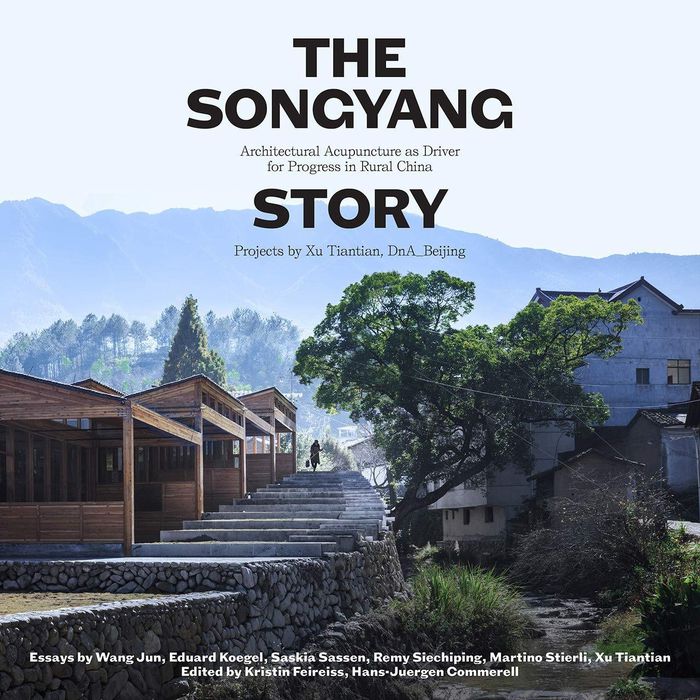
In 2014, Xu Tiantian, founder of Beijing-based studio Design and Architecture (DnA) began to work in Songyang County, in China's Zhejiang Province. Her exemplary holistic planning concept of Architectural Acupuncture, which has gained the support of local administrative and political leadership, aims at revitalising rural areas and comprises the renovation of production plants and of tourist and technical infrastructure as well as the creation of venues for culture and education and of social housing. Each of Xu's small-scale interventions at local level is unique, only the small budget is common to all of them. Moreover, they are all inter-related with each other and in their entirety serve the broader goal of mutual enhancement. This book introduces Xu's concept of Architectural Acupuncture and discusses the influence of architecture on cultural self-understanding and economic renewal in 21st-century rural China. It features some 20 new buildings and conversions of existing structures with diverse functions. Published alongside are essays by international economists, sociologists, and curators as well as by the secretary of the Songyang County Party Committee, examining the social, political, and economic implications of sustainable planning and collective action in the Chinese province.
Songyang Story: architectural acupuncture as driver for socio-economic in rural China
Actions:
Price:
$62.00
(available to order)
Summary:
In 2014, Xu Tiantian, founder of Beijing-based studio Design and Architecture (DnA) began to work in Songyang County, in China's Zhejiang Province. Her exemplary holistic planning concept of Architectural Acupuncture, which has gained the support of local administrative and political leadership, aims at revitalising rural areas and comprises the renovation of production plants and of tourist and technical infrastructure as well as the creation of venues for culture and education and of social housing. Each of Xu's small-scale interventions at local level is unique, only the small budget is common to all of them. Moreover, they are all inter-related with each other and in their entirety serve the broader goal of mutual enhancement. This book introduces Xu's concept of Architectural Acupuncture and discusses the influence of architecture on cultural self-understanding and economic renewal in 21st-century rural China. It features some 20 new buildings and conversions of existing structures with diverse functions. Published alongside are essays by international economists, sociologists, and curators as well as by the secretary of the Songyang County Party Committee, examining the social, political, and economic implications of sustainable planning and collective action in the Chinese province.
Form:
books
books
Publication:
January 2021
January 2021
Subject:
Contemporary Asian Architecture
Contemporary Asian Architecture
Form:
books
books
Actions:
Price:
$56.00
(available to order)
Summary:
The last decade has seen an accelerated evolution of typologies. Today’s cities are marked by a growing digital presence and the emergence of a global sharing economy; shared spaces have increased our social and sustainable focus, drastically altered our understanding of ownership and responsibility, and redefined our experience of public and private domains. Such changes(...)
$56.00
(available to order)
Summary:
The last decade has seen an accelerated evolution of typologies. Today’s cities are marked by a growing digital presence and the emergence of a global sharing economy; shared spaces have increased our social and sustainable focus, drastically altered our understanding of ownership and responsibility, and redefined our experience of public and private domains. Such changes(...)
Subject:
Urban Theory
Urban Theory
Publication:
January 2021
January 2021
Title:
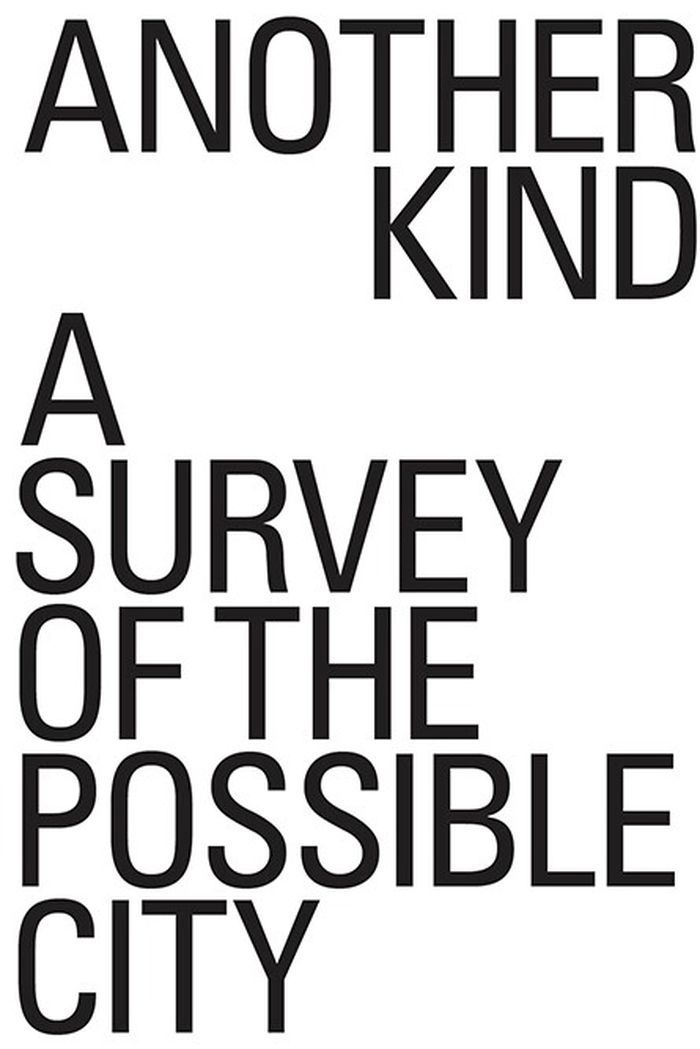
Another kind: a survey of the possible city
Actions:
Price:
$56.00
(available to order)
Summary:
The last decade has seen an accelerated evolution of typologies. Today’s cities are marked by a growing digital presence and the emergence of a global sharing economy; shared spaces have increased our social and sustainable focus, drastically altered our understanding of ownership and responsibility, and redefined our experience of public and private domains. Such changes have in turn rewritten the demands on architecture, the role of the designer, and the power of the profession. In 'Another Kind', PLP Architecture presents ten projects as case studies to examine the emergence of a new typological fluidity. These projects serve as anchors to survey the cultural landscape of the past ten years. Projects can no longer be traditionally codified and instead present themselves as assemblages of exterior influences, new cultural interests, and 21st century social habits. In 'Another Kind', projects are intertwined with essays by cultural observers both within and outside of the discipline. Through this multi-layered infrastructure and pluralistic dissection, Another Kind cracks the surface and explores the contents of architecture today. Marking this moment in time, PLP examines how we have evolved and speculates on what we can learn for the years that lie ahead.
Another kind: a survey of the possible city
Actions:
Price:
$56.00
(available to order)
Summary:
The last decade has seen an accelerated evolution of typologies. Today’s cities are marked by a growing digital presence and the emergence of a global sharing economy; shared spaces have increased our social and sustainable focus, drastically altered our understanding of ownership and responsibility, and redefined our experience of public and private domains. Such changes have in turn rewritten the demands on architecture, the role of the designer, and the power of the profession. In 'Another Kind', PLP Architecture presents ten projects as case studies to examine the emergence of a new typological fluidity. These projects serve as anchors to survey the cultural landscape of the past ten years. Projects can no longer be traditionally codified and instead present themselves as assemblages of exterior influences, new cultural interests, and 21st century social habits. In 'Another Kind', projects are intertwined with essays by cultural observers both within and outside of the discipline. Through this multi-layered infrastructure and pluralistic dissection, Another Kind cracks the surface and explores the contents of architecture today. Marking this moment in time, PLP examines how we have evolved and speculates on what we can learn for the years that lie ahead.
Form:
books
books
Publication:
January 2021
January 2021
Subject:
Urban Theory
Urban Theory
Form:
books
books
Title:
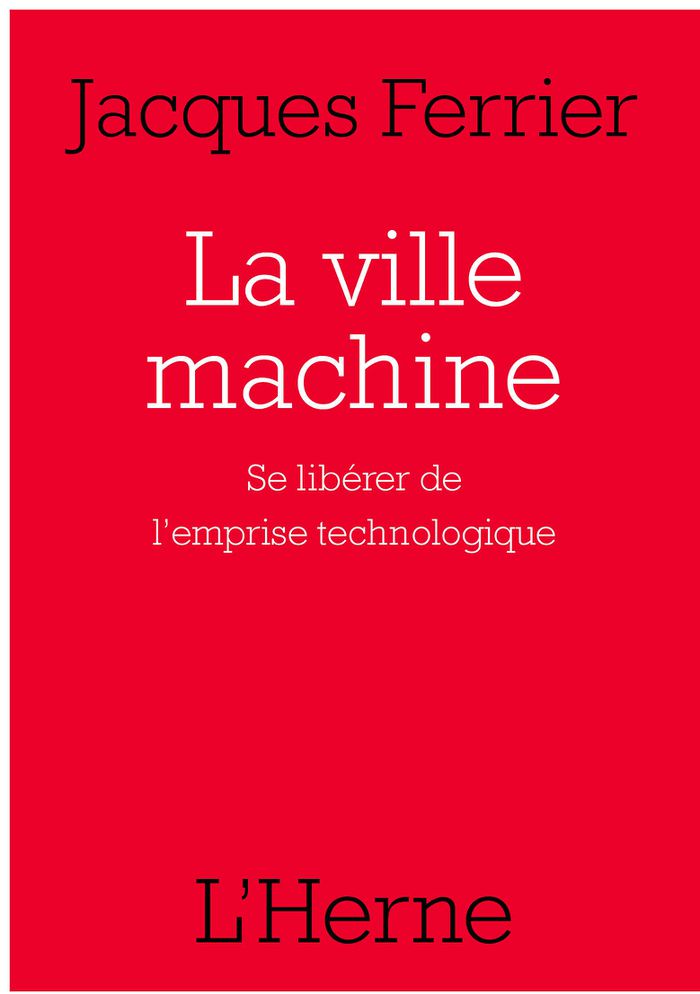
La ville machine
La ville machine
Actions:
Price:
$26.95
(available in store)
Summary:
L'épreuve pandémique que nous traversons a révélé l'incapacité des villes à prendre soin de leurs habitants. A partir de ce constat, cet essai interroge le rôle prépondérant qu'a pris la technique dans nos vies métropolitaines, et envisage la crise sanitaire comme une occasion de remettre l'humain au centre du projet urbain. Des transports de masse à la climatisation, des(...)
$26.95
(available in store)
Summary:
L'épreuve pandémique que nous traversons a révélé l'incapacité des villes à prendre soin de leurs habitants. A partir de ce constat, cet essai interroge le rôle prépondérant qu'a pris la technique dans nos vies métropolitaines, et envisage la crise sanitaire comme une occasion de remettre l'humain au centre du projet urbain. Des transports de masse à la climatisation, des(...)
Title:
La ville machine
Actions:
Price:
$26.95
(available in store)
Summary:
L'épreuve pandémique que nous traversons a révélé l'incapacité des villes à prendre soin de leurs habitants. A partir de ce constat, cet essai interroge le rôle prépondérant qu'a pris la technique dans nos vies métropolitaines, et envisage la crise sanitaire comme une occasion de remettre l'humain au centre du projet urbain. Des transports de masse à la climatisation, des appareils ménagers aux outils informatiques, des réseaux d'énergie à ceux de communication, rien ne semble plus possible sans la technique. En accompagnant l'urbanisation planétaire, de servante, elle est devenue maîtresse. La ville a fini par se confondre avec une gigantesque infrastructure. On aurait pu attendre d'elle, en contrepartie, qu'elle soit protectrice. Or, il n'en est rien. Il faut remettre en jeu le corps dans la ville, prendre la question des sens - des cinq sens - au sérieux et placer le vécu de l'habitant au coeur du design urbain. La crise a montré que la relation est la valeur fondamentale de la ville résiliente. Cet essai souligne l'urgence de concevoir la ville autrement, de créer une architecture de la résonance ; résonance avec la planète, avec le contexte, avec l'habitant.
La ville machine
Actions:
Price:
$26.95
(available in store)
Summary:
L'épreuve pandémique que nous traversons a révélé l'incapacité des villes à prendre soin de leurs habitants. A partir de ce constat, cet essai interroge le rôle prépondérant qu'a pris la technique dans nos vies métropolitaines, et envisage la crise sanitaire comme une occasion de remettre l'humain au centre du projet urbain. Des transports de masse à la climatisation, des appareils ménagers aux outils informatiques, des réseaux d'énergie à ceux de communication, rien ne semble plus possible sans la technique. En accompagnant l'urbanisation planétaire, de servante, elle est devenue maîtresse. La ville a fini par se confondre avec une gigantesque infrastructure. On aurait pu attendre d'elle, en contrepartie, qu'elle soit protectrice. Or, il n'en est rien. Il faut remettre en jeu le corps dans la ville, prendre la question des sens - des cinq sens - au sérieux et placer le vécu de l'habitant au coeur du design urbain. La crise a montré que la relation est la valeur fondamentale de la ville résiliente. Cet essai souligne l'urgence de concevoir la ville autrement, de créer une architecture de la résonance ; résonance avec la planète, avec le contexte, avec l'habitant.
Form:
books
books
Publication:
June 2021
June 2021
Subject:
Urban Theory
Urban Theory
Form:
journals and magazines
journals and magazines
Actions:
Price:
$49.65
(available to order)
Summary:
The Industrial Revolution caused a paradigm shift from an agrarian economy to a manufacturing economy, giving birth to the industrial city. ‘City’ became synonymous with a concentration of factories causing unfiltered scenes between centres of production and urban dwellings. The corrupted image of the city ultimately led to the displacement and separation of production(...)
$49.65
(available to order)
Summary:
The Industrial Revolution caused a paradigm shift from an agrarian economy to a manufacturing economy, giving birth to the industrial city. ‘City’ became synonymous with a concentration of factories causing unfiltered scenes between centres of production and urban dwellings. The corrupted image of the city ultimately led to the displacement and separation of production(...)
Title:
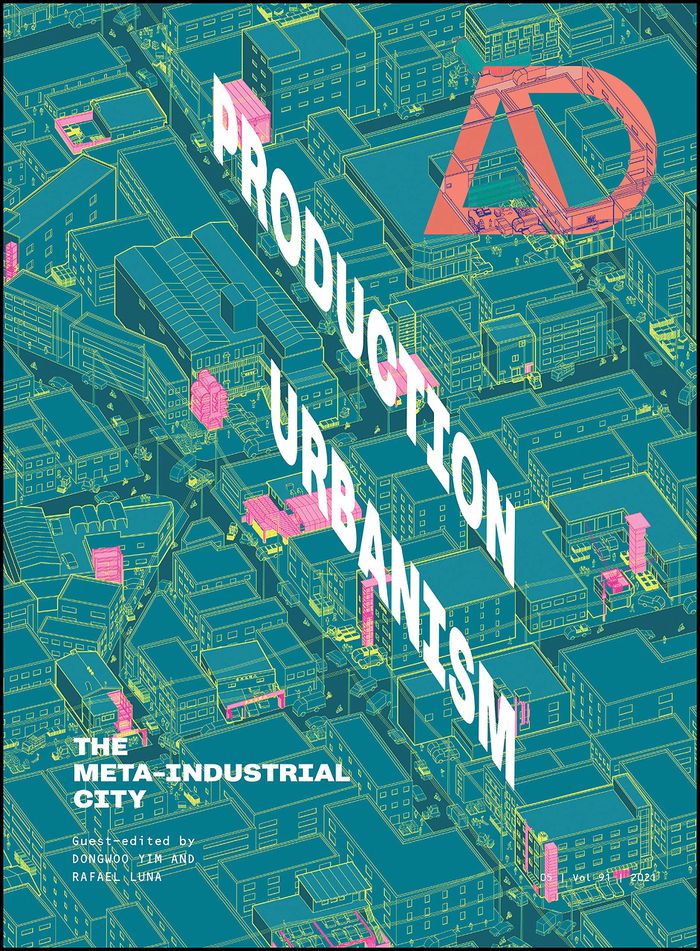
AD 91:5 Production urbanism: The meta industrial city
Actions:
Price:
$49.65
(available to order)
Summary:
The Industrial Revolution caused a paradigm shift from an agrarian economy to a manufacturing economy, giving birth to the industrial city. ‘City’ became synonymous with a concentration of factories causing unfiltered scenes between centres of production and urban dwellings. The corrupted image of the city ultimately led to the displacement and separation of production away from residential zones in the 20th century. However, new innovative manufacturing technologies are allowing a coexistence between factories and dwellings through hybrid typologies that blend production back into the urban fabric. This AD issue discusses the implications of the re-emergence of production as an architectural and urban agenda through hybrid models that engage a new socioeconomic shift. Given the contemporary circumstances of a global pandemic affecting global supply chains, it is necessary to deliver a vision for a new productive urbanism that allows autonomous circular economies to flourish. Our 21st-century cities have an obligation to explore a new industrial revolution of shared economies that optimise the use of the legacy systems, infrastructure and building stock. Yet it is ultimately up to architecture to take arms in delivering new typologies.
AD 91:5 Production urbanism: The meta industrial city
Actions:
Price:
$49.65
(available to order)
Summary:
The Industrial Revolution caused a paradigm shift from an agrarian economy to a manufacturing economy, giving birth to the industrial city. ‘City’ became synonymous with a concentration of factories causing unfiltered scenes between centres of production and urban dwellings. The corrupted image of the city ultimately led to the displacement and separation of production away from residential zones in the 20th century. However, new innovative manufacturing technologies are allowing a coexistence between factories and dwellings through hybrid typologies that blend production back into the urban fabric. This AD issue discusses the implications of the re-emergence of production as an architectural and urban agenda through hybrid models that engage a new socioeconomic shift. Given the contemporary circumstances of a global pandemic affecting global supply chains, it is necessary to deliver a vision for a new productive urbanism that allows autonomous circular economies to flourish. Our 21st-century cities have an obligation to explore a new industrial revolution of shared economies that optimise the use of the legacy systems, infrastructure and building stock. Yet it is ultimately up to architecture to take arms in delivering new typologies.
Form:
journals and magazines
journals and magazines
Publication:
October 2021
October 2021
Subject:
Magazines
Magazines
Form:
journals and magazines
journals and magazines
Actions:
Price:
$33.00
(available to order)
Summary:
Many of the texts in this volume are interviews with the speakers from the lecture series. We felt it was necessary to provide each speaker with the opportunity to reflect on how their research has been altered by the events of the past year. While past volumes asked many questions, this collection of interviews and talks puts forward strategies for addressing some of the(...)
$33.00
(available to order)
Summary:
Many of the texts in this volume are interviews with the speakers from the lecture series. We felt it was necessary to provide each speaker with the opportunity to reflect on how their research has been altered by the events of the past year. While past volumes asked many questions, this collection of interviews and talks puts forward strategies for addressing some of the(...)
Title:
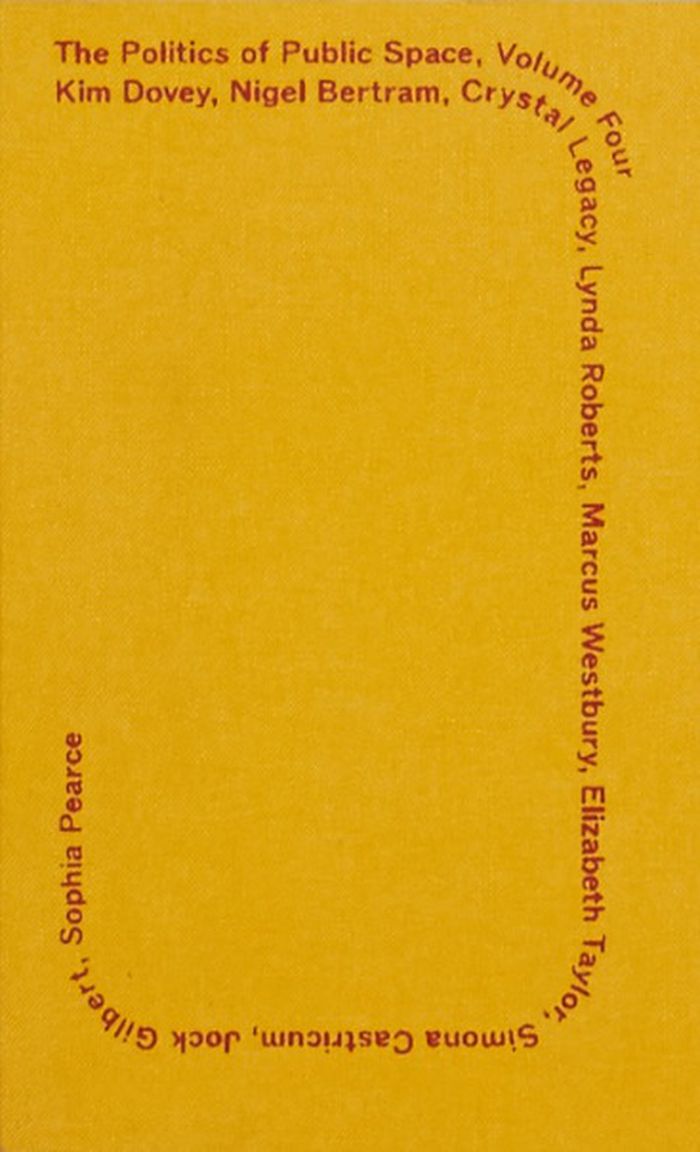
Politics of public space, volume 4
Actions:
Price:
$33.00
(available to order)
Summary:
Many of the texts in this volume are interviews with the speakers from the lecture series. We felt it was necessary to provide each speaker with the opportunity to reflect on how their research has been altered by the events of the past year. While past volumes asked many questions, this collection of interviews and talks puts forward strategies for addressing some of the perceived inequities in the public domain. Nigel Bertram and Kim Dovey’s texts explore forms of protest, preservation and civil disobedience within urban spaces. Protest continues to be intrinsic to public discourse and by consequence, how the city is preserved and developed. In contrast, these modes of resistance have their counterpart in discussions about policy-making and planning. For Lynda Roberts this is through revealing the political motivations behind the procurement of cultural artifacts and their deployment throughout the arts precinct. Crystal Legacy outlines ideas of agonism and consensus planning in large scale infrastructure projects. Marcus Westbury reflects on new forms of tenure in creating and running a public cultural institute and Elizabeth Taylor unpacks the political, social and commercial motivations behind car parking.
Politics of public space, volume 4
Actions:
Price:
$33.00
(available to order)
Summary:
Many of the texts in this volume are interviews with the speakers from the lecture series. We felt it was necessary to provide each speaker with the opportunity to reflect on how their research has been altered by the events of the past year. While past volumes asked many questions, this collection of interviews and talks puts forward strategies for addressing some of the perceived inequities in the public domain. Nigel Bertram and Kim Dovey’s texts explore forms of protest, preservation and civil disobedience within urban spaces. Protest continues to be intrinsic to public discourse and by consequence, how the city is preserved and developed. In contrast, these modes of resistance have their counterpart in discussions about policy-making and planning. For Lynda Roberts this is through revealing the political motivations behind the procurement of cultural artifacts and their deployment throughout the arts precinct. Crystal Legacy outlines ideas of agonism and consensus planning in large scale infrastructure projects. Marcus Westbury reflects on new forms of tenure in creating and running a public cultural institute and Elizabeth Taylor unpacks the political, social and commercial motivations behind car parking.
Form:
journals and magazines
journals and magazines
Publication:
October 2021
October 2021
Subject:
Magazines
Magazines


