


187 Results
Form:
books
books
Actions:
Price:
$34.00
(available to order)
Summary:
In Concrete Reveries, acclaimed philosopher and cultural critic Mark Kingwell offers a thoughtful answer to Socrates' injunction about the life worth living, using the urban experience to illustrate the dynamic between concreteness and abstraction that operates within us. Witty and authoritative, the book is an exhilarating journey through unexpected terrain. Mark(...)
$34.00
(available to order)
Summary:
In Concrete Reveries, acclaimed philosopher and cultural critic Mark Kingwell offers a thoughtful answer to Socrates' injunction about the life worth living, using the urban experience to illustrate the dynamic between concreteness and abstraction that operates within us. Witty and authoritative, the book is an exhilarating journey through unexpected terrain. Mark(...)
Title:
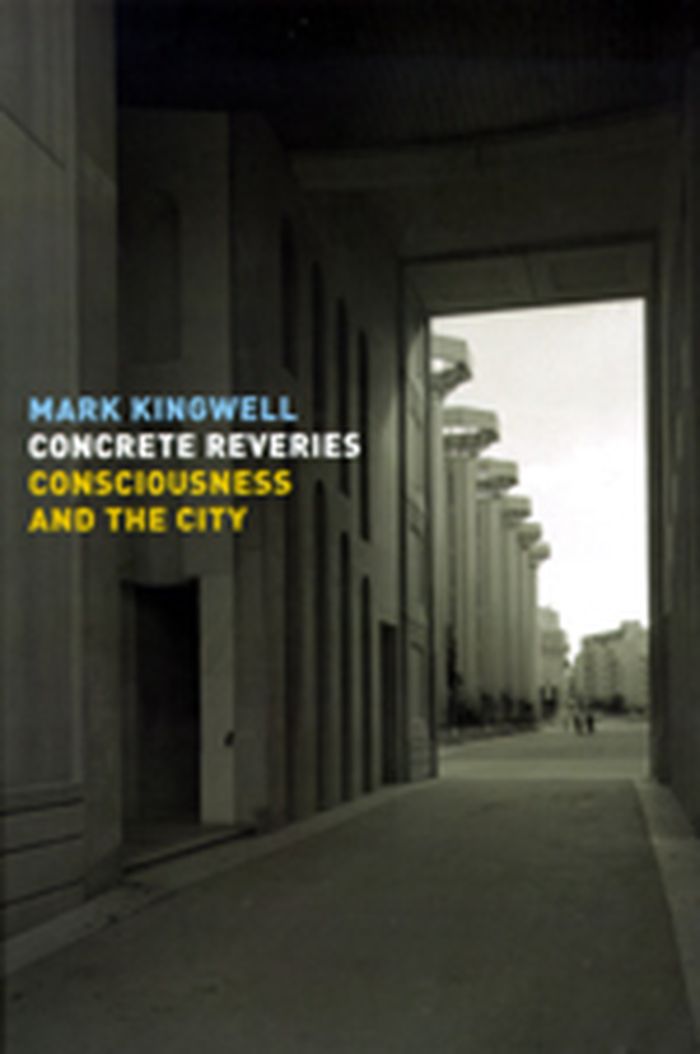
Concrete Reveries : consciousness and the city
Actions:
Price:
$34.00
(available to order)
Summary:
In Concrete Reveries, acclaimed philosopher and cultural critic Mark Kingwell offers a thoughtful answer to Socrates' injunction about the life worth living, using the urban experience to illustrate the dynamic between concreteness and abstraction that operates within us. Witty and authoritative, the book is an exhilarating journey through unexpected terrain. Mark Kingwell is professor of philosophy at the University of Toronto, a contributing editor to Harper's Magazine, and the author of 10 books. He lectures frequently about design and architecture to academic and popular audiences throughout the world.
Concrete Reveries : consciousness and the city
Actions:
Price:
$34.00
(available to order)
Summary:
In Concrete Reveries, acclaimed philosopher and cultural critic Mark Kingwell offers a thoughtful answer to Socrates' injunction about the life worth living, using the urban experience to illustrate the dynamic between concreteness and abstraction that operates within us. Witty and authoritative, the book is an exhilarating journey through unexpected terrain. Mark Kingwell is professor of philosophy at the University of Toronto, a contributing editor to Harper's Magazine, and the author of 10 books. He lectures frequently about design and architecture to academic and popular audiences throughout the world.
Form:
books
books
Publication:
March 2008, Toronto, New York, London
March 2008, Toronto, New York, London
Subject:
Urban Theory
Urban Theory
Form:
books
books
Actions:
Price:
$60.00
(available to order)
Summary:
Abstraction and hedge, interaction and landmark, labyrinth and synthesis, pond and utopia — the reader is confronted with a variety of terms, from the description of the various elements of a garden all the way to theoretical, historical, symbolic, and iconographic aspects of landscape design. Meto J. Vroom, a former professor of landscape architecture at Universität(...)
$60.00
(available to order)
Summary:
Abstraction and hedge, interaction and landmark, labyrinth and synthesis, pond and utopia — the reader is confronted with a variety of terms, from the description of the various elements of a garden all the way to theoretical, historical, symbolic, and iconographic aspects of landscape design. Meto J. Vroom, a former professor of landscape architecture at Universität(...)
Title:
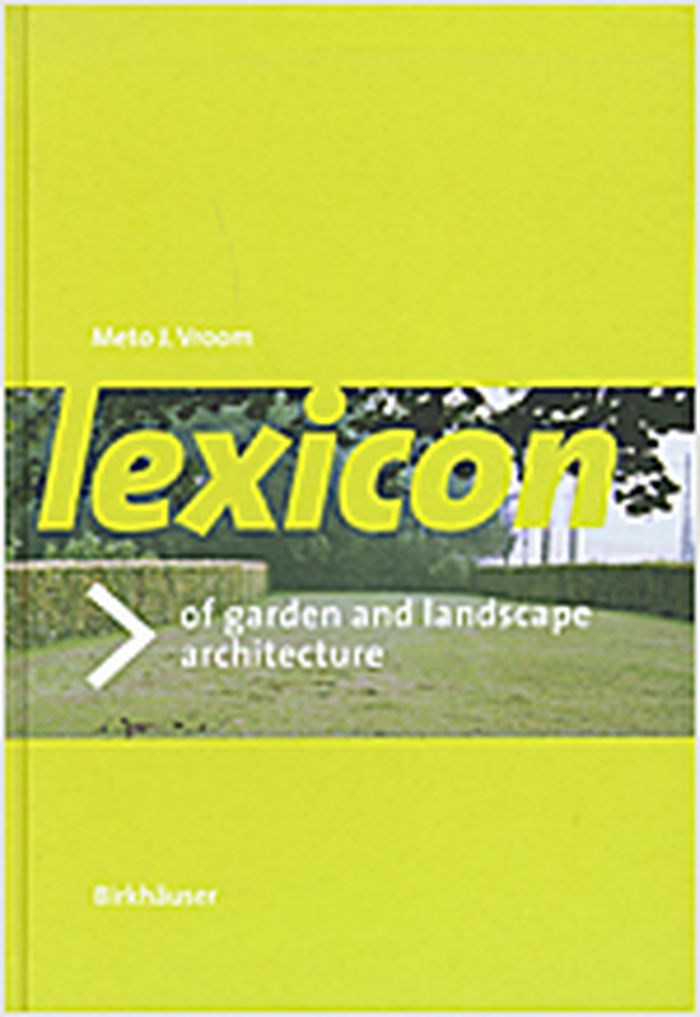
Lexicon of garden and landscape architecture
Actions:
Price:
$60.00
(available to order)
Summary:
Abstraction and hedge, interaction and landmark, labyrinth and synthesis, pond and utopia — the reader is confronted with a variety of terms, from the description of the various elements of a garden all the way to theoretical, historical, symbolic, and iconographic aspects of landscape design. Meto J. Vroom, a former professor of landscape architecture at Universität Wageningen, defines and analyzes more than 250 terms, concepts, and objects. While the definitions convey the universally recognized meaning of the headwords, each essay briefly outlines a subject with a critical commentary and numerous commendations for further reading.
Lexicon of garden and landscape architecture
Actions:
Price:
$60.00
(available to order)
Summary:
Abstraction and hedge, interaction and landmark, labyrinth and synthesis, pond and utopia — the reader is confronted with a variety of terms, from the description of the various elements of a garden all the way to theoretical, historical, symbolic, and iconographic aspects of landscape design. Meto J. Vroom, a former professor of landscape architecture at Universität Wageningen, defines and analyzes more than 250 terms, concepts, and objects. While the definitions convey the universally recognized meaning of the headwords, each essay briefly outlines a subject with a critical commentary and numerous commendations for further reading.
Form:
books
books
Publication:
March 2006, Basel
March 2006, Basel
Subject:
Gardens
Gardens
Form:
books
books
Title:
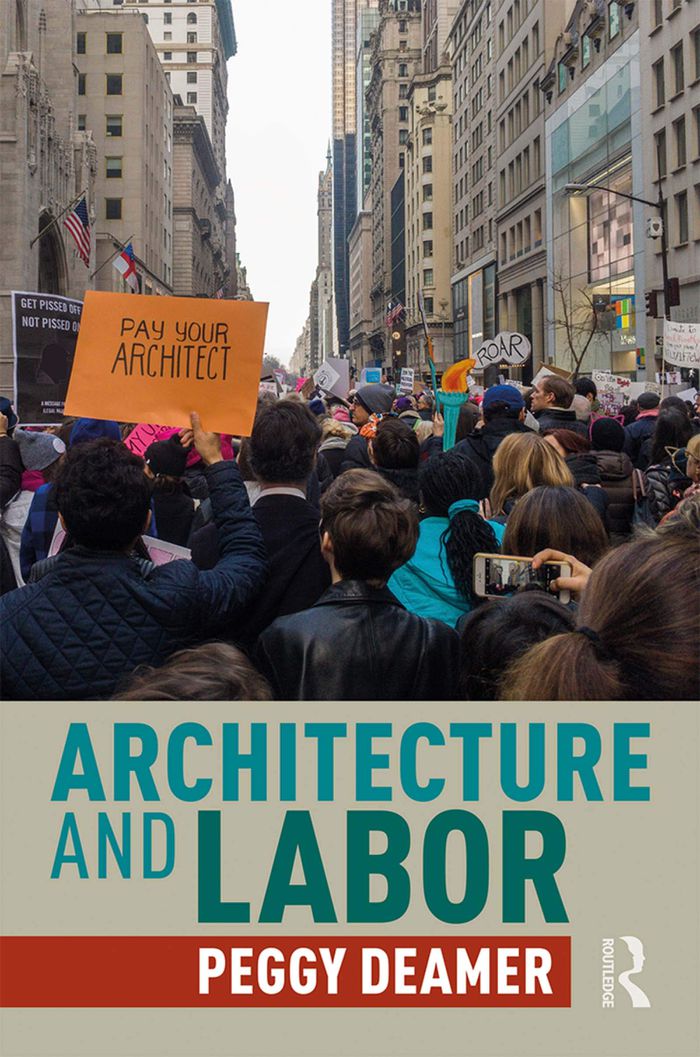
Architecture and labor
Architecture and labor
Actions:
Price:
$57.50
(available to order)
Summary:
Through a collection of 13 chapters, Peggy Deamer examines the profession of architecture not as an abstraction, but as an assemblage of architectural workers. What forces prevent architects from empowering ourselves to be more relevant and better rewarded? How can these forces be set aside by new narratives, new organizations and new methods of production? How can we(...)
$57.50
(available to order)
Summary:
Through a collection of 13 chapters, Peggy Deamer examines the profession of architecture not as an abstraction, but as an assemblage of architectural workers. What forces prevent architects from empowering ourselves to be more relevant and better rewarded? How can these forces be set aside by new narratives, new organizations and new methods of production? How can we(...)
Title:
Architecture and labor
Actions:
Price:
$57.50
(available to order)
Summary:
Through a collection of 13 chapters, Peggy Deamer examines the profession of architecture not as an abstraction, but as an assemblage of architectural workers. What forces prevent architects from empowering ourselves to be more relevant and better rewarded? How can these forces be set aside by new narratives, new organizations and new methods of production? How can we sit at the decision-making table to combat short-term real estate interests for longer-term social and ethical value? How can we pull architecture- its conceptualization, its pedagogy, and its enactment- into the 21st century without succumbing to its neoliberal paradigm? In addressing these controversial questions, ''Architecture and Labor'' brings contemporary discourses on creative labor to architecture, a discipline devoid of labor consciousness. This book addresses how, not just what, architects produce and focuses not on the past but on the present. It is sympathetic to the particularly intimate way that architects approach their design work while contextualizing that work historically, institutionally, economically, and ideologically. ''Architecture and Labor'' is sure to be a compelling read for pre-professional students, academics, and practitioners.
Architecture and labor
Actions:
Price:
$57.50
(available to order)
Summary:
Through a collection of 13 chapters, Peggy Deamer examines the profession of architecture not as an abstraction, but as an assemblage of architectural workers. What forces prevent architects from empowering ourselves to be more relevant and better rewarded? How can these forces be set aside by new narratives, new organizations and new methods of production? How can we sit at the decision-making table to combat short-term real estate interests for longer-term social and ethical value? How can we pull architecture- its conceptualization, its pedagogy, and its enactment- into the 21st century without succumbing to its neoliberal paradigm? In addressing these controversial questions, ''Architecture and Labor'' brings contemporary discourses on creative labor to architecture, a discipline devoid of labor consciousness. This book addresses how, not just what, architects produce and focuses not on the past but on the present. It is sympathetic to the particularly intimate way that architects approach their design work while contextualizing that work historically, institutionally, economically, and ideologically. ''Architecture and Labor'' is sure to be a compelling read for pre-professional students, academics, and practitioners.
Form:
books
books
Publication:
April 2020
April 2020
Subject:
Architectural Theory
Architectural Theory
Form:
books
books

Actions:
Price:
$82.00
(available in store)
Summary:
Limited edition . 1500 copies As a model maker Gilian Schrofer must not only take into account the scale and the size of the model, but also the amount of work involved, the desire for details – or lack thereof, and the balance between the physical realisation of a design versus the level of abstraction. Schrofer's dedication to this level of complexity in the(...)
$82.00
(available in store)
Summary:
Limited edition . 1500 copies As a model maker Gilian Schrofer must not only take into account the scale and the size of the model, but also the amount of work involved, the desire for details – or lack thereof, and the balance between the physical realisation of a design versus the level of abstraction. Schrofer's dedication to this level of complexity in the(...)
Publication:
June 2008, Amsterdam
June 2008, Amsterdam
Title:
Models of concern: a selection of interior models
Actions:
Price:
$82.00
(available in store)
Summary:
Limited edition . 1500 copies As a model maker Gilian Schrofer must not only take into account the scale and the size of the model, but also the amount of work involved, the desire for details – or lack thereof, and the balance between the physical realisation of a design versus the level of abstraction. Schrofer's dedication to this level of complexity in the realisation of his scale models has brought him a growing group of clients from different creative areas. Here 93 of his models produced between 2003 and the present are documented in full colour, accompanied by production details and an essay.
Models of concern: a selection of interior models
Actions:
Price:
$82.00
(available in store)
Summary:
Limited edition . 1500 copies As a model maker Gilian Schrofer must not only take into account the scale and the size of the model, but also the amount of work involved, the desire for details – or lack thereof, and the balance between the physical realisation of a design versus the level of abstraction. Schrofer's dedication to this level of complexity in the realisation of his scale models has brought him a growing group of clients from different creative areas. Here 93 of his models produced between 2003 and the present are documented in full colour, accompanied by production details and an essay.
Form:
books
books
Publication:
June 2008, Amsterdam
June 2008, Amsterdam
Form:
audio
audio
Actions:
Description:
1 online resource.
Author:
Subject:
Publication:
[Place of publication not identified] : Lateral Addition, 2018.
[Place of publication not identified] : Lateral Addition, 2018.
Form:
audio
audio
Publication:
[Place of publication not identified] : Lateral Addition, 2018.
[Place of publication not identified] : Lateral Addition, 2018.
Author:
Subject:
Form:
books
books
Actions:
Price:
$48.95
(available to order)
Summary:
Nature has always been a source of inspiration for the design of the human environment. The analysis of biological constructions can not only lead to astonishing technical solutions but can also inspire the design of architecture. Bionics is a fascinating border area between pure research and practical application: biologists, chemists, physicists, mineralogists, and(...)
$48.95
(available to order)
Summary:
Nature has always been a source of inspiration for the design of the human environment. The analysis of biological constructions can not only lead to astonishing technical solutions but can also inspire the design of architecture. Bionics is a fascinating border area between pure research and practical application: biologists, chemists, physicists, mineralogists, and(...)
Subject:
Environment and environmental theory
Environment and environmental theory
Publication:
May 2019
May 2019
Title:
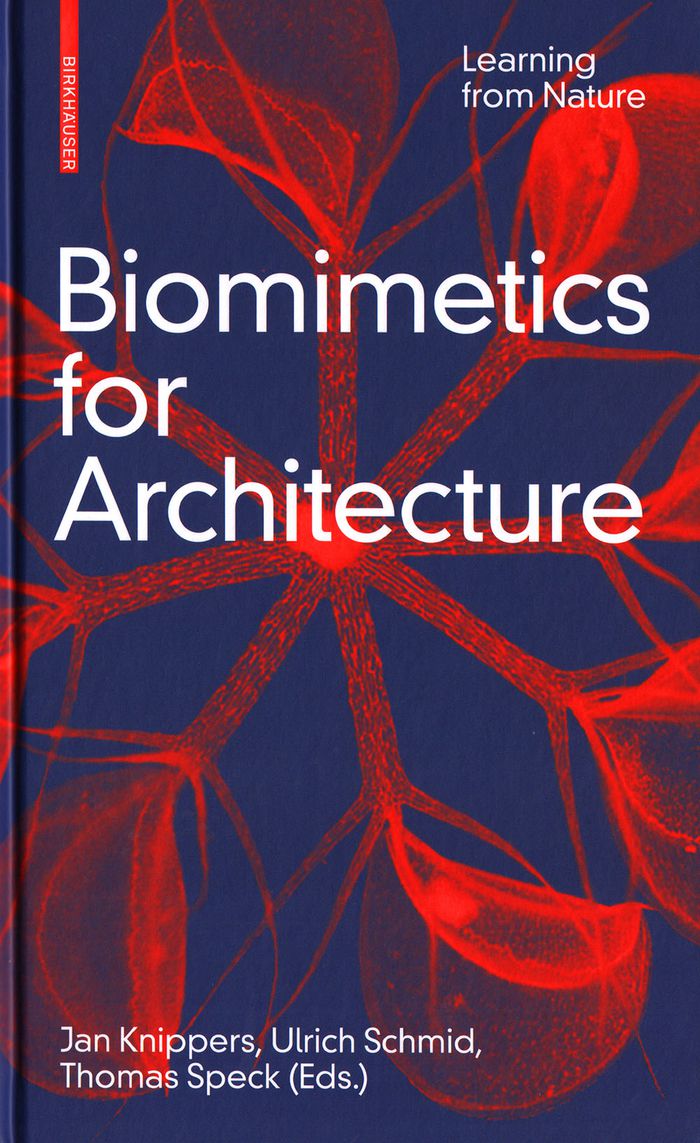
Biomimetics for architecture: learning from nature
Actions:
Price:
$48.95
(available to order)
Summary:
Nature has always been a source of inspiration for the design of the human environment. The analysis of biological constructions can not only lead to astonishing technical solutions but can also inspire the design of architecture. Bionics is a fascinating border area between pure research and practical application: biologists, chemists, physicists, mineralogists, and paleontologists meet up with material scientists, engineers, and architects and transfer their knowledge to architecture and construction. Using numerous practical examples, this illustrated introduction traces the process from the understanding of how something functions, to abstraction- ?for example, in computer models- ?and the construction of initial prototypes, through to fully functional manufacture and production.
Biomimetics for architecture: learning from nature
Actions:
Price:
$48.95
(available to order)
Summary:
Nature has always been a source of inspiration for the design of the human environment. The analysis of biological constructions can not only lead to astonishing technical solutions but can also inspire the design of architecture. Bionics is a fascinating border area between pure research and practical application: biologists, chemists, physicists, mineralogists, and paleontologists meet up with material scientists, engineers, and architects and transfer their knowledge to architecture and construction. Using numerous practical examples, this illustrated introduction traces the process from the understanding of how something functions, to abstraction- ?for example, in computer models- ?and the construction of initial prototypes, through to fully functional manufacture and production.
Form:
books
books
Publication:
May 2019
May 2019
Subject:
Environment and environmental theory
Environment and environmental theory
Form:
books
books
Actions:
Price:
$39.00
(available to order)
Summary:
Sylvia Lavin's “Form Follows Libido” argues that by the 1950s, some architects felt an urge to steer the cool abstraction of high modernism away from a neutral formalism toward the production of more erotic, affective environments. Lavin turns to the architecture of Richard Neutra (1892-1970) to explore the genesis of these new mood-inducing environments. In a series of(...)
$39.00
(available to order)
Summary:
Sylvia Lavin's “Form Follows Libido” argues that by the 1950s, some architects felt an urge to steer the cool abstraction of high modernism away from a neutral formalism toward the production of more erotic, affective environments. Lavin turns to the architecture of Richard Neutra (1892-1970) to explore the genesis of these new mood-inducing environments. In a series of(...)
Title:
Form follows libido : architecture and Richard Neutra in a psychoanalytic culture
Actions:
Price:
$39.00
(available to order)
Summary:
Sylvia Lavin's “Form Follows Libido” argues that by the 1950s, some architects felt an urge to steer the cool abstraction of high modernism away from a neutral formalism toward the production of more erotic, affective environments. Lavin turns to the architecture of Richard Neutra (1892-1970) to explore the genesis of these new mood-inducing environments. In a series of engaging essays weaving through the designs and writings of this Vienna-born, California-based architect, Lavin discovers in Neutra a sustained and poignant psychoanalytic reflection set in the context of a burgeoning psychoanalytic culture in America. Lavin shows that Neutra's redirection of modernism constituted not a lyrical regression to sentimentality but a deliberate advance of architectural theory and technique to engage the unconscious mind, fuelled by the ideas of psychoanalysis that were being rapidly disseminated at the time. In Neutra's responses to a vivid range of issues, from psychoanalysis proper to the popular psychology of tele-evangelical prayer, Lavin uncovers a radical reconstitution of the architectural discipline. Arguing persuasively that the received historical views of both psychoanalysis and architecture have led to a suppression of their compelling coincidences and unorthodoxies, Lavin sets out to unleash mid-century architecture's hidden libido. Neither Neutra nor psychoanalysis emerges unscathed from her investigation of how architecture came to be saturated by the intrigues of affect, often against its will. If Reyner Banham sought to put architecture "on the couch," then Lavin, through Neutra, leaps beyond Banham's ameliorative aim to lure contemporary architecture into the lush and dangerous liaisons of environmental design.
Form follows libido : architecture and Richard Neutra in a psychoanalytic culture
Actions:
Price:
$39.00
(available to order)
Summary:
Sylvia Lavin's “Form Follows Libido” argues that by the 1950s, some architects felt an urge to steer the cool abstraction of high modernism away from a neutral formalism toward the production of more erotic, affective environments. Lavin turns to the architecture of Richard Neutra (1892-1970) to explore the genesis of these new mood-inducing environments. In a series of engaging essays weaving through the designs and writings of this Vienna-born, California-based architect, Lavin discovers in Neutra a sustained and poignant psychoanalytic reflection set in the context of a burgeoning psychoanalytic culture in America. Lavin shows that Neutra's redirection of modernism constituted not a lyrical regression to sentimentality but a deliberate advance of architectural theory and technique to engage the unconscious mind, fuelled by the ideas of psychoanalysis that were being rapidly disseminated at the time. In Neutra's responses to a vivid range of issues, from psychoanalysis proper to the popular psychology of tele-evangelical prayer, Lavin uncovers a radical reconstitution of the architectural discipline. Arguing persuasively that the received historical views of both psychoanalysis and architecture have led to a suppression of their compelling coincidences and unorthodoxies, Lavin sets out to unleash mid-century architecture's hidden libido. Neither Neutra nor psychoanalysis emerges unscathed from her investigation of how architecture came to be saturated by the intrigues of affect, often against its will. If Reyner Banham sought to put architecture "on the couch," then Lavin, through Neutra, leaps beyond Banham's ameliorative aim to lure contemporary architecture into the lush and dangerous liaisons of environmental design.
Form:
books
books
Publication:
January 2005, Cambridge, Mass.
January 2005, Cambridge, Mass.
Subject:
Architecture Monographs
Architecture Monographs
Form:
books
books
Title:
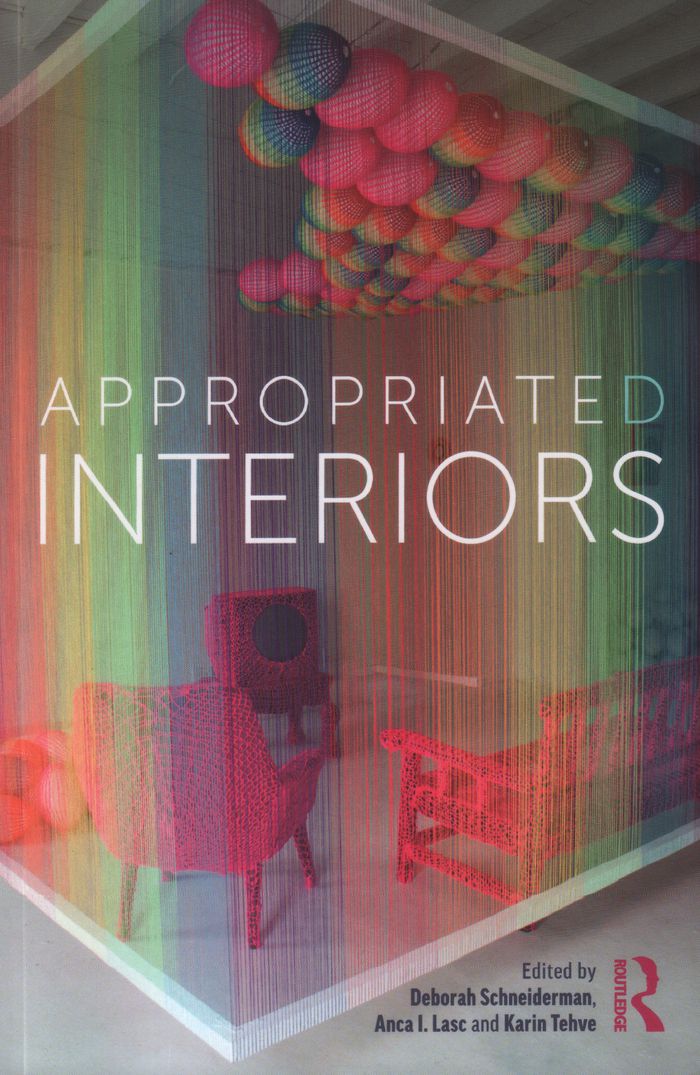
Appropriated interiors
Appropriated interiors
Actions:
Price:
$59.95
(available in store)
Summary:
What is "appropriate" and "inappropriate" now? These are terms with particular interest to the study of the interior. Featuring thirteen original curated essays, this volume explores the tensions between normative interiors that express the dominant cultural values of a society and interiors that express new, changing, and even transgressive values. With case studies from(...)
$59.95
(available in store)
Summary:
What is "appropriate" and "inappropriate" now? These are terms with particular interest to the study of the interior. Featuring thirteen original curated essays, this volume explores the tensions between normative interiors that express the dominant cultural values of a society and interiors that express new, changing, and even transgressive values. With case studies from(...)
Subject:
Architectural Theory
Architectural Theory
Publication:
January 2022
January 2022
Title:
Appropriated interiors
Actions:
Price:
$59.95
(available in store)
Summary:
What is "appropriate" and "inappropriate" now? These are terms with particular interest to the study of the interior. Featuring thirteen original curated essays, this volume explores the tensions between normative interiors that express the dominant cultural values of a society and interiors that express new, changing, and even transgressive values. With case studies from the late eighteenth century to the twenty-first century, these historians, theorists, and design practitioners investigate the implications of interior design as it relates to politics, gender, identity, spatial abstraction, cultural expression, racial expression, technology, and much more.
Appropriated interiors
Actions:
Price:
$59.95
(available in store)
Summary:
What is "appropriate" and "inappropriate" now? These are terms with particular interest to the study of the interior. Featuring thirteen original curated essays, this volume explores the tensions between normative interiors that express the dominant cultural values of a society and interiors that express new, changing, and even transgressive values. With case studies from the late eighteenth century to the twenty-first century, these historians, theorists, and design practitioners investigate the implications of interior design as it relates to politics, gender, identity, spatial abstraction, cultural expression, racial expression, technology, and much more.
Form:
books
books
Publication:
January 2022
January 2022
Subject:
Architectural Theory
Architectural Theory
Form:
books
books
Title:
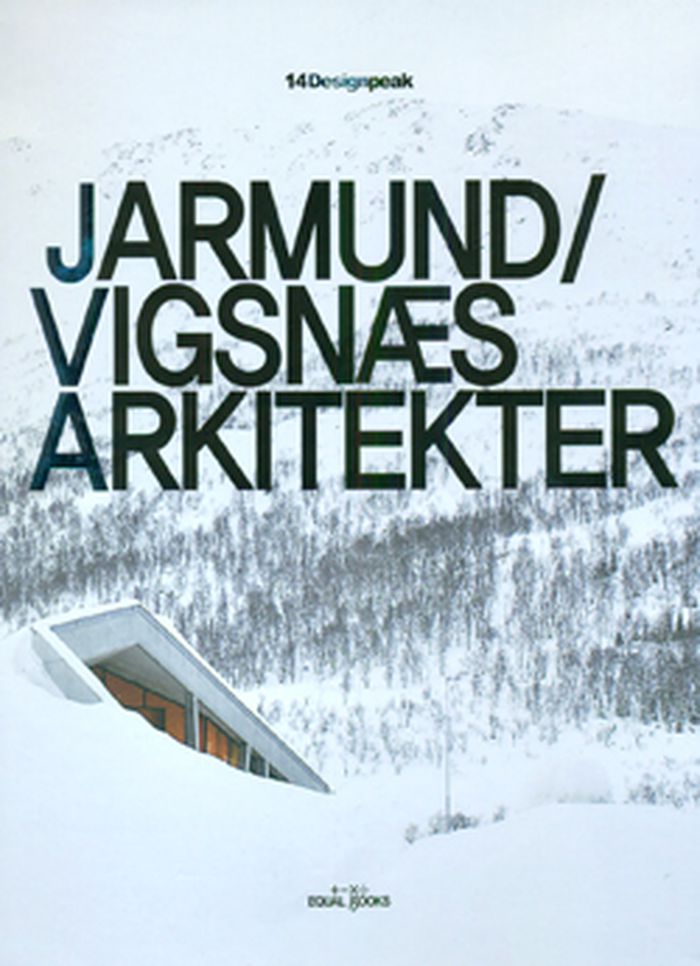
Jarmund/Vigsnaes Arkitekter
Jarmund/Vigsnaes Arkitekter
Actions:
Price:
$99.99
(available to order)
Summary:
Established in 1996, Norwegian office Jarmund/Vigsnæs Arkitekter (JVA) has gained worldwide recognition. Within their work can be detected a variety of elements, from Dutch pragmatism to Swiss atmospherics, and from Spanish abstraction to the American West Coast. Mari Hvattum combines an interview with her analysis of the practice. Included are notable projects such as(...)
$99.99
(available to order)
Summary:
Established in 1996, Norwegian office Jarmund/Vigsnæs Arkitekter (JVA) has gained worldwide recognition. Within their work can be detected a variety of elements, from Dutch pragmatism to Swiss atmospherics, and from Spanish abstraction to the American West Coast. Mari Hvattum combines an interview with her analysis of the practice. Included are notable projects such as(...)
Title:
Jarmund/Vigsnaes Arkitekter
Actions:
Price:
$99.99
(available to order)
Summary:
Established in 1996, Norwegian office Jarmund/Vigsnæs Arkitekter (JVA) has gained worldwide recognition. Within their work can be detected a variety of elements, from Dutch pragmatism to Swiss atmospherics, and from Spanish abstraction to the American West Coast. Mari Hvattum combines an interview with her analysis of the practice. Included are notable projects such as Dune House, Edge House, the Norwegian Ministry of Defence and the Oslo School of Architecture and Design, and many others.
Jarmund/Vigsnaes Arkitekter
Actions:
Price:
$99.99
(available to order)
Summary:
Established in 1996, Norwegian office Jarmund/Vigsnæs Arkitekter (JVA) has gained worldwide recognition. Within their work can be detected a variety of elements, from Dutch pragmatism to Swiss atmospherics, and from Spanish abstraction to the American West Coast. Mari Hvattum combines an interview with her analysis of the practice. Included are notable projects such as Dune House, Edge House, the Norwegian Ministry of Defence and the Oslo School of Architecture and Design, and many others.
Form:
books
books
Publication:
April 2013
April 2013
Subject:
Architecture Monographs
Architecture Monographs
Form:
books
books
Actions:
Price:
$37.95
(available to order)
Summary:
The idea of fashion under socialism conjures up images of babushka headscarves and black market blue jeans. And yet, as Djurdja Bartlett shows in this groundbreaking book, the socialist East had an intimate relationship with fashion. Official antagonism—which cast fashion as frivolous and antirevolutionary—eventually gave way to grudging acceptance and creeping(...)
$37.95
(available to order)
Summary:
The idea of fashion under socialism conjures up images of babushka headscarves and black market blue jeans. And yet, as Djurdja Bartlett shows in this groundbreaking book, the socialist East had an intimate relationship with fashion. Official antagonism—which cast fashion as frivolous and antirevolutionary—eventually gave way to grudging acceptance and creeping(...)
Title:
Fashion East : the spectre that haunted socialism
Actions:
Price:
$37.95
(available to order)
Summary:
The idea of fashion under socialism conjures up images of babushka headscarves and black market blue jeans. And yet, as Djurdja Bartlett shows in this groundbreaking book, the socialist East had an intimate relationship with fashion. Official antagonism—which cast fashion as frivolous and antirevolutionary—eventually gave way to grudging acceptance and creeping consumerism. Bartlett outlines three phases in socialist fashion, and illustrates them with abundant images from magazines of the period: postrevolutionary utopian dress, official state-sanctioned socialist fashion, and samizdat-style everyday fashion. Utopian dress, ranging from the geometric abstraction of the constructivists under Bolshevism in the Soviet Union to the no-frills desexualized uniform of a factory worker in Czechoslovakia, reflected the revolutionary urge for a clean break with the past. The highly centralized socialist fashion system, part of Stalinist industrialization, offered official prototypes of high fashion that were never available in stores—mythical images of smart and luxurious dresses that symbolized the economic progress that socialist regimes dreamed of. Everyday fashion, starting in the 1950s, was an unofficial, do-it-yourself enterprise: Western fashions obtained through semiclandestine channels or sewn at home. The state tolerated the demand for Western fashion, promising the burgeoning middle class consumer goods in exchange for political loyalty. Bartlett traces the progress of socialist fashion in the Soviet Union, Czechoslovakia, Hungary, East Germany, Poland, and Yugoslavia, drawing on state-sponsored socialist women’s magazines, etiquette books, socialist manuals on dress, private archives, and her own interviews with designers, fashion editors, and other key figures. Fashion, she suggests, with all its ephemerality and dynamism, was in perpetual conflict with the socialist regimes’ fear of change and need for control. It was, to echo the famous first sentence from the Communist Manifesto, the spectre that haunted socialism until the end.
Fashion East : the spectre that haunted socialism
Actions:
Price:
$37.95
(available to order)
Summary:
The idea of fashion under socialism conjures up images of babushka headscarves and black market blue jeans. And yet, as Djurdja Bartlett shows in this groundbreaking book, the socialist East had an intimate relationship with fashion. Official antagonism—which cast fashion as frivolous and antirevolutionary—eventually gave way to grudging acceptance and creeping consumerism. Bartlett outlines three phases in socialist fashion, and illustrates them with abundant images from magazines of the period: postrevolutionary utopian dress, official state-sanctioned socialist fashion, and samizdat-style everyday fashion. Utopian dress, ranging from the geometric abstraction of the constructivists under Bolshevism in the Soviet Union to the no-frills desexualized uniform of a factory worker in Czechoslovakia, reflected the revolutionary urge for a clean break with the past. The highly centralized socialist fashion system, part of Stalinist industrialization, offered official prototypes of high fashion that were never available in stores—mythical images of smart and luxurious dresses that symbolized the economic progress that socialist regimes dreamed of. Everyday fashion, starting in the 1950s, was an unofficial, do-it-yourself enterprise: Western fashions obtained through semiclandestine channels or sewn at home. The state tolerated the demand for Western fashion, promising the burgeoning middle class consumer goods in exchange for political loyalty. Bartlett traces the progress of socialist fashion in the Soviet Union, Czechoslovakia, Hungary, East Germany, Poland, and Yugoslavia, drawing on state-sponsored socialist women’s magazines, etiquette books, socialist manuals on dress, private archives, and her own interviews with designers, fashion editors, and other key figures. Fashion, she suggests, with all its ephemerality and dynamism, was in perpetual conflict with the socialist regimes’ fear of change and need for control. It was, to echo the famous first sentence from the Communist Manifesto, the spectre that haunted socialism until the end.
Form:
books
books
Publication:
October 2010
October 2010
Subject:
Fashion Design
Fashion Design


