


176 Results
Form:
books
books
Actions:
Price:
$72.00
(available to order)
Summary:
The first visual history of Modernist Italian fashion during Benito Mussolini's Fascist regime, and the product of immense research, Fashion at the Time of Fascism charts the fashion industry's ambivalent negotiation of international couture and the bizarre dictates of Fascism, and the legacy of this era in shaping today's fashion industry. Authors Mario Lupano and(...)
Title:
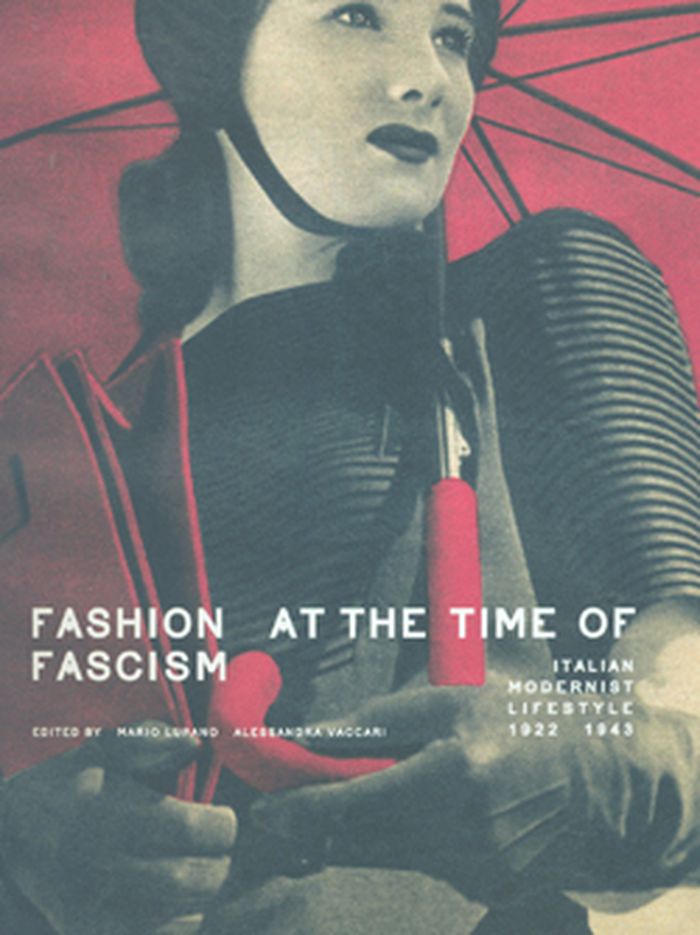
Fashion at the time of Fascism
Actions:
Price:
$72.00
(available to order)
Summary:
The first visual history of Modernist Italian fashion during Benito Mussolini's Fascist regime, and the product of immense research, Fashion at the Time of Fascism charts the fashion industry's ambivalent negotiation of international couture and the bizarre dictates of Fascism, and the legacy of this era in shaping today's fashion industry. Authors Mario Lupano and Alessandra Vaccari explore and compare a large range of forgotten archival sources, such as women's glossies, fashion, film and gossip magazines, photo archives, exhibition and commercial catalogues, books, manuals and magazines on tailoring, dressmaking, design and architecture, and corporate and government journals. This abundance of materials is presented in a fluid sequence of image and text that charts the rhythms, rituals and lifestyles of the typical Italian day through the four basic themes of "Measurements," "Model," "Brand" and "Parade." Each section includes texts that highlight the key figures and phases in Italian fashion, from the 1920s to the early 1940s, juxtaposing them with Modernism's broader salient themes and emphasizing the conscious use of glamour in the regime's super-choreographed portrayal of itself.
Form:
books
books
Publication:
November 2009
November 2009
Subject:
Fashion Design
Fashion Design
Form:
books
books

Actions:
Price:
$19.95
(available to order)
Summary:
Japan today protects one-seventh of its land surface in parks, which are visited by well over a billion people each year. Parkscapes analyzes the origins, development, and distinctive features of these public spaces. Green zones were created by the government beginning in the late nineteenth century for state purposes but eventually evolved into sites of negotiation(...)
Title:
Parkscapes: green spaces in modern Japan
Actions:
Price:
$19.95
(available to order)
Summary:
Japan today protects one-seventh of its land surface in parks, which are visited by well over a billion people each year. Parkscapes analyzes the origins, development, and distinctive features of these public spaces. Green zones were created by the government beginning in the late nineteenth century for state purposes but eventually evolved into sites of negotiation between bureaucrats and ordinary citizens who use them for demonstrations, riots, and shelters, as well as recreation. Thomas Havens shows how revolutionary officials in the 1870s seized private properties and converted them into public parks for educating and managing citizens in the new emperor-sanctioned state. Rebuilding Tokyo and Yokohama after the earthquake and fires of 1923 spurred the spread of urban parklands both in the capital and other cities. According to Havens, the growth of suburbs, the national mobilization of World War II, and the post-1945 American occupation helped speed the creation of more urban parks, setting the stage for vast increases in public green spaces during Japan’s golden age of affluence from the 1960s through the 1980s. Since the 1990s the Japanese public has embraced a heightened ecological consciousness and become deeply involved in the design and management of both city and natural parks—realms once monopolized by government bureaucrats.
Form:
books
books
Publication:
April 2011
April 2011
Subject:
Landscape Theory
Landscape Theory
Form:
books
books
Price:
$49.95
(available in store)
Summary:
Spectacular, scientific, and educational cultural practices were used to establish and define public identities in the British colonies of nineteenth-century Canada. In Visibly Canadian, Karen Stanworth argues that visual representations were the era's primary mode of expressing identity, and shows how the citizenry of Quebec and Ontario was - or was not - represented in(...)
Title:
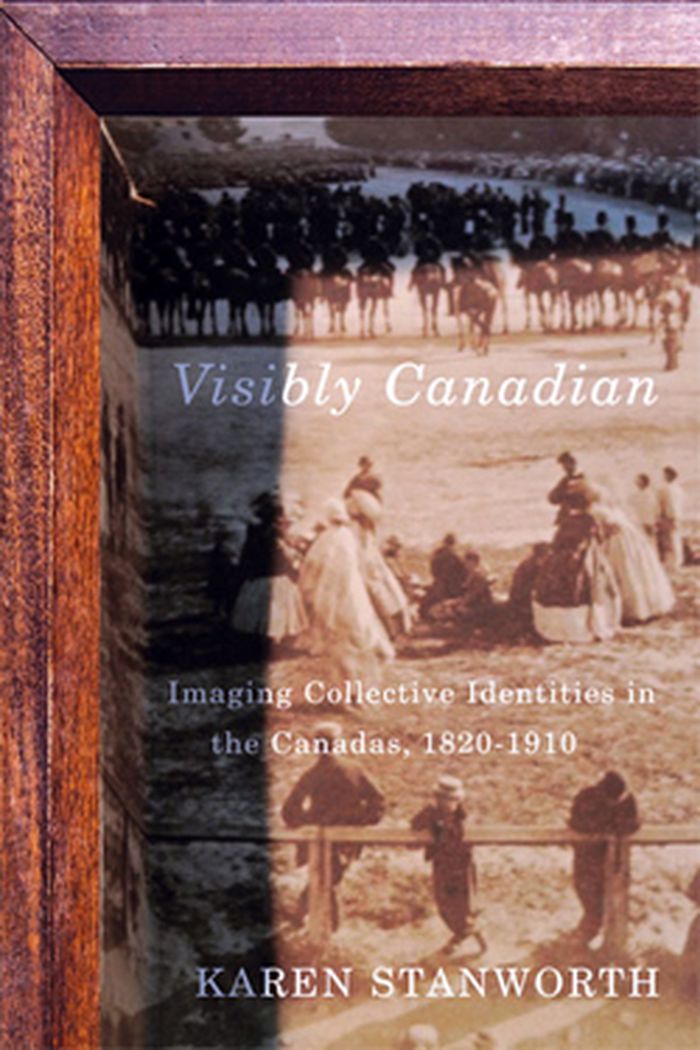
Visibly Canadian: imaging collective identities in the Canadas, 1820-1910
Actions:
Price:
$49.95
(available in store)
Summary:
Spectacular, scientific, and educational cultural practices were used to establish and define public identities in the British colonies of nineteenth-century Canada. In Visibly Canadian, Karen Stanworth argues that visual representations were the era's primary mode of expressing identity, and shows how the citizenry of Quebec and Ontario was - or was not - represented in the visual culture of the time.Through nine case studies, each representing key moments of identity formation and contestation, Stanworth investigates how a broad range of cultural phenomena, from fine arts to institutional histories to public spectacles, were used to order, resist, and articulate identities within specific social and economic contexts. The negotiation and planning underpinning civic culture are evident in rare moments of compromise such as the surprising proposal from the Saint-Jean-Baptiste Society to merge their annual parade with the celebration of Queen Victoria's Diamond Jubilee in 1897. Equally astounding is the scale of nineteenth-century public spectacles; reenactments of Victorian scenes of war often attracted crowds of upwards of 10,000 people. Illustrated with over fifty images, many unseen for over a century, Visibly Canadian establishes the significance of artwork and public spectacles in cutting across language, religion, and class to tell stories of nationhood, belonging, and difference.
Form:
books
books
Publication:
November 2014
November 2014
Subject:
Architecture in Canada
Architecture in Canada
Form:
books
books
Price:
$124.50
(available to order)
Summary:
During his tenure as Chief Royal Architect (1539-1588) in the "Golden Age" of the Ottoman Empire, Sinan designed hundreds of structures that helped create the renowned urban image of Istanbul, particularly mosques with seemingly weightless, light-filled centralized domes that have been compared with developments in Renaissance Italy. His distinctive architectural idiom(...)
Title:
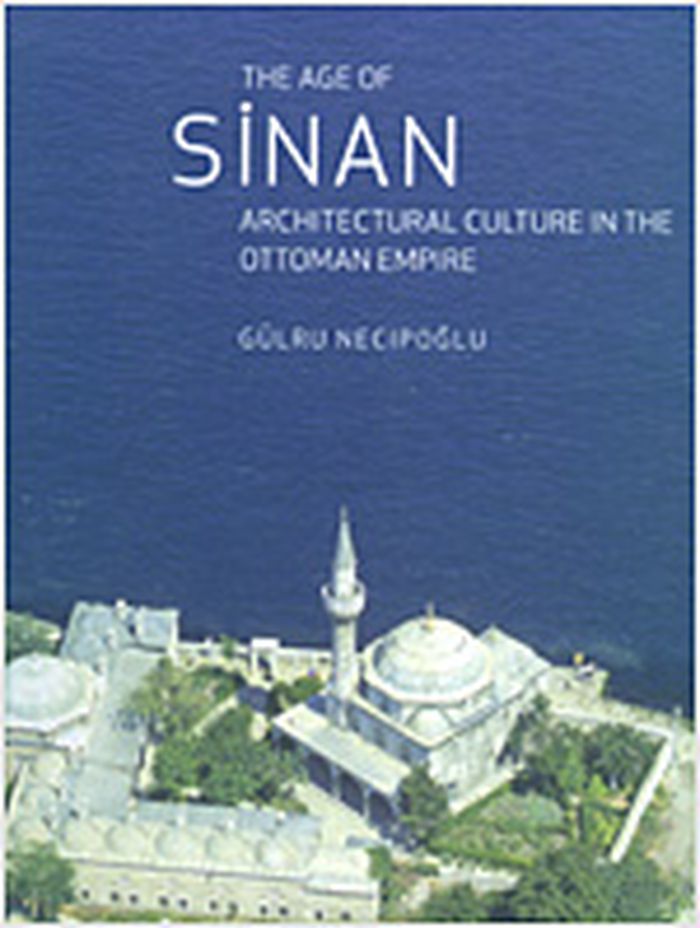
The Age of Sinan : architectural culture in the Ottoman Empire
Actions:
Price:
$124.50
(available to order)
Summary:
During his tenure as Chief Royal Architect (1539-1588) in the "Golden Age" of the Ottoman Empire, Sinan designed hundreds of structures that helped create the renowned urban image of Istanbul, particularly mosques with seemingly weightless, light-filled centralized domes that have been compared with developments in Renaissance Italy. His distinctive architectural idiom left its imprint over a vast empire extending from the Danube to the Tigris, and he became the most celebrated of all Ottoman architects. In this lavishly illustrated, major new assessment of Sinan's oeuvre, Gülru Necipoglu challenges standard views of Sinan as a "Turkish Michelangelo" driven solely by an insatiable urge for artistic experimentation. Her innovative analysis shows that Sinan's rich variety of mosque designs sprang from a process of negotiation between the architect and his elite patrons, both men and women. Defined though they were by social and territorial hierarchies and associated notions of identity, memory, and decorum, Sinan's mosques simultaneously shaped these conceptions. "The Age of Sinan" draws on a wealth of primary sources to reveal the chief architect's monuments as bearers of previously unrecognized dimensions of meaning. A sophisticated study of the cultural and social history of Ottoman architecture, interpreting the works of a seminal figure in the early modern eastern Mediterranean world, it is must-reading for scholars and students of art history and other fields with an interest in the Ottoman Empire.
Form:
books
books
Publication:
May 2005, Princeton
May 2005, Princeton
Subject:
History until 1900, Asia
History until 1900, Asia
Form:
books
books

Price:
$40.00
(available in store)
Summary:
Virtuous situations from the industrial past and some ideas for the ‘climatic metropolis’ to come (cases of Brussels and Paris) compiles examples and projections that question the shape given to the city and territory at a moment of paradigm shift. The rapid evolution of climate change is leading to a clear state of emergency that is going to redefine the values and(...)
Title:
CENTRAL office for architecture and urbanism & Maxime Delvaux
Actions:
Price:
$40.00
(available in store)
Summary:
Virtuous situations from the industrial past and some ideas for the ‘climatic metropolis’ to come (cases of Brussels and Paris) compiles examples and projections that question the shape given to the city and territory at a moment of paradigm shift. The rapid evolution of climate change is leading to a clear state of emergency that is going to redefine the values and forms of our society and its territories. Several signs of a gradual paradigm shift have appeared and citizen voices are being raised against a social model that is at odds with the environment. Looking towards the past, a fascinated reading of a city’s ability to transform itself radically when necessary, is proposed. The change, generated by the race towards industrialization and social emancipation, forced metropolises such as Brussels and Paris to develop new urban functions and logics. This evolution took shape in territories that were not yet highly urbanized, but also within the city itself, in negotiation with the existing context. A series of 23 situations from the industrial age draws a panorama of virtuous examples, illustrating an assumed cohabitation between the urban fabric and the infrastructural, productive and energy needs at a precise moment of radical change in Paris and Brussels. The development of the ‘climatic metropolis’ must imperatively be based on design values and principles capable of generating a common vision. In this perspective, we propose some ideas for reflection formalized by projects tied to the built stories from the past, outlining potential situations of a new state to come for the European city.
Form:
books
books
Publication:
July 2019
July 2019
Subject:
Architecture Monographs
Architecture Monographs
Form:
audio
audio
Title:
Lucky Dip.
Lucky Dip.
Actions:
Description:
1 online resource.
Author:
Subject:
Publication:
[Place of publication not identified] : Lateral Addition, 2021.
[Place of publication not identified] : Lateral Addition, 2021.
Form:
audio
audio
Publication:
[Place of publication not identified] : Lateral Addition, 2021.
[Place of publication not identified] : Lateral Addition, 2021.
Author:
Subject:


