


185 Results
Form:
books
books
Price:
$41.95
(available to order)
Summary:
"If it isn't Electric, it isn't Modern." Such was the slogan of the Philadelphia Electric Company, developer of an unprecedented network of massive metropolitan power stations servicing greater Philadelphia at the turn of the twentieth century. These once-brilliant sentinels of civic utility and activity were designed to convey solidity and immensity in an age of deep(...)
Subject:
Engineering Structures
Engineering Structures
Publication:
November 2016
November 2016
Title:
Palazzos of power : central station of the Phalidelphia Electric Company
Actions:
Price:
$41.95
(available to order)
Summary:
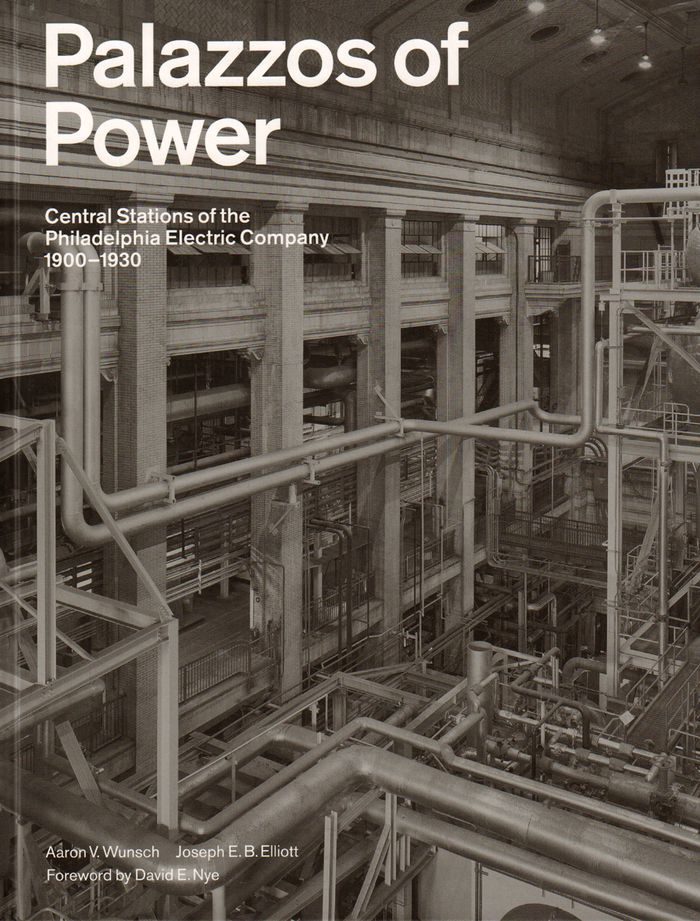
"If it isn't Electric, it isn't Modern." Such was the slogan of the Philadelphia Electric Company, developer of an unprecedented network of massive metropolitan power stations servicing greater Philadelphia at the turn of the twentieth century. These once-brilliant sentinels of civic utility and activity were designed to convey solidity and immensity in an age of deep public skepticism. They now stand vacant and decaying, a blight in the eyes of city planners and a beacon to urban explorers.'the first book on the buildings and machines that made possible the electrification of the United States, "Palazzos of power" offers a visual and analytical exploration of architecture, technology, place, loss, and reuse. With a foreword by David Nye, this collection of Joseph Elliott's large-format photographs reveal the urban landscape, monumental spaces, giant machinery, and intricate controls that made up the central station. Aaron Wunsch's essay provides historical context on the social and political climate.
Form:
books
books
Publication:
November 2016
November 2016
Subject:
Engineering Structures
Engineering Structures
Form:
books
books
Actions:
Price:
$23.95
(available to order)
Summary:
The term "guerrilla" may bring to mind a small band of armed soldiers, moving in the dead of night on a stealth mission. In the case of guerrilla gardening, the soldiers are planters, the weapons are shovels, and the mission is to transform an abandoned lot into a thing of beauty. Once an environmentalist's nonviolent direct action for inner-city renewal, this approach to(...)
Title:
Guerrilla gardening : a manualfesto
Actions:
Price:
$23.95
(available to order)
Summary:
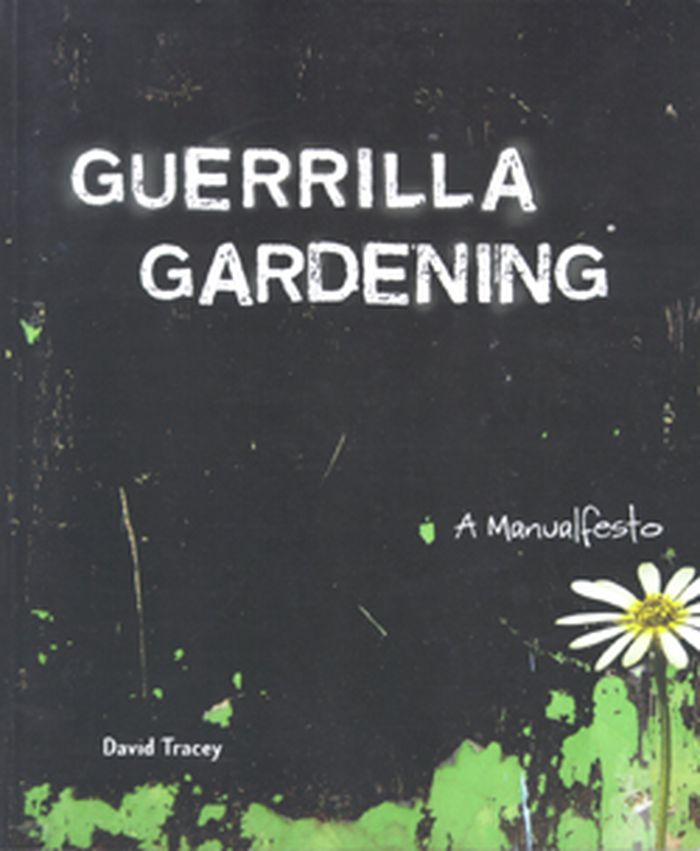
The term "guerrilla" may bring to mind a small band of armed soldiers, moving in the dead of night on a stealth mission. In the case of guerrilla gardening, the soldiers are planters, the weapons are shovels, and the mission is to transform an abandoned lot into a thing of beauty. Once an environmentalist's nonviolent direct action for inner-city renewal, this approach to urban beautification is spreading to all types of people in cities around the world. These modern-day Johnny Appleseeds perform random acts of gardening, often without the property owner's prior knowledge or permission. Typical targets are vacant lots, railway land, underused public squares, and back alleys. The concept is simple, whimsical and has the cheeky appeal of being a not-quite-legal call to action. Dig in some soil, plant a few seeds, or mend a sagging fence - one good deed inspiring another, with win-win results all around.
Form:
books
books
Publication:
April 2007, Gabriola Island
April 2007, Gabriola Island
Subject:
Urban Landscapes
Urban Landscapes
Form:
books
books
Actions:
Price:
$41.99
(available in store)
Summary:
Nurturing health, hope, and community, gardeners in cities and suburbs are reclaiming lost commons, transforming vacant lots into vibrant plots, turning waste into compost, and recreating what was once the most productive agriculture in recorded human history. In a history that has been hidden in plain sight, working-class gardeners have consistently played an outsized(...)
Title:
Tiny gardens everywhere: The past, present, and future of the self-provisioning city
Actions:
Price:
$41.99
(available in store)
Summary:
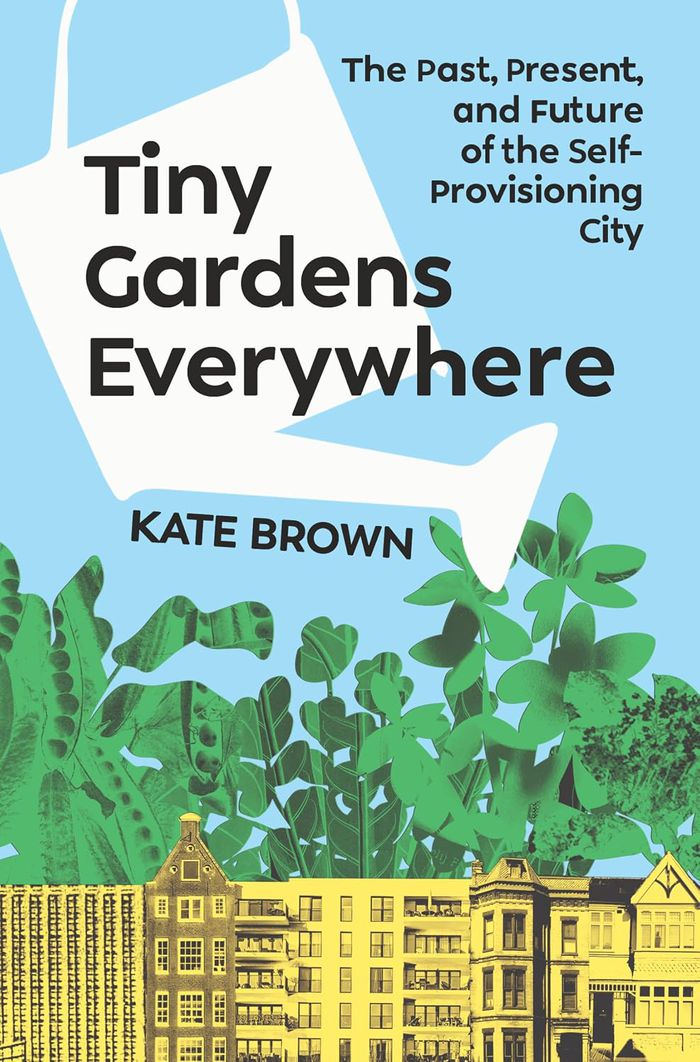
Nurturing health, hope, and community, gardeners in cities and suburbs are reclaiming lost commons, transforming vacant lots into vibrant plots, turning waste into compost, and recreating what was once the most productive agriculture in recorded human history. In a history that has been hidden in plain sight, working-class gardeners have consistently played an outsized role. In London, they devised ways to feed themselves when wage labor fell short. In Paris, a superabundance of horse manure in the streets nourished urban gardens that fed two million residents. In Berlin, gardeners built social safety nets for those marginalized by the state. In Washington, DC, African American migrants brought rural traditions of self-provisioning that were later disrupted by “urban renewal.” In rustbelt Mansfield, Ohio, farming ex-cons grow hope for the city’s future. In post-Soviet Estonia, shared gardens became lifelines for survival amid economic upheaval. And in Amsterdam, activists are reclaiming sustainable farming practices in a sinking landscape oversaturated with fertilizers.
Form:
books
books
Publication:
February 2026
February 2026
Subject:
Gardens
Gardens
Form:
books
books
Actions:
Price:
$34.95
(available to order)
Summary:
It is said that the history of modern architecture can be observed through the evolution of the single-family home. Over generations, each has hoped to improve on the last, rethinking and reinventing this seemingly simple building type. At certain historic moments in the discourse, new ideas about domesticity have given form to radically different configurations of home(...)
Title:
From the gournd up : innovative green homes
Actions:
Price:
$34.95
(available to order)
Summary:
It is said that the history of modern architecture can be observed through the evolution of the single-family home. Over generations, each has hoped to improve on the last, rethinking and reinventing this seemingly simple building type. At certain historic moments in the discourse, new ideas about domesticity have given form to radically different configurations of home and community. Current emphasis on sustainability presents a unique opportunity to design affordable houses that respond to specific economic, social, and environmental challenges. In From the Ground Up, editor Peggy Tully presents the results of an international competition to create new models for affordable high-performance green homes in urban residential neighborhoods. Developed for a vacant infill site in Syracuse's Near Westside, these ambitious projects offer an array of innovative designs that provide a new vision for once-vital urban residential neighborhoods and well-designed energy-efficient homes throughout the United States. From the Ground Up includes topical essays by series editor Mark Robbins, architect Michael Sorkin, and architectural historianSusan Henderson.
Form:
books
books
Publication:
August 2012
August 2012
Subject:
Green Architecture
Green Architecture
Form:
books
books
Actions:
Price:
$54.95
(available to order)
Summary:
What form of housing will emerge in Dubai, where the majority of the population are non-citizens and average length of stay three days? How will depopulating cities reclaim vacant space, reorganize infrastructure and redefine their economic identity? What type of architecture results from the prevalence of airborne contaminants? What kind of urbanism does Google Earth(...)
Title:
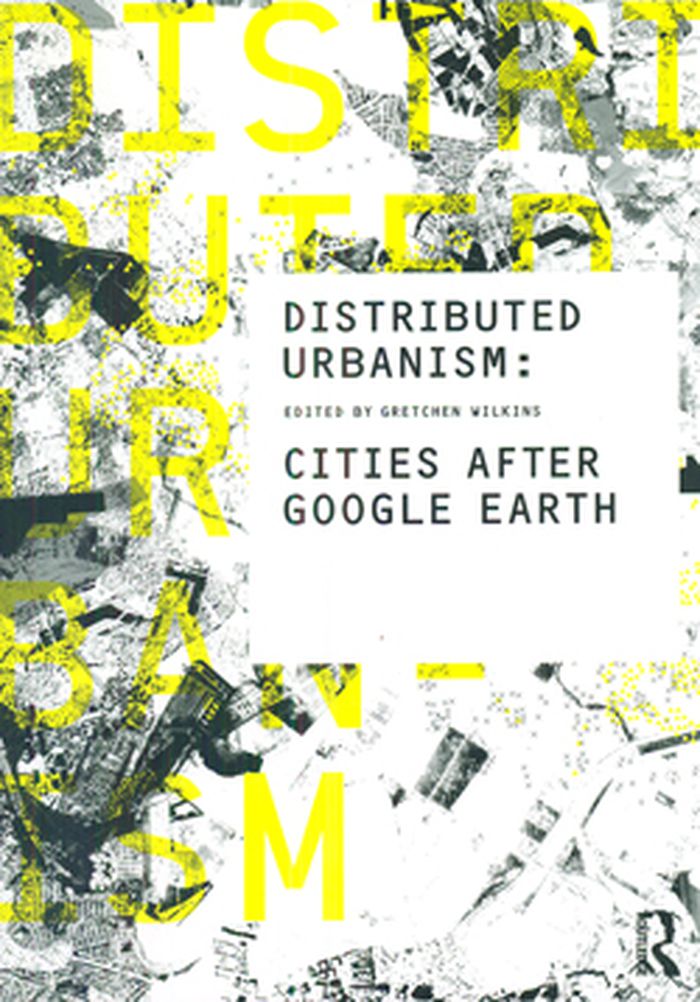
Distributed urbanism : cities after Google Earth
Actions:
Price:
$54.95
(available to order)
Summary:
What form of housing will emerge in Dubai, where the majority of the population are non-citizens and average length of stay three days? How will depopulating cities reclaim vacant space, reorganize infrastructure and redefine their economic identity? What type of architecture results from the prevalence of airborne contaminants? What kind of urbanism does Google Earth produce? Exploring the increasingly decentralized systems through which cities are organized and produced, this publication highlights the architectural practices that are emerging in response. Unlike early models of urbanism, in which centralized models of production, communication and governance were sited within a central business district, contemporary urbanism is shaped by remote, distributed mechanisms such as information technologies, (i.e. SatNav, Google Earth, E-trade, Photosynth or RSS web feeds) cooperative economic models and environmental networks, many of which are physically remote from the cities they shape. Consisting of a collection of case studies on global cities including Rotterdam, Tokyo, Barcelona, Detroit, Hong Kong, Dubai, Beijing and Mumbai, the authors draw on these cities in relation to current events, urban schemes and demographic data.
Form:
books
books
Publication:
July 2010
July 2010
Subject:
Urban Theory
Urban Theory
Form:
books
books
Title:
The phantom scientist
The phantom scientist
Actions:
Price:
$33.95
(available to order)
Summary:
An isolated institute laid out in a Fibonacci sequence, hidden deep in the forest. Twenty-four labs. Twenty-four researchers. Until one of them disappears . . . When physicist Stéphane Douasy arrives to occupy the vacant twenty-fourth lab at the Institute for the Study of Complex and Dynamic Systems, an ominous problem rises in his wake: what has happened to his(...)
Title:
The phantom scientist
Actions:
Price:
$33.95
(available to order)
Summary:
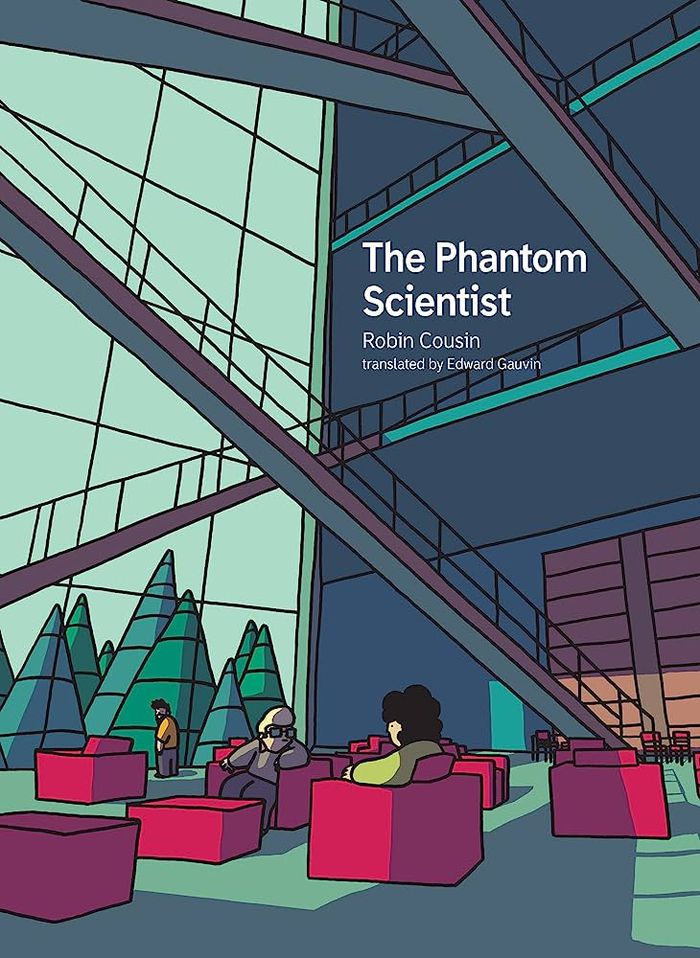
An isolated institute laid out in a Fibonacci sequence, hidden deep in the forest. Twenty-four labs. Twenty-four researchers. Until one of them disappears . . . When physicist Stéphane Douasy arrives to occupy the vacant twenty-fourth lab at the Institute for the Study of Complex and Dynamic Systems, an ominous problem rises in his wake: what has happened to his missing neighbor in Building F? When Stéphane’s neighbors, a discouraged linguist and a computer scientist bent on predicting the future, discover that the missing researcher may have solved the P versus NP problem—a coup in computer science with revolutionary implications for everything from mathematics to philosophy—before vanishing, things turn stranger still, and even more menacing. Solving the mystery of the Institute and its devolution into mayhem and violence every seventh year quickly shifts from being an intellectual exercise to a matter of life and death. ''The phantom scientist'' is part thriller, part mystery, part systems theory—and all enthralling. The tale slyly draws together linguistics, biology, astrophysics, and robotics in a mind-bending puzzle that will thrill and inform readers.
Form:
books
books
Publication:
February 2023
February 2023
Subject:
Illustration
Illustration
Form:
books
books
Price:
$37.95
(available to order)
Summary:
In The City after Property, Sara Safransky examines how postindustrial decline generates new forms of urban land politics. In the 2010s, Detroit government officials classified a staggering 150,000 lots—more than a third of the city—as “vacant” or “abandoned.” Analyzing subsequent efforts to shrink the Motor City’s footprint and budget, Safransky presents a new way of(...)
Title:
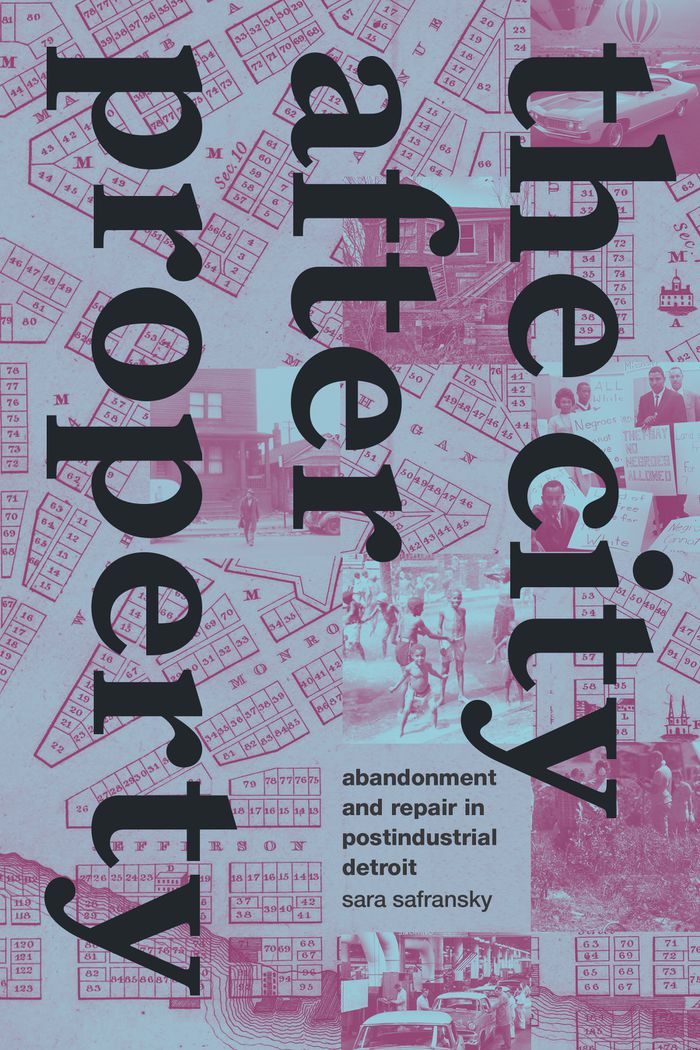
The city after property: Abandonment and repair in postindustrial Detroit
Actions:
Price:
$37.95
(available to order)
Summary:
In The City after Property, Sara Safransky examines how postindustrial decline generates new forms of urban land politics. In the 2010s, Detroit government officials classified a staggering 150,000 lots—more than a third of the city—as “vacant” or “abandoned.” Analyzing subsequent efforts to shrink the Motor City’s footprint and budget, Safransky presents a new way of conceptualizing urban abandonment. She challenges popular myths that cast Detroit as empty along with narratives that reduce its historical decline to capital and white flight. In connecting contemporary debates over neoliberal urbanism to Cold War histories and the lasting political legacies of global movements for decolonization and Black liberation, she foregrounds how the making of—and challenges to—modern property regimes have shaped urban policy and politics. Drawing on critical geographical theory and community-based ethnography, Safransky shows how private property functions as a racialized construct, an ideology, and a moral force that shapes selves and worlds. By thinking the city “after property,” Safransky illuminates alternative ways of imagining and organizing urban life.
Form:
books
books
Publication:
August 2023
August 2023
Form:
books
books
Actions:
Price:
$102.00
(available to order)
Summary:
The Clyfford Still Museum was designed by the leading architectural practice Allied Works and its founder, Brad Cloepfil. The building creates space for the voice and artistic vision of American painter Clyfford Still (1904–1980), housing the vast majority of his creative output over a sixty-year period. The museum’s design is inspired by the work of Still and by its(...)
Subject:
Architecture Monographs
Architecture Monographs
Publication:
February 2022
February 2022
Title:
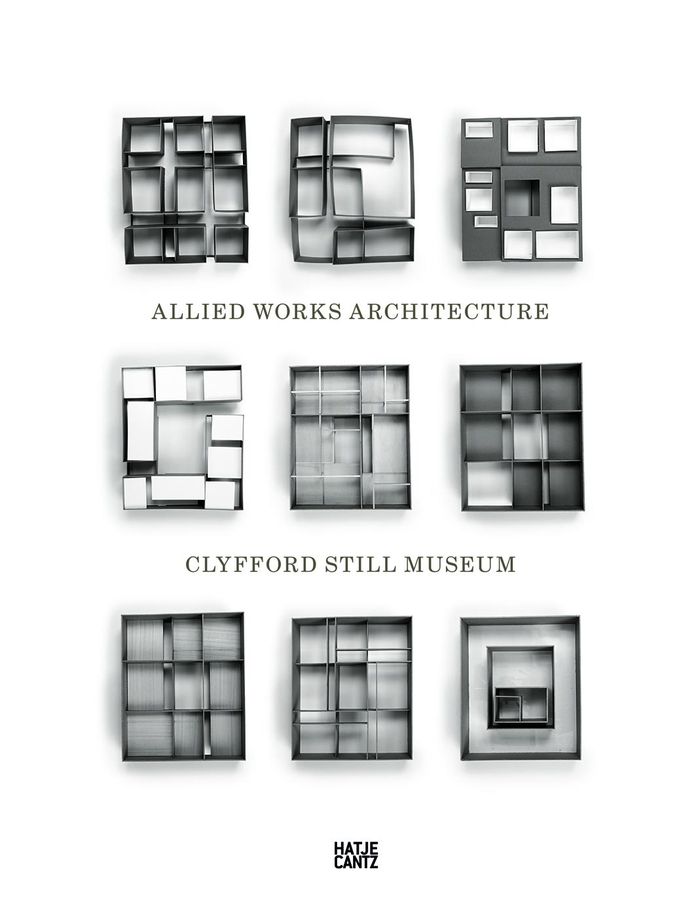
Cyfford Still Museum: Allied Works architecture
Actions:
Price:
$102.00
(available to order)
Summary:
The Clyfford Still Museum was designed by the leading architectural practice Allied Works and its founder, Brad Cloepfil. The building creates space for the voice and artistic vision of American painter Clyfford Still (1904–1980), housing the vast majority of his creative output over a sixty-year period. The museum’s design is inspired by the work of Still and by its monumental context: the site is located at the intersection of prairie and mountains, within an urban district of major cultural buildings, vacant lots, historic housing, and new development. The building looks to the earth as a source of silence and profound connection to the elemental forces the artist explored through his painting. This publication presents the vision and realization of the museum from initial concepts to completion. A rich collection of stories, artifacts, documents, and conversations trace the evolution of the building and Allied Works’ unique creative process. New essays and photography examine its significance within contemporary architectural discourse and the singular experience of the completed work.
Form:
books
books
Publication:
February 2022
February 2022
Subject:
Architecture Monographs
Architecture Monographs
Form:
books
books
Price:
$57.00
(available to order)
Summary:
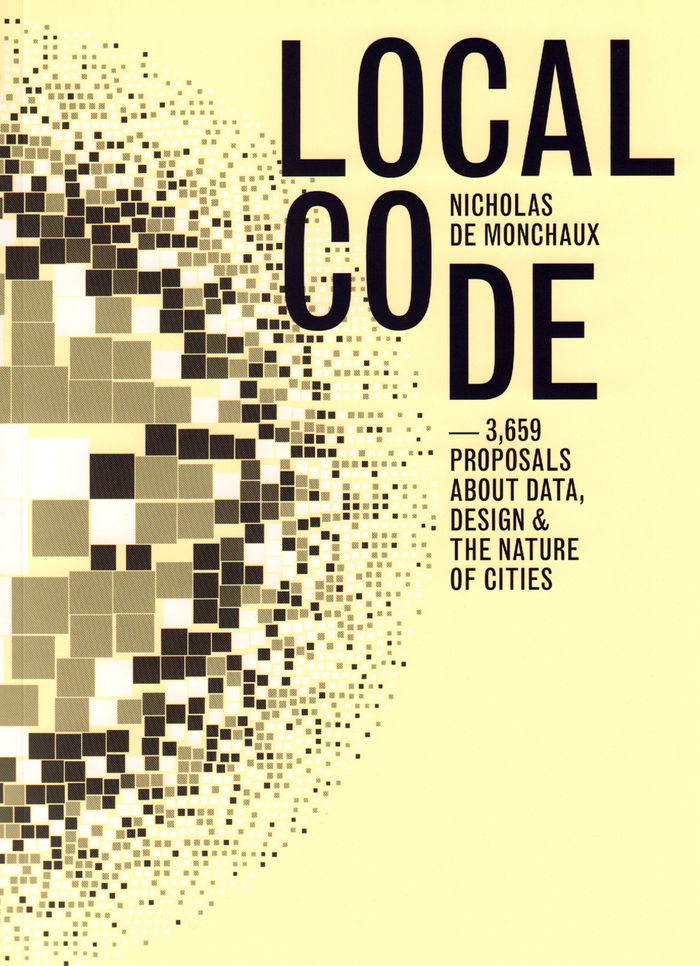
With three billion more humans projected to be living in cities by 2050, all design is increasingly urban design. And with as much data now produced every day as was produced in all of human history to the year 2007, all architecture is increasingly information architecture. Praised in the NewYork Times for its "intelligent enquiry and actionable theorizing," Local Code(...)
Title:
Local code: 3659 proposals about data, design, and the nature of cities
Actions:
Price:
$57.00
(available to order)
Summary:
With three billion more humans projected to be living in cities by 2050, all design is increasingly urban design. And with as much data now produced every day as was produced in all of human history to the year 2007, all architecture is increasingly information architecture. Praised in the NewYork Times for its "intelligent enquiry and actionable theorizing," Local Code is a collection of data-driven tools and design prototypes for understanding and transforming the physical, social, and ecological resilience of cities.'the book's data-driven layout arranges drawings of 3,659 digitally-tailored interventions for vacant public land in San Francisco, Los Angeles, New York City, and Venice, Italy. Between these illustrated case studies, critical essays present surprising and essential links between such designs and the seminal work of urbanist Jane Jacobs, artist Gordon Matta-Clark, and digital mapping pioneer Howard Fisher, along with the developing science of urban nature and complexity. In text and image, Local Code presents'a digitally prolific, open-ended approach to urban resilience and social and environmental justice; At once analytic and visionary, it pioneers a new field of enquiry and action at the meeting of big data and the expanding city.
Form:
books
books
Publication:
October 2016
October 2016
Subject:
Urban Theory
Urban Theory
Form:
books
books
Actions:
Price:
$39.95
(available to order)
Summary:
What do you do if your alley is strewn with garbage after the sanitation truck comes through? Or if you’re tired of the rowdy teenagers next door keeping you up all night? Is there a vacant lot on your block accumulating weeds, needles, and litter? For a century, Chicagoans have joined block clubs to address problems like these that make daily life in the city a(...)
Title:
Chicago's block clubs: how neighbors shape the city
Actions:
Price:
$39.95
(available to order)
Summary:
What do you do if your alley is strewn with garbage after the sanitation truck comes through? Or if you’re tired of the rowdy teenagers next door keeping you up all night? Is there a vacant lot on your block accumulating weeds, needles, and litter? For a century, Chicagoans have joined block clubs to address problems like these that make daily life in the city a nuisance. When neighbors work together in block clubs, playgrounds get built, local crime is monitored, streets are cleaned up, and every summer is marked by the festivities of day-long block parties. In Chicago’s Block Clubs, Amanda I. Seligman uncovers the history of the block club in Chicago—from its origins in the Urban League in the early 1900s through to the Chicago Police Department’s twenty-first-century community policing program. Recognizing that many neighborhood problems are too big for one resident to handle—but too small for the city to keep up with—city residents have for more than a century created clubs to establish and maintain their neighborhood’s particular social dynamics, quality of life, and appearance.
Form:
books
books
Publication:
September 2016
September 2016
Subject:
Urban Theory
Urban Theory


