


1749 Results
Form:
books
books
Title:
Buildings that feel good
Buildings that feel good
Actions:
Price:
$53.95
(available to order)
Summary:
What makes a building good? This central challenge facing architects and clients can only be answered by looking at what works well for those who know the buildings most intimately – the building's users. This book includes case studies of recent buildings that feel good. It is rooted in the physical but mediated by human experience, and may only be judged after the(...)
Subject:
Commercial interiors, Building types
Commercial interiors, Building types
Publication:
October 2008
October 2008
Title:
Buildings that feel good
Actions:
Price:
$53.95
(available to order)
Summary:
What makes a building good? This central challenge facing architects and clients can only be answered by looking at what works well for those who know the buildings most intimately – the building's users. This book includes case studies of recent buildings that feel good. It is rooted in the physical but mediated by human experience, and may only be judged after the building has been ‘lived in' and stood the test of time. The trick is to identify the relevant characteristics that will inform new buildings before they are built. Written by a briefing and design evaluation expert who specialises in optimising the experience of building users, Buildings that Feel Good distils a set of hard-won lessons synthesised from years of empirical research. It argues that a powerful key to designing good buildings is to decipher consistent principles from users' positive experience of existing buildings. The case studies include many recent highly-rated projects that cover a wide range of building types – offices, retail, industrial, infrastructure, sport and education. The lessons extracted are universal and provide valuable generic insights into the critically important briefing process.
Form:
books
books
Publication:
October 2008
October 2008
Subject:
Commercial interiors, Building types
Commercial interiors, Building types
Form:
books
books
Actions:
Price:
$27.95
(available in store)
Summary:
As London emerged from the devastation of the Second World War, planners and policymakers sought to rebuild the city in ways that would reshape the behavior of its citizens as much as it would its buildings and infrastructure—a program defined by a strong emphasis on civic order and conservative values of national community. One of the groups most significantly affected(...)
Title:
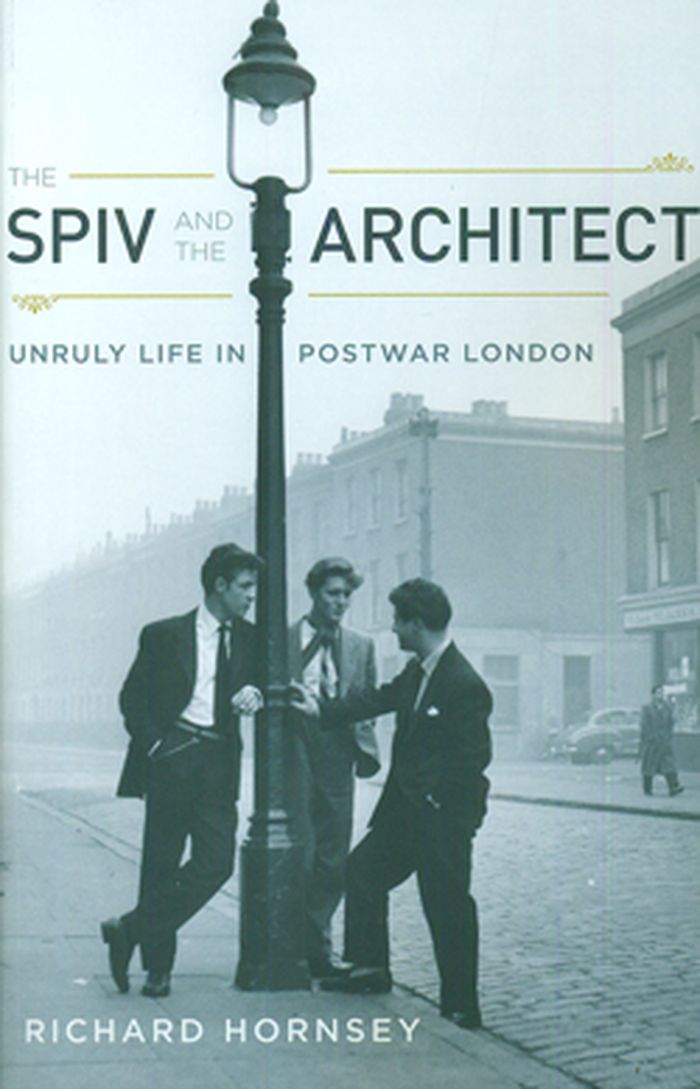
The spiv and the architect: unruly life in postwar London
Actions:
Price:
$27.95
(available in store)
Summary:
As London emerged from the devastation of the Second World War, planners and policymakers sought to rebuild the city in ways that would reshape the behavior of its citizens as much as it would its buildings and infrastructure—a program defined by a strong emphasis on civic order and conservative values of national community. One of the groups most significantly affected by this new, moralistic climate of reformation and renewal was queer men, whom the police, the media, and lawmakers targeted as an urgent urban problem by marking their lives and desires as criminal and deviant. Richard Hornsey examines how queer men legitimized, resisted, and reinvented this ambitious reconstruction program, which extended from the design of basic public spaces and municipal libraries to private living rooms and home decor. From their association with the urban stereotype of the spiv (slang for a young petty criminal who lived by his wits and shirked legitimate work) and vilification in the tabloids as perverts to the assimilated homosexuals within reformist psychology, Hornsey details how these efforts to transform London fundamentally restructured the experiences and identities of gay men in the city and throughout the country.
Form:
books
books
Publication:
April 2010
April 2010
Subject:
Gender Theory in Architecture
Gender Theory in Architecture
Form:
books
books
Actions:
Price:
$39.95
(available to order)
Summary:
Architecture has a powerful role in nation building and identity formation. Buildings and monuments not only constitute the built fabric of society, they reflect the intersection of culture, politics, economics, and aesthetics as these forces are played out in distinct social settings and distinct times. This extraordinary anthology traces the interaction between(...)
Title:
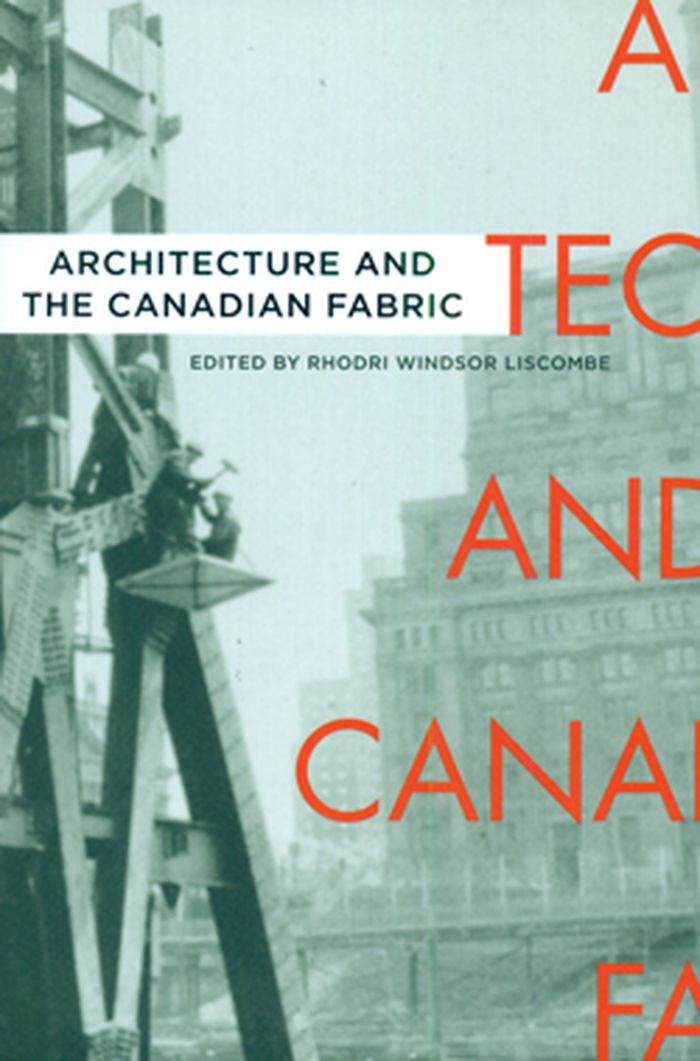
Architecture and the Canadian fabric
Actions:
Price:
$39.95
(available to order)
Summary:
Architecture has a powerful role in nation building and identity formation. Buildings and monuments not only constitute the built fabric of society, they reflect the intersection of culture, politics, economics, and aesthetics as these forces are played out in distinct social settings and distinct times. This extraordinary anthology traces the interaction between culture and politics as reflected in Canadian architecture and the infrastructure of ordinary life, from the first contacts between indigenous peoples and European missionaries to the construction of big-box shopping centres in postmodern cities. Whether focusing on Jesuit perceptions of New France, the construction of Toronto’s St. James Cathedral or Canada’s first Parliament, Brutalism in Canadian architecture, or the ideas of Marshall McLuhan and Arthur Erickson, these essays showcase ways of thinking about the built environment that extend beyond considerations of authorship and style to address the influence of cultural politics and insights from race and gender studies and from postcolonial and spatial theory. By coupling a national focus with a wide historical scope, Architecture and the Canadian Fabric transforms how we see the role of architecture and in doing so radically questions how we continue to live in, interact with, and interpret the fabricated world.
Form:
books
books
Publication:
November 2012
November 2012
Subject:
Architecture in Canada
Architecture in Canada
Form:
books
books
Actions:
Price:
$47.95
(available to order)
Summary:
The future is not as far away as it might seem. What seemed a problem of the next generation now has become a problem of tomorrow. We are accelerating towards a future that is evermore present, guided by political and economic forces that seem unintelligible. Is this quick-paced intangible progression, the role of the architect is at stake. How can architecture keep up(...)
Subject:
Architectural Theory
Architectural Theory
Publication:
June 2018
June 2018
Title:
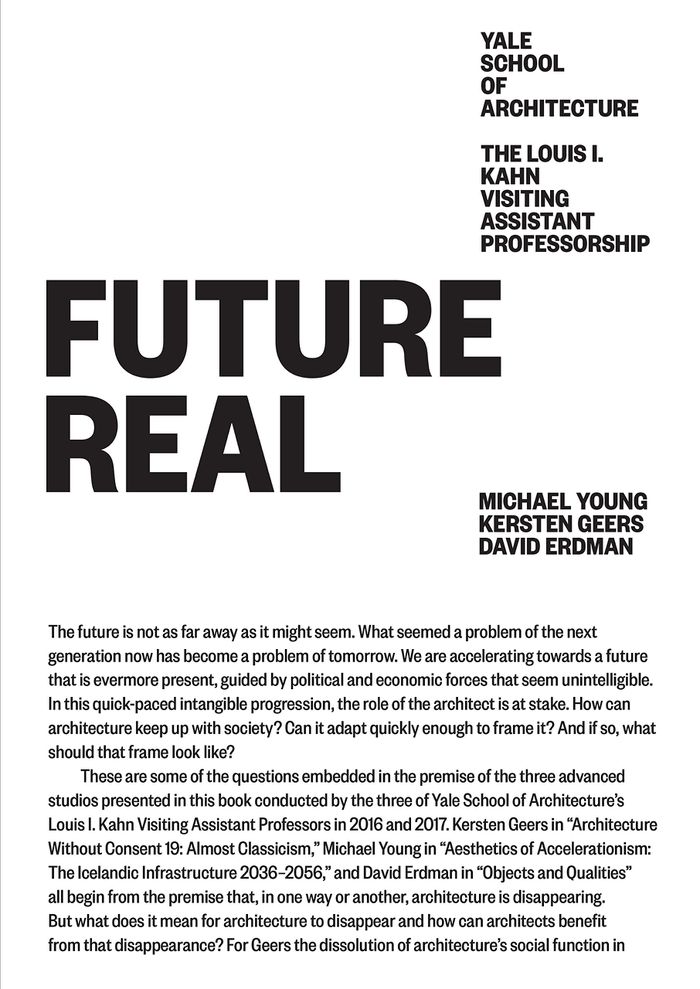
Future Real: Kersten Geers, Michael Young, David Erdman
Actions:
Price:
$47.95
(available to order)
Summary:
The future is not as far away as it might seem. What seemed a problem of the next generation now has become a problem of tomorrow. We are accelerating towards a future that is evermore present, guided by political and economic forces that seem unintelligible. Is this quick-paced intangible progression, the role of the architect is at stake. How can architecture keep up with society? Can it adapt quickly enough to frame it? And is so, what should that frame look like? These are some of the questions embedded in the premise of the three advanced studios presented in this book conducted by the three of Yale School of Architecture's Louis I. Kahn Visiting Assistant Professors in 2016 and 2017. Michael Young investigates the past from the future in "Aesthetics of Accelerationism: The Icelandic Infrastructure 2036-2056." Kersten Geers analyzes visions for agricultural ensembles for communal living in "Architecture Without Consent 19: Almost Classicism." And David Erdman looks to the potential of building on top of housing estates in Hong Kong in "Objects and Qualities." The book features interviews with the professors and essays on their specific studio topics.
Form:
books
books
Publication:
June 2018
June 2018
Subject:
Architectural Theory
Architectural Theory
Form:
books
books
Actions:
Price:
$62.00
(available to order)
Summary:
In 2014, Xu Tiantian, founder of Beijing-based studio Design and Architecture (DnA) began to work in Songyang County, in China's Zhejiang Province. Her exemplary holistic planning concept of Architectural Acupuncture, which has gained the support of local administrative and political leadership, aims at revitalising rural areas and comprises the renovation of production(...)
Subject:
Contemporary Asian Architecture
Contemporary Asian Architecture
Publication:
January 2021
January 2021
Title:
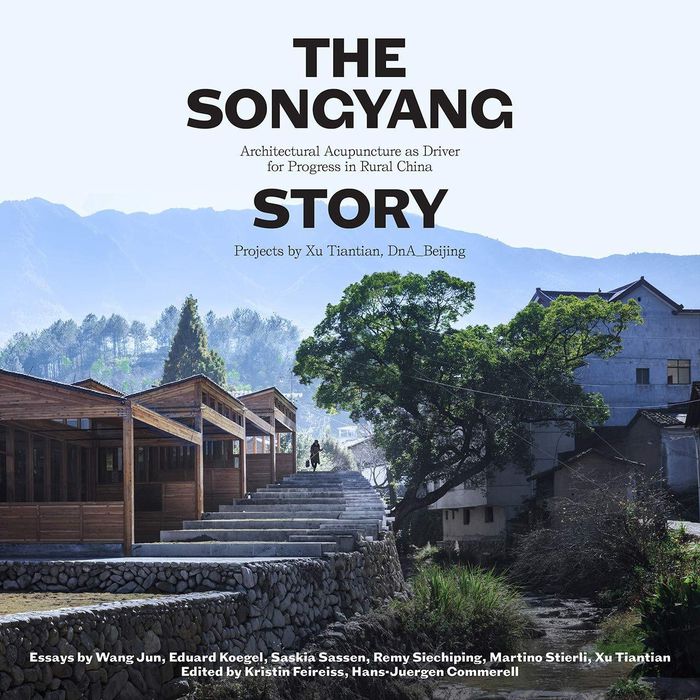
Songyang Story: architectural acupuncture as driver for socio-economic in rural China
Actions:
Price:
$62.00
(available to order)
Summary:
In 2014, Xu Tiantian, founder of Beijing-based studio Design and Architecture (DnA) began to work in Songyang County, in China's Zhejiang Province. Her exemplary holistic planning concept of Architectural Acupuncture, which has gained the support of local administrative and political leadership, aims at revitalising rural areas and comprises the renovation of production plants and of tourist and technical infrastructure as well as the creation of venues for culture and education and of social housing. Each of Xu's small-scale interventions at local level is unique, only the small budget is common to all of them. Moreover, they are all inter-related with each other and in their entirety serve the broader goal of mutual enhancement. This book introduces Xu's concept of Architectural Acupuncture and discusses the influence of architecture on cultural self-understanding and economic renewal in 21st-century rural China. It features some 20 new buildings and conversions of existing structures with diverse functions. Published alongside are essays by international economists, sociologists, and curators as well as by the secretary of the Songyang County Party Committee, examining the social, political, and economic implications of sustainable planning and collective action in the Chinese province.
Form:
books
books
Publication:
January 2021
January 2021
Subject:
Contemporary Asian Architecture
Contemporary Asian Architecture
Form:
books
books
Actions:
Price:
$56.00
(available to order)
Summary:
The last decade has seen an accelerated evolution of typologies. Today’s cities are marked by a growing digital presence and the emergence of a global sharing economy; shared spaces have increased our social and sustainable focus, drastically altered our understanding of ownership and responsibility, and redefined our experience of public and private domains. Such changes(...)
Subject:
Urban Theory
Urban Theory
Publication:
January 2021
January 2021
Title:
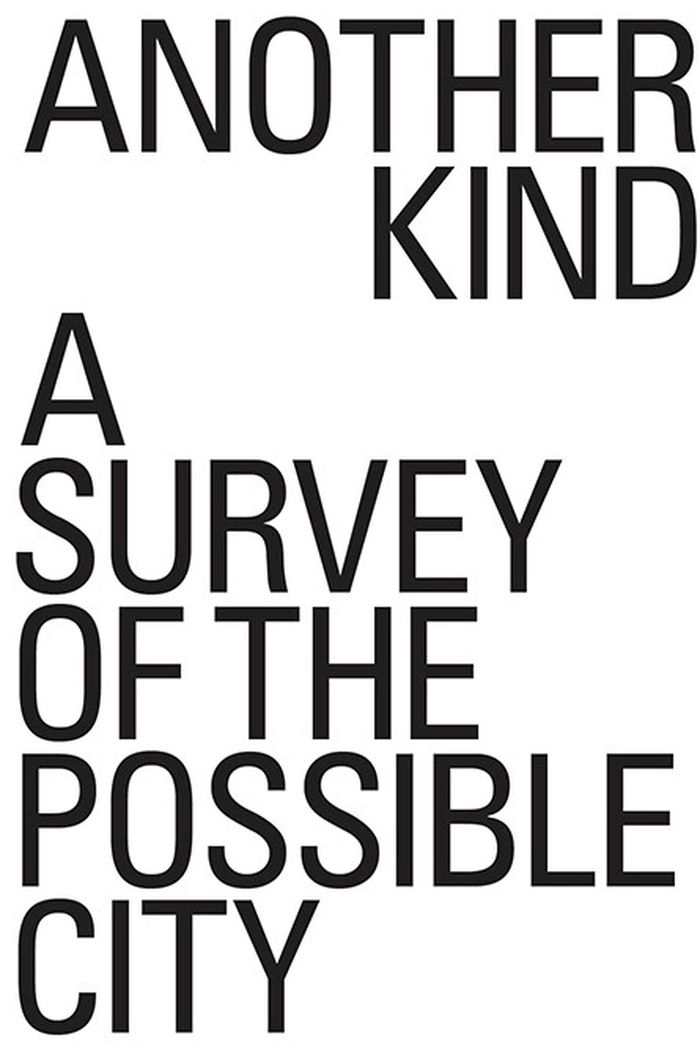
Another kind: a survey of the possible city
Actions:
Price:
$56.00
(available to order)
Summary:
The last decade has seen an accelerated evolution of typologies. Today’s cities are marked by a growing digital presence and the emergence of a global sharing economy; shared spaces have increased our social and sustainable focus, drastically altered our understanding of ownership and responsibility, and redefined our experience of public and private domains. Such changes have in turn rewritten the demands on architecture, the role of the designer, and the power of the profession. In 'Another Kind', PLP Architecture presents ten projects as case studies to examine the emergence of a new typological fluidity. These projects serve as anchors to survey the cultural landscape of the past ten years. Projects can no longer be traditionally codified and instead present themselves as assemblages of exterior influences, new cultural interests, and 21st century social habits. In 'Another Kind', projects are intertwined with essays by cultural observers both within and outside of the discipline. Through this multi-layered infrastructure and pluralistic dissection, Another Kind cracks the surface and explores the contents of architecture today. Marking this moment in time, PLP examines how we have evolved and speculates on what we can learn for the years that lie ahead.
Form:
books
books
Publication:
January 2021
January 2021
Subject:
Urban Theory
Urban Theory
Form:
books
books
Actions:
Price:
$45.00
(available in store)
Summary:
Mouna Andraos and Melissa Mongiat—together with their team at Daily tous les jours—have been creating celebrated interactive art and narrative experiences for public spaces around the world for over 15 years. Their groundbreaking work is part of an emergent practice that combines technology, storytelling, performance, and placemaking to build a new infrastructure for the(...)
Publication:
August 2025
August 2025
Title:
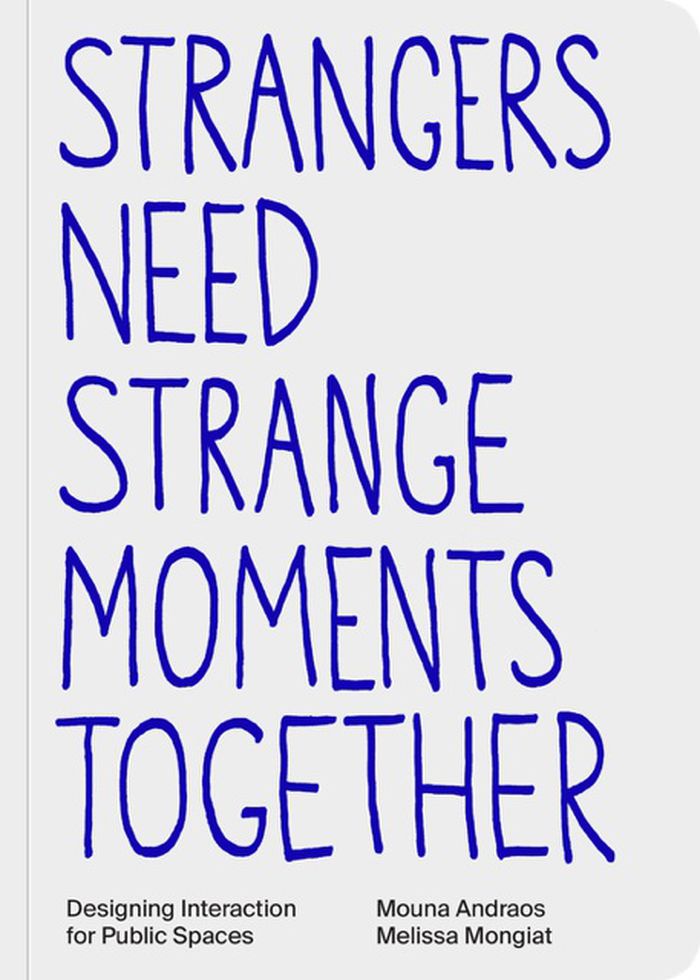
Strangers need strange moments together: Designing interaction for public spaces
Actions:
Price:
$45.00
(available in store)
Summary:
Mouna Andraos and Melissa Mongiat—together with their team at Daily tous les jours—have been creating celebrated interactive art and narrative experiences for public spaces around the world for over 15 years. Their groundbreaking work is part of an emergent practice that combines technology, storytelling, performance, and placemaking to build a new infrastructure for the human spirit. In ''Strangers Need Strange Moments Together'', Andraos and Mongiat invite a broad range of readers—fellow practitioners, urbanists, policy makers, educators, and engaged citizens—to take a joyful approach to building resilient urban communities and re-enchanting public space. In times of unprecedented pace of urban growth, with increasing loneliness and division, they shed light on the importance of moving beyond purely data-driven urban planning methodologies—which prioritize productivity, efficiency, and automation—and forging new modes of public interaction. Cities must be spaces for the whimsical, unexpected, and weird, and for the wasted time and strange moments of serendipitous encounter. Andraos and Mongiat use the raw material of the “daily everyday” to propose new models of living together in the 21st century, and to foreground the dimensions of life that characterize what it means to be human in the first place.
Form:
books
books
Publication:
August 2025
August 2025
Form:
books
books
Price:
$67.95
(available in store)
Summary:
Homelessness is one of the most pressing social challenges of our time, and is closely linked to issues of urban design and architecture. Homeless people are part of urban society and depend on accessible public spaces and urban infrastructure. Yet, in cities around the world, local governments use policies and urban planning to ward off street people, aiming at making(...)
Title:
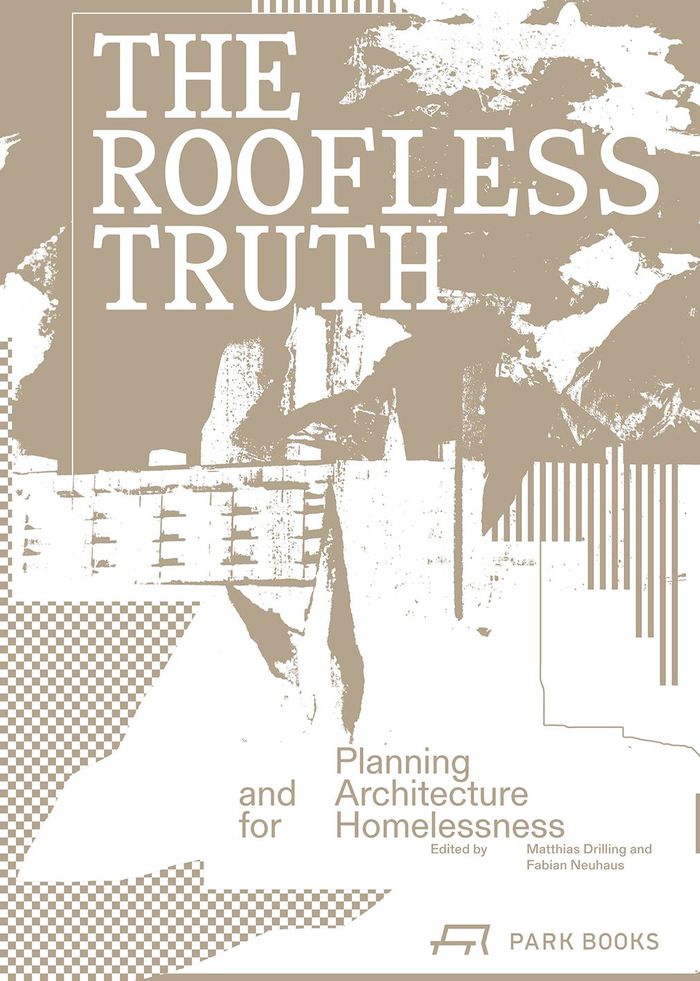
The roofless truth: planning and architecture for homelessness
Actions:
Price:
$67.95
(available in store)
Summary:
Homelessness is one of the most pressing social challenges of our time, and is closely linked to issues of urban design and architecture. Homeless people are part of urban society and depend on accessible public spaces and urban infrastructure. Yet, in cities around the world, local governments use policies and urban planning to ward off street people, aiming at making them invisible in the cityscape and deliberately impeding certain forms of stay. Urban design always reflects power structures—it can exclude or open up avenues for participation. ''The Roofless Truth'' brings together contributions by international researchers and practitioners from the fields of architecture, urban development and design, sociology, ethnology, social work, and education. It offers academic analyses and essays, field reports, and student proposals for interventions in public space, and features award-winning projects and initiatives in Canada, Germany, Iran, Switzerland, and the US. The book highlights how public spaces should be designed to offer protection, dignity, and opportunities for homeless people, and to facilitate encounters and interaction. The featured examples impressively demonstrate that even the smallest spatial decision can determine inclusion or exclusion. ''The Roofless Truth'' paints a multifaceted picture of planning and design as a social practice beyond representation and prestige.
Form:
books
books
Publication:
July 2026
July 2026
Subject:
Humans and cities
Humans and cities
Form:
books
books

Price:
$84.95
(available to order)
Summary:
The all-out war in Ukraine, started by the Russian Federation in 2022 has disproportionally affected housing and residential infrastructure. The destruction is so targeted, and the damage so significant that it has disfigured entire neighborhoods and erased entire cities. With the scale of damage and loss in mind, and the future wide-ranging reconstruction that will(...)
Title:
Mass Housing in Ukraine: Building Typologies and Catalogue of Series
Actions:
Price:
$84.95
(available to order)
Summary:
The all-out war in Ukraine, started by the Russian Federation in 2022 has disproportionally affected housing and residential infrastructure. The destruction is so targeted, and the damage so significant that it has disfigured entire neighborhoods and erased entire cities. With the scale of damage and loss in mind, and the future wide-ranging reconstruction that will inevitably take place after the war, this study examines the history and typologies of mass housing in Ukraine. It does so in order to evaluate what is lost, explain the diversity of modes of urban living that exist in Ukrainian cities, and finally, reconsider the narrative of how Ukrainian housing came about. The study covers the period of the last 100 years: the time of the most dramatic expansion and change in character of Ukrainian cities. It begins with the experimental buildings constructed in the Soviet Central and Eastern Ukraine and Polish Western Ukraine in the 1920s and 1930s, continues by looking at type projects from the Stalin era, as well as the serial apartment blocks built during the reigns of Khrushchev and Brezhnev and in the late USSR. Finally, it showcases individually designed, yet also typical residential buildings from the turbo-capitalist period of the 1990s and 2000s.
Form:
books
books
Publication:
November 2024
November 2024
Subject:
Collective Housing
Collective Housing
Form:
books
books
Title:
Dead cities and other tales
Dead cities and other tales
Actions:
Price:
$38.95
(available in store)
Summary:
For the late great Mike Davis, the ravaging of the climate by capital—and his prescient analysis of its consequences for those of us left to deal with the resulting crises—was always a central part of his urban geography. In these wide ranging, incisive, and hauntingly relevant essays, Davis asks us to consider what we would find if we put a microscope to the ruins of(...)
Title:
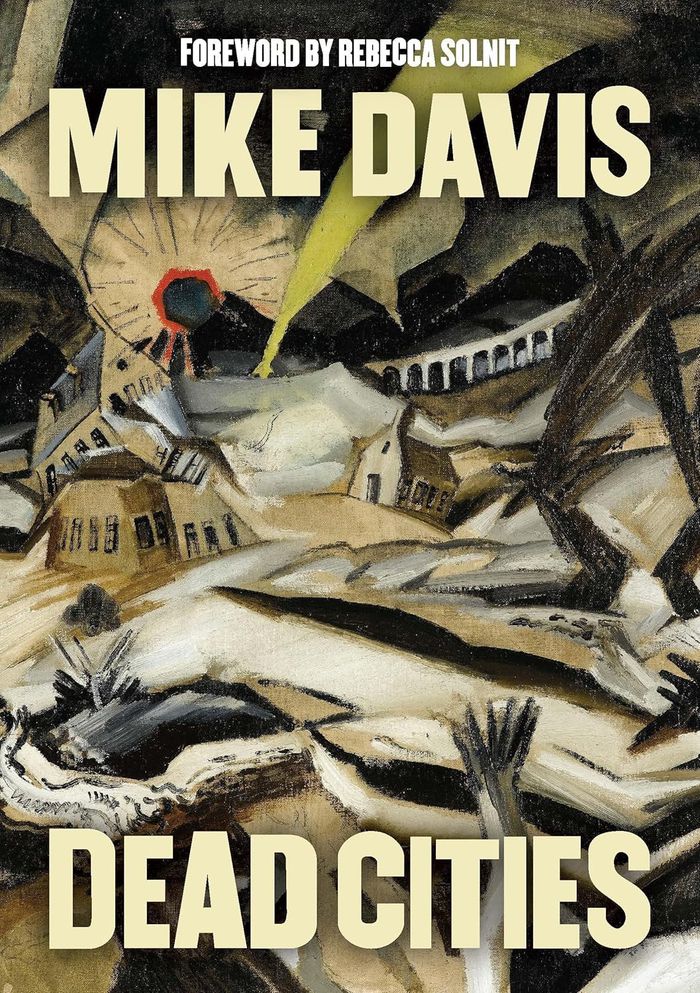
Dead cities and other tales
Actions:
Price:
$38.95
(available in store)
Summary:
For the late great Mike Davis, the ravaging of the climate by capital—and his prescient analysis of its consequences for those of us left to deal with the resulting crises—was always a central part of his urban geography. In these wide ranging, incisive, and hauntingly relevant essays, Davis asks us to consider what we would find if we put a microscope to the ruins of Metropolis, and provides a riveting account of the disasters—natural, man-made, and those (as in the case of climate calamity) where the distinction is impossible to make—that he finds on the other end. He begins his examination by sifting through the rubble of the twin towers in the wake of 9/11, presciently identifying the seeds of war already germinating in the scorched soil of ground zero, and closes by considering how little prepared our hollowed out urban infrastructure is to deal with shocks of any kind, be they from car bombs or ice storms. In between we are treated to tours of blasted wastelands where American generals built and destroyed replicas of Berlin, glimpses of Las Vegas’s penchant for annihilating its own best-known landmarks, and other riveting tales of the dialectic between nature and the city.
Form:
books
books
Publication:
October 2024
October 2024
Subject:
Urban Theory
Urban Theory


