


3114 Results
Form:
books
books
Actions:
Price:
$64.00
(available in store)
Summary:
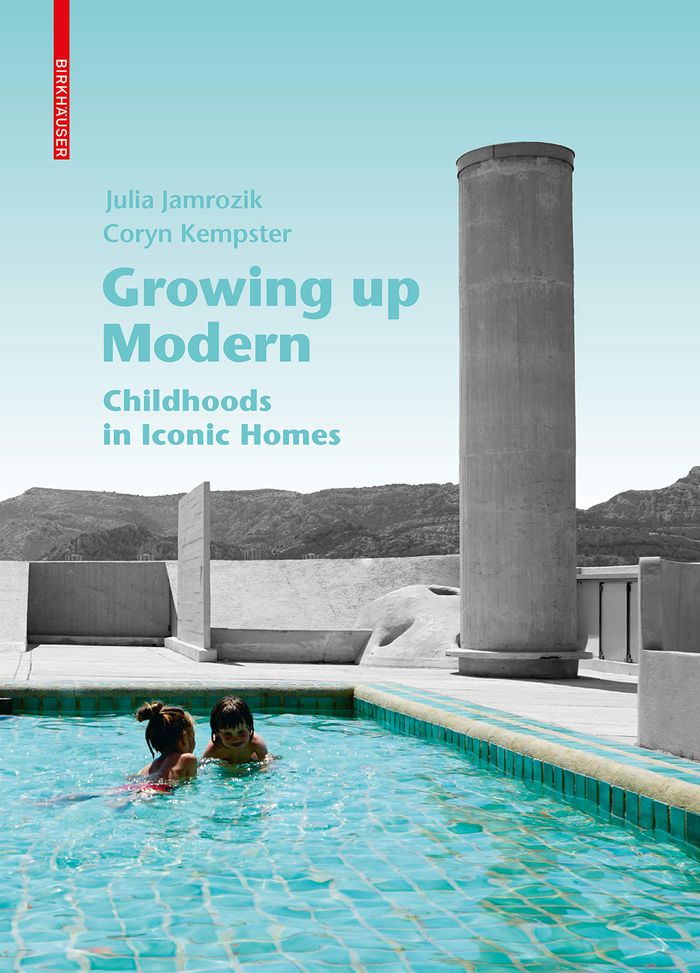
What was it like to grow up in a Modernist residence? Did these radical environments shape the way that children looked at architecture later in life? The oral history in this book paint a uniquely intimate portrait of Modernism. The authors conducted interviews with people, who spent their childhood in radical Modernist domestic spaces, uncovering both serene and(...)
Title:
Growing up modern: Childhoods in iconic homes
Actions:
Price:
$64.00
(available in store)
Summary:
What was it like to grow up in a Modernist residence? Did these radical environments shape the way that children looked at architecture later in life? The oral history in this book paint a uniquely intimate portrait of Modernism. The authors conducted interviews with people, who spent their childhood in radical Modernist domestic spaces, uncovering both serene and poignant memories. The recollections range from the ambivalence of philosopher Ernst Tugendhat, now 90 years old, who lived in the famous Mies van der Rohe house in Brno (1930) to the fond reminiscing of the youngest daughter of the Schminke family, who still dreams of her Scharoun-designed ship-like villa in Löbau (1933). The book offers a unique, private and often refreshing perspective on these icons of the avant-garde.
Form:
books
books
Publication:
May 2021
May 2021
Subject:
Modernism
Modernism
Form:
books
books
Actions:
Holdings:
Description:
vi, 321 pages : illustrations (some color) ; 26 cm.
Description:
vi, 321 pages : illustrations (some color) ; 26 cm.
Author:
Subject:
Publication:
Cambridge, Mass. : MIT Press, [1998], ©1998
Cambridge, Mass. : MIT Press, [1998], ©1998
Title:
The springboard in the pond : an intimate history of the swimming pool / Thomas A.P. van Leeuwen ; edited by Helen Searing.
Actions:
Holdings:
Description:
vi, 321 pages : illustrations (some color) ; 26 cm.
The springboard in the pond : an intimate history of the swimming pool / Thomas A.P. van Leeuwen ; edited by Helen Searing.
Actions:
Holdings:
Description:
vi, 321 pages : illustrations (some color) ; 26 cm.
Form:
books
books
Publication:
Cambridge, Mass. : MIT Press, [1998], ©1998
Cambridge, Mass. : MIT Press, [1998], ©1998
Author:
Subject:
Form:
books
books
Actions:
Holdings:
Description:
639 pages : illustrations (chiefly color), color maps ; 25 cm
Description:
639 pages : illustrations (chiefly color), color maps ; 25 cm
Author:
Subject:
Publication:
Rotterdam : 010 Publishers, 2011.
Rotterdam : 010 Publishers, 2011.
Title:
Town planning in the Netherlands since 1800 : responses to enlightenment ideas and geopolitical realities / Cor Wagenaar.
Actions:
Holdings:
Description:
639 pages : illustrations (chiefly color), color maps ; 25 cm
Town planning in the Netherlands since 1800 : responses to enlightenment ideas and geopolitical realities / Cor Wagenaar.
Actions:
Holdings:
Description:
639 pages : illustrations (chiefly color), color maps ; 25 cm
Form:
books
books
Publication:
Rotterdam : 010 Publishers, 2011.
Rotterdam : 010 Publishers, 2011.
Author:
Subject:
Form:
books
books
Price:
$29.95
(available to order)
Summary:
Architecture’s Evil Empire, looks at how today’s trademark architectural individualism stretches beyond the well-known works and ultimately extends to the entire built environment. Glendinning examines how the global empire of the current modernism emerged—particularly in relation to the excesses of global capitalism—and explains its key organizational and architectural(...)
Title:
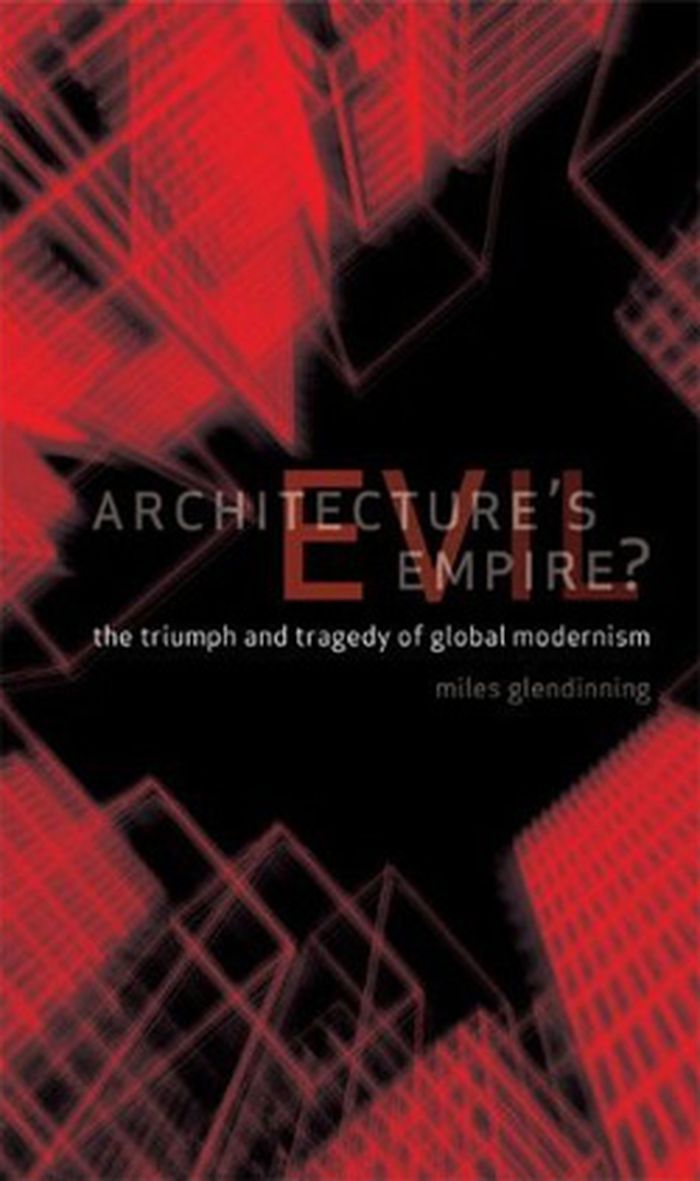
Architecture's evil empire: The triumph and tragedy of global modernism
Actions:
Price:
$29.95
(available to order)
Summary:
Architecture’s Evil Empire, looks at how today’s trademark architectural individualism stretches beyond the well-known works and ultimately extends to the entire built environment. Glendinning examines how the global empire of the current modernism emerged—particularly in relation to the excesses of global capitalism—and explains its key organizational and architectural features, placing its most influential theorists and designers in a broader context of history and artistic movements.
Form:
books
books
Publication:
October 2010
October 2010
Subject:
Architectural Theory
Architectural Theory
Form:
books
books
Actions:
Holdings:
Description:
175 pages illustrations (chiefly color), color maps 24 cm
Description:
175 pages illustrations (chiefly color), color maps 24 cm
Author:
Subject:
Publication:
Tallinn : Estonian Museum of Architecture, [2020]
Tallinn : Estonian Museum of Architecture, [2020]
Title:
Tallinn architecture 1900-2020 : architecture guide / Karin Hallas-Murula.
Actions:
Holdings:
Description:
175 pages illustrations (chiefly color), color maps 24 cm
Tallinn architecture 1900-2020 : architecture guide / Karin Hallas-Murula.
Actions:
Holdings:
Description:
175 pages illustrations (chiefly color), color maps 24 cm
Form:
books
books
Publication:
Tallinn : Estonian Museum of Architecture, [2020]
Tallinn : Estonian Museum of Architecture, [2020]
Author:
Subject:
Form:
books
books
Price:
$44.50
(available to order)
Summary:
In Flintstone Modernism, Jeffrey Lieber investigates transformations in postwar American architecture and culture. He considers sword-and-sandal films of the 1950s and 1960s—including forgotten gems such as Land of the Pharaohs, Helen of Troy, and The Egyptian—and their protean, ideologically charged representations of totalitarianism and democracy. He connects(...)
Title:
Flintstone modernism: or the crisis in postwar American culture
Actions:
Price:
$44.50
(available to order)
Summary:
In Flintstone Modernism, Jeffrey Lieber investigates transformations in postwar American architecture and culture. He considers sword-and-sandal films of the 1950s and 1960s—including forgotten gems such as Land of the Pharaohs, Helen of Troy, and The Egyptian—and their protean, ideologically charged representations of totalitarianism and democracy. He connects Cinemascope and other widescreen technologies to the architectural “glass curtain wall,” arguing that both represented the all-encompassing eye of American Enterprise. Lieber reminds us that until recently midcentury modern American architecture was reviled by architectural historians but celebrated by design enthusiasts, just as sword-and-sandal epics are alternately hailed as cult classics or derided as camp.
Form:
books
books
Publication:
February 2018
February 2018
Subject:
Architectural Theory
Architectural Theory
Form:
books
books
Actions:
Holdings:
Description:
214 pages : illustrations (some color) ; 24 cm
Description:
214 pages : illustrations (some color) ; 24 cm
Author:
Subject:
Publication:
Milano : Charta ; Logano : Fondazione Galleria Gottardo, ©1998.
Milano : Charta ; Logano : Fondazione Galleria Gottardo, ©1998.
Title:
Pagine di fotografia italiana, 1900-1998 = Pages of Italian photography, 1900-1998 / Roberta Valtorta ; [traduzione = translation, Howard Rodger MacLean].
Actions:
Holdings:
Description:
214 pages : illustrations (some color) ; 24 cm
Pagine di fotografia italiana, 1900-1998 = Pages of Italian photography, 1900-1998 / Roberta Valtorta ; [traduzione = translation, Howard Rodger MacLean].
Actions:
Holdings:
Description:
214 pages : illustrations (some color) ; 24 cm
Form:
books
books
Publication:
Milano : Charta ; Logano : Fondazione Galleria Gottardo, ©1998.
Milano : Charta ; Logano : Fondazione Galleria Gottardo, ©1998.
Author:
Subject:
Form:
books
books
Actions:
Price:
$45.00
(available in store)
Summary:
Modern architecture is inseparably linked with the Industrial Revolution. Industrially manufactured materials such as iron, steel, reinforced concrete, glass, asbestos, and later also plastics, have helped to make architecture modern. The Industrial Revolution also set planetary warming in motion. Thus, it is not far-fetched to claim that there are also correlations(...)
Title:
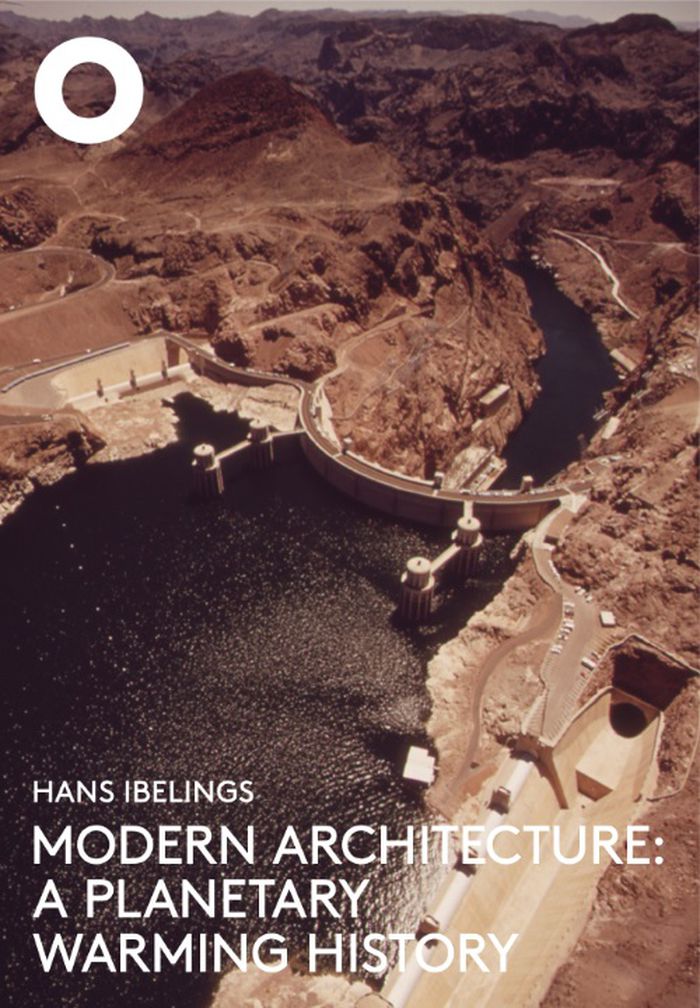
Modern architecture: A planetary warming history
Actions:
Price:
$45.00
(available in store)
Summary:
Modern architecture is inseparably linked with the Industrial Revolution. Industrially manufactured materials such as iron, steel, reinforced concrete, glass, asbestos, and later also plastics, have helped to make architecture modern. The Industrial Revolution also set planetary warming in motion. Thus, it is not far-fetched to claim that there are also correlations between modern architecture and planetary warming. This book is a rough sketch of a proposed history of modern architecture since the beginning of the Industrial Revolution. It aims to break away from the established neural networks of the profession’s collective memory of how modern architecture’s history has unfolded, and offers the beginning of a rewiring: by introducing new actors, and highlighting ideas and projects that deal with climate and environment, while relegating some of the usual stars of modernism and postmodernism to the background.
Form:
books
books
Publication:
March 2023
March 2023
Subject:
Modernism
Modernism
Form:
books
books
Actions:
Price:
$56.00
(available to order)
Summary:
Between 1929 and 1943, an outstanding new lifestyle magazine called Die Neue Linie (“The New Line”) was published by Beyer Press in Leipzig. No other publication in this period was so consistent in bringing avant-garde typographic ideas to a mass audience, as leading graphic designers from the Bauhaus, including László Moholy-Nagy, Umbo and Herbert Bayer, steered the look(...)
Title:
Bauhaus at the newsstand: Die Neue Linie 1929-1943
Actions:
Price:
$56.00
(available to order)
Summary:
Between 1929 and 1943, an outstanding new lifestyle magazine called Die Neue Linie (“The New Line”) was published by Beyer Press in Leipzig. No other publication in this period was so consistent in bringing avant-garde typographic ideas to a mass audience, as leading graphic designers from the Bauhaus, including László Moholy-Nagy, Umbo and Herbert Bayer, steered the look of the magazine, whose contents combined fashion, literature, graphic design and art. Unembellished fonts, dynamic diagonals and dramatic use of photomontage were key to the journal's striking appearance. Its authors included Walter Gropius, Aldous Huxley, Gottfried Benn and Thomas Mann. The Bauhaus at the Newsstand illustrates the turbulent times in which the magazine appeared, reproducing spreads, statements, articles, a visual checklist of every issue and analyses of the magazine's delicate balancing act between modernism and conformity.
Form:
books
books
Publication:
February 2010
February 2010
Subject:
Modernism
Modernism
Form:
books
books
Actions:
Price:
$24.95
(available to order)
Summary:
The German architect Konrad Wachsmann (1901–80) played a major role in the development of industrialized building production, notably through his collaboration with Walter Gropius on a "Packaged House System" for prefabricated homes that could be assembled in under nine hours (Wachsmann was also known for the summer house he designed for Albert Einstein). This catalog(...)
Title:
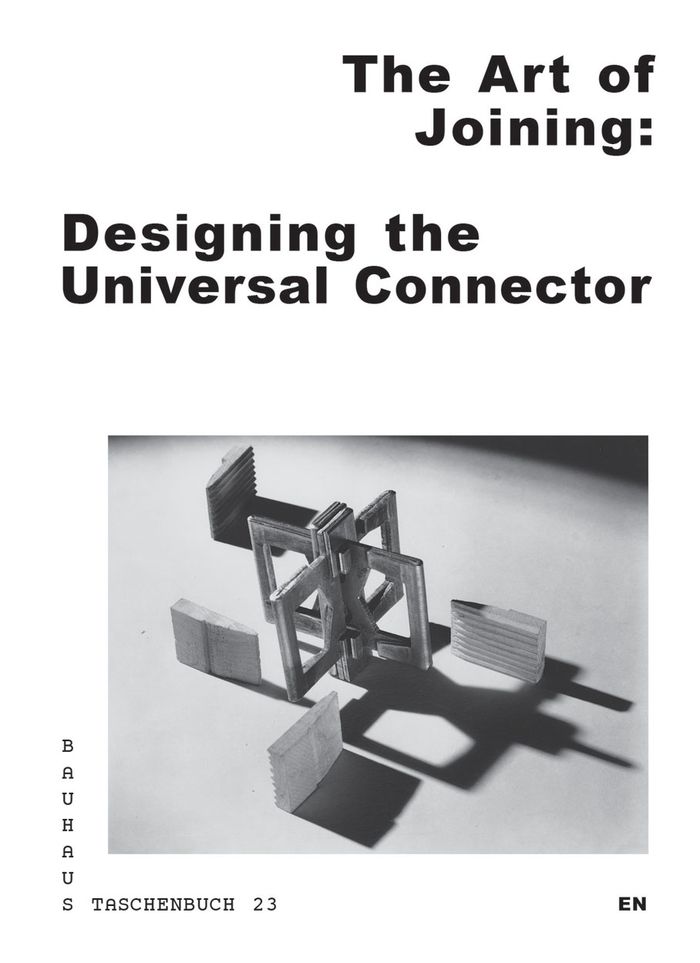
The art of joining: designing the universal connector. Bauhaus Taschenbuch 23
Actions:
Price:
$24.95
(available to order)
Summary:
The German architect Konrad Wachsmann (1901–80) played a major role in the development of industrialized building production, notably through his collaboration with Walter Gropius on a "Packaged House System" for prefabricated homes that could be assembled in under nine hours (Wachsmann was also known for the summer house he designed for Albert Einstein). This catalog collects research conducted at the Bauhaus in 2018 focusing on the decisive and historic importance of the universal wedge connector, one of Wachsmann’s key contributions that radically expanded the capacity for industrialized home production in its deceptively simple design, saving considerable time and cost. The collected texts by scientists and designers position the connector as "the cornerstone of an industrialized building system," and elaborately trace the historical contexts of postwar modernism and industrial design that led to the development of this decisive piece of technology.
Form:
books
books
Publication:
September 2019
September 2019
Subject:
Modernism
Modernism


