


1998 Results
Form:
books
books
Actions:
Price:
$29.95
(available to order)
Summary:
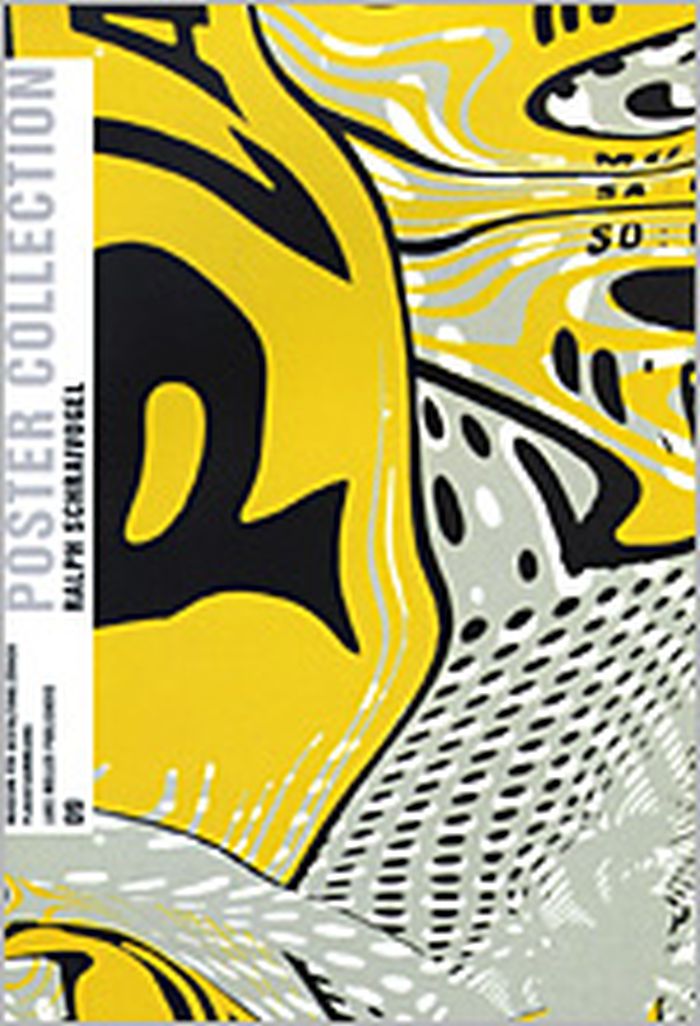
This eighth book in a series from the Poster Collection of the Zurich Museum für Gestaltung focuses on the work of Ralph Schraivogel. Schraivogel was born in 1960 in Lucerne, Switzerland. He studied at the Zurich School of Design and, upon his graduation in 1982, opened his own graphic design studio in Zurich. Long-term clients include Film Podium, the Zurich repertory(...)
Title:
Poster collection 09 : Ralph Schraivogel
Actions:
Price:
$29.95
(available to order)
Summary:
This eighth book in a series from the Poster Collection of the Zurich Museum für Gestaltung focuses on the work of Ralph Schraivogel. Schraivogel was born in 1960 in Lucerne, Switzerland. He studied at the Zurich School of Design and, upon his graduation in 1982, opened his own graphic design studio in Zurich. Long-term clients include Film Podium, the Zurich repertory cinema, and the Zurich Museum fur Gestaltung. Since opening his studio, Schraivogel has worked with many cultural institutions, such as the Kunsthaus Zurich, Theater am Neumarkt, the Jazz Festival Zurich, the Literature Days in Solothurn and the African Film Festival in Zurich. Among his multiple awards are the Gold Medal at the 1994 Warsaw Poster Biennial, the Gold Medal at the 1994 Moscow Poster Biennial, the Gold Medal at the 1997 Chaumont Poster Festival, the Grand Prix at the 1998 Brno Poster Biennial, and the Gold Medal at the 2001 Ningbo International Poster Exhibition. Schraivogel is the three-time winner of the Swiss Federal Prize for Applied Art and the twelve-time winner of the Best Swiss Poster of the Year Award.
Form:
books
books
Publication:
January 2004, Zürich
January 2004, Zürich
Subject:
Graphic Design and Typography
Graphic Design and Typography
Form:
books
books
Actions:
Price:
$42.95
(available in store)
Summary:
American visual artist and scholar Joseph Grigely (born 1956) here brings together writings, lectures, interviews and documentation of his work spanning 40 years. Deaf since the age of 10, his art and writing have long questioned and made use of various modes of communication—photographs, handwritten notes, lipreading, newspaper headlines, paintings and TV captions—to(...)
Title:
Joseph Grigely: Otherhow: Essays and documents on art and disability, 1985-2024
Actions:
Price:
$42.95
(available in store)
Summary:
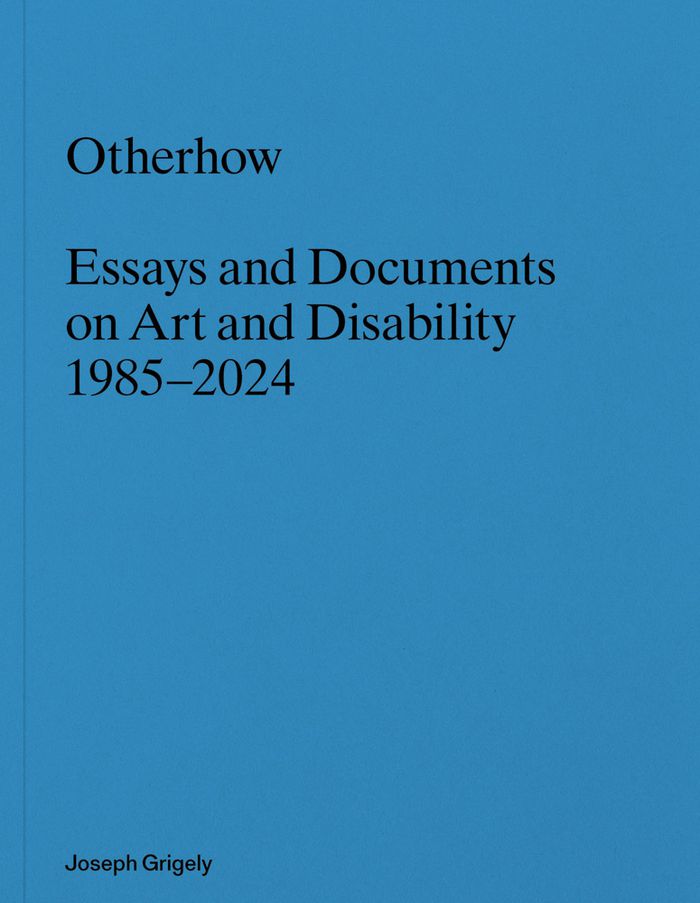
American visual artist and scholar Joseph Grigely (born 1956) here brings together writings, lectures, interviews and documentation of his work spanning 40 years. Deaf since the age of 10, his art and writing have long questioned and made use of various modes of communication—photographs, handwritten notes, lipreading, newspaper headlines, paintings and TV captions—to examine and scrutinize the ableism embedded in cultural and media production. ''Otherhow'' interrogates modes of access and analyzes how issues of accessibility and their resolution provide a benefit to everyone, not just the disabled. Chapters devoted to art, access and advocacy underpin the interconnected nature of these issues. Letters of complaint, faxes and emails, unpublished op-eds, exhibition proposals, statements on equality and access: each provides a glimpse into how Grigely’s work has been shaped by—or constructed from—the "tangled process" of opening access. The book is rounded out by a series of visual inventories: collections of images that document failures of access or, in the case of the obituaries, highlight those who had a disability or were activists working to establish greater access for those with disabilities.
Form:
books
books
Publication:
February 2026
February 2026
Subject:
Contemporary Art Monographs
Contemporary Art Monographs
Form:
books
books
Actions:
Price:
$21.95
(available to order)
Summary:
In 1990 Jacques Chirac, the future president of France and a passionate fan of non-European art, met Jacques Kerchache, a maverick art collector with the lifelong ambition of displaying African sculpture in the holy temple of French culture, the Louvre. Together they began laying plans, and ten years later African fetishes were on view under the same roof as the Mona(...)
Title:
Paris primitive : Jacques Chirac's museum on the quai branly
Actions:
Price:
$21.95
(available to order)
Summary:
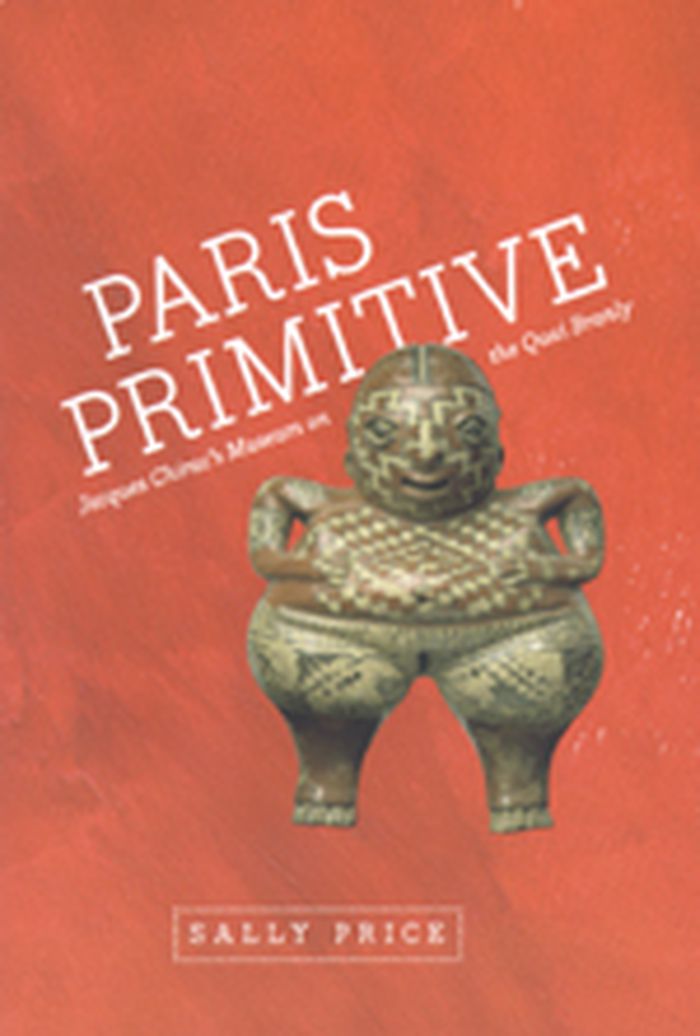
In 1990 Jacques Chirac, the future president of France and a passionate fan of non-European art, met Jacques Kerchache, a maverick art collector with the lifelong ambition of displaying African sculpture in the holy temple of French culture, the Louvre. Together they began laying plans, and ten years later African fetishes were on view under the same roof as the Mona Lisa. Then, in 2006, amidst a maelstrom of controversy and hype, Chirac presided over the opening of a new museum dedicated to primitive art in the shadow of the Eiffel Tower: the Musée du Quai Branly. Paris Primitive recounts the massive reconfiguration of Paris’s museum world that resulted from Chirac’s dream, set against a backdrop of personal and national politics, intellectual life, and the role of culture in French society. Along with exposing the machinations that led to the MQB’s creation, Sally Price addresses the thorny questions it raises about the legacy of colonialism, the balance between aesthetic judgments and ethnographic context, and the role of institutions of art and culture in an increasingly diverse France. Anyone with a stake in the myriad political, cultural, and anthropological issues raised by the MQB will find Price’s account fascinating.
Form:
books
books
Publication:
September 2007, Chicago London
September 2007, Chicago London
Subject:
Museology
Museology
Form:
books
books
Actions:
Price:
$65.00
(available in store)
Summary:
To commemorate the official opening of the Inuit Art Centre, now named Qaumajuq, Winnipeg Art Gallery director and CEO, Dr. Stephen Borys, set out to share the story of this extraordinary museum and building project. His book, Journey North: The Inuit Art Centre Project, traces the history of the centre beginning with the establishment of the Winnipeg Art Gallery in 1912,(...)
Title:
Journey North: The Inuit Art Centre Project
Actions:
Price:
$65.00
(available in store)
Summary:
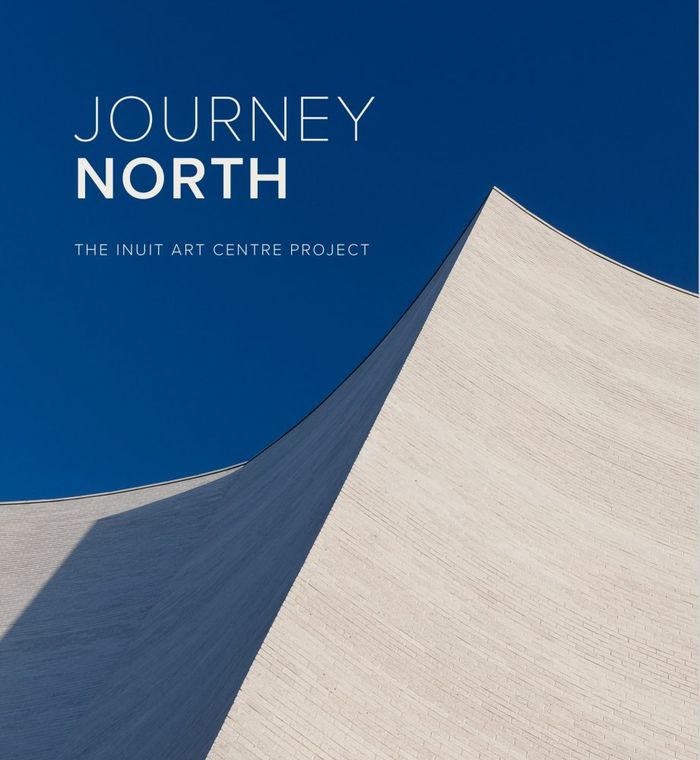
To commemorate the official opening of the Inuit Art Centre, now named Qaumajuq, Winnipeg Art Gallery director and CEO, Dr. Stephen Borys, set out to share the story of this extraordinary museum and building project. His book, Journey North: The Inuit Art Centre Project, traces the history of the centre beginning with the establishment of the Winnipeg Art Gallery in 1912, when the foundation was laid to support a diverse and far-reaching mission that could embrace both historical and contemporary artmaking on national and international levels. By the time director Dr. Ferdinand Eckhardt arrived at the gallery in 1953, and discovered Inuit stone carving at the Hudson’s Bay Company department store located across the street from the WAG, the idea of assembling a collection to celebrate this Indigenous art form moved closer to reality. This account of the development of the Inuit Art Centre includes different historical and contemporary perspectives and voices through a compilation of texts and images. In addition to the key essay by the book’s author Stephen Borys, several writers from across the country have shared their stories about the gallery, the Inuit art collection, and the building project.
Form:
books
books
Publication:
April 2021
April 2021
Subject:
Museums and Universal Exhibitions
Museums and Universal Exhibitions
Form:
books
books
Title:
Neues Museum
Neues Museum
Actions:
Price:
$50.00
(available to order)
Summary:
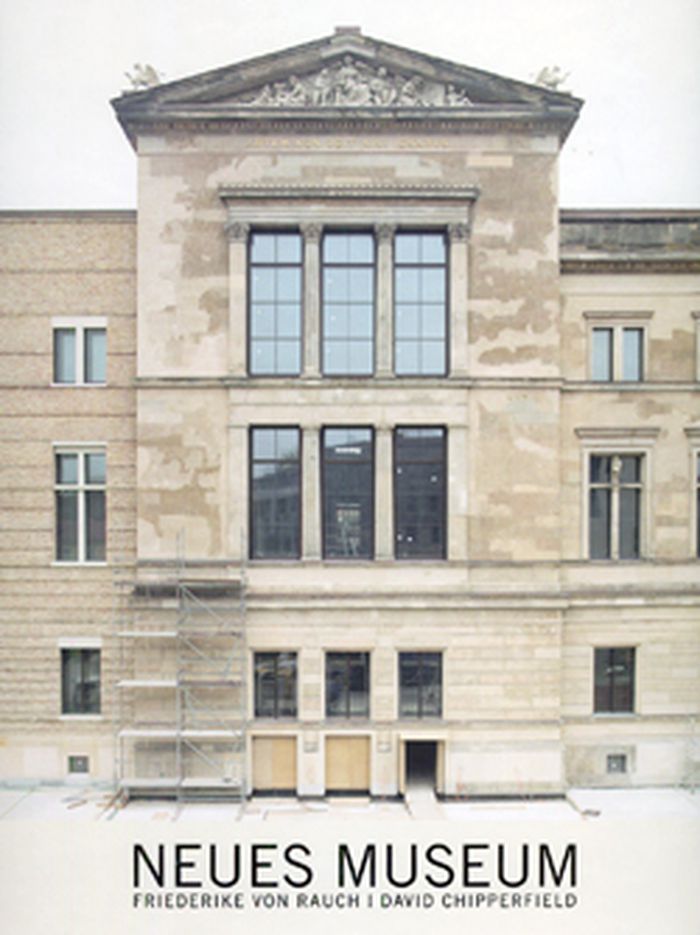
The Neues Museum - an important mid-nineteenth century example of Neoclassical architecture and the centerpiece of Berlin's Museum Island - was badly damaged during World War II. From 1997-2009, British architect David Chipperfield worked to restore the structure - which was originally completed by Friedrich August Stueler in 1859 - to its pre-war function. Located behind(...)
Subject:
Architecture Monographs
Architecture Monographs
Publication:
September 2009
September 2009
Title:
Neues Museum
Actions:
Price:
$50.00
(available to order)
Summary:
The Neues Museum - an important mid-nineteenth century example of Neoclassical architecture and the centerpiece of Berlin's Museum Island - was badly damaged during World War II. From 1997-2009, British architect David Chipperfield worked to restore the structure - which was originally completed by Friedrich August Stueler in 1859 - to its pre-war function. Located behind the Altes Museum, the space housed the Egyptian Collection. Chipperfield's controversial plans followed a principle of conservation (or amalgamation) rather than reconstruction; he preserved the skeleton of the original building, with its elaborate finishes, attractive brickwork, frescoes and ornamentation, merging and contrasting these characteristics with his own subtle interpolations of clean white lines and quiet geometrical structures. The results are astounding, setting new standards in the field and opening up exciting possibilities for museum conversions. This volume celebrates Chipperfield's work in a series of images by the Berlin-based architectural photographer Friederike von Rauch. Von Rauch is well known for her unusual and exacting approach to architectural photography : eschewing digital technology and only using natural light, she presents a crisp and vibrant series of images that eloquently tell the story of Chipperfield's unorthodox but successful restoration.
Form:
books
books
Publication:
September 2009
September 2009
Subject:
Architecture Monographs
Architecture Monographs
Form:
books
books

Actions:
Price:
$25.95
(available to order)
Summary:
The 2010 Shanghai Expo is unparalleled, a gathering like no other. One of the top experiences at the Shanghai Expo is the USA Pavilion, perhaps the leading international attraction of the entire Fair. At least 70 million guests are expected to tour the fairgrounds, making the Expo not just the largest World's Fair in history, but also the largest attended event of any(...)
Title:
The USA pavilion: Expo 2010 Shanghai
Actions:
Price:
$25.95
(available to order)
Summary:
The 2010 Shanghai Expo is unparalleled, a gathering like no other. One of the top experiences at the Shanghai Expo is the USA Pavilion, perhaps the leading international attraction of the entire Fair. At least 70 million guests are expected to tour the fairgrounds, making the Expo not just the largest World's Fair in history, but also the largest attended event of any sort in human history. A lucky five million or so of these fair-goers will enter the USA Pavilion, where an engaging, impactful four-act show awaits, and American hospitality abounds. The USA Pavilion Expo 2010 Shanghai: Rising to the Challenge captures the thrilling experiences inside America's great hall. Packed with eye-catching images, facts, and first-person accounts, The USA Pavilion Expo 2010 Shanghai is a perfect keepsake for Pavilion-goers, World Expo enthusiasts, American history buffs, and anyone interested in major international events such as the World Cup or the Olympic Games. From early Pavilion drawings to images of Opening Day excitement to a tour of the Pavilion itself, this official commemorative book highlights the spirit of America and the splendor of an epic showcase.
Form:
books
books
Publication:
September 2010
September 2010
Subject:
Museums and Universal Exhibitions
Museums and Universal Exhibitions
Form:
books
books

Price:
$74.00
(available to order)
Summary:
TASS posters were created by a large collective of Soviet writers, printers, and artists, including such notables as Mikhail Cheremnykh, Nikolai Denisovskii, the Kukryniksy, and Pavel Sokolov-Skalia. Often six feet tall and always striking and bold, these stenciled posters were printed and placed daily in windows for the public to see. They were also sent abroad to serve(...)
Title:
Windows on the war: soviet TASS posters at home and abroad 1941-1945
Actions:
Price:
$74.00
(available to order)
Summary:
TASS posters were created by a large collective of Soviet writers, printers, and artists, including such notables as Mikhail Cheremnykh, Nikolai Denisovskii, the Kukryniksy, and Pavel Sokolov-Skalia. Often six feet tall and always striking and bold, these stenciled posters were printed and placed daily in windows for the public to see. They were also sent abroad to serve as international cultural "ambassadors," rallying Allied and neutral nations to the Soviet cause. Drawn from the Art Institute of Chicago''s collection, as well as other private and public holdings, these TASS posters have not been seen since World War II. An international team of scholars presents the TASS posters both as unique historical objects and as artworks that reveal how preeminent artists of the day used unconventional technical and visual means to contribute to the war effort, marking a major chapter in the history of design and propaganda. Generously illustrated, the book presents photographs, documentary materials, and memorabilia in meaningful juxtapositions with images of the TASS posters. Also included are documents illuminating the expression of Russian cultural life in the United States during the war, opening a fascinating window onto the war along the Eastern Front.
Form:
books
books
Publication:
August 2011
August 2011
Subject:
Printed Matter
Printed Matter
Form:
journals and magazines
journals and magazines
Actions:
Price:
$52.00
(available in store)
Summary:
We humans long for daylight, a view of greenery, and a sense of connection. Yet today, transparent building envelopes seem less in demand. Instead of granting views in and out, we create retreats. What forms of transparency remain desirable amid social uncertainty and urban densification? And do transparent or translucent envelopes still make sense when contemporary(...)
Title:
Detail 12 2025 : Transparency translucency
Actions:
Price:
$52.00
(available in store)
Summary:
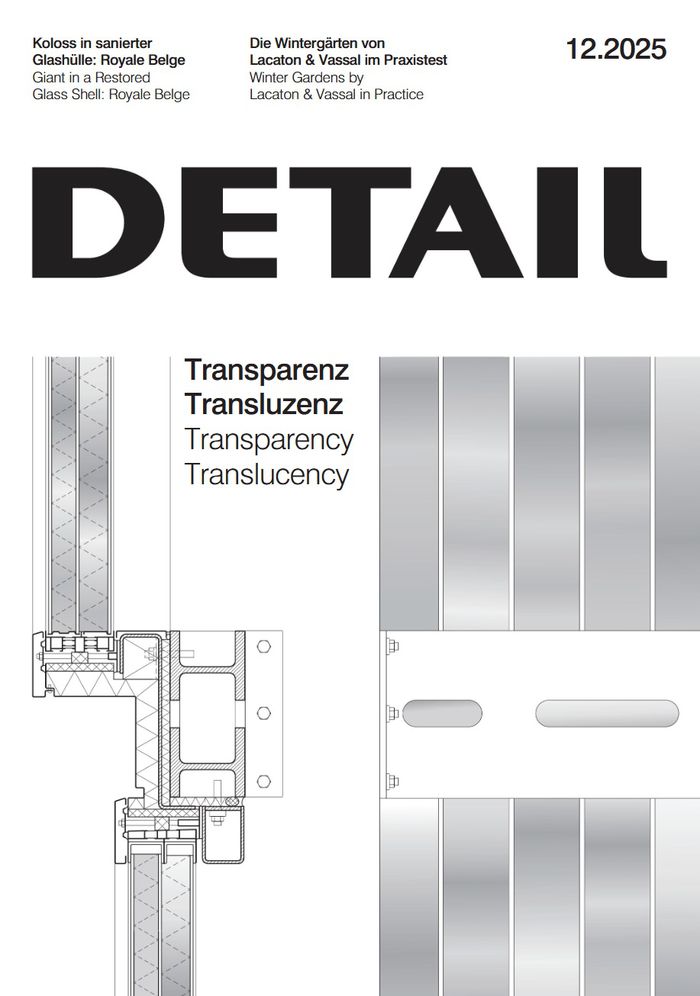
We humans long for daylight, a view of greenery, and a sense of connection. Yet today, transparent building envelopes seem less in demand. Instead of granting views in and out, we create retreats. What forms of transparency remain desirable amid social uncertainty and urban densification? And do transparent or translucent envelopes still make sense when contemporary energy concepts are applied? Light, air, and sun are no longer universally welcome. The spaces behind the climate envelope must be protected from solar gains and heat loss. Limited opening ratios, smart building technology, and algorithm-driven facade design have become the norm. In such scenarios, people are treated as disruptive elements, better kept passive. Anne Lacaton and Jean-Philippe Vassal show that another way is possible. Working with 51N4E in Brussels, Lacaton & Vassal recently extended a residential block in the Peterbos district using their familiar approach: adding new winter gardens. Transparent and translucent sliding panels alternate, while curtains provide shade or privacy when needed. The result is adaptable space that responds to changing conditions – yet always leaves the final decision to the human user. A drawn curtain can create a sense of withdrawal, but it can just as easily be opened again
Form:
journals and magazines
journals and magazines
Publication:
December 2025
December 2025
Subject:
Magazines
Magazines
Form:
books
books
Title:
Gordon Matta-Clark
Gordon Matta-Clark
Actions:
Price:
$99.95
(available to order)
Summary:
Born in New York and trained in architecture, Gordon Matta-Clark is most famous for his slicing through façades, walls and floors of derelict buildings. This ‘deconstructing’ gesture, provocative and extreme, turns architecture into astonishing sculptures, where the mass of the building is entwined with the light and air that penetrate it. Matta-Clark’s interventions are(...)
Subject:
Contemporary Art Monographs
Contemporary Art Monographs
Publication:
April 2003, London
April 2003, London
Title:
Gordon Matta-Clark
Actions:
Price:
$99.95
(available to order)
Summary:
Born in New York and trained in architecture, Gordon Matta-Clark is most famous for his slicing through façades, walls and floors of derelict buildings. This ‘deconstructing’ gesture, provocative and extreme, turns architecture into astonishing sculptures, where the mass of the building is entwined with the light and air that penetrate it. Matta-Clark’s interventions are always grounded in social or political convictions. Some of his projects include opening a restaurant (Food, 1971)in the then-neglected district of SoHo in New York, purchasing at auction fractions of unusable urban land in New York (Reality Properties: Fake Estates, 1973), dispensing oxygen to passersby in the streets of New York from a self-made cart (Fresh Air Cart, 1972), and other visionary urban projects that he conceived as a founding member of the New York-based Anarchitecture group. His practice remains one of the most unique, unequalled, and hugely influential of the past decades. A richly documented essay by Professor Thomas Crow presents new perspectives on the work of the artist. Also included are original essays by Judith Russi Kirshner and Christian Kravagna, as well as a ‘Documents’ section composed of key unpublished and hard-to-find essays and interviews, compiled by editor Corinne Diserens.
Form:
books
books
Publication:
April 2003, London
April 2003, London
Subject:
Contemporary Art Monographs
Contemporary Art Monographs
Form:
books
books
Price:
$39.95
(available to order)
Summary:
How human behavior brought our world to the brink, and how human behavior can save us. The world is a mess. Our dire predicament, from collapsing social structures to the climate crisis, has been millennia in the making and can be traced back to the erroneous belief that the earth's resources are infinite. The key to change, says Don Norman, is human behavior, covered(...)
Title:
Design for a better world: meaningful, sustainable, humanity centered
Actions:
Price:
$39.95
(available to order)
Summary:
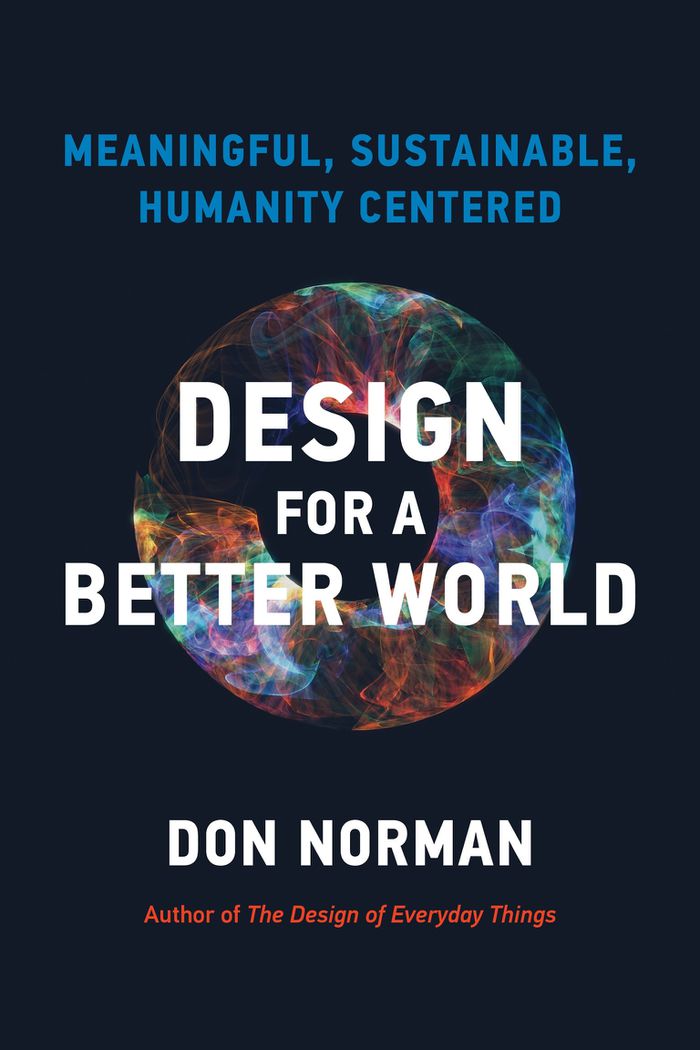
How human behavior brought our world to the brink, and how human behavior can save us. The world is a mess. Our dire predicament, from collapsing social structures to the climate crisis, has been millennia in the making and can be traced back to the erroneous belief that the earth's resources are infinite. The key to change, says Don Norman, is human behavior, covered in the book's three major themes: meaning, sustainability, and humanity-centeredness. Emphasize quality of life, not monetary rewards; restructure how we live to better protect the environment; and focus on all of humanity. ''Design for a better world'' presents an eye-opening diagnosis of where we've gone wrong and a clear prescription for making things better. Norman proposes a new way of thinking, one that recognizes our place in a complex global system where even simple behaviors affect the entire world. He identifies the economic metrics that contribute to the harmful effects of commerce and manufacturing and proposes a recalibration of what we consider important in life. His experience as both a scientist and business executive gives him the perspective to show how to make these changes while maintaining a thriving economy. Let the change begin with this book before it's too late.
Form:
books
books
Publication:
March 2023
March 2023
Subject:
Design Theory
Design Theory


