


44174 Results
Level of archival description:
Project
Project
Actions:
Reference number:
AP075.S1.1957.PR02
Description:
This project series documents Cornelia Hahn Oberlander's playground project for University Hill Elementary School on Chancellor Boulevard, in University Endowment Lands, Vancouver, British Columbia. Oberlander worked on this project in 1957. She developed her concept for the school play area with a participatory method, asking the children to draw the plants they would like to have included in the landscaping. It consisted in a paved area right at the back of the school, tennis courts to be used for wheeltoys and movable equipment for play, and large lawn area for free play with quiet area to sit. The lawn area includes a play space with logs, rocks, climbing trees and a loghouse situated at the southwest corner of the playground. The project series contains landscape sketches, design development drawings, landscape plan for the proposal playground, and a presentation panel. The project is also documented through textual records, such as correspondence, research material and press clipping on the school.
AP075.S1.1957.PR02
Description:
This project series documents Cornelia Hahn Oberlander's playground project for University Hill Elementary School on Chancellor Boulevard, in University Endowment Lands, Vancouver, British Columbia. Oberlander worked on this project in 1957. She developed her concept for the school play area with a participatory method, asking the children to draw the plants they would like to have included in the landscaping. It consisted in a paved area right at the back of the school, tennis courts to be used for wheeltoys and movable equipment for play, and large lawn area for free play with quiet area to sit. The lawn area includes a play space with logs, rocks, climbing trees and a loghouse situated at the southwest corner of the playground. The project series contains landscape sketches, design development drawings, landscape plan for the proposal playground, and a presentation panel. The project is also documented through textual records, such as correspondence, research material and press clipping on the school.
People:
Date:
1957
1957
Title:
University Hill Elementary School, Vancouver, British Columbia (1957)
Actions:
AP075.S1.1957.PR02
Description:
This project series documents Cornelia Hahn Oberlander's playground project for University Hill Elementary School on Chancellor Boulevard, in University Endowment Lands, Vancouver, British Columbia. Oberlander worked on this project in 1957. She developed her concept for the school play area with a participatory method, asking the children to draw the plants they would like to have included in the landscaping. It consisted in a paved area right at the back of the school, tennis courts to be used for wheeltoys and movable equipment for play, and large lawn area for free play with quiet area to sit. The lawn area includes a play space with logs, rocks, climbing trees and a loghouse situated at the southwest corner of the playground. The project series contains landscape sketches, design development drawings, landscape plan for the proposal playground, and a presentation panel. The project is also documented through textual records, such as correspondence, research material and press clipping on the school.
University Hill Elementary School, Vancouver, British Columbia (1957)
Actions:
AP075.S1.1957.PR02
Description:
This project series documents Cornelia Hahn Oberlander's playground project for University Hill Elementary School on Chancellor Boulevard, in University Endowment Lands, Vancouver, British Columbia. Oberlander worked on this project in 1957. She developed her concept for the school play area with a participatory method, asking the children to draw the plants they would like to have included in the landscaping. It consisted in a paved area right at the back of the school, tennis courts to be used for wheeltoys and movable equipment for play, and large lawn area for free play with quiet area to sit. The lawn area includes a play space with logs, rocks, climbing trees and a loghouse situated at the southwest corner of the playground. The project series contains landscape sketches, design development drawings, landscape plan for the proposal playground, and a presentation panel. The project is also documented through textual records, such as correspondence, research material and press clipping on the school.
Level of archival description:
Project
Project
Date:
1957
1957
People:
Level of archival description:
Project
Project
Title:
Campus Commons and Amphitheatre, University of the Cariboo, Kamloops, British Columbia (1991-1994)
Campus Commons and Amphitheatre, University of the Cariboo, Kamloops, British Columbia (1991-1994)
Actions:
Reference number:
AP075.S1.1991.PR02
Description:
Project series documents Cornelia Hahn Oberlander’s landscape project for Campus Commons and Amphitheatre, University of the Cariboo on McGill Road in Kamloops, British Columbia. Oberlander worked on this project in 1991-1993 with architectural firm Downs Archambault & Partners. The landscape design included tree planting for the stairs leading to the amphitheatre and planting around plaza and paved pathways connecting the new campus buildings. The university is now known as the Thompson Rivers University after a merging with the BC Open University in 2005. The project series contains design development drawings, including landscape concept plans, details and planting plans, presentation drawings, including elevations and sections, and working drawings, such as irrigation plans, site plans, planting plans and details. The project is also documented through concept notes by Oberlander, proposals, correspondence with architects and clients, specifications, including landscape specifications, and also photographs of the landscaping.
AP075.S1.1991.PR02
Description:
Project series documents Cornelia Hahn Oberlander’s landscape project for Campus Commons and Amphitheatre, University of the Cariboo on McGill Road in Kamloops, British Columbia. Oberlander worked on this project in 1991-1993 with architectural firm Downs Archambault & Partners. The landscape design included tree planting for the stairs leading to the amphitheatre and planting around plaza and paved pathways connecting the new campus buildings. The university is now known as the Thompson Rivers University after a merging with the BC Open University in 2005. The project series contains design development drawings, including landscape concept plans, details and planting plans, presentation drawings, including elevations and sections, and working drawings, such as irrigation plans, site plans, planting plans and details. The project is also documented through concept notes by Oberlander, proposals, correspondence with architects and clients, specifications, including landscape specifications, and also photographs of the landscaping.
People:
Date:
1990-1994
1990-1994
Title:
Campus Commons and Amphitheatre, University of the Cariboo, Kamloops, British Columbia (1991-1994)
Actions:
AP075.S1.1991.PR02
Description:
Project series documents Cornelia Hahn Oberlander’s landscape project for Campus Commons and Amphitheatre, University of the Cariboo on McGill Road in Kamloops, British Columbia. Oberlander worked on this project in 1991-1993 with architectural firm Downs Archambault & Partners. The landscape design included tree planting for the stairs leading to the amphitheatre and planting around plaza and paved pathways connecting the new campus buildings. The university is now known as the Thompson Rivers University after a merging with the BC Open University in 2005. The project series contains design development drawings, including landscape concept plans, details and planting plans, presentation drawings, including elevations and sections, and working drawings, such as irrigation plans, site plans, planting plans and details. The project is also documented through concept notes by Oberlander, proposals, correspondence with architects and clients, specifications, including landscape specifications, and also photographs of the landscaping.
Campus Commons and Amphitheatre, University of the Cariboo, Kamloops, British Columbia (1991-1994)
Actions:
AP075.S1.1991.PR02
Description:
Project series documents Cornelia Hahn Oberlander’s landscape project for Campus Commons and Amphitheatre, University of the Cariboo on McGill Road in Kamloops, British Columbia. Oberlander worked on this project in 1991-1993 with architectural firm Downs Archambault & Partners. The landscape design included tree planting for the stairs leading to the amphitheatre and planting around plaza and paved pathways connecting the new campus buildings. The university is now known as the Thompson Rivers University after a merging with the BC Open University in 2005. The project series contains design development drawings, including landscape concept plans, details and planting plans, presentation drawings, including elevations and sections, and working drawings, such as irrigation plans, site plans, planting plans and details. The project is also documented through concept notes by Oberlander, proposals, correspondence with architects and clients, specifications, including landscape specifications, and also photographs of the landscaping.
Level of archival description:
Project
Project
Date:
1990-1994
1990-1994
People:
Level of archival description:
Project
Project
Actions:
Reference number:
AP075.S1.1991.PR04
Description:
Project series documents Cornelia Hahn Oberlander's landscape project for Student Housing at Simon Fraser University in Burnaby, British Columbia. Oberlander worked on this project from 1991-1993 with architectural firm Matsuzaki Wright Architects. The landscape concept consisted in including the student housing building in a native woodland setting. Oberlander integrated the building with the existing woodland by adding native trees around the building and the access pathways and drives. The project series contains design development drawings, including landscape concept plans, and landscape plans, and working drawings, such as grading plans, planting plans and landscape sections. It also contains construction drawings for the building used as reference. The project is also documented through textual records, such as concept notes by Oberlander, correspondence, including correspondence with architects, clients and consultants, reports and studies on the site, specifications, financial documents, and photographs of the landscaping.
AP075.S1.1991.PR04
Description:
Project series documents Cornelia Hahn Oberlander's landscape project for Student Housing at Simon Fraser University in Burnaby, British Columbia. Oberlander worked on this project from 1991-1993 with architectural firm Matsuzaki Wright Architects. The landscape concept consisted in including the student housing building in a native woodland setting. Oberlander integrated the building with the existing woodland by adding native trees around the building and the access pathways and drives. The project series contains design development drawings, including landscape concept plans, and landscape plans, and working drawings, such as grading plans, planting plans and landscape sections. It also contains construction drawings for the building used as reference. The project is also documented through textual records, such as concept notes by Oberlander, correspondence, including correspondence with architects, clients and consultants, reports and studies on the site, specifications, financial documents, and photographs of the landscaping.
People:
Date:
1991-1993
1991-1993
Title:
Student Housing, Simon Fraser University, Burnaby, British Columbia (1991-1993)
Actions:
AP075.S1.1991.PR04
Description:
Project series documents Cornelia Hahn Oberlander's landscape project for Student Housing at Simon Fraser University in Burnaby, British Columbia. Oberlander worked on this project from 1991-1993 with architectural firm Matsuzaki Wright Architects. The landscape concept consisted in including the student housing building in a native woodland setting. Oberlander integrated the building with the existing woodland by adding native trees around the building and the access pathways and drives. The project series contains design development drawings, including landscape concept plans, and landscape plans, and working drawings, such as grading plans, planting plans and landscape sections. It also contains construction drawings for the building used as reference. The project is also documented through textual records, such as concept notes by Oberlander, correspondence, including correspondence with architects, clients and consultants, reports and studies on the site, specifications, financial documents, and photographs of the landscaping.
Student Housing, Simon Fraser University, Burnaby, British Columbia (1991-1993)
Actions:
AP075.S1.1991.PR04
Description:
Project series documents Cornelia Hahn Oberlander's landscape project for Student Housing at Simon Fraser University in Burnaby, British Columbia. Oberlander worked on this project from 1991-1993 with architectural firm Matsuzaki Wright Architects. The landscape concept consisted in including the student housing building in a native woodland setting. Oberlander integrated the building with the existing woodland by adding native trees around the building and the access pathways and drives. The project series contains design development drawings, including landscape concept plans, and landscape plans, and working drawings, such as grading plans, planting plans and landscape sections. It also contains construction drawings for the building used as reference. The project is also documented through textual records, such as concept notes by Oberlander, correspondence, including correspondence with architects, clients and consultants, reports and studies on the site, specifications, financial documents, and photographs of the landscaping.
Level of archival description:
Project
Project
Date:
1991-1993
1991-1993
People:
Level of archival description:
Project
Project
Actions:
Reference number:
AP075.S1.2011.PR01
Description:
Project series documents Cornelia Hahn Oberlander's project for the interior atrium of the Telus Garden Presentation Centre, located at the corner of West Georgia and Richards streets in Vancouver, British Columbia. Oberlander worked on this project in 2011 with architectural firm Henriquez Partners Architects and landscape architecture firm Sharp and Diamond Landscape Architects. The project consisted in designing an interior atrium space of eight-storey high. The atrium included an interior garden with trees and low growing fern, a restaurant, a commercial area, a public space and an outdoor patio with pines and ornemental trees. It was completed in 2012. This project is documented through correspondence, including correspondence with architects, concept presentation documents, and landscape services proposals from Sharp and Diamond Landscape Architects. The project series also contains design development drawings, including planters details, sections, plans and building working drawings used as reference.
AP075.S1.2011.PR01
Description:
Project series documents Cornelia Hahn Oberlander's project for the interior atrium of the Telus Garden Presentation Centre, located at the corner of West Georgia and Richards streets in Vancouver, British Columbia. Oberlander worked on this project in 2011 with architectural firm Henriquez Partners Architects and landscape architecture firm Sharp and Diamond Landscape Architects. The project consisted in designing an interior atrium space of eight-storey high. The atrium included an interior garden with trees and low growing fern, a restaurant, a commercial area, a public space and an outdoor patio with pines and ornemental trees. It was completed in 2012. This project is documented through correspondence, including correspondence with architects, concept presentation documents, and landscape services proposals from Sharp and Diamond Landscape Architects. The project series also contains design development drawings, including planters details, sections, plans and building working drawings used as reference.
People:
Date:
2003-2011
2003-2011
Title:
Telus Garden Presentation Centre, Vancouver, British Columbia (2011)
Actions:
AP075.S1.2011.PR01
Description:
Project series documents Cornelia Hahn Oberlander's project for the interior atrium of the Telus Garden Presentation Centre, located at the corner of West Georgia and Richards streets in Vancouver, British Columbia. Oberlander worked on this project in 2011 with architectural firm Henriquez Partners Architects and landscape architecture firm Sharp and Diamond Landscape Architects. The project consisted in designing an interior atrium space of eight-storey high. The atrium included an interior garden with trees and low growing fern, a restaurant, a commercial area, a public space and an outdoor patio with pines and ornemental trees. It was completed in 2012. This project is documented through correspondence, including correspondence with architects, concept presentation documents, and landscape services proposals from Sharp and Diamond Landscape Architects. The project series also contains design development drawings, including planters details, sections, plans and building working drawings used as reference.
Telus Garden Presentation Centre, Vancouver, British Columbia (2011)
Actions:
AP075.S1.2011.PR01
Description:
Project series documents Cornelia Hahn Oberlander's project for the interior atrium of the Telus Garden Presentation Centre, located at the corner of West Georgia and Richards streets in Vancouver, British Columbia. Oberlander worked on this project in 2011 with architectural firm Henriquez Partners Architects and landscape architecture firm Sharp and Diamond Landscape Architects. The project consisted in designing an interior atrium space of eight-storey high. The atrium included an interior garden with trees and low growing fern, a restaurant, a commercial area, a public space and an outdoor patio with pines and ornemental trees. It was completed in 2012. This project is documented through correspondence, including correspondence with architects, concept presentation documents, and landscape services proposals from Sharp and Diamond Landscape Architects. The project series also contains design development drawings, including planters details, sections, plans and building working drawings used as reference.
Level of archival description:
Project
Project
Date:
2003-2011
2003-2011
People:
Form:
archives
Level of archival description:
Fonds
archives
Level of archival description:
Fonds
Title:
Bernard Tschumi fonds
Bernard Tschumi fonds
Actions:
Reference number:
AP214
Synopsis:
The Bernard Tschumi fonds, dating from approximately 1965-2015, documents the professional activities of Bernard Tschumi including Tschumi’s career in academia and his professional practice as an architect through approximately 75 projects dating from the late 1980s to 2012.
AP214
Synopsis:
The Bernard Tschumi fonds, dating from approximately 1965-2015, documents the professional activities of Bernard Tschumi including Tschumi’s career in academia and his professional practice as an architect through approximately 75 projects dating from the late 1980s to 2012.
People:
Date:
circa 1964-2015
circa 1964-2015
Title:
Bernard Tschumi fonds
Actions:
AP214
Synopsis:
The Bernard Tschumi fonds, dating from approximately 1965-2015, documents the professional activities of Bernard Tschumi including Tschumi’s career in academia and his professional practice as an architect through approximately 75 projects dating from the late 1980s to 2012.
Bernard Tschumi fonds
Actions:
AP214
Synopsis:
The Bernard Tschumi fonds, dating from approximately 1965-2015, documents the professional activities of Bernard Tschumi including Tschumi’s career in academia and his professional practice as an architect through approximately 75 projects dating from the late 1980s to 2012.
Form:
archives
Level of archival description:
Fonds
archives
Level of archival description:
Fonds
Date:
circa 1964-2015
circa 1964-2015
People:
Form:
exhibitions
exhibitions
Title:
Super City
Super City
Actions:
Description:
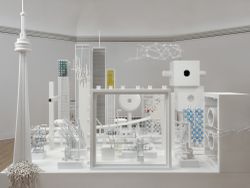
This installation by Canadian writer and artist Douglas Coupland (Generation X) investigates the creative impact of the 1960s explosion of toy building kits, offering a reflection on the profound effect toys can have-not only on how children learn to perceive the world, but also in terms of the kinds of things they produce as adults. Named after Super City, a kit(...)
This installation by Canadian writer and artist Douglas Coupland (Generation X) investigates the creative impact of the 1960s explosion of toy building kits, offering a reflection on the profound effect toys can have-not only on how children learn to perceive the world, but also in terms of the kinds of things they produce as adults. Named after Super City, a kit(...)
Location:
Octagonal gallery
Octagonal gallery
Date:
9 June 2005 to 20 November 2005
9 June 2005 to 20 November 2005
Title:
Super City
Actions:
Description:
This installation by Canadian writer and artist Douglas Coupland (Generation X) investigates the creative impact of the 1960s explosion of toy building kits, offering a reflection on the profound effect toys can have-not only on how children learn to perceive the world, but also in terms of the kinds of things they produce as adults. Named after Super City, a kit(...)
Super City
Actions:
Description:
This installation by Canadian writer and artist Douglas Coupland (Generation X) investigates the creative impact of the 1960s explosion of toy building kits, offering a reflection on the profound effect toys can have-not only on how children learn to perceive the world, but also in terms of the kinds of things they produce as adults. Named after Super City, a kit(...)
Form:
exhibitions
exhibitions
Date:
9 June 2005 to
20 November 2005
9 June 2005 to
20 November 2005
Location:
Octagonal gallery
Octagonal gallery
Form:
exhibitions
exhibitions
Title:
Melvin Charney 1935–2012
Melvin Charney 1935–2012
Actions:
Description:
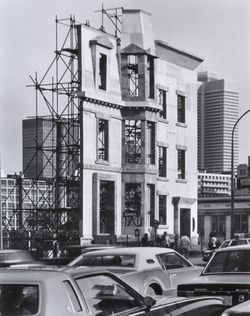
The artist and theorist Melvin Charney, who died earlier this year, made significant contributions to the CCA and the city of Montreal as a whole. Throughout a long and varied career, Charney championed the public role of the architect in the wider built environment, enforcing the idea that the street is the primary resource of the city. The CCA is celebrating Charney’s(...)
The artist and theorist Melvin Charney, who died earlier this year, made significant contributions to the CCA and the city of Montreal as a whole. Throughout a long and varied career, Charney championed the public role of the architect in the wider built environment, enforcing the idea that the street is the primary resource of the city. The CCA is celebrating Charney’s(...)
Location:
Hall cases
Hall cases
Date:
24 October 2012 to 14 April 2013
24 October 2012 to 14 April 2013
Title:
Melvin Charney 1935–2012
Actions:
Description:
The artist and theorist Melvin Charney, who died earlier this year, made significant contributions to the CCA and the city of Montreal as a whole. Throughout a long and varied career, Charney championed the public role of the architect in the wider built environment, enforcing the idea that the street is the primary resource of the city. The CCA is celebrating Charney’s(...)
Melvin Charney 1935–2012
Actions:
Description:
The artist and theorist Melvin Charney, who died earlier this year, made significant contributions to the CCA and the city of Montreal as a whole. Throughout a long and varied career, Charney championed the public role of the architect in the wider built environment, enforcing the idea that the street is the primary resource of the city. The CCA is celebrating Charney’s(...)
Form:
exhibitions
exhibitions
Date:
24 October 2012 to
14 April 2013
24 October 2012 to
14 April 2013
Location:
Hall cases
Hall cases
Form:
events
events
Actions:
Description:
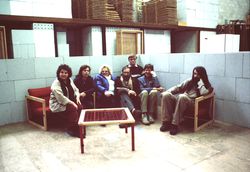
Following an intense period of work in the mid-1970s with Portugal’s post-revolutionary housing initiatives, in the early 1980s Álvaro Siza contributed projects to two of the most important urban renewal programs in Europe: Berlin’s IBA and The Hague’s Stadsvernieuwing als Kulturel Aktiviteit (Urban Renewal as a Cultural Activity). This lecture will examine the(...)
Following an intense period of work in the mid-1970s with Portugal’s post-revolutionary housing initiatives, in the early 1980s Álvaro Siza contributed projects to two of the most important urban renewal programs in Europe: Berlin’s IBA and The Hague’s Stadsvernieuwing als Kulturel Aktiviteit (Urban Renewal as a Cultural Activity). This lecture will examine the(...)
Date:
26 November 2015
26 November 2015
Title:
Álvaro Siza’s Archaeology of the Ordinary
Actions:
Description:
Following an intense period of work in the mid-1970s with Portugal’s post-revolutionary housing initiatives, in the early 1980s Álvaro Siza contributed projects to two of the most important urban renewal programs in Europe: Berlin’s IBA and The Hague’s Stadsvernieuwing als Kulturel Aktiviteit (Urban Renewal as a Cultural Activity). This lecture will examine the(...)
Álvaro Siza’s Archaeology of the Ordinary
Actions:
Description:
Following an intense period of work in the mid-1970s with Portugal’s post-revolutionary housing initiatives, in the early 1980s Álvaro Siza contributed projects to two of the most important urban renewal programs in Europe: Berlin’s IBA and The Hague’s Stadsvernieuwing als Kulturel Aktiviteit (Urban Renewal as a Cultural Activity). This lecture will examine the(...)
Form:
events
events
Date:
26 November 2015
26 November 2015
Form:
events
events
Actions:
Description:
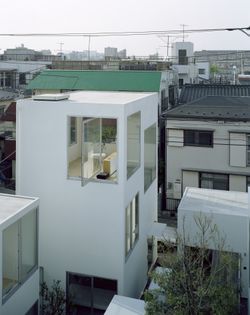
Japanese architect Ryue Nishizawa speaks about his work and the CCA exhibition Some Ideas on Living in London and Tokyo by Stephen Taylor and Ryue Nishizawa (2008). The exhibition marks the first North American presentation of residential projects by Stephen Taylor and Ryue Nishizawa and reveals their distinctive solutions to the challenges of building homes in existing(...)
Japanese architect Ryue Nishizawa speaks about his work and the CCA exhibition Some Ideas on Living in London and Tokyo by Stephen Taylor and Ryue Nishizawa (2008). The exhibition marks the first North American presentation of residential projects by Stephen Taylor and Ryue Nishizawa and reveals their distinctive solutions to the challenges of building homes in existing(...)
Location:
Paul Desmarais Theatre
Paul Desmarais Theatre
Date:
14 May 2008
14 May 2008
Title:
Ryue Nishizawa: Some Ideas on Living
Actions:
Description:
Japanese architect Ryue Nishizawa speaks about his work and the CCA exhibition Some Ideas on Living in London and Tokyo by Stephen Taylor and Ryue Nishizawa (2008). The exhibition marks the first North American presentation of residential projects by Stephen Taylor and Ryue Nishizawa and reveals their distinctive solutions to the challenges of building homes in existing(...)
Ryue Nishizawa: Some Ideas on Living
Actions:
Description:
Japanese architect Ryue Nishizawa speaks about his work and the CCA exhibition Some Ideas on Living in London and Tokyo by Stephen Taylor and Ryue Nishizawa (2008). The exhibition marks the first North American presentation of residential projects by Stephen Taylor and Ryue Nishizawa and reveals their distinctive solutions to the challenges of building homes in existing(...)
Form:
events
events
Date:
14 May 2008
14 May 2008
Location:
Paul Desmarais Theatre
Paul Desmarais Theatre
Level of archival description:
Project
Project
Reference number:
AP178.S1.1980.PR02
Description:
The project series documents Block 121, better known as Bonjour Tristesse. While the records were held in the office’s archives this project was assigned the number 2/80. This project was one of several projects Siza submitted to the International Architectural Exhibition Berlin competition (International Bauaustellung, IBA, circa 1979-1987), and was Siza’s first international built project. The IBA was an urban renewal strategy for West Berlin and received submissions from several international architects. The IBA divided West Berlin into two parts: IBA Neubau ('new building'), led by Josef Paul Kleihues and IBA Altbau ('old building') led by Hardt-Walherr Hämer. IBA Nuebau's focus was to build new buildings while IBA Altbau's was to renovate existing buildings. The project site for Block 121 was in the district of Kreuzberg, a district on the eastern side of then West Berlin. Due to low rents, there was an influx of immigrants and students to Kreuzberg in the late 1970s. Bonjour Tristesse would serve as a residential complex for a predominantly Turkish immigrant population. In 1980, Hämer invited Siza to submit an entry for this complex to be built on the east side of Kreuzberg beside the Schlesisches Tor train station. Hämer encouraged the participatory model which Siza had become known for from his work with the Servicio Ambulatorio de Apoio Local (SAAL) in Portugal. This project series is arranged in four subseries: AP178.S1.1980.PR02.SS1, Competition, Block 121 (identified as 2/80); AP178.S1.1980.PR02.SS2, Bonjour Tristesse (identified as 2/80 A); AP178.S1.1980.PR02.SS3, Kita [Kindergarten] (identified as 2/80 B); and AP178.S1.1980.PR02.SS4, Senior Club Anziani [Senior citizens’ clubhouse] (identified as 2/80 C). The office’s archivist assigned the number 2/80 to materials related to the competition phase of this project; letters (A, B, and C) were then assigned to each subsequent portion of the project following the competition. All documentation for this project series, including the project subseries, has been kept together to maintain the order of the office’s arrangement.
AP178.S1.1980.PR02
Description:
The project series documents Block 121, better known as Bonjour Tristesse. While the records were held in the office’s archives this project was assigned the number 2/80. This project was one of several projects Siza submitted to the International Architectural Exhibition Berlin competition (International Bauaustellung, IBA, circa 1979-1987), and was Siza’s first international built project. The IBA was an urban renewal strategy for West Berlin and received submissions from several international architects. The IBA divided West Berlin into two parts: IBA Neubau ('new building'), led by Josef Paul Kleihues and IBA Altbau ('old building') led by Hardt-Walherr Hämer. IBA Nuebau's focus was to build new buildings while IBA Altbau's was to renovate existing buildings. The project site for Block 121 was in the district of Kreuzberg, a district on the eastern side of then West Berlin. Due to low rents, there was an influx of immigrants and students to Kreuzberg in the late 1970s. Bonjour Tristesse would serve as a residential complex for a predominantly Turkish immigrant population. In 1980, Hämer invited Siza to submit an entry for this complex to be built on the east side of Kreuzberg beside the Schlesisches Tor train station. Hämer encouraged the participatory model which Siza had become known for from his work with the Servicio Ambulatorio de Apoio Local (SAAL) in Portugal. This project series is arranged in four subseries: AP178.S1.1980.PR02.SS1, Competition, Block 121 (identified as 2/80); AP178.S1.1980.PR02.SS2, Bonjour Tristesse (identified as 2/80 A); AP178.S1.1980.PR02.SS3, Kita [Kindergarten] (identified as 2/80 B); and AP178.S1.1980.PR02.SS4, Senior Club Anziani [Senior citizens’ clubhouse] (identified as 2/80 C). The office’s archivist assigned the number 2/80 to materials related to the competition phase of this project; letters (A, B, and C) were then assigned to each subsequent portion of the project following the competition. All documentation for this project series, including the project subseries, has been kept together to maintain the order of the office’s arrangement.
People:
Date:
circa 1980-1990
circa 1980-1990
Title:
Block 121, Schlesisches Tor [Block 121, Schlesisches Tor residential complex], Berlin, Germany (1980-1990)
Actions:
AP178.S1.1980.PR02
Description:
The project series documents Block 121, better known as Bonjour Tristesse. While the records were held in the office’s archives this project was assigned the number 2/80. This project was one of several projects Siza submitted to the International Architectural Exhibition Berlin competition (International Bauaustellung, IBA, circa 1979-1987), and was Siza’s first international built project. The IBA was an urban renewal strategy for West Berlin and received submissions from several international architects. The IBA divided West Berlin into two parts: IBA Neubau ('new building'), led by Josef Paul Kleihues and IBA Altbau ('old building') led by Hardt-Walherr Hämer. IBA Nuebau's focus was to build new buildings while IBA Altbau's was to renovate existing buildings. The project site for Block 121 was in the district of Kreuzberg, a district on the eastern side of then West Berlin. Due to low rents, there was an influx of immigrants and students to Kreuzberg in the late 1970s. Bonjour Tristesse would serve as a residential complex for a predominantly Turkish immigrant population. In 1980, Hämer invited Siza to submit an entry for this complex to be built on the east side of Kreuzberg beside the Schlesisches Tor train station. Hämer encouraged the participatory model which Siza had become known for from his work with the Servicio Ambulatorio de Apoio Local (SAAL) in Portugal. This project series is arranged in four subseries: AP178.S1.1980.PR02.SS1, Competition, Block 121 (identified as 2/80); AP178.S1.1980.PR02.SS2, Bonjour Tristesse (identified as 2/80 A); AP178.S1.1980.PR02.SS3, Kita [Kindergarten] (identified as 2/80 B); and AP178.S1.1980.PR02.SS4, Senior Club Anziani [Senior citizens’ clubhouse] (identified as 2/80 C). The office’s archivist assigned the number 2/80 to materials related to the competition phase of this project; letters (A, B, and C) were then assigned to each subsequent portion of the project following the competition. All documentation for this project series, including the project subseries, has been kept together to maintain the order of the office’s arrangement.
Block 121, Schlesisches Tor [Block 121, Schlesisches Tor residential complex], Berlin, Germany (1980-1990)
Actions:
AP178.S1.1980.PR02
Description:
The project series documents Block 121, better known as Bonjour Tristesse. While the records were held in the office’s archives this project was assigned the number 2/80. This project was one of several projects Siza submitted to the International Architectural Exhibition Berlin competition (International Bauaustellung, IBA, circa 1979-1987), and was Siza’s first international built project. The IBA was an urban renewal strategy for West Berlin and received submissions from several international architects. The IBA divided West Berlin into two parts: IBA Neubau ('new building'), led by Josef Paul Kleihues and IBA Altbau ('old building') led by Hardt-Walherr Hämer. IBA Nuebau's focus was to build new buildings while IBA Altbau's was to renovate existing buildings. The project site for Block 121 was in the district of Kreuzberg, a district on the eastern side of then West Berlin. Due to low rents, there was an influx of immigrants and students to Kreuzberg in the late 1970s. Bonjour Tristesse would serve as a residential complex for a predominantly Turkish immigrant population. In 1980, Hämer invited Siza to submit an entry for this complex to be built on the east side of Kreuzberg beside the Schlesisches Tor train station. Hämer encouraged the participatory model which Siza had become known for from his work with the Servicio Ambulatorio de Apoio Local (SAAL) in Portugal. This project series is arranged in four subseries: AP178.S1.1980.PR02.SS1, Competition, Block 121 (identified as 2/80); AP178.S1.1980.PR02.SS2, Bonjour Tristesse (identified as 2/80 A); AP178.S1.1980.PR02.SS3, Kita [Kindergarten] (identified as 2/80 B); and AP178.S1.1980.PR02.SS4, Senior Club Anziani [Senior citizens’ clubhouse] (identified as 2/80 C). The office’s archivist assigned the number 2/80 to materials related to the competition phase of this project; letters (A, B, and C) were then assigned to each subsequent portion of the project following the competition. All documentation for this project series, including the project subseries, has been kept together to maintain the order of the office’s arrangement.
Level of archival description:
Project
Project
Date:
circa 1980-1990
circa 1980-1990
People:


