


2636 Results
Form:
books
books
Price:
$33.95
(available in store)
Summary:
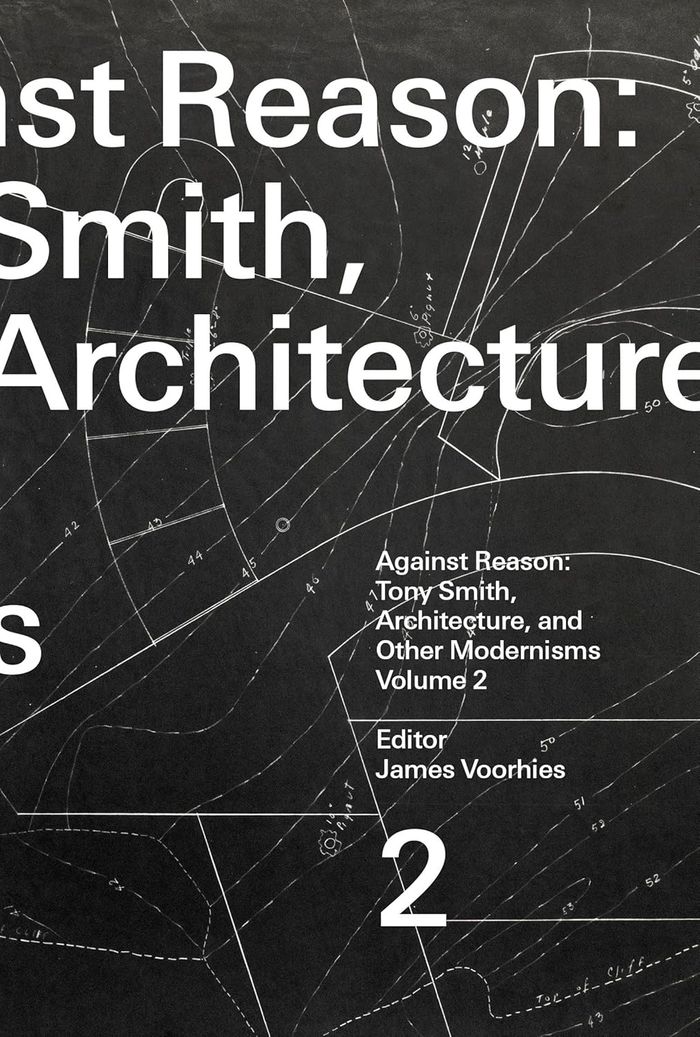
"Against reason: Volume 2" is the companion publication to Tony Smith Catalogue Raisonné: Architecture, the second in a two-volume, four-book printed publication series dedicated to Tony Smith's sculpture and architecture. Edited by curator and historian James Voorhies, Against Reason gathers newly commissioned essays together with visual arts projects by practitioners(...)
$33.95
(available in store)
Summary:
"Against reason: Volume 2" is the companion publication to Tony Smith Catalogue Raisonné: Architecture, the second in a two-volume, four-book printed publication series dedicated to Tony Smith's sculpture and architecture. Edited by curator and historian James Voorhies, Against Reason gathers newly commissioned essays together with visual arts projects by practitioners(...)
Title:
Against reason: Tony Smith. Architecture and other modernisms
Actions:
Price:
$33.95
(available in store)
Summary:
"Against reason: Volume 2" is the companion publication to Tony Smith Catalogue Raisonné: Architecture, the second in a two-volume, four-book printed publication series dedicated to Tony Smith's sculpture and architecture. Edited by curator and historian James Voorhies, Against Reason gathers newly commissioned essays together with visual arts projects by practitioners and critics, including Mario Gooden, Christopher Ketcham, Marta Kuzma, Peter L'Official, R.H. Quaytman, and Jasmine Rault. Their contributions from a wide range of disciplines— from American studies, architecture, and art history to theory, design, and visual art—place Smith's architectural design work in dialogue with contemporary culture, expanding perspectives on the artist's canonical work and offering fresh twenty-first-century insights.
Against reason: Tony Smith. Architecture and other modernisms
Actions:
Price:
$33.95
(available in store)
Summary:
"Against reason: Volume 2" is the companion publication to Tony Smith Catalogue Raisonné: Architecture, the second in a two-volume, four-book printed publication series dedicated to Tony Smith's sculpture and architecture. Edited by curator and historian James Voorhies, Against Reason gathers newly commissioned essays together with visual arts projects by practitioners and critics, including Mario Gooden, Christopher Ketcham, Marta Kuzma, Peter L'Official, R.H. Quaytman, and Jasmine Rault. Their contributions from a wide range of disciplines— from American studies, architecture, and art history to theory, design, and visual art—place Smith's architectural design work in dialogue with contemporary culture, expanding perspectives on the artist's canonical work and offering fresh twenty-first-century insights.
Form:
books
books
Publication:
April 2025
April 2025
Subject:
Architectural Theory
Architectural Theory
Form:
books
books
Actions:
Price:
$73.50
(available to order)
Summary:
Between the early 1930s and 1950s, modernist architecture underwent a spectacular change of fortune in Britain – from a small-scale avant-garde movement, to the official, state-funded architectural idiom of the post-1945 Welfare State. FRS Yorke (1906–62) was an architect who completely followed that trajectory. His book "The modern house" (1934) placed his detailed(...)
$73.50
(available to order)
Summary:
Between the early 1930s and 1950s, modernist architecture underwent a spectacular change of fortune in Britain – from a small-scale avant-garde movement, to the official, state-funded architectural idiom of the post-1945 Welfare State. FRS Yorke (1906–62) was an architect who completely followed that trajectory. His book "The modern house" (1934) placed his detailed(...)
Title:
FRS Yorke and the evolution of English modernism
Actions:
Price:
$73.50
(available to order)
Summary:
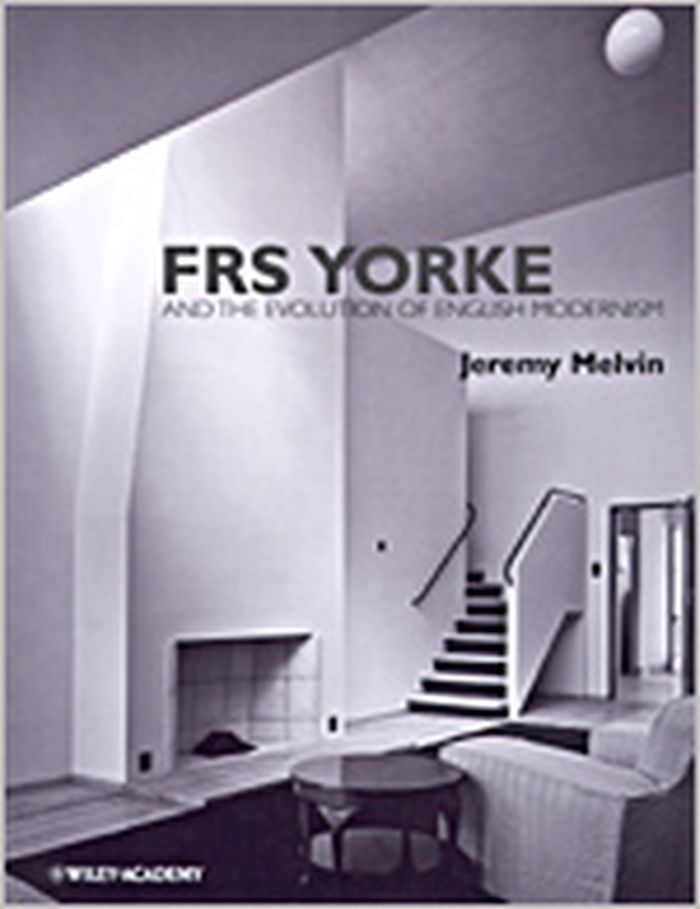
Between the early 1930s and 1950s, modernist architecture underwent a spectacular change of fortune in Britain – from a small-scale avant-garde movement, to the official, state-funded architectural idiom of the post-1945 Welfare State. FRS Yorke (1906–62) was an architect who completely followed that trajectory. His book "The modern house" (1934) placed his detailed knowledge of European architecture as an introduction to modern architecture for generations of architects, and provided inspiration for his own designs. But it was only after World War II, and the social and political change which came in its wake, that Yorke was able to turn his reputation as a modernist into commercial success. As his pre-War contemporaries gave up architecture or moved abroad, his practice – Yorke, Rosenberg and Mardall – drew on his experience of working on large, state-funded construction projects during the War, and participated in the transformation of Britain’s social and physical fabric with its new housing, hospitals, schools, universities and airports. This book concludes with a memoir by David Allford, who worked with Yorke and Yorke, Rosenberg and Mardall from 1952 until 1989.
FRS Yorke and the evolution of English modernism
Actions:
Price:
$73.50
(available to order)
Summary:
Between the early 1930s and 1950s, modernist architecture underwent a spectacular change of fortune in Britain – from a small-scale avant-garde movement, to the official, state-funded architectural idiom of the post-1945 Welfare State. FRS Yorke (1906–62) was an architect who completely followed that trajectory. His book "The modern house" (1934) placed his detailed knowledge of European architecture as an introduction to modern architecture for generations of architects, and provided inspiration for his own designs. But it was only after World War II, and the social and political change which came in its wake, that Yorke was able to turn his reputation as a modernist into commercial success. As his pre-War contemporaries gave up architecture or moved abroad, his practice – Yorke, Rosenberg and Mardall – drew on his experience of working on large, state-funded construction projects during the War, and participated in the transformation of Britain’s social and physical fabric with its new housing, hospitals, schools, universities and airports. This book concludes with a memoir by David Allford, who worked with Yorke and Yorke, Rosenberg and Mardall from 1952 until 1989.
Form:
books
books
Publication:
May 2003, Chichester
May 2003, Chichester
Subject:
Architecture Monographs
Architecture Monographs
Form:
books
books
Actions:
Price:
$63.50
(available in store)
Summary:
Published in conjunction with an exhibition curated by Mathieu Lommen at the Special Collections facility of the University of Amsterdam, this book by design historian Frederike Huygen explores modernism in Dutch graphic design of the 20th century. Divided into three periods – pre-war, post-war, and from 1990 to the present – it emphasises the various aspects and meanings(...)
$63.50
(available in store)
Summary:
Published in conjunction with an exhibition curated by Mathieu Lommen at the Special Collections facility of the University of Amsterdam, this book by design historian Frederike Huygen explores modernism in Dutch graphic design of the 20th century. Divided into three periods – pre-war, post-war, and from 1990 to the present – it emphasises the various aspects and meanings(...)
Title:
Modernism in print: Dutch graphic design 1917-2017
Actions:
Price:
$63.50
(available in store)
Summary:
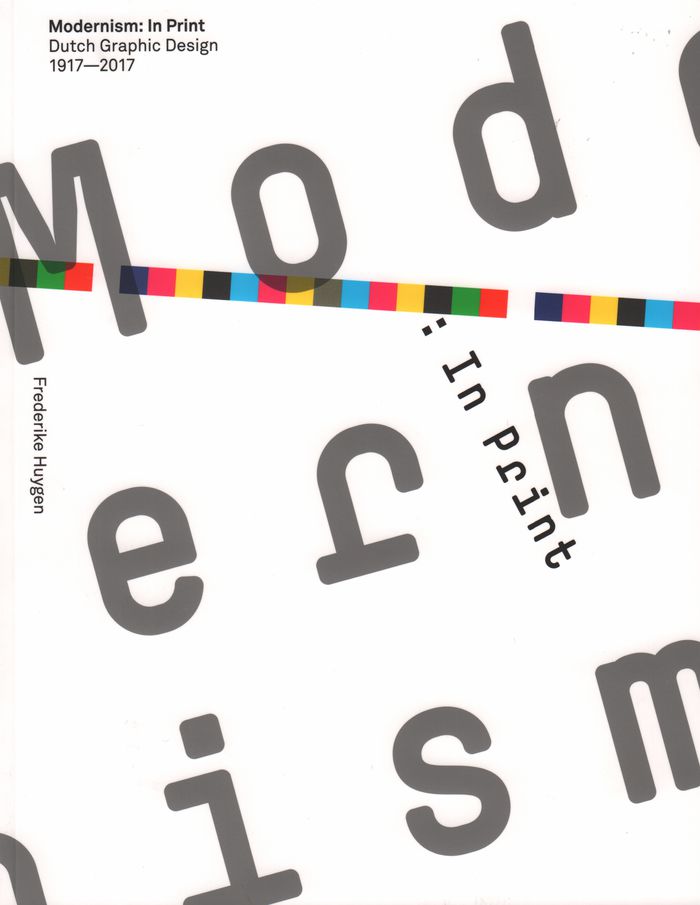
Published in conjunction with an exhibition curated by Mathieu Lommen at the Special Collections facility of the University of Amsterdam, this book by design historian Frederike Huygen explores modernism in Dutch graphic design of the 20th century. Divided into three periods – pre-war, post-war, and from 1990 to the present – it emphasises the various aspects and meanings of the term “modernism”, and how its concept dominates the discourse on graphic design, through an extensive overview of the subject. Moreover, it questions the canon by including some less well-known examples of graphic design work, thereby giving recognition to an often underestimated complexity.
Modernism in print: Dutch graphic design 1917-2017
Actions:
Price:
$63.50
(available in store)
Summary:
Published in conjunction with an exhibition curated by Mathieu Lommen at the Special Collections facility of the University of Amsterdam, this book by design historian Frederike Huygen explores modernism in Dutch graphic design of the 20th century. Divided into three periods – pre-war, post-war, and from 1990 to the present – it emphasises the various aspects and meanings of the term “modernism”, and how its concept dominates the discourse on graphic design, through an extensive overview of the subject. Moreover, it questions the canon by including some less well-known examples of graphic design work, thereby giving recognition to an often underestimated complexity.
Form:
books
books
Publication:
June 2017
June 2017
Subject:
Graphic Design and Typography
Graphic Design and Typography
Form:
books
books
Price:
$42.95
(available to order)
Summary:
In this book, Anthony Vidler examines the work of four historians of architectural modernism and the ways in which their histories were constructed as more or less overt programs for the theory and practice of design in a contemporary context. Vidler looks at the historical approaches of Emil Kaufmann, Colin Rowe, Reyner Banham, and Manfredo Tafuri, and the specific(...)
$42.95
(available to order)
Summary:
In this book, Anthony Vidler examines the work of four historians of architectural modernism and the ways in which their histories were constructed as more or less overt programs for the theory and practice of design in a contemporary context. Vidler looks at the historical approaches of Emil Kaufmann, Colin Rowe, Reyner Banham, and Manfredo Tafuri, and the specific(...)
Title:
Histories of the immediate present: inventing architectural modernism
Actions:
Price:
$42.95
(available to order)
Summary:
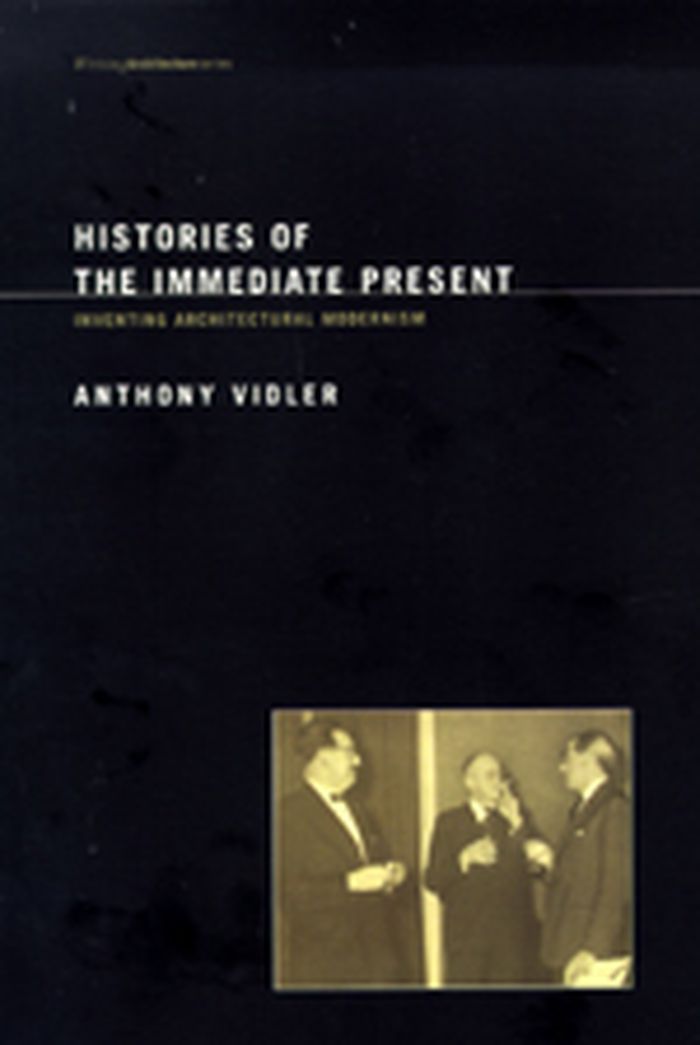
In this book, Anthony Vidler examines the work of four historians of architectural modernism and the ways in which their histories were constructed as more or less overt programs for the theory and practice of design in a contemporary context. Vidler looks at the historical approaches of Emil Kaufmann, Colin Rowe, Reyner Banham, and Manfredo Tafuri, and the specific versions of modernism advanced by their historical narratives. Vidler shows that the modernism conceived by Kaufmann was, like the late Enlightenment projects he revered, one of pure, geometrical forms and elemental composition; that of Rowe saw mannerist ambiguity and complexity in contemporary design; Banham's modernism took its cue from the aspirations of the futurists; and the "Renaissance modernism" of Tafuri found its source in the division between the technical experimentation of Brunelleschi and the cultural nostalgia of Alberti.
Histories of the immediate present: inventing architectural modernism
Actions:
Price:
$42.95
(available to order)
Summary:
In this book, Anthony Vidler examines the work of four historians of architectural modernism and the ways in which their histories were constructed as more or less overt programs for the theory and practice of design in a contemporary context. Vidler looks at the historical approaches of Emil Kaufmann, Colin Rowe, Reyner Banham, and Manfredo Tafuri, and the specific versions of modernism advanced by their historical narratives. Vidler shows that the modernism conceived by Kaufmann was, like the late Enlightenment projects he revered, one of pure, geometrical forms and elemental composition; that of Rowe saw mannerist ambiguity and complexity in contemporary design; Banham's modernism took its cue from the aspirations of the futurists; and the "Renaissance modernism" of Tafuri found its source in the division between the technical experimentation of Brunelleschi and the cultural nostalgia of Alberti.
Form:
books
books
Publication:
March 2008, Cambridge
March 2008, Cambridge
Subject:
Architectural Theory
Architectural Theory
Form:
books
books
Actions:
Price:
$110.00
(available in store)
Summary:
In this volume, the numerous excerpts, preliminary notes, accompanying drawings, and photographs that Le Corbusier produced in connection with his lectures are presented and contextualized by one of the leading experts on the great architect. In them we see modernism at work. Always a great rhetorician and a master at staging his own persona, Le Corbusier takes the(...)
$110.00
(available in store)
Summary:
In this volume, the numerous excerpts, preliminary notes, accompanying drawings, and photographs that Le Corbusier produced in connection with his lectures are presented and contextualized by one of the leading experts on the great architect. In them we see modernism at work. Always a great rhetorician and a master at staging his own persona, Le Corbusier takes the(...)
Title:
The rhetoric of modernism: Le Corbusier as a lecturer
Actions:
Price:
$110.00
(available in store)
Summary:
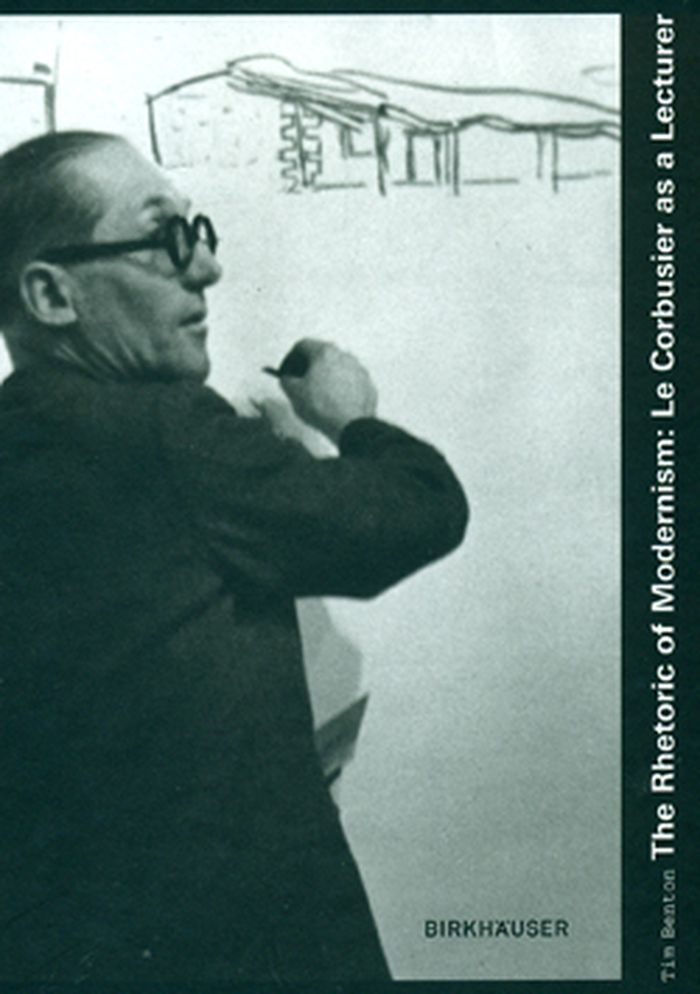
In this volume, the numerous excerpts, preliminary notes, accompanying drawings, and photographs that Le Corbusier produced in connection with his lectures are presented and contextualized by one of the leading experts on the great architect. In them we see modernism at work. Always a great rhetorician and a master at staging his own persona, Le Corbusier takes the arguments and strategies, seminal ideas and most convincing highlights and fuses them into an architectural conception that every advanced architectural position and practice must still come to terms with today.
The rhetoric of modernism: Le Corbusier as a lecturer
Actions:
Price:
$110.00
(available in store)
Summary:
In this volume, the numerous excerpts, preliminary notes, accompanying drawings, and photographs that Le Corbusier produced in connection with his lectures are presented and contextualized by one of the leading experts on the great architect. In them we see modernism at work. Always a great rhetorician and a master at staging his own persona, Le Corbusier takes the arguments and strategies, seminal ideas and most convincing highlights and fuses them into an architectural conception that every advanced architectural position and practice must still come to terms with today.
Form:
books
books
Publication:
March 2009
March 2009
Subject:
Architecture Monographs
Architecture Monographs
Form:
books
books
Actions:
Price:
$59.95
(available to order)
Summary:
The book reproduces a series of the collages made by David Wild. Their subject is modern architecture in the first half of the twentieth century: in the Netherlands, in Russia, and in the work of Le Corbusier. The method of the book is to show a collage on a right-hand page; then on the facing page is a (...)
$59.95
(available to order)
Summary:
The book reproduces a series of the collages made by David Wild. Their subject is modern architecture in the first half of the twentieth century: in the Netherlands, in Russia, and in the work of Le Corbusier. The method of the book is to show a collage on a right-hand page; then on the facing page is a (...)
Title:
Fragments of utopia: collage reflections of heroic modernism
Actions:
Price:
$59.95
(available to order)
Summary:
The book reproduces a series of the collages made by David Wild. Their subject is modern architecture in the first half of the twentieth century: in the Netherlands, in Russia, and in the work of Le Corbusier. The method of the book is to show a collage on a right-hand page; then on the facing page is a prose commentary by Wild and supporting smaller images. Introducing the book, David Wild explains that the impulse for this work lies in the aftermath of a fire in his house: his scorched books lent themselves to collage. He goes on to sketch the cultural-political climate in Britain over the last 40 years: the backdrop to his work as an architect and (less directly) to this book. In the opening section on the Netherlands, the leading theme is an architecture of social equity and continuity. Rooted in old cultural traditions, and in the particular ‘football-pitch’ landscape of the country, modern architecture could realise some of its dreams in everyday buildings. Postage stamps play an active part in many of the book’s collages, and especially in this section: the design of stamps flourished in the Netherlands, through the enlightened patronage of the Dutch post office — with several architects designing stamps too. Politics and history come to prominence in the Russian section, as a motivating force in the work of the early 1920s, and then as a heavy burden — with the onset of totalitarian control and repression. At the centre of the discussion here is the architecture of constructivism: formally brilliant, but with a clear social programme. Flight and the exploration of space are recurring topics in this section, as another and particularly Russian dimension of utopian striving The work of Le Corbusier, in Europe, North and South America, Russia and India, is treated in the third section. Le Corbusier is presented as a brilliant artist, a master architect of the greatest skill and the greatest ambition — and without scruple in pursuing commissions. The images and text follow him into the years after the Second World War, culminating in the work in India. Here there is a vision of another kind of politics, of co-operation and non-violence.
Fragments of utopia: collage reflections of heroic modernism
Actions:
Price:
$59.95
(available to order)
Summary:
The book reproduces a series of the collages made by David Wild. Their subject is modern architecture in the first half of the twentieth century: in the Netherlands, in Russia, and in the work of Le Corbusier. The method of the book is to show a collage on a right-hand page; then on the facing page is a prose commentary by Wild and supporting smaller images. Introducing the book, David Wild explains that the impulse for this work lies in the aftermath of a fire in his house: his scorched books lent themselves to collage. He goes on to sketch the cultural-political climate in Britain over the last 40 years: the backdrop to his work as an architect and (less directly) to this book. In the opening section on the Netherlands, the leading theme is an architecture of social equity and continuity. Rooted in old cultural traditions, and in the particular ‘football-pitch’ landscape of the country, modern architecture could realise some of its dreams in everyday buildings. Postage stamps play an active part in many of the book’s collages, and especially in this section: the design of stamps flourished in the Netherlands, through the enlightened patronage of the Dutch post office — with several architects designing stamps too. Politics and history come to prominence in the Russian section, as a motivating force in the work of the early 1920s, and then as a heavy burden — with the onset of totalitarian control and repression. At the centre of the discussion here is the architecture of constructivism: formally brilliant, but with a clear social programme. Flight and the exploration of space are recurring topics in this section, as another and particularly Russian dimension of utopian striving The work of Le Corbusier, in Europe, North and South America, Russia and India, is treated in the third section. Le Corbusier is presented as a brilliant artist, a master architect of the greatest skill and the greatest ambition — and without scruple in pursuing commissions. The images and text follow him into the years after the Second World War, culminating in the work in India. Here there is a vision of another kind of politics, of co-operation and non-violence.
Form:
books
books
Publication:
January 1900, London
January 1900, London
Subject:
Graphic Designers, Monographs
Graphic Designers, Monographs
Form:
books
books
Actions:
Price:
$6.95
(available to order)
Summary:
Reduced price!
$6.95
(available to order)
Summary:
Reduced price!
Title:
The two way stretch : modernism, tradition and innovation
Actions:
Price:
$6.95
(available to order)
Summary:
Reduced price!
The two way stretch : modernism, tradition and innovation
Actions:
Price:
$6.95
(available to order)
Summary:
Reduced price!
Form:
books
books
Publication:
April 1996, London
April 1996, London
Subject:
Architectural Theory
Architectural Theory
Form:
books
books
Actions:
Price:
$27.95
(available to order)
Summary:
This book is a study of the relations between the body and its technologies in modernism.
$27.95
(available to order)
Summary:
This book is a study of the relations between the body and its technologies in modernism.
Title:
Modernism, technology and the body : a cultural study
Actions:
Price:
$27.95
(available to order)
Summary:
This book is a study of the relations between the body and its technologies in modernism.
Modernism, technology and the body : a cultural study
Actions:
Price:
$27.95
(available to order)
Summary:
This book is a study of the relations between the body and its technologies in modernism.
Form:
books
books
Publication:
March 1998, Cambridge, UK
March 1998, Cambridge, UK
Subject:
Architectural Theory
Architectural Theory
Form:
books
books
Actions:
Price:
$105.00
(available to order)
Summary:
In this study, Kathleen James examines Mendelsohn's department stores, office buildings and cinemas. She shows that in these buildings, Mendelsohn's architecture closely reflected the controversies over modernity, including relativity, consumerism, and urban planning, that raged during the years of the Weimar Republic.
$105.00
(available to order)
Summary:
In this study, Kathleen James examines Mendelsohn's department stores, office buildings and cinemas. She shows that in these buildings, Mendelsohn's architecture closely reflected the controversies over modernity, including relativity, consumerism, and urban planning, that raged during the years of the Weimar Republic.
Title:
Erich Mendelsohn and the architecture of German modernism
Actions:
Price:
$105.00
(available to order)
Summary:
In this study, Kathleen James examines Mendelsohn's department stores, office buildings and cinemas. She shows that in these buildings, Mendelsohn's architecture closely reflected the controversies over modernity, including relativity, consumerism, and urban planning, that raged during the years of the Weimar Republic.
Erich Mendelsohn and the architecture of German modernism
Actions:
Price:
$105.00
(available to order)
Summary:
In this study, Kathleen James examines Mendelsohn's department stores, office buildings and cinemas. She shows that in these buildings, Mendelsohn's architecture closely reflected the controversies over modernity, including relativity, consumerism, and urban planning, that raged during the years of the Weimar Republic.
Form:
books
books
Publication:
August 1997, Cambridge
August 1997, Cambridge
Subject:
Architecture Monographs
Architecture Monographs
Form:
books
books
Actions:
Price:
$61.95
(available to order)
Summary:
Naïve documents the return of classical graphic design reminiscent of the 1940s to 1960s in contemporary graphic design. Friedrich von Schiller a minimalist design vocabulary is currently being reinvented by a troop of young graphic designers who are rediscovering the stylistic elements reminiscent of classic graphic design such as silkscreen printing, classical(...)
$61.95
(available to order)
Summary:
Naïve documents the return of classical graphic design reminiscent of the 1940s to 1960s in contemporary graphic design. Friedrich von Schiller a minimalist design vocabulary is currently being reinvented by a troop of young graphic designers who are rediscovering the stylistic elements reminiscent of classic graphic design such as silkscreen printing, classical(...)
Title:
Naïve: Modernism and folklore in contemporary graphic design
Actions:
Price:
$61.95
(available to order)
Summary:
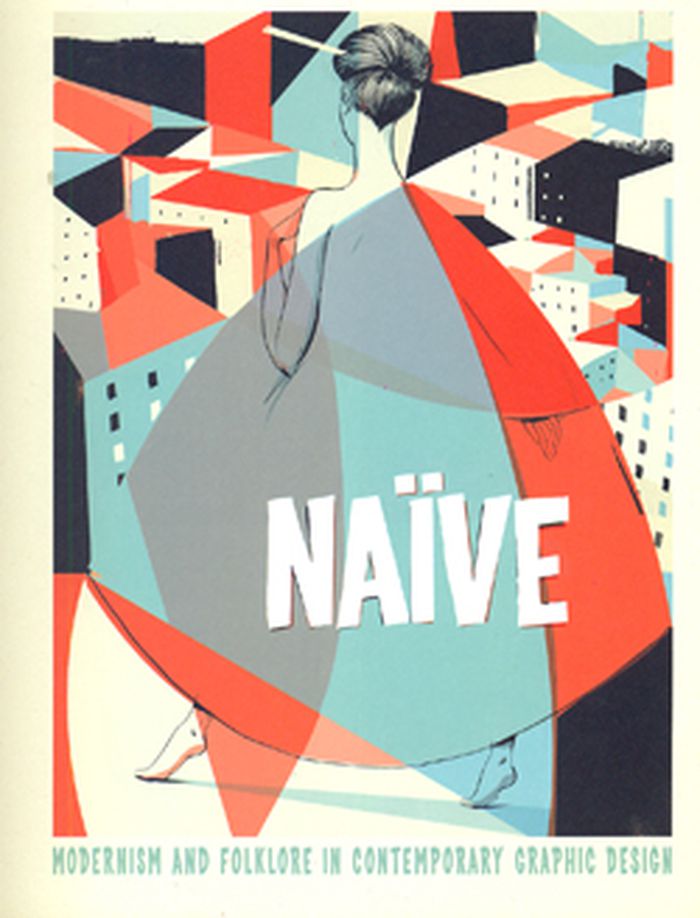
Naïve documents the return of classical graphic design reminiscent of the 1940s to 1960s in contemporary graphic design. Friedrich von Schiller a minimalist design vocabulary is currently being reinvented by a troop of young graphic designers who are rediscovering the stylistic elements reminiscent of classic graphic design such as silkscreen printing, classical typography, hand lettering, woodcutting and folk art and integrating them into their work. Naïve documents this extraordinary renaissance of Classic Modernism, from the 1940s to 1960s, in contemporary graphic design. Inspired by twentieth century American legends such as Saul Bass, the undisputed master of film title design and iconic logos as well as modernist graphic artist Charley Harper and textile designer Alexander Girard, these burgeoning designers are creating new and striking imagery using palettes of earthy and pastel shades, reduced strokes, patterns and shapes with a strong folkloristic element. Naïve illustrates this new development in graphic design, assembling a multitude of vivid and inspiring examples ranging from illustrations, poster art, editorials, book covers and record sleeves to stationery and textiles.
Naïve: Modernism and folklore in contemporary graphic design
Actions:
Price:
$61.95
(available to order)
Summary:
Naïve documents the return of classical graphic design reminiscent of the 1940s to 1960s in contemporary graphic design. Friedrich von Schiller a minimalist design vocabulary is currently being reinvented by a troop of young graphic designers who are rediscovering the stylistic elements reminiscent of classic graphic design such as silkscreen printing, classical typography, hand lettering, woodcutting and folk art and integrating them into their work. Naïve documents this extraordinary renaissance of Classic Modernism, from the 1940s to 1960s, in contemporary graphic design. Inspired by twentieth century American legends such as Saul Bass, the undisputed master of film title design and iconic logos as well as modernist graphic artist Charley Harper and textile designer Alexander Girard, these burgeoning designers are creating new and striking imagery using palettes of earthy and pastel shades, reduced strokes, patterns and shapes with a strong folkloristic element. Naïve illustrates this new development in graphic design, assembling a multitude of vivid and inspiring examples ranging from illustrations, poster art, editorials, book covers and record sleeves to stationery and textiles.
Form:
books
books
Publication:
May 2009
May 2009
Subject:
Graphic Design and Typography
Graphic Design and Typography


