


3114 Results
Form:
books
books
Actions:
Price:
$39.95
(available in store)
Summary:
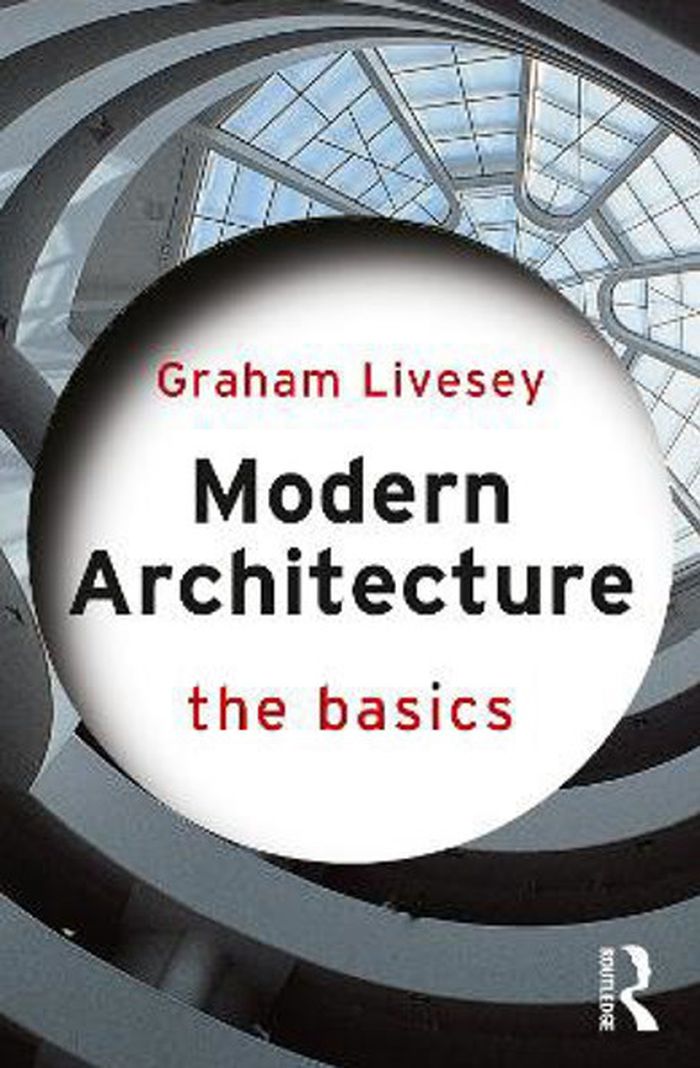
"Modern architecture: The basics" examines technological, stylistic, socio-political, and cultural changes that have transformed the history of architecture since the late 18th century. Broad definitions of modernity and postmodernity introduce the book, which comprises 24 short thematic chapters looking at the concepts behind the development of modern and postmodern(...)
Title:
Modern architecture: The basics
Actions:
Price:
$39.95
(available in store)
Summary:
"Modern architecture: The basics" examines technological, stylistic, socio-political, and cultural changes that have transformed the history of architecture since the late 18th century. Broad definitions of modernity and postmodernity introduce the book, which comprises 24 short thematic chapters looking at the concepts behind the development of modern and postmodern architecture. These include major historical movements, key figures, and evolving building typologies. There is also an emphasis on the changing city during the 19th and 20th centuries. Approaches to representation and its impacts on architecture are studied, along with the changing global role of architecture as cultural expression. The book introduces new topics, including gender, race, postcolonialism, and indigeneity.
Form:
books
books
Publication:
November 2024
November 2024
Subject:
Modernism
Modernism
Form:
books
books
Actions:
Price:
$50.00
(available to order)
Summary:
How did the great architects of this century reconcile their vision of architecture with the realities of building? "The details of modern architecture" provides comprehensive analysis of both the technical and the aesthetic importance of details in the development of architecture. With more than 500 illustrations, this book is providing a valuable collective(...)
Title:
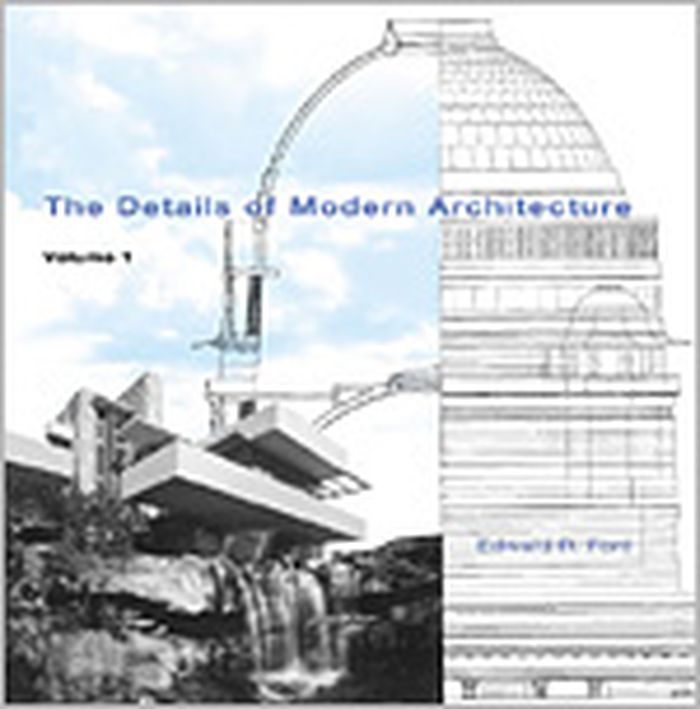
The details of modern architecture volume 1
Actions:
Price:
$50.00
(available to order)
Summary:
How did the great architects of this century reconcile their vision of architecture with the realities of building? "The details of modern architecture" provides comprehensive analysis of both the technical and the aesthetic importance of details in the development of architecture. With more than 500 illustrations, this book is providing a valuable collective resource. They present the details of notable architectural works drawn in similar styles and formats, allowing comparisons between works of different scales, periods, and styles. Covering the period 1890-1932, Ford focuses on various recognized masters, explaining the detailing and construction techniques that distort, camouflage, or enhance a building. He looks at the source of each architect's ideas, the translation of those ideas into practice, and the success or failure of the technical execution. Ford examines Frank Lloyd Wright's Robie House and Fallingwater Le Corbusier's Villa Savoye, and buildings by McKim, Mead & White, Lutyens, Mies van der Rohe, and Schindler from a point of view that acknowledges the importance of tradition, precedent, style, and ideology in architectural construction. He discusses critical details from a technical and contextual standpoint, considering how they perform how they add to or detract from the building as a whole, and how some have persisted and been adapted through time.
Form:
books
books
Publication:
October 2003, Cambridge, Mass.
October 2003, Cambridge, Mass.
Subject:
Modernism
Modernism
Form:
books
books
Actions:
Price:
$64.50
(available to order)
Summary:
Moduli 225 is a modular timber frame system for holiday homes developed from 1968 to 1974 by the Finnish architects Kristian Gullichsen and Juhani Pallasmaa. Through the use of prefabricated standard elements, the system allowed anyone to construct a building of high aesthetic quality in a flexible and modifiable way by combining components according to their personal(...)
Title:
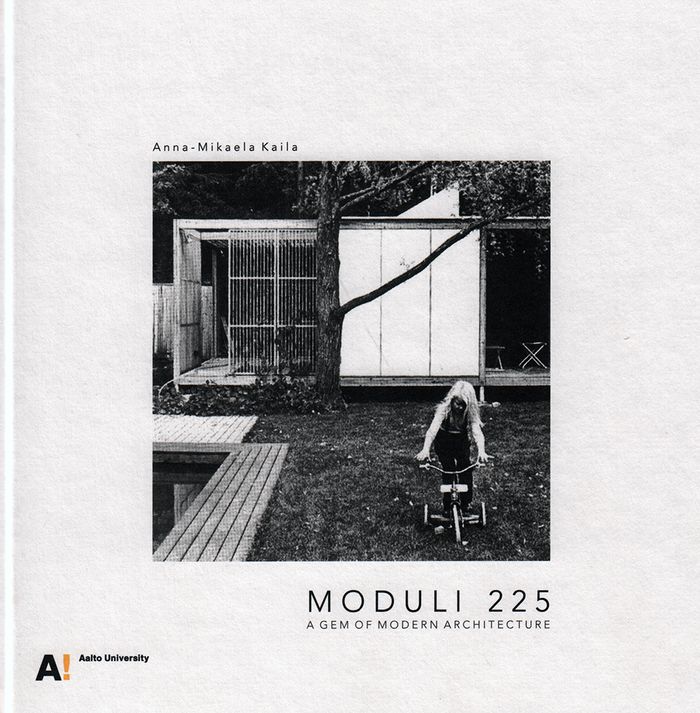
Moduli 225: a gem of modern architecture. Juhani Pallasmaa, Kristian Gullichsen
Actions:
Price:
$64.50
(available to order)
Summary:
Moduli 225 is a modular timber frame system for holiday homes developed from 1968 to 1974 by the Finnish architects Kristian Gullichsen and Juhani Pallasmaa. Through the use of prefabricated standard elements, the system allowed anyone to construct a building of high aesthetic quality in a flexible and modifiable way by combining components according to their personal preferences. Through the Moduli system, the industrial serial production of components was successfully combined with freedom of choice, individuality, proportional harmony, and modernist expression. The simple standard shape and geometry and the humane scale and harmony of proportion of Moduli all represent universal aesthetics.
Form:
books
books
Publication:
December 2016
December 2016
Subject:
Modernism
Modernism
Form:
books
books
Actions:
Price:
$32.50
(available to order)
Summary:
A comprehensive travel guide dedicated to Germany’s Bauhaus architecture, this book takes an in-depth look at over 100 locations that can still be visited today. Established in 1919 in Weimar, the Bauhaus college for design influenced one of the world’s most important Modernist movements. Divided into three geographic sections that follow the locations of the(...)
Title:
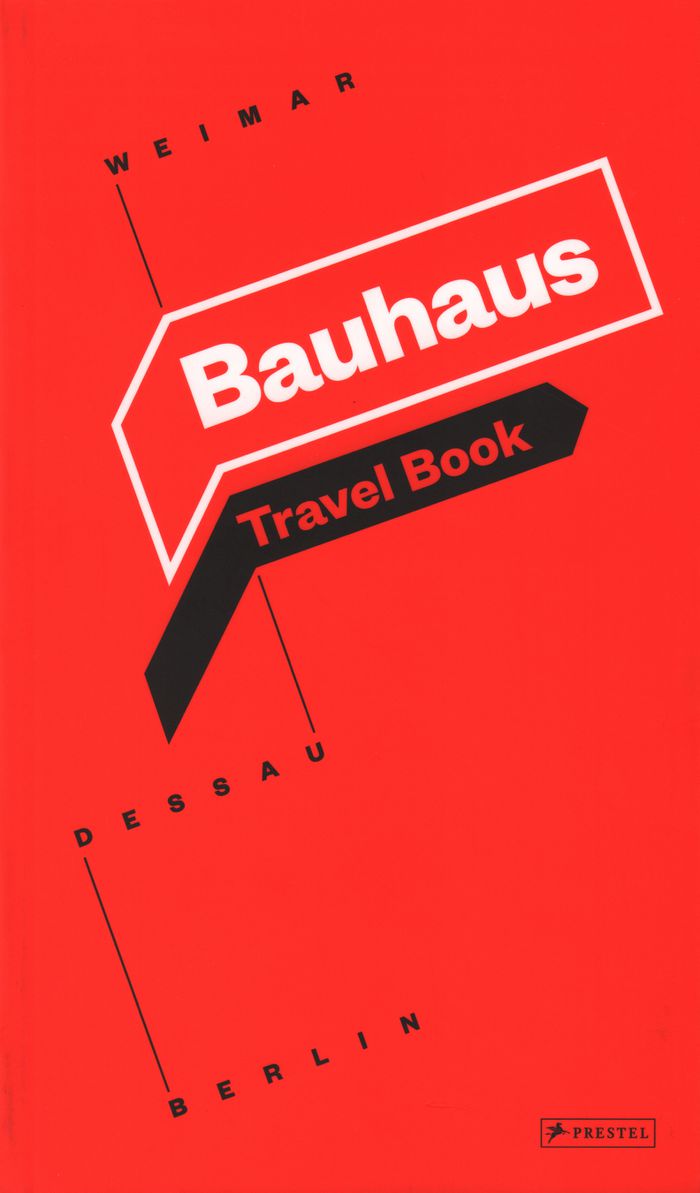
Bauhaus travel book: Weimar Dessau Berlin
Actions:
Price:
$32.50
(available to order)
Summary:
A comprehensive travel guide dedicated to Germany’s Bauhaus architecture, this book takes an in-depth look at over 100 locations that can still be visited today. Established in 1919 in Weimar, the Bauhaus college for design influenced one of the world’s most important Modernist movements. Divided into three geographic sections that follow the locations of the school—Weimar (1919–25), Dessau (1925–33), and Berlin (1933)—this unique travel guide leads readers through the most important Bauhaus structures in Germany.
Form:
books
books
Publication:
July 2017
July 2017
Subject:
Modernism
Modernism
Form:
books
books
Actions:
Price:
$57.50
(available in store)
Summary:
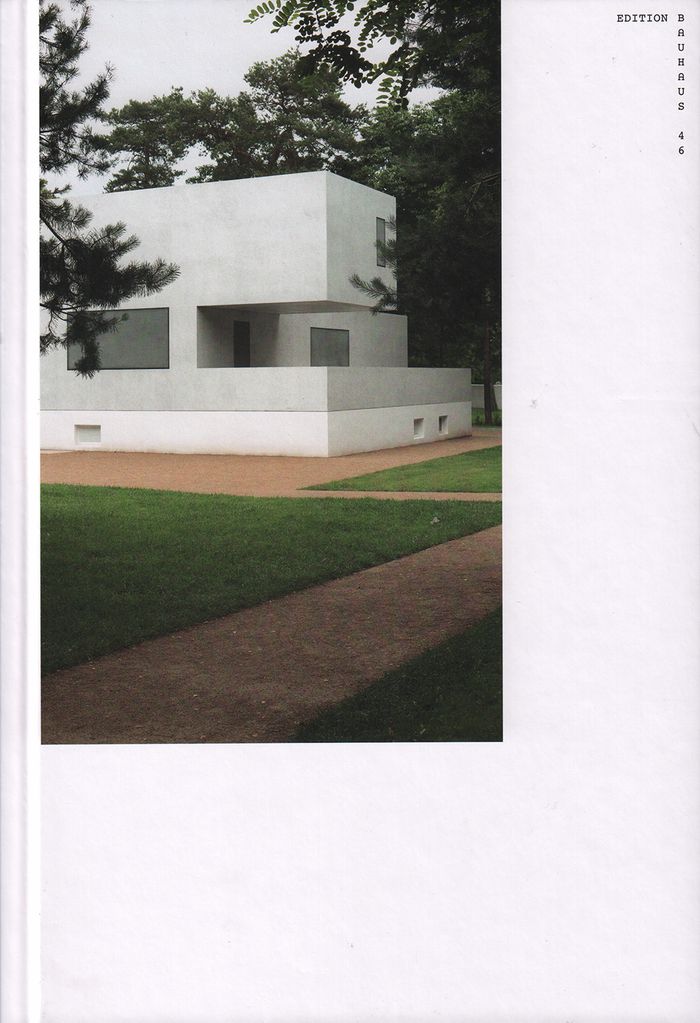
Edition Bauhaus 46 When Dessau was bombed in early 1945, the Director’s House and Moholy-Nagy’s Master House were reduced to rubble as well. After the Dessau Masters’ Houses – epitome of the 20th-century artists’ colony – had been restored to their original state in the 1990s, a debate began on the reconstruction of the two houses destroyed in the war. In 2010, after(...)
Title:
The new masters’ houses in Dessau, 1925–2014
Actions:
Price:
$57.50
(available in store)
Summary:
Edition Bauhaus 46 When Dessau was bombed in early 1945, the Director’s House and Moholy-Nagy’s Master House were reduced to rubble as well. After the Dessau Masters’ Houses – epitome of the 20th-century artists’ colony – had been restored to their original state in the 1990s, a debate began on the reconstruction of the two houses destroyed in the war. In 2010, after consultation with the British star architect David Chipperfield, the decision was made to recreate the Master Houses of Gropius and Moholy-Nagy using contemporary means, rather than rebuilding them 1:1. And so they have now been reconstructed on the basis of designs by the Berlin firm Bruno-Fioretti-Marquez, as innovative reductions and abstractions of the original houses. This volume describes the chequered history of the Dessau Masters’ Houses, presenting the reconstructed buildings for the first time in book form, with photographs by Armin Linke and Heidi Specker.
Form:
books
books
Publication:
March 2017
March 2017
Subject:
Modernism
Modernism
Form:
books
books
Actions:
Price:
$79.95
(available to order)
Summary:
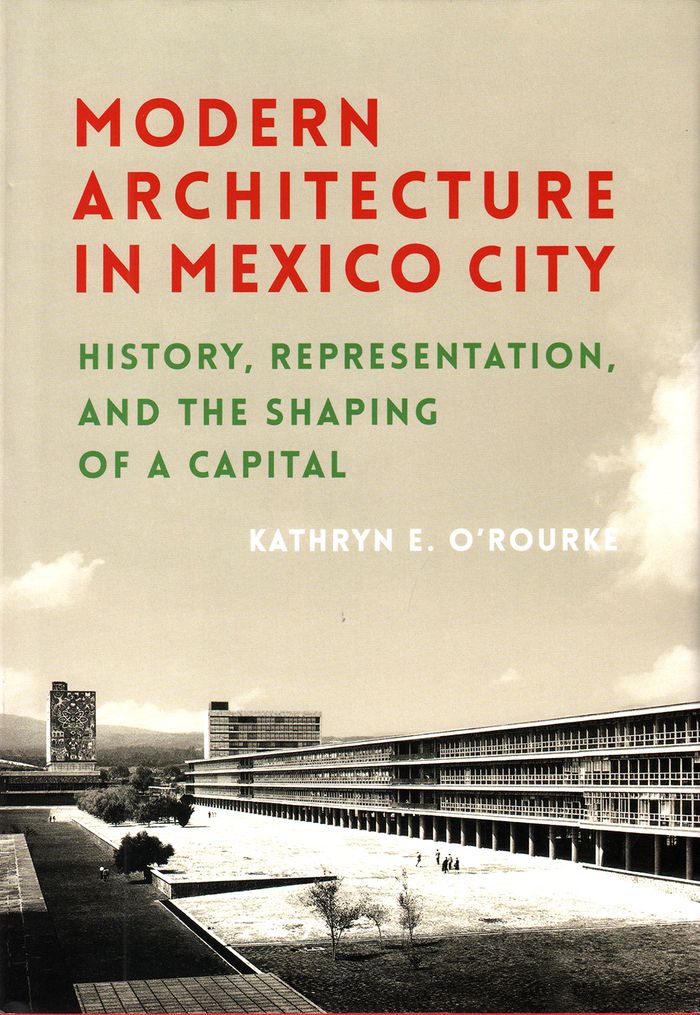
Kathryn E. O’Rourke offers a new interpretation of the development of modern architecture in the Mexican capital, showing close links between design, evolving understandings of national architectural history, folk art, and social reform.
$79.95
(available to order)
Summary:
Kathryn E. O’Rourke offers a new interpretation of the development of modern architecture in the Mexican capital, showing close links between design, evolving understandings of national architectural history, folk art, and social reform.
Title:
Modern architecture in Mexico city
Actions:
Price:
$79.95
(available to order)
Summary:
Kathryn E. O’Rourke offers a new interpretation of the development of modern architecture in the Mexican capital, showing close links between design, evolving understandings of national architectural history, folk art, and social reform.
Form:
books
books
Publication:
January 2017
January 2017
Subject:
Modernism
Modernism
Form:
books
books

Actions:
Price:
$76.95
(available in store)
Summary:
Questo libro nasce da una serie di lezioni tenute da Kenneth Frampton a Mendrisio, all’Accademia di architettura dell’Università della Svizzera italiana, ed è dedicato all’analisi del Movimento Moderno, una corrente progettuale complessa e assai variegata nelle sue molteplici manifestazioni. Il libro è organizzato in 18 capitoli dedicati ciascuno a un architetto – da(...)
Title:
Kenneth Frampton: L'altro Movimento Moderno
Actions:
Price:
$76.95
(available in store)
Summary:
Questo libro nasce da una serie di lezioni tenute da Kenneth Frampton a Mendrisio, all’Accademia di architettura dell’Università della Svizzera italiana, ed è dedicato all’analisi del Movimento Moderno, una corrente progettuale complessa e assai variegata nelle sue molteplici manifestazioni. Il libro è organizzato in 18 capitoli dedicati ciascuno a un architetto – da Schindler a Jacobsen, da Neutra a Bill, da Duiker a Krejcar –, del quale si dà una breve introduzione storico-biografica e si analizza un’opera di riferimento.
Form:
books
books
Publication:
June 2015
June 2015
Subject:
Modernism
Modernism
Form:
books
books

Title:
Le siège de l'Unesco
Le siège de l'Unesco
Actions:
Price:
$23.95
(available to order)
Summary:
Fruit du travail commun de trois architectes - le Français Bernard Zehrfuss, l'Américain d'origine hongroise Marcel Breuer et l'Italien Pier Luigi Nervi - le siège de l'Unesco est inauguré à Paris, le 3 novembre 1958 à la suite d'une consultation qui rassembla les plus grands noms de l'architecture mondiale. Leur réalisation est l'une des plus belles prouesses de l'usage(...)
Title:
Le siège de l'Unesco
Actions:
Price:
$23.95
(available to order)
Summary:
Fruit du travail commun de trois architectes - le Français Bernard Zehrfuss, l'Américain d'origine hongroise Marcel Breuer et l'Italien Pier Luigi Nervi - le siège de l'Unesco est inauguré à Paris, le 3 novembre 1958 à la suite d'une consultation qui rassembla les plus grands noms de l'architecture mondiale. Leur réalisation est l'une des plus belles prouesses de l'usage du béton armé. Au bâtiment principal - la célèbre " étoile à trois branches " - s'ajouteront par la suite trois autres édifices. A l'ombre des bâtiments, Isamu Noguchi réalise son fameux jardin japonais, ou " Jardin de la Paix ". Pendant le chantier, un " comité pour l'architecture et les oeuvres d'art " est mis en place pour sélectionner des artistes chargés d'exécuter une ouvre monumentale pour un emplacement précis : on compte ainsi des sculptures d'Henry Moore, d'Alexander Calder et d'Eduardo Chillida à l'extérieur, et à l'intérieur une céramique de Joan Miró ainsi qu'une fresque monumentale de Picasso. En plus de ce noyau initial, l'Unesco a acquis au fil des ans d'autres ouvres et cette " maison de l'Unesco ", symbole de paix universelle et de diversité culturelle, compte aujourd'hui plus de 700 oeuvres d'art.
Form:
books
books
Publication:
August 2017
August 2017
Subject:
Modernism
Modernism
Form:
books
books
Actions:
Price:
$59.95
(available to order)
Summary:
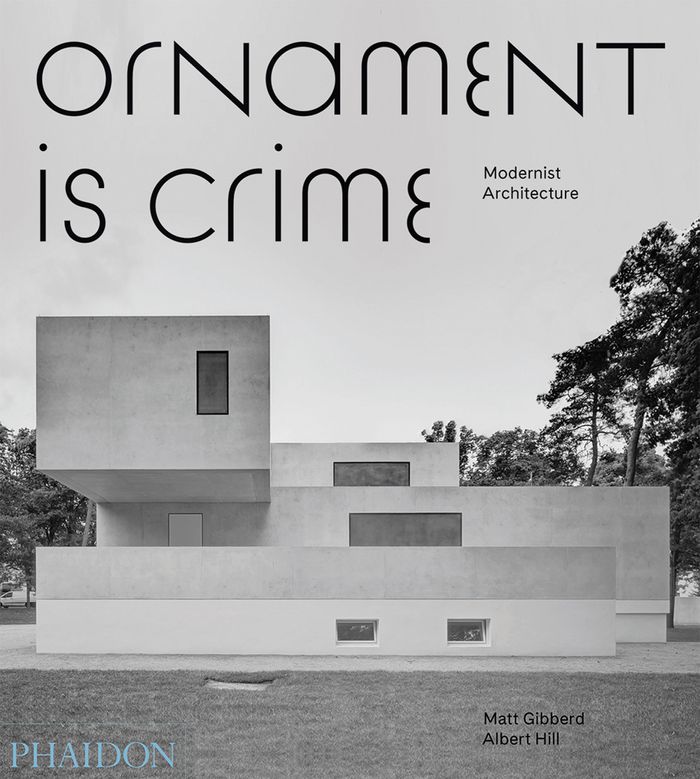
"L'Ornement est un crime" rend hommage de manière originale au mouvement moderne, l'une des périodes les plus inventives et radicales de l'histoire de l'architecture. Des chefs-d'oeuvre des premiers architectes du mouvement moderne tels Le Corbusier, Marcel Breuer, Walter Gropius ou Mies van der Rohe et de nombreux trésors méconnus côtoient ainsi les créations de grands(...)
Title:
L'ornement est un crime : architecture du mouvement moderne
Actions:
Price:
$59.95
(available to order)
Summary:
"L'Ornement est un crime" rend hommage de manière originale au mouvement moderne, l'une des périodes les plus inventives et radicales de l'histoire de l'architecture. Des chefs-d'oeuvre des premiers architectes du mouvement moderne tels Le Corbusier, Marcel Breuer, Walter Gropius ou Mies van der Rohe et de nombreux trésors méconnus côtoient ainsi les créations de grands architectes contemporains dont l'oeuvre s'inscrit dans la même lignée, tels David Adjaye, Tadao Ando ou Steven Holl. "L'Ornement est un crime" offre un tour du monde de ce style d'architecture, réunissant des maisons conçues aussi bien aux Etats-Unis et en Europe (notamment en République tchèque, en Irlande, en Pologne, au Portugal, en Slovaquie, en Grèce) qu'en Argentine, au Chili, au Pérou, en Australie, au Canada, au Ghana ou en Israël.
Form:
books
books
Publication:
September 2017
September 2017
Subject:
Modernism
Modernism
Form:
books
books
Price:
$103.00
(available to order)
Summary:
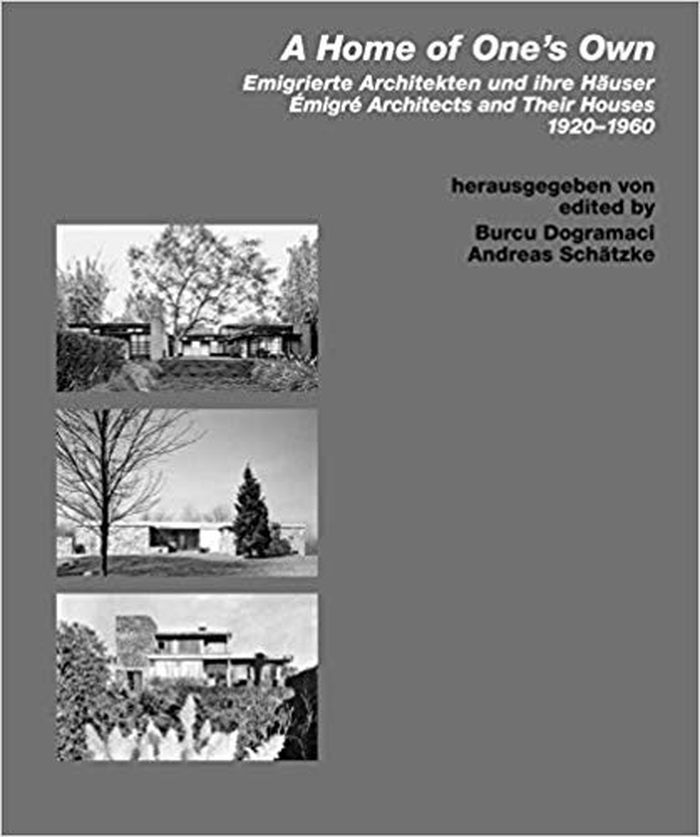
Building for oneself has a special connotation under the conditions of migration and exile. Among the most prominent examples are the private homes of Rudolph Schindler in West Hollywood, Richard Neutra in Los Angeles, Walter Gropius in Lincoln, Massachusetts. What expression could voluntary migration or forced change of location find in these buildings? To what extent(...)
Title:
A home of one's own: Émigré architects and their houses 1920-1960
Actions:
Price:
$103.00
(available to order)
Summary:
Building for oneself has a special connotation under the conditions of migration and exile. Among the most prominent examples are the private homes of Rudolph Schindler in West Hollywood, Richard Neutra in Los Angeles, Walter Gropius in Lincoln, Massachusetts. What expression could voluntary migration or forced change of location find in these buildings? To what extent do the architects’ other buildings differ from such 'homes of one’s own' in a foreign country, to use an expression borrowed and modified from Virginia Woolf?
Form:
books
books
Publication:
June 2018
June 2018
Subject:
Modernism
Modernism


