


212 Results
Form:
books
books
Title:
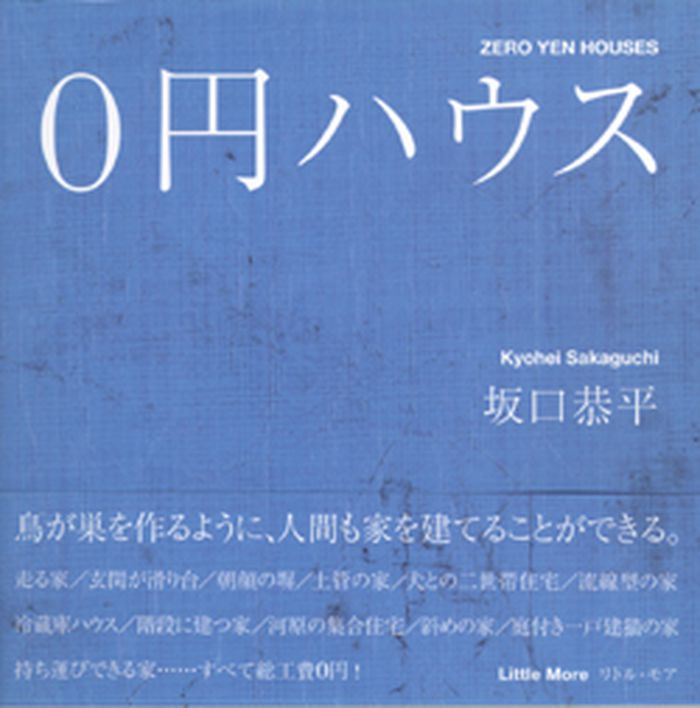
Zero yen houses
Zero yen houses
Actions:
Price:
$75.00
(available to order)
Summary:
A lean-to in an urban park, featuring a blue tarpaulin roof, a hinged door, and a bamboo blind. A car-shaped cardboard hut, lashed together with rope and sitting on a dolly. Temporary lodging under a bridge, incorporating a piece of playground equipment into its design. Each of these structures is an example of what Japanese artist and architect Kyohei Sakaguchi calls a(...)
Title:
Zero yen houses
Actions:
Price:
$75.00
(available to order)
Summary:
A lean-to in an urban park, featuring a blue tarpaulin roof, a hinged door, and a bamboo blind. A car-shaped cardboard hut, lashed together with rope and sitting on a dolly. Temporary lodging under a bridge, incorporating a piece of playground equipment into its design. Each of these structures is an example of what Japanese artist and architect Kyohei Sakaguchi calls a "zero-yen house".Built by the homeless of Tokyo, Osaka, and Nagoya, zero-yen houses employ discarded and found materials, including pieces of wood and corrugated roofing, temple ornaments, blankets, shipping pallets, an umbrella, and those ubiquitous blue tarps. They also incorporate into their assembly the imminence of their disassembly: at any moment, they may have to be taken apart and moved.Since his days as a university student at the turn of the millennium, Sakaguchi has been studying the kinds of shelters that street people have created for themselves in Japan's three largest cities. Based in Tokyo, he appears to be obsessed with this peculiar and transient form of "vernacular architecture". Sakaguchi uses images, descriptions, and even facsimiles of the improvised homes of the homeless as a way of celebrating human resourcefulness and ingenuity. These dwellings, he tells us, are worthy of our interest and admiration rather than our indifference, our scorn, or even our pity. They can instruct us on an approach to architecture that is the reverse of overconsumption and resource depletion.
Form:
books
books
Publication:
January 2004, Tokyo
January 2004, Tokyo
Subject:
Residential Architecture
Residential Architecture
Form:
books
books
Title:
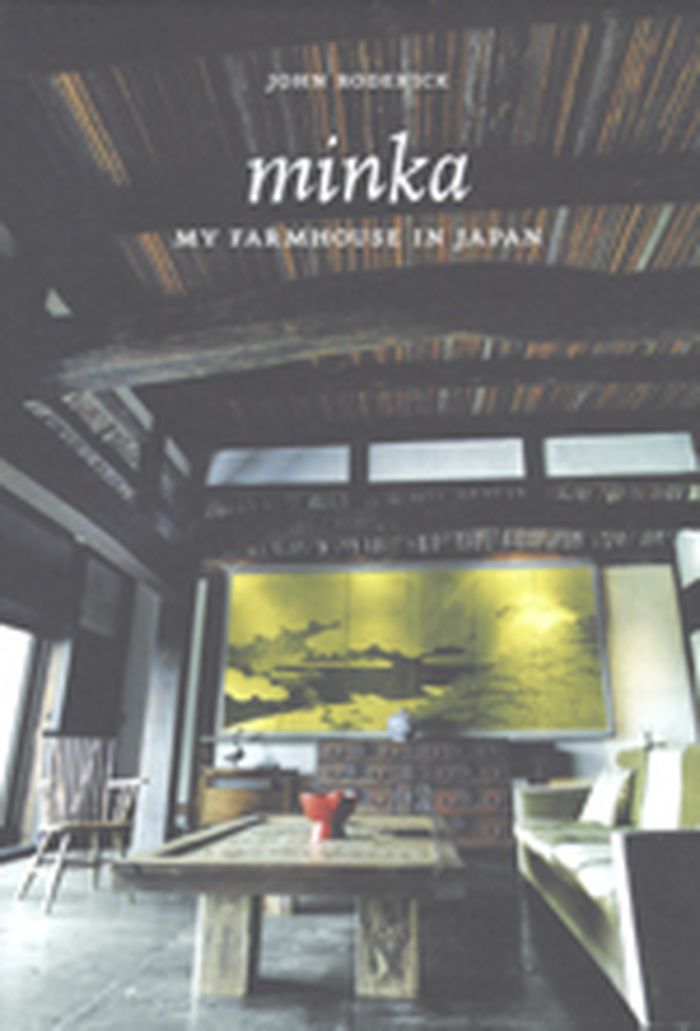
Minka, my farmhouse in Japan
Minka, my farmhouse in Japan
Actions:
Price:
$27.95
(available to order)
Summary:
In 1959 the journalist John Roderick joined the Tokyo bureau of the Associated Press. There, he befriended a Japanese family, the Takishitas. After musing offhandedly that he would like to one day have his own house in Japan, the family unbeknownst to John set out to grant his wish. They found Roderick a 250-year-old minka, or hand-built farmhouse, with a thatched roof(...)
Title:
Minka, my farmhouse in Japan
Actions:
Price:
$27.95
(available to order)
Summary:
In 1959 the journalist John Roderick joined the Tokyo bureau of the Associated Press. There, he befriended a Japanese family, the Takishitas. After musing offhandedly that he would like to one day have his own house in Japan, the family unbeknownst to John set out to grant his wish. They found Roderick a 250-year-old minka, or hand-built farmhouse, with a thatched roof and held together entirely by wooden pegs and joinery. It was about to be washed away by flooding and was being offered for only fourteen dollars. Roderick graciously bought the house, but was privately dismayed at the prospect of living in this enormous old relic lacking heating, bathing, plumbing, and proper kitchen facilities. So the minka was dismantled and stored, where Roderick secretly hoped it would stay, as it did for several years. But Roderick's reverence for natural materials and his appreciation of traditional Japanese and Shinto craftsmanship eventually got the better of him. Before long a team of experienced carpenters were hoisting massive beams, laying wide wooden floors, and attaching the split-bamboo ceiling. In just forty days they rebuilt the house on a hill overlooking Kamakura, the ancient capital of Japan. Working together, they renovated the farmhouse, adding features such as floor-to-ceiling sliding glass doors and a modern kitchen, bath, and toilet. From these humble beginnings, Roderick's minka has become internationally known and has hosted such luminaries as Senator Hillary Clinton. John Roderick's architectural memoir "Minka" tells the compelling and often poignant story of how one man fell in love with the people, culture, and ancient building traditions of Japan, and reminds us all about the importance of craftsmanship and the meaning of place and home in the process.
Form:
books
books
Publication:
November 2007, New York
November 2007, New York
Subject:
Contemporary Asian Architecture
Contemporary Asian Architecture


