


12071 Results
Form:
books
books
Actions:
Price:
$58.50
(available to order)
Summary:
"Architecture and its ethical dilemmas" examines the changing role of architects and the particular professional dilemmas they face. Architects and designers are constantly confronted by these ethical issues ranging from professional issues to more philosophical questions. Should architects spend some of their clients' money on features that would improve buildings even(...)
$58.50
(available to order)
Summary:
"Architecture and its ethical dilemmas" examines the changing role of architects and the particular professional dilemmas they face. Architects and designers are constantly confronted by these ethical issues ranging from professional issues to more philosophical questions. Should architects spend some of their clients' money on features that would improve buildings even(...)
Title:
Architecture and its ethical dilemmas
Actions:
Price:
$58.50
(available to order)
Summary:
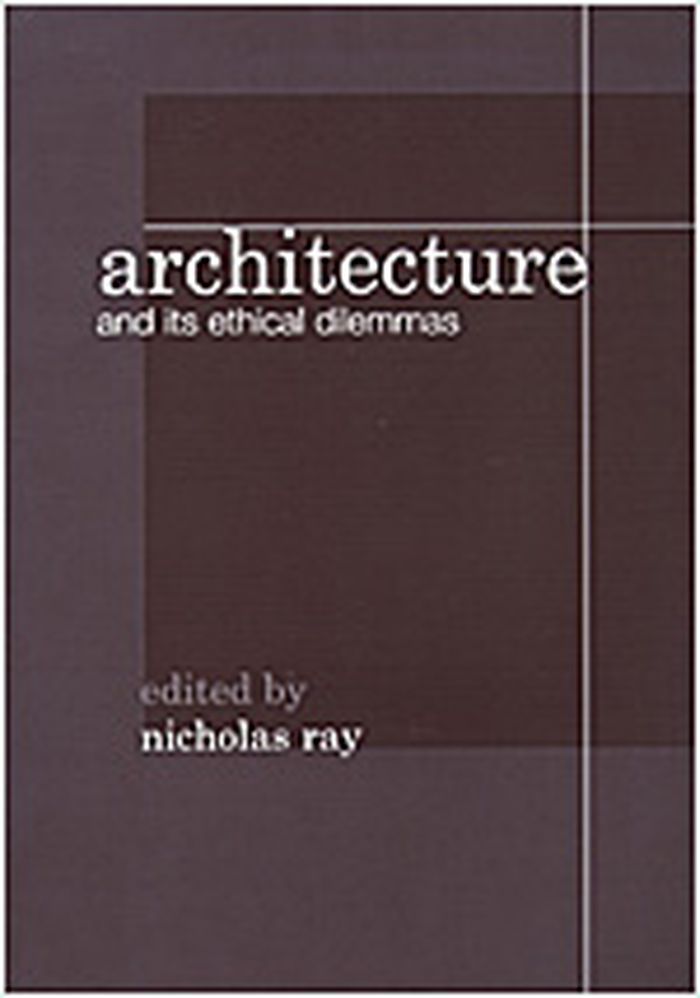
"Architecture and its ethical dilemmas" examines the changing role of architects and the particular professional dilemmas they face. Architects and designers are constantly confronted by these ethical issues ranging from professional issues to more philosophical questions. Should architects spend some of their clients' money on features that would improve buildings even if they're not necessary or part of the clients' design brief? Who is architecture for? As the products of the architect's work are often in the public domain and reflect society's values, are architects too merely servants of society? What place does the professional architect-client relationship have in the 21st century? Can aesthetics be disassociated from ethics in a visual medium? A cast of leading writers and practitioners tackle these questions from a range of perspectives across architecture, the building and design industries, social theory and philosophy to contribute to the growing literature in the sociology of the professions.
Architecture and its ethical dilemmas
Actions:
Price:
$58.50
(available to order)
Summary:
"Architecture and its ethical dilemmas" examines the changing role of architects and the particular professional dilemmas they face. Architects and designers are constantly confronted by these ethical issues ranging from professional issues to more philosophical questions. Should architects spend some of their clients' money on features that would improve buildings even if they're not necessary or part of the clients' design brief? Who is architecture for? As the products of the architect's work are often in the public domain and reflect society's values, are architects too merely servants of society? What place does the professional architect-client relationship have in the 21st century? Can aesthetics be disassociated from ethics in a visual medium? A cast of leading writers and practitioners tackle these questions from a range of perspectives across architecture, the building and design industries, social theory and philosophy to contribute to the growing literature in the sociology of the professions.
Form:
books
books
Publication:
December 2005, London, New York
December 2005, London, New York
Subject:
Architectural Theory
Architectural Theory
Form:
books
books
Actions:
Price:
$23.95
(available to order)
Summary:
More than ever, architectural design is seen as a means to promote commercial goals rather than as an end in itself. Frank Gehry’s Guggenheim Museum in Bilbao, for example, simply cannot be considered apart from its intended role as a catalyst for the economic revitalization of Bilbao and its ability to attract tourist dollars, regardless of its architectural merits. A(...)
$23.95
(available to order)
Summary:
More than ever, architectural design is seen as a means to promote commercial goals rather than as an end in itself. Frank Gehry’s Guggenheim Museum in Bilbao, for example, simply cannot be considered apart from its intended role as a catalyst for the economic revitalization of Bilbao and its ability to attract tourist dollars, regardless of its architectural merits. A(...)
Subject:
Architectural Theory
Architectural Theory
Publication:
November 2005, Minneapolis, London
November 2005, Minneapolis, London
Title:
Commodification and spectacle in architecture
Actions:
Price:
$23.95
(available to order)
Summary:
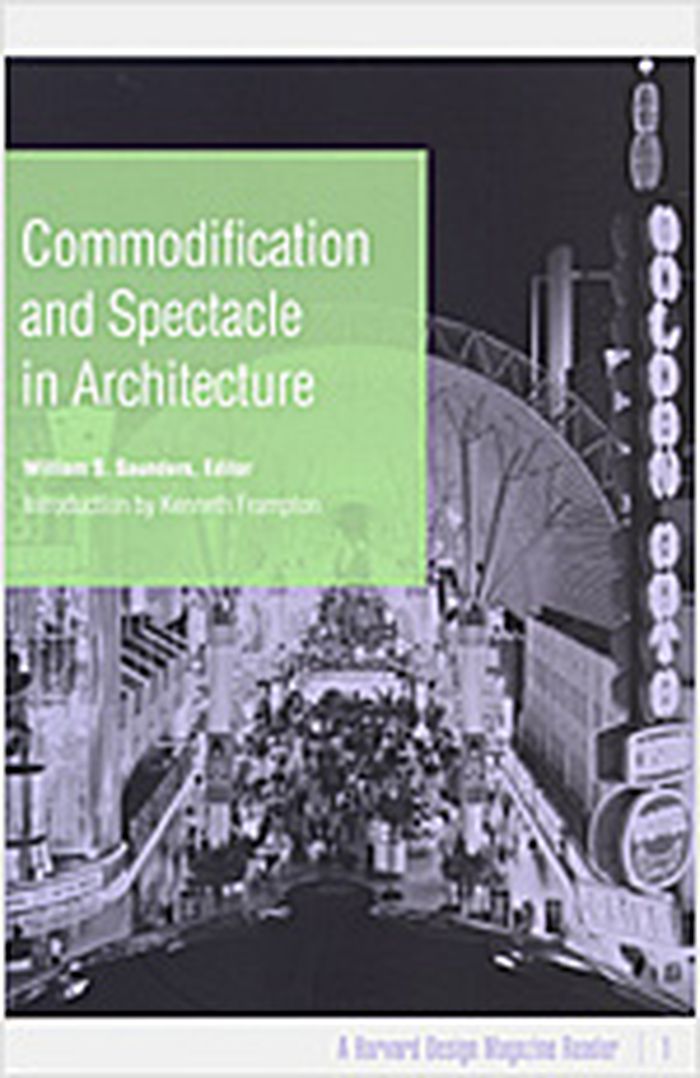
More than ever, architectural design is seen as a means to promote commercial goals rather than as an end in itself. Frank Gehry’s Guggenheim Museum in Bilbao, for example, simply cannot be considered apart from its intended role as a catalyst for the economic revitalization of Bilbao and its ability to attract tourist dollars, regardless of its architectural merits. A built environment intended to seduce consumers is more likely to offer instant gratification than to invite independent thought and reflection. But how harmful, if at all, is this unprecedented commercialization of architecture? Framed with an introduction by Kenneth Frampton, the contributions to "Commodification and spectacle in architecture" stake out a variety of positions in the debate over the extent to which it is possible—or desirable—to escape from, resist, or suggest plausible alternatives to the dominant culture of consumer capitalism. Rejecting any dreamy nostalgia for an idealized present or past in which design is completely divorced from commerce—and, in some cases, celebrating the pleasures of spectacle—the individual essays range from indictments of particular architects and critiques of the profession to broader concerns about what the phenomenon of commodification means for the practice of democracy and the health of society. Bringing together an impressive and varied group of critics and practitioners, "Commodification and spectacle in architecture" will help to sharpen the discussion of how design can respond to our hypercommodified culture.
Commodification and spectacle in architecture
Actions:
Price:
$23.95
(available to order)
Summary:
More than ever, architectural design is seen as a means to promote commercial goals rather than as an end in itself. Frank Gehry’s Guggenheim Museum in Bilbao, for example, simply cannot be considered apart from its intended role as a catalyst for the economic revitalization of Bilbao and its ability to attract tourist dollars, regardless of its architectural merits. A built environment intended to seduce consumers is more likely to offer instant gratification than to invite independent thought and reflection. But how harmful, if at all, is this unprecedented commercialization of architecture? Framed with an introduction by Kenneth Frampton, the contributions to "Commodification and spectacle in architecture" stake out a variety of positions in the debate over the extent to which it is possible—or desirable—to escape from, resist, or suggest plausible alternatives to the dominant culture of consumer capitalism. Rejecting any dreamy nostalgia for an idealized present or past in which design is completely divorced from commerce—and, in some cases, celebrating the pleasures of spectacle—the individual essays range from indictments of particular architects and critiques of the profession to broader concerns about what the phenomenon of commodification means for the practice of democracy and the health of society. Bringing together an impressive and varied group of critics and practitioners, "Commodification and spectacle in architecture" will help to sharpen the discussion of how design can respond to our hypercommodified culture.
Form:
books
books
Publication:
November 2005, Minneapolis, London
November 2005, Minneapolis, London
Subject:
Architectural Theory
Architectural Theory
Form:
books
books
Actions:
Price:
$35.95
(available to order)
Summary:
''Projet et utopie'' est la réédition du classique - paru en français en 1979 - de Manfredo Tafuri (1935-1994), architecte et théoricien de l'urbanisme italien. En s'attachant à appliquer les thèses opéraïstes aux domaines de l'architecture et de l'urbanisme, l'auteur propose une réflexion sur la métropole comme lieu de l'accumulation capitaliste et de l'antagonisme(...)
$35.95
(available to order)
Summary:
''Projet et utopie'' est la réédition du classique - paru en français en 1979 - de Manfredo Tafuri (1935-1994), architecte et théoricien de l'urbanisme italien. En s'attachant à appliquer les thèses opéraïstes aux domaines de l'architecture et de l'urbanisme, l'auteur propose une réflexion sur la métropole comme lieu de l'accumulation capitaliste et de l'antagonisme(...)
Title:
Projet et utopie : Architecture et développement capitaliste
Actions:
Price:
$35.95
(available to order)
Summary:
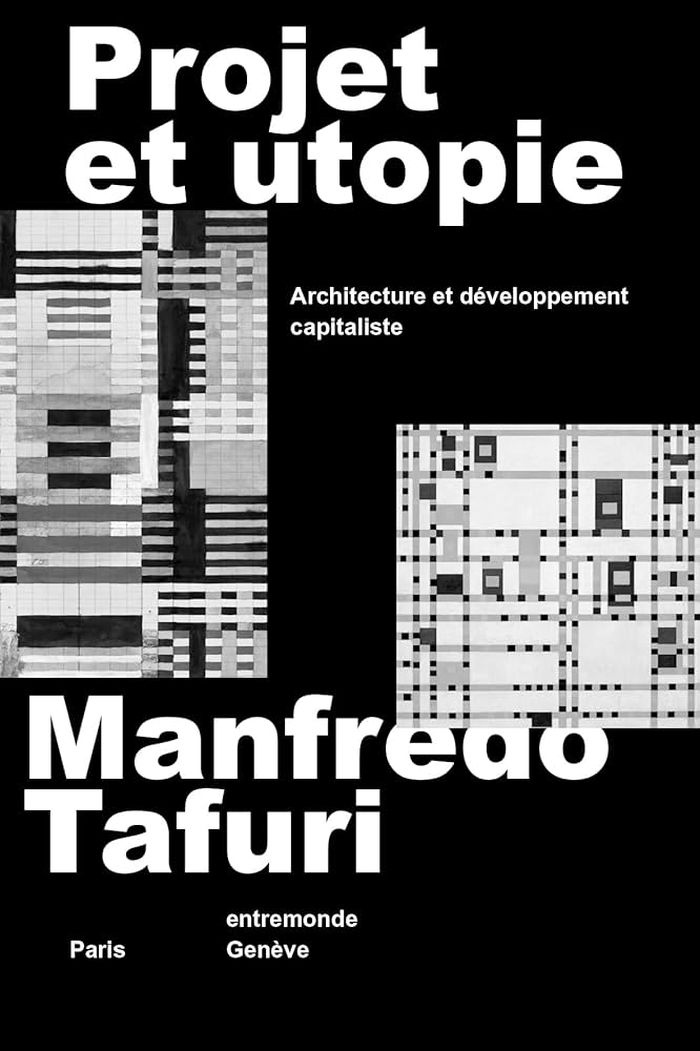
''Projet et utopie'' est la réédition du classique - paru en français en 1979 - de Manfredo Tafuri (1935-1994), architecte et théoricien de l'urbanisme italien. En s'attachant à appliquer les thèses opéraïstes aux domaines de l'architecture et de l'urbanisme, l'auteur propose une réflexion sur la métropole comme lieu de l'accumulation capitaliste et de l'antagonisme social. La ville devient dans cette optique l'un des sites majeurs de déploiement de la critique sociale, mais aussi de bon nombre d'entreprises avant-gardistes et utopiques : l'espace urbain comme enjeu politique, imbriqué aux rapports de domination et d'aliénation, qu'il s'agit toujours de subvertir.Projet et utopie ou comment l'histoire de l'architecture se fait critique de l'idéologie.
Projet et utopie : Architecture et développement capitaliste
Actions:
Price:
$35.95
(available to order)
Summary:
''Projet et utopie'' est la réédition du classique - paru en français en 1979 - de Manfredo Tafuri (1935-1994), architecte et théoricien de l'urbanisme italien. En s'attachant à appliquer les thèses opéraïstes aux domaines de l'architecture et de l'urbanisme, l'auteur propose une réflexion sur la métropole comme lieu de l'accumulation capitaliste et de l'antagonisme social. La ville devient dans cette optique l'un des sites majeurs de déploiement de la critique sociale, mais aussi de bon nombre d'entreprises avant-gardistes et utopiques : l'espace urbain comme enjeu politique, imbriqué aux rapports de domination et d'aliénation, qu'il s'agit toujours de subvertir.Projet et utopie ou comment l'histoire de l'architecture se fait critique de l'idéologie.
Form:
books
books
Publication:
January 2024
January 2024
Subject:
Architectural Theory
Architectural Theory
Form:
books
books
Actions:
Price:
$45.00
(available to order)
Summary:
For the French-Brazilian architect, theorist, and painter Sérgio Ferro, looking at architecture from below means putting the building site and building workers at the centre of architectural enquiry. Instead of new trends or big names, Ferro strives for an approach ‘that enables one to see both head and feet at the same time – the magnanimous ideal and the muck down(...)
$45.00
(available to order)
Summary:
For the French-Brazilian architect, theorist, and painter Sérgio Ferro, looking at architecture from below means putting the building site and building workers at the centre of architectural enquiry. Instead of new trends or big names, Ferro strives for an approach ‘that enables one to see both head and feet at the same time – the magnanimous ideal and the muck down(...)
Title:
Architecture from below: An anthology
Actions:
Price:
$45.00
(available to order)
Summary:
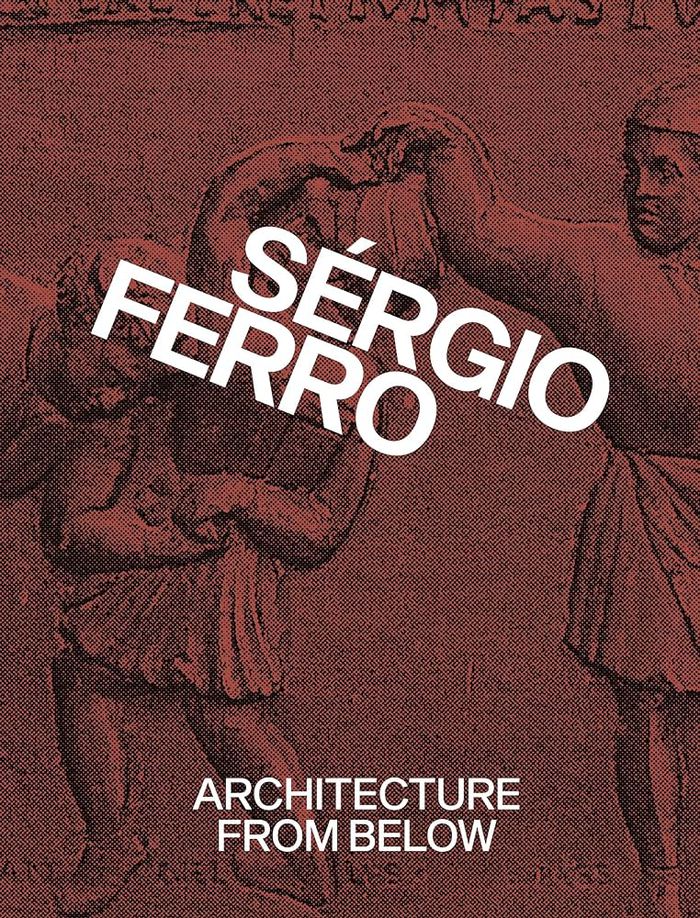
For the French-Brazilian architect, theorist, and painter Sérgio Ferro, looking at architecture from below means putting the building site and building workers at the centre of architectural enquiry. Instead of new trends or big names, Ferro strives for an approach ‘that enables one to see both head and feet at the same time – the magnanimous ideal and the muck down below’. The process of building rarely features in architectural history and theory. Ferro argues that this persistent dismissal and neglect of building labour is no mere oversight, but instead a structural necessity of capitalist development which serves to deny labour as the source of value, to make capital’s command appear mandatory, and to maintain the profession’s capacity to act ‘on’ and ‘over’ the building site. Written between 1967 and 2019, these ten essays introduce Sérgio Ferro’s vital thinking by confronting architecture with critical theories ranging from Marx to contemporary authors. They draw on concrete cases in different historical and geographical contexts – from Strasbourg to Brasilia, via Dubai – to disclose how capitalist relations of production have transformed architecture and its relations to artistic practices such as painting and sculpture.
Architecture from below: An anthology
Actions:
Price:
$45.00
(available to order)
Summary:
For the French-Brazilian architect, theorist, and painter Sérgio Ferro, looking at architecture from below means putting the building site and building workers at the centre of architectural enquiry. Instead of new trends or big names, Ferro strives for an approach ‘that enables one to see both head and feet at the same time – the magnanimous ideal and the muck down below’. The process of building rarely features in architectural history and theory. Ferro argues that this persistent dismissal and neglect of building labour is no mere oversight, but instead a structural necessity of capitalist development which serves to deny labour as the source of value, to make capital’s command appear mandatory, and to maintain the profession’s capacity to act ‘on’ and ‘over’ the building site. Written between 1967 and 2019, these ten essays introduce Sérgio Ferro’s vital thinking by confronting architecture with critical theories ranging from Marx to contemporary authors. They draw on concrete cases in different historical and geographical contexts – from Strasbourg to Brasilia, via Dubai – to disclose how capitalist relations of production have transformed architecture and its relations to artistic practices such as painting and sculpture.
Form:
books
books
Publication:
June 2024
June 2024
Subject:
Architectural Theory
Architectural Theory
Form:
books
books
Actions:
Price:
$35.00
(available to order)
Summary:
This publication, co-published with Ukrainian platform CANactions, brings together wide-ranging essays on the subject of post-war reconstruction. Produced in the light of the current invasion of Ukraine, it covers a spectrum of historical examples and geographic contexts to navigate the challenges and opportunities that define post-war reconstruction and war-related(...)
$35.00
(available to order)
Summary:
This publication, co-published with Ukrainian platform CANactions, brings together wide-ranging essays on the subject of post-war reconstruction. Produced in the light of the current invasion of Ukraine, it covers a spectrum of historical examples and geographic contexts to navigate the challenges and opportunities that define post-war reconstruction and war-related(...)
Title:
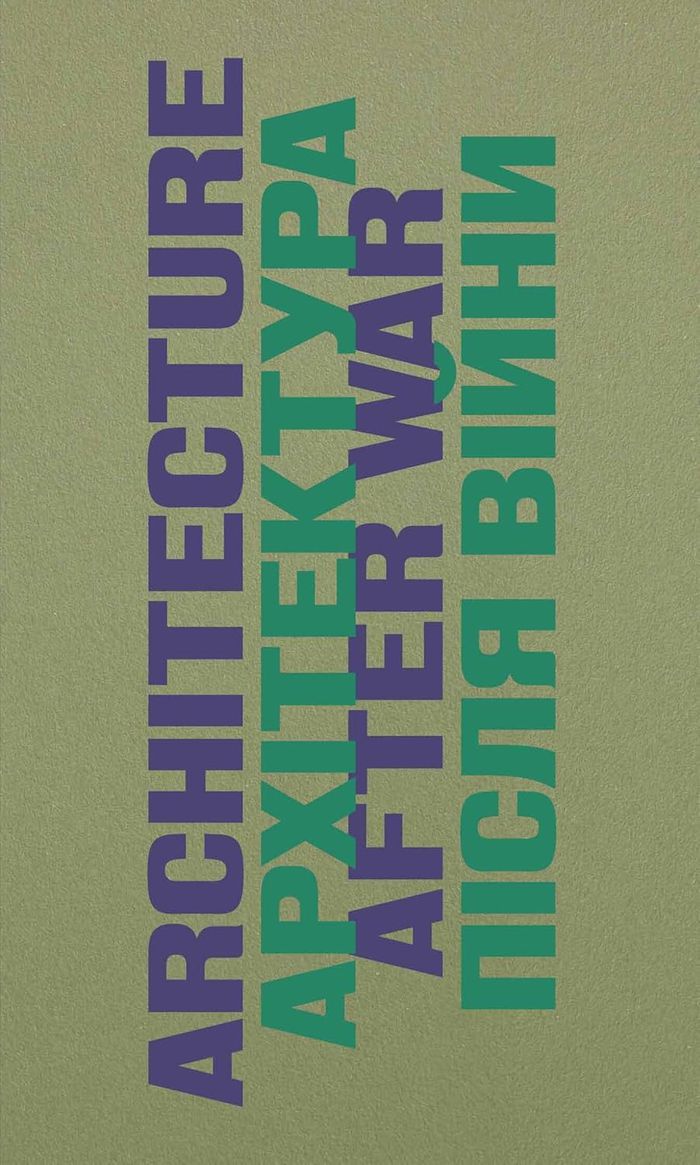
Architecture after war: a reader
Actions:
Price:
$35.00
(available to order)
Summary:
This publication, co-published with Ukrainian platform CANactions, brings together wide-ranging essays on the subject of post-war reconstruction. Produced in the light of the current invasion of Ukraine, it covers a spectrum of historical examples and geographic contexts to navigate the challenges and opportunities that define post-war reconstruction and war-related issues within the field of architecture. Considering urban planning, education, building materials, and innovative spatial relations, it centres around the human experience of the built environment in the aftermath of war. With a preface by editor Bohdan Kryzhanovsky, this reader presents theoretical and practical explorations of an urgently timely topic, offering a basis for wider conversation as well as a handbook of ideas for architects and planners and a pragmatic guide for shaping the future of Ukrainian cities.
Architecture after war: a reader
Actions:
Price:
$35.00
(available to order)
Summary:
This publication, co-published with Ukrainian platform CANactions, brings together wide-ranging essays on the subject of post-war reconstruction. Produced in the light of the current invasion of Ukraine, it covers a spectrum of historical examples and geographic contexts to navigate the challenges and opportunities that define post-war reconstruction and war-related issues within the field of architecture. Considering urban planning, education, building materials, and innovative spatial relations, it centres around the human experience of the built environment in the aftermath of war. With a preface by editor Bohdan Kryzhanovsky, this reader presents theoretical and practical explorations of an urgently timely topic, offering a basis for wider conversation as well as a handbook of ideas for architects and planners and a pragmatic guide for shaping the future of Ukrainian cities.
Form:
books
books
Publication:
June 2024
June 2024
Subject:
Architectural Theory
Architectural Theory
Form:
books
books
Actions:
Price:
$134.99
(available in store)
Summary:
Zaha Hadid is widely regarded as a visionary and influential architect, who became globally acclaimed by the time of her untimely death in 2016. This book is the first to focus on how painting was fundamental to her practice. During the first 20 years of her career, she earned her reputation through ‘'paper architecture'’: projects which were widely published in(...)
$134.99
(available in store)
Summary:
Zaha Hadid is widely regarded as a visionary and influential architect, who became globally acclaimed by the time of her untimely death in 2016. This book is the first to focus on how painting was fundamental to her practice. During the first 20 years of her career, she earned her reputation through ‘'paper architecture'’: projects which were widely published in(...)
Title:
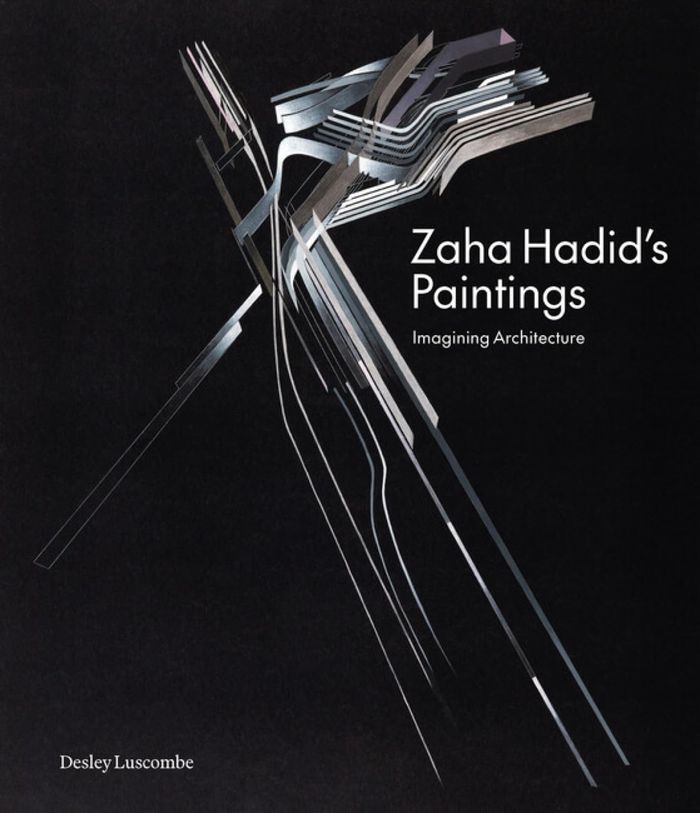
Zaha Hadid's paintings: imagining architecture
Actions:
Price:
$134.99
(available in store)
Summary:
Zaha Hadid is widely regarded as a visionary and influential architect, who became globally acclaimed by the time of her untimely death in 2016. This book is the first to focus on how painting was fundamental to her practice. During the first 20 years of her career, she earned her reputation through ‘'paper architecture'’: projects which were widely published in architecture journals and exhibited, but which remained largely unbuilt. Influenced by the Suprematists, she used her paintings as design tools and abstraction as an investigative structure for imagining architecture. Drawing extensively on interviews with Hadid's contemporaries and her team of assistants and her past presentations and in-depth interviews, this book is the first to focus on the important aspect of Hadid’s work. It examines selected paintings in detail, both critically assessing them in the wider context of 20th-century fine art – in relation to the Suprematists, de Stijl, Cubism and Futurism – and offering insights into how Hadid used the paintings to develop architectural and spatial ideas, which she would later realise in her buildings. The paintings were created at a pivotal time in architecture, just before the move away from hand drawing to computers and many of Hadid’s paintings pre-empt the potential of digital and virtual reality.
Zaha Hadid's paintings: imagining architecture
Actions:
Price:
$134.99
(available in store)
Summary:
Zaha Hadid is widely regarded as a visionary and influential architect, who became globally acclaimed by the time of her untimely death in 2016. This book is the first to focus on how painting was fundamental to her practice. During the first 20 years of her career, she earned her reputation through ‘'paper architecture'’: projects which were widely published in architecture journals and exhibited, but which remained largely unbuilt. Influenced by the Suprematists, she used her paintings as design tools and abstraction as an investigative structure for imagining architecture. Drawing extensively on interviews with Hadid's contemporaries and her team of assistants and her past presentations and in-depth interviews, this book is the first to focus on the important aspect of Hadid’s work. It examines selected paintings in detail, both critically assessing them in the wider context of 20th-century fine art – in relation to the Suprematists, de Stijl, Cubism and Futurism – and offering insights into how Hadid used the paintings to develop architectural and spatial ideas, which she would later realise in her buildings. The paintings were created at a pivotal time in architecture, just before the move away from hand drawing to computers and many of Hadid’s paintings pre-empt the potential of digital and virtual reality.
Form:
books
books
Publication:
May 2025
May 2025
Subject:
Architecture Monographs
Architecture Monographs
Form:
books
books
Actions:
Price:
$31.95
(available in store)
Summary:
Les bâtisseurs inconnus d'Angkor Vat comme ceux de la mosquée Asa'ir, à Zabid, ont en commun avec ceux de l'abbaye Notre-Dame de Sénanque une même soif de transcendance. Leurs édifices nous parlent de Dieu. Partout, ils nous questionnent sur notre rapport à la mort et notre perception de l'au-delà. Que se passe-t-il en nous lorsque nous pénétrons dans un espace sacré ?(...)
$31.95
(available in store)
Summary:
Les bâtisseurs inconnus d'Angkor Vat comme ceux de la mosquée Asa'ir, à Zabid, ont en commun avec ceux de l'abbaye Notre-Dame de Sénanque une même soif de transcendance. Leurs édifices nous parlent de Dieu. Partout, ils nous questionnent sur notre rapport à la mort et notre perception de l'au-delà. Que se passe-t-il en nous lorsque nous pénétrons dans un espace sacré ?(...)
Title:
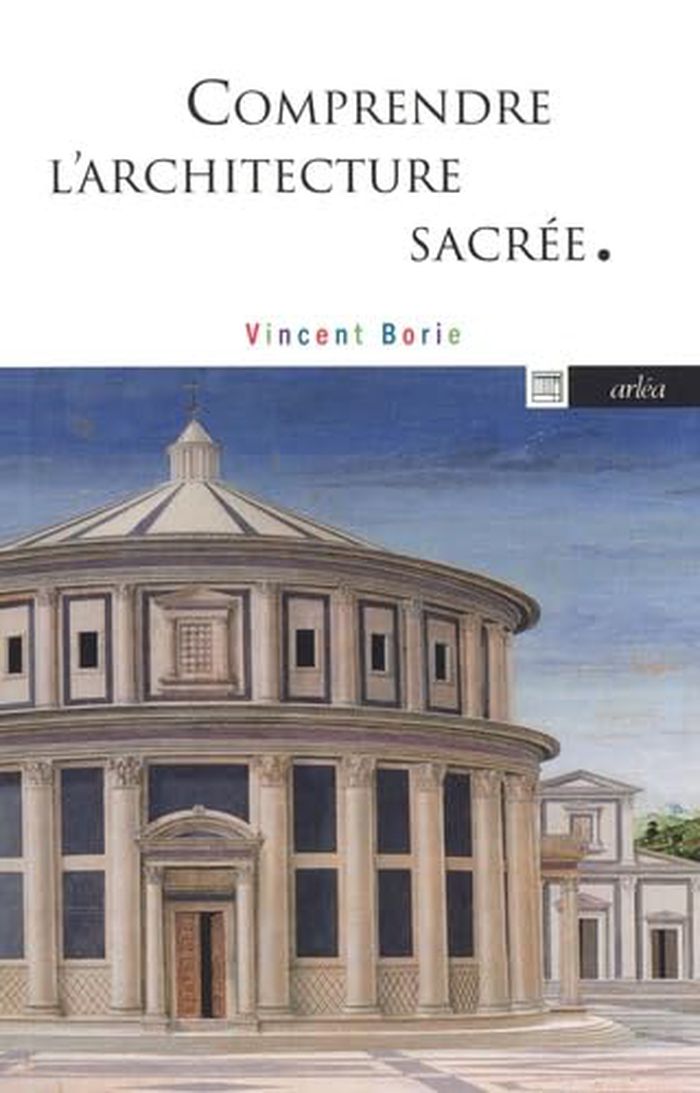
Comprendre l'architecture sacrée : l'incadescence de l'ombre
Actions:
Price:
$31.95
(available in store)
Summary:
Les bâtisseurs inconnus d'Angkor Vat comme ceux de la mosquée Asa'ir, à Zabid, ont en commun avec ceux de l'abbaye Notre-Dame de Sénanque une même soif de transcendance. Leurs édifices nous parlent de Dieu. Partout, ils nous questionnent sur notre rapport à la mort et notre perception de l'au-delà. Que se passe-t-il en nous lorsque nous pénétrons dans un espace sacré ? D'où vient notre émotion, notre trouble ou notre émerveillement ? Sous tous les horizons, nous sommes fascinés par ce qui s'exprime dans la lumière, la pierre et le bois : l'incandescence de l'ombre. C'est cette fascination que Vincent Borie décrypte en convoquant l'espace des temples égyptiens, la chapelle de Ronchamp de Le Corbusier, les proportions idéales de Piero della Francesca, les églises de Mario Botta ou de Tadao Ando. Le suivre est une aventure qui nous mène du profane au sacré.
Comprendre l'architecture sacrée : l'incadescence de l'ombre
Actions:
Price:
$31.95
(available in store)
Summary:
Les bâtisseurs inconnus d'Angkor Vat comme ceux de la mosquée Asa'ir, à Zabid, ont en commun avec ceux de l'abbaye Notre-Dame de Sénanque une même soif de transcendance. Leurs édifices nous parlent de Dieu. Partout, ils nous questionnent sur notre rapport à la mort et notre perception de l'au-delà. Que se passe-t-il en nous lorsque nous pénétrons dans un espace sacré ? D'où vient notre émotion, notre trouble ou notre émerveillement ? Sous tous les horizons, nous sommes fascinés par ce qui s'exprime dans la lumière, la pierre et le bois : l'incandescence de l'ombre. C'est cette fascination que Vincent Borie décrypte en convoquant l'espace des temples égyptiens, la chapelle de Ronchamp de Le Corbusier, les proportions idéales de Piero della Francesca, les églises de Mario Botta ou de Tadao Ando. Le suivre est une aventure qui nous mène du profane au sacré.
Form:
books
books
Publication:
January 2025
January 2025
Subject:
Architectural Theory
Architectural Theory
Form:
books
books
Actions:
Price:
$36.95
(available in store)
Summary:
On the occasion of his fifth and final year as Chair of the Department of Architecture at the Harvard University Graduate School of Design, architect and educator Mark Lee strings together five “footnotes”—on history, on cadence, on autonomy, on America, and on point—to assess the relationship between architectural education, research, and professional practice. Evoking a(...)
$36.95
(available in store)
Summary:
On the occasion of his fifth and final year as Chair of the Department of Architecture at the Harvard University Graduate School of Design, architect and educator Mark Lee strings together five “footnotes”—on history, on cadence, on autonomy, on America, and on point—to assess the relationship between architectural education, research, and professional practice. Evoking a(...)
Title:
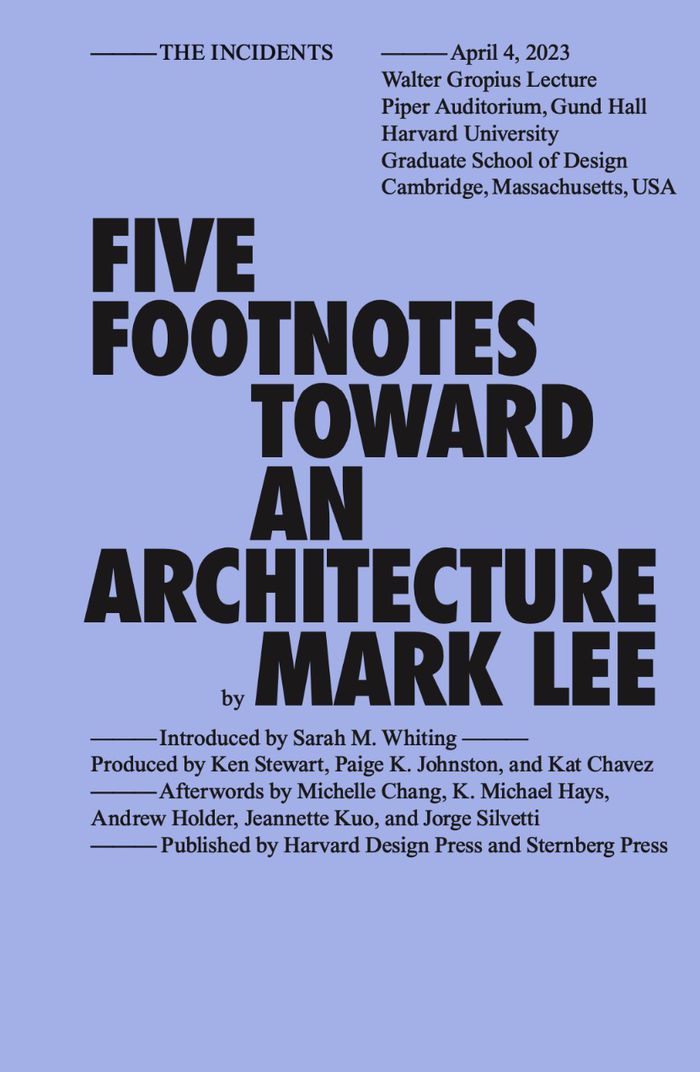
Five footnotes toward an architecture
Actions:
Price:
$36.95
(available in store)
Summary:
On the occasion of his fifth and final year as Chair of the Department of Architecture at the Harvard University Graduate School of Design, architect and educator Mark Lee strings together five “footnotes”—on history, on cadence, on autonomy, on America, and on point—to assess the relationship between architectural education, research, and professional practice. Evoking a similar position that marked his tenure, Lee delivers a lecture that embraces dialogue, context, and precedent, and rejects the notion of a heroic manifesto in favor of the footnote: “something ancillary, something used for referencing and providing citations for metanarratives that already exist.” And why five? “It’s a ubiquitous number in the culture of architecture. Five orders, five architects, five points.”
Five footnotes toward an architecture
Actions:
Price:
$36.95
(available in store)
Summary:
On the occasion of his fifth and final year as Chair of the Department of Architecture at the Harvard University Graduate School of Design, architect and educator Mark Lee strings together five “footnotes”—on history, on cadence, on autonomy, on America, and on point—to assess the relationship between architectural education, research, and professional practice. Evoking a similar position that marked his tenure, Lee delivers a lecture that embraces dialogue, context, and precedent, and rejects the notion of a heroic manifesto in favor of the footnote: “something ancillary, something used for referencing and providing citations for metanarratives that already exist.” And why five? “It’s a ubiquitous number in the culture of architecture. Five orders, five architects, five points.”
Form:
books
books
Publication:
December 2025
December 2025
Subject:
Architectural Theory
Architectural Theory
Form:
books
books
Actions:
Price:
$58.50
(available in store)
Summary:
This study illuminates the complex interplay between Deleuze and Guattari's philosophy and architecture. Presenting their wide-ranging impact on late 20th- and 21st-century architecture, each chapter focuses on a core Deleuzian/Guattarian philosophical concept and one key work of architecture which evokes, contorts, or extends it. Challenging the idea that a concept or(...)
$58.50
(available in store)
Summary:
This study illuminates the complex interplay between Deleuze and Guattari's philosophy and architecture. Presenting their wide-ranging impact on late 20th- and 21st-century architecture, each chapter focuses on a core Deleuzian/Guattarian philosophical concept and one key work of architecture which evokes, contorts, or extends it. Challenging the idea that a concept or(...)
Title:
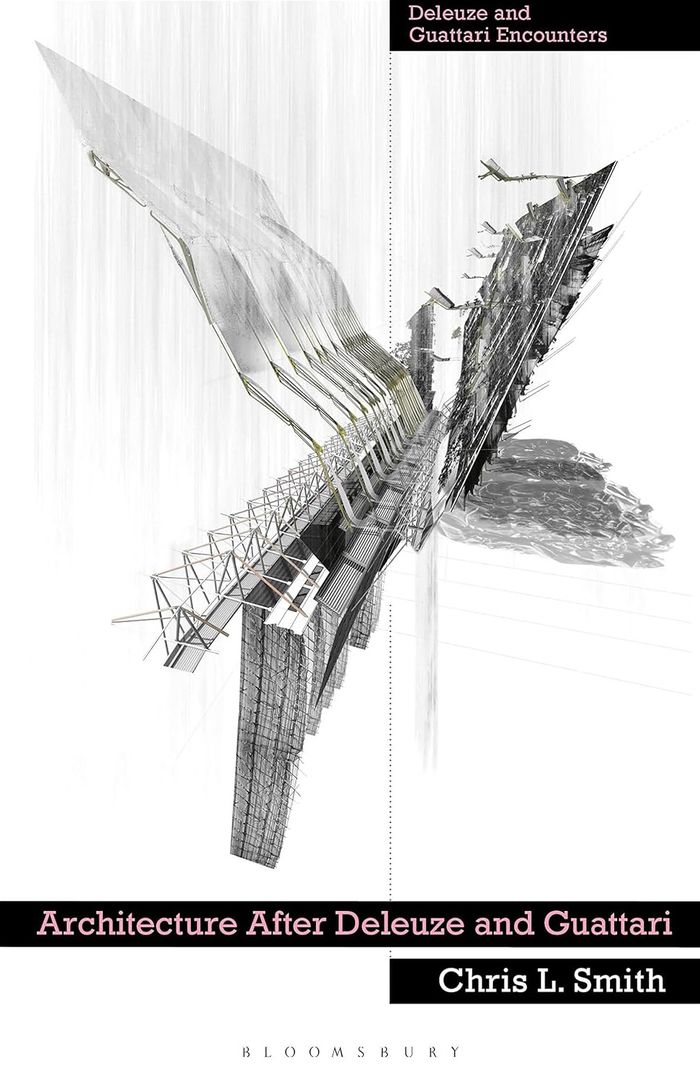
Architecture after Deleuze and Guattari
Actions:
Price:
$58.50
(available in store)
Summary:
This study illuminates the complex interplay between Deleuze and Guattari's philosophy and architecture. Presenting their wide-ranging impact on late 20th- and 21st-century architecture, each chapter focuses on a core Deleuzian/Guattarian philosophical concept and one key work of architecture which evokes, contorts, or extends it. Challenging the idea that a concept or theory defines and then produces the physical work and not vice versa, Chris L. Smith positions the relationship between Deleuze and Guattari's philosophy and the field of architecture as one that is mutually substantiating and constitutive. In this framework, modes of architectural production and experimentation become inextricable from the conceptual territories defined by these two key thinkers, producing a rigorous discussion of theoretical, practical, and experimental engagements with their ideas.
Architecture after Deleuze and Guattari
Actions:
Price:
$58.50
(available in store)
Summary:
This study illuminates the complex interplay between Deleuze and Guattari's philosophy and architecture. Presenting their wide-ranging impact on late 20th- and 21st-century architecture, each chapter focuses on a core Deleuzian/Guattarian philosophical concept and one key work of architecture which evokes, contorts, or extends it. Challenging the idea that a concept or theory defines and then produces the physical work and not vice versa, Chris L. Smith positions the relationship between Deleuze and Guattari's philosophy and the field of architecture as one that is mutually substantiating and constitutive. In this framework, modes of architectural production and experimentation become inextricable from the conceptual territories defined by these two key thinkers, producing a rigorous discussion of theoretical, practical, and experimental engagements with their ideas.
Form:
books
books
Publication:
December 2024
December 2024
Subject:
Architectural Theory
Architectural Theory
Form:
books
books
Price:
$64.95
(available to order)
Summary:
Ce livre a pour principal objectif de démontrer que les intérieurs minimalistes sont bien plus que de vastes étendues blanches. Il ne s'agit pas seulement de «simplicité», il est aussi question d'«émotion», une émotion qui exploite le silence et les aspects essentiels. Une quête des sens instaurée par la subtilité des textures et les vibrations éclatantes des touches(...)
$64.95
(available to order)
Summary:
Ce livre a pour principal objectif de démontrer que les intérieurs minimalistes sont bien plus que de vastes étendues blanches. Il ne s'agit pas seulement de «simplicité», il est aussi question d'«émotion», une émotion qui exploite le silence et les aspects essentiels. Une quête des sens instaurée par la subtilité des textures et les vibrations éclatantes des touches(...)
Title:
Minimalisme et couleur : architecture et intérieurs et meubles
Actions:
Price:
$64.95
(available to order)
Summary:
Ce livre a pour principal objectif de démontrer que les intérieurs minimalistes sont bien plus que de vastes étendues blanches. Il ne s'agit pas seulement de «simplicité», il est aussi question d'«émotion», une émotion qui exploite le silence et les aspects essentiels. Une quête des sens instaurée par la subtilité des textures et les vibrations éclatantes des touches colorées, bien au-delà de la pureté et de la simplicité du blanc.
Minimalisme et couleur : architecture et intérieurs et meubles
Actions:
Price:
$64.95
(available to order)
Summary:
Ce livre a pour principal objectif de démontrer que les intérieurs minimalistes sont bien plus que de vastes étendues blanches. Il ne s'agit pas seulement de «simplicité», il est aussi question d'«émotion», une émotion qui exploite le silence et les aspects essentiels. Une quête des sens instaurée par la subtilité des textures et les vibrations éclatantes des touches colorées, bien au-delà de la pureté et de la simplicité du blanc.
Form:
books
books
Publication:
January 2004, Barcelona
January 2004, Barcelona
Subject:
Residential Architecture
Residential Architecture


