


300 Results
Form:
books
books

Actions:
Price:
$69.95
(available to order)
Summary:
Art and film are the subject of a recent exhibition at one of the leading Swiss art museums, Aargauer Kunsthaus, featuring works by internationally acclaimed artists who engaged with themes surrounding film in art. "Cinéma mon amour" brings together works by Martin Arnold, John Baldessari, Fiona Banner, Marc Bauer, Pierre Bismuth, Candice Breitz, Janet Cardiff and George(...)
Subject:
Architecture and Film, Set Design
Architecture and Film, Set Design
Publication:
August 2017
August 2017
Title:
Cinéma mon amour: film in art
Actions:
Price:
$69.95
(available to order)
Summary:
Art and film are the subject of a recent exhibition at one of the leading Swiss art museums, Aargauer Kunsthaus, featuring works by internationally acclaimed artists who engaged with themes surrounding film in art. "Cinéma mon amour" brings together works by Martin Arnold, John Baldessari, Fiona Banner, Marc Bauer, Pierre Bismuth, Candice Breitz, Janet Cardiff and George Bures Miller, collectif_fact, Tacita Dean, Stan Douglas, Thomas Galler, Christoph Girardet and Matthias Müller, Douglas Gordon, Teresa Hubbard and Alexander Birchler, Samson Kambalu, Daniela Keiser, Urs Lüthi, Philippe Parreno, Julian Rosefeldt, Hiroshi Sugimoto, Sam Taylor-Johnson, and Mark Wallinger, alongside essays that discuss topics such as the film industry, found footage, specific movies and genres, the mechanisms of film, cinema as space, and the filmmaker’s gaze.
Form:
books
books
Publication:
August 2017
August 2017
Subject:
Architecture and Film, Set Design
Architecture and Film, Set Design
Form:
books
books

Actions:
Price:
$52.50
(available to order)
Summary:
Originally published in 1963 by Jonas Mekas as a special issue of "Film Culture", and designed by George Maciunas, Stan Brakhage’s (1933–2003) classic "Metaphors on vision" stands as the major theoretical statement by one of avant-garde cinema’s most influential figures, a treatise on mythopoeia and the nature of visual experience written in a style as idiosyncratic as(...)
Title:
Stan Brakhage: metaphors on vision
Actions:
Price:
$52.50
(available to order)
Summary:
Originally published in 1963 by Jonas Mekas as a special issue of "Film Culture", and designed by George Maciunas, Stan Brakhage’s (1933–2003) classic "Metaphors on vision" stands as the major theoretical statement by one of avant-garde cinema’s most influential figures, a treatise on mythopoeia and the nature of visual experience written in a style as idiosyncratic as his art. Long out of print, the volume is now available in this definitive edition from Anthology Film Archives and Light Industry, featuring Brakhage’s complete text in its distinctive original layout, as well as annotations by scholar P. Adams Sitney.
Form:
books
books
Publication:
August 2017
August 2017
Subject:
Architecture and Film, Set Design
Architecture and Film, Set Design
Form:
books
books

Actions:
Price:
$108.95
(available to order)
Summary:
Architecture and film have many things in common they have formed a symbiosis since the beginning of cinema. Conversely, film with its multifaceted changing atmospheres reveals new layers of architecture which, outside the cinema, would remain concealed. This book offers architecture lovers and cineasts a scientifically researched history of mutual influence.
Title:
The chameleon effect: architecture's role in film
Actions:
Price:
$108.95
(available to order)
Summary:
Architecture and film have many things in common they have formed a symbiosis since the beginning of cinema. Conversely, film with its multifaceted changing atmospheres reveals new layers of architecture which, outside the cinema, would remain concealed. This book offers architecture lovers and cineasts a scientifically researched history of mutual influence.
Form:
books
books
Publication:
March 2018
March 2018
Subject:
Architecture and Film, Set Design
Architecture and Film, Set Design
Form:
books
books
Actions:
Price:
$40.00
(available to order)
Summary:
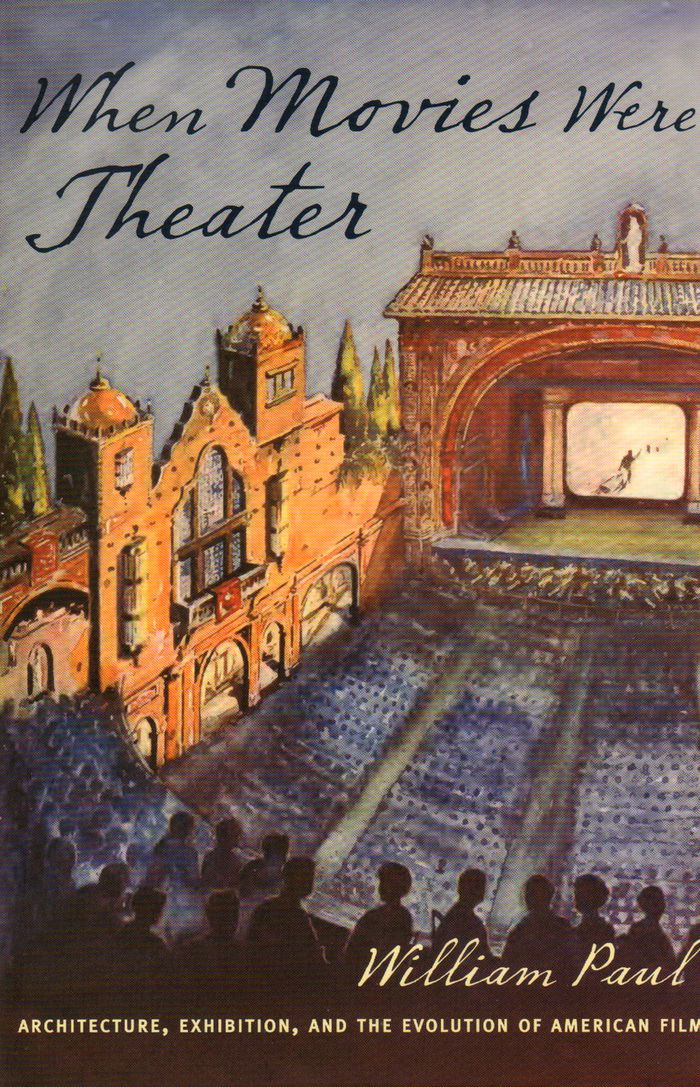
There was a time when seeing a movie meant more than seeing a film. The theater itself shaped the very perception of events on screen. This multilayered history tells the story of American film through the evolution of theater architecture and the surprisingly varied ways movies were shown, ranging from Edison's 1896 projections to the 1968 Cinerama premiere of Stanley(...)
Title:
When movies were theater: architecture, exhibition, and the evolution of American film
Actions:
Price:
$40.00
(available to order)
Summary:
There was a time when seeing a movie meant more than seeing a film. The theater itself shaped the very perception of events on screen. This multilayered history tells the story of American film through the evolution of theater architecture and the surprisingly varied ways movies were shown, ranging from Edison's 1896 projections to the 1968 Cinerama premiere of Stanley Kubrick's 2001. William Paul matches distinct architectural forms to movie styles, showing how cinema's roots in theater influenced business practices, exhibition strategies, and film technologies.
Form:
books
books
Publication:
May 2016
May 2016
Subject:
Architecture and Film, Set Design
Architecture and Film, Set Design
Form:
books
books
Title:
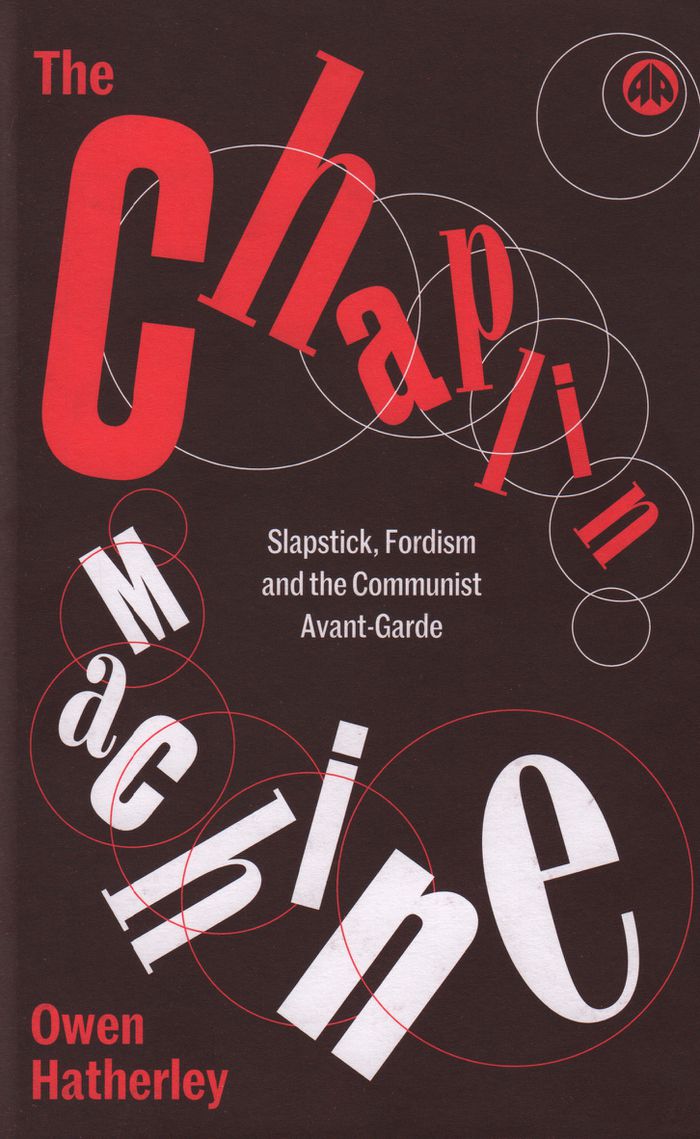
The Chaplin machine: Slapstick, Fordism and the international Communist avant-garde, 1917-1937
The Chaplin machine: Slapstick, Fordism and the international Communist avant-garde, 1917-1937
Actions:
Price:
$37.95
(available in store)
Summary:
"The Chaplin Machine" reveals the lighter side of the Communist avant-garde and its unlikely passion for American slapstick. Set against the backdrop of the great Russian revolutionary experiment, Owen Hatherley tells the tragic-comedic story of the cinema, art and architecture of the early 20th Century and spotlights the unlikely intersections of East and West.
Title:
The Chaplin machine: Slapstick, Fordism and the international Communist avant-garde, 1917-1937
Actions:
Price:
$37.95
(available in store)
Summary:
"The Chaplin Machine" reveals the lighter side of the Communist avant-garde and its unlikely passion for American slapstick. Set against the backdrop of the great Russian revolutionary experiment, Owen Hatherley tells the tragic-comedic story of the cinema, art and architecture of the early 20th Century and spotlights the unlikely intersections of East and West.
Form:
books
books
Publication:
June 2016
June 2016
Subject:
Architecture and Film, Set Design
Architecture and Film, Set Design
Form:
books
books
Price:
$74.10
(available to order)
Summary:
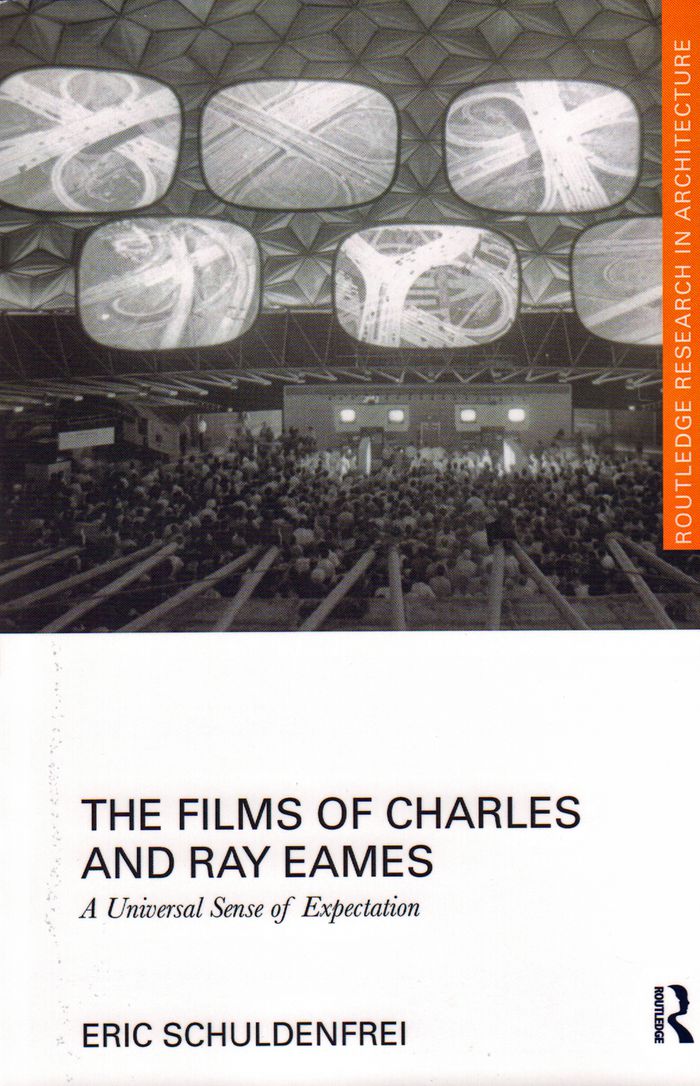
"The films of Charles and Ray Eames" traces the history of the Eameses’ work, examining their evolution away from the design of mass-produced goods and toward projects created as educational experiences. Closely examining how the Eameses described their work reveals how the films and exhibitions they generated were completely at odds with the earlier objectives(...)
Title:
The films of Charles and Ray Eames: a universal sense of expectation
Actions:
Price:
$74.10
(available to order)
Summary:
"The films of Charles and Ray Eames" traces the history of the Eameses’ work, examining their evolution away from the design of mass-produced goods and toward projects created as educational experiences. Closely examining how the Eameses described their work reveals how the films and exhibitions they generated were completely at odds with the earlier objectives exemplified in their furniture designs. Shifting away from promoting the consumer-culture, they turned their attention to the presentation of complex sets of scientific, artistic, and philosophical ideas.
Form:
books
books
Publication:
October 2016
October 2016
Subject:
Architecture and Film, Set Design
Architecture and Film, Set Design
Form:
books
books
Actions:
Price:
$42.95
(available to order)
Summary:
Au milieu du siècle dernier, alors que l’image en mouvement s’est pleinement constituée comme forme culturelle et intellectuelle, la phénoménologie et l’esthétique du cinéma partagent le projet délicat d’une mise en suspens partielle du langage verbal. L’union des actes de vision et de pensée anime alors simultanément les écrits de Maurice Merleau-Ponty et de Jean(...)
Title:
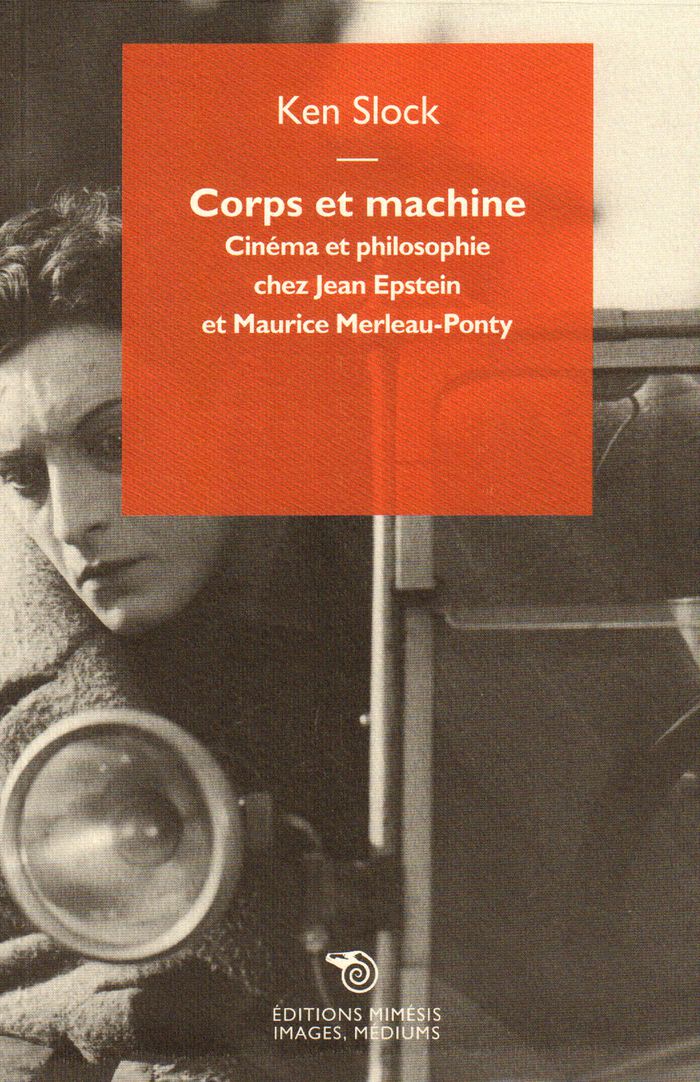
Corps et machine : cinéma et philosophie chez Jean Epstein et Maurice Merleau-Ponty
Actions:
Price:
$42.95
(available to order)
Summary:
Au milieu du siècle dernier, alors que l’image en mouvement s’est pleinement constituée comme forme culturelle et intellectuelle, la phénoménologie et l’esthétique du cinéma partagent le projet délicat d’une mise en suspens partielle du langage verbal. L’union des actes de vision et de pensée anime alors simultanément les écrits de Maurice Merleau-Ponty et de Jean Epstein, autour desquels de nouvelles pistes de réflexion se sont ouvertes ces dernières années. Chez le philosophe, cette nouvelle constitution du savoir se manifeste par le retour à l’attitude corporelle. Pour le cinéaste, c’est la rencontre avec le regard de la machine cinématographique qui dévoile une terra incognita face à la connaissance rationnelle. Cet ouvrage propose une rencontre inédite entre deux pensées incontournables de l’image et une exploration des frontières plus que jamais complexes entre la philosophie et l’esthétique du cinéma.
Form:
books
books
Publication:
August 2016
August 2016
Subject:
Architecture and Film, Set Design
Architecture and Film, Set Design
Form:
books
books

Title:
LAbook architecture cinéma
LAbook architecture cinéma
Actions:
Price:
$24.00
(available to order)
Summary:
Ce programme d'étude intensifest avant tout un atelier de recherche expérimentale misant sur la méthodologie et l'exploration pour développer une architecture nouvelle. Les «ateliers de recherche» proposent habituellement l'analyse comme méthode de design, et s'appuient principalement sur les processus de collecte d'informations, d'analyse et de synthèse que l'architecte(...)
Subject:
Architecture and Film, Set Design
Architecture and Film, Set Design
Publication:
January 2008, Montréal
January 2008, Montréal
Title:
LAbook architecture cinéma
Actions:
Price:
$24.00
(available to order)
Summary:
Ce programme d'étude intensifest avant tout un atelier de recherche expérimentale misant sur la méthodologie et l'exploration pour développer une architecture nouvelle. Les «ateliers de recherche» proposent habituellement l'analyse comme méthode de design, et s'appuient principalement sur les processus de collecte d'informations, d'analyse et de synthèse que l'architecte entreprend, dans les premières phases de la conception du projet, pour structurer visuellement sa pensée et son interprétation d'un contexte donné. Ceci permet aux étudiants de l'été 2007 d'établir un nouveau regard et de créer un imaginaire tout en contribuant à la connaissance générale du sujet. Étant donné la complexité et l'envergure du thème et les contraintes particulières de ce court programme d'étude, le choix d'une méthodologie linéaire assez souple et ouverte à l'exploration était de mise. L'objectif de cet atelier est de proposer des architectures radicales.
Form:
books
books
Publication:
January 2008, Montréal
January 2008, Montréal
Subject:
Architecture and Film, Set Design
Architecture and Film, Set Design
Form:
books
books

Actions:
Price:
$72.00
(available to order)
Summary:
This book showcases the drawings of Ken Adam, the man who has created some of the most iconic and memorable sets in the history of film. Presented chronologically, the book takes us from design sketches for his earliest movies, including "Around the World in Eighty Days", through his Oscar-winning work with Stanley Kubrick, to production designs for what are probably his(...)
Subject:
Architecture and Film, Set Design
Architecture and Film, Set Design
Publication:
November 2008, New York
November 2008, New York
Title:
Ken Adams designs the movies: james bond and beyond
Actions:
Price:
$72.00
(available to order)
Summary:
This book showcases the drawings of Ken Adam, the man who has created some of the most iconic and memorable sets in the history of film. Presented chronologically, the book takes us from design sketches for his earliest movies, including "Around the World in Eighty Days", through his Oscar-winning work with Stanley Kubrick, to production designs for what are probably his most celebrated films the first seven "James Bond" movies, including "Dr. No", "Goldfinger", "Diamonds are Forever" and "Moonraker". Also included are production drawings for classics such as "Chitty Chitty Bang Bang", "Goodbye", "Mr Chips", "Sleuth" and "The Last Emperor". Adam's virtuoso sketches for films and other projects are accompanied by illuminating commentary from the eminent Sir Christopher Frayling, and together present an unrivaled archive of breathtaking and inspirational production design.
Form:
books
books
Publication:
November 2008, New York
November 2008, New York
Subject:
Architecture and Film, Set Design
Architecture and Film, Set Design
Form:
books
books
Actions:
Price:
$18.50
(available to order)
Summary:
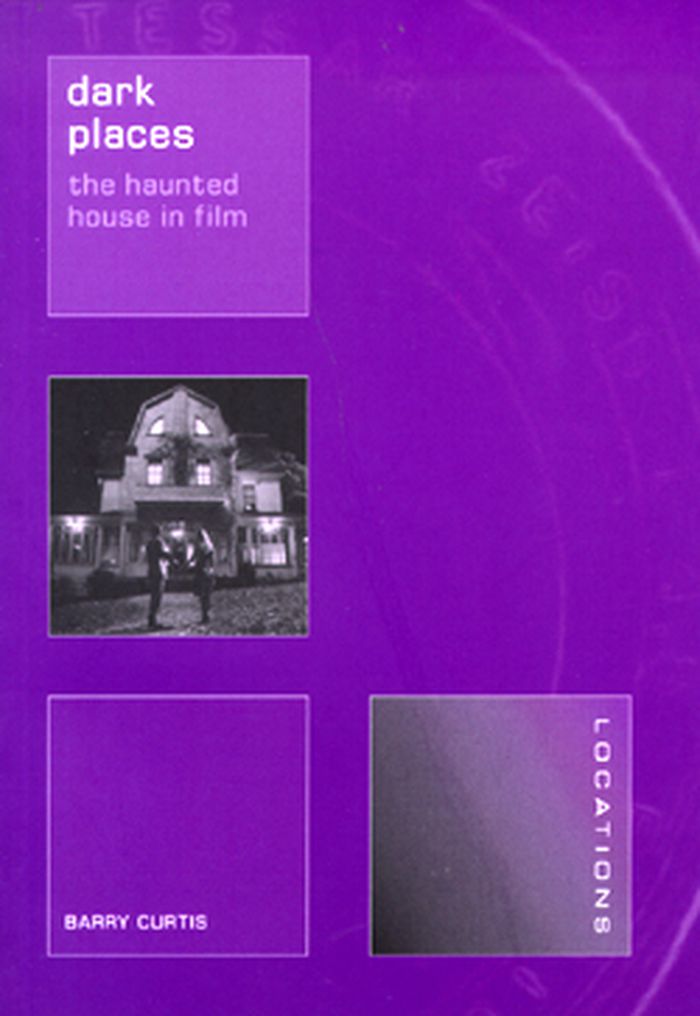
Dark Places" explores the dim, claustrophobic interiors of haunted houses in horror movies, as well as the cinema auditorium itself, and their relation to the 'dark places' of the human pysche. Barry Curtis looks at the long, blood-soaked history of horror films: their fascination with re-animating the dead; the special effects, both sophisticated and crude, which have(...)
Title:
Dark places: the haunted house in film
Actions:
Price:
$18.50
(available to order)
Summary:
Dark Places" explores the dim, claustrophobic interiors of haunted houses in horror movies, as well as the cinema auditorium itself, and their relation to the 'dark places' of the human pysche. Barry Curtis looks at the long, blood-soaked history of horror films: their fascination with re-animating the dead; the special effects, both sophisticated and crude, which have been contrived in order to bring spirits into the realm of the living; the structures, projections and architecture of horror movie sets; and the complex metaphorical life of 'ghosts' as harbingers of loss, amnesia, injustice and vengeance. A wide range of films is also discussed in which the 'haunted house' is reworked in new scenarios - the road, the apartment, the motel, the spaceship - and visually linked to the troubling archetypes of Gothic fictions. Barry Curtis is Emeritus Professor of Visual Culture at Middlesex University, Fellow of the London Consortium, and Visiting Tutor at the Royal College of Art. He has written widely on film, architecture, art and visual culture for magazines, newspapers and journals.
Form:
books
books
Publication:
January 2009, London
January 2009, London
Subject:
Architecture and Film, Set Design
Architecture and Film, Set Design


