


44178 Results
Level of archival description:
Project
Project
Title:
São Victor, Porto
São Victor, Porto
Actions:
Reference number:
CD034.S1.1974.PR04
Description:
This project series contains reproductions of photographs, drawings and panels displayed in the exhibit to document the São Victor neighbourhood, in Porto, Portugal. The exhibit text explained that: ... the group of 12 houses built for the São Victor neighbourhood was one of SAAL's most important operations, despite the fact that only a small part of the project was carried out. Maintaining the urban fabric of the 'ilhas' (islands) and their internal community ties, the São Victor design combined the responsiveness inherent in the participatory nature of the project with architectural and technical precision. An important case study, it led Álvaro Siza Vieira, the project architect, being invited to design projects in Berlin and The Hague in the following decade. In many aspects, São Victor represents an ethically and politically-minded architectural practice, with a stress on understanding the link between being responsive to the voice of the people and the permanence of architectural design. (The SAAL Process, Housing in Portugal 1974–76) Álvaro Siza worked for SAAL/North with Adalberto Dias, Domingos Tavares, Eduardo Souto de Moura, Francisco Guedes, Graça Nieto, Manuel Borges, Manuela Sambade, Paula Cabral and the residents' association S. Victor, that was founded on April 14th, 1975. The first phase of the project included 32 dwellings and the second, 20 dwellings. The operation began in November 1974, with a construction date in October 1975. This project series contains reproductions of design development drawings, exhibition panels and photographs. The original material was produced around 1974-1975 and were reproduced in 2015 for the exhibit.
CD034.S1.1974.PR04
Description:
This project series contains reproductions of photographs, drawings and panels displayed in the exhibit to document the São Victor neighbourhood, in Porto, Portugal. The exhibit text explained that: ... the group of 12 houses built for the São Victor neighbourhood was one of SAAL's most important operations, despite the fact that only a small part of the project was carried out. Maintaining the urban fabric of the 'ilhas' (islands) and their internal community ties, the São Victor design combined the responsiveness inherent in the participatory nature of the project with architectural and technical precision. An important case study, it led Álvaro Siza Vieira, the project architect, being invited to design projects in Berlin and The Hague in the following decade. In many aspects, São Victor represents an ethically and politically-minded architectural practice, with a stress on understanding the link between being responsive to the voice of the people and the permanence of architectural design. (The SAAL Process, Housing in Portugal 1974–76) Álvaro Siza worked for SAAL/North with Adalberto Dias, Domingos Tavares, Eduardo Souto de Moura, Francisco Guedes, Graça Nieto, Manuel Borges, Manuela Sambade, Paula Cabral and the residents' association S. Victor, that was founded on April 14th, 1975. The first phase of the project included 32 dwellings and the second, 20 dwellings. The operation began in November 1974, with a construction date in October 1975. This project series contains reproductions of design development drawings, exhibition panels and photographs. The original material was produced around 1974-1975 and were reproduced in 2015 for the exhibit.
People:
Date:
circa 1974-1975
circa 1974-1975
Title:
São Victor, Porto
Actions:
CD034.S1.1974.PR04
Description:
This project series contains reproductions of photographs, drawings and panels displayed in the exhibit to document the São Victor neighbourhood, in Porto, Portugal. The exhibit text explained that: ... the group of 12 houses built for the São Victor neighbourhood was one of SAAL's most important operations, despite the fact that only a small part of the project was carried out. Maintaining the urban fabric of the 'ilhas' (islands) and their internal community ties, the São Victor design combined the responsiveness inherent in the participatory nature of the project with architectural and technical precision. An important case study, it led Álvaro Siza Vieira, the project architect, being invited to design projects in Berlin and The Hague in the following decade. In many aspects, São Victor represents an ethically and politically-minded architectural practice, with a stress on understanding the link between being responsive to the voice of the people and the permanence of architectural design. (The SAAL Process, Housing in Portugal 1974–76) Álvaro Siza worked for SAAL/North with Adalberto Dias, Domingos Tavares, Eduardo Souto de Moura, Francisco Guedes, Graça Nieto, Manuel Borges, Manuela Sambade, Paula Cabral and the residents' association S. Victor, that was founded on April 14th, 1975. The first phase of the project included 32 dwellings and the second, 20 dwellings. The operation began in November 1974, with a construction date in October 1975. This project series contains reproductions of design development drawings, exhibition panels and photographs. The original material was produced around 1974-1975 and were reproduced in 2015 for the exhibit.
São Victor, Porto
Actions:
CD034.S1.1974.PR04
Description:
This project series contains reproductions of photographs, drawings and panels displayed in the exhibit to document the São Victor neighbourhood, in Porto, Portugal. The exhibit text explained that: ... the group of 12 houses built for the São Victor neighbourhood was one of SAAL's most important operations, despite the fact that only a small part of the project was carried out. Maintaining the urban fabric of the 'ilhas' (islands) and their internal community ties, the São Victor design combined the responsiveness inherent in the participatory nature of the project with architectural and technical precision. An important case study, it led Álvaro Siza Vieira, the project architect, being invited to design projects in Berlin and The Hague in the following decade. In many aspects, São Victor represents an ethically and politically-minded architectural practice, with a stress on understanding the link between being responsive to the voice of the people and the permanence of architectural design. (The SAAL Process, Housing in Portugal 1974–76) Álvaro Siza worked for SAAL/North with Adalberto Dias, Domingos Tavares, Eduardo Souto de Moura, Francisco Guedes, Graça Nieto, Manuel Borges, Manuela Sambade, Paula Cabral and the residents' association S. Victor, that was founded on April 14th, 1975. The first phase of the project included 32 dwellings and the second, 20 dwellings. The operation began in November 1974, with a construction date in October 1975. This project series contains reproductions of design development drawings, exhibition panels and photographs. The original material was produced around 1974-1975 and were reproduced in 2015 for the exhibit.
Level of archival description:
Project
Project
Date:
circa 1974-1975
circa 1974-1975
People:
Level of archival description:
Series
Series
Title:
Bruno Taut
Bruno Taut
Reference number:
AP162.S8
Description:
Series documents the contribution of architect Bruno Taut to the correspondence circle of Die gläserne Kette. Bruno Taut participated under the pseudonym Glas. Born in 1880 in Königsberg, Germany, Bruno Taut studied architecture at the Bauwerkschule in Königsberg. After working in architectural firms from 1903 to 1909, he worked in partnership with Franz Hoffman and later with his brother Max Taut. Bruno Taut undertook various architectural projects including housing projects, public commissions, and later projects for universities and schools. In 1918, he founded the Arbeisrat für Kunst, a union of architects, painters, writers and other artists based in Berlin and dedicated to bring architectural and artisit tendencies of the time to a broader public. This union also involved some members of the Die gläserne Kette circle. Between 1920 and 1921, Bruno Taut was editor to the magazine "Frühlich". He taught architecture at the Technische Hochschule at Berlin-Charlottenburg from 1930 to 1932, and undertook a working visit in Russia in 1932 to 1933. After spending time in Japan between 1933 and 1936 due to enforced emigration, he taught at the Academy of Arts in Istanbul. He died in Istanbul in 1938. (Source: Ian Boyd Whyte, Bruno Taut and the Architecture of Activism. Cambridge: Cambridge University Press, 1982) This series comprises part of Bruno Taut's correspondence to the Die gläserne Kette circle, along with related drawings and documents. The series also includes photographic materials of some of his architectural projects.
AP162.S8
Description:
Series documents the contribution of architect Bruno Taut to the correspondence circle of Die gläserne Kette. Bruno Taut participated under the pseudonym Glas. Born in 1880 in Königsberg, Germany, Bruno Taut studied architecture at the Bauwerkschule in Königsberg. After working in architectural firms from 1903 to 1909, he worked in partnership with Franz Hoffman and later with his brother Max Taut. Bruno Taut undertook various architectural projects including housing projects, public commissions, and later projects for universities and schools. In 1918, he founded the Arbeisrat für Kunst, a union of architects, painters, writers and other artists based in Berlin and dedicated to bring architectural and artisit tendencies of the time to a broader public. This union also involved some members of the Die gläserne Kette circle. Between 1920 and 1921, Bruno Taut was editor to the magazine "Frühlich". He taught architecture at the Technische Hochschule at Berlin-Charlottenburg from 1930 to 1932, and undertook a working visit in Russia in 1932 to 1933. After spending time in Japan between 1933 and 1936 due to enforced emigration, he taught at the Academy of Arts in Istanbul. He died in Istanbul in 1938. (Source: Ian Boyd Whyte, Bruno Taut and the Architecture of Activism. Cambridge: Cambridge University Press, 1982) This series comprises part of Bruno Taut's correspondence to the Die gläserne Kette circle, along with related drawings and documents. The series also includes photographic materials of some of his architectural projects.
People:
Date:
between 1919 and 1920
between 1919 and 1920
Title:
Bruno Taut
Actions:
AP162.S8
Description:
Series documents the contribution of architect Bruno Taut to the correspondence circle of Die gläserne Kette. Bruno Taut participated under the pseudonym Glas. Born in 1880 in Königsberg, Germany, Bruno Taut studied architecture at the Bauwerkschule in Königsberg. After working in architectural firms from 1903 to 1909, he worked in partnership with Franz Hoffman and later with his brother Max Taut. Bruno Taut undertook various architectural projects including housing projects, public commissions, and later projects for universities and schools. In 1918, he founded the Arbeisrat für Kunst, a union of architects, painters, writers and other artists based in Berlin and dedicated to bring architectural and artisit tendencies of the time to a broader public. This union also involved some members of the Die gläserne Kette circle. Between 1920 and 1921, Bruno Taut was editor to the magazine "Frühlich". He taught architecture at the Technische Hochschule at Berlin-Charlottenburg from 1930 to 1932, and undertook a working visit in Russia in 1932 to 1933. After spending time in Japan between 1933 and 1936 due to enforced emigration, he taught at the Academy of Arts in Istanbul. He died in Istanbul in 1938. (Source: Ian Boyd Whyte, Bruno Taut and the Architecture of Activism. Cambridge: Cambridge University Press, 1982) This series comprises part of Bruno Taut's correspondence to the Die gläserne Kette circle, along with related drawings and documents. The series also includes photographic materials of some of his architectural projects.
Bruno Taut
Actions:
AP162.S8
Description:
Series documents the contribution of architect Bruno Taut to the correspondence circle of Die gläserne Kette. Bruno Taut participated under the pseudonym Glas. Born in 1880 in Königsberg, Germany, Bruno Taut studied architecture at the Bauwerkschule in Königsberg. After working in architectural firms from 1903 to 1909, he worked in partnership with Franz Hoffman and later with his brother Max Taut. Bruno Taut undertook various architectural projects including housing projects, public commissions, and later projects for universities and schools. In 1918, he founded the Arbeisrat für Kunst, a union of architects, painters, writers and other artists based in Berlin and dedicated to bring architectural and artisit tendencies of the time to a broader public. This union also involved some members of the Die gläserne Kette circle. Between 1920 and 1921, Bruno Taut was editor to the magazine "Frühlich". He taught architecture at the Technische Hochschule at Berlin-Charlottenburg from 1930 to 1932, and undertook a working visit in Russia in 1932 to 1933. After spending time in Japan between 1933 and 1936 due to enforced emigration, he taught at the Academy of Arts in Istanbul. He died in Istanbul in 1938. (Source: Ian Boyd Whyte, Bruno Taut and the Architecture of Activism. Cambridge: Cambridge University Press, 1982) This series comprises part of Bruno Taut's correspondence to the Die gläserne Kette circle, along with related drawings and documents. The series also includes photographic materials of some of his architectural projects.
Level of archival description:
series
series
Date:
between 1919 and 1920
between 1919 and 1920
People:
Form:
events
events
Actions:
Description:
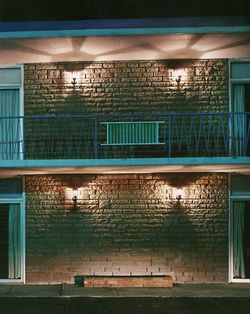
Architectural historian Barbara Penner traces the evolution of Niagara Falls – from its 19th-century honeymoon tourism to its state of post-industrial kitsch to its recent rebirth as a honeymoon destination. The photographer Alec Soth, whose work is the starting point for this lecture, compellingly portrays a ruined post-industrial landscape of love in his series Niagara(...)
Architectural historian Barbara Penner traces the evolution of Niagara Falls – from its 19th-century honeymoon tourism to its state of post-industrial kitsch to its recent rebirth as a honeymoon destination. The photographer Alec Soth, whose work is the starting point for this lecture, compellingly portrays a ruined post-industrial landscape of love in his series Niagara(...)
Location:
Paul Desmarais Theatre
Paul Desmarais Theatre
Date:
23 April 2009
23 April 2009
Title:
Learning from... Niagara Falls
Actions:
Description:
Architectural historian Barbara Penner traces the evolution of Niagara Falls – from its 19th-century honeymoon tourism to its state of post-industrial kitsch to its recent rebirth as a honeymoon destination. The photographer Alec Soth, whose work is the starting point for this lecture, compellingly portrays a ruined post-industrial landscape of love in his series Niagara(...)
Learning from... Niagara Falls
Actions:
Description:
Architectural historian Barbara Penner traces the evolution of Niagara Falls – from its 19th-century honeymoon tourism to its state of post-industrial kitsch to its recent rebirth as a honeymoon destination. The photographer Alec Soth, whose work is the starting point for this lecture, compellingly portrays a ruined post-industrial landscape of love in his series Niagara(...)
Form:
events
events
Date:
23 April 2009
23 April 2009
Location:
Paul Desmarais Theatre
Paul Desmarais Theatre
Form:
models
models
Actions:
Reference number:
DR1990:0018
Description:
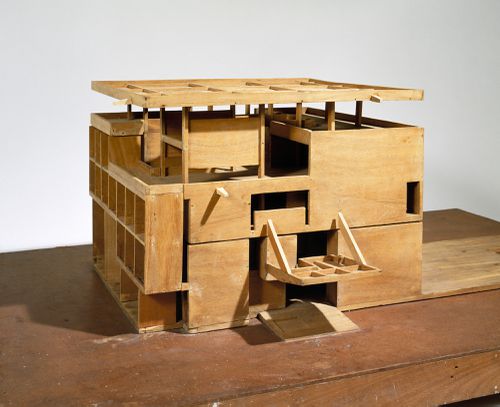
- Part of a group of prints and other works from the design development process of Le Corbusier's unexecuted Villa Chimanbhai project, acquired from the Chimanbhai family. Included are at least three series of prints -- some with annotated changes -- photographs of a model, cut-outs sent to the client which demonstrate changes in the size and plan of individual rooms, and related letters. The works were accessioned in the groups that they were received in.
DR1990:0018
Description:
- Part of a group of prints and other works from the design development process of Le Corbusier's unexecuted Villa Chimanbhai project, acquired from the Chimanbhai family. Included are at least three series of prints -- some with annotated changes -- photographs of a model, cut-outs sent to the client which demonstrate changes in the size and plan of individual rooms, and related letters. The works were accessioned in the groups that they were received in.
People:
Subject:
architecture
architecture
Date:
between 1953 and 1954
between 1953 and 1954
Title:
Villa Chimanbhai: Model for a house at Ahmedabad, India
Actions:
DR1990:0018
Description:
- Part of a group of prints and other works from the design development process of Le Corbusier's unexecuted Villa Chimanbhai project, acquired from the Chimanbhai family. Included are at least three series of prints -- some with annotated changes -- photographs of a model, cut-outs sent to the client which demonstrate changes in the size and plan of individual rooms, and related letters. The works were accessioned in the groups that they were received in.
Villa Chimanbhai: Model for a house at Ahmedabad, India
Actions:
DR1990:0018
Description:
- Part of a group of prints and other works from the design development process of Le Corbusier's unexecuted Villa Chimanbhai project, acquired from the Chimanbhai family. Included are at least three series of prints -- some with annotated changes -- photographs of a model, cut-outs sent to the client which demonstrate changes in the size and plan of individual rooms, and related letters. The works were accessioned in the groups that they were received in.
Form:
models
models
Date:
between 1953 and 1954
between 1953 and 1954
People:
Subject:
architecture
architecture
Form:
drawings, photographs
drawings, photographs
Actions:
Reference number:
ARCH271035
Description:
Contains a floppy disk, reference materials, inkjet prints of works by various architects and some material on the projects El mirador: torre mixta en la bahía de Algeciras, and Es Pil•larí, Mallorca.
ARCH271035
Description:
Contains a floppy disk, reference materials, inkjet prints of works by various architects and some material on the projects El mirador: torre mixta en la bahía de Algeciras, and Es Pil•larí, Mallorca.
People:
Date:
between 1998 and 2000
between 1998 and 2000
Title:
Portfolio containing mostly plans and graphic materials related to Exit 5
Actions:
ARCH271035
Description:
Contains a floppy disk, reference materials, inkjet prints of works by various architects and some material on the projects El mirador: torre mixta en la bahía de Algeciras, and Es Pil•larí, Mallorca.
Portfolio containing mostly plans and graphic materials related to Exit 5
Actions:
ARCH271035
Description:
Contains a floppy disk, reference materials, inkjet prints of works by various architects and some material on the projects El mirador: torre mixta en la bahía de Algeciras, and Es Pil•larí, Mallorca.
Form:
drawings, photographs
drawings, photographs
Date:
between 1998 and 2000
between 1998 and 2000
People:
Form:
drawings, textual records
drawings, textual records
Actions:
Reference number:
DR2004:0042
Description:
correspondence, competition entry, competition programme, list of consultants, list of works, notes of meetings with Sadler Wells and Yehudi Menuhin, sketches showing interior perspectives, and plans of theatre
DR2004:0042
Description:
correspondence, competition entry, competition programme, list of consultants, list of works, notes of meetings with Sadler Wells and Yehudi Menuhin, sketches showing interior perspectives, and plans of theatre
People:
Title:
Correspondence, competition entry, competition programme
Actions:
DR2004:0042
Description:
correspondence, competition entry, competition programme, list of consultants, list of works, notes of meetings with Sadler Wells and Yehudi Menuhin, sketches showing interior perspectives, and plans of theatre
Correspondence, competition entry, competition programme
Actions:
DR2004:0042
Description:
correspondence, competition entry, competition programme, list of consultants, list of works, notes of meetings with Sadler Wells and Yehudi Menuhin, sketches showing interior perspectives, and plans of theatre
Form:
drawings, textual records
drawings, textual records
People:
Form:
events
events
Title:
Learning from... Brussels
Learning from... Brussels
Actions:
Description:
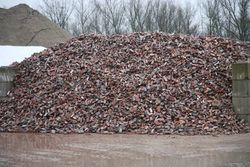
Rotor members Michael Ghyoot and Maarten Gielen investigate the processes and practices of material management in Brussels and its suburbs. The concept of waste played a key role in their research and was informed by hundreds of visits to businesses, work sites, and recycling plants. The examination of discarded, unfinished products or those considered of inferior quality(...)
Rotor members Michael Ghyoot and Maarten Gielen investigate the processes and practices of material management in Brussels and its suburbs. The concept of waste played a key role in their research and was informed by hundreds of visits to businesses, work sites, and recycling plants. The examination of discarded, unfinished products or those considered of inferior quality(...)
Location:
Paul Desmarais Theatre
Paul Desmarais Theatre
Date:
19 April 2012 , 7pm
19 April 2012 , 7pm
Title:
Learning from... Brussels
Actions:
Description:
Rotor members Michael Ghyoot and Maarten Gielen investigate the processes and practices of material management in Brussels and its suburbs. The concept of waste played a key role in their research and was informed by hundreds of visits to businesses, work sites, and recycling plants. The examination of discarded, unfinished products or those considered of inferior quality(...)
Learning from... Brussels
Actions:
Description:
Rotor members Michael Ghyoot and Maarten Gielen investigate the processes and practices of material management in Brussels and its suburbs. The concept of waste played a key role in their research and was informed by hundreds of visits to businesses, work sites, and recycling plants. The examination of discarded, unfinished products or those considered of inferior quality(...)
Form:
events
events
Date:
19 April 2012
7pm
19 April 2012
7pm
Location:
Paul Desmarais Theatre
Paul Desmarais Theatre
Form:
archives
Level of archival description:
Collection
archives
Level of archival description:
Collection
Reference number:
CD047
Synopsis:
The May Cutler collection comprises Expo'67 material assembled by May Cutler for a never-realized publication. The collection contains 862 photographic records, 32 textual records and 1 phonograph record related to Expo 67 (1963-1967). 10 additional photographs on other world's fairs, and 1 phonograph record and 1 textual record on the 1968 exhibition 'Man and His World' are also included. The documents were primarily produced between 1963 and 1967, but also include documents from 1914-1915, 1958 and 1968.
CD047
Synopsis:
The May Cutler collection comprises Expo'67 material assembled by May Cutler for a never-realized publication. The collection contains 862 photographic records, 32 textual records and 1 phonograph record related to Expo 67 (1963-1967). 10 additional photographs on other world's fairs, and 1 phonograph record and 1 textual record on the 1968 exhibition 'Man and His World' are also included. The documents were primarily produced between 1963 and 1967, but also include documents from 1914-1915, 1958 and 1968.
People:
Date:
1963-1967
1963-1967
Title:
May Cutler collection on Expo 67
Actions:
CD047
Synopsis:
The May Cutler collection comprises Expo'67 material assembled by May Cutler for a never-realized publication. The collection contains 862 photographic records, 32 textual records and 1 phonograph record related to Expo 67 (1963-1967). 10 additional photographs on other world's fairs, and 1 phonograph record and 1 textual record on the 1968 exhibition 'Man and His World' are also included. The documents were primarily produced between 1963 and 1967, but also include documents from 1914-1915, 1958 and 1968.
May Cutler collection on Expo 67
Actions:
CD047
Synopsis:
The May Cutler collection comprises Expo'67 material assembled by May Cutler for a never-realized publication. The collection contains 862 photographic records, 32 textual records and 1 phonograph record related to Expo 67 (1963-1967). 10 additional photographs on other world's fairs, and 1 phonograph record and 1 textual record on the 1968 exhibition 'Man and His World' are also included. The documents were primarily produced between 1963 and 1967, but also include documents from 1914-1915, 1958 and 1968.
Form:
archives
Level of archival description:
Collection
archives
Level of archival description:
Collection
Date:
1963-1967
1963-1967
People:
Form:
drawings
Quantity:
6 drawing(s)
drawings
Quantity:
6 drawing(s)
Actions:
Reference number:
ARCH188410
Description:
front elevations and perspective for Proposed New Addition to Government House, Ottawa, by Public Works Dept., and front elevation for Rideau Hall, Ottawa, Alterations and Additions by D. Ewart, architect
ARCH188410
Description:
front elevations and perspective for Proposed New Addition to Government House, Ottawa, by Public Works Dept., and front elevation for Rideau Hall, Ottawa, Alterations and Additions by D. Ewart, architect
People:
Title:
Front elevations and perspective for Proposed New Addition to Government House
Actions:
ARCH188410
Description:
front elevations and perspective for Proposed New Addition to Government House, Ottawa, by Public Works Dept., and front elevation for Rideau Hall, Ottawa, Alterations and Additions by D. Ewart, architect
Front elevations and perspective for Proposed New Addition to Government House
Actions:
ARCH188410
Description:
front elevations and perspective for Proposed New Addition to Government House, Ottawa, by Public Works Dept., and front elevation for Rideau Hall, Ottawa, Alterations and Additions by D. Ewart, architect
Form:
drawings
Quantity:
6 drawing(s)
drawings
Quantity:
6 drawing(s)
People:
Form:
textual records, photographs
textual records, photographs
Actions:
Reference number:
AP197.S2.050
Description:
This box includes articles, essays, magazine clippings and publications about architecture and the works of various architects. A large portion of the clippings are from the architecture magazine ArquitecturaViva.
AP197.S2.050
Description:
This box includes articles, essays, magazine clippings and publications about architecture and the works of various architects. A large portion of the clippings are from the architecture magazine ArquitecturaViva.
People:
Date:
circa 1980-2015
circa 1980-2015
Title:
Articles, essays, magazine clippings and publications about architecture and the works of various architects
Actions:
AP197.S2.050
Description:
This box includes articles, essays, magazine clippings and publications about architecture and the works of various architects. A large portion of the clippings are from the architecture magazine ArquitecturaViva.
Articles, essays, magazine clippings and publications about architecture and the works of various architects
Actions:
AP197.S2.050
Description:
This box includes articles, essays, magazine clippings and publications about architecture and the works of various architects. A large portion of the clippings are from the architecture magazine ArquitecturaViva.
Form:
textual records, photographs
textual records, photographs
Date:
circa 1980-2015
circa 1980-2015
People:


