


12071 Results
Form:
books
books

Actions:
Price:
$56.95
(available to order)
Summary:
Raj Rewal est un architecte indien né en 1934, toujours actif et qui est considéré comme l’un des plus marquants de l’Asie du Sud-Est. L’importance et la diversité de sa production architecturale et urbaine, les leçons qu’il tire de l’architecture traditionnelle, son souci pour un logement de qualité accessible au plus grand nombre et, finalement, le fait qu’il parvienne(...)
$56.95
(available to order)
Summary:
Raj Rewal est un architecte indien né en 1934, toujours actif et qui est considéré comme l’un des plus marquants de l’Asie du Sud-Est. L’importance et la diversité de sa production architecturale et urbaine, les leçons qu’il tire de l’architecture traditionnelle, son souci pour un logement de qualité accessible au plus grand nombre et, finalement, le fait qu’il parvienne(...)
Title:
Raj Rewal : De l'architecture au paysage culturel
Actions:
Price:
$56.95
(available to order)
Summary:
Raj Rewal est un architecte indien né en 1934, toujours actif et qui est considéré comme l’un des plus marquants de l’Asie du Sud-Est. L’importance et la diversité de sa production architecturale et urbaine, les leçons qu’il tire de l’architecture traditionnelle, son souci pour un logement de qualité accessible au plus grand nombre et, finalement, le fait qu’il parvienne à atteindre tous ces objectifs en suivant une voie originale, en dehors du modernisme occidental, font de Raj Rewal un architecte remarquable et exemplaire, dont l’engagement et l’œuvre méritent d’être connus en France.
Raj Rewal : De l'architecture au paysage culturel
Actions:
Price:
$56.95
(available to order)
Summary:
Raj Rewal est un architecte indien né en 1934, toujours actif et qui est considéré comme l’un des plus marquants de l’Asie du Sud-Est. L’importance et la diversité de sa production architecturale et urbaine, les leçons qu’il tire de l’architecture traditionnelle, son souci pour un logement de qualité accessible au plus grand nombre et, finalement, le fait qu’il parvienne à atteindre tous ces objectifs en suivant une voie originale, en dehors du modernisme occidental, font de Raj Rewal un architecte remarquable et exemplaire, dont l’engagement et l’œuvre méritent d’être connus en France.
Form:
books
books
Publication:
January 2021
January 2021
Subject:
Architecture Monographs
Architecture Monographs
Form:
books
books
Actions:
Price:
$70.00
(available to order)
Summary:
Inspired by the rise of environmental psychology and increasing support for behavioral research after the Second World War, new initiatives at the federal, state, and local levels looked to influence the human psyche through form, or elicit desired behaviors with environmental incentives, implementing what Joy Knoblauch calls 'psychological functionalism.' Recruited by(...)
$70.00
(available to order)
Summary:
Inspired by the rise of environmental psychology and increasing support for behavioral research after the Second World War, new initiatives at the federal, state, and local levels looked to influence the human psyche through form, or elicit desired behaviors with environmental incentives, implementing what Joy Knoblauch calls 'psychological functionalism.' Recruited by(...)
Title:
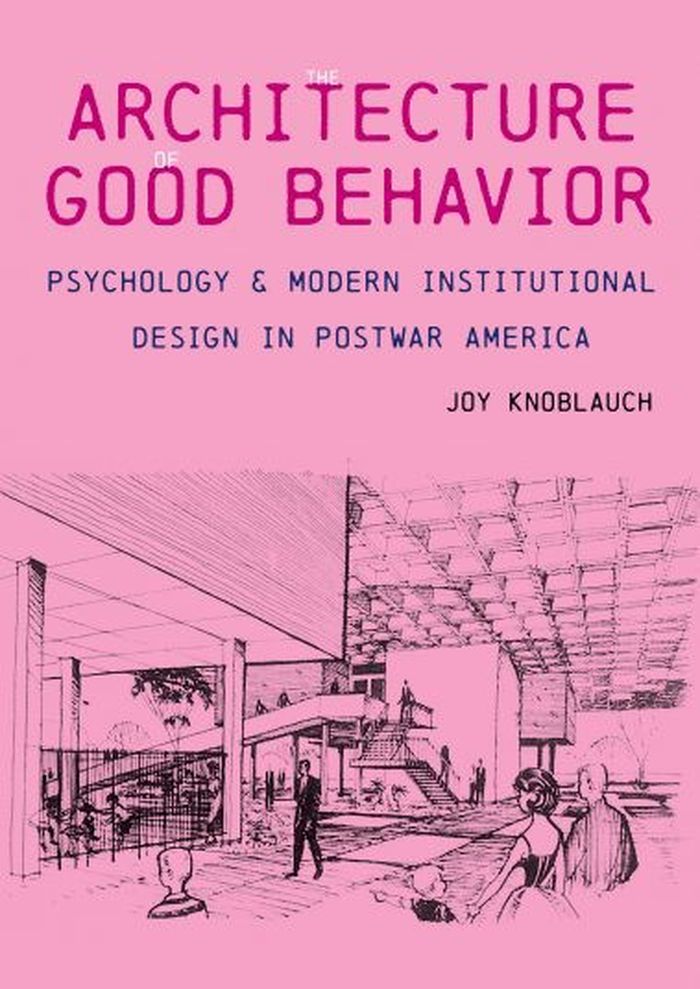
The architecture of good behaviour
Actions:
Price:
$70.00
(available to order)
Summary:
Inspired by the rise of environmental psychology and increasing support for behavioral research after the Second World War, new initiatives at the federal, state, and local levels looked to influence the human psyche through form, or elicit desired behaviors with environmental incentives, implementing what Joy Knoblauch calls 'psychological functionalism.' Recruited by federal construction and research programs for institutional reform and expansion — which included hospitals, mental health centers, prisons, and public housing—architects theorized new ways to control behavior and make it more functional by exercising soft power, or power through persuasion, with their designs. In the 1960s – 1970s era of anti-institutional sentiment, they hoped to offer an enlightened, palatable, more humane solution to larger social problems related to health, mental health, justice, and security of the population by applying psychological expertise to institutional design. In turn, Knoblauch argues, architects gained new roles as researchers, organizers, and writers while theories of confinement, territory, and surveillance proliferated. 'The Architecture of Good Behavior' explores psychological functionalism as a political tool and the architectural projects funded by a postwar nation in its efforts to govern, exert control over, and ultimately pacify its patients, prisoners, and residents.
The architecture of good behaviour
Actions:
Price:
$70.00
(available to order)
Summary:
Inspired by the rise of environmental psychology and increasing support for behavioral research after the Second World War, new initiatives at the federal, state, and local levels looked to influence the human psyche through form, or elicit desired behaviors with environmental incentives, implementing what Joy Knoblauch calls 'psychological functionalism.' Recruited by federal construction and research programs for institutional reform and expansion — which included hospitals, mental health centers, prisons, and public housing—architects theorized new ways to control behavior and make it more functional by exercising soft power, or power through persuasion, with their designs. In the 1960s – 1970s era of anti-institutional sentiment, they hoped to offer an enlightened, palatable, more humane solution to larger social problems related to health, mental health, justice, and security of the population by applying psychological expertise to institutional design. In turn, Knoblauch argues, architects gained new roles as researchers, organizers, and writers while theories of confinement, territory, and surveillance proliferated. 'The Architecture of Good Behavior' explores psychological functionalism as a political tool and the architectural projects funded by a postwar nation in its efforts to govern, exert control over, and ultimately pacify its patients, prisoners, and residents.
Form:
books
books
Publication:
June 2020
June 2020
Subject:
Architectural Theory
Architectural Theory
Form:
books
books
Actions:
Price:
$49.95
(available to order)
Summary:
A wealth of writing has been produced on the subject of New Brunswick’s architecture, ranging from scholarly articles and histories to promotional materials and well-illustrated popular books. With over 700 bibliographic citations, John Leroux’s Bibliography of New Brunswick Architecture assembles a comprehensive survey of the literature, creating a valuable reference(...)
$49.95
(available to order)
Summary:
A wealth of writing has been produced on the subject of New Brunswick’s architecture, ranging from scholarly articles and histories to promotional materials and well-illustrated popular books. With over 700 bibliographic citations, John Leroux’s Bibliography of New Brunswick Architecture assembles a comprehensive survey of the literature, creating a valuable reference(...)
Title:
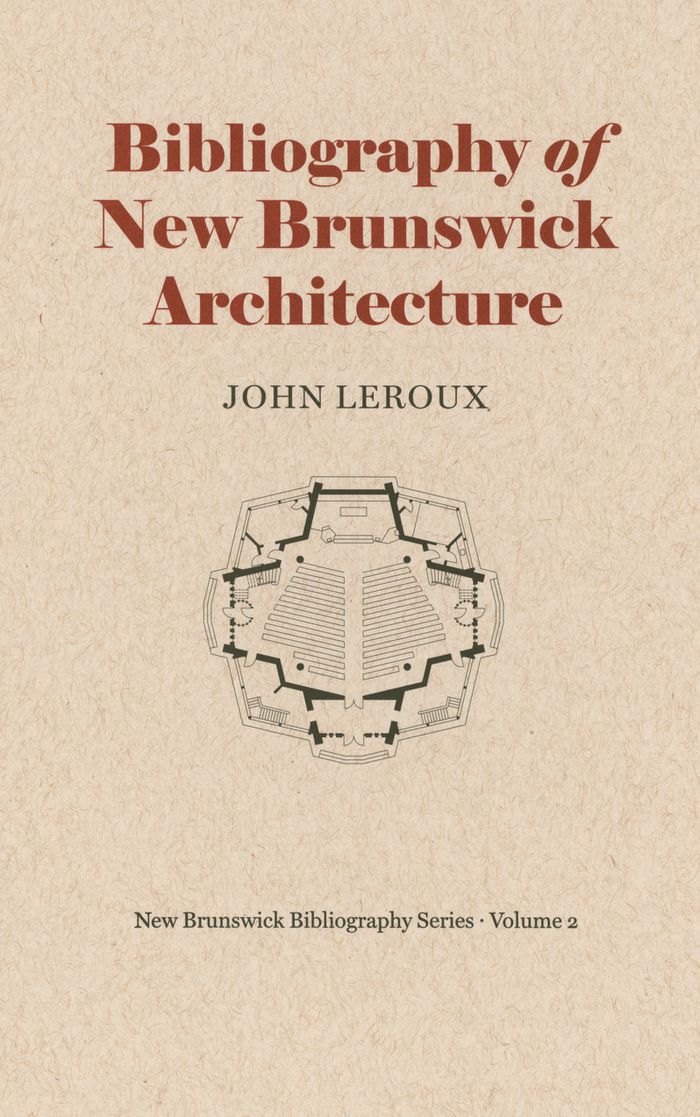
Bibliography of New Brunswick Architecture
Actions:
Price:
$49.95
(available to order)
Summary:
A wealth of writing has been produced on the subject of New Brunswick’s architecture, ranging from scholarly articles and histories to promotional materials and well-illustrated popular books. With over 700 bibliographic citations, John Leroux’s Bibliography of New Brunswick Architecture assembles a comprehensive survey of the literature, creating a valuable reference work on the province’s architectural heritage.
Bibliography of New Brunswick Architecture
Actions:
Price:
$49.95
(available to order)
Summary:
A wealth of writing has been produced on the subject of New Brunswick’s architecture, ranging from scholarly articles and histories to promotional materials and well-illustrated popular books. With over 700 bibliographic citations, John Leroux’s Bibliography of New Brunswick Architecture assembles a comprehensive survey of the literature, creating a valuable reference work on the province’s architectural heritage.
Form:
books
books
Publication:
June 2021
June 2021
Subject:
Architecture in Canada
Architecture in Canada
Form:
books
books
Actions:
Price:
$14.95
(available to order)
Summary:
What should our buildings look like? Or is their usability more important than their appearance? Paul Guyer argues that the fundamental goals of architecture first identified by the Roman architect Marcus Pollio Vitruvius - good construction, functionality, and aesthetic appeal - have remained valid despite constant changes in human activities, building materials and(...)
$14.95
(available to order)
Summary:
What should our buildings look like? Or is their usability more important than their appearance? Paul Guyer argues that the fundamental goals of architecture first identified by the Roman architect Marcus Pollio Vitruvius - good construction, functionality, and aesthetic appeal - have remained valid despite constant changes in human activities, building materials and(...)
Title:
A philosopher looks at architecture
Actions:
Price:
$14.95
(available to order)
Summary:
What should our buildings look like? Or is their usability more important than their appearance? Paul Guyer argues that the fundamental goals of architecture first identified by the Roman architect Marcus Pollio Vitruvius - good construction, functionality, and aesthetic appeal - have remained valid despite constant changes in human activities, building materials and technologies, as well as in artistic styles and cultures. Guyer discusses philosophers and architects throughout history, including Alberti, Kant, Ruskin, Wright, and Loos, and surveys the ways in which their ideas are brought to life in buildings across the world. He also considers the works and words of contemporary architects including Annabelle Selldorf, Herzog and de Meuron, and Steven Holl, and shows that - despite changing times and fashions - good architecture continues to be something worth striving for. This new series offers short and personal perspectives by expert thinkers on topics that we all encounter in our everyday lives.
A philosopher looks at architecture
Actions:
Price:
$14.95
(available to order)
Summary:
What should our buildings look like? Or is their usability more important than their appearance? Paul Guyer argues that the fundamental goals of architecture first identified by the Roman architect Marcus Pollio Vitruvius - good construction, functionality, and aesthetic appeal - have remained valid despite constant changes in human activities, building materials and technologies, as well as in artistic styles and cultures. Guyer discusses philosophers and architects throughout history, including Alberti, Kant, Ruskin, Wright, and Loos, and surveys the ways in which their ideas are brought to life in buildings across the world. He also considers the works and words of contemporary architects including Annabelle Selldorf, Herzog and de Meuron, and Steven Holl, and shows that - despite changing times and fashions - good architecture continues to be something worth striving for. This new series offers short and personal perspectives by expert thinkers on topics that we all encounter in our everyday lives.
Form:
books
books
Publication:
May 2021
May 2021
Subject:
Architectural Theory
Architectural Theory
Form:
books
books
Actions:
Price:
$53.95
(available in store)
Summary:
In this publication, Andrew Witt examines the visual, methodological, and cultural intersections between architecture and mathematics. The linkages Witt explores involve not the mystic transcendence of numbers invoked throughout architectural history, but rather architecture’s encounters with a range of calculational systems—techniques that architects inventively retooled(...)
$53.95
(available in store)
Summary:
In this publication, Andrew Witt examines the visual, methodological, and cultural intersections between architecture and mathematics. The linkages Witt explores involve not the mystic transcendence of numbers invoked throughout architectural history, but rather architecture’s encounters with a range of calculational systems—techniques that architects inventively retooled(...)
Title:
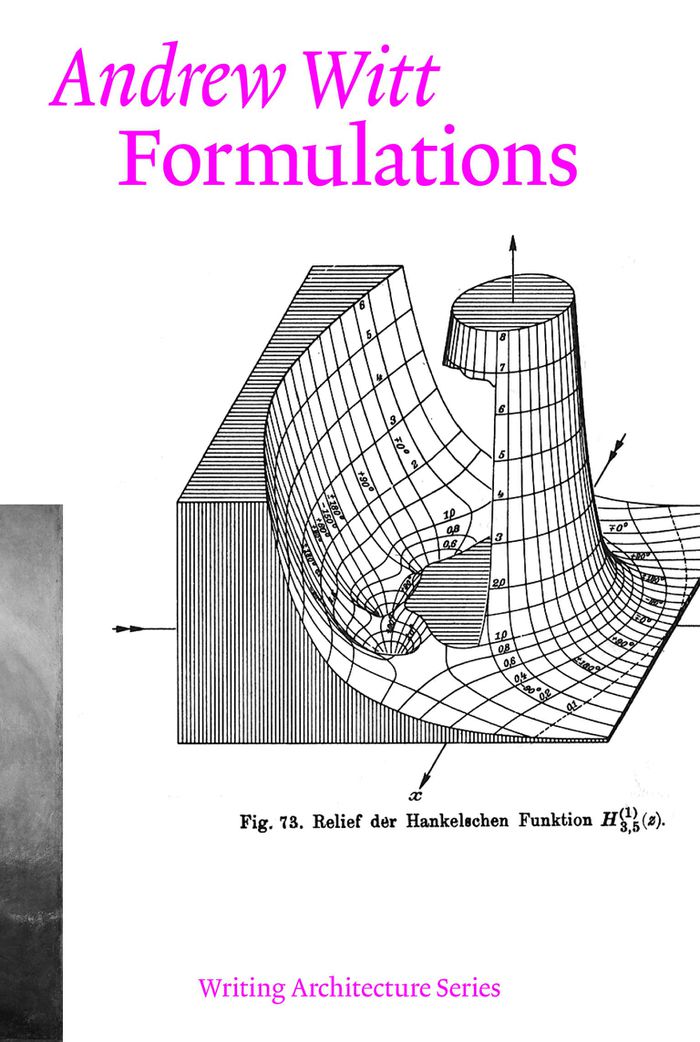
Formulations: Architecture, mathematics, and culture
Actions:
Price:
$53.95
(available in store)
Summary:
In this publication, Andrew Witt examines the visual, methodological, and cultural intersections between architecture and mathematics. The linkages Witt explores involve not the mystic transcendence of numbers invoked throughout architectural history, but rather architecture’s encounters with a range of calculational systems—techniques that architects inventively retooled for design. Witt offers a catalog of mid-twentieth-century practices of mathematical drawing and calculation in design that preceded and anticipated digitization as well as an account of the formal compendia that became a cultural currency shared between modern mathematicians and modern architects.
Formulations: Architecture, mathematics, and culture
Actions:
Price:
$53.95
(available in store)
Summary:
In this publication, Andrew Witt examines the visual, methodological, and cultural intersections between architecture and mathematics. The linkages Witt explores involve not the mystic transcendence of numbers invoked throughout architectural history, but rather architecture’s encounters with a range of calculational systems—techniques that architects inventively retooled for design. Witt offers a catalog of mid-twentieth-century practices of mathematical drawing and calculation in design that preceded and anticipated digitization as well as an account of the formal compendia that became a cultural currency shared between modern mathematicians and modern architects.
Form:
books
books
Publication:
January 2022
January 2022
Subject:
Architectural Theory
Architectural Theory
Form:
books
books
Actions:
Price:
$43.00
(available to order)
Summary:
Plus que jamais, l'architecture a besoin de provocation, d'une nouvelle voie au-delà de la notion traditionnelle selon laquelle les bâtiments doivent servir de vaisseaux ou de symboles de quelque chose d'extérieur à eux-mêmes. 'Architecture Non-Référentielle' n'est rien de moins qu'un manifeste pour une nouvelle architecture. Il réunit deux penseurs de premier plan,(...)
$43.00
(available to order)
Summary:
Plus que jamais, l'architecture a besoin de provocation, d'une nouvelle voie au-delà de la notion traditionnelle selon laquelle les bâtiments doivent servir de vaisseaux ou de symboles de quelque chose d'extérieur à eux-mêmes. 'Architecture Non-Référentielle' n'est rien de moins qu'un manifeste pour une nouvelle architecture. Il réunit deux penseurs de premier plan,(...)
Title:
Valerio Olgiati : Architecture non-référentielle
Actions:
Price:
$43.00
(available to order)
Summary:
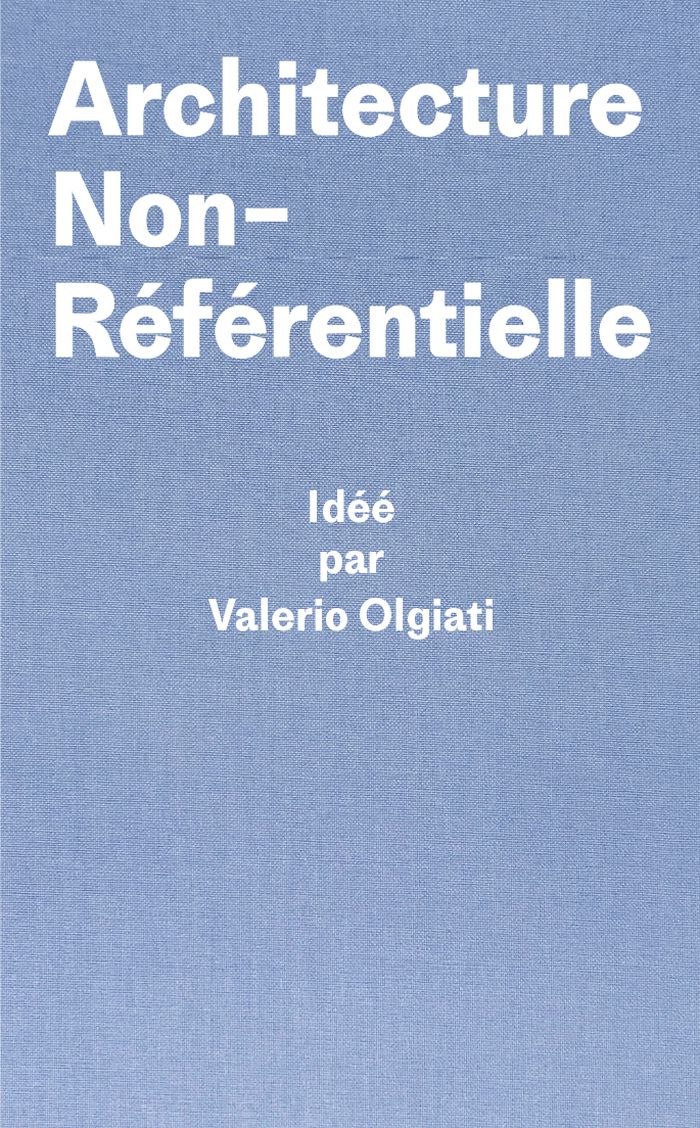
Plus que jamais, l'architecture a besoin de provocation, d'une nouvelle voie au-delà de la notion traditionnelle selon laquelle les bâtiments doivent servir de vaisseaux ou de symboles de quelque chose d'extérieur à eux-mêmes. 'Architecture Non-Référentielle' n'est rien de moins qu'un manifeste pour une nouvelle architecture. Il réunit deux penseurs de premier plan, l'architecte Valerio Olgiati et le théoricien Markus Breitschmid, qui se sont penchés sur ce problème depuis leur première rencontre en 2005. Dans un monde qui rejette de plus en plus les idéologies, quelles qu'elles soient, Olgiati et Breitschmid proposent une approche radicale et nouvelle, libérée des idéologies rigides. Les bâtiments non référentiels, soutiennent-ils, sont des entités qui ont elles-mêmes un sens en dehors d'un vocabulaire de symboles et d'images fixes et de leurs connotations historiques. Depuis plus d'une décennie, la réflexion d'Olgiati et Breitschmid les a placés à l'avant-garde de la théorie architecturale.
Valerio Olgiati : Architecture non-référentielle
Actions:
Price:
$43.00
(available to order)
Summary:
Plus que jamais, l'architecture a besoin de provocation, d'une nouvelle voie au-delà de la notion traditionnelle selon laquelle les bâtiments doivent servir de vaisseaux ou de symboles de quelque chose d'extérieur à eux-mêmes. 'Architecture Non-Référentielle' n'est rien de moins qu'un manifeste pour une nouvelle architecture. Il réunit deux penseurs de premier plan, l'architecte Valerio Olgiati et le théoricien Markus Breitschmid, qui se sont penchés sur ce problème depuis leur première rencontre en 2005. Dans un monde qui rejette de plus en plus les idéologies, quelles qu'elles soient, Olgiati et Breitschmid proposent une approche radicale et nouvelle, libérée des idéologies rigides. Les bâtiments non référentiels, soutiennent-ils, sont des entités qui ont elles-mêmes un sens en dehors d'un vocabulaire de symboles et d'images fixes et de leurs connotations historiques. Depuis plus d'une décennie, la réflexion d'Olgiati et Breitschmid les a placés à l'avant-garde de la théorie architecturale.
Form:
books
books
Publication:
January 2022
January 2022
Subject:
Architectural Theory
Architectural Theory
Form:
books
books

Actions:
Price:
$49.95
(available in store)
Summary:
This volume addresses the varied perceptions of Canada’s natural terrain, framing the discussion in the context of landscapes designed by Canadian landscape architects. This edited collection draws on contemporary works to theorize a distinct approach practiced by Canadian landscape architects from across the country. The essays – authored by Canadian scholars and(...)
$49.95
(available in store)
Summary:
This volume addresses the varied perceptions of Canada’s natural terrain, framing the discussion in the context of landscapes designed by Canadian landscape architects. This edited collection draws on contemporary works to theorize a distinct approach practiced by Canadian landscape architects from across the country. The essays – authored by Canadian scholars and(...)
Title:
Innate terrain: Canadian landscape architecture
Actions:
Price:
$49.95
(available in store)
Summary:
This volume addresses the varied perceptions of Canada’s natural terrain, framing the discussion in the context of landscapes designed by Canadian landscape architects. This edited collection draws on contemporary works to theorize a distinct approach practiced by Canadian landscape architects from across the country. The essays – authored by Canadian scholars and practitioners, some of whom are Indigenous or have worked closely with Indigenous communities – are united by the argument that Canadian landscape architecture is intrinsically linked to the innate qualities of the surrounding terrain. Beautifully illustrated, this publication aims to capture distinct regional qualities that are rooted in the broader context of the Canadian landscape.
Innate terrain: Canadian landscape architecture
Actions:
Price:
$49.95
(available in store)
Summary:
This volume addresses the varied perceptions of Canada’s natural terrain, framing the discussion in the context of landscapes designed by Canadian landscape architects. This edited collection draws on contemporary works to theorize a distinct approach practiced by Canadian landscape architects from across the country. The essays – authored by Canadian scholars and practitioners, some of whom are Indigenous or have worked closely with Indigenous communities – are united by the argument that Canadian landscape architecture is intrinsically linked to the innate qualities of the surrounding terrain. Beautifully illustrated, this publication aims to capture distinct regional qualities that are rooted in the broader context of the Canadian landscape.
Form:
books
books
Publication:
September 2022
September 2022
Subject:
Architecture in Canada
Architecture in Canada
Form:
books
books
Actions:
Price:
$94.00
(available to order)
Summary:
BIG is an internationally operating creative group of architects, designers, urban and landscape planners, interior and product designers, researchers and inventors. The architecture of BIG is created on the basis of an observation of the environment and is suitable for a contemporary form of living. The secret of their architecture lies in the combination of utopia and(...)
$94.00
(available to order)
Summary:
BIG is an internationally operating creative group of architects, designers, urban and landscape planners, interior and product designers, researchers and inventors. The architecture of BIG is created on the basis of an observation of the environment and is suitable for a contemporary form of living. The secret of their architecture lies in the combination of utopia and(...)
Title:
BIG: Architecture and construction details
Actions:
Price:
$94.00
(available to order)
Summary:
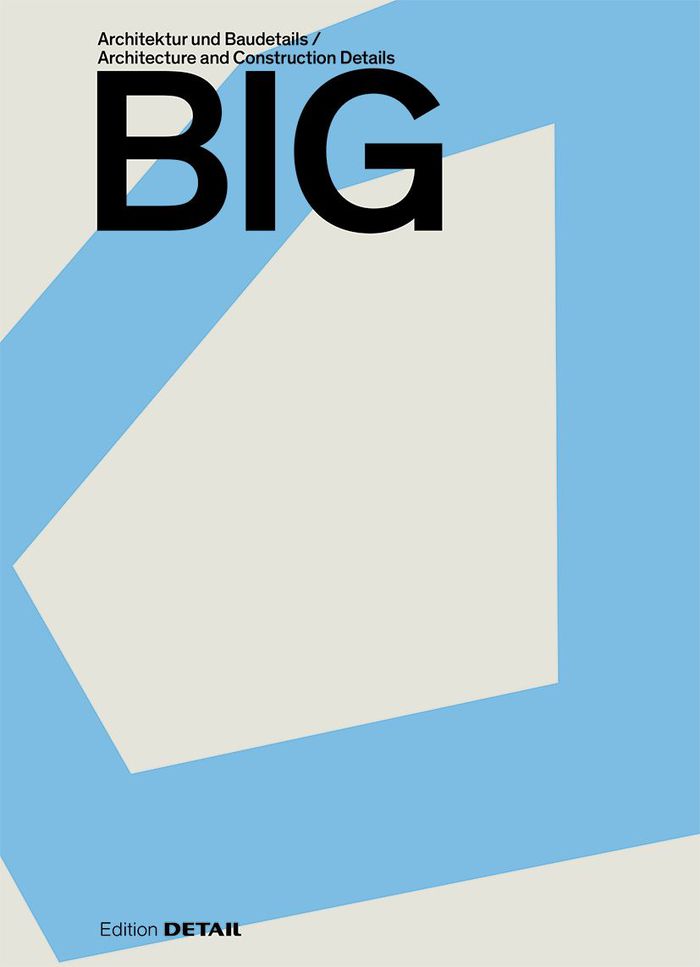
BIG is an internationally operating creative group of architects, designers, urban and landscape planners, interior and product designers, researchers and inventors. The architecture of BIG is created on the basis of an observation of the environment and is suitable for a contemporary form of living. The secret of their architecture lies in the combination of utopia and pragmatism. This monograph shows how this can work. From small projects to a gigantic housing block, from urban space to museum – everything that makes urban architecture fascinating is included. This monograph presents 19 exciting projects from BIG’s creative workshop. It invites to a new experience of architecture.
BIG: Architecture and construction details
Actions:
Price:
$94.00
(available to order)
Summary:
BIG is an internationally operating creative group of architects, designers, urban and landscape planners, interior and product designers, researchers and inventors. The architecture of BIG is created on the basis of an observation of the environment and is suitable for a contemporary form of living. The secret of their architecture lies in the combination of utopia and pragmatism. This monograph shows how this can work. From small projects to a gigantic housing block, from urban space to museum – everything that makes urban architecture fascinating is included. This monograph presents 19 exciting projects from BIG’s creative workshop. It invites to a new experience of architecture.
Form:
books
books
Publication:
May 2022
May 2022
Subject:
Architecture Monographs
Architecture Monographs
Form:
books
books
Actions:
Price:
$54.95
(available in store)
Summary:
This book, edited by Fulvio Irace, brings together for the first time the design stories and writings with which Emilio Ambasz accompanied the projects that marked the various stages of his prolific career: an anthology that puts his gentle manifesto into practice – green over gray – and where his most iconic pieces of architecture are retraced, alongside stories of(...)
$54.95
(available in store)
Summary:
This book, edited by Fulvio Irace, brings together for the first time the design stories and writings with which Emilio Ambasz accompanied the projects that marked the various stages of his prolific career: an anthology that puts his gentle manifesto into practice – green over gray – and where his most iconic pieces of architecture are retraced, alongside stories of(...)
Title:
Green architecture and design tales
Actions:
Price:
$54.95
(available in store)
Summary:
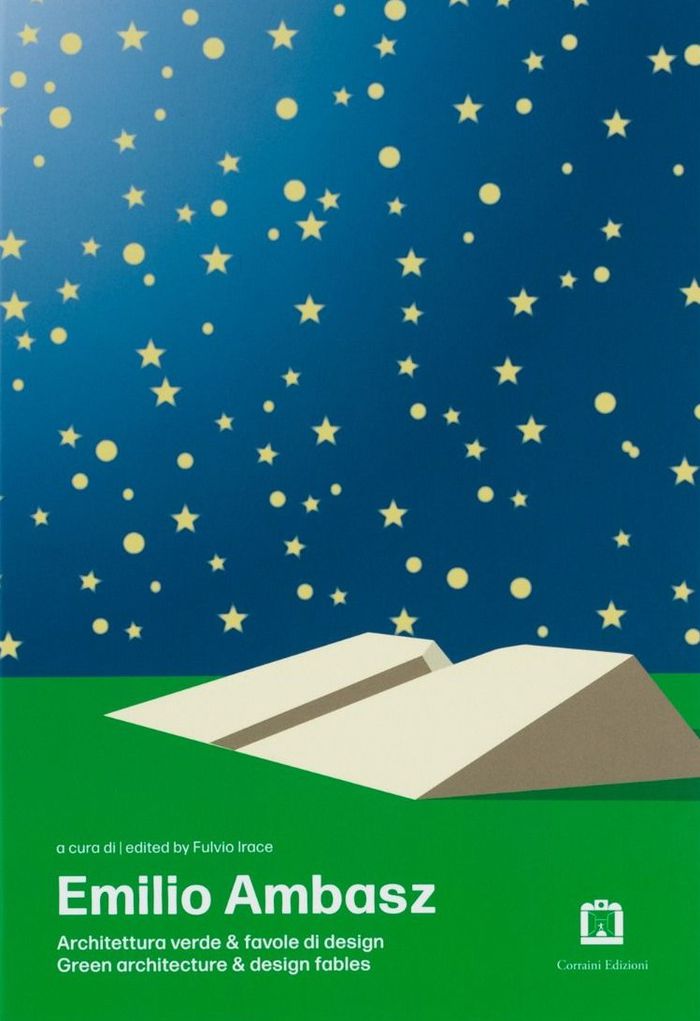
This book, edited by Fulvio Irace, brings together for the first time the design stories and writings with which Emilio Ambasz accompanied the projects that marked the various stages of his prolific career: an anthology that puts his gentle manifesto into practice – green over gray – and where his most iconic pieces of architecture are retraced, alongside stories of cities he has loved or dreamed of and conversations with architects and artists with whom he has established a unique relationship of elective affinities.
Green architecture and design tales
Actions:
Price:
$54.95
(available in store)
Summary:
This book, edited by Fulvio Irace, brings together for the first time the design stories and writings with which Emilio Ambasz accompanied the projects that marked the various stages of his prolific career: an anthology that puts his gentle manifesto into practice – green over gray – and where his most iconic pieces of architecture are retraced, alongside stories of cities he has loved or dreamed of and conversations with architects and artists with whom he has established a unique relationship of elective affinities.
Form:
books
books
Publication:
May 2022
May 2022
Subject:
Green Architecture
Green Architecture
Form:
books
books
Actions:
Price:
$69.95
(available to order)
Summary:
Aldo Rossi (1931-97) is a key figure in 20th-century architecture. Discarding utopian pretences, his work claimed the autonomy of architecture with formal restraint, and remains highly influential both in theory and practice until the present day. In this new book, Diogo Seixas Lopes looks at Rossi's work through the lens of a term often used to describe the great(...)
$69.95
(available to order)
Summary:
Aldo Rossi (1931-97) is a key figure in 20th-century architecture. Discarding utopian pretences, his work claimed the autonomy of architecture with formal restraint, and remains highly influential both in theory and practice until the present day. In this new book, Diogo Seixas Lopes looks at Rossi's work through the lens of a term often used to describe the great(...)
Publication:
December 2014
December 2014
Title:
Melancholy and architecture: on Aldo Rossi
Actions:
Price:
$69.95
(available to order)
Summary:
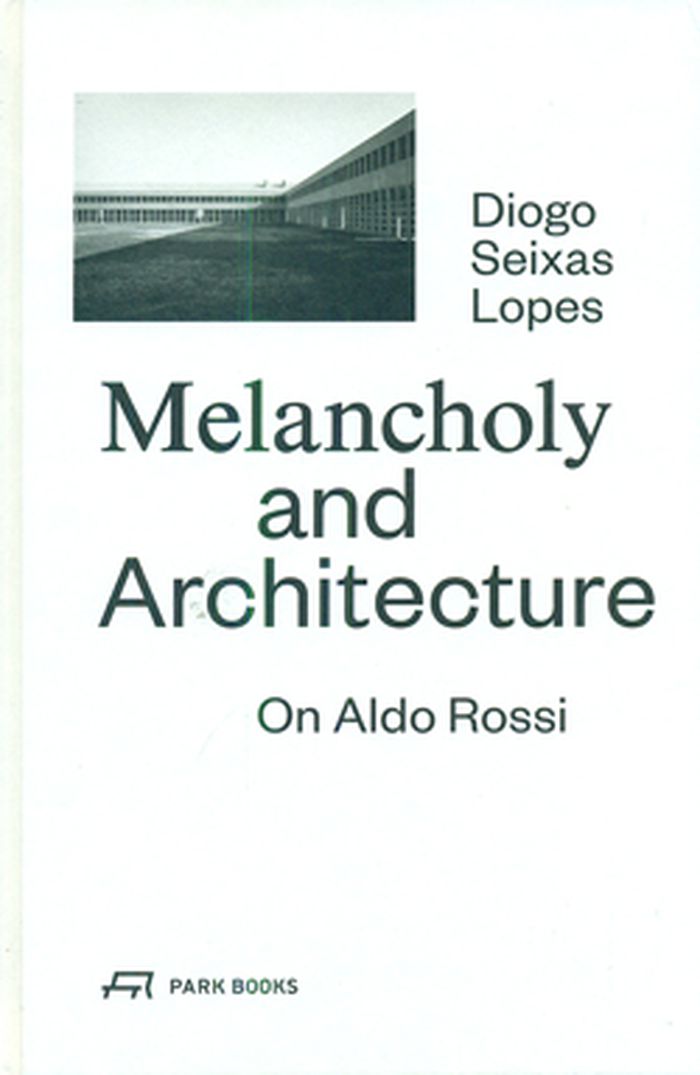
Aldo Rossi (1931-97) is a key figure in 20th-century architecture. Discarding utopian pretences, his work claimed the autonomy of architecture with formal restraint, and remains highly influential both in theory and practice until the present day. In this new book, Diogo Seixas Lopes looks at Rossi's work through the lens of a term often used to describe the great architect's work: melancholy. While the influence of melancholy on literature and visual arts has been debated extensively, its presence in architecture has been largely overlooked. By exploring Rossi's entire career, Lopes traces out the oscillation between enthusiasm and disenchantment that marks Rossi's oeuvre.
Melancholy and architecture: on Aldo Rossi
Actions:
Price:
$69.95
(available to order)
Summary:
Aldo Rossi (1931-97) is a key figure in 20th-century architecture. Discarding utopian pretences, his work claimed the autonomy of architecture with formal restraint, and remains highly influential both in theory and practice until the present day. In this new book, Diogo Seixas Lopes looks at Rossi's work through the lens of a term often used to describe the great architect's work: melancholy. While the influence of melancholy on literature and visual arts has been debated extensively, its presence in architecture has been largely overlooked. By exploring Rossi's entire career, Lopes traces out the oscillation between enthusiasm and disenchantment that marks Rossi's oeuvre.
Form:
books
books
Publication:
December 2014
December 2014


