


252 Results
Form:
books
books
Actions:
Price:
$45.95
(available in store)
Summary:
Anarchitecture, a radical aesthetic practice of unmaking the built environment, staged a vigorous confrontation with urban renewal and gentrification projects in the 1970s. In Anarchitecture After Everything, Jack Halberstam identifies a powerful lexicon of transformation within anarchitecture, joining the movement’s practices of cutting and splitting with the(...)
Title:
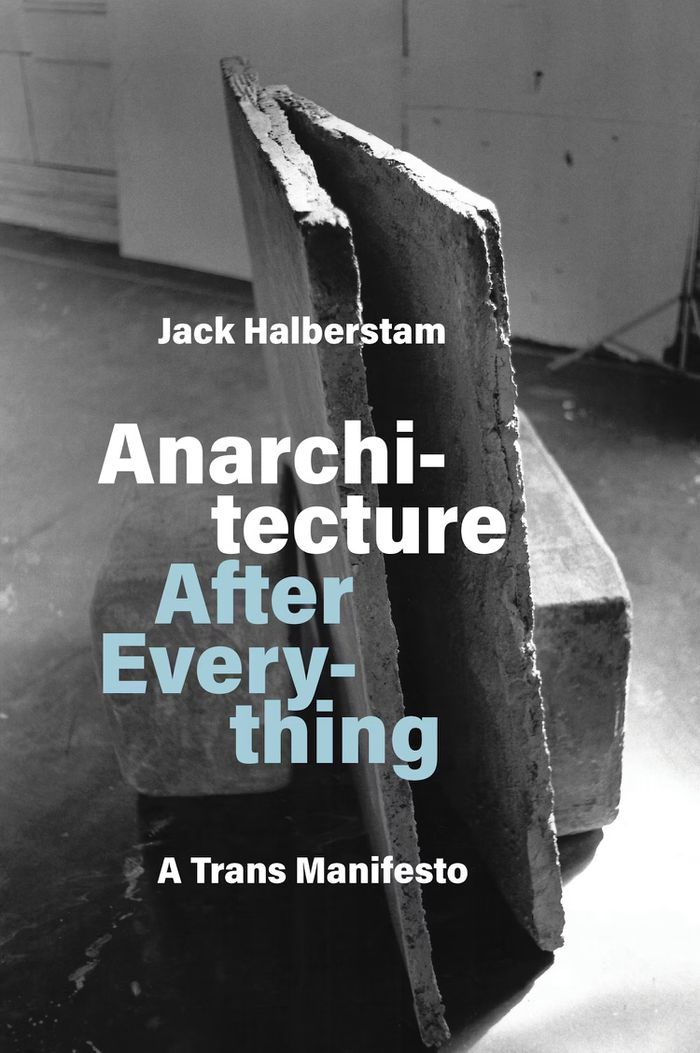
Anarchitecture after everything: A trans manifesto
Actions:
Price:
$45.95
(available in store)
Summary:
Anarchitecture, a radical aesthetic practice of unmaking the built environment, staged a vigorous confrontation with urban renewal and gentrification projects in the 1970s. In Anarchitecture After Everything, Jack Halberstam identifies a powerful lexicon of transformation within anarchitecture, joining the movement’s practices of cutting and splitting with the destabilizing power of transness to detonate acts of formal violence in our time. "Anarchitecture" describes the aesthetic practice of splitting and cutting, dismantling and undoing, unmaking, unbuilding, and ultimately unworlding. The trans body splits bodily coherence, dismantles the gender binary, and unbuilds bodily meaning. In these chapters, Gordon Matta-Clark’s cuts, along with Alvin Baltrop’s 1970s images of collapsing warehouses and Beverly Buchanan’s post-demolition fragmentary sculptures, return with a vengeance through the contemporary aesthetic gestures of Yve Laris Cohen, Jesse Darling, Nicole Eisenman, Kiyan Williams, Cassils, boychild, and Every Ocean Hughes. Anarchitecture unmakes space and offers a new rhetoric for emptiness. In its conclusion, the book explores this rhetoric through Renee Gladman’s anarchitectural experiments with language.
Form:
books
books
Publication:
August 2026
August 2026
Subject:
Architectural Theory
Architectural Theory
Form:
books
books

Title:
Undoing property?
Undoing property?
Actions:
Price:
$37.00
(available to order)
Summary:
''Undoing property?'' examines complex relationships inside art, culture, political economy, immaterial production, and the public realm today. In its pages artists and theorists address aspects of computing, curating, economy, ecology, gentrification, music, publishing, piracy, and much more. Property shapes all social relations. Its invisible lines force separations(...)
Title:
Undoing property?
Actions:
Price:
$37.00
(available to order)
Summary:
''Undoing property?'' examines complex relationships inside art, culture, political economy, immaterial production, and the public realm today. In its pages artists and theorists address aspects of computing, curating, economy, ecology, gentrification, music, publishing, piracy, and much more. Property shapes all social relations. Its invisible lines force separations and create power relations felt through the unequal distribution of what is otherwise collectively produced value. Over the last few years the precise question of what should be privately owned and publicly shared in society has animated intense political struggles and social movements around the world. In this shadow the publication's critical texts, interviews and artistic interventions offer models of practice and interrogate diverse sites, from the body, to the courtroom, to the server, to the museum. The book asks why propertization itself has changed so fundamentally over the last few decades and what might be done to challenge it. The "undoing" of ''Undoing property?'' begins with the recognition that something else is possible.
Form:
books
books
Publication:
September 2013
September 2013
Subject:
Critical Theory
Critical Theory
Form:
books
books
Actions:
Price:
$25.00
(available in store)
Summary:
''Rights of way: The body as witness in public space'' takes our bodily movements as a departure point to cross into the terrains of art, culture, architecture, sociology, literature, and politics, to envision varied forms of witnessing, and apply them to our direct environments. When many must still campaign to claim their stake in the public realm; when hate crimes and(...)
Title:
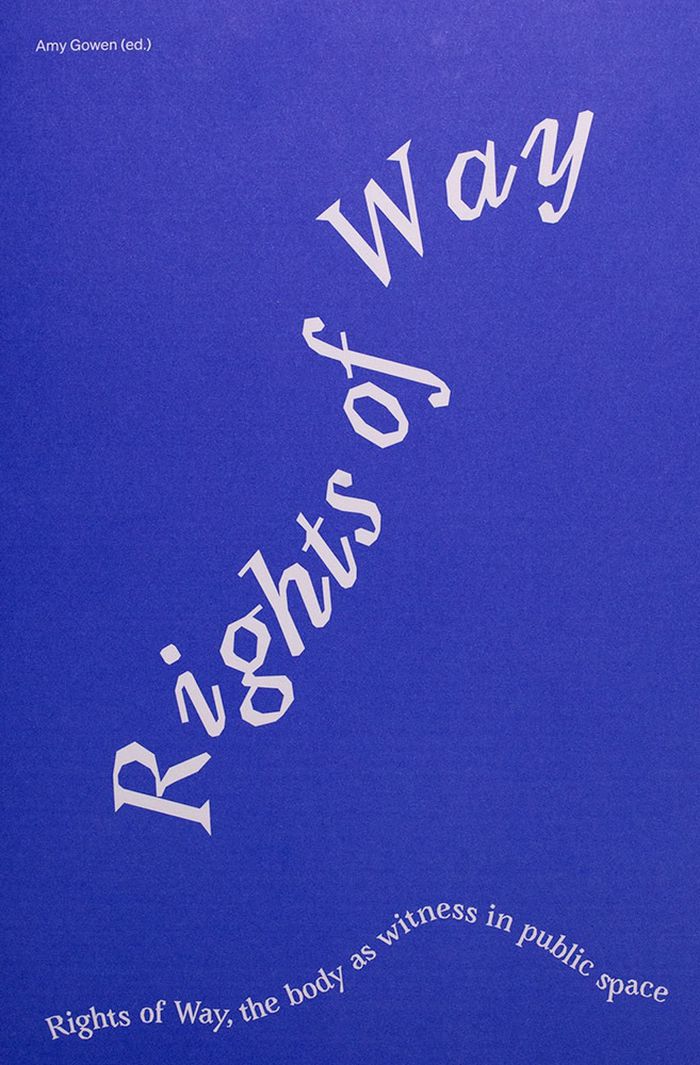
Rights of way: The body as witness in public space
Actions:
Price:
$25.00
(available in store)
Summary:
''Rights of way: The body as witness in public space'' takes our bodily movements as a departure point to cross into the terrains of art, culture, architecture, sociology, literature, and politics, to envision varied forms of witnessing, and apply them to our direct environments. When many must still campaign to claim their stake in the public realm; when hate crimes and acts of institutional violence persist in the public sphere; when cities continue to grapple with the effects of mass surveillance, precarious citizenship, widespread gentrification, and divisive body politics, we seek to question, challenge, and re-envision who have the rights of way. This publication comprises a collection of essays, interviews, texts, and images from a range of artists, researchers, academics, architects, and historians. Together, the contributions question our positions of access and in-access in space, and, in doing so, orchestrate the act of witnessing as a vital component in provid- ing meaning to our cities.
Form:
books
books
Publication:
November 2022
November 2022
Subject:
Critical Theory
Critical Theory
Form:
journals and magazines
journals and magazines
Title:
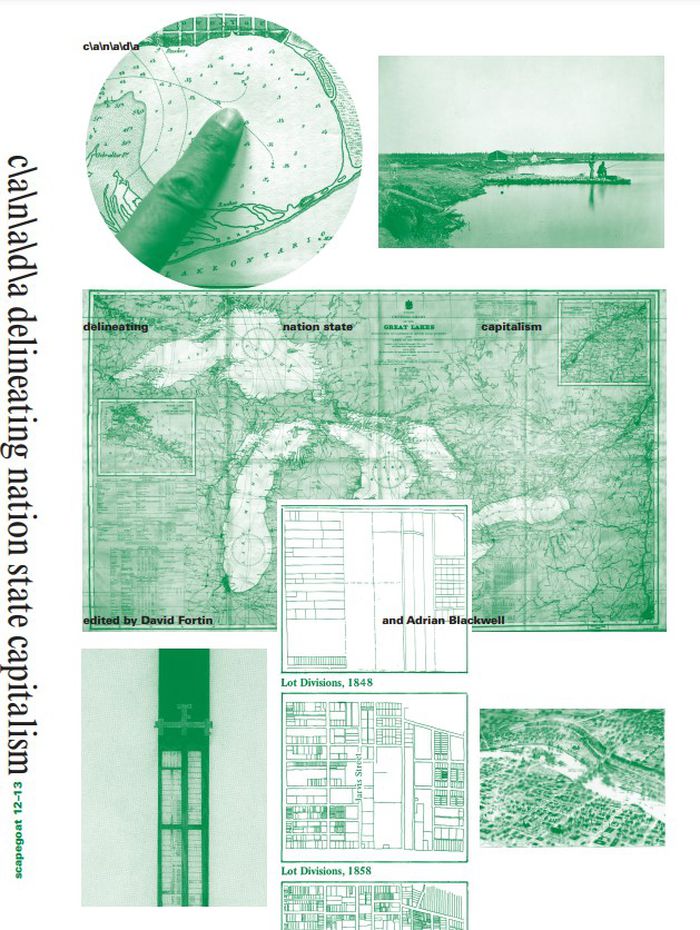
Scapegoat 12/13: c\a\n\a\d\a
Scapegoat 12/13: c\a\n\a\d\a
Actions:
Price:
$30.00
(available to order)
Summary:
This issue aims to connect two critical discourses about space that have so far been disassociated: architectural theories that point to the importance of real property as the fundamental unit of urban morphology and architectural typology, and Indigenous land claims which point to the violence of colonial land dispossession, through which this property was originally(...)
Title:
Scapegoat 12/13: c\a\n\a\d\a
Actions:
Price:
$30.00
(available to order)
Summary:
This issue aims to connect two critical discourses about space that have so far been disassociated: architectural theories that point to the importance of real property as the fundamental unit of urban morphology and architectural typology, and Indigenous land claims which point to the violence of colonial land dispossession, through which this property was originally invented and formed. This research sees property delineation as a fundamental grammatical logic of the production of the space of nation, state and capital. The editors and contributors to this volume approach the intersection of Indigenous and settler viewpoints, as well as the interdisciplinary perspectives of both spatial delineators and critical commentators, in order to understand the deep connections between Indigenous dispossession and urban pathologies of gentrification, homelessness, systemically biased planning and urban alienation. The issue also addresses this connection in order to rethink and redraw land relations as a foundation for undoing this alienation and creating spaces that cultivate a caring relation with land, kin and strangers.
Form:
journals and magazines
journals and magazines
Publication:
May 2022
May 2022
Subject:
Magazines
Magazines
Form:
books
books
Price:
$32.00
(available to order)
Summary:
''Resisting eviction'' centres tenant organizing in its investigation of gentrification, eviction and the financialization of rental housing. Andrew Crosby argues that racial discrimination, property relations and settler colonialism inform contemporary urban (re)development efforts and impacts affordable housing loss. How can the City of Ottawa aspire to become ''North(...)
Title:
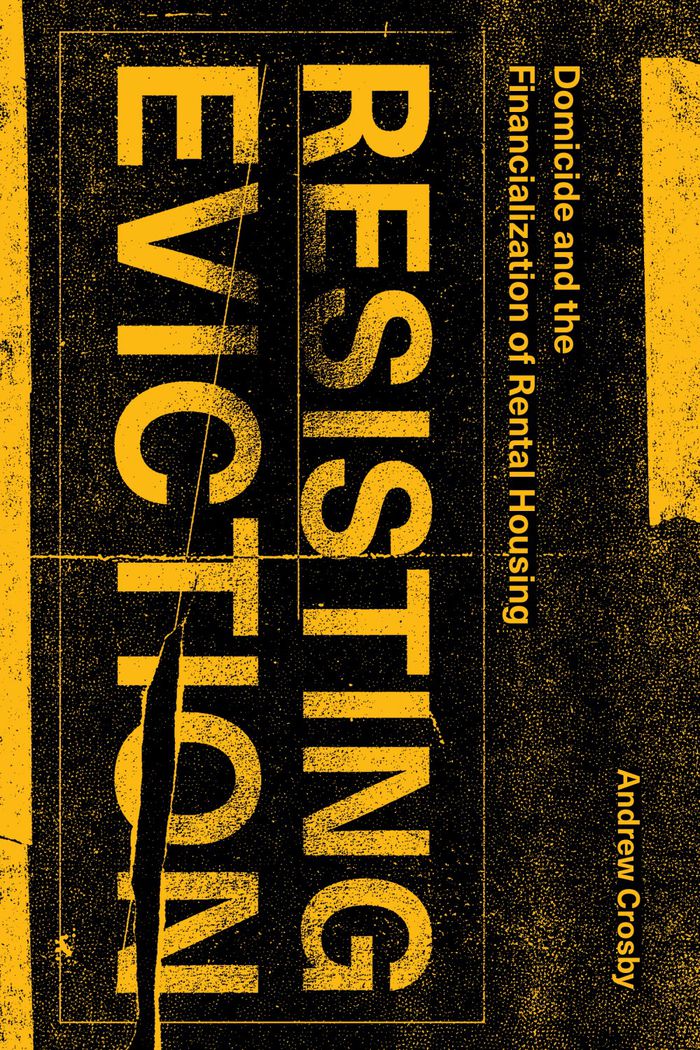
Resisting eviction: Domicide and the financialization of rental housing
Actions:
Price:
$32.00
(available to order)
Summary:
''Resisting eviction'' centres tenant organizing in its investigation of gentrification, eviction and the financialization of rental housing. Andrew Crosby argues that racial discrimination, property relations and settler colonialism inform contemporary urban (re)development efforts and impacts affordable housing loss. How can the City of Ottawa aspire to become ''North America’s most liveable mid-sized city'' while large-scale, demolition-driven evictions displace hundreds of people and destroy a community? Troubling discourses of urban liveability, revitalization and improvement, Crosby examines the deliberate destruction of home—domicide—and tenant resistance in the Heron Gate neighbourhood in Ottawa, on unceded Algonquin land. Heron Gate is a large rental neighbourhood owned by one multi-billion-dollar real estate investment firm. Around 800 people—predominantly lower-income, racialized households—have been demovicted and displaced from the neighbourhood since 2016, leading to the emergence of the Herongate Tenant Coalition to fight the evictions and confront the landlord-developer. This case study is meticulously documented through political activist ethnography, making this book a brilliant example of ethical engagement and methodological integrity.
Form:
books
books
Publication:
October 2023
October 2023
Subject:
Humans and cities
Humans and cities
Form:
books
books

Title:
Anne Lass: Triple seven
Anne Lass: Triple seven
Actions:
Price:
$88.95
(available to order)
Summary:
Red, violet, and blue colors permeate the images, but there’s more at play than just form and color. The Danish-German photographer lived in Berlin from 2007 to 2014, where she was fascinated by the many gambling halls in the Berlin cityscape, most of which was located in the poorer neighborhoods. Lass visited over 100 of Berlin’s approximately 500 small casinos and went(...)
Title:
Anne Lass: Triple seven
Actions:
Price:
$88.95
(available to order)
Summary:
Red, violet, and blue colors permeate the images, but there’s more at play than just form and color. The Danish-German photographer lived in Berlin from 2007 to 2014, where she was fascinated by the many gambling halls in the Berlin cityscape, most of which was located in the poorer neighborhoods. Lass visited over 100 of Berlin’s approximately 500 small casinos and went on a picture hunt in these often closed and private environments. Here, she documented old machines, gaming tables, and the people who frequented them. Not to condemn, but to try to understand and take the players’ desires seriously: the hope for a better life and the longing for a bit of happiness. The project sheds light on a phenomenon that is relevant beyond the borders of Berlin – humanity’s eternal pursuit of (financial) happiness. At the same time, it is a visual investigation of the signs, symbols, and objects deliberately used to seduce. It is a photographic record of districts undergoing change due to crises and gentrification, and a documentation of places that have not been extensively explored until now.
Form:
books
books
Publication:
November 2023
November 2023
Subject:
Photography monographs
Photography monographs
Form:
books
books
Actions:
Price:
$25.00
(available in store)
Summary:
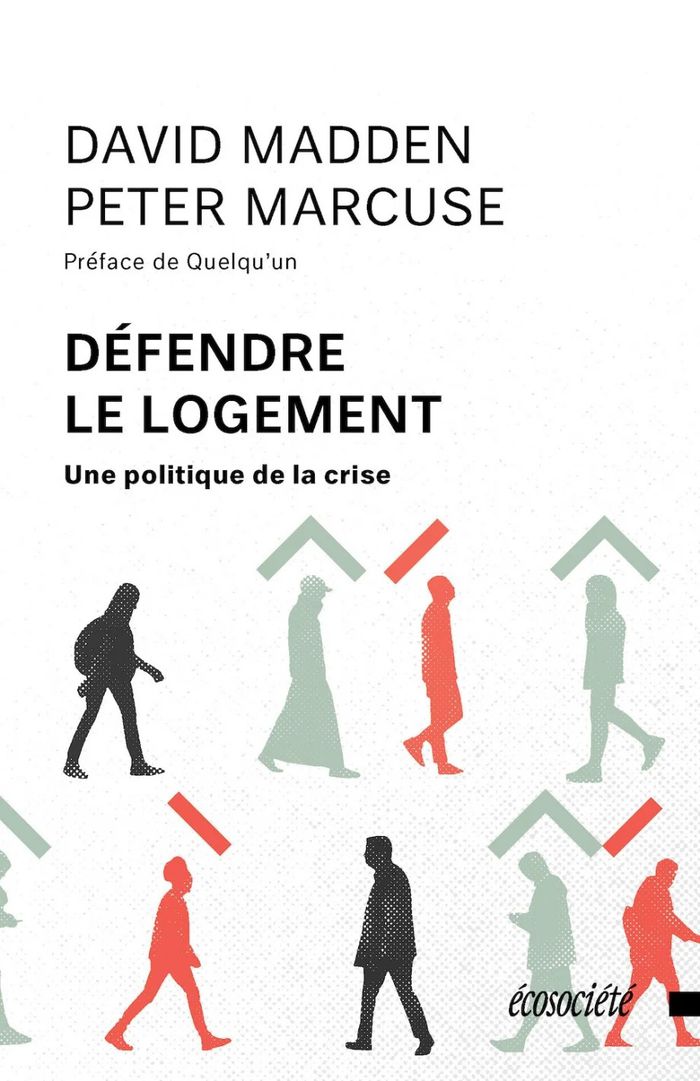
Contrairement à ce que l’on pourrait croire, la crise du logement n’est pas causée par le manque d’unités locatives, des taux d’intérêt élevés ou une conjoncture économique défavorable. C’est l’état normal du marché immobilier en régime capitaliste. Telle est l’idée que défendent l’urbaniste Peter Marcuse et le sociologue David Madden, dans cet ouvrage essentiel qui met(...)
Title:
Défendre le logement : Nos foyers, leurs profits
Actions:
Price:
$25.00
(available in store)
Summary:
Contrairement à ce que l’on pourrait croire, la crise du logement n’est pas causée par le manque d’unités locatives, des taux d’intérêt élevés ou une conjoncture économique défavorable. C’est l’état normal du marché immobilier en régime capitaliste. Telle est l’idée que défendent l’urbaniste Peter Marcuse et le sociologue David Madden, dans cet ouvrage essentiel qui met en évidence le conflit entre le logement en tant que foyer et l’immobilier à but lucratif. « Défendre le logement » met le doigt sur les processus de marchandisation du logement qui, au cours des dernières années, ont atteint des sommets inégalés, notamment avec l’essor des plateformes comme Airbnb et l’utilisation de l’immobilier comme instrument d’accumulation financière. Une situation qui ne fait que creuser davantage les inégalités dans la ville : quand le profit prend le pas sur le droit de se loger, les loyers augmentent et leur qualité diminue, et les communautés sont confrontées à la violence des déplacements et de la gentrification. Or, le logement est un droit fondamental et ne devrait pas être considéré comme un bien marchand.
Form:
books
books
Publication:
June 2024
June 2024
Subject:
Humans and cities
Humans and cities
Form:
books
books

Title:
Retours en ville
Retours en ville
Actions:
Price:
$35.50
(available to order)
Summary:
La ville est au cœur de l'économie mondiale. Loin d'avoir fait disparaître les effets de localisation, le développement des réseaux de communication a multiplié les espaces où circulent biens, personnes, services et capitaux. Cette évolution a profité d'abord aux métropoles. L'âge d'or des villes est de retour. Retours en ville et même retours au centre pour les classes(...)
Title:
Retours en ville
Actions:
Price:
$35.50
(available to order)
Summary:
La ville est au cœur de l'économie mondiale. Loin d'avoir fait disparaître les effets de localisation, le développement des réseaux de communication a multiplié les espaces où circulent biens, personnes, services et capitaux. Cette évolution a profité d'abord aux métropoles. L'âge d'or des villes est de retour. Retours en ville et même retours au centre pour les classes moyennes supérieures. Les anglo-saxons parlent de « gentrification » pour désigner cette évolution. Plus récemment, les projets urbains qui l'ont accompagnée ont privilégié le vocabulaire de la « régénération » ou de la « revitalisation », alors qu'ils sont souvent à l'origine de nouvelles polarisations socio-spatiales. Les études de cas proposées ici se situent dans plusieurs villes européennes et américaines du nord et du sud (New York, Bruxelles, Lyon, Naples, Barcelone, Mexico, São Paulo). Dans des contextes très différents, on retrouve des référents communs, dans les modèles d'habitat et les styles de vie, mais aussi dans les politiques urbaines mises en oeuvre, donnant à penser que les couches sociales qui les portent ont tendance, elles aussi, à se mondialiser.
Form:
books
books
Publication:
January 2003, Paris
January 2003, Paris
Subject:
Urban Theory
Urban Theory
Form:
books
books
Actions:
Price:
$56.95
(available in store)
Summary:
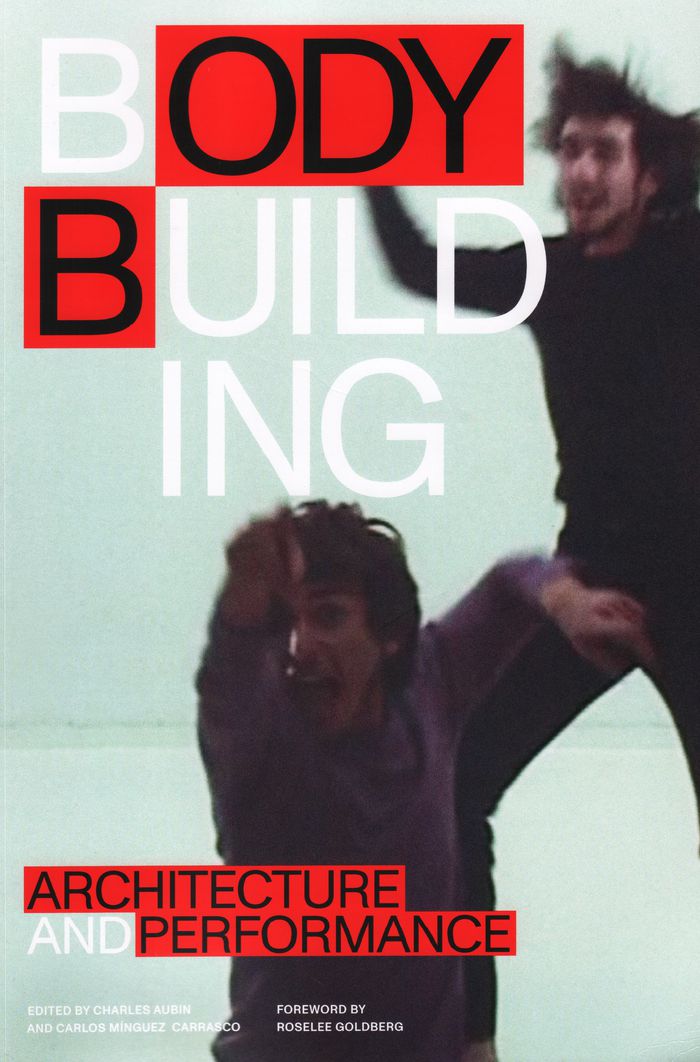
With its emphasis on permanence and stability, architecture at first resists an easy pairing with live performance, usually considered ephemeral and elusive. But architecture and performance share a core concern: the interplay of bodies and space. 'Bodybuilding' examines the use of live performance by architects. Looking past the unbuilt, utopian projects of the early(...)
Subject:
Architectural Theory
Architectural Theory
Publication:
January 2019
January 2019
Title:
Bodybuilding: architecture and performance
Actions:
Price:
$56.95
(available in store)
Summary:
With its emphasis on permanence and stability, architecture at first resists an easy pairing with live performance, usually considered ephemeral and elusive. But architecture and performance share a core concern: the interplay of bodies and space. 'Bodybuilding' examines the use of live performance by architects. Looking past the unbuilt, utopian projects of the early modernists or the postwar avant-garde, the authors unearth an alternative canon of architects who actually employ performance to fortify the process of building, or else to explore architecture’s enmeshment with labor, security, race, migration, the environment, gentrification, and public assembly. For these architects, performance can be a tool, a method, or a heuristic device; in every case, performance is a blade that cuts into the matter of architecture. With rates of construction plummeting after the financial crisis of 2007–08, newly minted architects have had to find alternative ways to continue working within the field. 'Bodybuilding' grounds these new practices within a century of precedents, and insists that performance is a critical tool to rethink architecture’s agency, goals, and aesthetics.
Form:
books
books
Publication:
January 2019
January 2019
Subject:
Architectural Theory
Architectural Theory
Form:
books
books
Price:
$23.95
(available to order)
Summary:
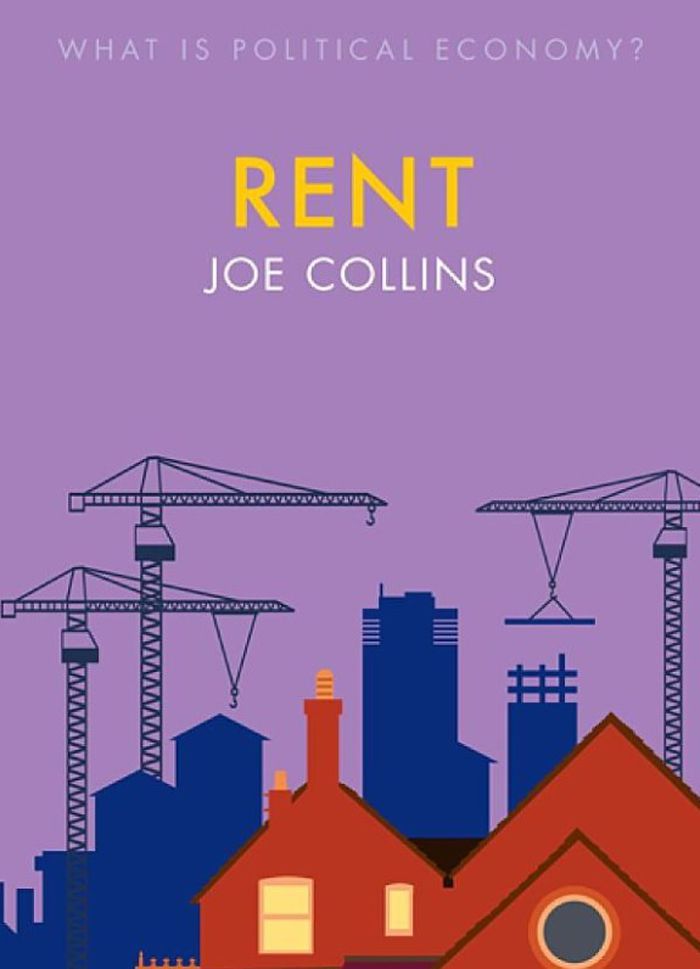
The problem of rent is at the root of vital social concerns in the twenty-first century, ranging from the climate emergency and spiralling economic inequality to the repercussions of global economic crises. But while many of us may be familiar with rent (especially paying it), how should we really understand it? Examining both concrete contexts and complex concepts,(...)
Title:
Rent
Actions:
Price:
$23.95
(available to order)
Summary:
The problem of rent is at the root of vital social concerns in the twenty-first century, ranging from the climate emergency and spiralling economic inequality to the repercussions of global economic crises. But while many of us may be familiar with rent (especially paying it), how should we really understand it? Examining both concrete contexts and complex concepts, in this book Joe Collins provides a comprehensive but concise survey of the theories and debates over rent and rentier capitalism. He examines global gentrification from São Paolo to Dublin, the tyranny of technology from Taipei to San Francisco, and the excesses of extractivism from Sekondi to Karratha. In doing so, he reveals how rent is fundamental to the current dominant form of capitalist social organization across the globe and how we can prevent the next generation from seeing our societies rent asunder. An essential resource for students and scholars alike, this groundbreaking book will be of interest to anyone working on capitalism, property, political economy, economic sociology and contemporary politics.
Form:
books
books
Publication:
March 2022
March 2022
Subject:
Social
Social


