


2435 Results
Form:
books
books
Actions:
Price:
$27.00
(available to order)
Summary:
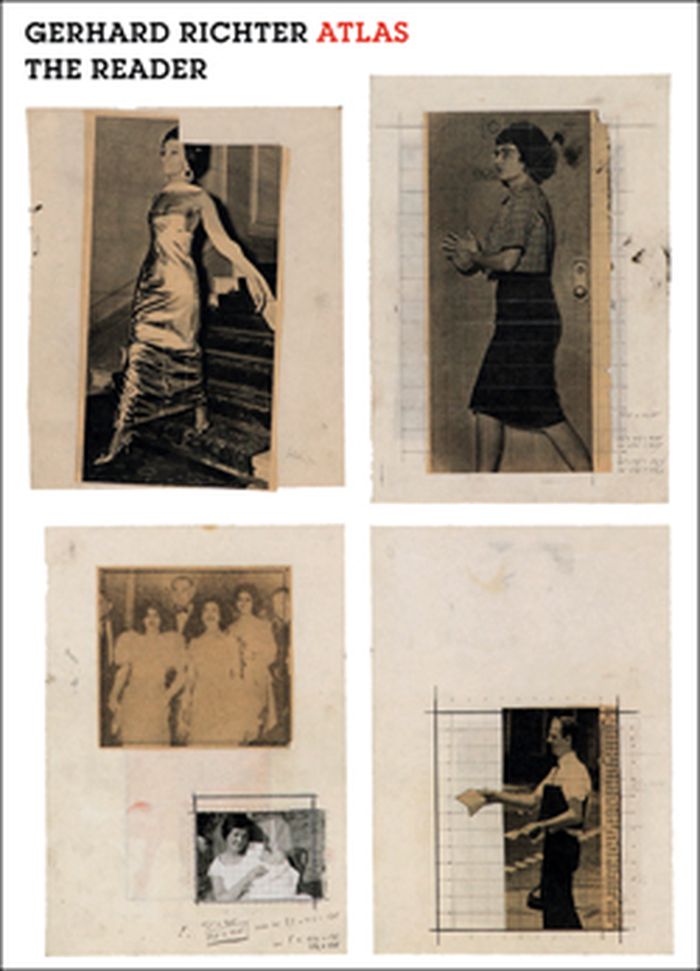
Gerhard Richter’s ongoing, encyclopedic Atlas project began in 1964, and now comprises more than 5,000 gridded photographs, diagrams, drawings and sketches. As an image archive, work tool and artist’s book, Atlas sits at the very heart of Richter’s practice, offering a massive summation of his masterful explorations of the tensions between photography and painting,(...)
Title:
Gerhard Richter: Atlas, the reader
Actions:
Price:
$27.00
(available to order)
Summary:
Gerhard Richter’s ongoing, encyclopedic Atlas project began in 1964, and now comprises more than 5,000 gridded photographs, diagrams, drawings and sketches. As an image archive, work tool and artist’s book, Atlas sits at the very heart of Richter’s practice, offering a massive summation of his masterful explorations of the tensions between photography and painting, history and memory, perception and representation. As a publication, Atlas has gone through numerous editions, each new volume expanding on the previous with elaborations of persistent themes. This book provides a critical tool for navigating Atlas, bringing together Richter’s own writings alongside commentaries by the art historians and curators Armin Zweite, Jean-François Chevrier, Benjamin H.D. Buchloh, Lynne Cooke and Helmut Friedel. Originally published in 2003 to coincide with the Whitechapel Gallery’s exhibition Gerhard Richter: Atlas, this updated edition also includes a review of the exhibition by Adrian Searle.
Form:
books
books
Publication:
October 2012
October 2012
Subject:
Art Theory
Art Theory
Form:
books
books

Title:
Grandma's story
Grandma's story
Actions:
Price:
$13.95
(available in store)
Summary:
The storyteller is the living memory of her time: at once an oracle, weaver, healer, warrior, witch, protectress, teacher and great mother. Her powers are to do with passing on – not only the stories but transmission itself: "what grandma began, granddaughter completes and passes on to be further completed." In contrast to the idea that a story is "just a story",(...)
Title:
Grandma's story
Actions:
Price:
$13.95
(available in store)
Summary:
The storyteller is the living memory of her time: at once an oracle, weaver, healer, warrior, witch, protectress, teacher and great mother. Her powers are to do with passing on – not only the stories but transmission itself: "what grandma began, granddaughter completes and passes on to be further completed." In contrast to the idea that a story is "just a story", pioneering postcolonial feminist theorist and filmmaker Trinh T. Minh-ha recodes ideas about truth and fantasy to tell a different story about power, civilisation, history, medicine and magic. "Grandma’s Story" shows how creative speech is connected to women’s powers of enchantment, drawing upon and speaking with storytellers including Theresa Hak Kyung Cha, Clarice Lispector, Maxine Hong Kingston, Leslie Marmon Silko and Zora Neale Hurston – all who may be known as ‘'she who breaks open the spell'’.
Form:
books
books
Publication:
September 2025
September 2025
Subject:
Social
Social
Form:
books
books
Actions:
Price:
$75.00
(available in store)
Summary:
Museums are flourishing across the globe: in recent decades, no other architectural form has witnessed such remarkable growth and diversification. In an era when the digital revolution enables us to preserve our shared memory and artistic heritage without the constraints of physical space, this phenomenon might seem like an unnecessary indulgence. Yet, by examining new(...)
Title:
Architecture for Culture: Rethinking Museums
Actions:
Price:
$75.00
(available in store)
Summary:
Museums are flourishing across the globe: in recent decades, no other architectural form has witnessed such remarkable growth and diversification. In an era when the digital revolution enables us to preserve our shared memory and artistic heritage without the constraints of physical space, this phenomenon might seem like an unnecessary indulgence. Yet, by examining new icons and rereading historical examples"Architecture for Culture" shows why museums remain essential. They serve as the repositories for the encyclopedia of 21st-century knowledge, help make our cities legible and ensure that art remains a vibrant presence in the spaces where we live. The museum is revealed as a venue where architecture refines its discourse on method, identity, and urban context; it is also a dynamic laboratory for the continuous development of a new cultural policy—one that must address itself to a planetary audience.
Form:
books
books
Publication:
September 2025
September 2025
Subject:
Museology
Museology
Form:
books
books
Actions:
Price:
$75.95
(available in store)
Summary:
''Eight Meditations on Architecture'' offers a rare and illuminating dialogue between two of Europe's most reflective architectural voices—Juhani Pallasmaa and Alberto Campo Baeza. Through a series of eight essays, the book examines eternal architectural themes—Beauty, Light, Time, Memory, Universality, Wisdom, Sacred, and Essentiality—revealing how enduring values shape(...)
Title:
Eight meditations on architecture: Juhani Pallasmaa and Alberto Campo Baeza
Actions:
Price:
$75.95
(available in store)
Summary:
''Eight Meditations on Architecture'' offers a rare and illuminating dialogue between two of Europe's most reflective architectural voices—Juhani Pallasmaa and Alberto Campo Baeza. Through a series of eight essays, the book examines eternal architectural themes—Beauty, Light, Time, Memory, Universality, Wisdom, Sacred, and Essentiality—revealing how enduring values shape the practice of building and the meaning of space. More than an academic treatise, this unique work underscores the necessity of cultural reflection and philosophical grounding in architectural practice. Written by architects whose writings are already essential reading in architectural education, these meditations offer a rigorous yet poetic inquiry into the discipline. Richly illustrated with contributions that interweave theory and personal insight, ''Eight Meditations on Architecture'' provides a space for reflection that is increasingly rare in contemporary discourse—one where theory and practice are not opposites but mutually reinforcing paths toward meaningful design.
Form:
books
books
Publication:
July 2026
July 2026
Subject:
Architectural Theory
Architectural Theory
Form:
books
books
Title:
Qiu Yangzi: Rotation
Qiu Yangzi: Rotation
Actions:
Price:
$80.00
(available to order)
Summary:
''Rotation'' is an ongoing photographic series exploring how urban development reshapes our relationship with space—public, personal, and imagined. It invites viewers to reconsider orientation, perspective, and the fragility of boundaries between the built environment and the body. Referencing the disorientation of outer space—where gravity dissolves the idea of ‘up’(...)
Title:
Qiu Yangzi: Rotation
Actions:
Price:
$80.00
(available to order)
Summary:
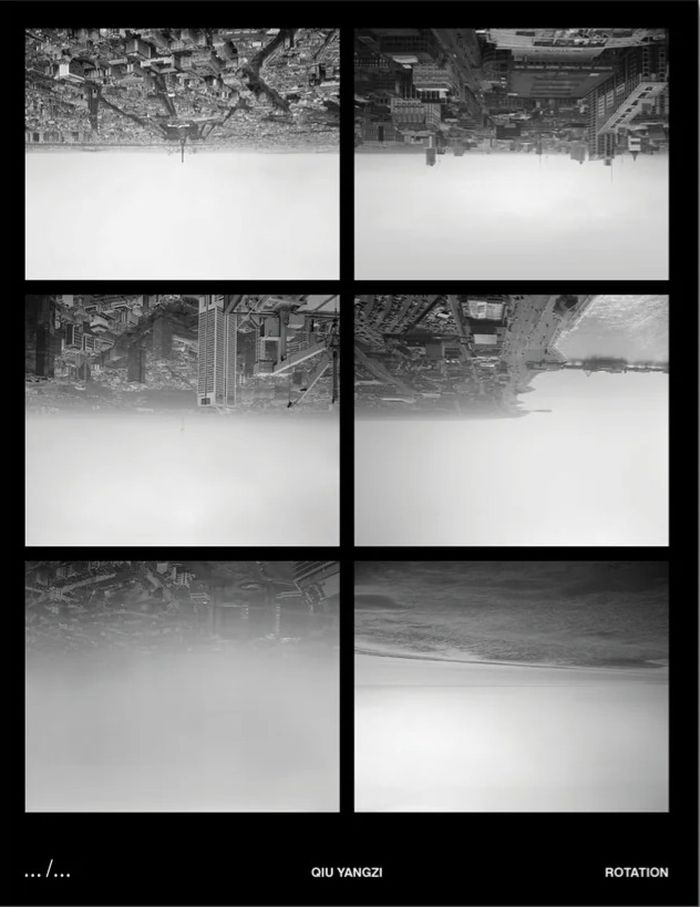
''Rotation'' is an ongoing photographic series exploring how urban development reshapes our relationship with space—public, personal, and imagined. It invites viewers to reconsider orientation, perspective, and the fragility of boundaries between the built environment and the body. Referencing the disorientation of outer space—where gravity dissolves the idea of ‘up’ and ‘down’—the series plays with visual perspective and suspension. Many images are shot through glass, integrating reflections that allude to invisible connections between people and places. This use of light and surface evokes a sense of weightlessness and fluid identity. Since 2021, Rotation has evolved through collaborations with over 20 organizations across cities such as London, Berlin, Stockholm, and Warsaw. With more than 70 works created so far, the project continues to map spatial perception through image-making—blurring lines between architecture, motion, and memory.
Form:
books
books
Publication:
January 2026
January 2026
Subject:
Photography monographs
Photography monographs
Form:
books
books
Price:
$23.95
(available to order)
Summary:
A phenomenology of the mall: If the mall makes us feel bad, why do we keep going back? In a world poisoned by capitalism, is shopping what makes life worth living? Kate Black grew up in West Edmonton Mall – a mall on steroids, notorious for its indoor waterpark, deadly roller coaster, and controversial dolphin shows. But everyone has a favourite mall, or a mall that is(...)
Title:
Big mall
Actions:
Price:
$23.95
(available to order)
Summary:
A phenomenology of the mall: If the mall makes us feel bad, why do we keep going back? In a world poisoned by capitalism, is shopping what makes life worth living? Kate Black grew up in West Edmonton Mall – a mall on steroids, notorious for its indoor waterpark, deadly roller coaster, and controversial dolphin shows. But everyone has a favourite mall, or a mall that is their own personal memory palace. It's a place people love to hate and hate to love – a site of pleasure and pain, of death and violence, of (sub)urban legend. Blending a history of shopping with a story of coming of age in North America's largest and strangest mall, "Big mall" investigates how these structures have become the ultimate symbol of late-capitalist dread – and, surprisingly, a subversive site of hope.
Form:
books
books
Publication:
February 2024
February 2024
Subject:
Commercial interiors, Building types
Commercial interiors, Building types
Form:
books
books
Actions:
Price:
$62.00
(available to order)
Summary:
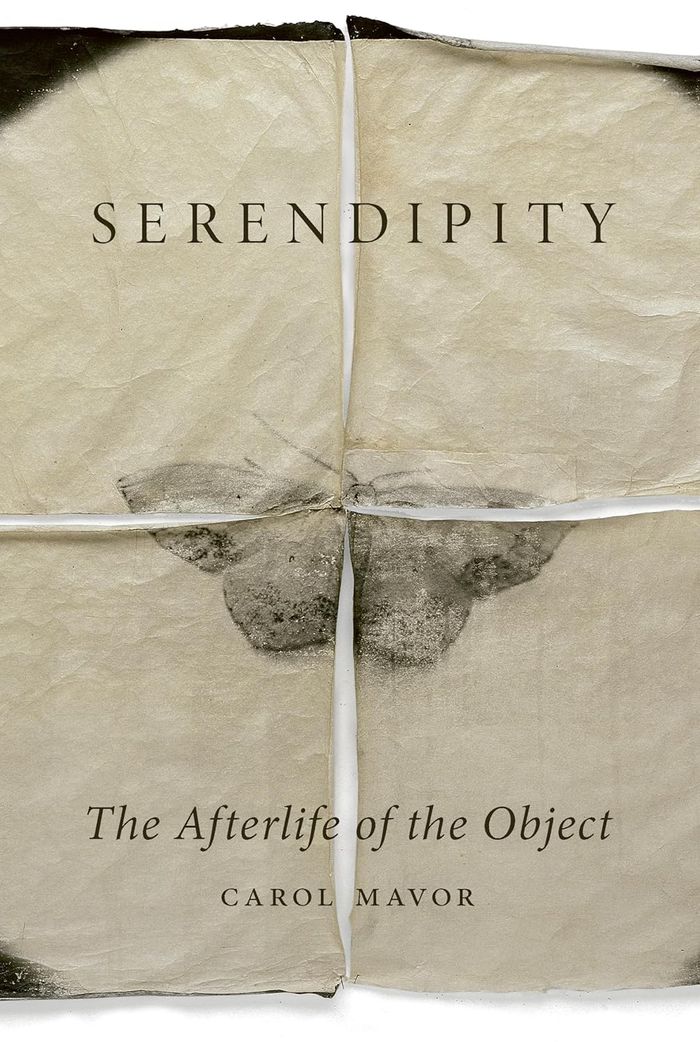
Carol Mavor’s first "happy accident" occurred in 1980 when visiting New York’s Serendipity 3, a dessert café favored by Andy Warhol. Mavor’s memory of eating a frozen hot chocolate became food for thought, nurturing accidental discoveries about art and literature. This book’s happy, yet dark, accidents include Anne Frank’s journal, discovered in the Secret Annex after the(...)
Title:
Serendipity: The afterlife of the object
Actions:
Price:
$62.00
(available to order)
Summary:
Carol Mavor’s first "happy accident" occurred in 1980 when visiting New York’s Serendipity 3, a dessert café favored by Andy Warhol. Mavor’s memory of eating a frozen hot chocolate became food for thought, nurturing accidental discoveries about art and literature. This book’s happy, yet dark, accidents include Anne Frank’s journal, discovered in the Secret Annex after the Second World War; Emily Dickinson’s poems, scribbled on salvaged envelopes, hidden in a drawer; and "Lolita", rescued from incineration by Nabokov’s wife Véra. Mavor’s writing is dependent on serendipity’s layers of happenstance, rousing feelings of something that she did not exactly know she was looking for until she found it. All history is about loss, and in the case of this book, much of it is tragic—but "Serendipity" also offers the happiness that can be found in unexpected discoveries.
Form:
books
books
Publication:
January 2025
January 2025
Subject:
Art Theory
Art Theory
Form:
books
books
Actions:
Price:
$84.00
(available to order)
Summary:
In 1995, Mike Kelley realized "Educational Complex", a model of the school he attended and the house where he grew up. The blind spots of the model represent forgotten zones, and are interpreted as symbolic places of "institutional" abuse. For Kelley, this work marks the beginning of a series of projects where autobiography, memory, and the reinterpretation of previous(...)
Title:
Mike Kelley: educational complex onwards 1995-2008
Actions:
Price:
$84.00
(available to order)
Summary:
In 1995, Mike Kelley realized "Educational Complex", a model of the school he attended and the house where he grew up. The blind spots of the model represent forgotten zones, and are interpreted as symbolic places of "institutional" abuse. For Kelley, this work marks the beginning of a series of projects where autobiography, memory, and the reinterpretation of previous pieces become the privileged instruments in a poetic deconstruction of the structures and systems initiated at the end of the 1970s. "Educational Complex Onwards 1995–2008", is the first book bringing together these different works and offering an overview of the development of Kelley's practice. Each project is extensively documented by artist’s texts and reference material, while essays by Diedrich Diederichsen, Howard Singerman, and Anne Pontégnie explain the systemic change that the artist impulsed in his work to shift its direction and understanding.
Form:
books
books
Publication:
September 2008
September 2008
Subject:
Contemporary Art Monographs
Contemporary Art Monographs
Form:
books
books

Actions:
Price:
$40.00
(available to order)
Summary:
The cinema as a space where one spent entire nights played an important role in West Berlin in those days. While a large number of venues opened in squatted houses, which together with the Kino Arsenal, founded in 1970, formed a counter-pole to the commercial cinema landscape, urban spaces were converted to temporary projection locations in which film, super-8(...)
Subject:
Group Exhibitions
Group Exhibitions
Publication:
November 2008, Berlin
November 2008, Berlin
Title:
Who says concrete doesn't burn, have you tried? west Berlin film in the '80s
Actions:
Price:
$40.00
(available to order)
Summary:
The cinema as a space where one spent entire nights played an important role in West Berlin in those days. While a large number of venues opened in squatted houses, which together with the Kino Arsenal, founded in 1970, formed a counter-pole to the commercial cinema landscape, urban spaces were converted to temporary projection locations in which film, super-8 installations, music, and performance bred each other. The book expands on the film series of the same name screened at Kino Arsenal in October 2006. Rainer Bellenbaum, Justin Hoffmann, Matthias Heyden & Ines Schaber, Dirk Schaefer, Stefanie Schulte Strathaus, Marc Siegel, Nicole Wolf, and Florian Wüst address the specific social and cultural conditions of the enclosed city in a variety of ways seen from the present, while the artist Krimo contributed a map of memory to the book.
Form:
books
books
Publication:
November 2008, Berlin
November 2008, Berlin
Subject:
Group Exhibitions
Group Exhibitions
Form:
books
books

Actions:
Price:
$63.95
(available in store)
Summary:
One of the fundamental considerations in landscape architecture is whether to create something which appears to be natural, or to design something deliberately artificial. Always moving between nature and artifice the art of landscape architecture expresses itself in a sensitive awareness of time and place. If the design is not to become a mere ornament, then it must be(...)
Title:
Texte zur Landschaft / About landscape : essays on design, style, time and space
Actions:
Price:
$63.95
(available in store)
Summary:
One of the fundamental considerations in landscape architecture is whether to create something which appears to be natural, or to design something deliberately artificial. Always moving between nature and artifice the art of landscape architecture expresses itself in a sensitive awareness of time and place. If the design is not to become a mere ornament, then it must be supported by concepts and visions, daring to create something new from the existing surroundings. This collection of essays which have been published over the last decade in Topos – European Landscape Magazine, is a valuable contribution to the literature in the specialised field of landscape architecture. The authors include Paolo Bürgi who writes on dimensions of memory, Joachim W. Jacobs who investigates the Bauhaus and the theory of space, and Kathinka Schreiber who takes a critical look at landscape in film.
Form:
books
books
Publication:
June 2003, Basel
June 2003, Basel
Subject:
Magazines
Magazines


