


2577 Results
Form:
books
books

Title:
Planting the natural garden
Planting the natural garden
Actions:
Price:
$48.00
(available to order)
Summary:
The original publication of Planting the Natural Garden ushered in a revolution in landscape design: the New Perennial Movement. Now this classic has been expanded and updated to include scores of new plants and combinations, and is packed with practical information and visual inspiration.
Title:
Planting the natural garden
Actions:
Price:
$48.00
(available to order)
Summary:
The original publication of Planting the Natural Garden ushered in a revolution in landscape design: the New Perennial Movement. Now this classic has been expanded and updated to include scores of new plants and combinations, and is packed with practical information and visual inspiration.
Form:
books
books
Publication:
November 2019
November 2019
Subject:
Gardens
Gardens
Form:
books
books
Actions:
Price:
$11.95
(available to order)
Summary:
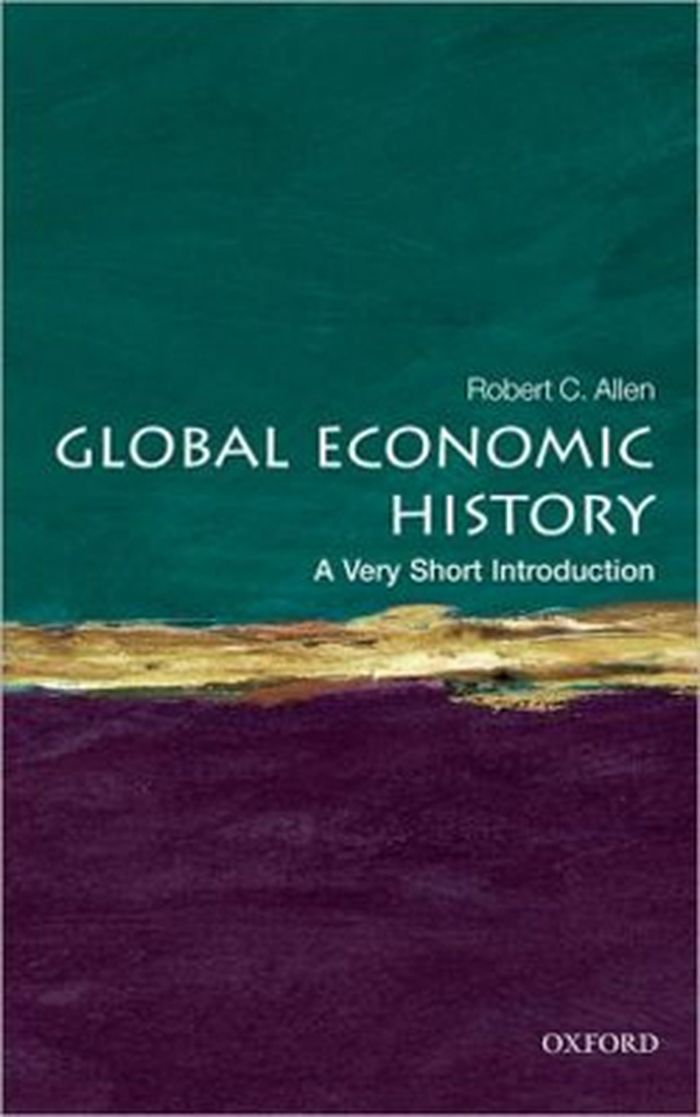
In this Very Short Introduction, Robert C. Allen shows how the interplay of geography, globalization, technological change, and economic policy has determined the wealth and poverty of nations. Allen shows how the industrial revolution was Britain's path-breaking response to the challenge of globalization.
Title:
Global economic history: a very short introduction
Actions:
Price:
$11.95
(available to order)
Summary:
In this Very Short Introduction, Robert C. Allen shows how the interplay of geography, globalization, technological change, and economic policy has determined the wealth and poverty of nations. Allen shows how the industrial revolution was Britain's path-breaking response to the challenge of globalization.
Form:
books
books
Publication:
November 2014
November 2014
Subject:
Critical Theory
Critical Theory
Form:
books
books

Price:
$44.50
(available to order)
Summary:
Le décret du 5 prairial an XII (25 mai 1804) érigeait la bourgade de La Roche-sur-Yon en chef-lieu du département de la Vendée et engageait la planification d'une nouvelle ville par les ingénieurs des ponts et chaussées. Réuni lors de la célébration du bicentenaire par la municipalité de La Roche-surYon, un colloque qui élargissait la réflexion autour de cette ville(...)
Publication:
October 2006, Rennes
October 2006, Rennes
Title:
Autour de la ville de Napoléon : colloque de la Roche-sur-Yon
Actions:
Price:
$44.50
(available to order)
Summary:
Le décret du 5 prairial an XII (25 mai 1804) érigeait la bourgade de La Roche-sur-Yon en chef-lieu du département de la Vendée et engageait la planification d'une nouvelle ville par les ingénieurs des ponts et chaussées. Réuni lors de la célébration du bicentenaire par la municipalité de La Roche-surYon, un colloque qui élargissait la réflexion autour de cette ville singulière fut l'occasion de ramener l'attention vers les villes du début du X1Xe siècle. L'organisation scientifique du colloque a été assurée par le laboratoire LAUA de l'école nationale supérieure d'architecture de Nantes. L'intitulé retenu, «Autour de la ville de Napoléon», a une double portée : tout d'abord un retour sur la ville nommée Napoléon, La Roche-sur-Yon, qui reçoit ce nom en 1805. Ce titre renvoie aussi à une réflexion sur la ville de la période impériale, soit en France, soit dans des territoires d'influence française. Il élargit le débat, alentour, en termes spatiaux ou en termes temporels, pour interroger des cas exemplaires de «villes d'autorité» dans d'autres contextes, ou pour suivre le devenir et l'actualité de ce type de villes. La figure planifiée et tramée de La Roche-sur-Yon, ville administrative fondée par décret dans le cadre des mesures de pacification des départements de l'Ouest de la France à l'issue de la Révolution, et dans celui plus vaste de la réorganisation territoriale de l'Empire, sert de point d'appui à l'examen du rapport entre les questions politico-administratives et la configuration spatiale des villes fondées, étendues ou transformées par acte d'autorité, notamment au début du XIXe siècle, en France, en Europe ou en Amérique. Elle permet d'aborder le vécu et le devenir de ces villes, questionnant leur réception et leur appropriation, entre méconnaissance et patrimonialisation.
Form:
books
books
Publication:
October 2006, Rennes
October 2006, Rennes
Form:
books
books
Title:
Claude Nicolas Ledoux
Claude Nicolas Ledoux
Actions:
Price:
$80.95
(available to order)
Summary:
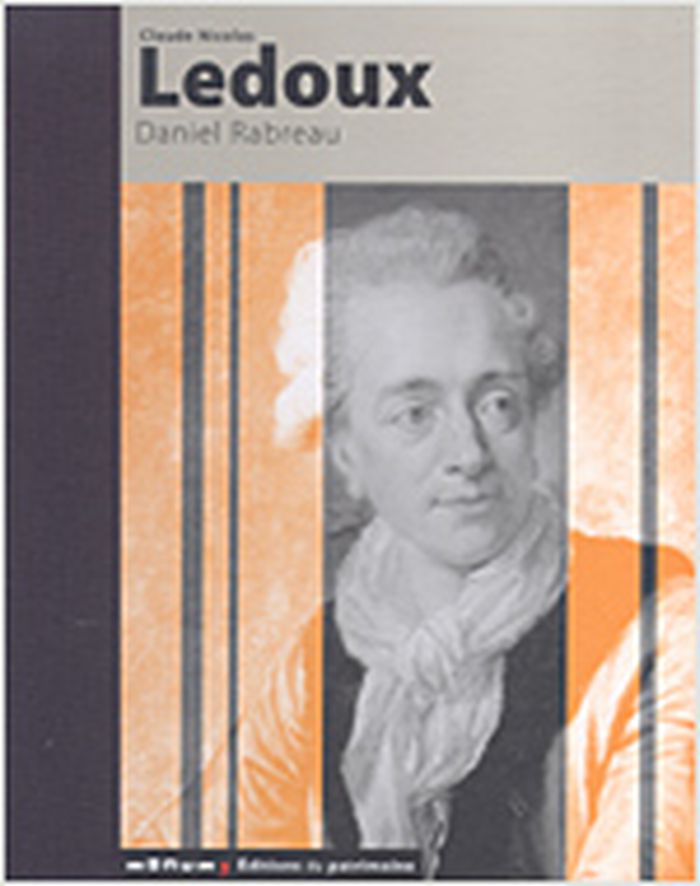
Claude Nicolas Ledoux (1736-1806), architecte du roi. Créateur inspiré du siècle des Lumières, bâtisseur visionnaire, utopiste et écrivain d'inspiration maçonnique, l'architecte Claude Nicolas Ledoux exerça d'abord son art avec succès comme ingénieur et dans le domaine privé sous le règne de Louis XV. Protégé de Mme du Barry, il édifia - outre de nombreux hôtels(...)
Title:
Claude Nicolas Ledoux
Actions:
Price:
$80.95
(available to order)
Summary:
Claude Nicolas Ledoux (1736-1806), architecte du roi. Créateur inspiré du siècle des Lumières, bâtisseur visionnaire, utopiste et écrivain d'inspiration maçonnique, l'architecte Claude Nicolas Ledoux exerça d'abord son art avec succès comme ingénieur et dans le domaine privé sous le règne de Louis XV. Protégé de Mme du Barry, il édifia - outre de nombreux hôtels particuliers - le pavillon de Louveciennes, le château de Bénouville, celui de Maupertuis et réalisa la décoration du Café militaire. Puis, architecte du roi, il construisit sous Louis XVI la saline d'Arc-et-Senans commandée par Louis XV avant sa mort et les barrières de Paris ; en province, avec la construction du théâtre de Besançon, il fit progresser la réforme des lieux de spectacle. Tombé en disgrâce à la Révolution, il fut incarcéré à la Force en 1793. Empêché d'exercer, il commence la rédaction de "L'architecture considérée sous le rapport de l'art, des mœurs et de La législation". Ce texte, superbement illustré de projets grandioses qui rendent compte de la surprenante modernité de sa vision, offre à la postérité toute l'étendue de la puissance créatrice de Ledoux et une solide réflexion sur l'implication sociale et politique de l'architecture. Lors des réformes urbanistiques de Paris au XIXe siècle, ses constructions furent pour les trois quarts détruites. En s'appuyant sur ce qu'il reste encore actuellement de ses édifices, sur les estampes de ses projets et réalisations ainsi que sur ses écrits, qui témoignent de ses aspirations, cet ouvrage propose de retracer le parcours de Ledoux à travers une étude approfondie de son œuvre. Cette étude s'accompagne de celle, indissociable, du contexte historique particulièrement mouvementé dans lequel Ledoux vécut et s'articule autour d'une analyse sensible de la question du progrès des arts.
Form:
books
books
Publication:
November 2005, Paris
November 2005, Paris
Subject:
Architecture Monographs
Architecture Monographs
Form:
books
books

Title:
The self-sufficient city
The self-sufficient city
Actions:
Price:
$33.95
(available to order)
Summary:
Internet has changed our lives but it has not changed our cities, yet. Any technological revolution is paired with radical transformations in life styles. This book outlines a blueprint for the world to come, a world built around cities and their renewed capabilities to became productive again.
Title:
The self-sufficient city
Actions:
Price:
$33.95
(available to order)
Summary:
Internet has changed our lives but it has not changed our cities, yet. Any technological revolution is paired with radical transformations in life styles. This book outlines a blueprint for the world to come, a world built around cities and their renewed capabilities to became productive again.
Form:
books
books
Publication:
February 2014
February 2014
Subject:
Architectural Theory
Architectural Theory
Form:
books
books
Actions:
Price:
$30.95
(available to order)
Summary:
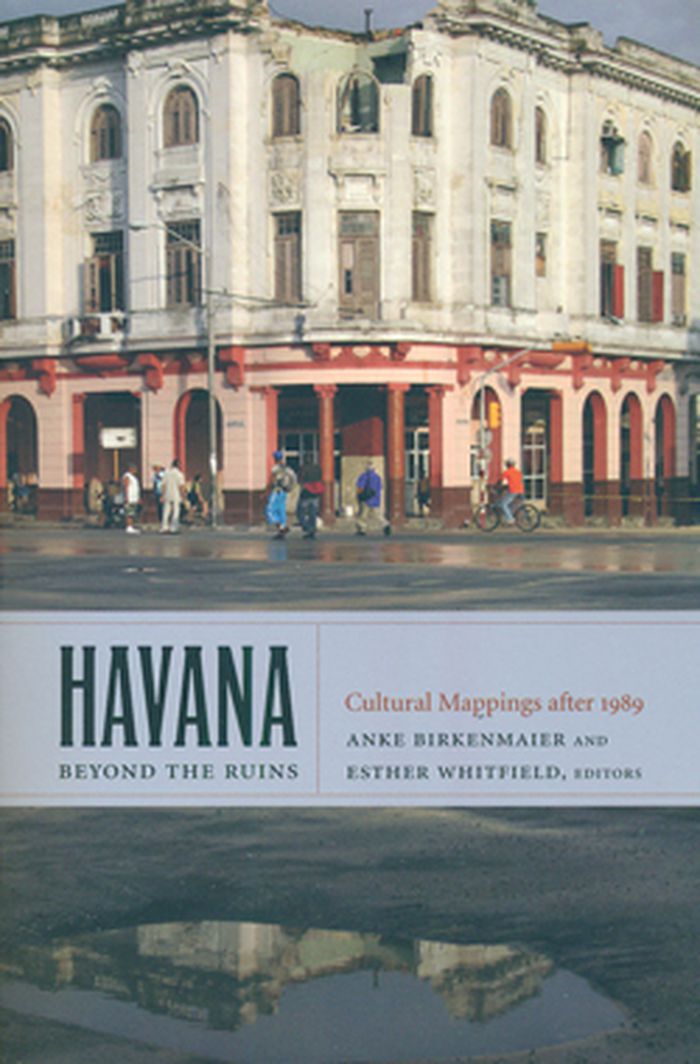
In "Havana beyond the Ruins," prominent architects, scholars, and writers based in and outside of Cuba analyze how Havana has been portrayed in literature, music, and the visual arts since Soviet subsidies of Cuba ceased, and the Cuban state has re-imagined Havana as a destination for international tourists and business ventures. Cuba's capital has experienced little(...)
Title:
Havana, beyond the ruins: cultural mappings after 1989
Actions:
Price:
$30.95
(available to order)
Summary:
In "Havana beyond the Ruins," prominent architects, scholars, and writers based in and outside of Cuba analyze how Havana has been portrayed in literature, music, and the visual arts since Soviet subsidies of Cuba ceased, and the Cuban state has re-imagined Havana as a destination for international tourists and business ventures. Cuba's capital has experienced little construction since the revolution of 1959; many of its citizens live in poorly maintained colonial and modernist dwellings. It is this Havana--of crumbling houses, old cars, and a romantic aura of ruined hopes--that is marketed in picture books, memorabilia, and films. Bringing together assessments of the city's dwellings and urban development projects, "Havana beyond the Ruins" provides unique insights into issues of memory, citizenship, urban life, and the future of the revolution in Cuba.
Form:
books
books
Publication:
September 2011
September 2011
Subject:
Urban Theory
Urban Theory
Form:
books
books

Price:
$55.95
(available to order)
Summary:
Brick is a insightful and surprising look at one of the world’s most familiar and popular building materials. From the strange remains of the Ziggurat of Ur dating from 2100 BC, to formidable mills of the industrial revolution, the humble brick has been an architectural staple for centuries.
Title:
Brick
Actions:
Price:
$55.95
(available to order)
Summary:
Brick is a insightful and surprising look at one of the world’s most familiar and popular building materials. From the strange remains of the Ziggurat of Ur dating from 2100 BC, to formidable mills of the industrial revolution, the humble brick has been an architectural staple for centuries.
Form:
books
books
Publication:
August 2015
August 2015
Subject:
Materials and Lighting
Materials and Lighting
Form:
books
books
Actions:
Price:
$21.95
(available to order)
Summary:
Part of "The Information Technology Revolution in Architecture" series, this volume explores serialsm as a means of integrating comtemporary human knowledge and nature in art. Markus Bandur postulates that there is no true repetition in the world and that all individual parts are related through measure and proportion.
Title:
Aesthetics of total serialism : contemporary search from the music of architecture
Actions:
Price:
$21.95
(available to order)
Summary:
Part of "The Information Technology Revolution in Architecture" series, this volume explores serialsm as a means of integrating comtemporary human knowledge and nature in art. Markus Bandur postulates that there is no true repetition in the world and that all individual parts are related through measure and proportion.
Form:
books
books
Publication:
June 2001, Basel
June 2001, Basel
Subject:
small format
small format
Form:
books
books
Title:
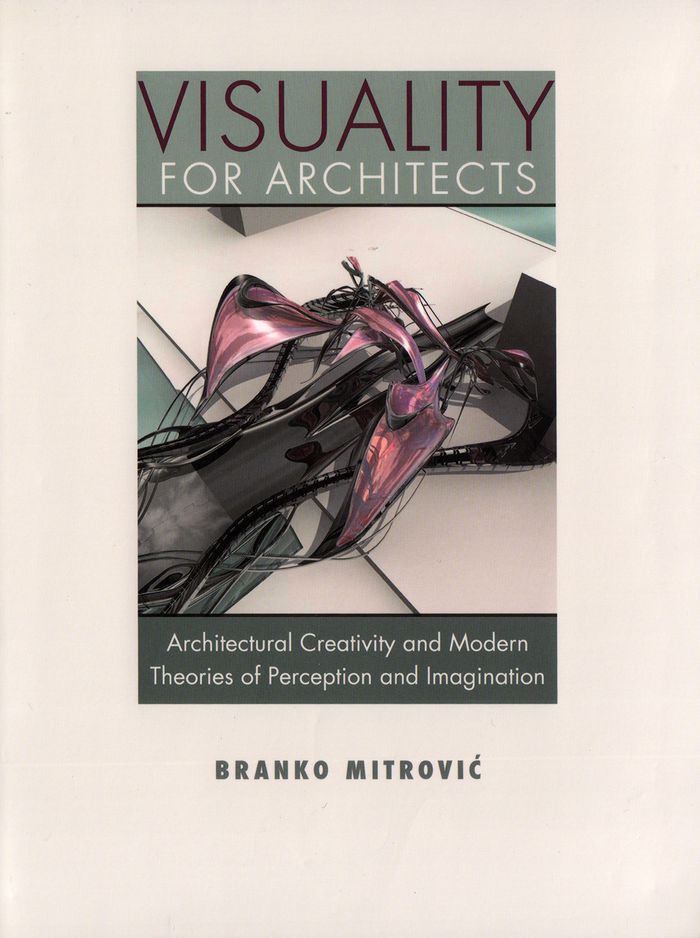
Visuality for architects: architectural creativity and modern theories of perception and imagination
Visuality for architects: architectural creativity and modern theories of perception and imagination
Actions:
Price:
$32.00
(available to order)
Summary:
This book examines the ways in which new theories of human visuality create a different understanding of architectural design, practice, and education. This new understanding coincides with and supports formalist approaches to architecture that have become influential in recent years as a result of the digital revolution in architectural design.
Title:
Visuality for architects: architectural creativity and modern theories of perception and imagination
Actions:
Price:
$32.00
(available to order)
Summary:
This book examines the ways in which new theories of human visuality create a different understanding of architectural design, practice, and education. This new understanding coincides with and supports formalist approaches to architecture that have become influential in recent years as a result of the digital revolution in architectural design.
Form:
books
books
Publication:
April 2013
April 2013
Subject:
Architectural Theory
Architectural Theory
Form:
books
books

Title:
The insurgent barricade
The insurgent barricade
Actions:
Price:
$44.95
(available to order)
Summary:
This definitive history of the barricade charts the origins, development, and diffusion of a uniquely European revolutionary tradition. Mark Traugott traces the barricade from its beginnings in the sixteenth century, to its refinement in the insurrectionary struggles of the long nineteenth century, on through its emergence as an icon of an international culture of(...)
Title:
The insurgent barricade
Actions:
Price:
$44.95
(available to order)
Summary:
This definitive history of the barricade charts the origins, development, and diffusion of a uniquely European revolutionary tradition. Mark Traugott traces the barricade from its beginnings in the sixteenth century, to its refinement in the insurrectionary struggles of the long nineteenth century, on through its emergence as an icon of an international culture of revolution. Exploring the most compelling moments of its history, Traugott finds that the barricade is more than a physical structure; it is part of a continuous insurrectionary lineage that features spontaneous collaboration even as it relies on recurrent patterns of self-conscious collective action. A case study in how techniques of protest originate and evolve, The Insurgent Barricade tells how the French perfected a repertoire of revolution over three centuries, and how students, exiles, and itinerant workers helped it spread across Europe.
Form:
books
books
Publication:
November 2010
November 2010
Subject:
History until 1900, France
History until 1900, France


