


2644 Results
Form:
books
books
Price:
$48.00
(available in store)
Summary:
Between the nineteenth century and today, colonial officials, collectors, and anthropologists dismembered African buildings and dispersed their parts to museums in Europe and the United States. Most of these artifacts were cataloged as ornamental art objects, which erased their intended functions, and the removal of these objects often had catastrophic consequences for(...)
Title:
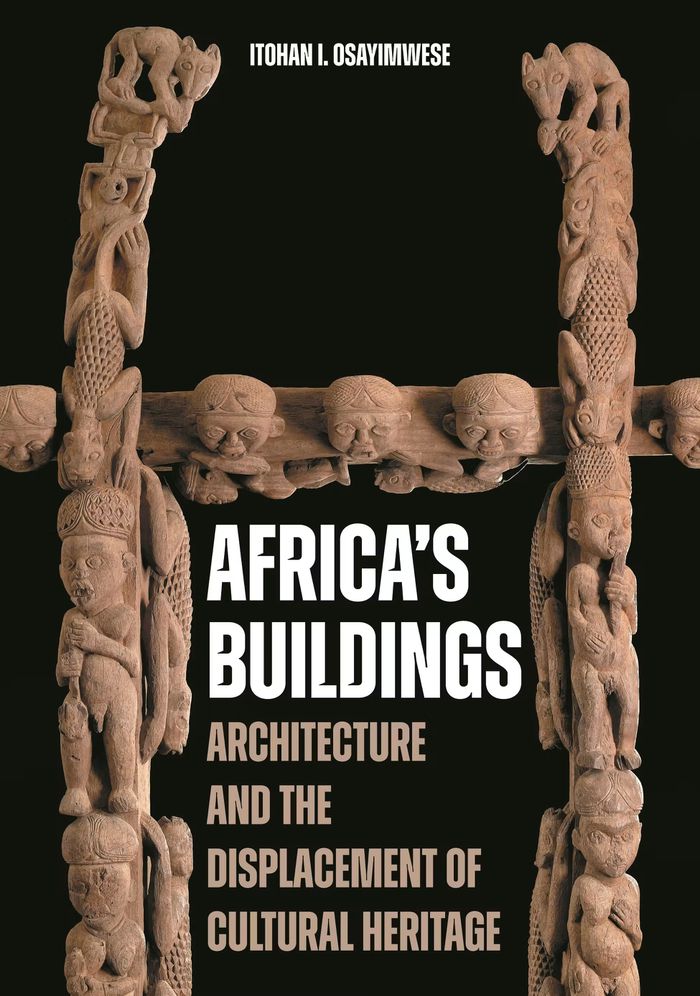
Africa's buildings: Architecture and the displacement of cultural heritage
Actions:
Price:
$48.00
(available in store)
Summary:
Between the nineteenth century and today, colonial officials, collectors, and anthropologists dismembered African buildings and dispersed their parts to museums in Europe and the United States. Most of these artifacts were cataloged as ornamental art objects, which erased their intended functions, and the removal of these objects often had catastrophic consequences for the original structures. "Africa’s Buildings" traces the history of the collection and distribution of African architectural fragments, documenting the brutality of the colonial regimes that looted Africa’s buildings and addressing the ethical questions surrounding the display of these objects.
Form:
books
books
Publication:
October 2025
October 2025
Subject:
Architectural Theory
Architectural Theory
Form:
books
books
Actions:
Price:
$26.95
(available to order)
Summary:
Indigenous peoples have gained increasing international visibility in their fight against longstanding colonial occupation by nation-states. Although living in different locations around the world and practising highly varied ways of life, indigenous peoples nonetheless are affected by similar patterns of colonial dispossession and violence. In defending their collective(...)
Title:
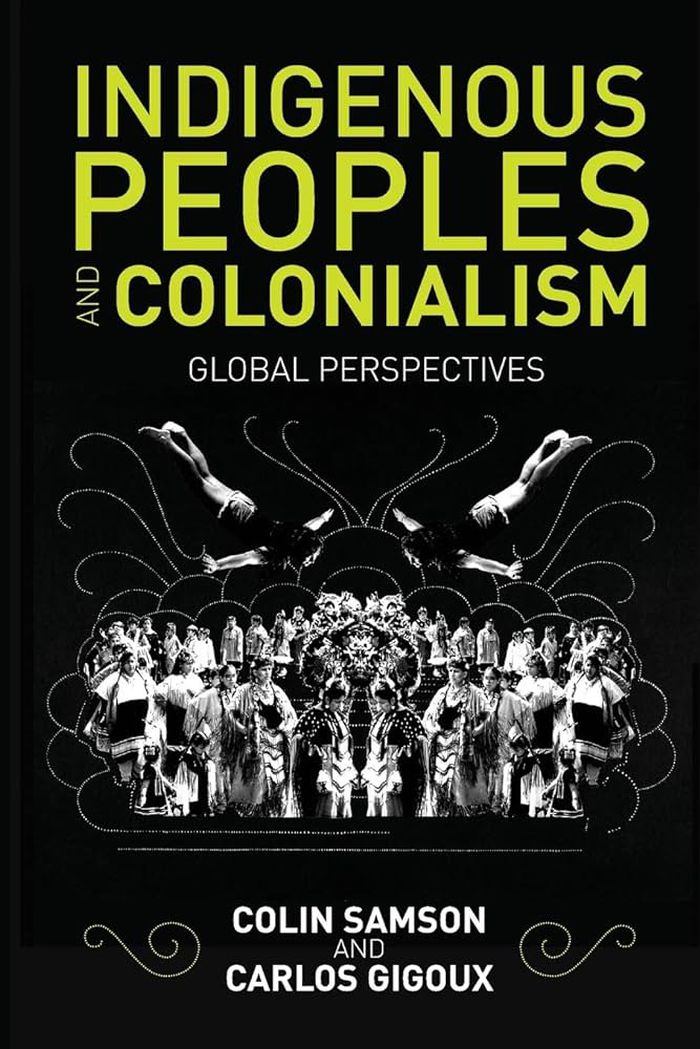
Indigenous peoples and colonialism
Actions:
Price:
$26.95
(available to order)
Summary:
Indigenous peoples have gained increasing international visibility in their fight against longstanding colonial occupation by nation-states. Although living in different locations around the world and practising highly varied ways of life, indigenous peoples nonetheless are affected by similar patterns of colonial dispossession and violence. In defending their collective rights to self-determination, culture, lands and resources, their resistance and creativity offer a pause for critical reflection on the importance of maintaining indigenous distinctiveness against the homogenizing forces of states and corporations. This book highlights significant colonial patterns of domination and their effects, as well as responses and resistance to colonialism. It brings indigenous peoples' issues and voices to the forefront of sociological discussions of modernity. In particular, the book examines issues of identity, dispossession, environment, rights and revitalization in relation to historical and ongoing colonialism, showing that the experiences of indigenous peoples in wealthy and poor countries are often parallel and related.
Form:
books
books
Publication:
December 2016
December 2016
Subject:
Social
Social
Form:
books
books

Actions:
Price:
$35.95
(available to order)
Summary:
In ''The pulse of the earth'' Adam Bobbette tells the story of how modern theories of the earth emerged from the slopes of Indonesia’s volcanoes. Beginning in the late nineteenth century, scientists became concerned with protecting the colonial plantation economy from the unpredictable bursts and shudders of volcanoes. Bobbette follows Javanese knowledge traditions,(...)
Title:
The pulse of the earth: Political geology in Java
Actions:
Price:
$35.95
(available to order)
Summary:
In ''The pulse of the earth'' Adam Bobbette tells the story of how modern theories of the earth emerged from the slopes of Indonesia’s volcanoes. Beginning in the late nineteenth century, scientists became concerned with protecting the colonial plantation economy from the unpredictable bursts and shudders of volcanoes. Bobbette follows Javanese knowledge traditions, colonial geologists, volcanologists, mystics, Theosophists, orientalists, and revolutionaries to show how the earth sciences originate from a fusion of Western and non-Western cosmology, theology, anthropology, and geology. Drawing on archival research, interviews, and fieldwork at Javanese volcanoes and in scientific observatories, he explores how Indonesian Islam shaped the theory of plate tectonics, how Dutch colonial volcanologists learned to see the earth in new ways from Javanese spiritual traditions, and how new scientific technologies radically recast notions of the human body, distance, and the earth. In this way, Bobbette decenters the significance of Western scientists to expand our understanding of the evolution of planetary thought and rethinks the politics of geological knowledge.
Form:
books
books
Publication:
August 2023
August 2023
Subject:
Environment and environmental theory
Environment and environmental theory
Form:
books
books
Title:
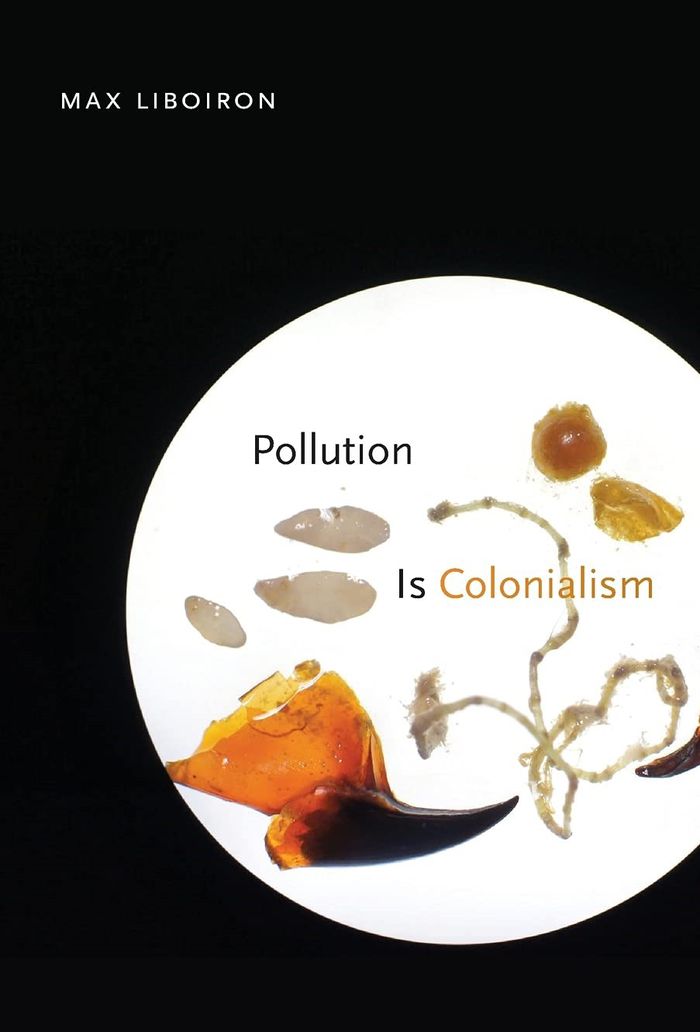
Pollution is colonialism
Pollution is colonialism
Actions:
Price:
$33.95
(available to order)
Summary:
In 'Pollution Is Colonialism' Max Liboiron presents a framework for understanding scientific research methods as practices that can align with or against colonialism. They point out that even when researchers are working toward benevolent goals, environmental science and activism are often premised on a colonial worldview and access to land. Focusing on plastic pollution,(...)
Title:
Pollution is colonialism
Actions:
Price:
$33.95
(available to order)
Summary:
In 'Pollution Is Colonialism' Max Liboiron presents a framework for understanding scientific research methods as practices that can align with or against colonialism. They point out that even when researchers are working toward benevolent goals, environmental science and activism are often premised on a colonial worldview and access to land. Focusing on plastic pollution, the book models an anticolonial scientific practice aligned with Indigenous, particularly Métis, concepts of land, ethics, and relations. Liboiron draws on their work in the Civic Laboratory for Environmental Action Research (CLEAR) — an anticolonial science laboratory in Newfoundland, Canada — to illuminate how pollution is not a symptom of capitalism but a violent enactment of colonial land relations that claim access to Indigenous land. Liboiron's creative, lively, and passionate text refuses theories of pollution that make Indigenous land available for settler and colonial goals. In this way, their methodology demonstrates that anticolonial science is not only possible but is currently being practiced in ways that enact more ethical modes of being in the world.
Form:
books
books
Publication:
May 2021
May 2021
Subject:
Environment and environmental theory
Environment and environmental theory
Form:
books
books

Price:
$32.95
(available to order)
Summary:
Between the well-documented development of colonial Bombay and sprawling contemporary Mumbai, a profound shift in the city’s fabric occurred: the emergence of the first suburbs and their distinctive pattern of apartment living. In House, but No Garden Nikhil Rao considers this phenomenon and its significance for South Asian urban life. As it links the colonial and(...)
Title:
House, but no garden: apartment living in Bombay's suburbs, 1898-1964
Actions:
Price:
$32.95
(available to order)
Summary:
Between the well-documented development of colonial Bombay and sprawling contemporary Mumbai, a profound shift in the city’s fabric occurred: the emergence of the first suburbs and their distinctive pattern of apartment living. In House, but No Garden Nikhil Rao considers this phenomenon and its significance for South Asian urban life. As it links the colonial and postcolonial city—both visually and analytically—Rao’s work traces the appearance of new spatial and cultural configurations in the middle decades of the twentieth century in Bombay. In doing so, it expands our understanding of how built environments and urban identities are constitutive of one another.
Form:
books
books
Publication:
January 2013
January 2013
Subject:
Urban Theory
Urban Theory
Form:
books
books

Actions:
Price:
$28.00
(available to order)
Summary:
''Fiction Non Fiction'' is a series of readers edited by Bruno Zhu that pairs voices in literary criticism with the material histories of labor, gender, and race. Each volume offers a close reading of fictional and theoretical works to explore how identity politics have been narrativized by liberal institutions across different times and spaces. Volume 1, published in(...)
Title:
Fiction, non-fiction. Volume 1
Actions:
Price:
$28.00
(available to order)
Summary:
''Fiction Non Fiction'' is a series of readers edited by Bruno Zhu that pairs voices in literary criticism with the material histories of labor, gender, and race. Each volume offers a close reading of fictional and theoretical works to explore how identity politics have been narrativized by liberal institutions across different times and spaces. Volume 1, published in conjunction with Bruno Zhu's commission ''License to Live'' at Chisenhale Gallery, London, delves into the concept of space. Spanning Martinique and colonial Algeria, Jamaican plantations, and 1970s Lisbon, the collection examines the enduring impact of colonial projects that continue to underpin extractive systems today.
Form:
books
books
Publication:
December 2025
December 2025
Subject:
Literature and poetry
Literature and poetry
Form:
books
books
Actions:
Price:
$105.00
(available to order)
Summary:
''Land Back'' highlights the ways Indigenous peoples and anti-colonial co-resistors understand land relations for political resurgence and freedom across the Americas. Contributors place Indigenous practices of freedom within the particularities of Indigenous place-based laws, cosmologies, and diplomacies, while also demonstrating how Indigeneity is shaped across colonial(...)
Title:
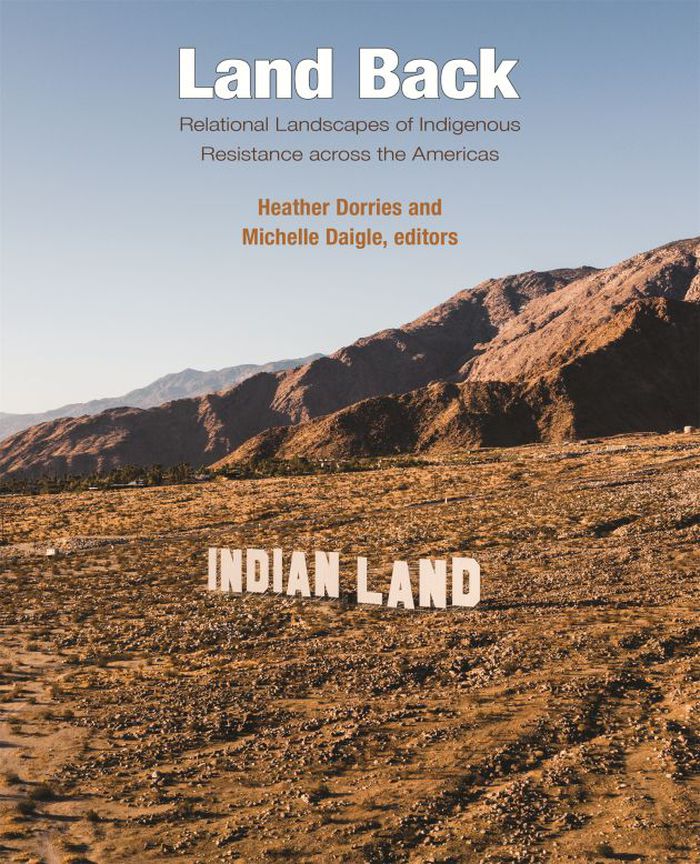
Land back: Relational landscapes of indeginous resistance across the Americas
Actions:
Price:
$105.00
(available to order)
Summary:
''Land Back'' highlights the ways Indigenous peoples and anti-colonial co-resistors understand land relations for political resurgence and freedom across the Americas. Contributors place Indigenous practices of freedom within the particularities of Indigenous place-based laws, cosmologies, and diplomacies, while also demonstrating how Indigeneity is shaped across colonial borders. Collectively, they examine the relationships among language, Indigenous ontologies, and land reclamation; Indigenous ecology and restoration; the interconnectivity of environmental exploitation and racial, class, and gender exploitation; Indigenous diasporic movement; community urban planning; transnational organizing and relational anti-racist place-making; and the role of storytelling and children in movements for liberation.
Form:
books
books
Publication:
August 2024
August 2024
Subject:
indigenous
indigenous
Form:
books
books
Actions:
Price:
$46.50
(available to order)
Summary:
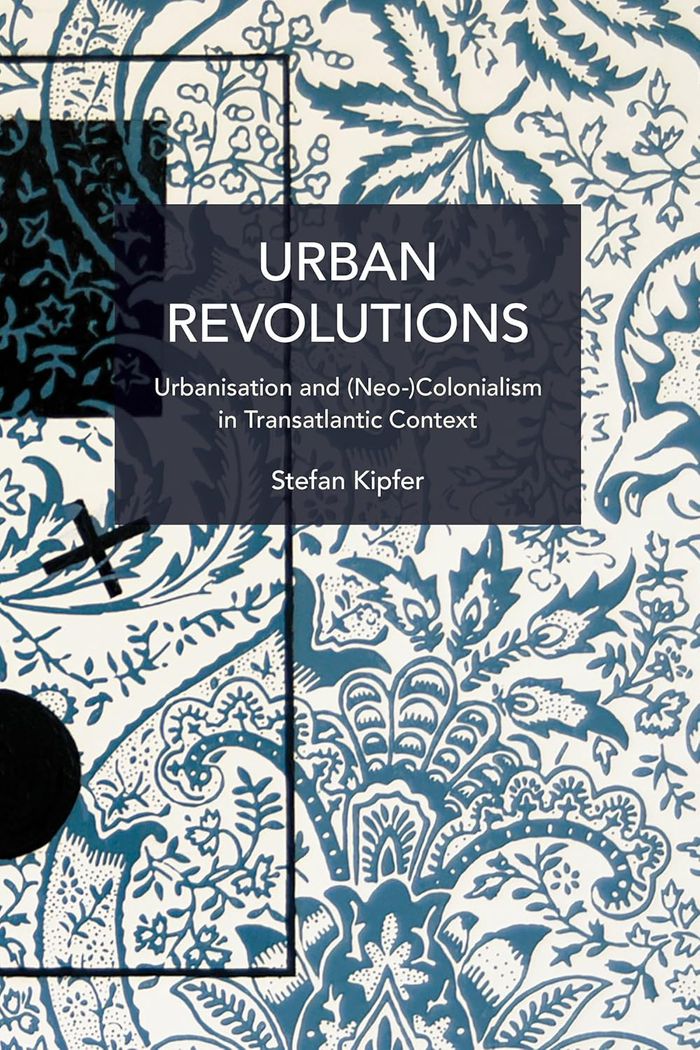
What do struggles over pipelines in Canada, housing estates in France, and shantytowns in Martinique have in common? In "Urban revolutions," Stefan Kipfer shows how these struggles force us to understand the (neo-)colonial aspects of capitalist urbanization in a comparatively and historically nuanced fashion. In so doing, he demonstrates that urban research can offer a(...)
Title:
Urban revolutions: Urbanisation and (Neo-) Colonialism in transatlantic context
Actions:
Price:
$46.50
(available to order)
Summary:
What do struggles over pipelines in Canada, housing estates in France, and shantytowns in Martinique have in common? In "Urban revolutions," Stefan Kipfer shows how these struggles force us to understand the (neo-)colonial aspects of capitalist urbanization in a comparatively and historically nuanced fashion. In so doing, he demonstrates that urban research can offer a rich, if uneven, terrain upon which to develop the relationship between Marxist and anti-colonial intellectual traditions. After a detailed dialogue between Henri Lefebvre and Frantz Fanon, Kipfer engages creole literature in the French Antilles, Indigenous radicalism in North America and political anti-racism in mainland France.
Form:
books
books
Publication:
September 2023
September 2023
Subject:
Urban Theory
Urban Theory
Form:
books
books

Actions:
Price:
$40.95
(available to order)
Summary:
The word Wasáse is the Kanienkeha (Mohawk) word for the ancient war dance ceremony of unity, strength, and commitment to action. The author notes, "This book traces the journey of those Indigenous people who have found a way to transcend the colonial identities which are the legacy of our history and live as Onkwehonwe, original people. It is dialogue and reflection on(...)
Title:
Wasàse: indigenous pathways of action and freedom
Actions:
Price:
$40.95
(available to order)
Summary:
The word Wasáse is the Kanienkeha (Mohawk) word for the ancient war dance ceremony of unity, strength, and commitment to action. The author notes, "This book traces the journey of those Indigenous people who have found a way to transcend the colonial identities which are the legacy of our history and live as Onkwehonwe, original people. It is dialogue and reflection on the process of transcending colonialism in a personal and collective sense: making meaningful change in our lives and transforming society by recreating our personalities, regenerating our cultures, and surging against forces that keep us bound to our colonial past."
Form:
books
books
Publication:
November 2005
November 2005
Subject:
Social
Social
Form:
books
books
Actions:
Price:
$36.95
(available to order)
Summary:
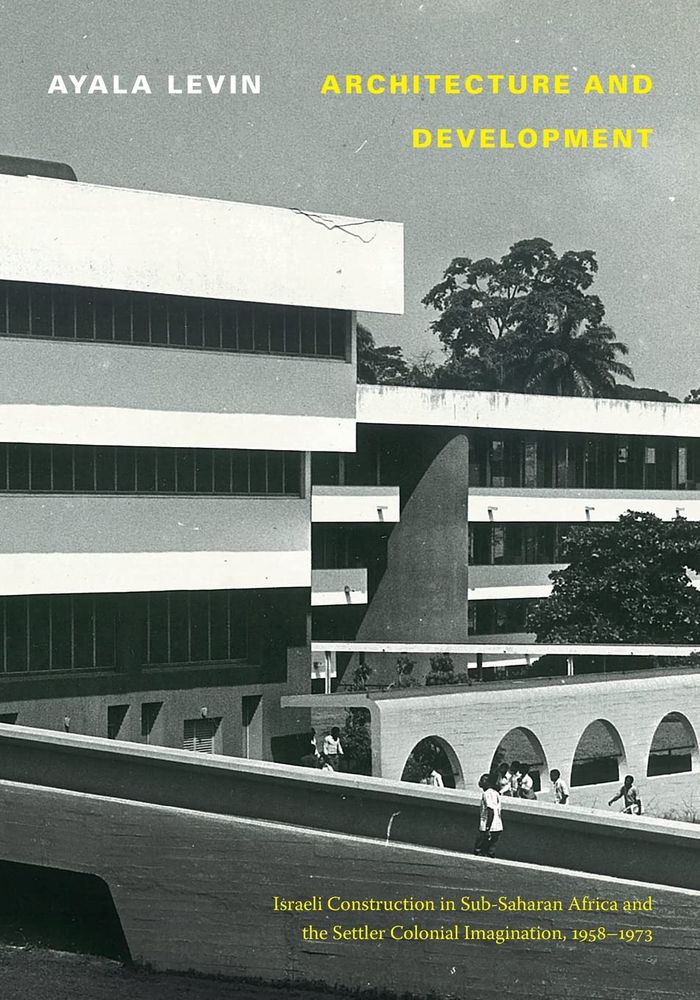
In this volume, Ayala Levin charts the settler colonial imagination and practices that undergirded Israeli architectural development aid in Africa. Focusing on the ''golden age'' of Israel’s diplomatic relations in and throughout the continent from 1958 to 1973, Levin finds that Israel positioned itself as a developing-nation alternative in the competition over aid and(...)
Title:
Architecture and development: Israeli construction in sub-saharan Africa 1958-1973
Actions:
Price:
$36.95
(available to order)
Summary:
In this volume, Ayala Levin charts the settler colonial imagination and practices that undergirded Israeli architectural development aid in Africa. Focusing on the ''golden age'' of Israel’s diplomatic relations in and throughout the continent from 1958 to 1973, Levin finds that Israel positioned itself as a developing-nation alternative in the competition over aid and influence between global North and global South. In analyses of the design and construction of prestigious governmental projects in Nigeria, Sierra Leone, and Ethiopia, Levin details how architects, planners, and a trade union--owned construction company staged Israel as a new center of nonaligned expertise. These actors and professionals paradoxically capitalized on their settler colonial experience in Palestine, refashioning it as an alternative to Western colonial expertise. Levin traces how Israel became involved in the modernization of governance, education, and agriculture in Africa, as well as how African leaders chose to work with Israel to forge new South-South connections. In so doing, she offers new ways of understanding the role of architecture as a vehicle of postcolonial development and in the mobilization of development resources.
Form:
books
books
Publication:
March 2022
March 2022
Subject:
Architecture since 1900, Africa
Architecture since 1900, Africa


