


2577 Results
Form:
books
books
Holdings:
Description:
xvii, 750 pages : illustrations ; 24 cm.
Description:
xvii, 750 pages : illustrations ; 24 cm.
Author:
Subject:
Publication:
Chicago : University of Chicago Press, 2004.
Chicago : University of Chicago Press, 2004.
Title:
Art in an age of counterrevolution, 1815-1848 / Albert Boime.
Actions:
Holdings:
Description:
xvii, 750 pages : illustrations ; 24 cm.
Art in an age of counterrevolution, 1815-1848 / Albert Boime.
Actions:
Holdings:
Description:
xvii, 750 pages : illustrations ; 24 cm.
Form:
books
books
Publication:
Chicago : University of Chicago Press, 2004.
Chicago : University of Chicago Press, 2004.
Author:
Subject:
Form:
books
books
Holdings:
Description:
157 pages : illustrations ; 17 cm
Description:
157 pages : illustrations ; 17 cm
Author:
Subject:
Publication:
Paris : La Fabrique éditions, [2018], ©2018
Paris : La Fabrique éditions, [2018], ©2018
Title:
Les temps modernes : art, temps, politique / Jacques Rancière.
Actions:
Holdings:
Description:
157 pages : illustrations ; 17 cm
Les temps modernes : art, temps, politique / Jacques Rancière.
Actions:
Holdings:
Description:
157 pages : illustrations ; 17 cm
Form:
books
books
Publication:
Paris : La Fabrique éditions, [2018], ©2018
Paris : La Fabrique éditions, [2018], ©2018
Author:
Subject:
Form:
books
books

Actions:
Price:
$69.95
(available to order)
Summary:
Romanticism was a cultural and intellectual movement characterized by discovery, revolution, and the poetic as well as by the philosophical relationship between people and nature. Botany sits at the intersection where romantic scientific and literary discourses meet. Clandestine Marriage explores the meaning and methods of how plants were represented and reproduced in(...)
Title:
Clandestine marriage : botany and romantic culture
Actions:
Price:
$69.95
(available to order)
Summary:
Romanticism was a cultural and intellectual movement characterized by discovery, revolution, and the poetic as well as by the philosophical relationship between people and nature. Botany sits at the intersection where romantic scientific and literary discourses meet. Clandestine Marriage explores the meaning and methods of how plants were represented and reproduced in scientific, literary, artistic, and material cultures of the period. Theresa M. Kelley synthesizes romantic debates about taxonomy and morphology, the contemporary interest in books and magazines devoted to plant study and images, and writings by such authors as Mary Wollstonecraft and Anna Letitia Barbauld. Period botanical paintings of flowers are reproduced in color, bringing her argument and the romantics' passion for plants to life. In addition to exploring botanic thought and practice in the context of British romanticism, Kelley also looks to the German philosophical traditions of Kant, Hegel, and Goethe and to Charles Darwin's reflections on orchids and plant pollination. Her interdisciplinary approach allows a deeper understanding of a time when exploration of the natural world was a culture-wide enchantment.
Form:
books
books
Publication:
November 2012
November 2012
Subject:
Landscape Theory
Landscape Theory
Form:
books
books
Title:
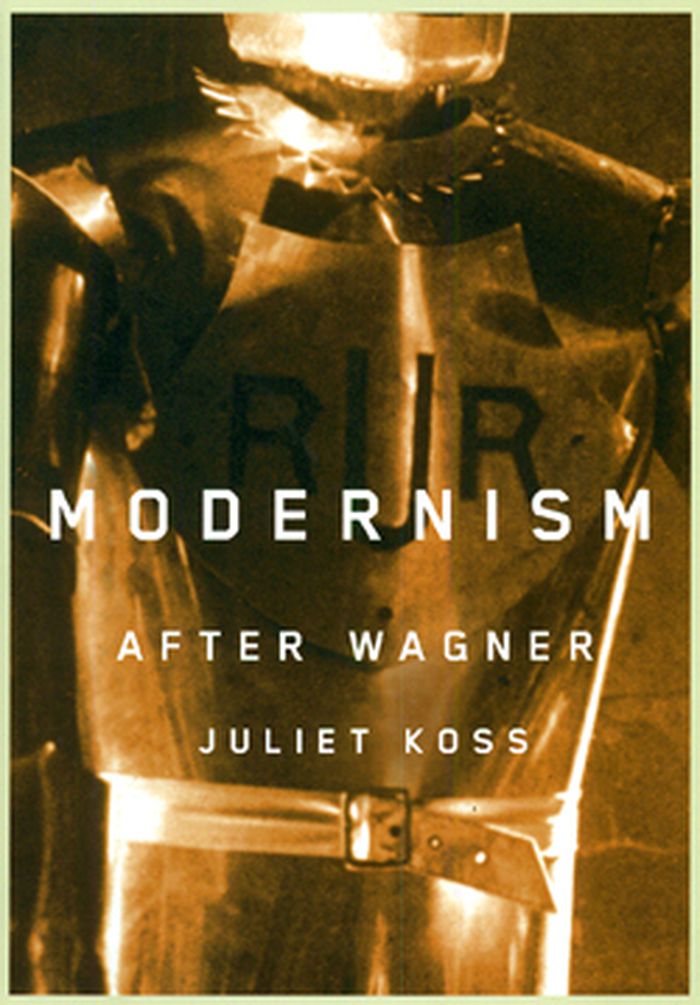
Modernism after Wagner
Modernism after Wagner
Actions:
Price:
$34.00
(available to order)
Summary:
In this publication, Juliet Koss explores the history and legacy of Wagner’s concept, laying out its genealogy and the political, aesthetic, and cultural context from which it emerged, and tracing its development and reception through the 1930s. Beginning with Wagner’s initial articulation of the Gesamtkunstwerk in the wake of the 1848–49 revolution, Koss addresses a(...)
Title:
Modernism after Wagner
Actions:
Price:
$34.00
(available to order)
Summary:
In this publication, Juliet Koss explores the history and legacy of Wagner’s concept, laying out its genealogy and the political, aesthetic, and cultural context from which it emerged, and tracing its development and reception through the 1930s. Beginning with Wagner’s initial articulation of the Gesamtkunstwerk in the wake of the 1848–49 revolution, Koss addresses a series of linked episodes in German aesthetic theory and artistic practice that include the composer’s efforts to build a theater to house his music dramas, culminating in the construction of the festival theater at Bayreuth in 1876; German aesthetic theory and criticism in the visual arts, theater, film, and radio from the 1870s to the 1920s; the founding of the Darmstadt Artists’ Colony in 1901 and that of the Munich Artists’ Theater in 1908; performances and parties at the Bauhaus in the 1920s and 1930s; and the legacy of the Gesamtkunstwerk under National Socialism. Attending to Wagner’s absorption into Fascist aesthetics, Koss foregrounds the revolutionary origins of the Gesamtkunstwerk and its emancipatory potential.
Form:
books
books
Publication:
March 2010
March 2010
Subject:
Architectural Theory
Architectural Theory
Form:
books
books
Price:
$35.95
(available in store)
Summary:
No other art movement has so profoundly influenced radical politics as the Situationist International. But beyond the clichés about its purported leader Guy Debord, the "society of the spectacle," détournement and dérive, lies a more complex story about key historical shifts in the composition of capital, work, labor, art, and revolutionary theory during the 1950s and(...)
Title:
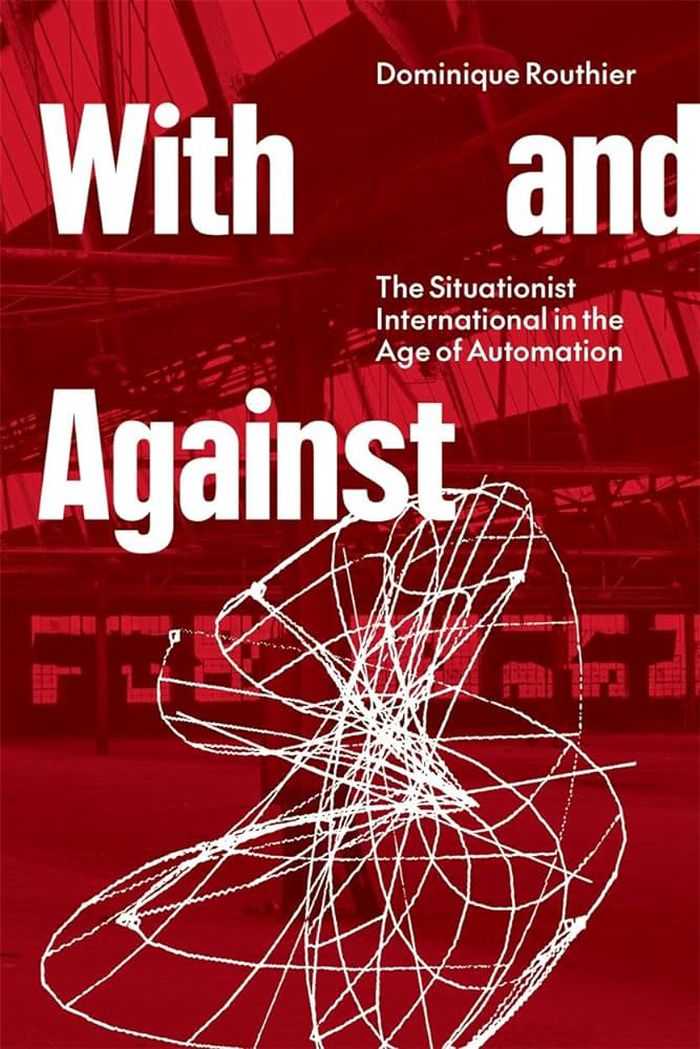
With and against: TheSituationist International in the age of automation
Actions:
Price:
$35.95
(available in store)
Summary:
No other art movement has so profoundly influenced radical politics as the Situationist International. But beyond the clichés about its purported leader Guy Debord, the "society of the spectacle," détournement and dérive, lies a more complex story about key historical shifts in the composition of capital, work, labor, art, and revolutionary theory during the 1950s and 60s. ''With and Against'' reframes the history of the Situationist International as a struggle to come to terms with the then-emerging ideologies of cybernetics and automation. Through each of the book's four chapters, Dominique Routhier dissects Situationist pamphlets, documents, artworks, and objects that refract elements of a "cybernetic hypothesis": the theoretically hyperbolic belief that technological progress, computers and automation make class struggle and the idea of revolution obsolete. With equal attention to aesthetic detail and to the broader contours of political economy, this book serves as a critical intervention in art history as well a call to reconsider, more broadly, the contemporary lessons of the most political of all artistic avantgardes.
Form:
books
books
Publication:
October 2023
October 2023
Subject:
Critical Theory
Critical Theory
Form:
books
books
Actions:
Price:
$42.00
(available to order)
Summary:
In ''The Terrible Children of Modernity'', Sloterdijk offers a magisterial and profound investigation into the vicissitudes of historical change and the nature of modernity. For Sloterdijk, modernity is defined by its need to break with the past. Moderns are perpetual rebels who seek to sever the ties of tradition and forms of inheritance that bind generations and eras(...)
Title:
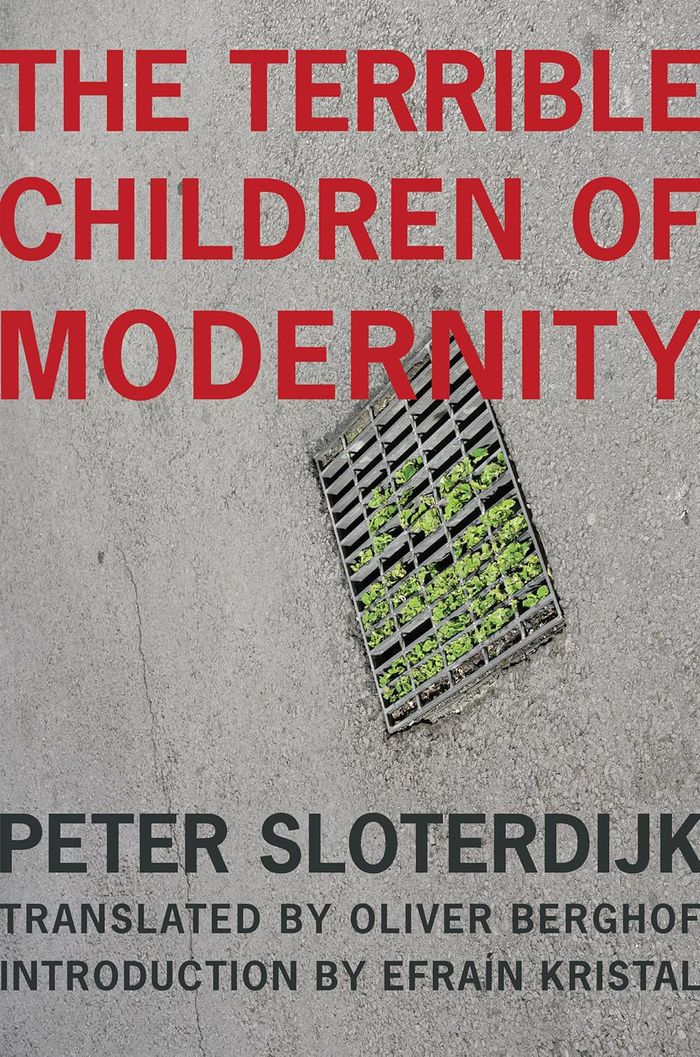
The terrible children of modernity
Actions:
Price:
$42.00
(available to order)
Summary:
In ''The Terrible Children of Modernity'', Sloterdijk offers a magisterial and profound investigation into the vicissitudes of historical change and the nature of modernity. For Sloterdijk, modernity is defined by its need to break with the past. Moderns are perpetual rebels who seek to sever the ties of tradition and forms of inheritance that bind generations and eras together. With deep philosophical, historical, and literary range, he traces this antigenealogical experiment from the French Revolution onward, from Madame de Pompadour and Napoleon through Nietzsche, Marx, Wagner, the Dadaists, and Deleuze. Acutely aware of the destructive potential of cultural discontinuities, Sloterdijk is no less critical of the “fathers” who condemn change than the “terrible children” who seek a drastic rupture with their predecessors. Equally concerned with the grand sweep of history and our current predicaments, he instead calls for new ways to live together in the intersubjectivity of the human condition. Incisive and daring, breathtaking in its scope, this account of youthful rebellion against tradition asks us to reimagine the ethics of genealogy.
Form:
books
books
Publication:
October 2023
October 2023
Subject:
Critical Theory
Critical Theory
Form:
books
books
Price:
$43.95
(available to order)
Summary:
Stickers have become an essential element of contemporary street art used by the most underground of artists. With stickers, anyone can plant their flag, gain notoriety, recognition and attain instant coverage while the action itself is inconspicuous. This book documents the best submissions from the first international sticker awards which have been established to record(...)
Title:
Stickers
Actions:
Price:
$43.95
(available to order)
Summary:
Stickers have become an essential element of contemporary street art used by the most underground of artists. With stickers, anyone can plant their flag, gain notoriety, recognition and attain instant coverage while the action itself is inconspicuous. This book documents the best submissions from the first international sticker awards which have been established to record this constantly evolving movement. Low-tech and prepared in advance, stickers are made from a multitude of materials and techniques from hand, photocopies, posters and wheat pastes to walls. From drainpipes and crosswalk boxes to street signs and walls, stickers can be found almost anywhere at eye level on public surfaces blending into and becoming part of the streets. Motifs vary from scribbles and characters to intricate figurative images, often personal logos or tags functioning as trademarks. Stickers have created a revolution in communication – proving to be effective tools in establishing dialog, inspiring reaction and feature messages that are subversive, fun and often cryptic. This extensive volume presents over 800 examples from around the world and includes 2 pages of award winning real stickers for the reader’s enjoyment.
Form:
books
books
Publication:
October 2007, Berlin
October 2007, Berlin
Subject:
Interior Design
Interior Design
Form:
books
books

Title:
The lost vanguard
The lost vanguard
Actions:
Price:
$98.00
(available to order)
Summary:
The Lost Vanguard documents the work of modernist architects in the Soviet Union during the years following the 1917 revolution and civil war. In little more than a decade, some of the most radical buildings of the twentieth century were completed by a small group of architects who developed a new architectural language in support of new social goals of communal life.(...)
Subject:
Modernism
Modernism
Publication:
June 2007, New York
June 2007, New York
Title:
The lost vanguard
Actions:
Price:
$98.00
(available to order)
Summary:
The Lost Vanguard documents the work of modernist architects in the Soviet Union during the years following the 1917 revolution and civil war. In little more than a decade, some of the most radical buildings of the twentieth century were completed by a small group of architects who developed a new architectural language in support of new social goals of communal life. Rarely published and virtually inaccessible until the collapse of the Soviet regime, these important buildings have remained unknown and unappreciated. Richard Pare's photographs reveal the powerful forms of these structures, some still in use but many now abandoned and decayed. Massive industrial complexes like the Dnieper River Dam and MoGES, which supplies electricity to the city of Moscow; vast communal houses for workers, including Ginzburg's Narkomfin; commercial buildings and government offices; and smaller clubs and theaters were all built in this brief period. In an incisive essay, architectural historian Jean-Louis Cohen surveys the history of the period, providing a context for the emergence of this startling new architecture in parallel to contemporary experiments in Europe.
Form:
books
books
Publication:
June 2007, New York
June 2007, New York
Subject:
Modernism
Modernism
Form:
books
books
Actions:
Price:
$46.95
(available to order)
Summary:
Hester argues that it is only by combining the powerful forces of ecology and democracy that the needed revolution in design will take place. Democracy bestows freedom; ecology creates responsible freedom by explaining our interconnectedness with all creatures. Hester's new design principles are founded on three fundamental issues that integrate democracy and ecology:(...)
Title:
Design for ecological democracy
Actions:
Price:
$46.95
(available to order)
Summary:
Hester argues that it is only by combining the powerful forces of ecology and democracy that the needed revolution in design will take place. Democracy bestows freedom; ecology creates responsible freedom by explaining our interconnectedness with all creatures. Hester's new design principles are founded on three fundamental issues that integrate democracy and ecology: enabling form, resilient form, and impelling form. Urban design must enable us to be communities rather than zoning-segregated enclaves and to function as informed democracies. A simple bench at a centrally located post office, for example, provides an opportunity for connection and shared experience. Cities must be ecologically resilient rather than ecologically imperiled, adaptable to the surrounding ecology rather than dependent on technological fixes. Resilient form turns increased urban density, for example, into an advantage. And cities should impel us by joy rather than compel us by fear; good cities enrich us rather than limit us. Design for Ecological Democracy is essential reading for designers, planners, environmentalists, community activists, and anyone else who wants to improve a local community.
Form:
books
books
Publication:
September 2006, Cambridge, Mass.
September 2006, Cambridge, Mass.
Subject:
Urban Landscapes
Urban Landscapes
Form:
books
books
Title:
Modernism in late-Mao China
Modernism in late-Mao China
Actions:
Price:
$81.50
(available to order)
Summary:
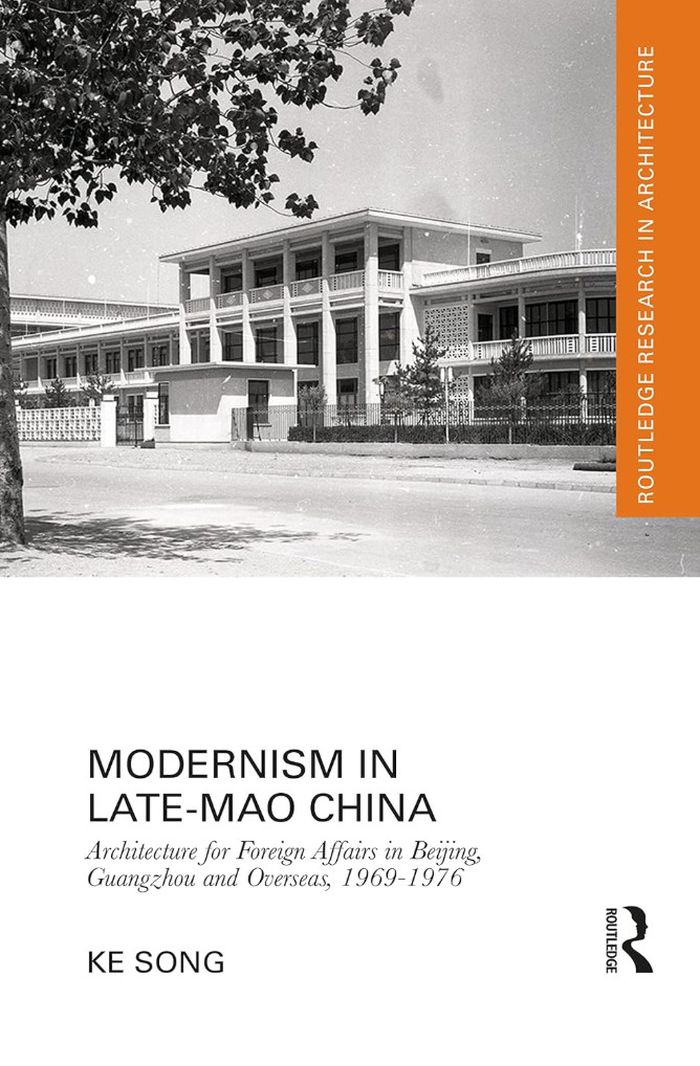
This book investigates the architectural history of China in the Mao era (1949–1976), focusing on the rise of modernism in the last seven years of the Cultural Revolution from 1969 to 1976. It highlights the new architecture of this period, exemplified by three clusters of buildings for foreign affairs, namely buildings for foreign diplomacy in Beijing, buildings for(...)
Title:
Modernism in late-Mao China
Actions:
Price:
$81.50
(available to order)
Summary:
This book investigates the architectural history of China in the Mao era (1949–1976), focusing on the rise of modernism in the last seven years of the Cultural Revolution from 1969 to 1976. It highlights the new architecture of this period, exemplified by three clusters of buildings for foreign affairs, namely buildings for foreign diplomacy in Beijing, buildings for foreign trade in Guangzhou and China’s foreign aid projects overseas. The emergence of new architecture in the early 1970s is closely associated with China’s political and diplomatic shift of the time, from a radical emphasis on ideological struggle to a dynamic balance between leftist ideology and pragmatic concerns. In this context, China’s relations with the West quickly improved, culminating with American president Richard Nixon’s visit to China in 1972. The increasing foreign affairs brought new opportunities to Chinese architects who referenced both Western modernism and Chinese architectural traditions to create a new version of Chinese modernism. The book brings dimensions of form, politics and knowledge to the analysis of architecture, to construct an understanding of architectural design as an aesthetic, political and intellectual practice.
Form:
books
books
Publication:
December 2025
December 2025


