


2576 Results
Form:
books
books

Title:
The lost vanguard
The lost vanguard
Actions:
Price:
$98.00
(available to order)
Summary:
The Lost Vanguard documents the work of modernist architects in the Soviet Union during the years following the 1917 revolution and civil war. In little more than a decade, some of the most radical buildings of the twentieth century were completed by a small group of architects who developed a new architectural language in support of new social goals of communal life.(...)
$98.00
(available to order)
Summary:
The Lost Vanguard documents the work of modernist architects in the Soviet Union during the years following the 1917 revolution and civil war. In little more than a decade, some of the most radical buildings of the twentieth century were completed by a small group of architects who developed a new architectural language in support of new social goals of communal life.(...)
Subject:
Modernism
Modernism
Publication:
June 2007, New York
June 2007, New York
Title:
The lost vanguard
Actions:
Price:
$98.00
(available to order)
Summary:
The Lost Vanguard documents the work of modernist architects in the Soviet Union during the years following the 1917 revolution and civil war. In little more than a decade, some of the most radical buildings of the twentieth century were completed by a small group of architects who developed a new architectural language in support of new social goals of communal life. Rarely published and virtually inaccessible until the collapse of the Soviet regime, these important buildings have remained unknown and unappreciated. Richard Pare's photographs reveal the powerful forms of these structures, some still in use but many now abandoned and decayed. Massive industrial complexes like the Dnieper River Dam and MoGES, which supplies electricity to the city of Moscow; vast communal houses for workers, including Ginzburg's Narkomfin; commercial buildings and government offices; and smaller clubs and theaters were all built in this brief period. In an incisive essay, architectural historian Jean-Louis Cohen surveys the history of the period, providing a context for the emergence of this startling new architecture in parallel to contemporary experiments in Europe.
The lost vanguard
Actions:
Price:
$98.00
(available to order)
Summary:
The Lost Vanguard documents the work of modernist architects in the Soviet Union during the years following the 1917 revolution and civil war. In little more than a decade, some of the most radical buildings of the twentieth century were completed by a small group of architects who developed a new architectural language in support of new social goals of communal life. Rarely published and virtually inaccessible until the collapse of the Soviet regime, these important buildings have remained unknown and unappreciated. Richard Pare's photographs reveal the powerful forms of these structures, some still in use but many now abandoned and decayed. Massive industrial complexes like the Dnieper River Dam and MoGES, which supplies electricity to the city of Moscow; vast communal houses for workers, including Ginzburg's Narkomfin; commercial buildings and government offices; and smaller clubs and theaters were all built in this brief period. In an incisive essay, architectural historian Jean-Louis Cohen surveys the history of the period, providing a context for the emergence of this startling new architecture in parallel to contemporary experiments in Europe.
Form:
books
books
Publication:
June 2007, New York
June 2007, New York
Subject:
Modernism
Modernism
Form:
books
books
Actions:
Price:
$46.95
(available to order)
Summary:
Hester argues that it is only by combining the powerful forces of ecology and democracy that the needed revolution in design will take place. Democracy bestows freedom; ecology creates responsible freedom by explaining our interconnectedness with all creatures. Hester's new design principles are founded on three fundamental issues that integrate democracy and ecology:(...)
$46.95
(available to order)
Summary:
Hester argues that it is only by combining the powerful forces of ecology and democracy that the needed revolution in design will take place. Democracy bestows freedom; ecology creates responsible freedom by explaining our interconnectedness with all creatures. Hester's new design principles are founded on three fundamental issues that integrate democracy and ecology:(...)
Title:
Design for ecological democracy
Actions:
Price:
$46.95
(available to order)
Summary:
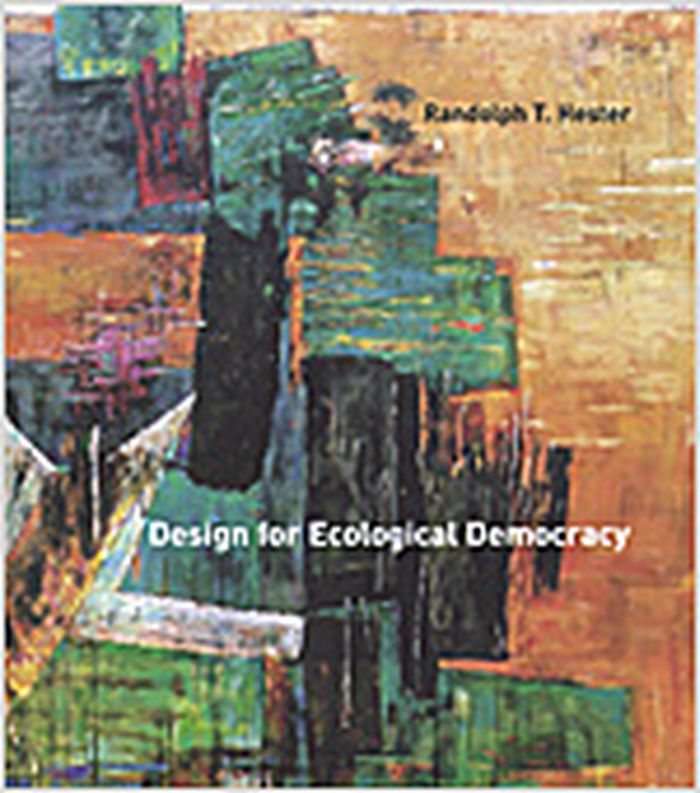
Hester argues that it is only by combining the powerful forces of ecology and democracy that the needed revolution in design will take place. Democracy bestows freedom; ecology creates responsible freedom by explaining our interconnectedness with all creatures. Hester's new design principles are founded on three fundamental issues that integrate democracy and ecology: enabling form, resilient form, and impelling form. Urban design must enable us to be communities rather than zoning-segregated enclaves and to function as informed democracies. A simple bench at a centrally located post office, for example, provides an opportunity for connection and shared experience. Cities must be ecologically resilient rather than ecologically imperiled, adaptable to the surrounding ecology rather than dependent on technological fixes. Resilient form turns increased urban density, for example, into an advantage. And cities should impel us by joy rather than compel us by fear; good cities enrich us rather than limit us. Design for Ecological Democracy is essential reading for designers, planners, environmentalists, community activists, and anyone else who wants to improve a local community.
Design for ecological democracy
Actions:
Price:
$46.95
(available to order)
Summary:
Hester argues that it is only by combining the powerful forces of ecology and democracy that the needed revolution in design will take place. Democracy bestows freedom; ecology creates responsible freedom by explaining our interconnectedness with all creatures. Hester's new design principles are founded on three fundamental issues that integrate democracy and ecology: enabling form, resilient form, and impelling form. Urban design must enable us to be communities rather than zoning-segregated enclaves and to function as informed democracies. A simple bench at a centrally located post office, for example, provides an opportunity for connection and shared experience. Cities must be ecologically resilient rather than ecologically imperiled, adaptable to the surrounding ecology rather than dependent on technological fixes. Resilient form turns increased urban density, for example, into an advantage. And cities should impel us by joy rather than compel us by fear; good cities enrich us rather than limit us. Design for Ecological Democracy is essential reading for designers, planners, environmentalists, community activists, and anyone else who wants to improve a local community.
Form:
books
books
Publication:
September 2006, Cambridge, Mass.
September 2006, Cambridge, Mass.
Subject:
Urban Landscapes
Urban Landscapes
Form:
books
books
Price:
$67.50
(available to order)
Summary:
In '''Architecture unbound,'' noted architecture critic Joseph Giovannini proposes that our current architectural landscape ultimately emerged from transgressive and progressive art movements that had roiled Europe before and after World War I. By the 1960s, social unrest and cultural disruption opened the way for investigations into an inventive, antiauthoritarian(...)
$67.50
(available to order)
Summary:
In '''Architecture unbound,'' noted architecture critic Joseph Giovannini proposes that our current architectural landscape ultimately emerged from transgressive and progressive art movements that had roiled Europe before and after World War I. By the 1960s, social unrest and cultural disruption opened the way for investigations into an inventive, antiauthoritarian(...)
Title:
Architecture unbound: A century of the disruptive avant-garde
Actions:
Price:
$67.50
(available to order)
Summary:
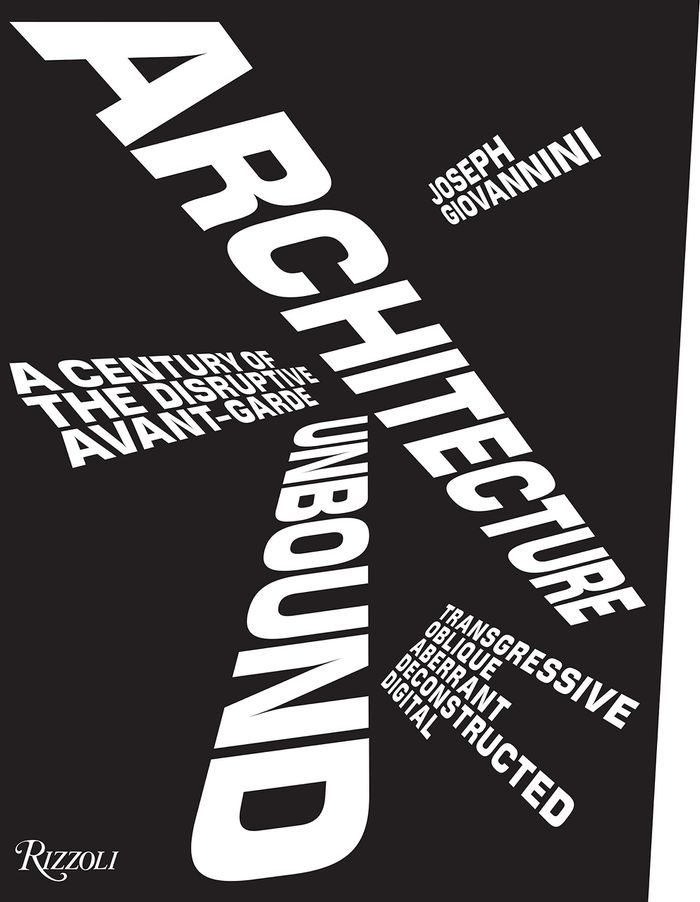
In '''Architecture unbound,'' noted architecture critic Joseph Giovannini proposes that our current architectural landscape ultimately emerged from transgressive and progressive art movements that had roiled Europe before and after World War I. By the 1960s, social unrest and cultural disruption opened the way for investigations into an inventive, antiauthoritarian architecture. Explorations emerged in the 1970s, and built projects surfaced in the 1980s, taking digital form in the 1990s, with large-scale projects finally landing on the far side of the millennium. '''Architecture unbound'' traces all of these developments and influences, presenting an authoritative and illuminating history not only of the sources of contemporary currents in architecture but also of the twentieth-century avant-garde and the twenty-first-century digital revolution in form-making, and profiling the most influential practitioners and their most notable projects, including Frank Gehry’s Guggenheim Bilbao and Walt Disney Concert Hall, Zaha Hadid’s Guangzhou Opera House, Daniel Libeskind’s master plan for the World Trade Center, Rem Koolhaas’s CCTV Tower, and Herzog and de Meuron’s Bird’s Nest Olympic Stadium in Beijing.
Architecture unbound: A century of the disruptive avant-garde
Actions:
Price:
$67.50
(available to order)
Summary:
In '''Architecture unbound,'' noted architecture critic Joseph Giovannini proposes that our current architectural landscape ultimately emerged from transgressive and progressive art movements that had roiled Europe before and after World War I. By the 1960s, social unrest and cultural disruption opened the way for investigations into an inventive, antiauthoritarian architecture. Explorations emerged in the 1970s, and built projects surfaced in the 1980s, taking digital form in the 1990s, with large-scale projects finally landing on the far side of the millennium. '''Architecture unbound'' traces all of these developments and influences, presenting an authoritative and illuminating history not only of the sources of contemporary currents in architecture but also of the twentieth-century avant-garde and the twenty-first-century digital revolution in form-making, and profiling the most influential practitioners and their most notable projects, including Frank Gehry’s Guggenheim Bilbao and Walt Disney Concert Hall, Zaha Hadid’s Guangzhou Opera House, Daniel Libeskind’s master plan for the World Trade Center, Rem Koolhaas’s CCTV Tower, and Herzog and de Meuron’s Bird’s Nest Olympic Stadium in Beijing.
Form:
books
books
Publication:
November 2021
November 2021
Subject:
Contemporary Architecture
Contemporary Architecture
Form:
books
books
Actions:
Price:
$64.00
(available to order)
Summary:
From the mid-eighteenth century to the nineteen-twenties, from the birth of the Industrial Revolution to the height of Manchester’s global significance and the beginning of its decline, ''Shock city'' challenges the idea that Paris was the ''capital of the nineteenth century.'' Mark Crinson reorients this issue around the development of industrial production, particularly(...)
$64.00
(available to order)
Summary:
From the mid-eighteenth century to the nineteen-twenties, from the birth of the Industrial Revolution to the height of Manchester’s global significance and the beginning of its decline, ''Shock city'' challenges the idea that Paris was the ''capital of the nineteenth century.'' Mark Crinson reorients this issue around the development of industrial production, particularly(...)
Title:
Shock city: Image and architecture in industrial Manchester
Actions:
Price:
$64.00
(available to order)
Summary:
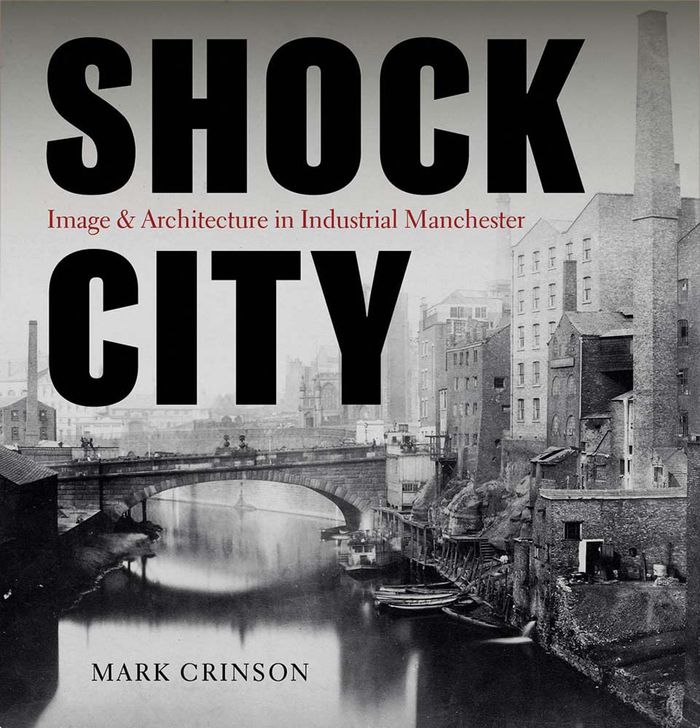
From the mid-eighteenth century to the nineteen-twenties, from the birth of the Industrial Revolution to the height of Manchester’s global significance and the beginning of its decline, ''Shock city'' challenges the idea that Paris was the ''capital of the nineteenth century.'' Mark Crinson reorients this issue around the development of industrial production, particularly cotton and its manufacture by means of steam power, offering a fascinating and accessibly written account of how new relations in the industrial economy were manifested through the spaces and representations of the first industrial city. Focusing on Manchester’s mills and warehouses, its main trading institution (the Royal Exchange), its magnificent Gothic Revival Town Hall, and its late Gothic Revival Rylands Library, this book explores these iconic buildings alongside paintings, prints, maps, and photographs of the city throughout the period. Crinson interweaves analysis of buildings and images, urban spaces and new institutions, technology and industrial pollution to show how these were all the products of Manchester’s newly emergent industrial middle classes, who remade the city in their image.
Shock city: Image and architecture in industrial Manchester
Actions:
Price:
$64.00
(available to order)
Summary:
From the mid-eighteenth century to the nineteen-twenties, from the birth of the Industrial Revolution to the height of Manchester’s global significance and the beginning of its decline, ''Shock city'' challenges the idea that Paris was the ''capital of the nineteenth century.'' Mark Crinson reorients this issue around the development of industrial production, particularly cotton and its manufacture by means of steam power, offering a fascinating and accessibly written account of how new relations in the industrial economy were manifested through the spaces and representations of the first industrial city. Focusing on Manchester’s mills and warehouses, its main trading institution (the Royal Exchange), its magnificent Gothic Revival Town Hall, and its late Gothic Revival Rylands Library, this book explores these iconic buildings alongside paintings, prints, maps, and photographs of the city throughout the period. Crinson interweaves analysis of buildings and images, urban spaces and new institutions, technology and industrial pollution to show how these were all the products of Manchester’s newly emergent industrial middle classes, who remade the city in their image.
Form:
books
books
Publication:
September 2022
September 2022
Subject:
Architecture since 1900, Europe
Architecture since 1900, Europe
Form:
books
books
Title:
Modernism after Wagner
Modernism after Wagner
Actions:
Price:
$34.00
(available to order)
Summary:
In this publication, Juliet Koss explores the history and legacy of Wagner’s concept, laying out its genealogy and the political, aesthetic, and cultural context from which it emerged, and tracing its development and reception through the 1930s. Beginning with Wagner’s initial articulation of the Gesamtkunstwerk in the wake of the 1848–49 revolution, Koss addresses a(...)
$34.00
(available to order)
Summary:
In this publication, Juliet Koss explores the history and legacy of Wagner’s concept, laying out its genealogy and the political, aesthetic, and cultural context from which it emerged, and tracing its development and reception through the 1930s. Beginning with Wagner’s initial articulation of the Gesamtkunstwerk in the wake of the 1848–49 revolution, Koss addresses a(...)
Title:
Modernism after Wagner
Actions:
Price:
$34.00
(available to order)
Summary:
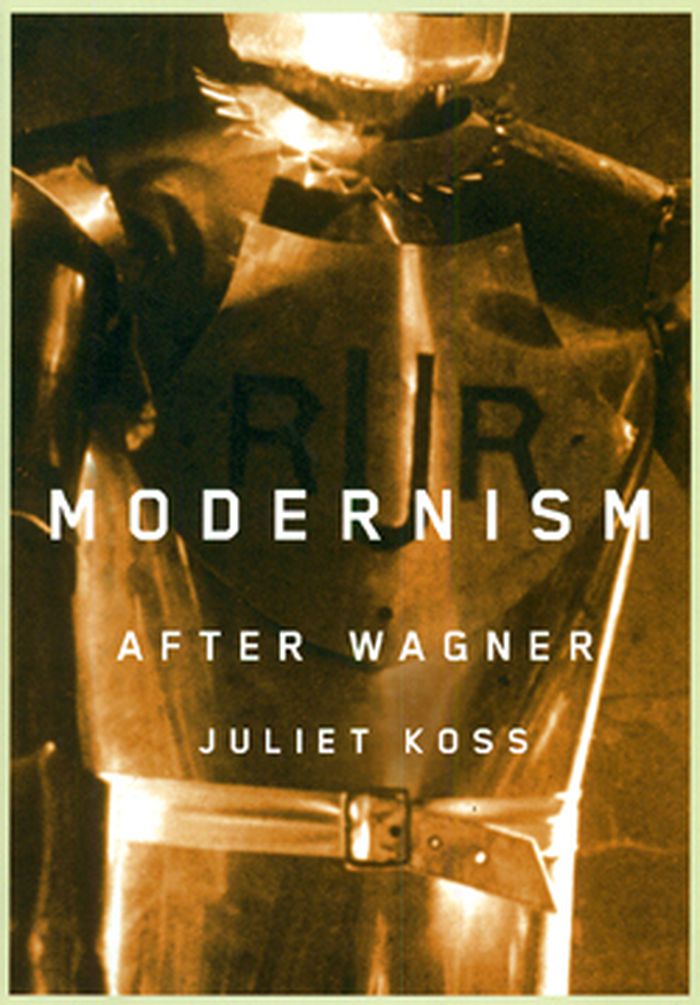
In this publication, Juliet Koss explores the history and legacy of Wagner’s concept, laying out its genealogy and the political, aesthetic, and cultural context from which it emerged, and tracing its development and reception through the 1930s. Beginning with Wagner’s initial articulation of the Gesamtkunstwerk in the wake of the 1848–49 revolution, Koss addresses a series of linked episodes in German aesthetic theory and artistic practice that include the composer’s efforts to build a theater to house his music dramas, culminating in the construction of the festival theater at Bayreuth in 1876; German aesthetic theory and criticism in the visual arts, theater, film, and radio from the 1870s to the 1920s; the founding of the Darmstadt Artists’ Colony in 1901 and that of the Munich Artists’ Theater in 1908; performances and parties at the Bauhaus in the 1920s and 1930s; and the legacy of the Gesamtkunstwerk under National Socialism. Attending to Wagner’s absorption into Fascist aesthetics, Koss foregrounds the revolutionary origins of the Gesamtkunstwerk and its emancipatory potential.
Modernism after Wagner
Actions:
Price:
$34.00
(available to order)
Summary:
In this publication, Juliet Koss explores the history and legacy of Wagner’s concept, laying out its genealogy and the political, aesthetic, and cultural context from which it emerged, and tracing its development and reception through the 1930s. Beginning with Wagner’s initial articulation of the Gesamtkunstwerk in the wake of the 1848–49 revolution, Koss addresses a series of linked episodes in German aesthetic theory and artistic practice that include the composer’s efforts to build a theater to house his music dramas, culminating in the construction of the festival theater at Bayreuth in 1876; German aesthetic theory and criticism in the visual arts, theater, film, and radio from the 1870s to the 1920s; the founding of the Darmstadt Artists’ Colony in 1901 and that of the Munich Artists’ Theater in 1908; performances and parties at the Bauhaus in the 1920s and 1930s; and the legacy of the Gesamtkunstwerk under National Socialism. Attending to Wagner’s absorption into Fascist aesthetics, Koss foregrounds the revolutionary origins of the Gesamtkunstwerk and its emancipatory potential.
Form:
books
books
Publication:
March 2010
March 2010
Subject:
Architectural Theory
Architectural Theory
Form:
books
books

Actions:
Price:
$69.95
(available to order)
Summary:
Romanticism was a cultural and intellectual movement characterized by discovery, revolution, and the poetic as well as by the philosophical relationship between people and nature. Botany sits at the intersection where romantic scientific and literary discourses meet. Clandestine Marriage explores the meaning and methods of how plants were represented and reproduced in(...)
$69.95
(available to order)
Summary:
Romanticism was a cultural and intellectual movement characterized by discovery, revolution, and the poetic as well as by the philosophical relationship between people and nature. Botany sits at the intersection where romantic scientific and literary discourses meet. Clandestine Marriage explores the meaning and methods of how plants were represented and reproduced in(...)
Title:
Clandestine marriage : botany and romantic culture
Actions:
Price:
$69.95
(available to order)
Summary:
Romanticism was a cultural and intellectual movement characterized by discovery, revolution, and the poetic as well as by the philosophical relationship between people and nature. Botany sits at the intersection where romantic scientific and literary discourses meet. Clandestine Marriage explores the meaning and methods of how plants were represented and reproduced in scientific, literary, artistic, and material cultures of the period. Theresa M. Kelley synthesizes romantic debates about taxonomy and morphology, the contemporary interest in books and magazines devoted to plant study and images, and writings by such authors as Mary Wollstonecraft and Anna Letitia Barbauld. Period botanical paintings of flowers are reproduced in color, bringing her argument and the romantics' passion for plants to life. In addition to exploring botanic thought and practice in the context of British romanticism, Kelley also looks to the German philosophical traditions of Kant, Hegel, and Goethe and to Charles Darwin's reflections on orchids and plant pollination. Her interdisciplinary approach allows a deeper understanding of a time when exploration of the natural world was a culture-wide enchantment.
Clandestine marriage : botany and romantic culture
Actions:
Price:
$69.95
(available to order)
Summary:
Romanticism was a cultural and intellectual movement characterized by discovery, revolution, and the poetic as well as by the philosophical relationship between people and nature. Botany sits at the intersection where romantic scientific and literary discourses meet. Clandestine Marriage explores the meaning and methods of how plants were represented and reproduced in scientific, literary, artistic, and material cultures of the period. Theresa M. Kelley synthesizes romantic debates about taxonomy and morphology, the contemporary interest in books and magazines devoted to plant study and images, and writings by such authors as Mary Wollstonecraft and Anna Letitia Barbauld. Period botanical paintings of flowers are reproduced in color, bringing her argument and the romantics' passion for plants to life. In addition to exploring botanic thought and practice in the context of British romanticism, Kelley also looks to the German philosophical traditions of Kant, Hegel, and Goethe and to Charles Darwin's reflections on orchids and plant pollination. Her interdisciplinary approach allows a deeper understanding of a time when exploration of the natural world was a culture-wide enchantment.
Form:
books
books
Publication:
November 2012
November 2012
Subject:
Landscape Theory
Landscape Theory
Form:
books
books
Price:
$45.95
(available to order)
Summary:
Dials, knobs, microphones, clocks; heads, hands, breath, voices. Ernst Schoen joined Frankfurt Radio in the 1920s as programmer and accelerated the potentials of this collision of bodies and technologies. As with others of his generation, Schoen experienced crisis after crisis, from the violence of war, the suicide of friends, economic collapse, and a brief episode of(...)
$45.95
(available to order)
Summary:
Dials, knobs, microphones, clocks; heads, hands, breath, voices. Ernst Schoen joined Frankfurt Radio in the 1920s as programmer and accelerated the potentials of this collision of bodies and technologies. As with others of his generation, Schoen experienced crisis after crisis, from the violence of war, the suicide of friends, economic collapse, and a brief episode of(...)
Title:
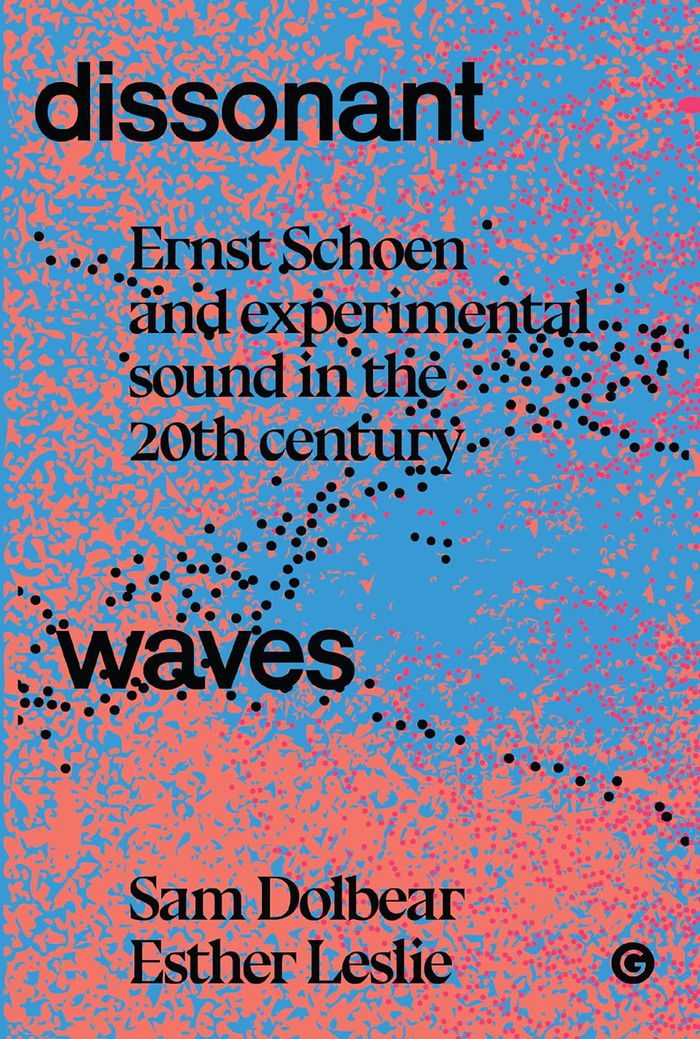
Dissonant waves: Ernst Schoen and experimental sound in the 20th century
Actions:
Price:
$45.95
(available to order)
Summary:
Dials, knobs, microphones, clocks; heads, hands, breath, voices. Ernst Schoen joined Frankfurt Radio in the 1920s as programmer and accelerated the potentials of this collision of bodies and technologies. As with others of his generation, Schoen experienced crisis after crisis, from the violence of war, the suicide of friends, economic collapse, and a brief episode of permitted experimentalism under the Weimar Republic for those who would foster aesthetic, technical, and political revolution. The counterreaction was Nazism—and Schoen and his milieux fell victim to it, found ways out of it, or hit against it with all their might. ''Dissonant waves'' tracks the life of Ernst Schoen—poet, composer, radio programmer, theorist, and best friend of Walter Benjamin from childhood—as he moves between Frankfurt, Berlin, Paris, and London. It casts radio history and practice into concrete spaces, into networks of friends and institutions, into political exigencies and domestic plights, and into broader aesthetic discussions of the politicization of art and the aestheticization of politics. Through friendship and comradeship, a position in state-backed radio, imprisonment, exile, networking in a new country, re-emigration, ill-treatment, neglect, Schoen suffers the century and articulates its broken promises.
Dissonant waves: Ernst Schoen and experimental sound in the 20th century
Actions:
Price:
$45.95
(available to order)
Summary:
Dials, knobs, microphones, clocks; heads, hands, breath, voices. Ernst Schoen joined Frankfurt Radio in the 1920s as programmer and accelerated the potentials of this collision of bodies and technologies. As with others of his generation, Schoen experienced crisis after crisis, from the violence of war, the suicide of friends, economic collapse, and a brief episode of permitted experimentalism under the Weimar Republic for those who would foster aesthetic, technical, and political revolution. The counterreaction was Nazism—and Schoen and his milieux fell victim to it, found ways out of it, or hit against it with all their might. ''Dissonant waves'' tracks the life of Ernst Schoen—poet, composer, radio programmer, theorist, and best friend of Walter Benjamin from childhood—as he moves between Frankfurt, Berlin, Paris, and London. It casts radio history and practice into concrete spaces, into networks of friends and institutions, into political exigencies and domestic plights, and into broader aesthetic discussions of the politicization of art and the aestheticization of politics. Through friendship and comradeship, a position in state-backed radio, imprisonment, exile, networking in a new country, re-emigration, ill-treatment, neglect, Schoen suffers the century and articulates its broken promises.
Form:
books
books
Publication:
September 2023
September 2023
Subject:
Acoustics
Acoustics
Form:
books
books
Actions:
Price:
$67.50
(available in store)
Summary:
Founded by Alexander the Great in 332 BC, Alexandria was for a long time the largest city in the ancient world. Flattened by a tsunami in 365 AD, it was little more than a fishing village when captured by Napoleon in 1798. The 19th century saw it become the center of the Egyptian cotton trade, bringing prosperity and an influx of European merchants. Then came the(...)
$67.50
(available in store)
Summary:
Founded by Alexander the Great in 332 BC, Alexandria was for a long time the largest city in the ancient world. Flattened by a tsunami in 365 AD, it was little more than a fishing village when captured by Napoleon in 1798. The 19th century saw it become the center of the Egyptian cotton trade, bringing prosperity and an influx of European merchants. Then came the(...)
Title:
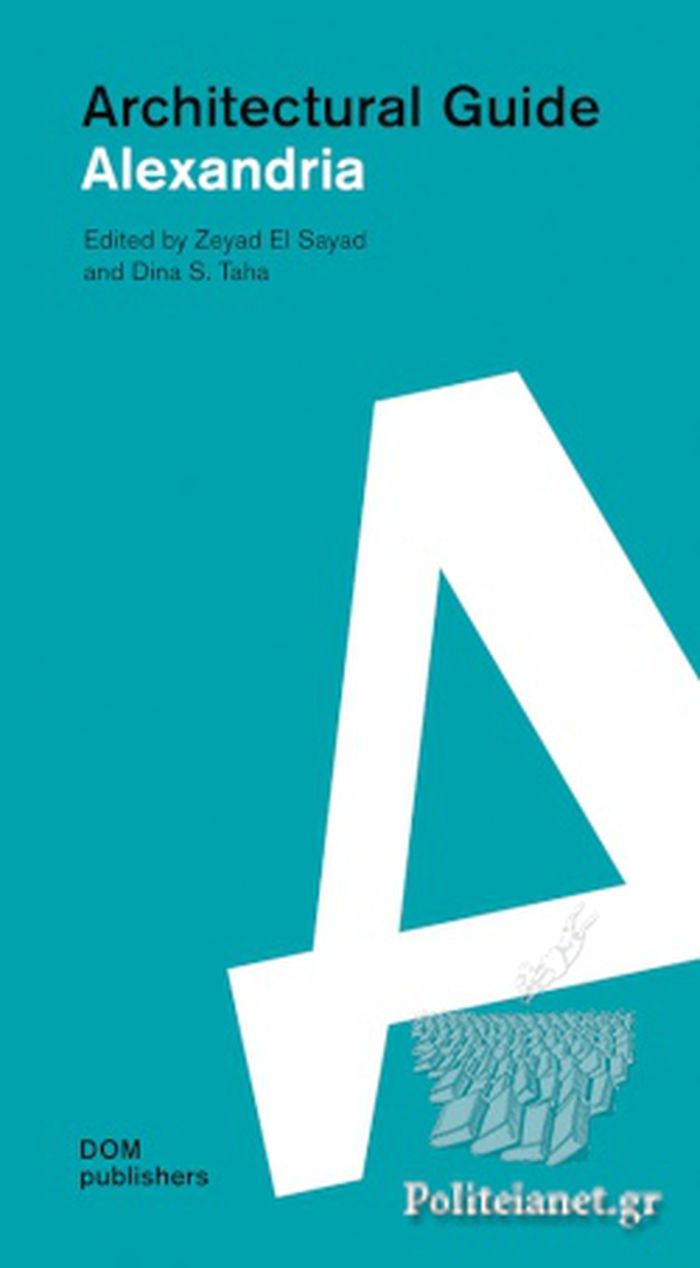
Alexandria architectural guide
Actions:
Price:
$67.50
(available in store)
Summary:
Founded by Alexander the Great in 332 BC, Alexandria was for a long time the largest city in the ancient world. Flattened by a tsunami in 365 AD, it was little more than a fishing village when captured by Napoleon in 1798. The 19th century saw it become the center of the Egyptian cotton trade, bringing prosperity and an influx of European merchants. Then came the bombardment by the English in 1882, which almost flattened the city a second time, and the revolution of 1952, which in effect condemned many of its residential buildings to slow but picturesque decay. The ebbs and flows of history and different cultures (especially Arabic, Muslim, Greek, Italian, English, and, not least, Jewish) have all left their marks on Alexandria's architecture. There are classical ruins; Ottoman fortifications; Egyptian okelles (medieval merchants' buildings); a colorful fishing port; mosques, shrines, churches, and synagogues; mansions and apartment buildings in the neo-Renaissance, art deco, and international styles; brutalist post-revolutionary institutions. And then are oddities such as the Cotton Palace Tower, a skyscraper intended for use as the headquarters of the country s cotton industry but inexplicably abandoned before completion.
Alexandria architectural guide
Actions:
Price:
$67.50
(available in store)
Summary:
Founded by Alexander the Great in 332 BC, Alexandria was for a long time the largest city in the ancient world. Flattened by a tsunami in 365 AD, it was little more than a fishing village when captured by Napoleon in 1798. The 19th century saw it become the center of the Egyptian cotton trade, bringing prosperity and an influx of European merchants. Then came the bombardment by the English in 1882, which almost flattened the city a second time, and the revolution of 1952, which in effect condemned many of its residential buildings to slow but picturesque decay. The ebbs and flows of history and different cultures (especially Arabic, Muslim, Greek, Italian, English, and, not least, Jewish) have all left their marks on Alexandria's architecture. There are classical ruins; Ottoman fortifications; Egyptian okelles (medieval merchants' buildings); a colorful fishing port; mosques, shrines, churches, and synagogues; mansions and apartment buildings in the neo-Renaissance, art deco, and international styles; brutalist post-revolutionary institutions. And then are oddities such as the Cotton Palace Tower, a skyscraper intended for use as the headquarters of the country s cotton industry but inexplicably abandoned before completion.
Form:
books
books
Publication:
July 2021
July 2021
Subject:
City Guides
City Guides
Form:
books
books
Title:
The Gothic Revival
The Gothic Revival
Actions:
Price:
$22.99
(available to order)
Summary:
‘The Gothic Revival’, writes Michael Lewis, ‘is more than a fashion craze for pointed arches and pinnacles. During its years of greatest influence, it subjected every aspect of art, belief, society, and labour to intense intellectual scrutiny, using the Middle Ages as a platform from which to judge the modern world.’ It is the unique merit of "The Gothic Revival"(...)
$22.99
(available to order)
Summary:
‘The Gothic Revival’, writes Michael Lewis, ‘is more than a fashion craze for pointed arches and pinnacles. During its years of greatest influence, it subjected every aspect of art, belief, society, and labour to intense intellectual scrutiny, using the Middle Ages as a platform from which to judge the modern world.’ It is the unique merit of "The Gothic Revival"(...)
Title:
The Gothic Revival
Actions:
Price:
$22.99
(available to order)
Summary:
‘The Gothic Revival’, writes Michael Lewis, ‘is more than a fashion craze for pointed arches and pinnacles. During its years of greatest influence, it subjected every aspect of art, belief, society, and labour to intense intellectual scrutiny, using the Middle Ages as a platform from which to judge the modern world.’ It is the unique merit of "The Gothic Revival" that it gives as much attention to the ideas that gave Gothic architecture its emotional and intellectual power as it does to its great monuments. The eighteenth century admired the Gothic for its sense of decay and melancholy; the nineteenth century first cherished its religious piety, then its superb engineering. In the course of the Revival the Gothic was attached to social movements of every sort – from political liberalism to patriotic nationalism to labour reform. Like Marxism, which also drew lessons from medieval society, the Gothic Revival seemed to offer a comprehensive response to the dislocations and traumas of the Industrial Revolution. By the early twentieth century, the Gothic Revival had outlived its ideals. In recent years, however, the climate of opinion has changed, and we are ready to understand, appreciate and learn from it.
The Gothic Revival
Actions:
Price:
$22.99
(available to order)
Summary:
‘The Gothic Revival’, writes Michael Lewis, ‘is more than a fashion craze for pointed arches and pinnacles. During its years of greatest influence, it subjected every aspect of art, belief, society, and labour to intense intellectual scrutiny, using the Middle Ages as a platform from which to judge the modern world.’ It is the unique merit of "The Gothic Revival" that it gives as much attention to the ideas that gave Gothic architecture its emotional and intellectual power as it does to its great monuments. The eighteenth century admired the Gothic for its sense of decay and melancholy; the nineteenth century first cherished its religious piety, then its superb engineering. In the course of the Revival the Gothic was attached to social movements of every sort – from political liberalism to patriotic nationalism to labour reform. Like Marxism, which also drew lessons from medieval society, the Gothic Revival seemed to offer a comprehensive response to the dislocations and traumas of the Industrial Revolution. By the early twentieth century, the Gothic Revival had outlived its ideals. In recent years, however, the climate of opinion has changed, and we are ready to understand, appreciate and learn from it.
Form:
books
books
Publication:
June 2002, London
June 2002, London
Subject:
History until 1900
History until 1900
Form:
books
books
Actions:
Price:
$55.00
(available in store)
Summary:
Described as "the closest thing to a rock star" in graphic design today (USA Today), Chip Kidd is universally recognized as an American master of contemporary book design. At the forefront of a revolution in publishing, Kidd's iconic covers, with their inventive marriage of type and found images, have influenced an entire generation of design practitioners in many(...)
$55.00
(available in store)
Summary:
Described as "the closest thing to a rock star" in graphic design today (USA Today), Chip Kidd is universally recognized as an American master of contemporary book design. At the forefront of a revolution in publishing, Kidd's iconic covers, with their inventive marriage of type and found images, have influenced an entire generation of design practitioners in many(...)
Subject:
Graphic Designers, Monographs
Graphic Designers, Monographs
Publication:
October 2005, New York
October 2005, New York
Title:
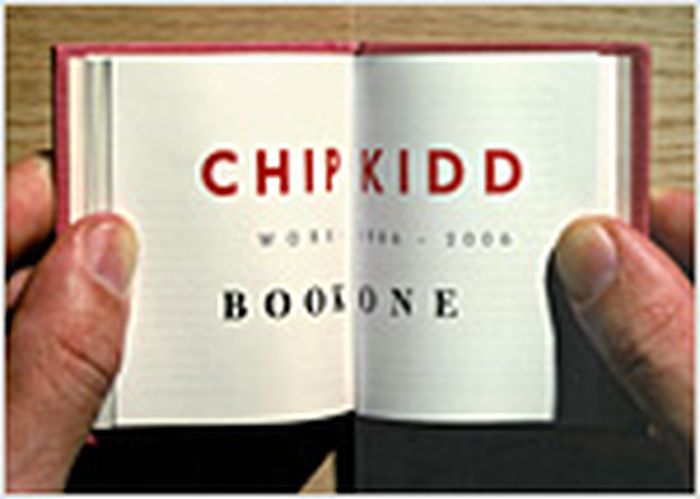
Chip Kidd : work : 1986-2006, book one
Actions:
Price:
$55.00
(available in store)
Summary:
Described as "the closest thing to a rock star" in graphic design today (USA Today), Chip Kidd is universally recognized as an American master of contemporary book design. At the forefront of a revolution in publishing, Kidd's iconic covers, with their inventive marriage of type and found images, have influenced an entire generation of design practitioners in many fields.Chip Kidd: Book One collects all of his book covers and designs for the first time, as well as hundreds of developmental sketches and concepts-annotated by Kidd and by many of the best-selling authors he's worked with over the years. The result is an important contribution to the design canon today as well as a visually dazzling (and often hilarious) insider's look at the design and publishing process.The book also showcases Kidd's work with comics and graphic novels, including his collaborations with leading artists and writers in the field. Featured are projects for DC Comics, including Batman and Superman, as well as Kidd's award-winning exploration of the art of Charles M. Schulz. Chip Kidd: Book One is sure to enthrall design aficionados, book lovers, pop-culture fanatics, comics fans, and design students.
Chip Kidd : work : 1986-2006, book one
Actions:
Price:
$55.00
(available in store)
Summary:
Described as "the closest thing to a rock star" in graphic design today (USA Today), Chip Kidd is universally recognized as an American master of contemporary book design. At the forefront of a revolution in publishing, Kidd's iconic covers, with their inventive marriage of type and found images, have influenced an entire generation of design practitioners in many fields.Chip Kidd: Book One collects all of his book covers and designs for the first time, as well as hundreds of developmental sketches and concepts-annotated by Kidd and by many of the best-selling authors he's worked with over the years. The result is an important contribution to the design canon today as well as a visually dazzling (and often hilarious) insider's look at the design and publishing process.The book also showcases Kidd's work with comics and graphic novels, including his collaborations with leading artists and writers in the field. Featured are projects for DC Comics, including Batman and Superman, as well as Kidd's award-winning exploration of the art of Charles M. Schulz. Chip Kidd: Book One is sure to enthrall design aficionados, book lovers, pop-culture fanatics, comics fans, and design students.
Form:
books
books
Publication:
October 2005, New York
October 2005, New York
Subject:
Graphic Designers, Monographs
Graphic Designers, Monographs


