


2688 Results
Form:
books
books
Actions:
Price:
$31.95
(available to order)
Summary:
The ugly buildings that characterize the modern landscape are inferior not only to the great cathedrals of medieval Europe and the temples of ancient Egypt and Greece, but even to lesser buildings of the more recent past. The great masterworks of our ancestors spoke to humanity’s higher nature. Architect Herbert Bangs reveals how today’s dysfunctional buildings bring out(...)
$31.95
(available to order)
Summary:
The ugly buildings that characterize the modern landscape are inferior not only to the great cathedrals of medieval Europe and the temples of ancient Egypt and Greece, but even to lesser buildings of the more recent past. The great masterworks of our ancestors spoke to humanity’s higher nature. Architect Herbert Bangs reveals how today’s dysfunctional buildings bring out(...)
Subject:
Commercial interiors, Building types
Commercial interiors, Building types
Publication:
January 2007, Rochester
January 2007, Rochester
Title:
The return of sacred architecture : the golden ratio and the end of modernism
Actions:
Price:
$31.95
(available to order)
Summary:
The ugly buildings that characterize the modern landscape are inferior not only to the great cathedrals of medieval Europe and the temples of ancient Egypt and Greece, but even to lesser buildings of the more recent past. The great masterworks of our ancestors spoke to humanity’s higher nature. Architect Herbert Bangs reveals how today’s dysfunctional buildings bring out the worst in humanity, reinforcing that which is most base within us. He shows how, through the ancient laws of proportion and number, architecture once expressed the harmonious relationship between man and the cosmos. In early times, the architect worked within a sacred and esoteric tradition of creating structures through which human beings could gain insight into the nature of the divine reality. Today, that tradition has been abandoned in favor of narrowly defined utilitarian principles of efficiency and economy. In The Return of Sacred Architecture, Bangs provides the key to freeing architecture from the crude functionality of the twentieth century: the architects of the modern human landscape must find the deep-felt connection to the cosmos that guided the inner lives of those who built the temples of the past. The form of their buildings will then reflect the sacred patterns of geometry and proportion and bring forth greater harmony in the world.
The return of sacred architecture : the golden ratio and the end of modernism
Actions:
Price:
$31.95
(available to order)
Summary:
The ugly buildings that characterize the modern landscape are inferior not only to the great cathedrals of medieval Europe and the temples of ancient Egypt and Greece, but even to lesser buildings of the more recent past. The great masterworks of our ancestors spoke to humanity’s higher nature. Architect Herbert Bangs reveals how today’s dysfunctional buildings bring out the worst in humanity, reinforcing that which is most base within us. He shows how, through the ancient laws of proportion and number, architecture once expressed the harmonious relationship between man and the cosmos. In early times, the architect worked within a sacred and esoteric tradition of creating structures through which human beings could gain insight into the nature of the divine reality. Today, that tradition has been abandoned in favor of narrowly defined utilitarian principles of efficiency and economy. In The Return of Sacred Architecture, Bangs provides the key to freeing architecture from the crude functionality of the twentieth century: the architects of the modern human landscape must find the deep-felt connection to the cosmos that guided the inner lives of those who built the temples of the past. The form of their buildings will then reflect the sacred patterns of geometry and proportion and bring forth greater harmony in the world.
Form:
books
books
Publication:
January 2007, Rochester
January 2007, Rochester
Subject:
Commercial interiors, Building types
Commercial interiors, Building types
Form:
books
books

Title:
Old house care & repair
Old house care & repair
Actions:
Price:
$48.00
(available to order)
Summary:
This book will help owners, builders and all construction professionals make the decisions that are right for old buildings. It illustrates the long term benefits of using more traditional solutions on older houses rather than modern materials like cement based mortars, sealants or impervious paints. It offers practical guidance on: How to get the right professional(...)
$48.00
(available to order)
Summary:
This book will help owners, builders and all construction professionals make the decisions that are right for old buildings. It illustrates the long term benefits of using more traditional solutions on older houses rather than modern materials like cement based mortars, sealants or impervious paints. It offers practical guidance on: How to get the right professional(...)
Publication:
October 2004, Dorset
October 2004, Dorset
Title:
Old house care & repair
Actions:
Price:
$48.00
(available to order)
Summary:
This book will help owners, builders and all construction professionals make the decisions that are right for old buildings. It illustrates the long term benefits of using more traditional solutions on older houses rather than modern materials like cement based mortars, sealants or impervious paints. It offers practical guidance on: How to get the right professional advice; Legal requirements for listed buildings; Problems with damp and rot; Use of lime mortars, plasters and renders; Why old buildings need to breathe; Planning applications; and, Trees, outbuildings and gardens.
Old house care & repair
Actions:
Price:
$48.00
(available to order)
Summary:
This book will help owners, builders and all construction professionals make the decisions that are right for old buildings. It illustrates the long term benefits of using more traditional solutions on older houses rather than modern materials like cement based mortars, sealants or impervious paints. It offers practical guidance on: How to get the right professional advice; Legal requirements for listed buildings; Problems with damp and rot; Use of lime mortars, plasters and renders; Why old buildings need to breathe; Planning applications; and, Trees, outbuildings and gardens.
Form:
books
books
Publication:
October 2004, Dorset
October 2004, Dorset
Form:
books
books
Price:
$60.95
(available in store)
Summary:
In eleven pointed and sometimes provocative conversations, architect and professor of architecture, Vittorio Magnago Lampugnani uses a critique of contemporary urban planning to develop principles for reestablishing the discipline. In seven projects designed with these principles in mind, he shows how his vigorous reinterpretation of the field can be implemented and what(...)
$60.95
(available in store)
Summary:
In eleven pointed and sometimes provocative conversations, architect and professor of architecture, Vittorio Magnago Lampugnani uses a critique of contemporary urban planning to develop principles for reestablishing the discipline. In seven projects designed with these principles in mind, he shows how his vigorous reinterpretation of the field can be implemented and what(...)
Title:
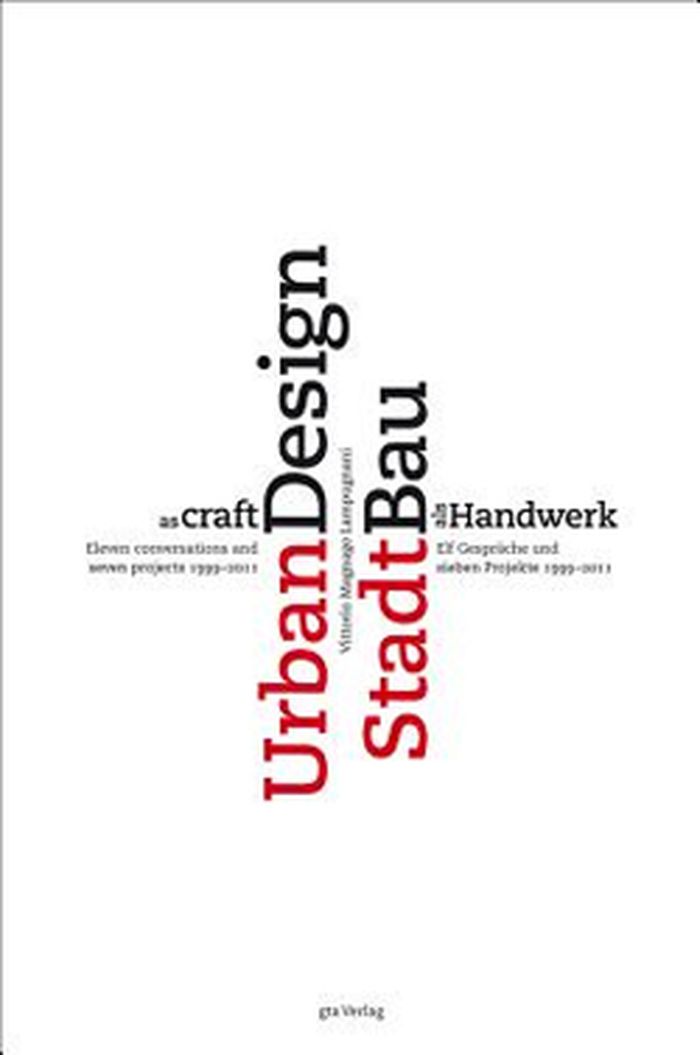
Urban design as craft : eleven conversations and seven projects, 1999-2011
Actions:
Price:
$60.95
(available in store)
Summary:
In eleven pointed and sometimes provocative conversations, architect and professor of architecture, Vittorio Magnago Lampugnani uses a critique of contemporary urban planning to develop principles for reestablishing the discipline. In seven projects designed with these principles in mind, he shows how his vigorous reinterpretation of the field can be implemented and what a fresh start can look like. Magnago Lampugnani envisages a calm modern city that can measure itself against the historic city, while emphasizing sustainability and providing a home for a multifaceted and continually changing society.
Urban design as craft : eleven conversations and seven projects, 1999-2011
Actions:
Price:
$60.95
(available in store)
Summary:
In eleven pointed and sometimes provocative conversations, architect and professor of architecture, Vittorio Magnago Lampugnani uses a critique of contemporary urban planning to develop principles for reestablishing the discipline. In seven projects designed with these principles in mind, he shows how his vigorous reinterpretation of the field can be implemented and what a fresh start can look like. Magnago Lampugnani envisages a calm modern city that can measure itself against the historic city, while emphasizing sustainability and providing a home for a multifaceted and continually changing society.
Form:
books
books
Publication:
June 2012
June 2012
Subject:
Urban Theory
Urban Theory
Form:
books
books

Actions:
Price:
$60.00
(available to order)
Summary:
In 1900, Swedish design reformer and social theorist Ellen Key published The Century of the Child, presaging the coming century as a period of intensified focus and progressive thinking around the rights, development and well-being of children. Taking inspiration from Key-and looking back through the twentieth century-this volume, published to accompany an exhibition at(...)
$60.00
(available to order)
Summary:
In 1900, Swedish design reformer and social theorist Ellen Key published The Century of the Child, presaging the coming century as a period of intensified focus and progressive thinking around the rights, development and well-being of children. Taking inspiration from Key-and looking back through the twentieth century-this volume, published to accompany an exhibition at(...)
Title:
Century of the child: growing by design 1900-2000
Actions:
Price:
$60.00
(available to order)
Summary:
In 1900, Swedish design reformer and social theorist Ellen Key published The Century of the Child, presaging the coming century as a period of intensified focus and progressive thinking around the rights, development and well-being of children. Taking inspiration from Key-and looking back through the twentieth century-this volume, published to accompany an exhibition at The Museum of Modern Art, examines individual and collective visions for the material world of children, from utopian dreams for the "citizens of the future" to the dark realities of political conflict and exploitation. Surveying more than 100 years of toys, clothing, playgrounds, schools, children's hospitals, nurseries, furniture, posters, animation and books, this illustrated catalogue illuminates how progressive design has enhanced the physical, intellectual, and emotional development of children and, conversely, how models of children's play have informed experimental aesthetics and imaginative design thinking-engendering, in the process, reappraisals of some of the iconic names in twentieth-century design and enriching the unfolding narrative of modern design with other, less familiar figures.
Century of the child: growing by design 1900-2000
Actions:
Price:
$60.00
(available to order)
Summary:
In 1900, Swedish design reformer and social theorist Ellen Key published The Century of the Child, presaging the coming century as a period of intensified focus and progressive thinking around the rights, development and well-being of children. Taking inspiration from Key-and looking back through the twentieth century-this volume, published to accompany an exhibition at The Museum of Modern Art, examines individual and collective visions for the material world of children, from utopian dreams for the "citizens of the future" to the dark realities of political conflict and exploitation. Surveying more than 100 years of toys, clothing, playgrounds, schools, children's hospitals, nurseries, furniture, posters, animation and books, this illustrated catalogue illuminates how progressive design has enhanced the physical, intellectual, and emotional development of children and, conversely, how models of children's play have informed experimental aesthetics and imaginative design thinking-engendering, in the process, reappraisals of some of the iconic names in twentieth-century design and enriching the unfolding narrative of modern design with other, less familiar figures.
Form:
books
books
Publication:
July 2012
July 2012
Subject:
Design, Periods and Styles
Design, Periods and Styles
Form:
books
books
Actions:
Price:
$26.95
(available to order)
Summary:
We see notebooks everywhere we go. But where did these indispensable implements come from? How did they revolutionize our lives? And how can using a notebook help change the way you think? In this wide-ranging history, Roland Allen reveals how the notebook became our most dependable and versatile tool for creative thinking. He tells the notebook stories of Leonardo and(...)
$26.95
(available to order)
Summary:
We see notebooks everywhere we go. But where did these indispensable implements come from? How did they revolutionize our lives? And how can using a notebook help change the way you think? In this wide-ranging history, Roland Allen reveals how the notebook became our most dependable and versatile tool for creative thinking. He tells the notebook stories of Leonardo and(...)
Title:
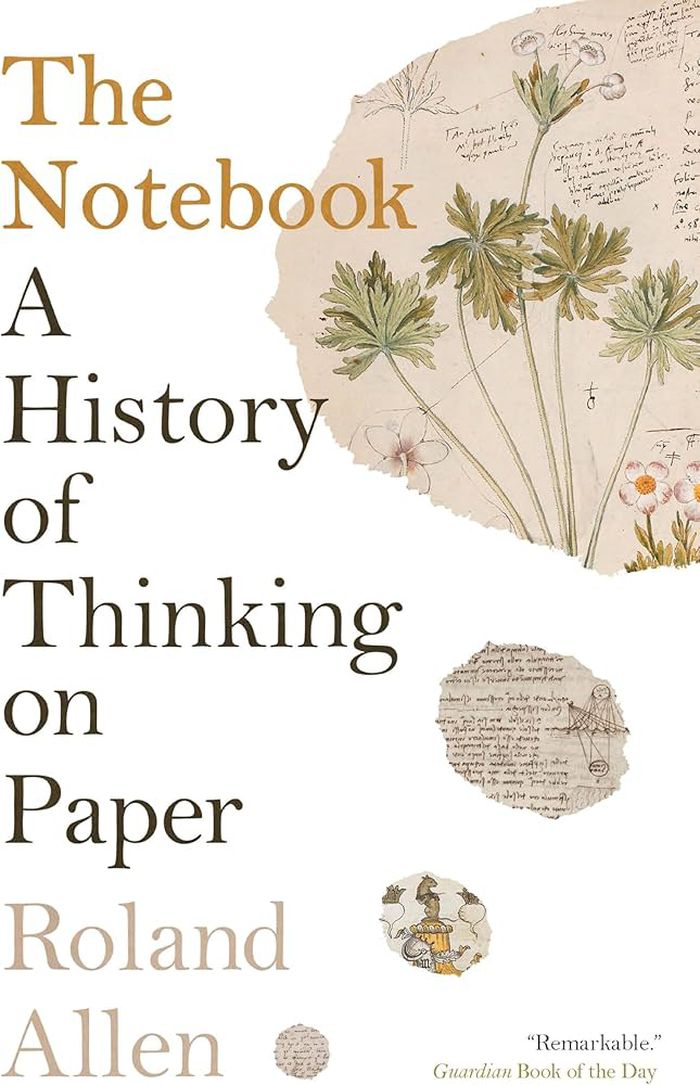
The notebook: A history of thinking on paper
Actions:
Price:
$26.95
(available to order)
Summary:
We see notebooks everywhere we go. But where did these indispensable implements come from? How did they revolutionize our lives? And how can using a notebook help change the way you think? In this wide-ranging history, Roland Allen reveals how the notebook became our most dependable and versatile tool for creative thinking. He tells the notebook stories of Leonardo and Frida Kahlo, Isaac Newton and Marie Curie, and writers from Chaucer to Henry James; shows how Darwin developed his theory of evolution in tiny pocket books and Agatha Christie plotted a hundred murders in scrappy exercise books; and introduces a host of cooks, kings, sailors, fishermen, musicians, engineers, politicians, adventurers, and mathematicians, all of whom used their notebooks as a space to think—and in doing so, shaped the modern world. In an age of AI and digital overload, the humble notebook is more relevant than ever. Allen shows how bullet points can combat ADHD, journals can ease PTSD, and patient diaries soften the trauma of reawakening from coma. The everyday act of moving a pen across paper, he finds, can have profound consequences, changing the way we think and feel: making us more creative, more productive—and maybe even happier.
The notebook: A history of thinking on paper
Actions:
Price:
$26.95
(available to order)
Summary:
We see notebooks everywhere we go. But where did these indispensable implements come from? How did they revolutionize our lives? And how can using a notebook help change the way you think? In this wide-ranging history, Roland Allen reveals how the notebook became our most dependable and versatile tool for creative thinking. He tells the notebook stories of Leonardo and Frida Kahlo, Isaac Newton and Marie Curie, and writers from Chaucer to Henry James; shows how Darwin developed his theory of evolution in tiny pocket books and Agatha Christie plotted a hundred murders in scrappy exercise books; and introduces a host of cooks, kings, sailors, fishermen, musicians, engineers, politicians, adventurers, and mathematicians, all of whom used their notebooks as a space to think—and in doing so, shaped the modern world. In an age of AI and digital overload, the humble notebook is more relevant than ever. Allen shows how bullet points can combat ADHD, journals can ease PTSD, and patient diaries soften the trauma of reawakening from coma. The everyday act of moving a pen across paper, he finds, can have profound consequences, changing the way we think and feel: making us more creative, more productive—and maybe even happier.
Form:
books
books
Publication:
September 2024
September 2024
Subject:
Literature and poetry
Literature and poetry
Form:
books
books
Actions:
Price:
$24.95
(available to order)
Summary:
In this book, David Brown locates jazz music within the broad aesthetic, political, and theoretical upheavals of our time, asserting that modern architecture and urbanism in particular can be strongly influenced and defined by the ways that improvisation is facilitated in jazz. Improvised music consists of diverse properties that fail to register in the(...)
$24.95
(available to order)
Summary:
In this book, David Brown locates jazz music within the broad aesthetic, political, and theoretical upheavals of our time, asserting that modern architecture and urbanism in particular can be strongly influenced and defined by the ways that improvisation is facilitated in jazz. Improvised music consists of diverse properties that fail to register in the(...)
Title:
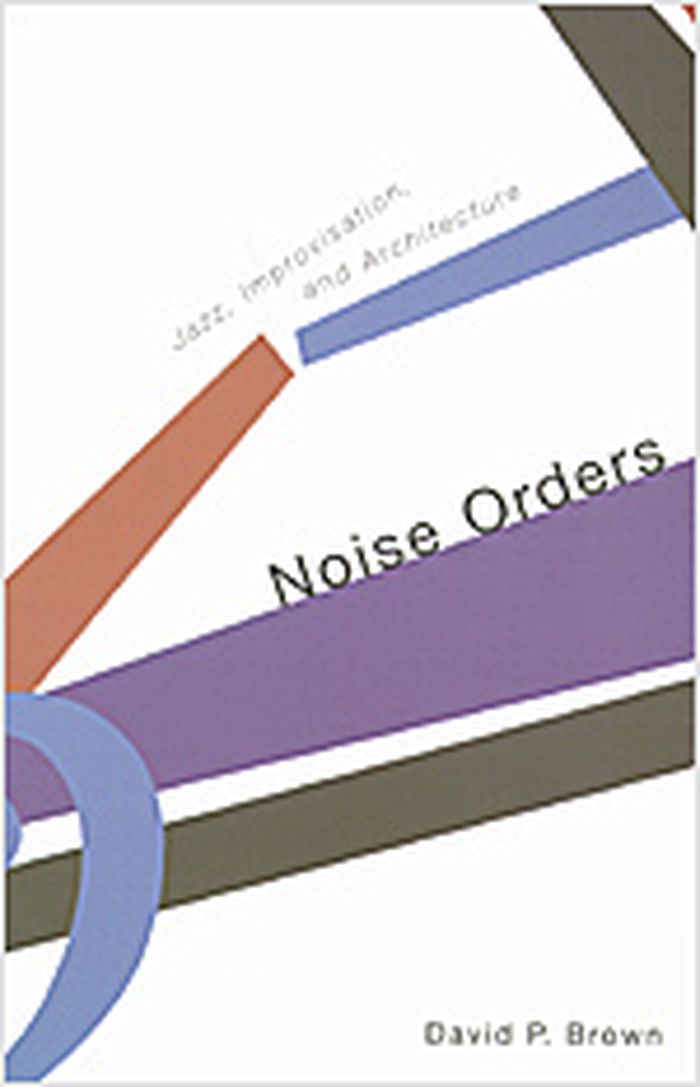
Noise orders : jazz, improvisation, and architecture
Actions:
Price:
$24.95
(available to order)
Summary:
In this book, David Brown locates jazz music within the broad aesthetic, political, and theoretical upheavals of our time, asserting that modern architecture and urbanism in particular can be strongly influenced and defined by the ways that improvisation is facilitated in jazz. Improvised music consists of diverse properties that fail to register in the object-oriented understanding of composition. As a result, it is often dismissed as noise — an interfering signal. However, Brown asserts, such interference can bear meaning and stimulate change. "Noise orders" identifies how architecture can respond to the inclusive dynamics of extemporaneous movements, variable conceptions of composition, multiple durations, and wide manipulation of resources found in jazz to enable outcomes that far exceed a design’s seeming potential. By exploring overlapping moments between modernism and the cultural dimensions of jazz, "Noise orders" suggests that the discipline of improvisation continues to open and redefine architectural theory and practice, creating a world where designers contribute to emerging environments rather than make predetermined ones. Comparing modern and avant-garde artists and architects with individuals and groups in jazz—including Piet Mondrian and boogie-woogie, John Cage and Rahsaan Roland Kirk, Le Corbusier and Louis Armstrong, and Ludwig Mies van der Rohe and the Association for the Advancement of Creative Musicians (AACM)—Brown examines how jazz can offer alternative design ideas and directions, be incorporated in contemporary architectural practices, and provide insight on how to develop dynamic metropolitan environments. Interdisciplinary in its approace, "Noise orders" argues for a deeper understanding of the infinite potential inherent in both music and architecture.
Noise orders : jazz, improvisation, and architecture
Actions:
Price:
$24.95
(available to order)
Summary:
In this book, David Brown locates jazz music within the broad aesthetic, political, and theoretical upheavals of our time, asserting that modern architecture and urbanism in particular can be strongly influenced and defined by the ways that improvisation is facilitated in jazz. Improvised music consists of diverse properties that fail to register in the object-oriented understanding of composition. As a result, it is often dismissed as noise — an interfering signal. However, Brown asserts, such interference can bear meaning and stimulate change. "Noise orders" identifies how architecture can respond to the inclusive dynamics of extemporaneous movements, variable conceptions of composition, multiple durations, and wide manipulation of resources found in jazz to enable outcomes that far exceed a design’s seeming potential. By exploring overlapping moments between modernism and the cultural dimensions of jazz, "Noise orders" suggests that the discipline of improvisation continues to open and redefine architectural theory and practice, creating a world where designers contribute to emerging environments rather than make predetermined ones. Comparing modern and avant-garde artists and architects with individuals and groups in jazz—including Piet Mondrian and boogie-woogie, John Cage and Rahsaan Roland Kirk, Le Corbusier and Louis Armstrong, and Ludwig Mies van der Rohe and the Association for the Advancement of Creative Musicians (AACM)—Brown examines how jazz can offer alternative design ideas and directions, be incorporated in contemporary architectural practices, and provide insight on how to develop dynamic metropolitan environments. Interdisciplinary in its approace, "Noise orders" argues for a deeper understanding of the infinite potential inherent in both music and architecture.
Form:
books
books
Publication:
February 2006, Minneapolis, London
February 2006, Minneapolis, London
Subject:
Acoustics
Acoustics
Form:
books
books
Price:
$26.99
(available to order)
Summary:
In the late 2000s human society entered a new urban epoch in which the majority of human beings live in cities. Whilst the city has historically been viewed as the foundation of democracy and citizenship, the geo-political spaces of modern cities are widely misunderstood despite their key role in shaping contemporary global society. How and why have cities become the(...)
$26.99
(available to order)
Summary:
In the late 2000s human society entered a new urban epoch in which the majority of human beings live in cities. Whilst the city has historically been viewed as the foundation of democracy and citizenship, the geo-political spaces of modern cities are widely misunderstood despite their key role in shaping contemporary global society. How and why have cities become the(...)
Title:
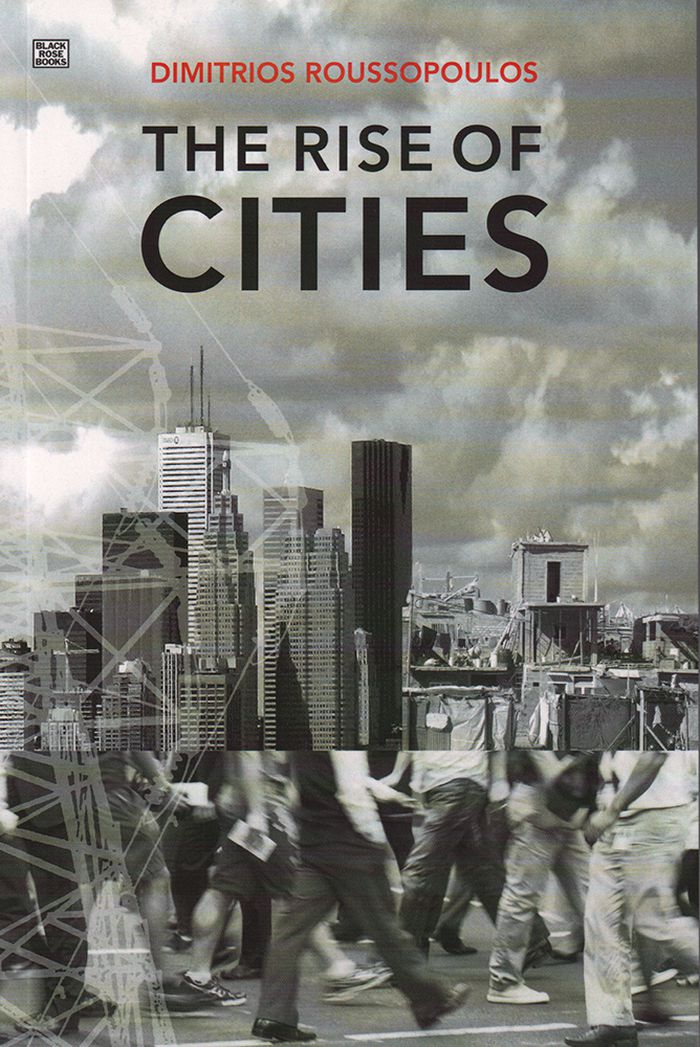
Rise of cities: Montréal, Toronto, Vancouver and other cities
Actions:
Price:
$26.99
(available to order)
Summary:
In the late 2000s human society entered a new urban epoch in which the majority of human beings live in cities. Whilst the city has historically been viewed as the foundation of democracy and citizenship, the geo-political spaces of modern cities are widely misunderstood despite their key role in shaping contemporary global society. How and why have cities become the command centres of the world economy? Does globalization menace cities as we know them? Are cities able to exercise democratic control and strategic choice when multinational corporate competition increasingly limits the importance of place? The Rise of Cities offers intriguing responses to these questions by analyzing how cities coalesce, develop and thrive, and how they can remake themselves for better for worse. Examining key issues such as the parasitic relationships cities have with Nature, the webs of trade and immigration they rely on to survive, and the spatial structure of the contemporary metropolis, the contributors develop a startling outline of cities in crisis and demonstrate why the State has failed, and must fail, to end the urban crisis. These themes are explored through a variety of concrete, real-world examples of the challenges of urban politics: metropolitan governance, urban redevelopment policy, housing problems, grass roots activism and urban planning. In the background looms the spectre of neo-liberal globalization, with the development of influential world cities related to the emergence of modern telecommunications, the growth of multinational corporations and the generation of a world economy with an increased movement of cultural symbols and artifacts across national borders.
Rise of cities: Montréal, Toronto, Vancouver and other cities
Actions:
Price:
$26.99
(available to order)
Summary:
In the late 2000s human society entered a new urban epoch in which the majority of human beings live in cities. Whilst the city has historically been viewed as the foundation of democracy and citizenship, the geo-political spaces of modern cities are widely misunderstood despite their key role in shaping contemporary global society. How and why have cities become the command centres of the world economy? Does globalization menace cities as we know them? Are cities able to exercise democratic control and strategic choice when multinational corporate competition increasingly limits the importance of place? The Rise of Cities offers intriguing responses to these questions by analyzing how cities coalesce, develop and thrive, and how they can remake themselves for better for worse. Examining key issues such as the parasitic relationships cities have with Nature, the webs of trade and immigration they rely on to survive, and the spatial structure of the contemporary metropolis, the contributors develop a startling outline of cities in crisis and demonstrate why the State has failed, and must fail, to end the urban crisis. These themes are explored through a variety of concrete, real-world examples of the challenges of urban politics: metropolitan governance, urban redevelopment policy, housing problems, grass roots activism and urban planning. In the background looms the spectre of neo-liberal globalization, with the development of influential world cities related to the emergence of modern telecommunications, the growth of multinational corporations and the generation of a world economy with an increased movement of cultural symbols and artifacts across national borders.
Form:
books
books
Publication:
June 2017
June 2017
Subject:
Architecture in Canada
Architecture in Canada
Form:
books
books
Actions:
Price:
$38.50
(available to order)
Summary:
This book explores the aspirations and tastes of new suburban communities in interwar England for domestic architecture and design that was both modern and nostalgic in a period where homeownership became the norm. It investigates the ways in which new suburban class and gender identities were forged through the architecture, design and decoration of the home through(...)
$38.50
(available to order)
Summary:
This book explores the aspirations and tastes of new suburban communities in interwar England for domestic architecture and design that was both modern and nostalgic in a period where homeownership became the norm. It investigates the ways in which new suburban class and gender identities were forged through the architecture, design and decoration of the home through(...)
Title:
Ideal homes, 1918-39: Domestic design and suburban modernism
Actions:
Price:
$38.50
(available to order)
Summary:
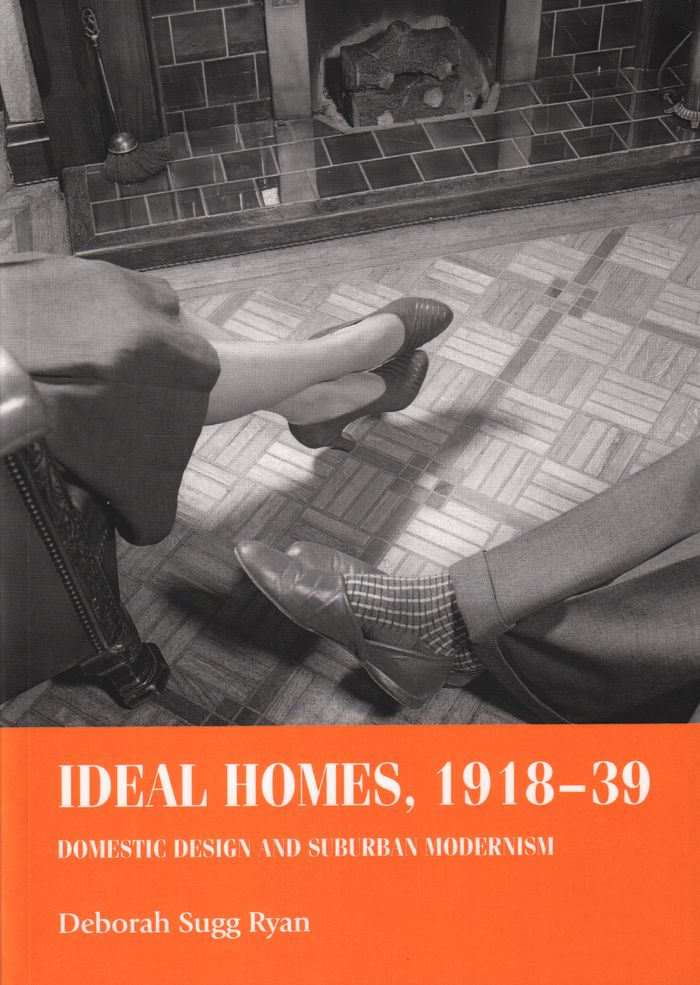
This book explores the aspirations and tastes of new suburban communities in interwar England for domestic architecture and design that was both modern and nostalgic in a period where homeownership became the norm. It investigates the ways in which new suburban class and gender identities were forged through the architecture, design and decoration of the home through choices such as ebony elephants placed on mantelpieces and modern Easiwork dressers in kitchens. It argues that a specifically suburban modernism emerged, which looked backwards to the past whilst looking forward to the future. Thus the inter-war "idea" home was both a retreat from the outside world and a site of change and experimentation. It also examines how the interwar home is lived in today. The book will appeal to academics and students in design, social and cultural history as well as a wider readership curious about interwar homes.
Ideal homes, 1918-39: Domestic design and suburban modernism
Actions:
Price:
$38.50
(available to order)
Summary:
This book explores the aspirations and tastes of new suburban communities in interwar England for domestic architecture and design that was both modern and nostalgic in a period where homeownership became the norm. It investigates the ways in which new suburban class and gender identities were forged through the architecture, design and decoration of the home through choices such as ebony elephants placed on mantelpieces and modern Easiwork dressers in kitchens. It argues that a specifically suburban modernism emerged, which looked backwards to the past whilst looking forward to the future. Thus the inter-war "idea" home was both a retreat from the outside world and a site of change and experimentation. It also examines how the interwar home is lived in today. The book will appeal to academics and students in design, social and cultural history as well as a wider readership curious about interwar homes.
Form:
books
books
Publication:
May 2018
May 2018
Subject:
Architectural Theory
Architectural Theory
Form:
books
books
Price:
$36.95
(available to order)
Summary:
In this book, Brenna Bhandar examines how modern property law contributes to the formation of racial subjects in settler colonies and to the development of racial capitalism. Examining both historical cases and ongoing processes of settler colonialism in Canada, Australia, and Israel and Palestine, Bhandar shows how the colonial appropriation of indigenous lands depends(...)
$36.95
(available to order)
Summary:
In this book, Brenna Bhandar examines how modern property law contributes to the formation of racial subjects in settler colonies and to the development of racial capitalism. Examining both historical cases and ongoing processes of settler colonialism in Canada, Australia, and Israel and Palestine, Bhandar shows how the colonial appropriation of indigenous lands depends(...)
Title:
Colonial lives of property: law, land, and racial regimes of ownership
Actions:
Price:
$36.95
(available to order)
Summary:
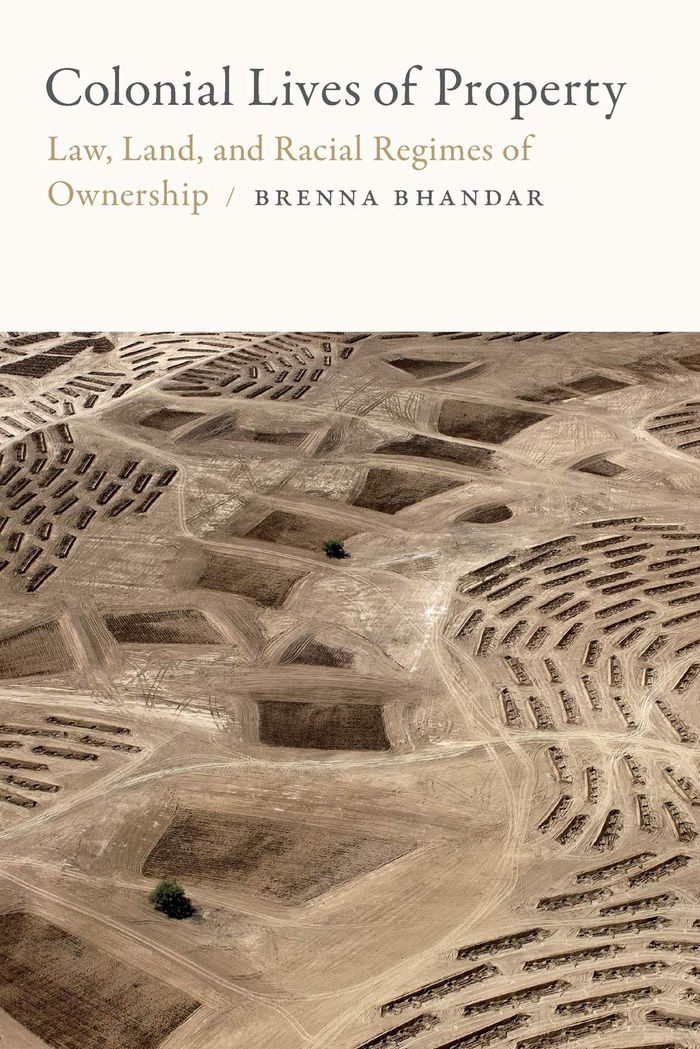
In this book, Brenna Bhandar examines how modern property law contributes to the formation of racial subjects in settler colonies and to the development of racial capitalism. Examining both historical cases and ongoing processes of settler colonialism in Canada, Australia, and Israel and Palestine, Bhandar shows how the colonial appropriation of indigenous lands depends upon ideologies of European racial superiority as well as upon legal narratives that equate civilized life with English concepts of property. In this way, property law legitimates and rationalizes settler colonial practices while it racializes those deemed unfit to own property. The solution to these enduring racial and economic inequities, Bhandar demonstrates, requires developing a new political imaginary of property in which freedom is connected to shared practices of use and community rather than individual possession.
Colonial lives of property: law, land, and racial regimes of ownership
Actions:
Price:
$36.95
(available to order)
Summary:
In this book, Brenna Bhandar examines how modern property law contributes to the formation of racial subjects in settler colonies and to the development of racial capitalism. Examining both historical cases and ongoing processes of settler colonialism in Canada, Australia, and Israel and Palestine, Bhandar shows how the colonial appropriation of indigenous lands depends upon ideologies of European racial superiority as well as upon legal narratives that equate civilized life with English concepts of property. In this way, property law legitimates and rationalizes settler colonial practices while it racializes those deemed unfit to own property. The solution to these enduring racial and economic inequities, Bhandar demonstrates, requires developing a new political imaginary of property in which freedom is connected to shared practices of use and community rather than individual possession.
Form:
books
books
Publication:
May 2018
May 2018
Subject:
Architecture ecologies
Architecture ecologies
Form:
books
books
Actions:
Price:
$43.95
(available in store)
Summary:
How design can transcend the logics, structures, and subjectivities of capitalism: a framework, theoretical grounding, and practical principles. The designed things, experiences, and symbols that we use to perceive, understand, and perform our everyday lives are much more than just props. They directly shape how we live. In ''Design after capitalism,'' Matthew Wizinsky(...)
$43.95
(available in store)
Summary:
How design can transcend the logics, structures, and subjectivities of capitalism: a framework, theoretical grounding, and practical principles. The designed things, experiences, and symbols that we use to perceive, understand, and perform our everyday lives are much more than just props. They directly shape how we live. In ''Design after capitalism,'' Matthew Wizinsky(...)
Title:
Design after capitalism: transforming design today for an equitable tomorrow
Actions:
Price:
$43.95
(available in store)
Summary:
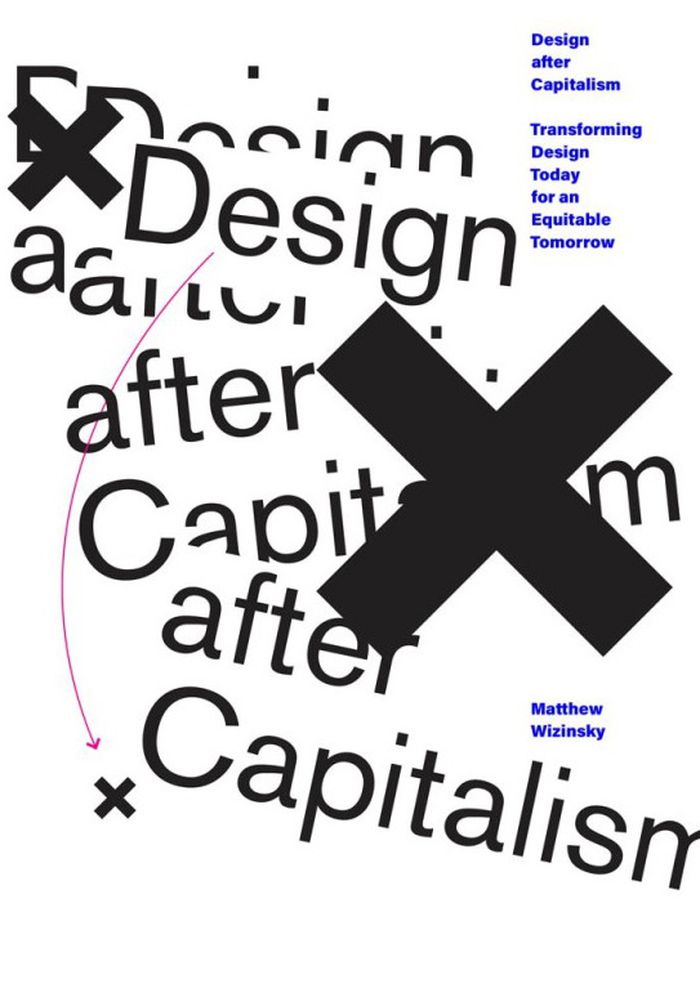
How design can transcend the logics, structures, and subjectivities of capitalism: a framework, theoretical grounding, and practical principles. The designed things, experiences, and symbols that we use to perceive, understand, and perform our everyday lives are much more than just props. They directly shape how we live. In ''Design after capitalism,'' Matthew Wizinsky argues that the world of industrial capitalism that gave birth to modern design has been dramatically transformed. Design today needs to reorient itself toward deliberate transitions of everyday politics, social relations, and economies. Looking at design through the lens of political economy, Wizinsky calls for the field to transcend the logics, structures, and subjectivities of capitalism—to combine design entrepreneurship with social empowerment in order to facilitate new ways of producing those things, symbols, and experiences that make up everyday life.
Design after capitalism: transforming design today for an equitable tomorrow
Actions:
Price:
$43.95
(available in store)
Summary:
How design can transcend the logics, structures, and subjectivities of capitalism: a framework, theoretical grounding, and practical principles. The designed things, experiences, and symbols that we use to perceive, understand, and perform our everyday lives are much more than just props. They directly shape how we live. In ''Design after capitalism,'' Matthew Wizinsky argues that the world of industrial capitalism that gave birth to modern design has been dramatically transformed. Design today needs to reorient itself toward deliberate transitions of everyday politics, social relations, and economies. Looking at design through the lens of political economy, Wizinsky calls for the field to transcend the logics, structures, and subjectivities of capitalism—to combine design entrepreneurship with social empowerment in order to facilitate new ways of producing those things, symbols, and experiences that make up everyday life.
Form:
books
books
Publication:
March 2022
March 2022
Subject:
Design Theory
Design Theory


