


249 Results
Form:
books
books
Actions:
Price:
$64.95
(available in store)
Summary:
''Arctic Practices: Design for a Changing World'' emerges at a critical juncture wherein the very stability of Arctic ecosystems hangs in a precarious balance induced, almost entirely, by humans. This volume assembles forty-six contributors—designers, educators, artists, photographers, filmmakers, some Indigenous, some residents, and some visitors to the Circumpolar(...)
$64.95
(available in store)
Summary:
''Arctic Practices: Design for a Changing World'' emerges at a critical juncture wherein the very stability of Arctic ecosystems hangs in a precarious balance induced, almost entirely, by humans. This volume assembles forty-six contributors—designers, educators, artists, photographers, filmmakers, some Indigenous, some residents, and some visitors to the Circumpolar(...)
Subject:
Contemporary Architecture
Contemporary Architecture
Publication:
October 2025
October 2025
Title:
Arctic practices: design for a changing world
Actions:
Price:
$64.95
(available in store)
Summary:
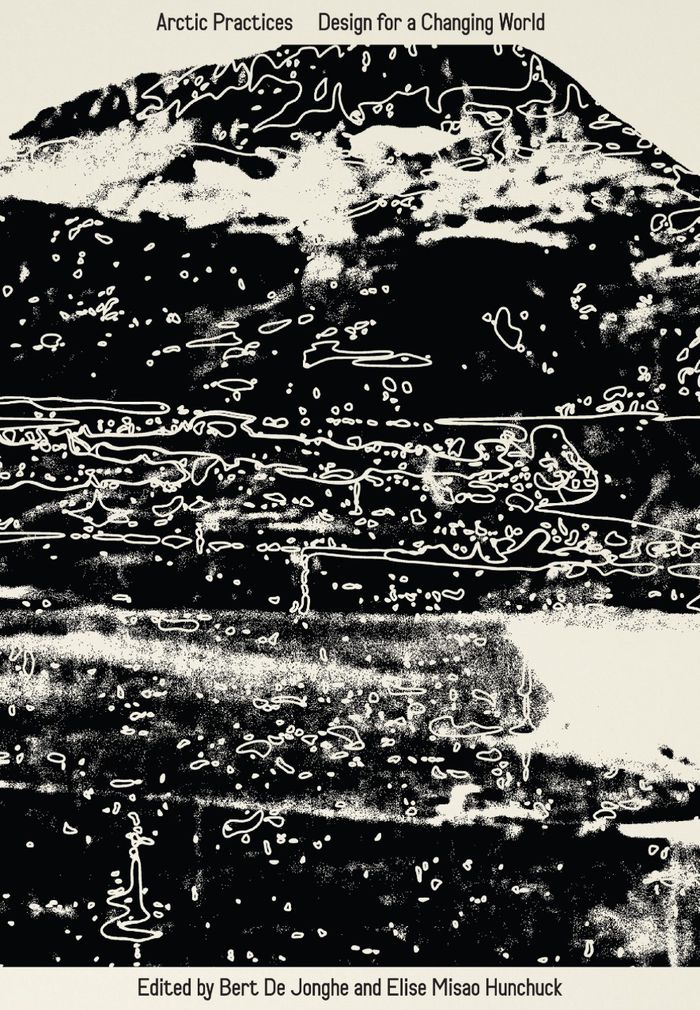
''Arctic Practices: Design for a Changing World'' emerges at a critical juncture wherein the very stability of Arctic ecosystems hangs in a precarious balance induced, almost entirely, by humans. This volume assembles forty-six contributors—designers, educators, artists, photographers, filmmakers, some Indigenous, some residents, and some visitors to the Circumpolar North—to create a polyvocal assembly of Arctic practices. ''Arctic Practices'' stands as both documentation and provocation—an attempt to record current practices while simultaneously imagining new possibilities for Arctic design in an age of crisis. By bringing diverse voices and perspectives together, this publication hopes to contribute to an emerging discourse that recognizes the urgency of climate action and the necessity of anticolonial practice in Arctic contexts.
Arctic practices: design for a changing world
Actions:
Price:
$64.95
(available in store)
Summary:
''Arctic Practices: Design for a Changing World'' emerges at a critical juncture wherein the very stability of Arctic ecosystems hangs in a precarious balance induced, almost entirely, by humans. This volume assembles forty-six contributors—designers, educators, artists, photographers, filmmakers, some Indigenous, some residents, and some visitors to the Circumpolar North—to create a polyvocal assembly of Arctic practices. ''Arctic Practices'' stands as both documentation and provocation—an attempt to record current practices while simultaneously imagining new possibilities for Arctic design in an age of crisis. By bringing diverse voices and perspectives together, this publication hopes to contribute to an emerging discourse that recognizes the urgency of climate action and the necessity of anticolonial practice in Arctic contexts.
Form:
books
books
Publication:
October 2025
October 2025
Subject:
Contemporary Architecture
Contemporary Architecture
Form:
audio
audio
Description:
1 online resource.
Author:
Subject:
Publication:
[Place of publication not identified] : Lateral Addition, 2018.
[Place of publication not identified] : Lateral Addition, 2018.
Title:
June 21, 2018 : Listening for Southwest Key in San Diego.
Actions:
Description:
1 online resource.
June 21, 2018 : Listening for Southwest Key in San Diego.
Actions:
Description:
1 online resource.
Form:
audio
audio
Publication:
[Place of publication not identified] : Lateral Addition, 2018.
[Place of publication not identified] : Lateral Addition, 2018.
Author:
Subject:
Form:
books
books
Actions:
Price:
$39.95
(available to order)
Summary:
In postwar France, the aesthetics of appropriation and collage gave cultural form to a struggle over meaning. A new wave of avant-garde experimentation used - or stole, plagiarized, and expropriated - elements from advertising, journalism, literature, art, and other sources of common discourse (the ironically named "beautiful language" of this book's title, itself an(...)
$39.95
(available to order)
Summary:
In postwar France, the aesthetics of appropriation and collage gave cultural form to a struggle over meaning. A new wave of avant-garde experimentation used - or stole, plagiarized, and expropriated - elements from advertising, journalism, literature, art, and other sources of common discourse (the ironically named "beautiful language" of this book's title, itself an(...)
Publication:
February 2007, Cambridge (MA)
February 2007, Cambridge (MA)
Title:
The beautiful language of my century : reinventing the language of contestation in postwar France, 1945-1968
Actions:
Price:
$39.95
(available to order)
Summary:
In postwar France, the aesthetics of appropriation and collage gave cultural form to a struggle over meaning. A new wave of avant-garde experimentation used - or stole, plagiarized, and expropriated - elements from advertising, journalism, literature, art, and other sources of common discourse (the ironically named "beautiful language" of this book's title, itself an appropriation from Guy Debord's collaged Mémoires). Redeployed, often in startling or pointed juxtapositions, these elements took on newly oppositional meanings. A famous photograph taken inside the occupied Sorbonne in May 1968, for example, shows a massive academic painting altered by a clever cartoonish speech bubble that transforms the painting into a parody of itself and memorializes an event very different from the one captured by the original artist."The beautiful language of my century" describes the various forms of critical culture that culminated in the events of May 1968, and investigates the ways those forms have come down to us today. McDonough explores the montage practice developed by Guy Debord and his situationist colleagues under the name of détournement and its expression in the later fifties as a form of cultural theft. He addresses the influence of colonialism on these practices, examining a 1961 exhibit of torn posters of the Algerian War ("La France déchirée"), Godard's early film Le Petit Soldat, and Christo's Project for a Temporary Wall of Steel Drums. He discusses the French left's adoption in the mid-sixties of the "end of art" as a theoretical position and describes the leftist idea of the fête as a Rabelaisian and revolutionary upwelling of everything that is low. This influential conception, inspired equally by the American urban revolts of the sixties and the writings of theorists Marcel Mauss and Georges Bataille, coalesced into a new image of revolution, a new model of contestation, in the events of May 1968 - when the struggle over language and culture merged with a broader resistance to capitalist modernization.
The beautiful language of my century : reinventing the language of contestation in postwar France, 1945-1968
Actions:
Price:
$39.95
(available to order)
Summary:
In postwar France, the aesthetics of appropriation and collage gave cultural form to a struggle over meaning. A new wave of avant-garde experimentation used - or stole, plagiarized, and expropriated - elements from advertising, journalism, literature, art, and other sources of common discourse (the ironically named "beautiful language" of this book's title, itself an appropriation from Guy Debord's collaged Mémoires). Redeployed, often in startling or pointed juxtapositions, these elements took on newly oppositional meanings. A famous photograph taken inside the occupied Sorbonne in May 1968, for example, shows a massive academic painting altered by a clever cartoonish speech bubble that transforms the painting into a parody of itself and memorializes an event very different from the one captured by the original artist."The beautiful language of my century" describes the various forms of critical culture that culminated in the events of May 1968, and investigates the ways those forms have come down to us today. McDonough explores the montage practice developed by Guy Debord and his situationist colleagues under the name of détournement and its expression in the later fifties as a form of cultural theft. He addresses the influence of colonialism on these practices, examining a 1961 exhibit of torn posters of the Algerian War ("La France déchirée"), Godard's early film Le Petit Soldat, and Christo's Project for a Temporary Wall of Steel Drums. He discusses the French left's adoption in the mid-sixties of the "end of art" as a theoretical position and describes the leftist idea of the fête as a Rabelaisian and revolutionary upwelling of everything that is low. This influential conception, inspired equally by the American urban revolts of the sixties and the writings of theorists Marcel Mauss and Georges Bataille, coalesced into a new image of revolution, a new model of contestation, in the events of May 1968 - when the struggle over language and culture merged with a broader resistance to capitalist modernization.
Form:
books
books
Publication:
February 2007, Cambridge (MA)
February 2007, Cambridge (MA)
Form:
books
books
Title:
Eco-operations
Eco-operations
Actions:
Price:
$88.00
(available to order)
Summary:
The climate change crisis has become part of aesthetic discourse and critical research in culture and the arts. Future-oriented, ecologically conceived possibilities for action are being explored by artists, curators, and scholars alike. eco-operations addresses these emerging aesthetic ecologies and new technologies of cooperation that both challenge and shape a(...)
$88.00
(available to order)
Summary:
The climate change crisis has become part of aesthetic discourse and critical research in culture and the arts. Future-oriented, ecologically conceived possibilities for action are being explored by artists, curators, and scholars alike. eco-operations addresses these emerging aesthetic ecologies and new technologies of cooperation that both challenge and shape a(...)
Title:
Eco-operations
Actions:
Price:
$88.00
(available to order)
Summary:
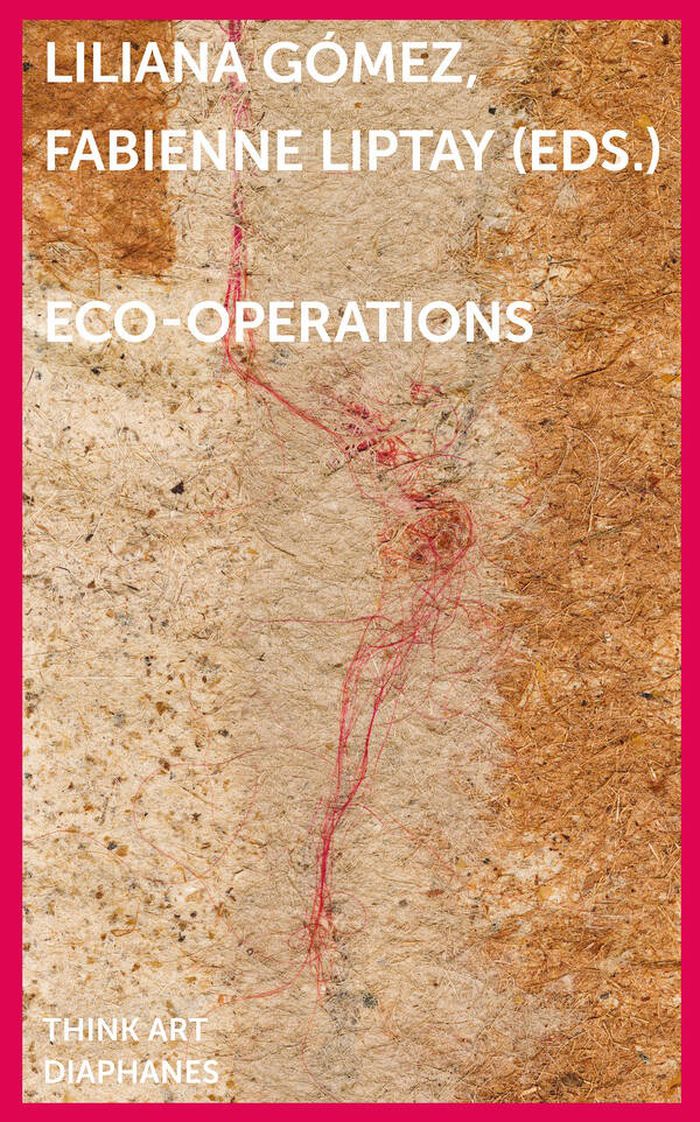
The climate change crisis has become part of aesthetic discourse and critical research in culture and the arts. Future-oriented, ecologically conceived possibilities for action are being explored by artists, curators, and scholars alike. eco-operations addresses these emerging aesthetic ecologies and new technologies of cooperation that both challenge and shape a sustainable future, foregrounding interruptions, ruptures, disconnections, dissonances, exclusions, and allochronism. Moving beyond the concepts of “flow” and “network” as a single, coherent (ecological or technological) system, "eco-operations" instead emphasizes the frictions within asynchronously running systems. The infrastructures and formats of artistic production and exhibition play a central role here, as they themselves constitute ecosystems that invite and regulate processes of sharing and exchange. Artists and activists are embedded in these ecosystems, in which they simultaneously intervene when searching for alternative ways of creating collaborative practice. Bringing together scholars, artists, writers, and curators, and working across a range of disciplines, "eco-operations" explores this field of tension between global and local ecologies and aims to speculate on where dissonances imply both creative potential and political challenges.
Eco-operations
Actions:
Price:
$88.00
(available to order)
Summary:
The climate change crisis has become part of aesthetic discourse and critical research in culture and the arts. Future-oriented, ecologically conceived possibilities for action are being explored by artists, curators, and scholars alike. eco-operations addresses these emerging aesthetic ecologies and new technologies of cooperation that both challenge and shape a sustainable future, foregrounding interruptions, ruptures, disconnections, dissonances, exclusions, and allochronism. Moving beyond the concepts of “flow” and “network” as a single, coherent (ecological or technological) system, "eco-operations" instead emphasizes the frictions within asynchronously running systems. The infrastructures and formats of artistic production and exhibition play a central role here, as they themselves constitute ecosystems that invite and regulate processes of sharing and exchange. Artists and activists are embedded in these ecosystems, in which they simultaneously intervene when searching for alternative ways of creating collaborative practice. Bringing together scholars, artists, writers, and curators, and working across a range of disciplines, "eco-operations" explores this field of tension between global and local ecologies and aims to speculate on where dissonances imply both creative potential and political challenges.
Form:
books
books
Publication:
March 2025
March 2025
Subject:
Architecture ecologies
Architecture ecologies
Form:
books
books
Actions:
Price:
$94.95
(available to order)
Summary:
Paradigms in Computing: Making, Machines, and Models for Design Agency in Architecture brings together critical, theoretical, and practical research and design that illustrates the plurality of computing approaches within the broad spectrum of design and mediated practices. It is an interrogation of our primary field of architecture through the lens of computing, and yet(...)
$94.95
(available to order)
Summary:
Paradigms in Computing: Making, Machines, and Models for Design Agency in Architecture brings together critical, theoretical, and practical research and design that illustrates the plurality of computing approaches within the broad spectrum of design and mediated practices. It is an interrogation of our primary field of architecture through the lens of computing, and yet(...)
Subject:
Contemporary Architecture
Contemporary Architecture
Publication:
December 2015
December 2015
Title:
Paradigms in computing: making, machines and models for design agency in architecture
Actions:
Price:
$94.95
(available to order)
Summary:
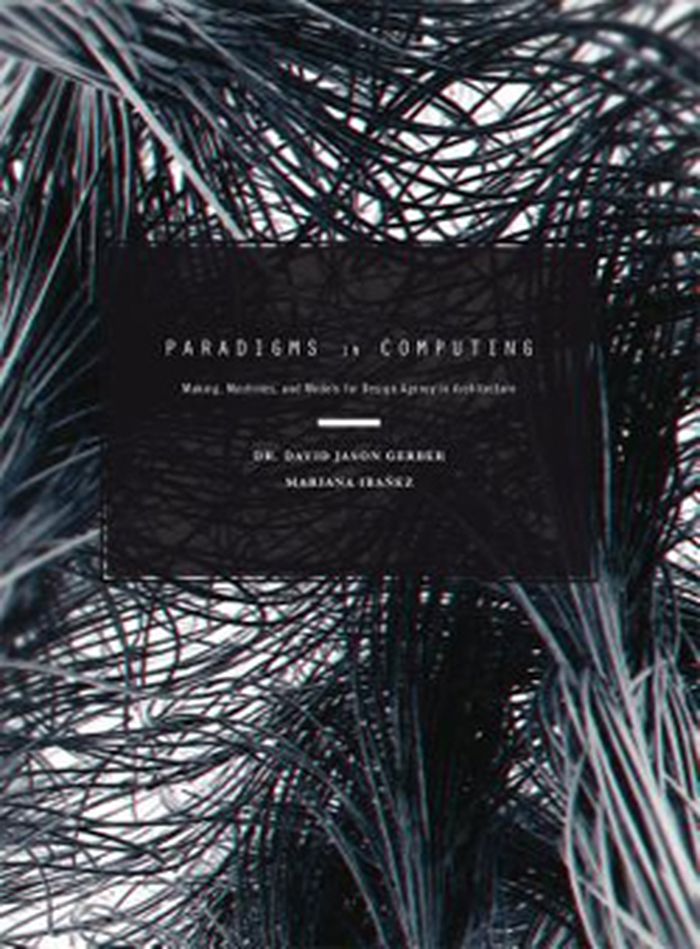
Paradigms in Computing: Making, Machines, and Models for Design Agency in Architecture brings together critical, theoretical, and practical research and design that illustrates the plurality of computing approaches within the broad spectrum of design and mediated practices. It is an interrogation of our primary field of architecture through the lens of computing, and yet one that realizes a productive expanding of our métier’s definition and boundaries. It is a compilation that purposefully promotes architecture’s disciplinary reach and incorporations beyond the design and construction of buildings and cities. The book offers a glimpse into the wide range of positions and experiences that are shaping practice and discourse today. The work included in Paradigms in Computing is evidence that models for enquiry are many and proliferating. As digitalization and computation continue to infuse our processes with new tools and new design environments, some of the trends collected in this book will continue to be central to the production and speculation of architecture, and others will, in retrospect, be recognized as the seeds of new, or perhaps multiple, paradigms.
Paradigms in computing: making, machines and models for design agency in architecture
Actions:
Price:
$94.95
(available to order)
Summary:
Paradigms in Computing: Making, Machines, and Models for Design Agency in Architecture brings together critical, theoretical, and practical research and design that illustrates the plurality of computing approaches within the broad spectrum of design and mediated practices. It is an interrogation of our primary field of architecture through the lens of computing, and yet one that realizes a productive expanding of our métier’s definition and boundaries. It is a compilation that purposefully promotes architecture’s disciplinary reach and incorporations beyond the design and construction of buildings and cities. The book offers a glimpse into the wide range of positions and experiences that are shaping practice and discourse today. The work included in Paradigms in Computing is evidence that models for enquiry are many and proliferating. As digitalization and computation continue to infuse our processes with new tools and new design environments, some of the trends collected in this book will continue to be central to the production and speculation of architecture, and others will, in retrospect, be recognized as the seeds of new, or perhaps multiple, paradigms.
Form:
books
books
Publication:
December 2015
December 2015
Subject:
Contemporary Architecture
Contemporary Architecture
Form:
books
books
Price:
$35.95
(available to order)
Summary:
The "ruins" of the modern era are the landmarks of recent art’s turn toward site and situation, history and memory. The abiding interest of artists in ruination and decay has led in particular to the concept of the modern ruin - an ambiguous site of artistic and architectural modernism, personal and collective memories, and the cultural afterlife of eras such as those of(...)
$35.95
(available to order)
Summary:
The "ruins" of the modern era are the landmarks of recent art’s turn toward site and situation, history and memory. The abiding interest of artists in ruination and decay has led in particular to the concept of the modern ruin - an ambiguous site of artistic and architectural modernism, personal and collective memories, and the cultural afterlife of eras such as those of(...)
Title:
Ruins
Actions:
Price:
$35.95
(available to order)
Summary:
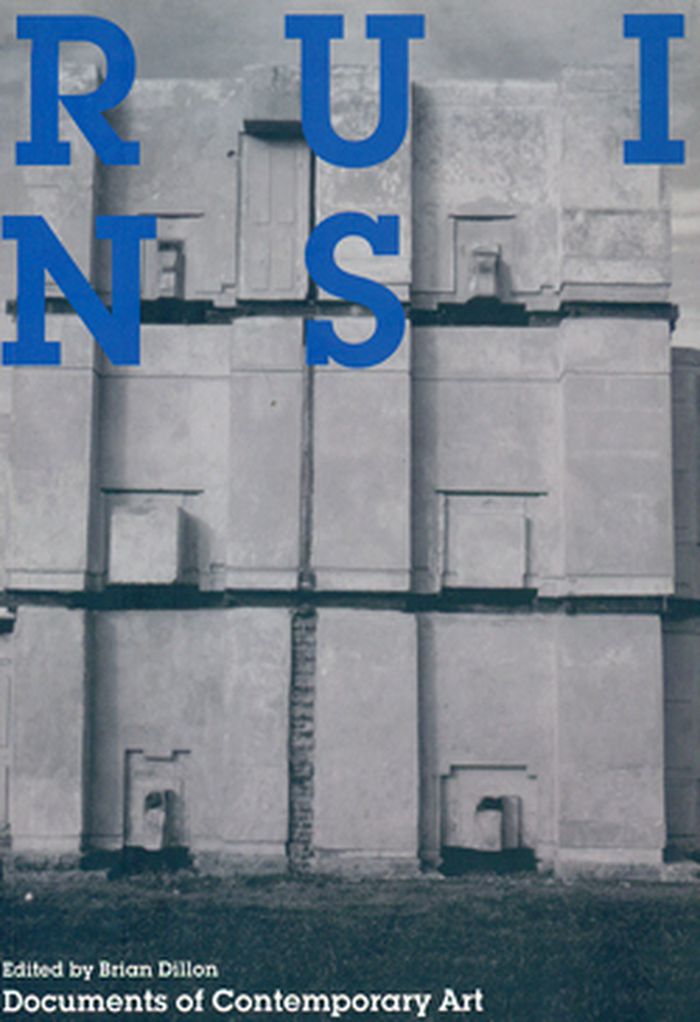
The "ruins" of the modern era are the landmarks of recent art’s turn toward site and situation, history and memory. The abiding interest of artists in ruination and decay has led in particular to the concept of the modern ruin - an ambiguous site of artistic and architectural modernism, personal and collective memories, and the cultural afterlife of eras such as those of state communism and colonialism. Contemporary art’s explorations of the ruin can evoke on the one hand diverse experiences of nostalgia and on the other a ceaselessly renewed encounter with catastrophes of the recent past and apprehensions of the future. For every relic of a harmonious era or utopian dream stands another recalling industrial decline, environmental disaster, and the depredations of war. This anthology provides a comprehensive survey of the contemporary ruin in cultural discourse, aesthetics, and artistic practice. It examines the development of ruin aesthetics from the early modern era to the present; the ruin as a privileged emblem of modernity’s decline; the relic as a portal onto the political history of the recent past; the destruction and decline of cities and landscapes, with the emergence of "non-places" and “drosscape”; the symbolism of the entropic and decayed in critical environmentalism; and the confusing temporalities of the ruin in recent art - its involution of timescales and perspectives as it addresses not just the past but the future.
Ruins
Actions:
Price:
$35.95
(available to order)
Summary:
The "ruins" of the modern era are the landmarks of recent art’s turn toward site and situation, history and memory. The abiding interest of artists in ruination and decay has led in particular to the concept of the modern ruin - an ambiguous site of artistic and architectural modernism, personal and collective memories, and the cultural afterlife of eras such as those of state communism and colonialism. Contemporary art’s explorations of the ruin can evoke on the one hand diverse experiences of nostalgia and on the other a ceaselessly renewed encounter with catastrophes of the recent past and apprehensions of the future. For every relic of a harmonious era or utopian dream stands another recalling industrial decline, environmental disaster, and the depredations of war. This anthology provides a comprehensive survey of the contemporary ruin in cultural discourse, aesthetics, and artistic practice. It examines the development of ruin aesthetics from the early modern era to the present; the ruin as a privileged emblem of modernity’s decline; the relic as a portal onto the political history of the recent past; the destruction and decline of cities and landscapes, with the emergence of "non-places" and “drosscape”; the symbolism of the entropic and decayed in critical environmentalism; and the confusing temporalities of the ruin in recent art - its involution of timescales and perspectives as it addresses not just the past but the future.
Form:
books
books
Publication:
September 2011
September 2011
Subject:
Art Theory
Art Theory
Form:
books
books
Actions:
Price:
$90.00
(available to order)
Summary:
Le Corbusier's first trip to the United States in 1935 is generally considered a failure because it produced no commissions. The experience nevertheless had a profound effect on him, both personally and professionally. Sponsored by the Museum of Modern Art in New York, Le Corbusier promoted his ideas through a lecture tour, exhibition, and press conferences, as well as in(...)
$90.00
(available to order)
Summary:
Le Corbusier's first trip to the United States in 1935 is generally considered a failure because it produced no commissions. The experience nevertheless had a profound effect on him, both personally and professionally. Sponsored by the Museum of Modern Art in New York, Le Corbusier promoted his ideas through a lecture tour, exhibition, and press conferences, as well as in(...)
Subject:
Architecture Monographs
Architecture Monographs
Publication:
May 2001, Cambridge, Mass.
May 2001, Cambridge, Mass.
Title:
Le Corbusier in America : travels in the land of the timid
Actions:
Price:
$90.00
(available to order)
Summary:
Le Corbusier's first trip to the United States in 1935 is generally considered a failure because it produced no commissions. The experience nevertheless had a profound effect on him, both personally and professionally. Sponsored by the Museum of Modern Art in New York, Le Corbusier promoted his ideas through a lecture tour, exhibition, and press conferences, as well as in meetings with industrialists, housing reformers, New Deal technocrats, and editors. His lectures were watershed events that advanced the cause of European modernism. Yet he returned to France empty-handed and published a bittersweet account, "Quand les cathédrales étaient blanches: voyage au pays des timides" ("When the Cathedrals Were White: Journey to the Country of Timid People"), which faulted America for lacking the courage to adopt his ideas. In this first major study of Le Corbusier's American tour, Mardges Bacon reconstructs his encounter with America in all its fascinating detail. Through extensive archival research and interviews, she presents a critical history of the tour as well as a nuanced and intimate portrait of the architect. Drawing on the methods of microhistory, she also considers how small ordinary events affect larger biographical, architectural, and cultural developments. Bacon notes that Le Corbusier's dialogue with America was drafted within a spirited European discourse on américanisme. She contends that the trip validated his concept of a "second machine age" that would unite standardized industrial methods with a new humanism. Le Corbusier's subsequent work, she suggests, reflected an "Americanization," evidenced by the introduction of tension structures and the textured skyscraper conceived as an integrated system with functions articulated. She also defines Le Corbusier's role in the debate over New York City high-rise public housing. Appearing here in print for the first time are color reproductions of the pastel drawings that illustrated Le Corbusier's American lectures.
Le Corbusier in America : travels in the land of the timid
Actions:
Price:
$90.00
(available to order)
Summary:
Le Corbusier's first trip to the United States in 1935 is generally considered a failure because it produced no commissions. The experience nevertheless had a profound effect on him, both personally and professionally. Sponsored by the Museum of Modern Art in New York, Le Corbusier promoted his ideas through a lecture tour, exhibition, and press conferences, as well as in meetings with industrialists, housing reformers, New Deal technocrats, and editors. His lectures were watershed events that advanced the cause of European modernism. Yet he returned to France empty-handed and published a bittersweet account, "Quand les cathédrales étaient blanches: voyage au pays des timides" ("When the Cathedrals Were White: Journey to the Country of Timid People"), which faulted America for lacking the courage to adopt his ideas. In this first major study of Le Corbusier's American tour, Mardges Bacon reconstructs his encounter with America in all its fascinating detail. Through extensive archival research and interviews, she presents a critical history of the tour as well as a nuanced and intimate portrait of the architect. Drawing on the methods of microhistory, she also considers how small ordinary events affect larger biographical, architectural, and cultural developments. Bacon notes that Le Corbusier's dialogue with America was drafted within a spirited European discourse on américanisme. She contends that the trip validated his concept of a "second machine age" that would unite standardized industrial methods with a new humanism. Le Corbusier's subsequent work, she suggests, reflected an "Americanization," evidenced by the introduction of tension structures and the textured skyscraper conceived as an integrated system with functions articulated. She also defines Le Corbusier's role in the debate over New York City high-rise public housing. Appearing here in print for the first time are color reproductions of the pastel drawings that illustrated Le Corbusier's American lectures.
Form:
books
books
Publication:
May 2001, Cambridge, Mass.
May 2001, Cambridge, Mass.
Subject:
Architecture Monographs
Architecture Monographs
Form:
books
books
Price:
$58.50
(available in store)
Summary:
This book examines the ways in which a historic, and so-called 'traditional' city quietly mutated into one that was modern in its own terms not only in form but also in its use and meaning. Through a study of Delhi, the author challenges some prevalent dichotomies and myths in architecture and urbanism and identifies an interpretation of modernism that expands upon(...)
$58.50
(available in store)
Summary:
This book examines the ways in which a historic, and so-called 'traditional' city quietly mutated into one that was modern in its own terms not only in form but also in its use and meaning. Through a study of Delhi, the author challenges some prevalent dichotomies and myths in architecture and urbanism and identifies an interpretation of modernism that expands upon(...)
Publication:
April 2005, London
April 2005, London
Title:
Indigenous modernities : negotiating architecture and urbanism
Actions:
Price:
$58.50
(available in store)
Summary:
This book examines the ways in which a historic, and so-called 'traditional' city quietly mutated into one that was modern in its own terms not only in form but also in its use and meaning. Through a study of Delhi, the author challenges some prevalent dichotomies and myths in architecture and urbanism and identifies an interpretation of modernism that expands upon conventional understandings of it. Conventional discourse in the West defines modern as the antithesis of that which is 'not-modern' or is 'traditional.' Many scholars have debated the significance of the words and most agree that the very word 'tradition' was a modernist creation that variously implied backwardness, threatened by change, resistance to innovation. The first part of this book reflects on the transformations and discontinuities in built form and spatial culture and calls into question accepted notions of the static nature of what is normally referred to as 'traditional' and 'non-Western' architecture. The second part is a critical discussion of Delhi in the nineteenth and early twentieth centuries. It expands upon conventional understandings of modernity in a way that wrenches free the city's architecture and the society from the objectified realm of the exotic while also acknowledging cultural conditions of modernity and modern architecture outside the West. Stepping outside Western canons, this project looks at late nineteenth and early twentieth century architecture to include them in a conversation on architecture that has typically focused on Western Europe and North America. Finally, the author seeks out the 'indigenous modernities': the irregular, the uneven, and the unexpected in what uncritical observers might label a perfectly coherent 'traditional' built environment; or in the influence of local society and institutions on forms that appear modern by conventional standards in the West.
Indigenous modernities : negotiating architecture and urbanism
Actions:
Price:
$58.50
(available in store)
Summary:
This book examines the ways in which a historic, and so-called 'traditional' city quietly mutated into one that was modern in its own terms not only in form but also in its use and meaning. Through a study of Delhi, the author challenges some prevalent dichotomies and myths in architecture and urbanism and identifies an interpretation of modernism that expands upon conventional understandings of it. Conventional discourse in the West defines modern as the antithesis of that which is 'not-modern' or is 'traditional.' Many scholars have debated the significance of the words and most agree that the very word 'tradition' was a modernist creation that variously implied backwardness, threatened by change, resistance to innovation. The first part of this book reflects on the transformations and discontinuities in built form and spatial culture and calls into question accepted notions of the static nature of what is normally referred to as 'traditional' and 'non-Western' architecture. The second part is a critical discussion of Delhi in the nineteenth and early twentieth centuries. It expands upon conventional understandings of modernity in a way that wrenches free the city's architecture and the society from the objectified realm of the exotic while also acknowledging cultural conditions of modernity and modern architecture outside the West. Stepping outside Western canons, this project looks at late nineteenth and early twentieth century architecture to include them in a conversation on architecture that has typically focused on Western Europe and North America. Finally, the author seeks out the 'indigenous modernities': the irregular, the uneven, and the unexpected in what uncritical observers might label a perfectly coherent 'traditional' built environment; or in the influence of local society and institutions on forms that appear modern by conventional standards in the West.
Form:
books
books
Publication:
April 2005, London
April 2005, London
Form:
books
books
Actions:
Price:
$20.95
(available in store)
Summary:
In December 2006, close to Zurich airport, Opfikerpark was completed after a construction period of 79 weeks. Central element of the park is a concrete sculpture, over 500m-long, accommodating a lake surrounded by sandy beaches and a reed belt. The idea for the design of the park was the result of an international competition initiated in 2001 and won by Berlin practice(...)
$20.95
(available in store)
Summary:
In December 2006, close to Zurich airport, Opfikerpark was completed after a construction period of 79 weeks. Central element of the park is a concrete sculpture, over 500m-long, accommodating a lake surrounded by sandy beaches and a reed belt. The idea for the design of the park was the result of an international competition initiated in 2001 and won by Berlin practice(...)
Subject:
Landscape Architecture, Monographs
Landscape Architecture, Monographs
Publication:
July 2007, Berlin
July 2007, Berlin
Title:
79 KW Zurich : building Opfikerpark
Actions:
Price:
$20.95
(available in store)
Summary:
In December 2006, close to Zurich airport, Opfikerpark was completed after a construction period of 79 weeks. Central element of the park is a concrete sculpture, over 500m-long, accommodating a lake surrounded by sandy beaches and a reed belt. The idea for the design of the park was the result of an international competition initiated in 2001 and won by Berlin practice Kiefer. As the second exhibition at gallery AedesLand, this project will be introduced in June 2007. Contrary to the usual approach, the exhibition does not aim to present an already completed construction but rather make transparent the process of creation and realization of the building project ‘opfikerpark’. The efforts and challenges to create a complex and outstanding structure, which were faced by client, planners, engineers as well as executing contractors, shall be recorded in a commented illustration of the construction work. Building sites are temporary production sites involving a multitude of disciplines and trades which need to be coordinated. The exhibition reflects the progressing technological, organizational and design process as well as the objective and subjective influences in effect and thus aims to convey a realistic image of the building activities. Photographer Hanns Joosten has documented the construction progress at regular intervals. His high-quality, large-scale images communicate the special aesthetics of a building site in all its diversity and affect the atmosphere of the exhibition. The whole exhibition space will be part of the exhibition, even floors and ceilings. In addition, a media installation explains the progress of constructing Opfikerpark where viewpoints of diverse disciplines and participants meet. The players get a chance to speak and express their personal perspective on the building process with spoken commentaries. How is a large park constructed? How does a building site work? What do you need so many planners for? And how do they work together? Based on these questions, spontaneous contributions shall throw a critical and ironic light on the expert discourse.
79 KW Zurich : building Opfikerpark
Actions:
Price:
$20.95
(available in store)
Summary:
In December 2006, close to Zurich airport, Opfikerpark was completed after a construction period of 79 weeks. Central element of the park is a concrete sculpture, over 500m-long, accommodating a lake surrounded by sandy beaches and a reed belt. The idea for the design of the park was the result of an international competition initiated in 2001 and won by Berlin practice Kiefer. As the second exhibition at gallery AedesLand, this project will be introduced in June 2007. Contrary to the usual approach, the exhibition does not aim to present an already completed construction but rather make transparent the process of creation and realization of the building project ‘opfikerpark’. The efforts and challenges to create a complex and outstanding structure, which were faced by client, planners, engineers as well as executing contractors, shall be recorded in a commented illustration of the construction work. Building sites are temporary production sites involving a multitude of disciplines and trades which need to be coordinated. The exhibition reflects the progressing technological, organizational and design process as well as the objective and subjective influences in effect and thus aims to convey a realistic image of the building activities. Photographer Hanns Joosten has documented the construction progress at regular intervals. His high-quality, large-scale images communicate the special aesthetics of a building site in all its diversity and affect the atmosphere of the exhibition. The whole exhibition space will be part of the exhibition, even floors and ceilings. In addition, a media installation explains the progress of constructing Opfikerpark where viewpoints of diverse disciplines and participants meet. The players get a chance to speak and express their personal perspective on the building process with spoken commentaries. How is a large park constructed? How does a building site work? What do you need so many planners for? And how do they work together? Based on these questions, spontaneous contributions shall throw a critical and ironic light on the expert discourse.
Form:
books
books
Publication:
July 2007, Berlin
July 2007, Berlin
Subject:
Landscape Architecture, Monographs
Landscape Architecture, Monographs


