


2586 Results
Form:
books
books
Actions:
Price:
$46.00
(available to order)
Summary:
The pressure is on: people move to cities in ever-growing numbers. So we build new neighborhoods, we transform old industrial areas and renew the existing city. Right now, the focus lies on energy-neutral neighborhoods. But in order for these new neighborhoods to really work, residents need to be engaged and the tactics need to be embedded within a larger social policy.(...)
Title:
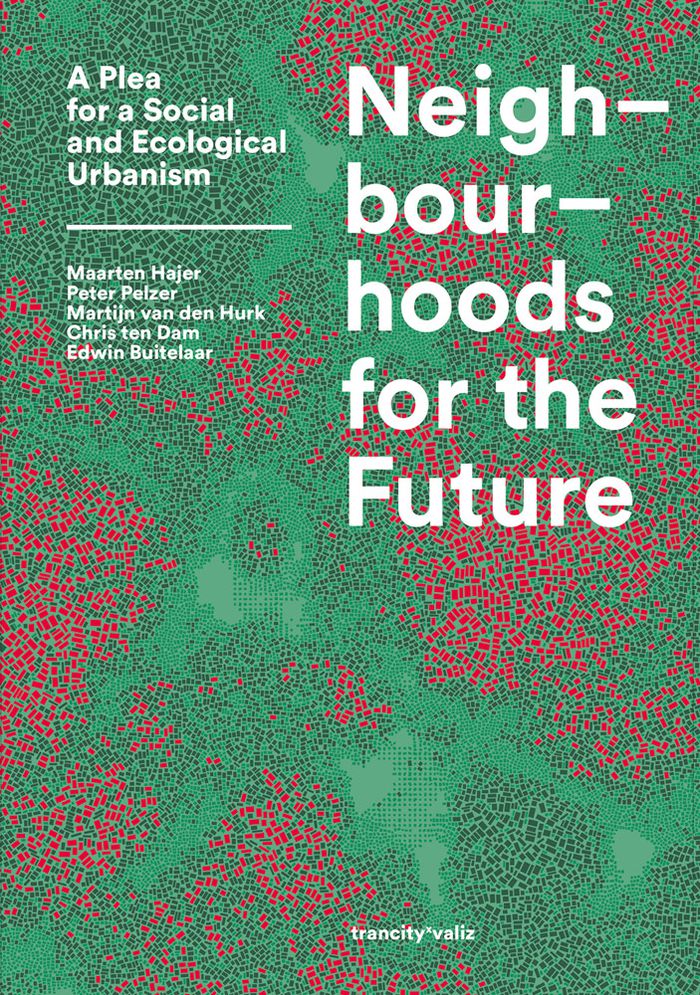
Neighbourhoods for the future: a plea for a sociological and ecological urbanism
Actions:
Price:
$46.00
(available to order)
Summary:
The pressure is on: people move to cities in ever-growing numbers. So we build new neighborhoods, we transform old industrial areas and renew the existing city. Right now, the focus lies on energy-neutral neighborhoods. But in order for these new neighborhoods to really work, residents need to be engaged and the tactics need to be embedded within a larger social policy. Only then do thriving cities arise. ''Neighbourhoods for the future'' revisits the neighborhood as the designated scale and arena to build our urban futures. The neighborhood is small enough to be tangible, yet big enough to make an actual difference. Introducing the concepts of neighborhood arrangements and ecologies, this book provides a new perspective on the relation between participants, resources and rules to spark change and prepare urbanites and policymakers for realizing their own sustainable neighborhoods for the future.
Form:
books
books
Publication:
February 2021
February 2021
Form:
books
books

Price:
$34.95
(available to order)
Summary:
Far from being a staid survey of an art historical practice, “Freedom of the Presses” intervenes in an ongoing discussion about art and activism in the present day by considering the place of the art book in the 21st century. The publisher, Booklyn, has been involved in this conversation since 1999, when a group of six artists decided to band together to promote(...)
Title:
Freedom of the presses: Artists' books in the twenty-first century
Actions:
Price:
$34.95
(available to order)
Summary:
Far from being a staid survey of an art historical practice, “Freedom of the Presses” intervenes in an ongoing discussion about art and activism in the present day by considering the place of the art book in the 21st century. The publisher, Booklyn, has been involved in this conversation since 1999, when a group of six artists decided to band together to promote contemporary artists’ books and publications. This restless energy is present in Freedom of the Presses, which brings together a provocative mix of humorous, intimate and scholarly writing in order to expand how we think about the concept, content, design, production and distribution of artists’ and activists’ publications today. Aimed at a global community of librarians, publishers and readers, it offers models of how to reimagine contemporary artists’ bookmaking as a socially engaged, political practice.
Form:
books
books
Publication:
January 2019
January 2019
Subject:
Book Design
Book Design
Form:
books
books

Price:
$46.95
(available to order)
Summary:
Cities are the affirmation of civilisation and human inventiveness. They are at once fragile organisms in constant need of care and battlegrounds of conflicting interests. A Smart Guide to Utopia showcases 111 projects, initiaves and ideas from all over Europe that make our cities better. Whether it be an underground waste disposal system in Barcelona or a public swimming(...)
Title:
A smart guide to utopia: 111 inspiring ideas for a better city
Actions:
Price:
$46.95
(available to order)
Summary:
Cities are the affirmation of civilisation and human inventiveness. They are at once fragile organisms in constant need of care and battlegrounds of conflicting interests. A Smart Guide to Utopia showcases 111 projects, initiaves and ideas from all over Europe that make our cities better. Whether it be an underground waste disposal system in Barcelona or a public swimming pool converted into an arts centre in Berlin, a self-sufficient urban garden or solar-powered pop-up restaurant travelling with the sun, a building printer or a zero-packaging supermarket, this book celebrates the energy and imagination of people who want to make their cities a little more fun, clean, friendly, green and above all, restore a sense of community. Our cities belong to us, and they depend on us. Only we can make them worth living in.
Form:
books
books
Publication:
September 2012
September 2012
Subject:
Urban Theory
Urban Theory
Form:
books
books

Actions:
Price:
$22.95
(available to order)
Summary:
Many of the stately greystones that line Chicago’s streets and boulevards have fallen into disrepair, but there is now a movement afoot to renovate these beautiful historic structures. Three experts in the field of Chicago housing and architecture now offer an accessible guide to properly renovating the Chicago greystone. In clear and comprehensive chapters, the authors(...)
Publication:
January 2008, Chicago
January 2008, Chicago
Title:
The Historic Chicago Greystone: a user's guide for renovating and maintaining your home
Actions:
Price:
$22.95
(available to order)
Summary:
Many of the stately greystones that line Chicago’s streets and boulevards have fallen into disrepair, but there is now a movement afoot to renovate these beautiful historic structures. Three experts in the field of Chicago housing and architecture now offer an accessible guide to properly renovating the Chicago greystone. In clear and comprehensive chapters, the authors explain the technical aspects of inspecting, maintaining, and restoring a greystone home. They outline four levels of building restoration conditions—Maintainer, Fixer-Upper, Rehabber, and Total Gut—and chart the step-by-step renovation procedures for each level of restoration. The book effectively educates greystone owners on restoration methods that are cost-effective, energy-efficient, financially sustainable, and historically aware. The Historic Chicago Greystone provides an essential and unparalleled guide to the maintenance and restoration of these treasured Chicago dwellings.
Form:
books
books
Publication:
January 2008, Chicago
January 2008, Chicago
Form:
books
books
Actions:
Price:
$37.50
(available to order)
Summary:
Straw bale houses are easy to build, inexpensive, energy efficient, environmentally friendly, attractive, and, most of all, can be designed to match the builder's personal space needs, aesthetics, and budget. It's no wonder that straw bale houses are growing in popularity. In "Straw Bale Building," professional bale builders Peter Mack and Chris Magwood lead the potential(...)
Subject:
Green Architecture
Green Architecture
Publication:
November 1999, Gabriola Island, BC
November 1999, Gabriola Island, BC
Title:
Straw bale building : how to plan, design & build with straw
Actions:
Price:
$37.50
(available to order)
Summary:
Straw bale houses are easy to build, inexpensive, energy efficient, environmentally friendly, attractive, and, most of all, can be designed to match the builder's personal space needs, aesthetics, and budget. It's no wonder that straw bale houses are growing in popularity. In "Straw Bale Building," professional bale builders Peter Mack and Chris Magwood lead the potential builder through the entire process of building a bale structure, tackling all the practical issues from how to find and choose bales; developing sound building plans; costs; roofing; electrical, plumbing, and heating systems; building code compliance and working with building inspectors; and special concerns for builders in northern climates. Peter Mack and Chris Magwood are professional bale house builders. Together they have constructed 15 straw bale houses and structures. They teach a popular, on-going straw bale building workshop in Ontario, Canada.
Form:
books
books
Publication:
November 1999, Gabriola Island, BC
November 1999, Gabriola Island, BC
Subject:
Green Architecture
Green Architecture
Form:
books
books
Title:
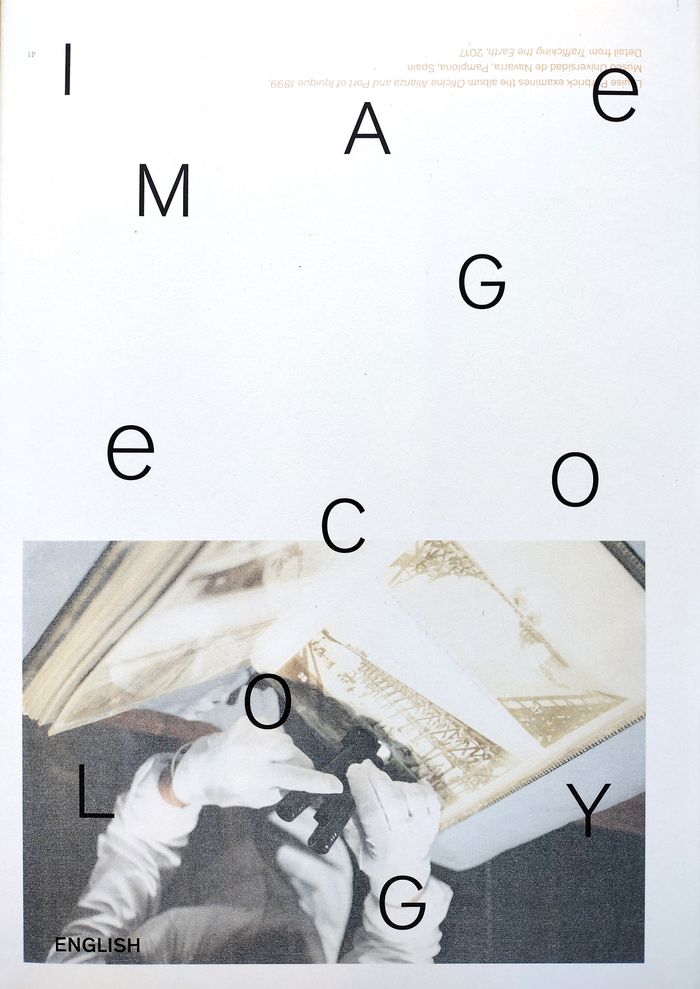
Image ecology
Image ecology
Actions:
Price:
$65.00
(available in store)
Summary:
A survey of contemporary image-making, "Image ecology" marks the beginning of a long-term consideration of nature and ecology in current fine art photography through shows at C/O Berlin. In an attempt to document the systemic causes of the climate crisis, the works included in this volume explore their own material and social conditions. The 12 contemporary artists(...)
Title:
Image ecology
Actions:
Price:
$65.00
(available in store)
Summary:
A survey of contemporary image-making, "Image ecology" marks the beginning of a long-term consideration of nature and ecology in current fine art photography through shows at C/O Berlin. In an attempt to document the systemic causes of the climate crisis, the works included in this volume explore their own material and social conditions. The 12 contemporary artists featured employ experimental and traditional historical processes as well as new technologies. "Image ecology" dissects photography as an ecological practice, a medium that is defined as much by the nexus of material, labor, energy and waste that its production and circulation require as by what it represents. Featuring an extensive essay by environmental historian Jason W. Moore, and contributions by over a dozen international writers, the book even unpacks its own production process: from material supply chains and working conditions to wrapping and postage.
Form:
books
books
Publication:
May 2024
May 2024
Subject:
Photography Collections
Photography Collections
Form:
books
books
Actions:
Price:
$4.99
(available to order)
Summary:
"Geothermal Larderello" investigates contemporary urbanism by looking at the evolution of human settlement patterns in relation to geothermal energy in Larderello, Italy. Larderello is "off the map," and virtually unknown to Tuscan residents and tourists, but is one of the world's centers of geothermal power research. Alternative futures for this industrial town, which(...)
Subject:
sale books
sale books
Publication:
September 2005, New York
September 2005, New York
Title:
Geothermal Larderello : Tuscany, Italy
Actions:
Price:
$4.99
(available to order)
Summary:
"Geothermal Larderello" investigates contemporary urbanism by looking at the evolution of human settlement patterns in relation to geothermal energy in Larderello, Italy. Larderello is "off the map," and virtually unknown to Tuscan residents and tourists, but is one of the world's centers of geothermal power research. Alternative futures for this industrial town, which was planned by Giovanni Michelucci in the 1950s, are discussed within the context of sustainability, economics, programming, and environment. In ancient times, the Valley de Cecina was home to a spa and renowned for its healing thermal waters, while in the modern era, this steam was harnessed to generate electricity for district heating and for other uses. Larderello, with its unique landscape of agricultural fields, olive trees, cooling towers, and miles of above-ground steam pipes, is a case study for the possible confluence of geothermal power and urban design issues.
Form:
books
books
Publication:
September 2005, New York
September 2005, New York
Subject:
sale books
sale books
Form:
books
books
Title:
Architecture for Benetton
Architecture for Benetton
Actions:
Price:
$110.00
(available to order)
Summary:
Because United Colors of Benetton’s core business is clothing, the contemporary culture of design plays an important role in the group’s activity, including its corporate architecture. Benetton’s international brand style - combining colour, energy, and practicality - can be seen first in its buildings. In 1964, long before it was fashionable for designers to employ(...)
Subject:
Commercial interiors, Building types
Commercial interiors, Building types
Publication:
May 2005, Milan
May 2005, Milan
Title:
Architecture for Benetton
Actions:
Price:
$110.00
(available to order)
Summary:
Because United Colors of Benetton’s core business is clothing, the contemporary culture of design plays an important role in the group’s activity, including its corporate architecture. Benetton’s international brand style - combining colour, energy, and practicality - can be seen first in its buildings. In 1964, long before it was fashionable for designers to employ brand-name architects, Lucianno Benetton chose two very young and ambitious architects, Afra and Tobia Scarpa, to design his first textile factory. This project marked the beginning of a vision of architecture aimed at enhancing the workplace: an architecture where image and substance come together. This unique book, brilliantly designed by Massimo Vignelli, brings together all of the Benetton buildings, including plans, 500 colour illustrations, superb photographs by Antonia Mulas, an interview with Luciano Benetton, and a chapter dedicated to Tadao Ando’s Fabrica building. With text in English, French, Spanish, German, and Japanese.
Form:
books
books
Publication:
May 2005, Milan
May 2005, Milan
Subject:
Commercial interiors, Building types
Commercial interiors, Building types
Form:
books
books

Actions:
Price:
$21.48
(available to order)
Summary:
This issue of Harvard Design Magazine investigates and unpacks the contents, containers, and systems of storage that organize our world. Storage is the aggregation and containment of the material and immaterial stuff of culture; but also the safeguarding—or hoarding—of energy and tools for some imagined future purpose. How does all this stuff mask or overcompensate for(...)
Title:
Harvard Design magazine 43: shelf life
Actions:
Price:
$21.48
(available to order)
Summary:
This issue of Harvard Design Magazine investigates and unpacks the contents, containers, and systems of storage that organize our world. Storage is the aggregation and containment of the material and immaterial stuff of culture; but also the safeguarding—or hoarding—of energy and tools for some imagined future purpose. How does all this stuff mask or overcompensate for economic and ecological bankruptcy? Is storage about greed or need? Storage, perhaps, is everything we can live without but insist on living with. "Shelf Life" explores what’s inside the box (shed, tank, urn, vault, crypt, crate, case, pot, bag, vat, morgue, safe, bin, archive, warehouse, cabinet, cellar, cemetery, depository, locker, freezer, landfill, library). Even as we attempt to reduce and recycle, the stuff that we dispose of also needs to be stored. Where do we put it? Our planet is now a saturated receptacle. This warehouse is full, and we’re all inside it.
Form:
books
books
Publication:
January 2017
January 2017
Subject:
Magazines
Magazines
Form:
books
books
Actions:
Price:
$25.95
(available to order)
Summary:
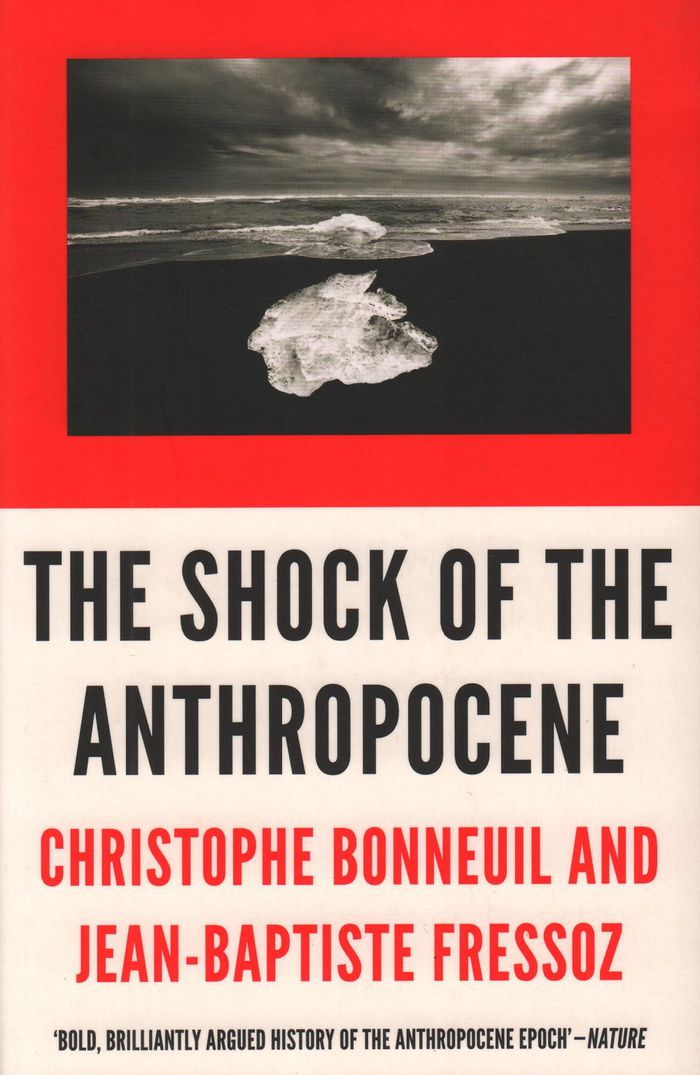
The Earth has entered a new epoch: the Anthropocene. What we are facing is not only an environmental crisis, but a geological revolution of human origin. In two centuries, our planet has tipped into a state unknown for millions of years. How did we get to this point? Refuting the convenient view of a “human species” that upset the Earth system, unaware of what it was(...)
Subject:
Environment and environmental theory
Environment and environmental theory
Publication:
April 2017
April 2017
Title:
The shock of the anthropocene: the earth, history and us
Actions:
Price:
$25.95
(available to order)
Summary:
The Earth has entered a new epoch: the Anthropocene. What we are facing is not only an environmental crisis, but a geological revolution of human origin. In two centuries, our planet has tipped into a state unknown for millions of years. How did we get to this point? Refuting the convenient view of a “human species” that upset the Earth system, unaware of what it was doing, this book proposes the first critical history of the Anthropocene, shaking up many accepted ideas: about our supposedly recent “environmental awareness,” about previous challenges to industrialism, about the manufacture of ignorance and consumerism, about so-called energy transitions, as well as about the role of the military in environmental destruction. In a dialogue between science and history, The Shock of the Anthropocene dissects a new theoretical buzzword and explores paths for living and acting politically in this rapidly developing geological epoch.
Form:
books
books
Publication:
April 2017
April 2017
Subject:
Environment and environmental theory
Environment and environmental theory


