


2586 Results
Form:
books
books
Actions:
Price:
$30.00
(available in store)
Summary:
''The Mountain Speaks to the Sea'' delves into Tekla Aslanishvili’s experimental film trilogy, which investigates regimes of infrastructural governance by examining how ports, railways, and smart city projects act as technologies of citizenship and sovereignty. Images of distant geographies are connected with future orientations, revealing the disruptive impacts of(...)
Title:
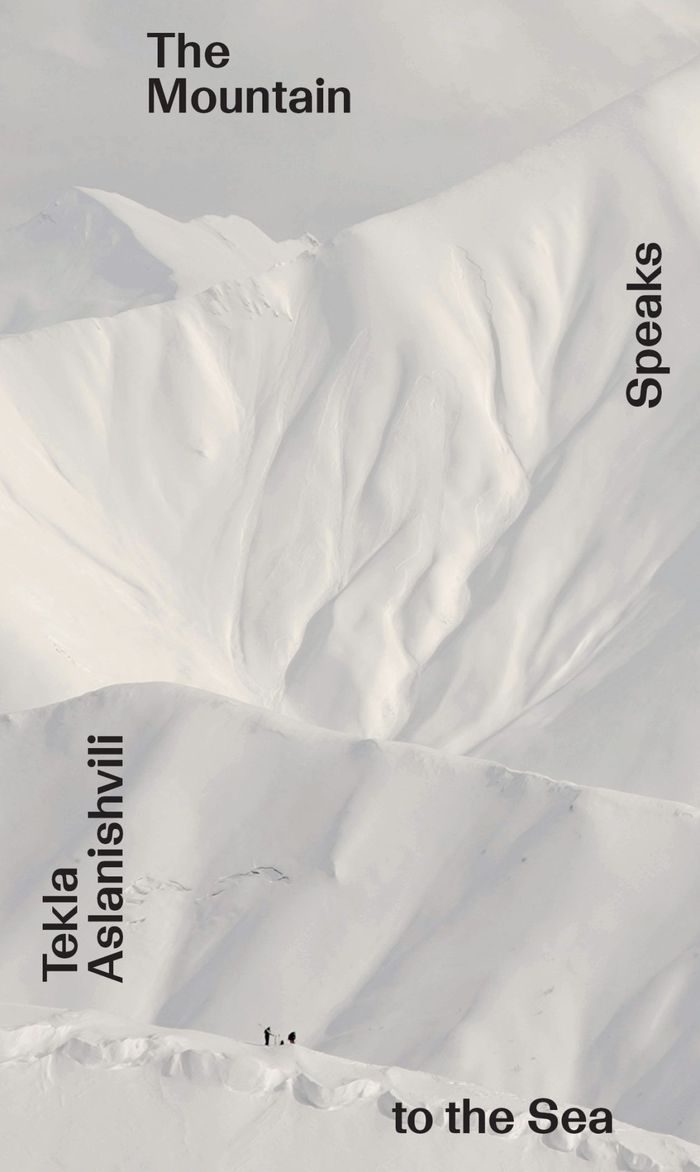
Tekla Aslanishvili: The Mountain Speaks to the Sea
Actions:
Price:
$30.00
(available in store)
Summary:
''The Mountain Speaks to the Sea'' delves into Tekla Aslanishvili’s experimental film trilogy, which investigates regimes of infrastructural governance by examining how ports, railways, and smart city projects act as technologies of citizenship and sovereignty. Images of distant geographies are connected with future orientations, revealing the disruptive impacts of large-scale energy and transportation projects on the ecologies of the South Caucasus. The publication focuses on the potentiality of moving images in the making and unmaking of infrastructures. By zooming in and out on the grand narratives of infrastructural development, it assembles fragmented (hi)stories of people who live and work around sites of transit and extraction, sabotaging their material systems to challenge violent practices of statecraft. Positioned between an artist’s book and a reader, ''The Mountain Speaks to the Sea'' features contributions from writers and scholars in visual culture, political science and critical geography, and experiments with ways of translating film into printed matter.
Form:
books
books
Publication:
September 2025
September 2025
Subject:
Art Theory
Art Theory
Form:
books
books
Title:
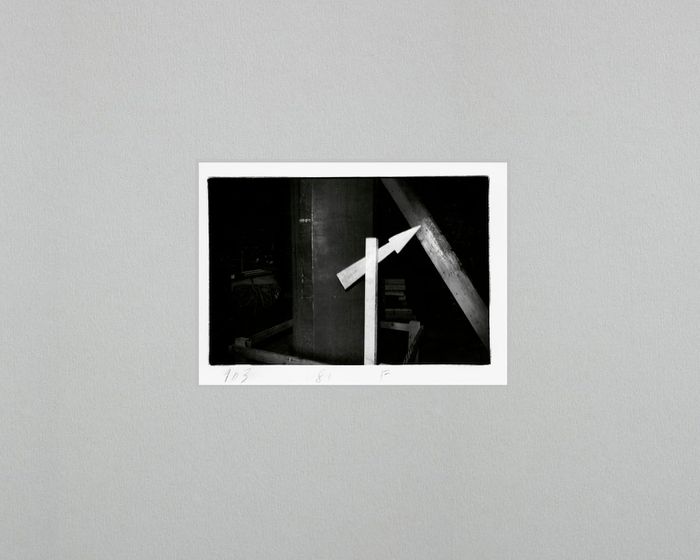
Guido Guidi: Album, 1969–82
Guido Guidi: Album, 1969–82
Actions:
Price:
$134.00
(available to order)
Summary:
While organising his archive, Guido Guidi rediscovered negatives and prints from a prolifically productive period at the beginning of his career. These photographs, made with black-and-white film and small-format cameras, captured his day-to-day life in the 1970s – his family and friends, his colleagues at the University of Architecture in Venice – but also more(...)
Title:
Guido Guidi: Album, 1969–82
Actions:
Price:
$134.00
(available to order)
Summary:
While organising his archive, Guido Guidi rediscovered negatives and prints from a prolifically productive period at the beginning of his career. These photographs, made with black-and-white film and small-format cameras, captured his day-to-day life in the 1970s – his family and friends, his colleagues at the University of Architecture in Venice – but also more fragmented and even abstract scenes: objects in disarming isolation, shadows, symbols, and deserted streets. High contrast and disorienting framing made many of these images as graphic as they were documentary. Some were marked with the remnants of captions, half-smudged notes, and other signs of their lives within previous sequences and contexts. Taking up a title he had used for a number of projects at that time, including a never-realised publication with Luigi Ghirri’s Punto e Virgola, Guidi constructed a new ‘album’: a fresh engagement with historic work, drawing on the anarchic energy and interests of his youth and the shrewd, sensitive instincts of an expert editor.
Form:
books
books
Publication:
February 2026
February 2026
Subject:
Photography monographs
Photography monographs
Form:
books
books
Actions:
Price:
$45.00
(available to order)
Summary:
This book presents a terrestrial description of the Seagram Building. It aims to describe how humans and nature interact with the thin crust of the planet. Architecture reorganizes nature and society in particular ways that today demand overt attention and new methods of description. ''The immense material, energy and labor involved in building require a fresh(...)
Title:
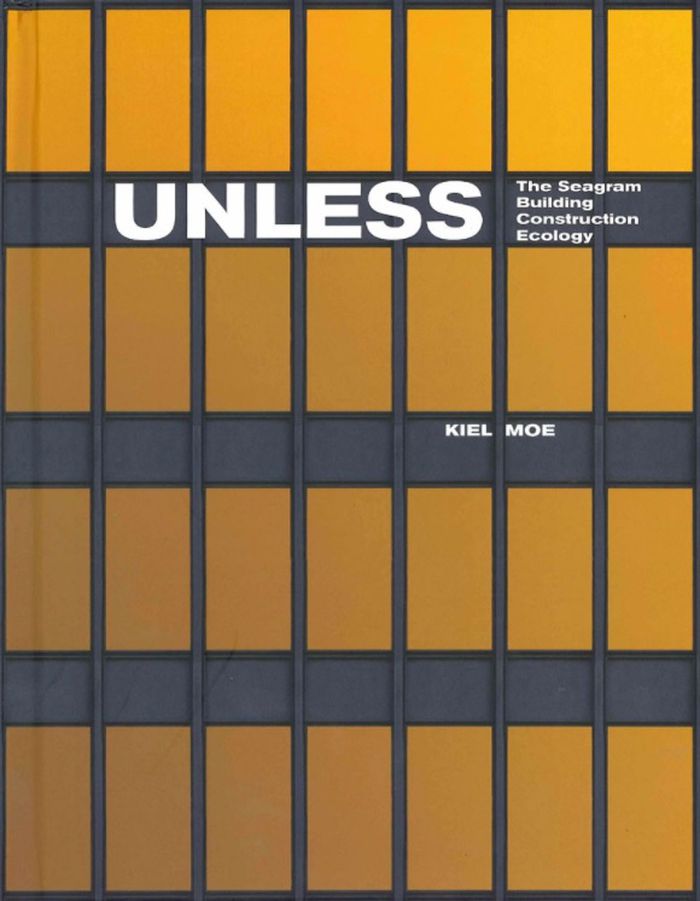
Unless: the Seagram building construction ecology
Actions:
Price:
$45.00
(available to order)
Summary:
This book presents a terrestrial description of the Seagram Building. It aims to describe how humans and nature interact with the thin crust of the planet. Architecture reorganizes nature and society in particular ways that today demand overt attention and new methods of description. ''The immense material, energy and labor involved in building require a fresh interpretation that better situates the ecological and social potential of design. Architecture and society would benefit from alternative descriptions of building and architecture as terrestrial activities that help imagine how to maximize the impact of architecture on its environment. I argue that the enhancement of a particular building should be inextricable from the enhancement of its world-system and construction ecology. A 'beautiful' building engendered through the vulgarity of uneven exchanges and processes of underdevelopment is no longer a tenable conceit in such a framework. Design can and should evince the inherent solidarity and reciprocity of people, places and politics involved in building architecture.''
Form:
books
books
Publication:
January 2021
January 2021
Subject:
Engineering Structures
Engineering Structures
Form:
books
books

Actions:
Price:
$48.00
(available to order)
Summary:
In ''Concrete mirages,'' Tom de Peyret freezes a seemingly abandoned setting, from the flashiest towers to empty dams, only a scattering of onlookers walk in the stifling heat. These towers emerge like golden totems from a landscape of which there is almost nothing left, as if we’ve been propelled into a dystopian world following some kind of catastrophe. Yet these(...)
Title:
Tom de Peyret: Concrete mirages
Actions:
Price:
$48.00
(available to order)
Summary:
In ''Concrete mirages,'' Tom de Peyret freezes a seemingly abandoned setting, from the flashiest towers to empty dams, only a scattering of onlookers walk in the stifling heat. These towers emerge like golden totems from a landscape of which there is almost nothing left, as if we’ve been propelled into a dystopian world following some kind of catastrophe. Yet these elements recount a true and shared history, that of the energy spent in an absurd and vain quest, the quasi-impossible construction of a city in the middle of the desert. It is the very story of the birth of Las Vegas and its urban unrest. The photographer’s minimalist work runs counter to the almost hysterical profusion that emanates from the cit The photographer’s minimalist work runs counter to the almost hysterical profusion that emanates from the city. Between vertical madness and horizontal vertigo, Tom de Peyret paints a unique and stellar portrait of Sin City.
Form:
books
books
Publication:
May 2021
May 2021
Subject:
Photography monographs
Photography monographs
Form:
books
books

Title:
The Selby is in your place
The Selby is in your place
Actions:
Price:
$45.00
(available to order)
Summary:
This book was conceived when fashion and interiors photographer Todd Selby began taking portraits of dynamic and creative people —authors, musicians, artists, and designers — in their home environments and posting them on his web site. Nosy by nature, he wanted to see how personal style was reflected in private spaces. He found his answer in the color-rich and eclectic(...)
Title:
The Selby is in your place
Actions:
Price:
$45.00
(available to order)
Summary:
This book was conceived when fashion and interiors photographer Todd Selby began taking portraits of dynamic and creative people —authors, musicians, artists, and designers — in their home environments and posting them on his web site. Nosy by nature, he wanted to see how personal style was reflected in private spaces. He found his answer in the color-rich and eclectic quarters of a diverse group of subjects, including Simon Doonan and Jonathan Adler, Faris Rotter, Andre Walker, and Olivier Zahm, in New York, Los Angeles, Paris, Tokyo, Sydney, and London. Each profile is accompanied by Selby’s watercolor portraits of the subjects and objects from their homes, and illustrated questionnaires, which Selby asks each sitter to fill out. This book consists of over thirty profiles, many of which have never-before-seen, selected exclusively for the book. The result is a collection of unique spaces bursting with energy and personality that together create a colorful hodgepodge of inspirational interiors.
Form:
books
books
Publication:
October 2010
October 2010
Subject:
Interior Design
Interior Design
Form:
books
books
Actions:
Price:
$29.95
(available to order)
Summary:
From a youth spent in different cities of the world, to his beginnings as an architect in Toronto, the author has long recognized that cities at their best provide much of what we seek in a place to call home. Community, places of culture and business that we can walk to, mass transit and a wealth of amenities that couldn't be supported without a city's density: the(...)
Title:
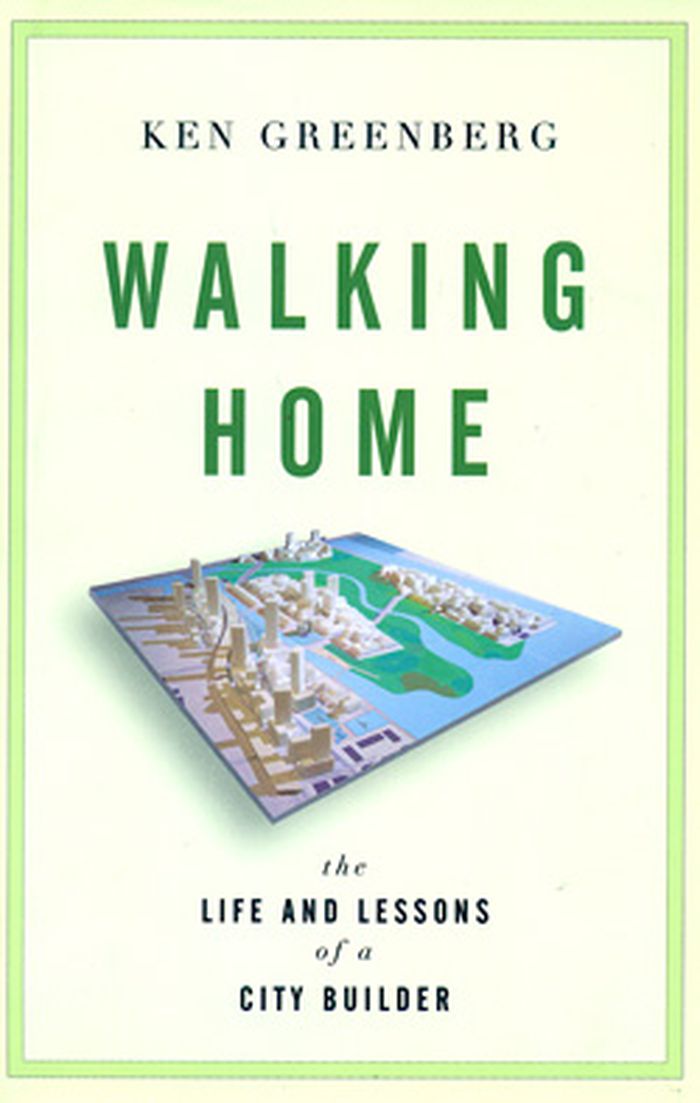
Walking home: the life and lessons of a city builder
Actions:
Price:
$29.95
(available to order)
Summary:
From a youth spent in different cities of the world, to his beginnings as an architect in Toronto, the author has long recognized that cities at their best provide much of what we seek in a place to call home. Community, places of culture and business that we can walk to, mass transit and a wealth of amenities that couldn't be supported without a city's density: the mid-century drive to suburbanization deprived us of these inherent advantages of urban living. The realization of this loss, in tandem with pressing recent concerns about energy scarcity and global warming, has made us see cities with fresh eyes and a growing understanding that they can provide us with an unparalleled measure of sustainability. This publication explains how turning the world's urban spaces back into places that can give us not only a platform to face the challenges of the future, but also a place we can call, with pride and satisfaction, home.
Form:
books
books
Publication:
May 2011
May 2011
Subject:
Urban Theory
Urban Theory
Form:
books
books
Actions:
Price:
$30.00
(available to order)
Summary:
Nye looks at America's development of its electrical grid, which made large-scale power failures possible; military blackouts before and during World War II ("The silence was the big surprise of the blackout, the darkness discounted," wrote Harold Ross in The New Yorker in 1942); New York City's contrasting 1965 and 1977 blackout experiences (the first characterized by(...)
Title:
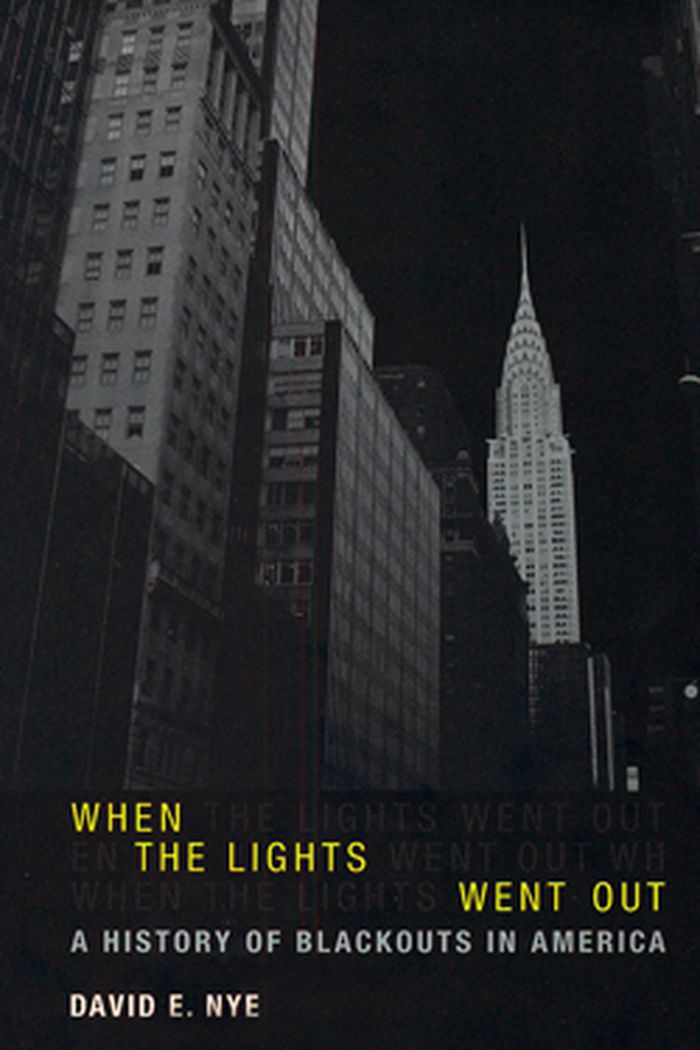
When the lights went out, a history of blackouts in America
Actions:
Price:
$30.00
(available to order)
Summary:
Nye looks at America's development of its electrical grid, which made large-scale power failures possible; military blackouts before and during World War II ("The silence was the big surprise of the blackout, the darkness discounted," wrote Harold Ross in The New Yorker in 1942); New York City's contrasting 1965 and 1977 blackout experiences (the first characterized by cooperation, the second by looting and disorder); the growth in consumer demand that led to rolling blackouts made worse by energy traders' market manipulations; blackouts caused by terrorist attacks and sabotage; and, finally, the "greenout" (exemplified by the new tradition of "Earth Hour"), a voluntary reduction organized by environmental organizations. Blackouts, writes Nye, are breaks in the flow of social time that reveal much about the trajectory of American history. Each time one occurs, Americans confront their essential condition—not as isolated individuals, but as a community that increasingly binds itself together with electrical wires and signals.
Form:
books
books
Publication:
March 2010
March 2010
Subject:
Urban Theory
Urban Theory
Form:
books
books
Price:
$6.95
(available to order)
Summary:
This small but comprehensive book documents the rich cultural past of vernacular building styles, from Irish sod houses to sub-Saharan wattle-and-daub huts and redwoods treehouses. It offers inspiration for home woodworking enthusiasts as well as architects, conservationists, and anyone interested in energy-efficient building and sustainability. The variety and ingenuity(...)
Title:
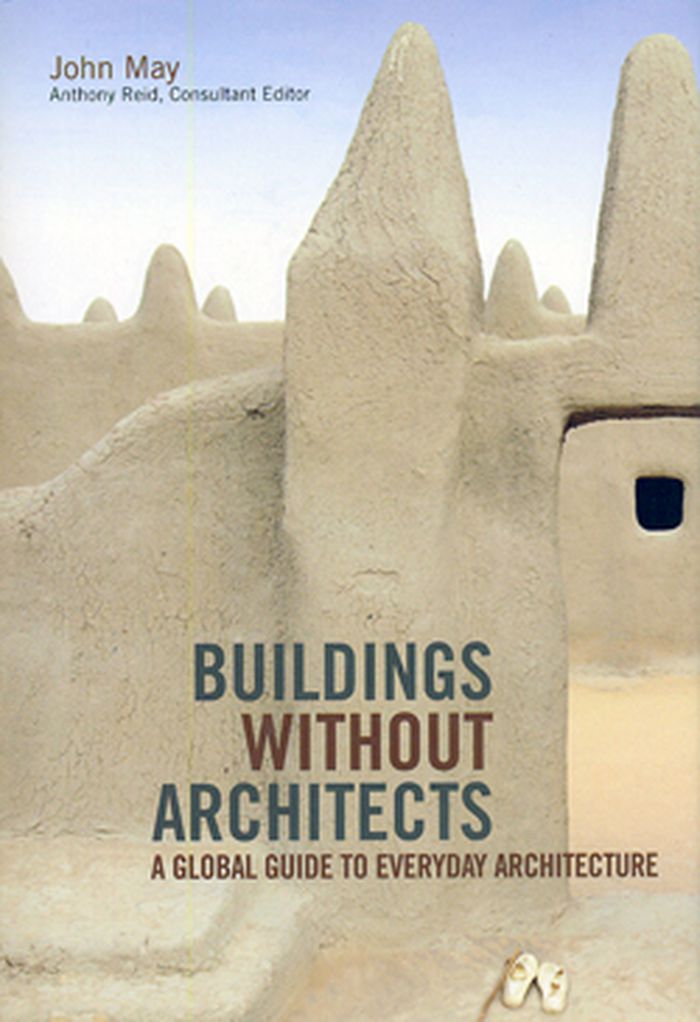
Buildings without architects: a global guide to everyday architecture
Actions:
Price:
$6.95
(available to order)
Summary:
This small but comprehensive book documents the rich cultural past of vernacular building styles, from Irish sod houses to sub-Saharan wattle-and-daub huts and redwoods treehouses. It offers inspiration for home woodworking enthusiasts as well as architects, conservationists, and anyone interested in energy-efficient building and sustainability. The variety and ingenuity of the world’s vernacular building traditions are illustrated, and the materials and techniques are explored. With examples from every continent, the book documents the diverse methods people have used to create shelter from locally available natural materials, and shows the impressively handmade finished products through diagrams, cross-sections, and photographs. Unlike modern buildings that rely on industrially produced materials and specialized tools and techniques, the everyday architecture featured here represents a rapidly disappearing genre of handcrafted and beautifully composed structures that are irretrievably "of their place." These structures are the work of unsung and often anonymous builders that combine artistic beauty, practical form, and necessity.
Form:
books
books
Publication:
May 2010
May 2010
Form:
books
books

Title:
Global Design
Global Design
Actions:
Price:
$54.95
(available to order)
Summary:
This book examines the possibilities for scaling design solutions to address global warming. Global warming poses new challenges to the architecture, landscape architecture, and urban design communities. The immediate response has been a turn toward a host of energy-saving technologies. What has rarely been addressed, however, is the problem of scale. How can designers(...)
Subject:
Green Architecture
Green Architecture
Publication:
June 2014
June 2014
Title:
Global Design
Actions:
Price:
$54.95
(available to order)
Summary:
This book examines the possibilities for scaling design solutions to address global warming. Global warming poses new challenges to the architecture, landscape architecture, and urban design communities. The immediate response has been a turn toward a host of energy-saving technologies. What has rarely been addressed, however, is the problem of scale. How can designers make sure that global solutions do not come at the expense of local cultures and environments? By placing human rational, emotional, technological, and social needs at the center of our environmental concerns, this book proposes a new global design initiative. The aim is to develop a language of design that can create proximity between individual responsibility and the current global environmental crisis. These featured projects showcase leading-edge design innovations at multiple scales. Global Design directors Peder Anker, Louise Harpman, and Mitchell Joachim discuss various ways in which design can reformat the unfortunate separation between humans and the natural world.
Form:
books
books
Publication:
June 2014
June 2014
Subject:
Green Architecture
Green Architecture
Form:
books
books
Price:
$35.00
(available to order)
Summary:
Cooperatives, sharing communities, co-housing in the late 1920s the Bauhaus took a keen interest in the relationship between society and design, the individual and collaborative creation and production. A key figure in this development was architect Hannes Meyer (1889 1954), the second Bauhaus director, whose revolutionary collaborative design process is documented(...)
Title:
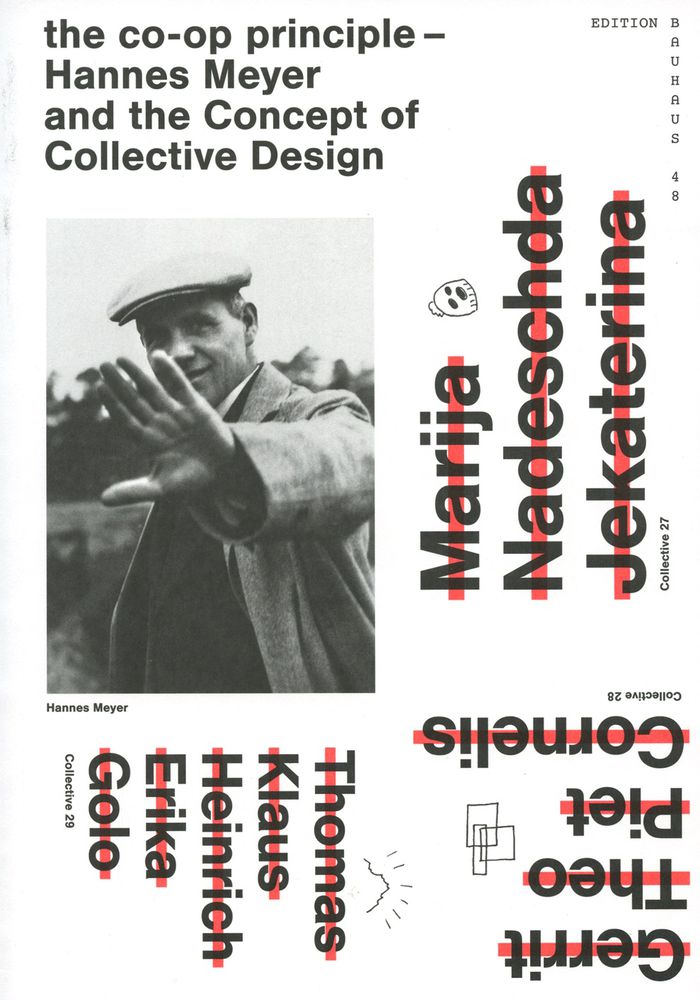
The coop principle - Hannes Meyer and the Concept of Collective Design
Actions:
Price:
$35.00
(available to order)
Summary:
Cooperatives, sharing communities, co-housing in the late 1920s the Bauhaus took a keen interest in the relationship between society and design, the individual and collaborative creation and production. A key figure in this development was architect Hannes Meyer (1889 1954), the second Bauhaus director, whose revolutionary collaborative design process is documented here for the first time. With his appointment in 1928, Meyer brought a change in thinking: from author-architect to collective, from the need for luxury to the needs of the people, playing a key role radically orienting the school s teaching, workshops, its planning and architecture around the idea and needs of the collective until his politically motivated dismissal in 1930. Informative texts by researchers Werner Moller and Astrid Volpert, with introduction by director Claudia Perren, are illustrated with a wonderful array of archival photos of students, performances, furniture and building projects that convey the energy and optimism of the time.
Form:
books
books
Publication:
December 2015
December 2015
Subject:
Design Theory
Design Theory


