


2644 Results
Form:
books
books
Actions:
Price:
$85.95
(available to order)
Summary:
To confront the Anthropocene, designers must increasingly move between scales and across disciplines to develop new structures of knowledge and tools of representation: from the embodied to the technical, the investigative to the projective. Ultimately, this volume asks: What stakes are embedded in contemporary architectural environmental media, and how are designers(...)
$85.95
(available to order)
Summary:
To confront the Anthropocene, designers must increasingly move between scales and across disciplines to develop new structures of knowledge and tools of representation: from the embodied to the technical, the investigative to the projective. Ultimately, this volume asks: What stakes are embedded in contemporary architectural environmental media, and how are designers(...)
Title:
Architecture as environmental media: Rendering the planetary
Actions:
Price:
$85.95
(available to order)
Summary:
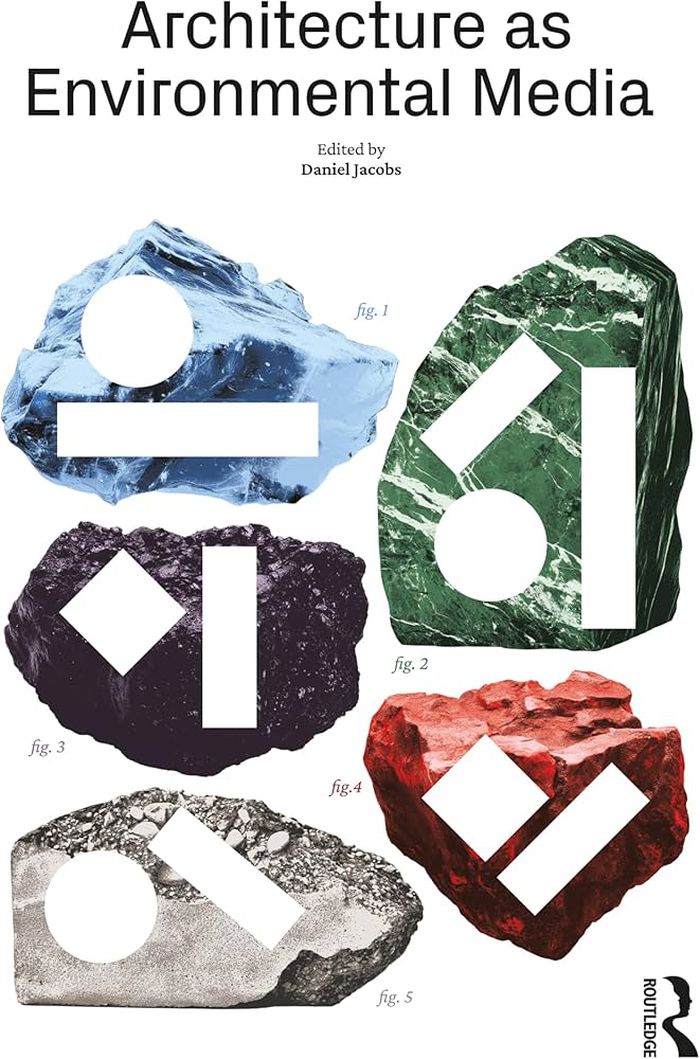
To confront the Anthropocene, designers must increasingly move between scales and across disciplines to develop new structures of knowledge and tools of representation: from the embodied to the technical, the investigative to the projective. Ultimately, this volume asks: What stakes are embedded in contemporary architectural environmental media, and how are designers re-imagining this media landscape today? Chapters in the book explore counter-cartographies of migration and materials, forest ecologies and theories of abundance, hyperreal visualization and environmental simulation, architecture’s extractive and colonial systems, and pedagogies and practices for environmental futures. This book organizes these efforts into three threads of media practice: rendering visible, rendering sensible, and rendering actionable. While these categories are inextricably intertwined, they represent distinct tactical approaches to media production, each exploring possible methods to develop new knowledge systems, shift aesthetic regimes, and transform collective politics.
Architecture as environmental media: Rendering the planetary
Actions:
Price:
$85.95
(available to order)
Summary:
To confront the Anthropocene, designers must increasingly move between scales and across disciplines to develop new structures of knowledge and tools of representation: from the embodied to the technical, the investigative to the projective. Ultimately, this volume asks: What stakes are embedded in contemporary architectural environmental media, and how are designers re-imagining this media landscape today? Chapters in the book explore counter-cartographies of migration and materials, forest ecologies and theories of abundance, hyperreal visualization and environmental simulation, architecture’s extractive and colonial systems, and pedagogies and practices for environmental futures. This book organizes these efforts into three threads of media practice: rendering visible, rendering sensible, and rendering actionable. While these categories are inextricably intertwined, they represent distinct tactical approaches to media production, each exploring possible methods to develop new knowledge systems, shift aesthetic regimes, and transform collective politics.
Form:
books
books
Publication:
December 2025
December 2025
Subject:
Architecture ecologies
Architecture ecologies
Form:
books
books
Actions:
Price:
$57.00
(available to order)
Summary:
Since the invention of photography in the nineteenth century, Africa has been defined largely by Western images of its cultures and traditions. From the colonial carte de visite and ethnographic archive to the rise of studio portraiture and social documents of racial surveillance, the fraught relationship between Africa and the photographic lens has become inseparable(...)
$57.00
(available to order)
Summary:
Since the invention of photography in the nineteenth century, Africa has been defined largely by Western images of its cultures and traditions. From the colonial carte de visite and ethnographic archive to the rise of studio portraiture and social documents of racial surveillance, the fraught relationship between Africa and the photographic lens has become inseparable(...)
Title:
A world in common: Contemporary African photography
Actions:
Price:
$57.00
(available to order)
Summary:
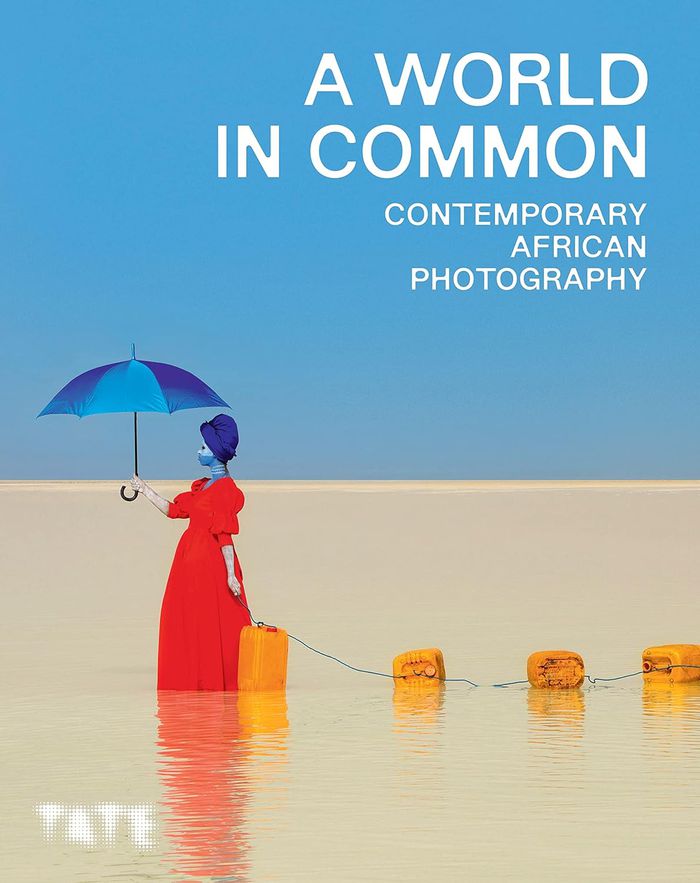
Since the invention of photography in the nineteenth century, Africa has been defined largely by Western images of its cultures and traditions. From the colonial carte de visite and ethnographic archive to the rise of studio portraiture and social documents of racial surveillance, the fraught relationship between Africa and the photographic lens has become inseparable from the discourses of post-colonialism. Challenging these dominant images of exoticism and otherness, this book illustrates how photography has allowed artists to reimagine African histories through the lens of the present, to shape our understanding of the contemporary realities we face. Bringing together a diverse range of artists and thinkers to present varied perspectives on issues such as cultural heritage and restitution, spirituality, urbanism and climate change, it reveals how innovative contemporary photography challenges perceptions of history, culture and identity.
A world in common: Contemporary African photography
Actions:
Price:
$57.00
(available to order)
Summary:
Since the invention of photography in the nineteenth century, Africa has been defined largely by Western images of its cultures and traditions. From the colonial carte de visite and ethnographic archive to the rise of studio portraiture and social documents of racial surveillance, the fraught relationship between Africa and the photographic lens has become inseparable from the discourses of post-colonialism. Challenging these dominant images of exoticism and otherness, this book illustrates how photography has allowed artists to reimagine African histories through the lens of the present, to shape our understanding of the contemporary realities we face. Bringing together a diverse range of artists and thinkers to present varied perspectives on issues such as cultural heritage and restitution, spirituality, urbanism and climate change, it reveals how innovative contemporary photography challenges perceptions of history, culture and identity.
Form:
books
books
Publication:
July 2023
July 2023
Subject:
Photography Collections
Photography Collections
Form:
books
books
Actions:
Price:
$32.95
(available to order)
Summary:
The seventh issue of Errant Journal is guest edited by Ghiwa Sayegh and aims to interrogate the role of the body in strategies of resistance from below. Taking Palestine as a starting point, the ongoing genocide committed by Israel and other colonial powers and the people’s continued struggle for liberation inform the issue’s thinking and praxis. From this political(...)
$32.95
(available to order)
Summary:
The seventh issue of Errant Journal is guest edited by Ghiwa Sayegh and aims to interrogate the role of the body in strategies of resistance from below. Taking Palestine as a starting point, the ongoing genocide committed by Israel and other colonial powers and the people’s continued struggle for liberation inform the issue’s thinking and praxis. From this political(...)
Title:
Errant Journal #7: Embodying resistance
Actions:
Price:
$32.95
(available to order)
Summary:
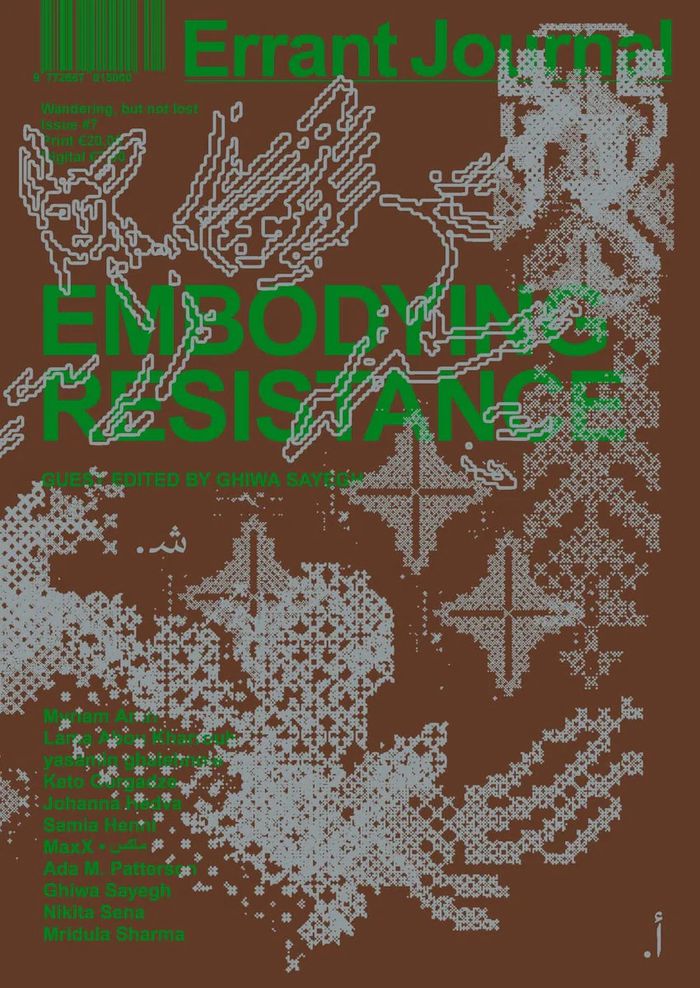
The seventh issue of Errant Journal is guest edited by Ghiwa Sayegh and aims to interrogate the role of the body in strategies of resistance from below. Taking Palestine as a starting point, the ongoing genocide committed by Israel and other colonial powers and the people’s continued struggle for liberation inform the issue’s thinking and praxis. From this political standpoint, it explores the ways in which bodies – that are sexualised, criminalised, racialised, crip – have been able to divert and subvert in order to fight back. To resist from the body is what crip theory tells us is a matter of need. It is a body that no longer fears deviation, specifically because of how cheap our lives are considered and how dangerous our futures are treated. It is about finding community and kinship when we are told we are alone.
Errant Journal #7: Embodying resistance
Actions:
Price:
$32.95
(available to order)
Summary:
The seventh issue of Errant Journal is guest edited by Ghiwa Sayegh and aims to interrogate the role of the body in strategies of resistance from below. Taking Palestine as a starting point, the ongoing genocide committed by Israel and other colonial powers and the people’s continued struggle for liberation inform the issue’s thinking and praxis. From this political standpoint, it explores the ways in which bodies – that are sexualised, criminalised, racialised, crip – have been able to divert and subvert in order to fight back. To resist from the body is what crip theory tells us is a matter of need. It is a body that no longer fears deviation, specifically because of how cheap our lives are considered and how dangerous our futures are treated. It is about finding community and kinship when we are told we are alone.
Form:
books
books
Publication:
February 2025
February 2025
Subject:
Magazines
Magazines
Form:
books
books
Actions:
Price:
$44.95
(available to order)
Summary:
In this anthropological history, Mary E. Hancock examines the politics of public memory in the southern Indian city of Chennai. Once a colonial port, Chennai is now poised to become a centre for India's "new economy" of information technology, export processing, and back-office services. State and local governments promote tourism and a heritage-conscious cityscape to(...)
$44.95
(available to order)
Summary:
In this anthropological history, Mary E. Hancock examines the politics of public memory in the southern Indian city of Chennai. Once a colonial port, Chennai is now poised to become a centre for India's "new economy" of information technology, export processing, and back-office services. State and local governments promote tourism and a heritage-conscious cityscape to(...)
Subject:
Arch Southwest Asia & North Africa
Arch Southwest Asia & North Africa
Publication:
December 2008, Bloomington, Indianapolis
December 2008, Bloomington, Indianapolis
Title:
The politics of heritage from Madras to Chennai
Actions:
Price:
$44.95
(available to order)
Summary:
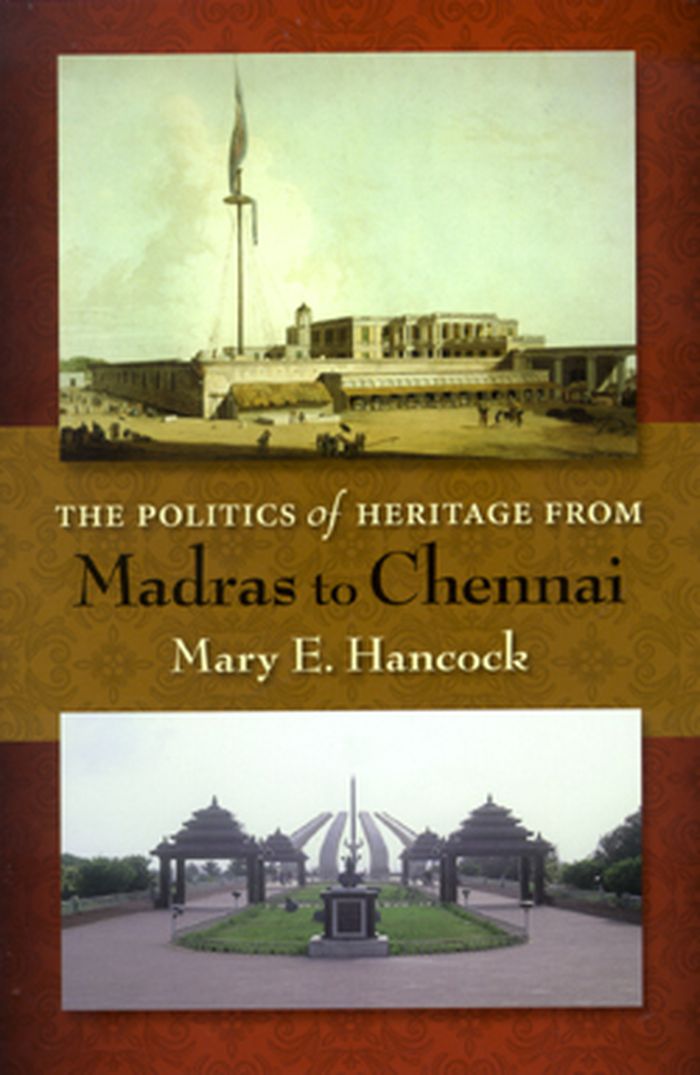
In this anthropological history, Mary E. Hancock examines the politics of public memory in the southern Indian city of Chennai. Once a colonial port, Chennai is now poised to become a centre for India's "new economy" of information technology, export processing, and back-office services. State and local governments promote tourism and a heritage-conscious cityscape to make Chennai a recognizable "brand" among investment and travel destinations. Using a range of textual, visual, architectural, and ethnographic sources, Hancock grapples with the question of how people in Chennai remember and represent their past, considering the political and economic contexts and implications of those memory practices. Working from specific sites, including a historic district created around an ancient Hindu temple, a living history museum, neo-traditional and vernacular architecture, and political memorials, Hancock examines the spatialization of memory under the conditions of neo-liberalism.
The politics of heritage from Madras to Chennai
Actions:
Price:
$44.95
(available to order)
Summary:
In this anthropological history, Mary E. Hancock examines the politics of public memory in the southern Indian city of Chennai. Once a colonial port, Chennai is now poised to become a centre for India's "new economy" of information technology, export processing, and back-office services. State and local governments promote tourism and a heritage-conscious cityscape to make Chennai a recognizable "brand" among investment and travel destinations. Using a range of textual, visual, architectural, and ethnographic sources, Hancock grapples with the question of how people in Chennai remember and represent their past, considering the political and economic contexts and implications of those memory practices. Working from specific sites, including a historic district created around an ancient Hindu temple, a living history museum, neo-traditional and vernacular architecture, and political memorials, Hancock examines the spatialization of memory under the conditions of neo-liberalism.
Form:
books
books
Publication:
December 2008, Bloomington, Indianapolis
December 2008, Bloomington, Indianapolis
Subject:
Arch Southwest Asia & North Africa
Arch Southwest Asia & North Africa
Form:
books
books
Actions:
Price:
$55.00
(available to order)
Summary:
Bringing together fifteen scholars of art and culture, ''Unsettling Canadian art history'' addresses the visual and material culture of settler colonialism, enslavement, and racialized diasporas in the contested white settler state of Canada. This collection offers new avenues for scholarship on art, archives, and creative practice by rethinking histories of Canadian(...)
$55.00
(available to order)
Summary:
Bringing together fifteen scholars of art and culture, ''Unsettling Canadian art history'' addresses the visual and material culture of settler colonialism, enslavement, and racialized diasporas in the contested white settler state of Canada. This collection offers new avenues for scholarship on art, archives, and creative practice by rethinking histories of Canadian(...)
Title:
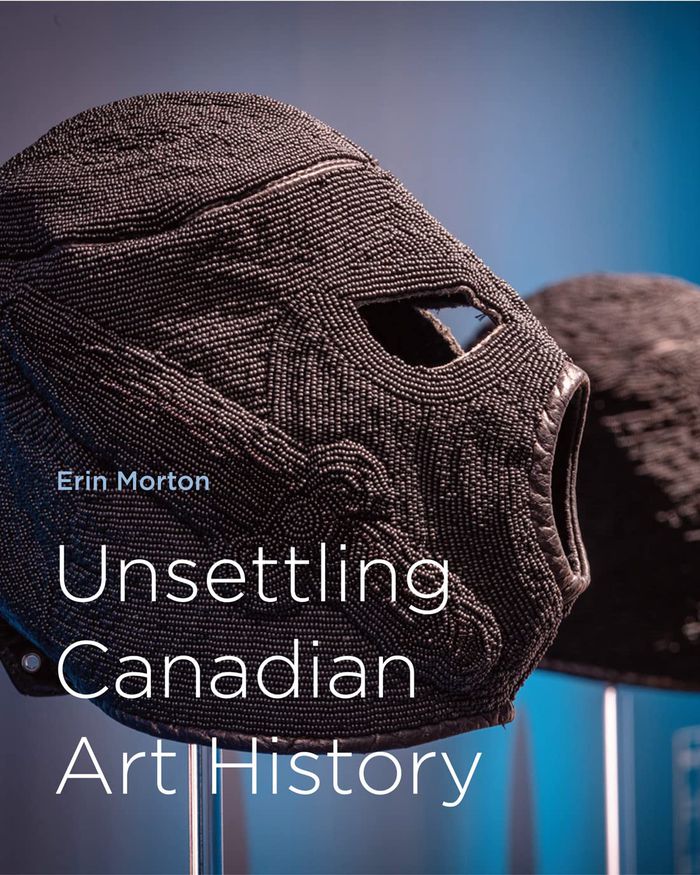
Unsettling Canadian Art History
Actions:
Price:
$55.00
(available to order)
Summary:
Bringing together fifteen scholars of art and culture, ''Unsettling Canadian art history'' addresses the visual and material culture of settler colonialism, enslavement, and racialized diasporas in the contested white settler state of Canada. This collection offers new avenues for scholarship on art, archives, and creative practice by rethinking histories of Canadian colonialisms from Black, Indigenous, racialized, feminist, queer, trans, and Two-Spirit perspectives. Writing across many positionalities, contributors offer chapters that disrupt colonial archives of art and culture, excavating and reconstructing radical Black, Indigenous, and racialized diasporic creation and experience. Exploring the racist frameworks that continue to erase histories of violence and resistance, this book imagines the expansive possibilities of a decolonial future. ''Unsettling Canadian art history'' affirms the importance of collaborative conversations and work in the effort to unsettle scholarship in Canadian art and culture.
Unsettling Canadian Art History
Actions:
Price:
$55.00
(available to order)
Summary:
Bringing together fifteen scholars of art and culture, ''Unsettling Canadian art history'' addresses the visual and material culture of settler colonialism, enslavement, and racialized diasporas in the contested white settler state of Canada. This collection offers new avenues for scholarship on art, archives, and creative practice by rethinking histories of Canadian colonialisms from Black, Indigenous, racialized, feminist, queer, trans, and Two-Spirit perspectives. Writing across many positionalities, contributors offer chapters that disrupt colonial archives of art and culture, excavating and reconstructing radical Black, Indigenous, and racialized diasporic creation and experience. Exploring the racist frameworks that continue to erase histories of violence and resistance, this book imagines the expansive possibilities of a decolonial future. ''Unsettling Canadian art history'' affirms the importance of collaborative conversations and work in the effort to unsettle scholarship in Canadian art and culture.
Form:
books
books
Publication:
June 2022
June 2022
Form:
books
books
Title:
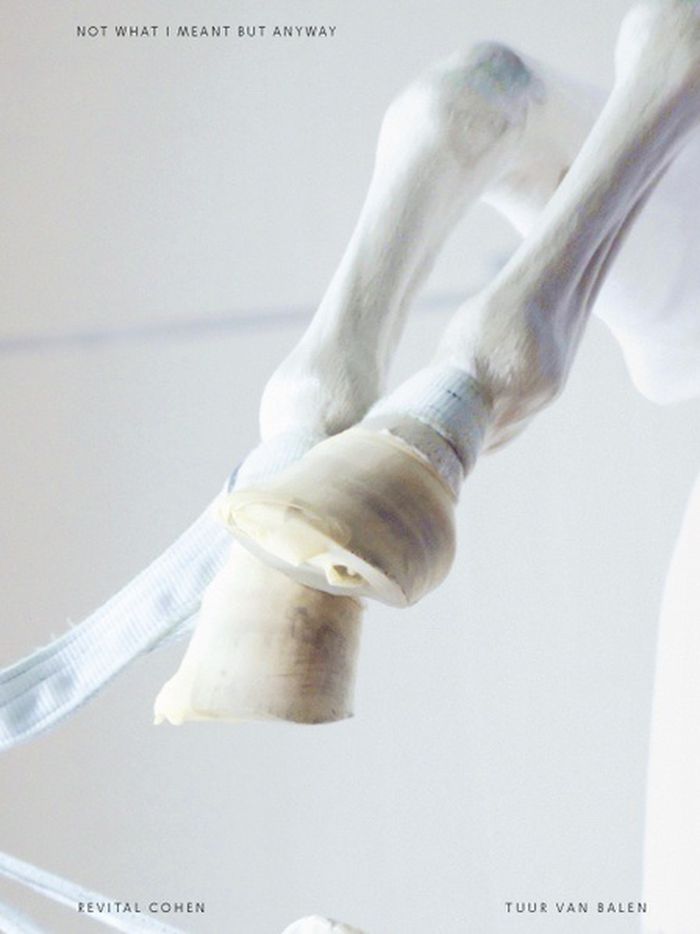
Not what I meant but anyway
Not what I meant but anyway
Actions:
Price:
$30.00
(available to order)
Summary:
From producing sterile goldfish to choreographing the factory assembly line, Revital Cohen and Tuur Van Balen's work could be thought of as situated— that is to say, it is performed within particular networks. These networks— whether connecting raw materials, mythic conditions, animal genetics, constructions of uncertainty, or colonial inheritances— form a point of(...)
$30.00
(available to order)
Summary:
From producing sterile goldfish to choreographing the factory assembly line, Revital Cohen and Tuur Van Balen's work could be thought of as situated— that is to say, it is performed within particular networks. These networks— whether connecting raw materials, mythic conditions, animal genetics, constructions of uncertainty, or colonial inheritances— form a point of(...)
Title:
Not what I meant but anyway
Actions:
Price:
$30.00
(available to order)
Summary:
From producing sterile goldfish to choreographing the factory assembly line, Revital Cohen and Tuur Van Balen's work could be thought of as situated— that is to say, it is performed within particular networks. These networks— whether connecting raw materials, mythic conditions, animal genetics, constructions of uncertainty, or colonial inheritances— form a point of departure from which to think of friction, entanglement, porousness, reflection, and self-implication. ''Not what I meant but anyway'' reveals the methods and processes behind Cohen and Van Balen’s work and working, prioritizing long and multidimensional research and production over its eventual outcomes. Intermingling conversations between the artists on living and working together, their generated ephemera, and a series of external reflections, the book hints at the intimacies and estrangements inherent to their practice. With contributions from Daisy Hildyard, Andrés Jaque, Lucia Pietroiusti, and Xiaoyu Weng.
Not what I meant but anyway
Actions:
Price:
$30.00
(available to order)
Summary:
From producing sterile goldfish to choreographing the factory assembly line, Revital Cohen and Tuur Van Balen's work could be thought of as situated— that is to say, it is performed within particular networks. These networks— whether connecting raw materials, mythic conditions, animal genetics, constructions of uncertainty, or colonial inheritances— form a point of departure from which to think of friction, entanglement, porousness, reflection, and self-implication. ''Not what I meant but anyway'' reveals the methods and processes behind Cohen and Van Balen’s work and working, prioritizing long and multidimensional research and production over its eventual outcomes. Intermingling conversations between the artists on living and working together, their generated ephemera, and a series of external reflections, the book hints at the intimacies and estrangements inherent to their practice. With contributions from Daisy Hildyard, Andrés Jaque, Lucia Pietroiusti, and Xiaoyu Weng.
Form:
books
books
Publication:
October 2022
October 2022
Subject:
Contemporary Art Monographs
Contemporary Art Monographs
Form:
books
books
Actions:
Price:
$35.00
(available to order)
Summary:
Cette publication est une série d'essais publiée en 2013 par deux amis, Stefano Harney et Fred Moten. Au fil de ces textes, les auteurs proposent une critique du capitalisme racial et de ses outils (gouvernance, crédit, université) ainsi que des modes d'expérimentation sociale en forme de résistance au colonial. La recherche passe par l'étude et se déroule bien au-delà de(...)
$35.00
(available to order)
Summary:
Cette publication est une série d'essais publiée en 2013 par deux amis, Stefano Harney et Fred Moten. Au fil de ces textes, les auteurs proposent une critique du capitalisme racial et de ses outils (gouvernance, crédit, université) ainsi que des modes d'expérimentation sociale en forme de résistance au colonial. La recherche passe par l'étude et se déroule bien au-delà de(...)
Title:
Les sous-communs : Planification fugitive et étude noire
Actions:
Price:
$35.00
(available to order)
Summary:
Cette publication est une série d'essais publiée en 2013 par deux amis, Stefano Harney et Fred Moten. Au fil de ces textes, les auteurs proposent une critique du capitalisme racial et de ses outils (gouvernance, crédit, université) ainsi que des modes d'expérimentation sociale en forme de résistance au colonial. La recherche passe par l'étude et se déroule bien au-delà de l'université, au travail, lors d'une pause cigarette, en famille, autour d'un repas, à la lisière de la lutte et de la fuite, à l'intérieur d'un mouvement de tremblement des fondations impérialistes, d'un mouvement de refus des termes du combat tel qu'il est imposé par le système dominant, vers la construction d'un espace social et politique en perpétuel déplacement. Le lieu et l'être sous-communs relèvent de l'incertitude de la création collective, de l'habitation par l'échange, de l'improvisation comme critique.
Les sous-communs : Planification fugitive et étude noire
Actions:
Price:
$35.00
(available to order)
Summary:
Cette publication est une série d'essais publiée en 2013 par deux amis, Stefano Harney et Fred Moten. Au fil de ces textes, les auteurs proposent une critique du capitalisme racial et de ses outils (gouvernance, crédit, université) ainsi que des modes d'expérimentation sociale en forme de résistance au colonial. La recherche passe par l'étude et se déroule bien au-delà de l'université, au travail, lors d'une pause cigarette, en famille, autour d'un repas, à la lisière de la lutte et de la fuite, à l'intérieur d'un mouvement de tremblement des fondations impérialistes, d'un mouvement de refus des termes du combat tel qu'il est imposé par le système dominant, vers la construction d'un espace social et politique en perpétuel déplacement. Le lieu et l'être sous-communs relèvent de l'incertitude de la création collective, de l'habitation par l'échange, de l'improvisation comme critique.
Form:
books
books
Publication:
February 2022
February 2022
Subject:
Social
Social
Form:
books
books
Actions:
Price:
$55.00
(available to order)
Summary:
This edited collection of essays and image-driven pieces by anthropologists, archaeologists, architects, and historians examines the legacies of African architecture from around the time of independence through examples from different countries. Drawing on ethnography, archival research, and careful observation of buildings, remains, and people, the case studies seek to(...)
$55.00
(available to order)
Summary:
This edited collection of essays and image-driven pieces by anthropologists, archaeologists, architects, and historians examines the legacies of African architecture from around the time of independence through examples from different countries. Drawing on ethnography, archival research, and careful observation of buildings, remains, and people, the case studies seek to(...)
Subject:
Architecture since 1900, Africa
Architecture since 1900, Africa
Publication:
September 2022
September 2022
Title:
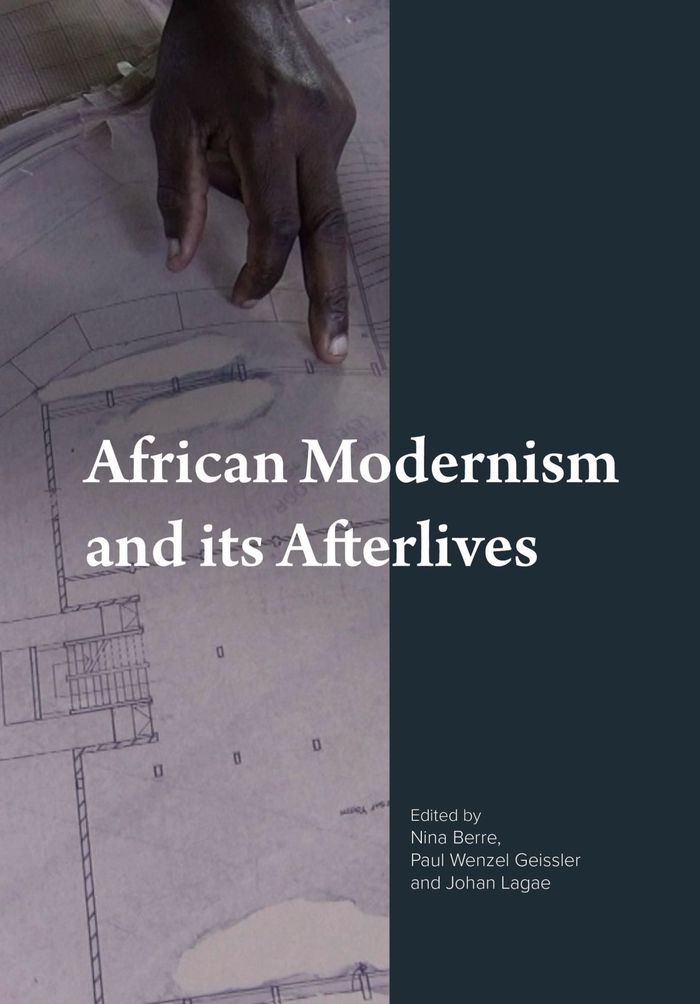
African modernism and its afterlives
Actions:
Price:
$55.00
(available to order)
Summary:
This edited collection of essays and image-driven pieces by anthropologists, archaeologists, architects, and historians examines the legacies of African architecture from around the time of independence through examples from different countries. Drawing on ethnography, archival research, and careful observation of buildings, remains, and people, the case studies seek to connect the colonial and postcolonial origins of modernist architecture, the historical processes they underwent, and their present use and habitation, adaptation, and decay. Deriving from a workshop in connection with the 2015 exhibition ''Forms of Freedom'' at the National Museum in Oslo and the Venice Biennale, the volume combines recent developments in architectural history, the anthropology of modernism and of material culture, and contemporary archaeology to move beyond the admiration or preservation of prized architectural ''heritage'' and to complicate the contemplation—or critique—of ''ruins'' and ''ruination.''
African modernism and its afterlives
Actions:
Price:
$55.00
(available to order)
Summary:
This edited collection of essays and image-driven pieces by anthropologists, archaeologists, architects, and historians examines the legacies of African architecture from around the time of independence through examples from different countries. Drawing on ethnography, archival research, and careful observation of buildings, remains, and people, the case studies seek to connect the colonial and postcolonial origins of modernist architecture, the historical processes they underwent, and their present use and habitation, adaptation, and decay. Deriving from a workshop in connection with the 2015 exhibition ''Forms of Freedom'' at the National Museum in Oslo and the Venice Biennale, the volume combines recent developments in architectural history, the anthropology of modernism and of material culture, and contemporary archaeology to move beyond the admiration or preservation of prized architectural ''heritage'' and to complicate the contemplation—or critique—of ''ruins'' and ''ruination.''
Form:
books
books
Publication:
September 2022
September 2022
Subject:
Architecture since 1900, Africa
Architecture since 1900, Africa
Form:
books
books
Actions:
Price:
$69.95
(available to order)
Summary:
Zurich’s Museum Rietberg, one of Europe’s most renowned museums of non-Western art, has undertaken an extensive exhibition project to explore the thoroughly ambivalent history of its own collection. The essays in this illustrated reader published in conjunction with the exhibition investigate the pathways along which objects traveled to the museum. They shed light on how(...)
$69.95
(available to order)
Summary:
Zurich’s Museum Rietberg, one of Europe’s most renowned museums of non-Western art, has undertaken an extensive exhibition project to explore the thoroughly ambivalent history of its own collection. The essays in this illustrated reader published in conjunction with the exhibition investigate the pathways along which objects traveled to the museum. They shed light on how(...)
Title:
Pathways of art: How objects get to the museum
Actions:
Price:
$69.95
(available to order)
Summary:
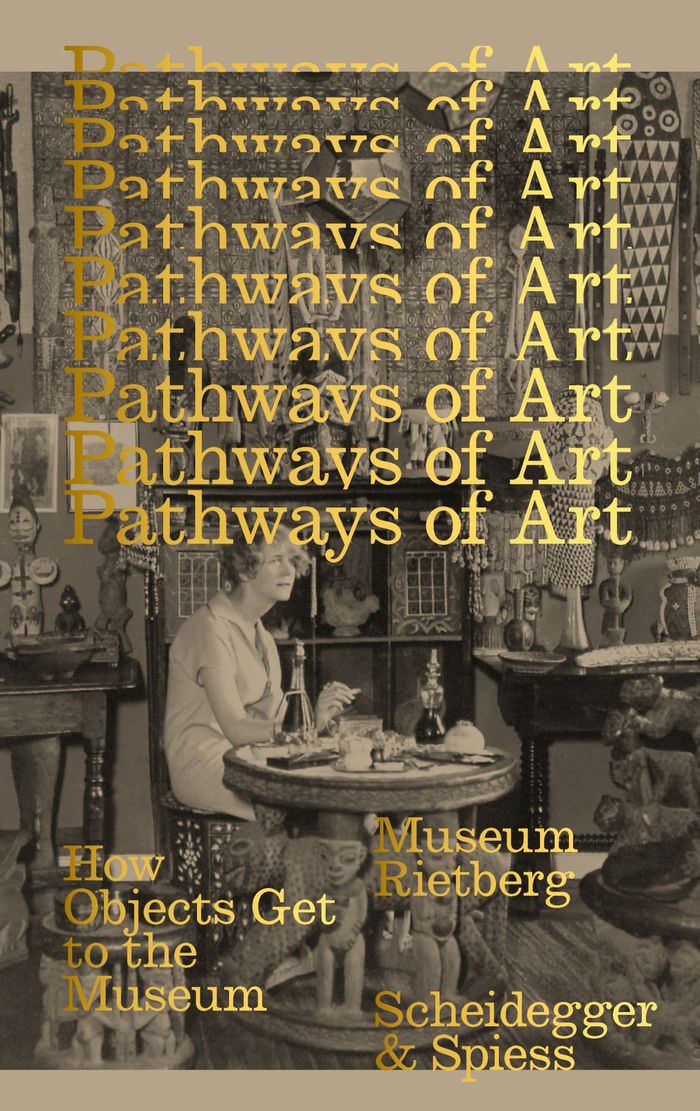
Zurich’s Museum Rietberg, one of Europe’s most renowned museums of non-Western art, has undertaken an extensive exhibition project to explore the thoroughly ambivalent history of its own collection. The essays in this illustrated reader published in conjunction with the exhibition investigate the pathways along which objects traveled to the museum. They shed light on how the meaning of these artifacts has shifted in the course of the transfers. And they demonstrate the importance of provenance research for learning comprehensively about and taking a critical approach in the assessment of the complex biographies of artifacts. This publication offers an important contribution to the current debate about the status and impact of non-European art in the global North. It aims to foster awareness of the colonial and postcolonial contexts of trading and collecting such artworks and to help establish new museum narratives.
Pathways of art: How objects get to the museum
Actions:
Price:
$69.95
(available to order)
Summary:
Zurich’s Museum Rietberg, one of Europe’s most renowned museums of non-Western art, has undertaken an extensive exhibition project to explore the thoroughly ambivalent history of its own collection. The essays in this illustrated reader published in conjunction with the exhibition investigate the pathways along which objects traveled to the museum. They shed light on how the meaning of these artifacts has shifted in the course of the transfers. And they demonstrate the importance of provenance research for learning comprehensively about and taking a critical approach in the assessment of the complex biographies of artifacts. This publication offers an important contribution to the current debate about the status and impact of non-European art in the global North. It aims to foster awareness of the colonial and postcolonial contexts of trading and collecting such artworks and to help establish new museum narratives.
Form:
books
books
Publication:
October 2022
October 2022
Subject:
Museology
Museology
Form:
books
books
Actions:
Price:
$89.95
(available in store)
Summary:
Photography’s development as a new form of art and technology coincided with profound changes in the way China engaged with the world in the nineteenth century. The medium evolved in response to war, trade, travel, and a desire for knowledge about an unfamiliar place. "Power and perspective" provides a rich account of the exchanges among photographers, artists, patrons,(...)
$89.95
(available in store)
Summary:
Photography’s development as a new form of art and technology coincided with profound changes in the way China engaged with the world in the nineteenth century. The medium evolved in response to war, trade, travel, and a desire for knowledge about an unfamiliar place. "Power and perspective" provides a rich account of the exchanges among photographers, artists, patrons,(...)
Subject:
Photography Periods and Styles
Photography Periods and Styles
Publication:
October 2022
October 2022
Title:
Power and perspective: Early photography in China
Actions:
Price:
$89.95
(available in store)
Summary:
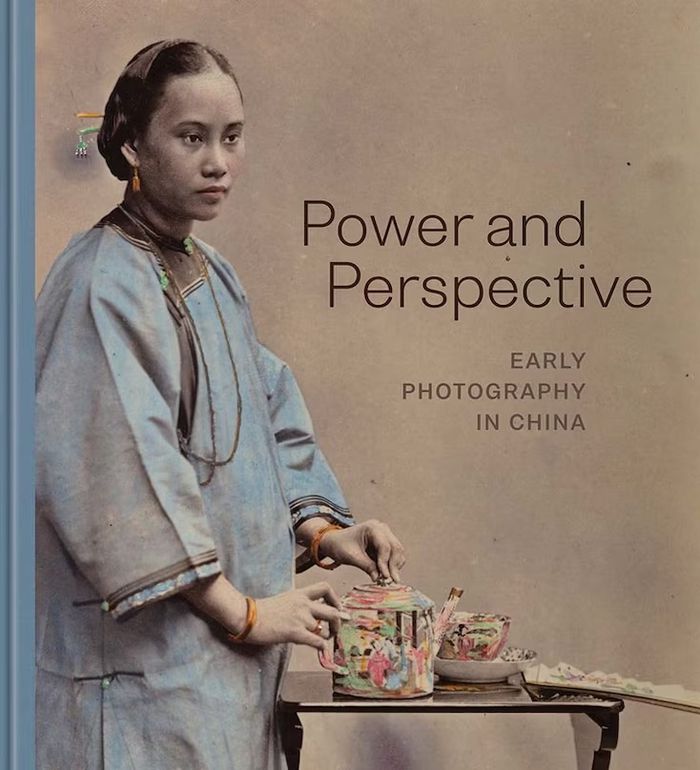
Photography’s development as a new form of art and technology coincided with profound changes in the way China engaged with the world in the nineteenth century. The medium evolved in response to war, trade, travel, and a desire for knowledge about an unfamiliar place. "Power and perspective" provides a rich account of the exchanges among photographers, artists, patrons, and subjects in the treaty port cities that connected China and the West. Drawing primarily from the Peabody Essex Museum’s historic and largely unpublished collection of photographs, this generously illustrated volume examines the confrontations and collaborations that shaped the adoption and practice of photography in China. Offering an original reassessment of the colonial legacy of the medium, "Power and perspective" addresses photography’s representations of racial hierarchy and its entanglement with histories of European imperialism in nineteenth-century China.
Power and perspective: Early photography in China
Actions:
Price:
$89.95
(available in store)
Summary:
Photography’s development as a new form of art and technology coincided with profound changes in the way China engaged with the world in the nineteenth century. The medium evolved in response to war, trade, travel, and a desire for knowledge about an unfamiliar place. "Power and perspective" provides a rich account of the exchanges among photographers, artists, patrons, and subjects in the treaty port cities that connected China and the West. Drawing primarily from the Peabody Essex Museum’s historic and largely unpublished collection of photographs, this generously illustrated volume examines the confrontations and collaborations that shaped the adoption and practice of photography in China. Offering an original reassessment of the colonial legacy of the medium, "Power and perspective" addresses photography’s representations of racial hierarchy and its entanglement with histories of European imperialism in nineteenth-century China.
Form:
books
books
Publication:
October 2022
October 2022
Subject:
Photography Periods and Styles
Photography Periods and Styles


