


2586 Results
Form:
books
books
Title:
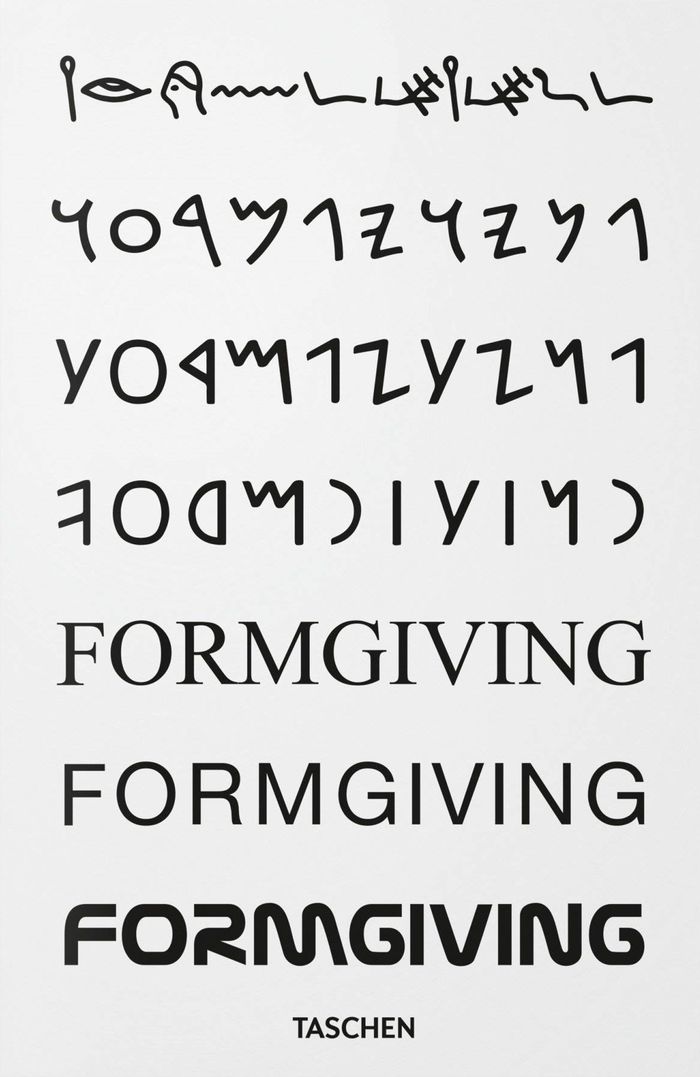
Big, Formgiving
Big, Formgiving
Actions:
Price:
$80.00
(available in store)
Summary:
''Formgiving : an architectural future history,'' the new book by BIG (Bjarke Ingels Group), is a visionary attempt to look at the horizon of time. With ''Formgiving,'' BIG presents the third part of its TASCHEN trilogy, which began with ''Yes is More,'' one of the most successful architectural books of its generation, and continued with ''Hot to Cold.'' The book is(...)
Title:
Big, Formgiving
Actions:
Price:
$80.00
(available in store)
Summary:
''Formgiving : an architectural future history,'' the new book by BIG (Bjarke Ingels Group), is a visionary attempt to look at the horizon of time. With ''Formgiving,'' BIG presents the third part of its TASCHEN trilogy, which began with ''Yes is More,'' one of the most successful architectural books of its generation, and continued with ''Hot to Cold.'' The book is presented in a timeline, stretching from the Big Bang into the most distant future. Projects are structured around six strands of evolution- ''Making,'' ''Sensing,'' ''Sustaining,'' ''Thinking,'' ''Healing,'' and ''Moving''- the multimedia-based, interdisciplinary concepts encompassing the building industry. Culture, climate, and landscape, as well as all the energies derived from the elements- the thermal mass of the ocean, the dynamics of currents, the energy and warmth of the sun, the power of the wind- are incorporated into these projects. Throughout more than 700 pages, Bjarke Ingels presents his personal selection of projects, including the 12,000-square-meter LEGO House in Denmark, the human-made ecosystems floating on oceans, the redesign of a World War II bunker into a contemplative museum, and the ski slope-infused power plant celebrating Copenhagen’s commitment to carbon neutrality. Through architecture and design, BIG gives shape to a sustainable and simultaneously colorful world.
Form:
books
books
Publication:
December 2020
December 2020
Subject:
Architecture Monographs
Architecture Monographs
Form:
books
books
Price:
$85.00
(available to order)
Summary:
The city in the twenty-first century faces major challenges, including social and economic stratification, wasteful consumption of resources, transportation congestion, and environmental degradation. More than half of the world’s population lives in cities and major metropolitan areas, and in the next two decades the number of city dwellers is estimated to reach five(...)
Title:
Sustainable urbanism and beyond: rethinking cities for the future
Actions:
Price:
$85.00
(available to order)
Summary:
The city in the twenty-first century faces major challenges, including social and economic stratification, wasteful consumption of resources, transportation congestion, and environmental degradation. More than half of the world’s population lives in cities and major metropolitan areas, and in the next two decades the number of city dwellers is estimated to reach five billion. This puts enormous pressures on transportation systems, housing stock, and infrastructure such as energy, waste, and water, which directly influences the emissions of greenhouse gases. As the long emergency awaits us, urgent questions remain: How will our cities survive? How can we combat and reconcile urban growth with sustainable use of resources for future generations to thrive? Where and how urbanism comes into the picture and what “sustainable” urban forms can do in light of these events are some of the issues Sustainable Urbanism and Beyond explores. With more than sixty essays, including contributions by Andrés Duany, Saskia Sassen, Peter Newman, Douglas Farr, Henry Cisneros, Peter Hall, Sharon Zukin, Peter Eisenman, and others, this book is a unique perspective on architecture, urban planning, environmental and urban design, exploring ways for raising quality of life and the standard of living in a new modern era by creating better and more viable places to live.
Form:
books
books
Publication:
April 2012
April 2012
Subject:
Urban Theory
Urban Theory
Form:
books
books
Price:
$34.95
(available to order)
Summary:
The story of the Adam Joseph Lewis Center at Oberlin College - the first substantially green building to be built on a college campus -encompasses more than the particulars of one building. In "Design on the edge", David Orr writes about the planning and design of Oberlin's environmental studies building as part of a larger story about the art and science of ecological(...)
Title:
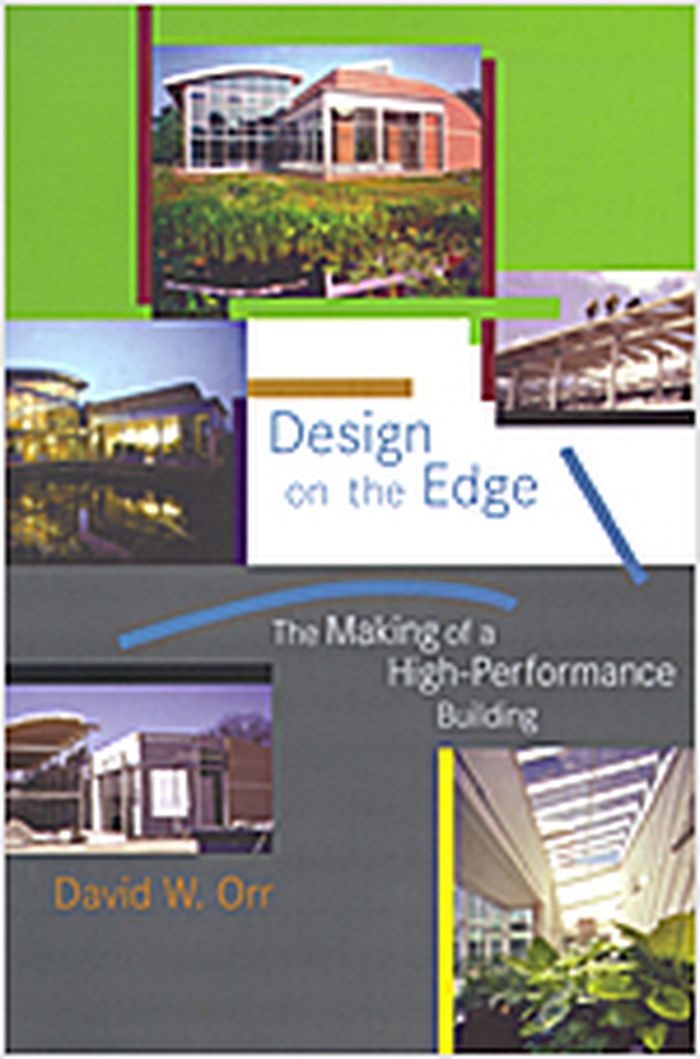
Design on the edge : the making of a high-performance building
Actions:
Price:
$34.95
(available to order)
Summary:
The story of the Adam Joseph Lewis Center at Oberlin College - the first substantially green building to be built on a college campus -encompasses more than the particulars of one building. In "Design on the edge", David Orr writes about the planning and design of Oberlin's environmental studies building as part of a larger story about the art and science of ecological design and the ability of institutions of higher learning themselves to learn. The Lewis Center, which has attracted worldwide attention as a model of ecological design, operates according to environmental principles. It is powered entirely by solar energy, features landscaping with fruit trees and vegetable gardens, and houses a Living Machine, which processes all wastewater for reuse in the building or landscape. Orr puts the Lewis Center into historical design context and describes the obstacles and successes he encountered in obtaining funds and college approval, interweaving the particulars of the center with thoughts on the larger environmental and societal issues the building process illustrates. Equal parts analysis, personal reflection, and call to action, "Design on the edge" illustrates the process of institutional change, institutional learning, and the political economy of design. It describes how the idea of the Lewis Center originated and was translated into reality with the help of such environmental visionaries as William McDonough and John Todd, and how the building has performed since its completion.
Form:
books
books
Publication:
October 2006, Cambridge (MA), London
October 2006, Cambridge (MA), London
Subject:
Green Architecture
Green Architecture
Form:
books
books
Title:
The birth of graffiti
The birth of graffiti
Actions:
Price:
$32.00
(available to order)
Summary:
The now global phenomenon of graffiti was first captured in New York by a professional photographer in early 1973. The result was Jon Naar's The Faith of Graffiti, the first and most celebrated book about this controversial new art form. Now the forty or so photographs in that book and more than one hundred additional never-before-published pictures from that landmark(...)
Publication:
June 2007, Munich
June 2007, Munich
Title:
The birth of graffiti
Actions:
Price:
$32.00
(available to order)
Summary:
The now global phenomenon of graffiti was first captured in New York by a professional photographer in early 1973. The result was Jon Naar's The Faith of Graffiti, the first and most celebrated book about this controversial new art form. Now the forty or so photographs in that book and more than one hundred additional never-before-published pictures from that landmark body of work are brought together in a book destined to become a classic in its own right. Presented full-frame, at high resolution, and with meticulous attention to the original color, this book brings to life the gritty, exciting New York of the early 1970s and the raw visual power of early graffiti. While today graffiti is an accepted reality of city life--by turns condemned and embraced--these early photographs recall a time when subway cars and tenement walls seemed to explode overnight into bursts of color and energy. In most cases these ephemeral works survive only in Naar's masterful photographs. Sacha Jenkins, an authority on graffiti's history, puts these photographs in a broad historical context of an emerging youth culture that now reaches into every corner of art, fashion, and entertainment. At once nostalgic and inspirational, The Birth of Graffiti opens the way to a deeper appreciation of graffiti's historical and artistic significance.
Form:
books
books
Publication:
June 2007, Munich
June 2007, Munich
Form:
books
books
Actions:
Price:
$45.00
(available to order)
Summary:
Contemporary artist Roni Horn first visited Iceland in 1975 at the age of nineteen, and since then, the island’s treeless expanse has had an enduring hold on Horn’s creative work. Through a series of remarkable and poetic reflections, vignettes, episodes, and illustrated essays, ''Island zombie'' distills the artist’s lifelong experience of Iceland’s natural environment.(...)
Title:
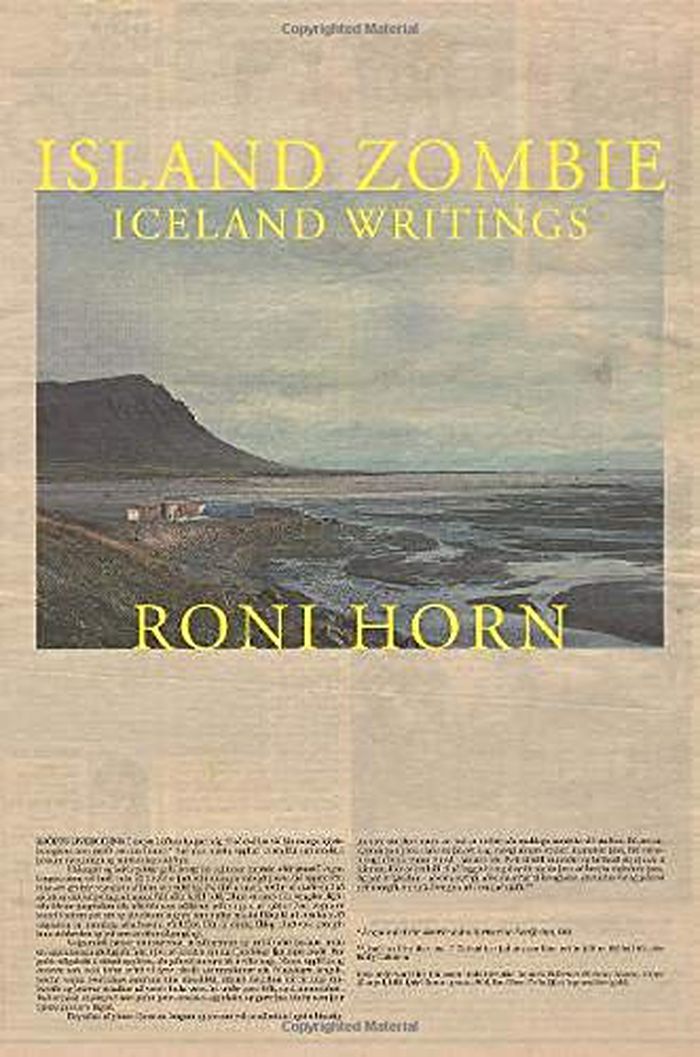
Island zombie: Iceland writings
Actions:
Price:
$45.00
(available to order)
Summary:
Contemporary artist Roni Horn first visited Iceland in 1975 at the age of nineteen, and since then, the island’s treeless expanse has had an enduring hold on Horn’s creative work. Through a series of remarkable and poetic reflections, vignettes, episodes, and illustrated essays, ''Island zombie'' distills the artist’s lifelong experience of Iceland’s natural environment. Together, these pieces offer an unforgettable exploration of the indefinable and inescapable force of remote, elemental places, and provide a sustained look at how an island and its atmosphere can take possession of the innermost self. ''Island zombie'' is a meditation on being present. It vividly conveys Horn’s experiences, from the deeply profound to the joyful and absurd. Through powerful evocations of the changing weather and other natural phenomena- the violence of the wind, the often aggressive birds, the imposing influence of glaciers, and the ubiquitous presence of water in all its variety- we come to understand the author’s abiding need for Iceland, a place uniquely essential to Horn’s creative and spiritual life. The dramatic surroundings provoke examinations of self-sufficiency and isolation, and these ruminations summon a range of cultural companions, including El Greco, Emily Dickinson, Judy Garland, Wallace Stevens, Edgar Allan Poe, William Morris, and Rachel Carson. While brilliantly portraying nature’s sublime energy, Horn also confronts issues of consumption, destruction, and loss, as the industrial and man-made encroach on Icelandic wilderness.
Form:
books
books
Publication:
December 2020
December 2020
Form:
books
books
Actions:
Price:
$41.95
(available to order)
Summary:
Is it possible for the economy to grow without the environment being destroyed? Will our lifestyles impoverish the planet for our children and grandchildren? Is the world sick? Can it be healed? Less than a lifetime ago, these questions would have made no sense. This was not because our ancestors had no impact on nature—nor because they were unaware of the serious damage(...)
Subject:
Environment and environmental theory
Environment and environmental theory
Publication:
November 2018
November 2018
Title:
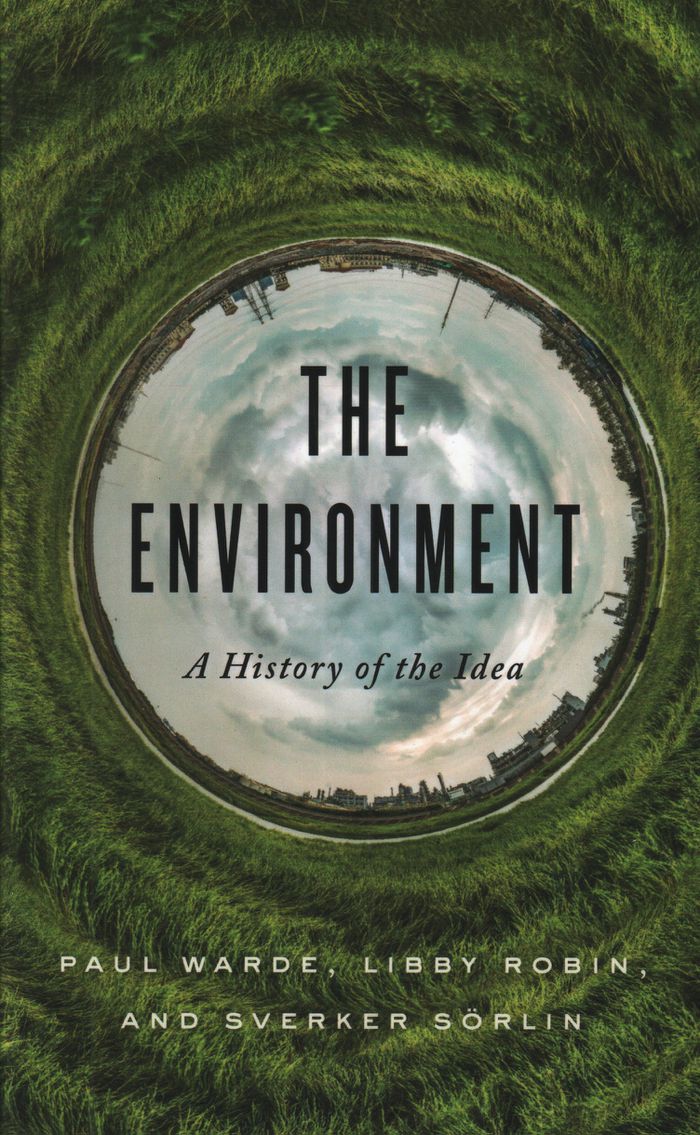
The environment: a history of an idea
Actions:
Price:
$41.95
(available to order)
Summary:
Is it possible for the economy to grow without the environment being destroyed? Will our lifestyles impoverish the planet for our children and grandchildren? Is the world sick? Can it be healed? Less than a lifetime ago, these questions would have made no sense. This was not because our ancestors had no impact on nature—nor because they were unaware of the serious damage they had done. What people lacked was an idea: a way of imagining the web of interconnection and consequence of which the natural world is made. Without this notion, we didn’t have a way to describe the scale and scope of human impact upon nature. This idea was "the environment." Paul Warde, Libby Robin, and Sverker Sörlin trace the emergence of the concept of the environment following World War II, a period characterized by both hope for a new global order and fear of humans’ capacity for almost limitless destruction. It was at this moment that a new idea and a new narrative about the planet-wide impact of people's behavior emerged, closely allied to anxieties for the future. Now we had a vocabulary for talking about how we were changing nature: resource exhaustion and energy, biodiversity, pollution, and—eventually—climate change. With the rise of "the environment," the authors argue, came new expertise, making certain kinds of knowledge crucial to understanding the future of our planet.
Form:
books
books
Publication:
November 2018
November 2018
Subject:
Environment and environmental theory
Environment and environmental theory
Form:
journals and magazines
journals and magazines
Actions:
Price:
$44.00
(available in store)
Summary:
Sustainable design and ecological building are the most significant global challenges for the design profession. To meet new building regulations and national targets for carbon emissions, all future buildings will be judged on their ‘green’ merits. For architects to maintain a competitive edge in a global market, innovation is now key; the design of new processes,(...)
Publication:
November 2011
November 2011
Title:
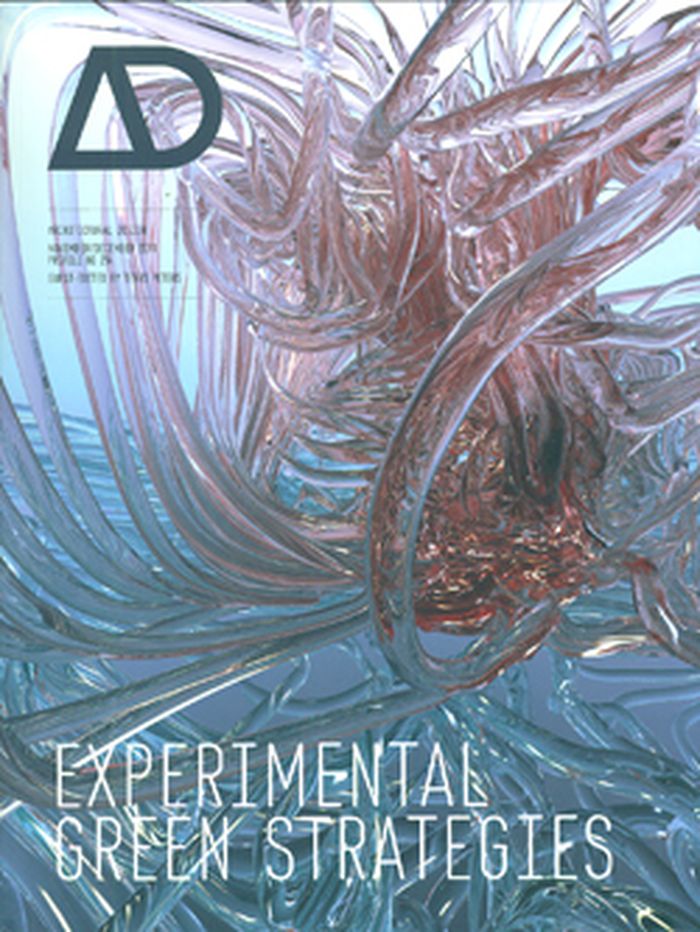
AD 81:6 : Experimental green strategies
Actions:
Price:
$44.00
(available in store)
Summary:
Sustainable design and ecological building are the most significant global challenges for the design profession. To meet new building regulations and national targets for carbon emissions, all future buildings will be judged on their ‘green’ merits. For architects to maintain a competitive edge in a global market, innovation is now key; the design of new processes, technologies and materials that combat carbon emissions and improve the sustainable performance of buildings are paramount. Contemporary practices have responded by setting up multi- disciplinary internal research and development teams, with offices such as Foster + Partners, HOK and Aedas setting the bar for ground-breaking research and development. The aim of internal groups is often to adapt and create new technologies and materials and to borrow ways of working from other disciplines, to focus on innovation rather than incrementally increasing performance or efficiency. This title offers insights into how a wide range of established and emerging practices are rising to meet these challenges. In pursuit of integrated sustainability and low-energy building, material and formal innovation and new tools and technologies, it illustrates that the future of architecture is evolving in an exchange of ideas across disciplines. Incorporating the creation of new knowledge about ecological building within the profession, it also identifies the emergence of a collective will to seek out new routes that build in harmony with the environment.
Form:
journals and magazines
journals and magazines
Publication:
November 2011
November 2011
Form:
books
books
Title:
Shaping things
Shaping things
Actions:
Price:
$27.50
(available to order)
Summary:
Sterling offers a brilliant, often hilarious history of shaped things. We have moved from an age of artefacts, made by hand, through complex machines, to the current era of "gizmos." New forms of design and manufacture are appearing that lack historical precedent, he writes; but the production methods, using archaic forms of energy and materials that are finite and toxic,(...)
Title:
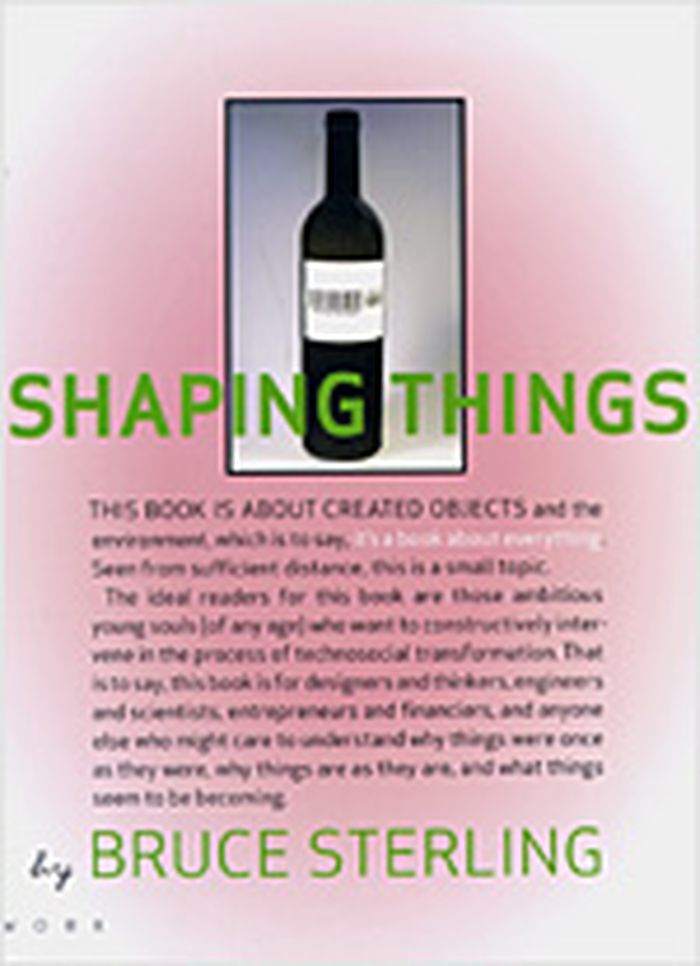
Shaping things
Actions:
Price:
$27.50
(available to order)
Summary:
Sterling offers a brilliant, often hilarious history of shaped things. We have moved from an age of artefacts, made by hand, through complex machines, to the current era of "gizmos." New forms of design and manufacture are appearing that lack historical precedent, he writes; but the production methods, using archaic forms of energy and materials that are finite and toxic, are not sustainable. The future will see a new kind of object - we have the primitive forms of them now in our pockets and briefcases: user-alterable, baroquely multi-featured, and programmable - that will be sustainable, enhanceable, and uniquely identifiable. Sterling coins the term "spime" for them, these future manufactured objects with informational support so extensive and rich that they are regarded as material instantiations of an immaterial system. Spimes are designed on screens, fabricated by digital means, and precisely tracked through space and time. They are made of substances that can be folded back into the production stream of future spimes, challenging all of us to become involved in their production. Spimes are coming, says Sterling. We will need these objects in order to live; we won't be able to surrender their advantages without awful consequences. The vision of ‘Shaping Things’ is given material form by the intricate design of Lorraine Wild. ‘Shaping Things’ is for designers and thinkers, engineers and scientists, entrepreneurs and financiers - and anyone who wants to understand and be part of the process of techno-social transformation.
Form:
books
books
Publication:
September 2005, Cambridge, Massachusetts
September 2005, Cambridge, Massachusetts
Subject:
Design Theory
Design Theory
Form:
books
books
Actions:
Price:
$42.95
(available to order)
Summary:
Architects Jesse Reiser and Nanako Umemoto have been generating some of the most provocative thinking in the field for nearly twenty years. With "Atlas of novel tectonics", Reiser+Umemoto hone in on the many facets of architecture and illuminate their theories with thought and simplicity. The Atlas is organized as an accumulation of short chapters that address the(...)
Subject:
Architecture Monographs
Architecture Monographs
Publication:
February 2006, New York
February 2006, New York
Title:
Reiser + Umemoto: Atlas of novel tectonics
Actions:
Price:
$42.95
(available to order)
Summary:
Architects Jesse Reiser and Nanako Umemoto have been generating some of the most provocative thinking in the field for nearly twenty years. With "Atlas of novel tectonics", Reiser+Umemoto hone in on the many facets of architecture and illuminate their theories with thought and simplicity. The Atlas is organized as an accumulation of short chapters that address the workings of matter and force, material science, the lessons of art and architectural history, and the influence of architecture on culture (and vice versa). Reiser+Umemoto see architectural design as a series of problem situations, and each chapter is an argument devoted to a specific condition or case. Influenced by a wide range of fields and phenomena —Brillat-Savarin's classic "The physiology of taste" is one of their primary models—the authors provide a cross-section of thinking and inspiration. The result is both an elucidation of the concepts that guide Reiser+Umemoto through their own design process and a series of meditations on topics that have formed their own sense as architects. "Atlas of novel tectonics" offers an entirely fresh perspective on subjects that are generally taken for granted, and does so with a welcome punch and energy. Jesse Reiser and Nanako Umemoto are the founding partners of Reiser+Umemoto RUR, an architectural firm based in New York City. Their work encompasses a wide range of scales, from furniture design to landscape and infrastructure.
Form:
books
books
Publication:
February 2006, New York
February 2006, New York
Subject:
Architecture Monographs
Architecture Monographs
Form:
books
books
Actions:
Price:
$54.95
(available to order)
Summary:
For years, architects have enjoyed the challenge of incorporating lightweight structures -- fabrics, tents, canopies, membranes, and so on -- into their designs. Such materials are a welcome boon to architectural creativity, allowing designers to envision spaces that take innovative shapes and interact with their surroundings in ways unattainable with conventional(...)
Title:
The magic of tents : transforming space
Actions:
Price:
$54.95
(available to order)
Summary:
For years, architects have enjoyed the challenge of incorporating lightweight structures -- fabrics, tents, canopies, membranes, and so on -- into their designs. Such materials are a welcome boon to architectural creativity, allowing designers to envision spaces that take innovative shapes and interact with their surroundings in ways unattainable with conventional materials. Recent years have seen an increase in the use of such structures, in part because advances in computer technology have made it easier to render and model such projects, and in part because such structures are ideally suited to today's increasing concerns about environmentalism and sustainability. The Magic of Tents showcases innovative uses of lightweight, tented structures from across the United States and around the world -- from an Arizona school to an Istanbul bank, from a Miami nightclub on the beach to a private home in Germany, from corporate headquarters in Los Angeles to offices in Oslo, and many more! The book features both residential and commercial projects, projects with both exterior and interior usages, projects where the tented element is the driving component of the design, and projects that incorporate lightweight structures to accent or address a specific need. Endlessly flexible, nurturing of creativity, cost- and energy-conscious, tented structures are an ideal means to address many concerns of modern architecture -- a creative means to not only define space, but also to transform it into something to meet all sorts of design needs, for projects both grand and small.
Form:
books
books
Publication:
May 2004, New York
May 2004, New York
Subject:
Miniature Architecture
Miniature Architecture


