


2644 Results
Form:
books
books
Actions:
Price:
$124.00
(available to order)
Summary:
Featuring photographs and video stills made over more than a decade, "The distance within" reflects on Nicola Brandt’s German and Namibian inheritance and deconstructs certain established ways of seeing Namibia. Brandt traveled the country extensively, documenting landscapes and people, structures and encounters, to reveal ensnared histories of German colonialism,(...)
$124.00
(available to order)
Summary:
Featuring photographs and video stills made over more than a decade, "The distance within" reflects on Nicola Brandt’s German and Namibian inheritance and deconstructs certain established ways of seeing Namibia. Brandt traveled the country extensively, documenting landscapes and people, structures and encounters, to reveal ensnared histories of German colonialism,(...)
Title:
Nicola Brandt: The distance within
Actions:
Price:
$124.00
(available to order)
Summary:
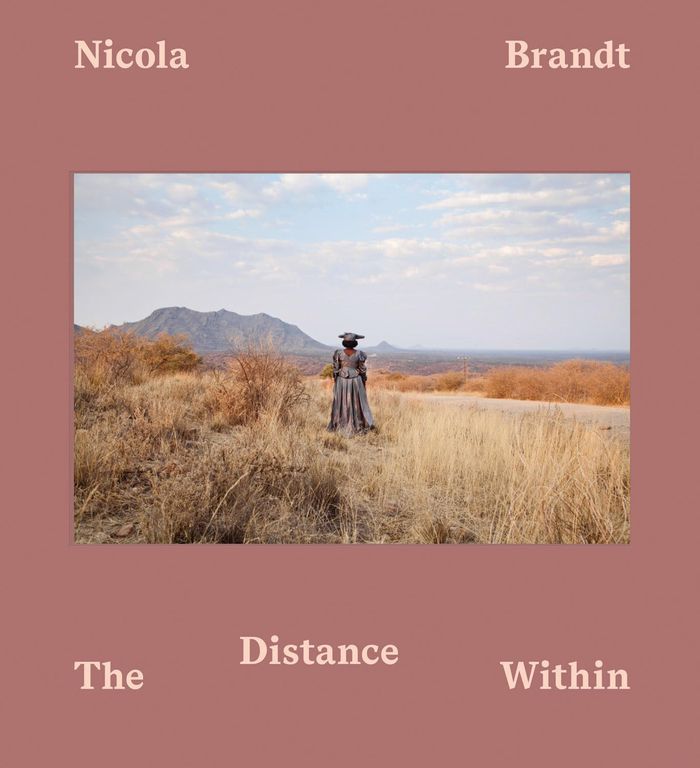
Featuring photographs and video stills made over more than a decade, "The distance within" reflects on Nicola Brandt’s German and Namibian inheritance and deconstructs certain established ways of seeing Namibia. Brandt traveled the country extensively, documenting landscapes and people, structures and encounters, to reveal ensnared histories of German colonialism, National Socialism and apartheid. Markers of these histories range from the ephemeral and private, such as a dilapidated mound of stones as a roadside memorial, to official sites of remembrance and resistance, particularly for colonial atrocities. Alongside her images, Brandt assembles texts by thought leaders in photography, postcolonial cultures, memory and genocide studies, as well as material from private and public archives, to understand enduring blind spots. The result is an intersectional argument in favor of reclaiming suppressed indigenous stories and identities, undoing romantic notions of whiteness, and, ultimately, illuminating what has not been visible.
Nicola Brandt: The distance within
Actions:
Price:
$124.00
(available to order)
Summary:
Featuring photographs and video stills made over more than a decade, "The distance within" reflects on Nicola Brandt’s German and Namibian inheritance and deconstructs certain established ways of seeing Namibia. Brandt traveled the country extensively, documenting landscapes and people, structures and encounters, to reveal ensnared histories of German colonialism, National Socialism and apartheid. Markers of these histories range from the ephemeral and private, such as a dilapidated mound of stones as a roadside memorial, to official sites of remembrance and resistance, particularly for colonial atrocities. Alongside her images, Brandt assembles texts by thought leaders in photography, postcolonial cultures, memory and genocide studies, as well as material from private and public archives, to understand enduring blind spots. The result is an intersectional argument in favor of reclaiming suppressed indigenous stories and identities, undoing romantic notions of whiteness, and, ultimately, illuminating what has not been visible.
Form:
books
books
Publication:
May 2024
May 2024
Subject:
Photography monographs
Photography monographs
Form:
books
books
Title:
Huong Ngo: Ungrafting
Huong Ngo: Ungrafting
Actions:
Price:
$44.00
(available to order)
Summary:
Huong Ngô (born 1979) is a Hong Kong–born artist based in Santa Barbara. Her conceptual, research-based practice often takes the form of installation, printmaking and nontraditional mediums. Ungrafting looks at histories of colonial violence, specifically French colonialism in Vietnam, as well as resistance movements, through image-making, translations and material(...)
$44.00
(available to order)
Summary:
Huong Ngô (born 1979) is a Hong Kong–born artist based in Santa Barbara. Her conceptual, research-based practice often takes the form of installation, printmaking and nontraditional mediums. Ungrafting looks at histories of colonial violence, specifically French colonialism in Vietnam, as well as resistance movements, through image-making, translations and material(...)
Subject:
Contemporary Art Monographs
Contemporary Art Monographs
Publication:
October 2024
October 2024
Title:
Huong Ngo: Ungrafting
Actions:
Price:
$44.00
(available to order)
Summary:
Huong Ngô (born 1979) is a Hong Kong–born artist based in Santa Barbara. Her conceptual, research-based practice often takes the form of installation, printmaking and nontraditional mediums. Ungrafting looks at histories of colonial violence, specifically French colonialism in Vietnam, as well as resistance movements, through image-making, translations and material investigations. Ngô turns to a series of early 20th-century photographs showing foreign trees and tree grafts planted in Vietnam by the French. For the artist, grafting—a procedure that involves cutting and splicing different species into a single plant—serves as a powerful metaphor for the physical violence inherent in colonialism. An essay by Justin Quang Nguyên Phan, and conversations between Ngô and Aline Lo and Evyn Lê Espiritu Gandhi and Chadwick Allen, reflect on the connection between Ngô’s exhibition and global anticolonialism, the trans-Indigenous and the role of the archive in artistic production.
Huong Ngo: Ungrafting
Actions:
Price:
$44.00
(available to order)
Summary:
Huong Ngô (born 1979) is a Hong Kong–born artist based in Santa Barbara. Her conceptual, research-based practice often takes the form of installation, printmaking and nontraditional mediums. Ungrafting looks at histories of colonial violence, specifically French colonialism in Vietnam, as well as resistance movements, through image-making, translations and material investigations. Ngô turns to a series of early 20th-century photographs showing foreign trees and tree grafts planted in Vietnam by the French. For the artist, grafting—a procedure that involves cutting and splicing different species into a single plant—serves as a powerful metaphor for the physical violence inherent in colonialism. An essay by Justin Quang Nguyên Phan, and conversations between Ngô and Aline Lo and Evyn Lê Espiritu Gandhi and Chadwick Allen, reflect on the connection between Ngô’s exhibition and global anticolonialism, the trans-Indigenous and the role of the archive in artistic production.
Form:
books
books
Publication:
October 2024
October 2024
Subject:
Contemporary Art Monographs
Contemporary Art Monographs
Form:
books
books
Actions:
Price:
$66.95
(available in store)
Summary:
''Designed Forests: A Cultural History'' explores the unique kinship that exists between forests and spatial design; the forest’s influence on architectural culture and practice; and the potentials and pitfalls of “forest thinking” for more sustainable and ethical ways of doing architecture today. It tackles these subjects by focusing on architecture’s own dispositions,(...)
$66.95
(available in store)
Summary:
''Designed Forests: A Cultural History'' explores the unique kinship that exists between forests and spatial design; the forest’s influence on architectural culture and practice; and the potentials and pitfalls of “forest thinking” for more sustainable and ethical ways of doing architecture today. It tackles these subjects by focusing on architecture’s own dispositions,(...)
Title:
Designed forests: A cultural history
Actions:
Price:
$66.95
(available in store)
Summary:
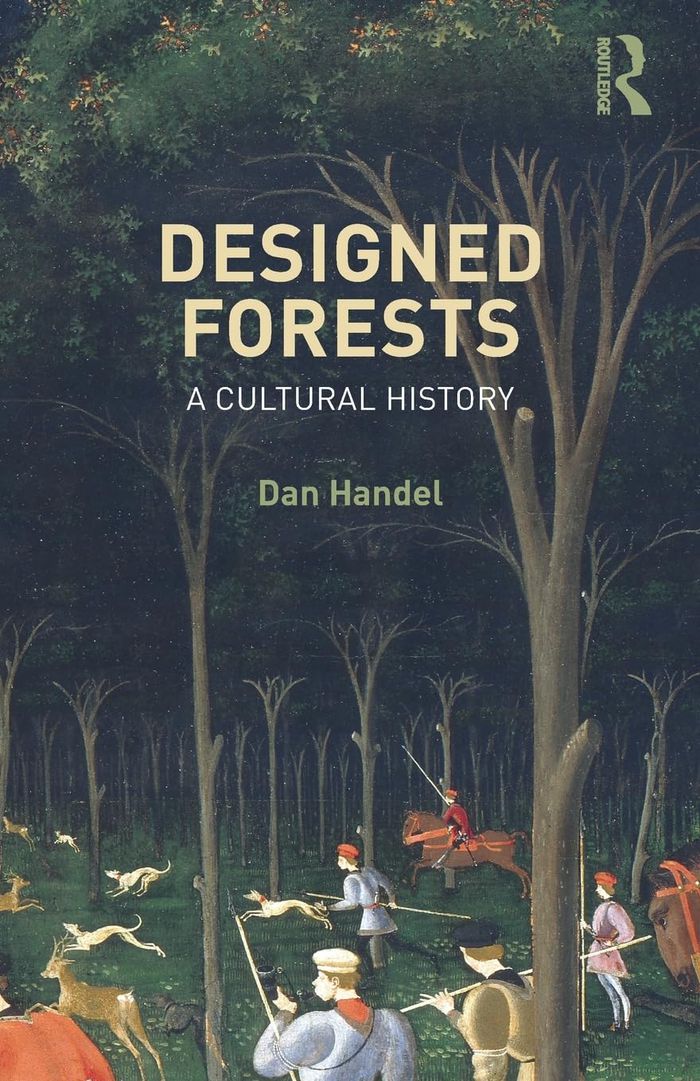
''Designed Forests: A Cultural History'' explores the unique kinship that exists between forests and spatial design; the forest’s influence on architectural culture and practice; and the potentials and pitfalls of “forest thinking” for more sustainable and ethical ways of doing architecture today. It tackles these subjects by focusing on architecture’s own dispositions, which stem from an ecology of metaphor that surrounds its encounters with the forest and undergird ideas about Nature and natural systems. The book weaves together global narratives and chapters explore a range of topics, such as the invention of forest plans in colonial India, the war waged on the jungles of Vietnam, economic land use concepts in rural Germany, precolonial ecological pasts in Manhattan, and technologically saturated forests in California. This book is essential for landscape architects, urbanists, architects, forestry experts, and everyone concerned with larger environmental contexts and the ever-evolving relationship between nature and culture.
Designed forests: A cultural history
Actions:
Price:
$66.95
(available in store)
Summary:
''Designed Forests: A Cultural History'' explores the unique kinship that exists between forests and spatial design; the forest’s influence on architectural culture and practice; and the potentials and pitfalls of “forest thinking” for more sustainable and ethical ways of doing architecture today. It tackles these subjects by focusing on architecture’s own dispositions, which stem from an ecology of metaphor that surrounds its encounters with the forest and undergird ideas about Nature and natural systems. The book weaves together global narratives and chapters explore a range of topics, such as the invention of forest plans in colonial India, the war waged on the jungles of Vietnam, economic land use concepts in rural Germany, precolonial ecological pasts in Manhattan, and technologically saturated forests in California. This book is essential for landscape architects, urbanists, architects, forestry experts, and everyone concerned with larger environmental contexts and the ever-evolving relationship between nature and culture.
Form:
books
books
Publication:
December 2024
December 2024
Subject:
Landscape Theory
Landscape Theory
Form:
books
books
Actions:
Price:
$91.95
(available to order)
Summary:
Asmara, the capital of the small east African country of Eritrea, bordering the Red Sea, is one of the most important and exciting architectural ‘discoveries’ of recent years. Built almost entirely in the 1930s by the Italians, Asmara has one of the highest concentrations of modernist architecture anywhere in the world, and has evocatively been described as “the Miami of(...)
$91.95
(available to order)
Summary:
Asmara, the capital of the small east African country of Eritrea, bordering the Red Sea, is one of the most important and exciting architectural ‘discoveries’ of recent years. Built almost entirely in the 1930s by the Italians, Asmara has one of the highest concentrations of modernist architecture anywhere in the world, and has evocatively been described as “the Miami of(...)
Subject:
History until 1900, Middle East
History until 1900, Middle East
Publication:
September 2003, London
September 2003, London
Title:
Asmara : Africa's secret modernist city
Actions:
Price:
$91.95
(available to order)
Summary:
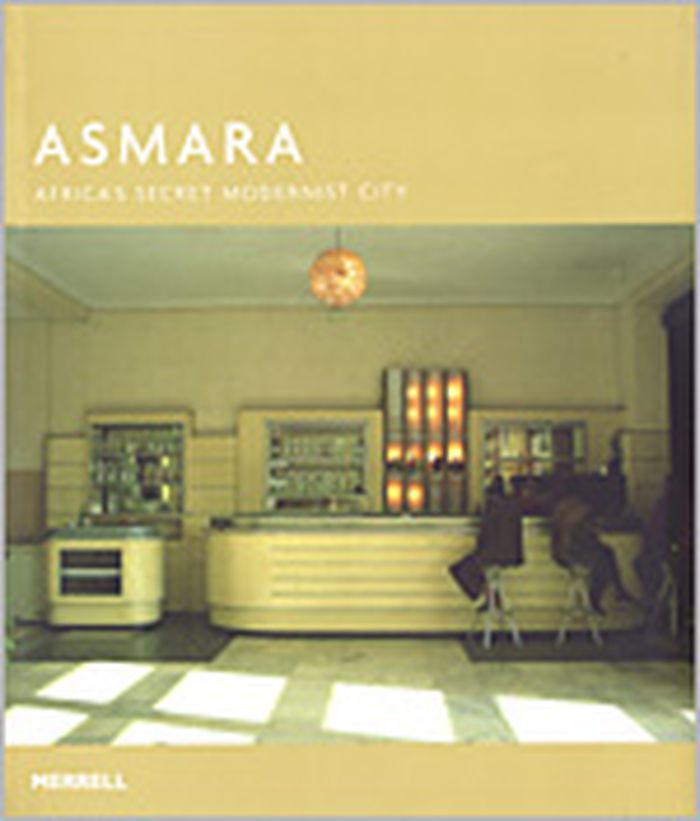
Asmara, the capital of the small east African country of Eritrea, bordering the Red Sea, is one of the most important and exciting architectural ‘discoveries’ of recent years. Built almost entirely in the 1930s by the Italians, Asmara has one of the highest concentrations of modernist architecture anywhere in the world, and has evocatively been described as “the Miami of Africa”. Desperate to build quickly, the colonial government of the time allowed radical architectural experimentation that would not have found favour in the more conservative European environment. Asmara therefore became one of the world’s prime locations for architectural innovation during the Modern Movement. That this occurred at all is remarkable enough, but that these buildings should have survived in such numbers today makes it one of the finest modernist cities in the world. This is a building-by-building survey, illustrated with rare archival material and specially commissioned photographs
Asmara : Africa's secret modernist city
Actions:
Price:
$91.95
(available to order)
Summary:
Asmara, the capital of the small east African country of Eritrea, bordering the Red Sea, is one of the most important and exciting architectural ‘discoveries’ of recent years. Built almost entirely in the 1930s by the Italians, Asmara has one of the highest concentrations of modernist architecture anywhere in the world, and has evocatively been described as “the Miami of Africa”. Desperate to build quickly, the colonial government of the time allowed radical architectural experimentation that would not have found favour in the more conservative European environment. Asmara therefore became one of the world’s prime locations for architectural innovation during the Modern Movement. That this occurred at all is remarkable enough, but that these buildings should have survived in such numbers today makes it one of the finest modernist cities in the world. This is a building-by-building survey, illustrated with rare archival material and specially commissioned photographs
Form:
books
books
Publication:
September 2003, London
September 2003, London
Subject:
History until 1900, Middle East
History until 1900, Middle East
Form:
books
books
Title:
Cabinet 62 : milk
Cabinet 62 : milk
Actions:
Price:
$15.00
(available to order)
Summary:
One of only a handful of substances produced in nature expressly as food, milk is fundamental for infant mammalian nutrition, but is also foundational in human myth and religion. Cabinet issue 62, with a special section on “Milk,” includes Renata Salecl on the psychoanalytical implications of the recent death of a child solely breastfed for the first five years of his(...)
$15.00
(available to order)
Summary:
One of only a handful of substances produced in nature expressly as food, milk is fundamental for infant mammalian nutrition, but is also foundational in human myth and religion. Cabinet issue 62, with a special section on “Milk,” includes Renata Salecl on the psychoanalytical implications of the recent death of a child solely breastfed for the first five years of his(...)
Title:
Cabinet 62 : milk
Actions:
Price:
$15.00
(available to order)
Summary:
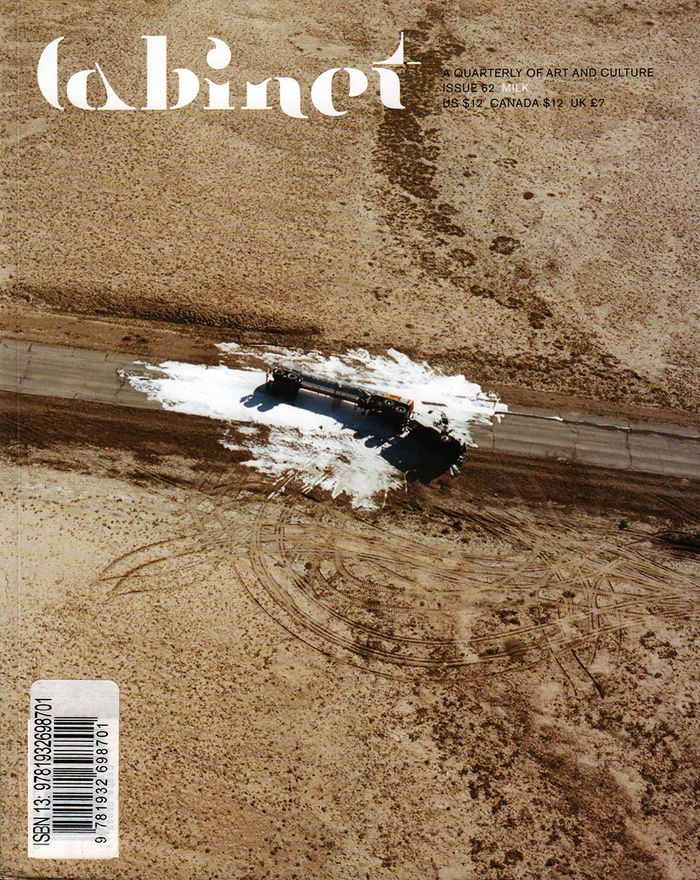
One of only a handful of substances produced in nature expressly as food, milk is fundamental for infant mammalian nutrition, but is also foundational in human myth and religion. Cabinet issue 62, with a special section on “Milk,” includes Renata Salecl on the psychoanalytical implications of the recent death of a child solely breastfed for the first five years of his life; Jeff Dolven on milk and luminosity; Esther Leslie and Melanie Jackson on the ways in which milk is transformed from primary material to metaphorical excess; and Melanie Tyson on the colonial history of condensed milk. Elsewhere in the issue: Daniel Rosenberg on Maurice Sendak’s beloved “Nutshell Library” and the fantasies of book classification; Richard Cooke on the history of live sex shows in Europe and their sudden decline in the 1980s; and an artist project by S. Billie Mandle exploring the varieties of Catholic confessionals.
Cabinet 62 : milk
Actions:
Price:
$15.00
(available to order)
Summary:
One of only a handful of substances produced in nature expressly as food, milk is fundamental for infant mammalian nutrition, but is also foundational in human myth and religion. Cabinet issue 62, with a special section on “Milk,” includes Renata Salecl on the psychoanalytical implications of the recent death of a child solely breastfed for the first five years of his life; Jeff Dolven on milk and luminosity; Esther Leslie and Melanie Jackson on the ways in which milk is transformed from primary material to metaphorical excess; and Melanie Tyson on the colonial history of condensed milk. Elsewhere in the issue: Daniel Rosenberg on Maurice Sendak’s beloved “Nutshell Library” and the fantasies of book classification; Richard Cooke on the history of live sex shows in Europe and their sudden decline in the 1980s; and an artist project by S. Billie Mandle exploring the varieties of Catholic confessionals.
Form:
books
books
Publication:
June 2017
June 2017
Subject:
Magazines
Magazines
Form:
books
books
Title:
The Cape Cod cottage
The Cape Cod cottage
Actions:
Price:
$32.95
(available to order)
Summary:
The Cape Cod cottage has been one of America's most popular home styles for almost four hundred years. While a perennial domestic favorite, historians have long ignored the modest Cape Cod, relegating it to a vernacular footnote along with barns and mills. In "The Cape Cod cottage" architectural historian and photographer William Morgan places this uniquely American(...)
$32.95
(available to order)
Summary:
The Cape Cod cottage has been one of America's most popular home styles for almost four hundred years. While a perennial domestic favorite, historians have long ignored the modest Cape Cod, relegating it to a vernacular footnote along with barns and mills. In "The Cape Cod cottage" architectural historian and photographer William Morgan places this uniquely American(...)
Title:
The Cape Cod cottage
Actions:
Price:
$32.95
(available to order)
Summary:
The Cape Cod cottage has been one of America's most popular home styles for almost four hundred years. While a perennial domestic favorite, historians have long ignored the modest Cape Cod, relegating it to a vernacular footnote along with barns and mills. In "The Cape Cod cottage" architectural historian and photographer William Morgan places this uniquely American house—a remarkable combination of necessity and tradition—in its historical context and makes a compelling argument for the reassessment of its place in the history of American architecture. "The Cape Cod cottage" follows the uniquely American house type from its earliest beginnings in the colonial period, through its spread across New England, to its embrace as a suburban ideal in the twentieth century, and its reinterpretation by contemporary architects. Historical images of lost Capes augment new photographs taken specifi- cally for the book. Foreword by Daniel V. Scully.
The Cape Cod cottage
Actions:
Price:
$32.95
(available to order)
Summary:
The Cape Cod cottage has been one of America's most popular home styles for almost four hundred years. While a perennial domestic favorite, historians have long ignored the modest Cape Cod, relegating it to a vernacular footnote along with barns and mills. In "The Cape Cod cottage" architectural historian and photographer William Morgan places this uniquely American house—a remarkable combination of necessity and tradition—in its historical context and makes a compelling argument for the reassessment of its place in the history of American architecture. "The Cape Cod cottage" follows the uniquely American house type from its earliest beginnings in the colonial period, through its spread across New England, to its embrace as a suburban ideal in the twentieth century, and its reinterpretation by contemporary architects. Historical images of lost Capes augment new photographs taken specifi- cally for the book. Foreword by Daniel V. Scully.
Form:
books
books
Publication:
June 2006, New York
June 2006, New York
Subject:
History until 1900
History until 1900
Form:
books
books
Actions:
Price:
$45.00
(available to order)
Summary:
The inaugural Toronto Biennial of Art in 2019 was the first edition of a two-part biennial that traced interconnected narratives around the city’s ever-changing shoreline. These connections sought to reveal strategies of resistance against industrial-colonial systems, uncover polyphonic histories sedimented around the shoreline, and open up relations between the human and(...)
$45.00
(available to order)
Summary:
The inaugural Toronto Biennial of Art in 2019 was the first edition of a two-part biennial that traced interconnected narratives around the city’s ever-changing shoreline. These connections sought to reveal strategies of resistance against industrial-colonial systems, uncover polyphonic histories sedimented around the shoreline, and open up relations between the human and(...)
Title:
Water, kinship, belief. Toronto Biennale of Art 2022
Actions:
Price:
$45.00
(available to order)
Summary:
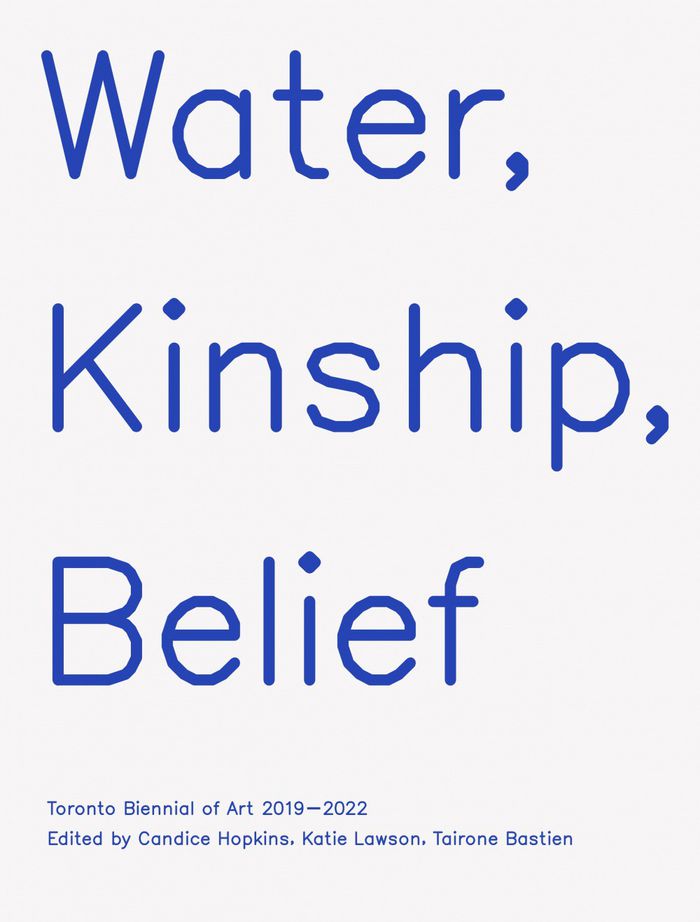
The inaugural Toronto Biennial of Art in 2019 was the first edition of a two-part biennial that traced interconnected narratives around the city’s ever-changing shoreline. These connections sought to reveal strategies of resistance against industrial-colonial systems, uncover polyphonic histories sedimented around the shoreline, and open up relations between the human and more-than-human. To extend this artistic thinking and expand notions of relationality, in 2022, the second edition moves inland to follow tributaries and ravines, both above ground and hidden, that shape this place. In relation to these two Biennial exhibitions, this publication is a “third” site, a place where the continuities, resonances, and dissonances between Biennial editions are extended. Its pages become a means to bring together the artists, artworks, collaborators, and ideas that have together informed the exhibitions, irrespective of chronology, dispensing with categories, and part of a greater whole.
Water, kinship, belief. Toronto Biennale of Art 2022
Actions:
Price:
$45.00
(available to order)
Summary:
The inaugural Toronto Biennial of Art in 2019 was the first edition of a two-part biennial that traced interconnected narratives around the city’s ever-changing shoreline. These connections sought to reveal strategies of resistance against industrial-colonial systems, uncover polyphonic histories sedimented around the shoreline, and open up relations between the human and more-than-human. To extend this artistic thinking and expand notions of relationality, in 2022, the second edition moves inland to follow tributaries and ravines, both above ground and hidden, that shape this place. In relation to these two Biennial exhibitions, this publication is a “third” site, a place where the continuities, resonances, and dissonances between Biennial editions are extended. Its pages become a means to bring together the artists, artworks, collaborators, and ideas that have together informed the exhibitions, irrespective of chronology, dispensing with categories, and part of a greater whole.
Form:
books
books
Publication:
June 2022
June 2022
Subject:
Biennial
Biennial
Form:
books
books
Actions:
Holdings:
Description:
294 pages : illustrations (some color), maps ; 23 cm.
Description:
294 pages : illustrations (some color), maps ; 23 cm.
Author:
Subject:
Publication:
Zurich : Diaphanes, [2018]
Zurich : Diaphanes, [2018]
Title:
Natura : environmental aesthetics after landscape / edited by Jens Andermann, Lisa Blackmore, Dayron Carillo Morell.
Actions:
Holdings:
Description:
294 pages : illustrations (some color), maps ; 23 cm.
Natura : environmental aesthetics after landscape / edited by Jens Andermann, Lisa Blackmore, Dayron Carillo Morell.
Actions:
Holdings:
Description:
294 pages : illustrations (some color), maps ; 23 cm.
Form:
books
books
Publication:
Zurich : Diaphanes, [2018]
Zurich : Diaphanes, [2018]
Author:
Subject:
Form:
books
books
Price:
$24.95
(available to order)
Summary:
Some cities seem destined to become major financial capitals, yet never do--Seville, for instance, was the centre of Spain's opulent New World Empire, but failed to become a financial metropolis. Others, like former colonial backwater Hong Kong, defy the odds by growing into major trading centres. What are the key factors distinguishing those cities that become wealthy(...)
$24.95
(available to order)
Summary:
Some cities seem destined to become major financial capitals, yet never do--Seville, for instance, was the centre of Spain's opulent New World Empire, but failed to become a financial metropolis. Others, like former colonial backwater Hong Kong, defy the odds by growing into major trading centres. What are the key factors distinguishing those cities that become wealthy(...)
Title:
The evolution of great world cities : urban wealth and economic growth
Actions:
Price:
$24.95
(available to order)
Summary:
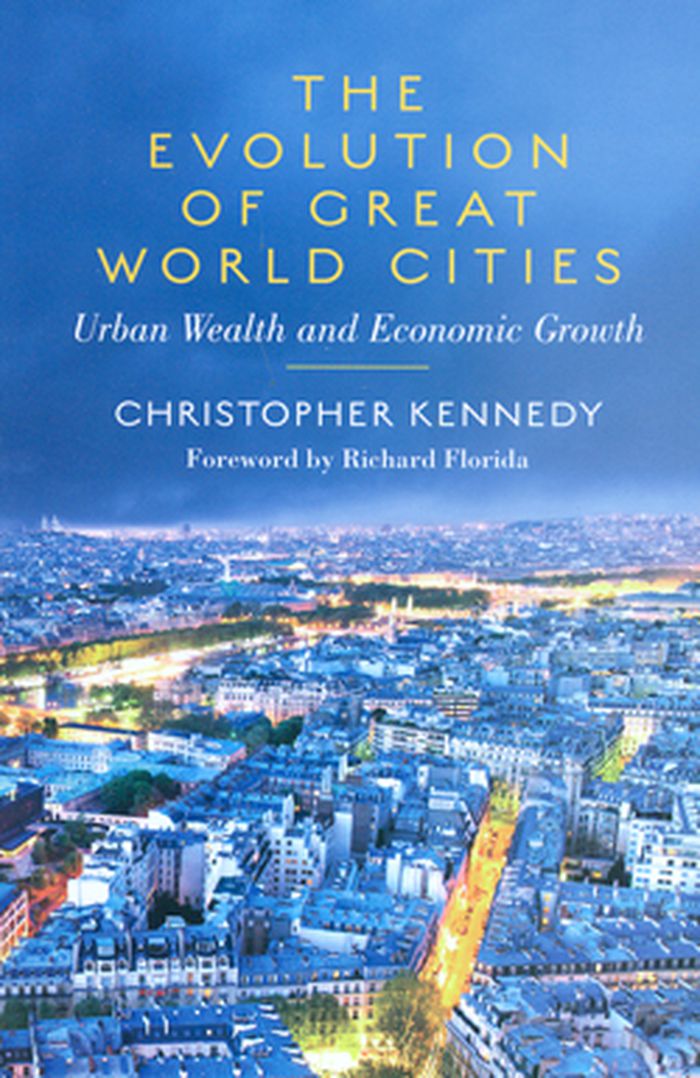
Some cities seem destined to become major financial capitals, yet never do--Seville, for instance, was the centre of Spain's opulent New World Empire, but failed to become a financial metropolis. Others, like former colonial backwater Hong Kong, defy the odds by growing into major trading centres. What are the key factors distinguishing those cities that become wealthy from those that don't? Christopher Kennedy illuminates how geography, technology, and especially the infrastructure of urban economies allow cities to develop and thrive. The Evolution of Great World Cities unfolds through the tales of several urban centres -including Venice, Amsterdam, London, and New York City - at key junctures in their histories. Kennedy weaves together significant insights from urbanists such as Jane Jacobs and economists such as John Maynard Keynes, drawing striking parallels between the functioning of ecosystems and of wealthy capitals. The Evolution of Great World Cities offers an accessible introduction to urban economies that "will change the way you think about cities."
The evolution of great world cities : urban wealth and economic growth
Actions:
Price:
$24.95
(available to order)
Summary:
Some cities seem destined to become major financial capitals, yet never do--Seville, for instance, was the centre of Spain's opulent New World Empire, but failed to become a financial metropolis. Others, like former colonial backwater Hong Kong, defy the odds by growing into major trading centres. What are the key factors distinguishing those cities that become wealthy from those that don't? Christopher Kennedy illuminates how geography, technology, and especially the infrastructure of urban economies allow cities to develop and thrive. The Evolution of Great World Cities unfolds through the tales of several urban centres -including Venice, Amsterdam, London, and New York City - at key junctures in their histories. Kennedy weaves together significant insights from urbanists such as Jane Jacobs and economists such as John Maynard Keynes, drawing striking parallels between the functioning of ecosystems and of wealthy capitals. The Evolution of Great World Cities offers an accessible introduction to urban economies that "will change the way you think about cities."
Form:
books
books
Publication:
June 2011
June 2011
Subject:
Urban Theory
Urban Theory
Form:
books
books
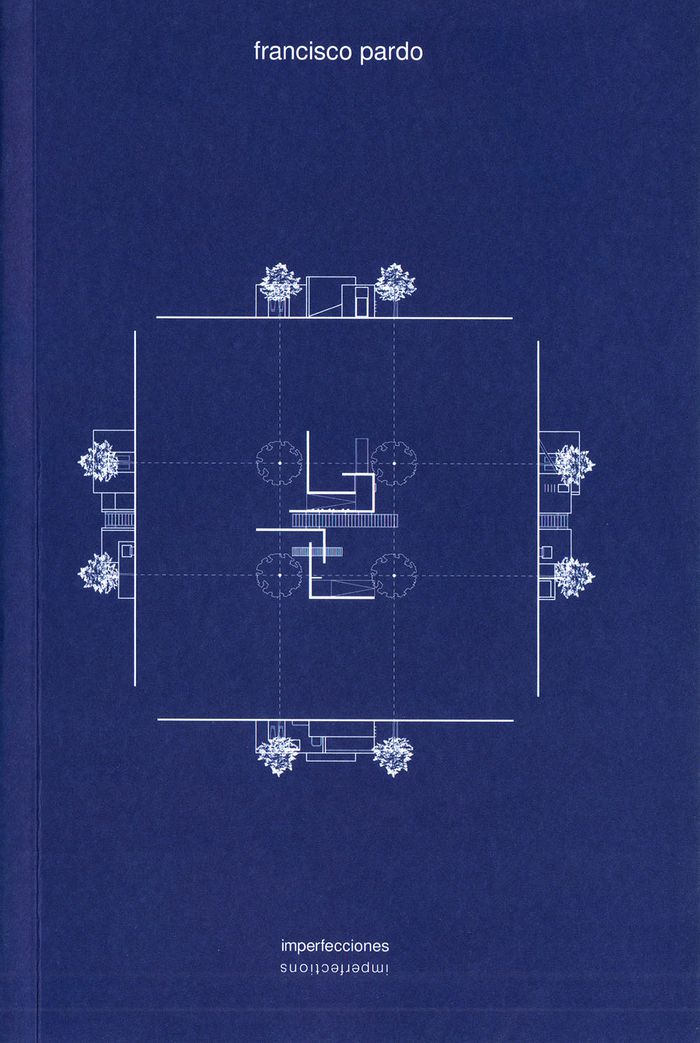
Actions:
Price:
$45.00
(available in store)
Summary:
Since 2015, Mexican architect Francisco Pardo has run his own practice in fast-growing and fast-changing Mexico City. His projects have reflected how Mexico is transforming the idea of the Latin American city: part ancient, part colonial, part futuristic. His Havre 69 project, created with his partner from architecture firm at103, Julio Amezcua, repurposes a 100-year-old(...)
$45.00
(available in store)
Summary:
Since 2015, Mexican architect Francisco Pardo has run his own practice in fast-growing and fast-changing Mexico City. His projects have reflected how Mexico is transforming the idea of the Latin American city: part ancient, part colonial, part futuristic. His Havre 69 project, created with his partner from architecture firm at103, Julio Amezcua, repurposes a 100-year-old(...)
Title:
Francisco Pardo: imperfections
Actions:
Price:
$45.00
(available in store)
Summary:
Since 2015, Mexican architect Francisco Pardo has run his own practice in fast-growing and fast-changing Mexico City. His projects have reflected how Mexico is transforming the idea of the Latin American city: part ancient, part colonial, part futuristic. His Havre 69 project, created with his partner from architecture firm at103, Julio Amezcua, repurposes a 100-year-old residence for upper-middle-class families into offices, 12 separate residences, a bakery and a restaurant. On the one hand, Pardo exposes large sections of brick and maintains the original tile, while on the other, he builds modernist concrete and glass boxes that frame the original façade. Likewise, the architect's Milan44 project takes an autoparts store in a warehouse in the Roma neighborhood of Mexico City and creates a vertical urban market that brings the storefront street level onto each level of the structure. The architecture of Francisco Pardo reflects a fresh direction in the vast project of building Latin America into the future.
Francisco Pardo: imperfections
Actions:
Price:
$45.00
(available in store)
Summary:
Since 2015, Mexican architect Francisco Pardo has run his own practice in fast-growing and fast-changing Mexico City. His projects have reflected how Mexico is transforming the idea of the Latin American city: part ancient, part colonial, part futuristic. His Havre 69 project, created with his partner from architecture firm at103, Julio Amezcua, repurposes a 100-year-old residence for upper-middle-class families into offices, 12 separate residences, a bakery and a restaurant. On the one hand, Pardo exposes large sections of brick and maintains the original tile, while on the other, he builds modernist concrete and glass boxes that frame the original façade. Likewise, the architect's Milan44 project takes an autoparts store in a warehouse in the Roma neighborhood of Mexico City and creates a vertical urban market that brings the storefront street level onto each level of the structure. The architecture of Francisco Pardo reflects a fresh direction in the vast project of building Latin America into the future.
Form:
books
books
Publication:
July 2019
July 2019
Subject:
Architecture Monographs
Architecture Monographs


