


2644 Results
Form:
books
books
Actions:
Price:
$75.00
(available in store)
Summary:
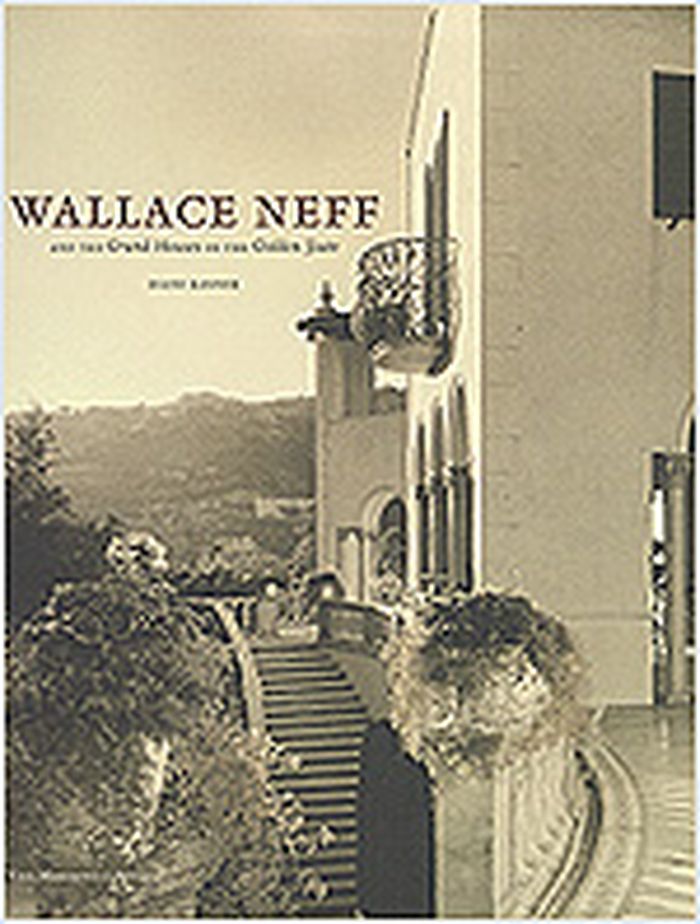
Wallace Neff may have been the preeminent architect of Spanish colonial-revival houses in Southern California. Neff was an inventive designer who was not only adept at manipulating traditional styles to please famous, wealthy clients like Cary Grant, Claudette Colbert, and Darryl Zanuck; he was also a pioneer in low-cost housing and pneumatic building. The Bubble House,(...)
Title:
Wallace Neff and the grand houses of the golden state
Actions:
Price:
$75.00
(available in store)
Summary:
Wallace Neff may have been the preeminent architect of Spanish colonial-revival houses in Southern California. Neff was an inventive designer who was not only adept at manipulating traditional styles to please famous, wealthy clients like Cary Grant, Claudette Colbert, and Darryl Zanuck; he was also a pioneer in low-cost housing and pneumatic building. The Bubble House, as his best-known Airform structure was fondly nicknamed, had a social vision as compelling as that of any modernist housing project. "Wallace Neff and the grand houses of the golden state" tells the life story of this architect, who was raised as Southern California aristocracy - an heir to one of the founders of Rand McNally & Company -- and grew up to influence the course of architectural history in California. Illustrated throughout with black-and-white archival photographs that document Neff's family life and professional accomplishments, journalist Diane Kanner's compelling narrative offers a behind-the-scenes look at the development of residential architecture in Southern California.
Form:
books
books
Publication:
November 2005, New York
November 2005, New York
Subject:
Architecture Monographs
Architecture Monographs
Form:
books
books
Actions:
Price:
$36.00
(available to order)
Summary:
Coffee, tea, and chocolate were all the rage in Enlightenment Europe. These fashionable beverages profoundly shaped modes of sociability and patterns of consumption, yet none of the plants required for their preparation was native to the continent: coffee was imported from the Levant, tea from Asia, and chocolate from Mesoamerica. Their introduction to 17th-century Europe(...)
Title:
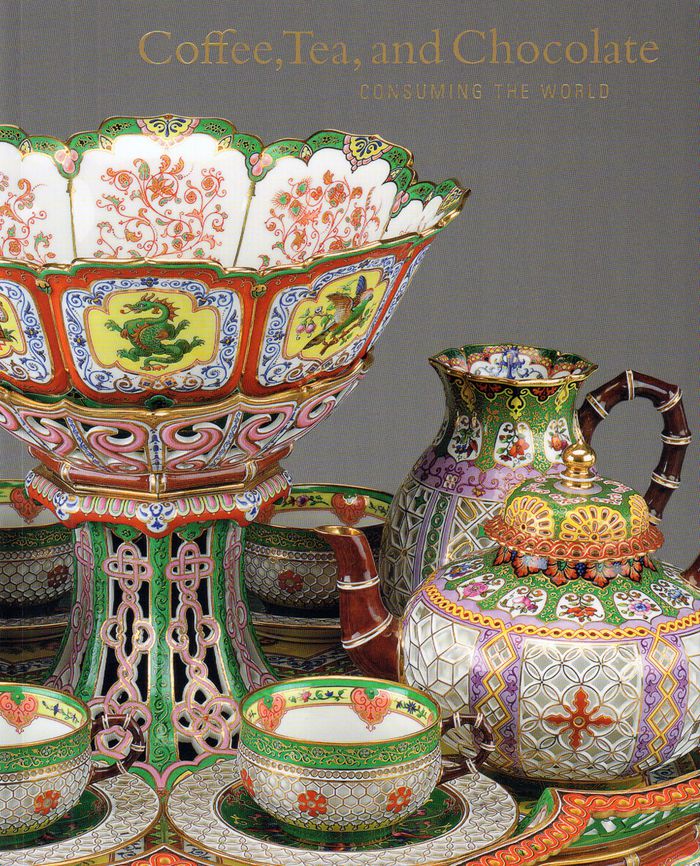
Coffee, tea, and chocolate: consuming the world
Actions:
Price:
$36.00
(available to order)
Summary:
Coffee, tea, and chocolate were all the rage in Enlightenment Europe. These fashionable beverages profoundly shaped modes of sociability and patterns of consumption, yet none of the plants required for their preparation was native to the continent: coffee was imported from the Levant, tea from Asia, and chocolate from Mesoamerica. Their introduction to 17th-century Europe revolutionized drinking habits and social customs. It also spurred an insatiable demand for specialized vessels such as hot beverage services and tea canisters, coffee cups and chocolate pots. This beautiful book demonstrates how the paraphernalia associated with coffee, tea, and chocolate can eloquently evoke the culture of these new beverages and the material pleasures that surrounded them. Contributors address such topics as the politics of coffee consumption in 18th-century Germany; 18th-century visual satires on the European consumption of tea, coffee, and chocolate; and the design history of coffee pots in the United States between the colonial period and the present.
Form:
books
books
Publication:
November 2016
November 2016
Subject:
Food
Food
Form:
books
books
Actions:
Price:
$40.00
(available to order)
Summary:
A protocol drawn up long ago in 1945 by Otto Koenigsberger, adopted in nearly one hundred instances in India and in more than half the world, provides the framework and rules for the planning of the prototypes of planned cities, and tells us that the so-called "participative architecture" aimed at intercultural inclusion, originated in the post-colonial territories(...)
Title:
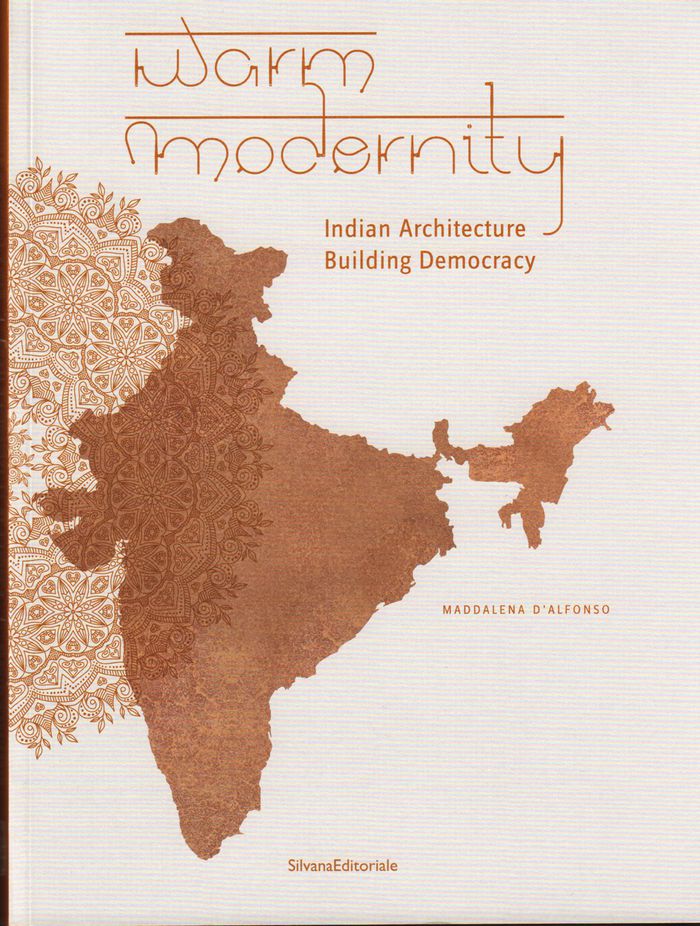
Warm modernity: Indian architecture building democracy
Actions:
Price:
$40.00
(available to order)
Summary:
A protocol drawn up long ago in 1945 by Otto Koenigsberger, adopted in nearly one hundred instances in India and in more than half the world, provides the framework and rules for the planning of the prototypes of planned cities, and tells us that the so-called "participative architecture" aimed at intercultural inclusion, originated in the post-colonial territories between India and Africa. The catalogue, the fruition of a 5-year long Italian-Indian research, illustrates the consequences of democratic choice in independent India, its factual existence and its globalized outcomes, present even today. Presented in the installation, are four examples of Democratic New Towns – Jamshedpur, Bhubaneswar, Faridabad and Chandigarh- outcomes of the interface between the experiences of Frey, Drew and Le Corbusier and the ideas of their Indian counterparts, Varma, Doshi, Correa, Rewal. The cities are analytically described and documented through photographs of their present condition, preserved as the modern protected areas in Europe.
Form:
books
books
Publication:
February 2017
February 2017
Subject:
Arch Southwest Asia & North Africa
Arch Southwest Asia & North Africa
Form:
books
books
Actions:
Price:
$81.50
(available to order)
Summary:
The years around 1700 were marked by transformations in European and colonial capital cities. This era saw the creation not only of palatial complexes and urban spaces appropriate to autocratic power, but also of essential infrastructure such as roads, ports, and fortifications. In addition, many of the civic structures and background buildings that form the familiar(...)
Title:
Circa 1700 : architecture in Europe and the Americas
Actions:
Price:
$81.50
(available to order)
Summary:
The years around 1700 were marked by transformations in European and colonial capital cities. This era saw the creation not only of palatial complexes and urban spaces appropriate to autocratic power, but also of essential infrastructure such as roads, ports, and fortifications. In addition, many of the civic structures and background buildings that form the familiar urban images of the eighteenth century date from this period. In all of this activity, architects and architectural ideas, formed mostly in Italy and influenced by the baroque architecture of Rome, especially the late works of Francesco Borromini and Gian Lorenzo Bernini, played a central role. Twelve contributors provide a comprehensive look at the design, renewal, and expansion of capitals and countries including Naples, Rome, Vienna, Stockholm, Saint Petersburg, England, Amsterdam, Cádiz, Lisbon, Quebec City, and Lima. The result is a fascinating cross section that allows a comparative reading of baroque architecture: from country to country, from region to region, and from the Old World to the New.
Form:
books
books
Publication:
January 1900, Washington
January 1900, Washington
Subject:
History until 1900
History until 1900
Form:
books
books
Actions:
Price:
$54.95
(available in store)
Summary:
The moment human fingertips lifted from the ground, upright walking became a privilege rather than a mere posture. The liberated hands could now be used to create tools for defense and hunting. The pupils’ gazes shifted from a level view to a downward perspective, a physical change that also translated into an awareness that overlooked other species. The spine, situated(...)
Title:
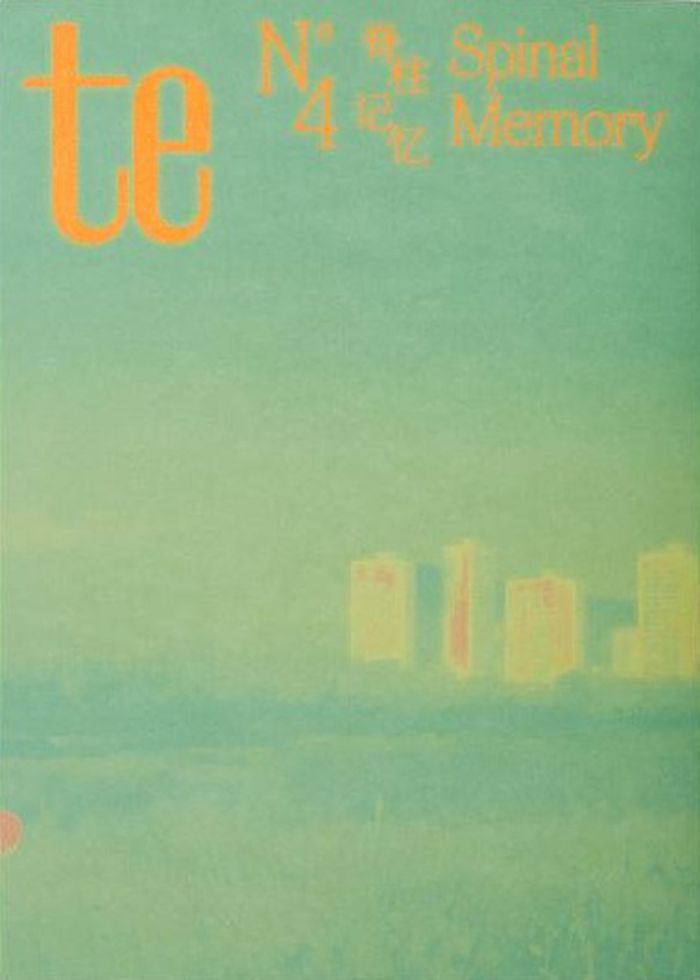
te magazine no.4: Spinal Memory
Actions:
Price:
$54.95
(available in store)
Summary:
The moment human fingertips lifted from the ground, upright walking became a privilege rather than a mere posture. The liberated hands could now be used to create tools for defense and hunting. The pupils’ gazes shifted from a level view to a downward perspective, a physical change that also translated into an awareness that overlooked other species. The spine, situated at the center of the human body, acts like a covert ruler, measuring the scale of evolution and supporting the illusion of being "human-centric." Thus, humans stand, placing themselves far above all other creatures. Following this profound gestural revolution came the imagination and manipulation of non-human animals (the Others), turning them into livestock and companions, as their wildness was rewritten as docility. Their bodies became resources to be medicated and refined, transforming into instruments for milk and nutritious meat production. They became basic knowledge and research data, linking humanity’s ever-expanding and illusory colonial territories.
Form:
books
books
Publication:
May 2026
May 2026
Subject:
Magazines
Magazines
Form:
books
books
Actions:
Price:
$84.00
(available in store)
Summary:
Beatrice Minda examines private interiors in the context of historical events in her work. In Myanmar, which was isolated for decades by a rigid military dictatorship, she photographed houses and living spaces in both cities and remote regions. She captured the traces of the inhabitants’ lives and the signs of change. In 'Dark Whispers' the ambivalent aspects of the(...)
Title:
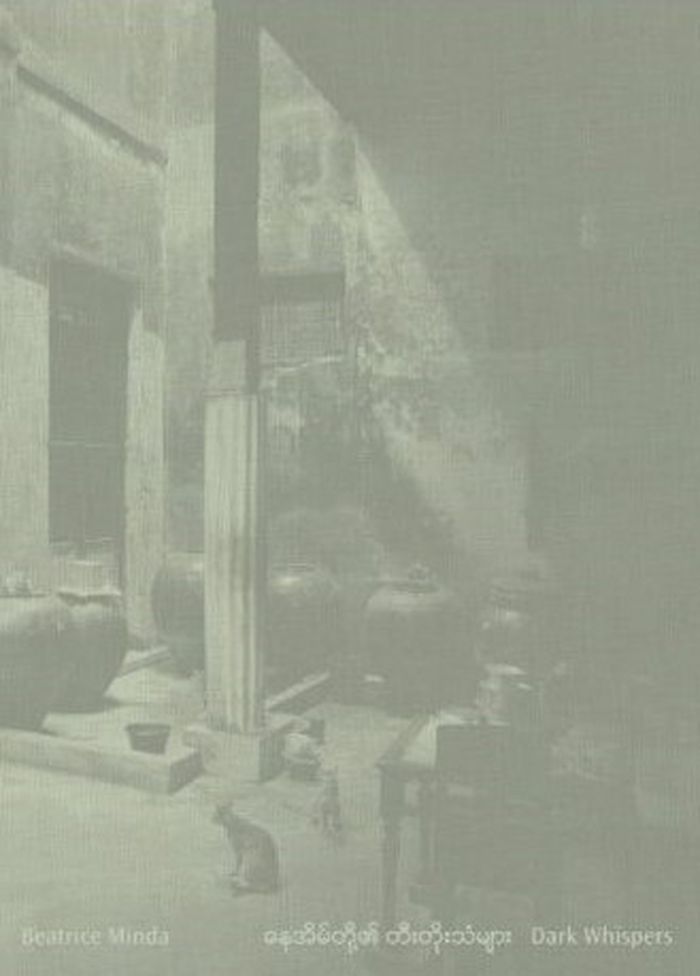
Beatrice Minda: Dark whispers
Actions:
Price:
$84.00
(available in store)
Summary:
Beatrice Minda examines private interiors in the context of historical events in her work. In Myanmar, which was isolated for decades by a rigid military dictatorship, she photographed houses and living spaces in both cities and remote regions. She captured the traces of the inhabitants’ lives and the signs of change. In 'Dark Whispers' the ambivalent aspects of the British colonial period and its consequences are reflected and illuminated by short texts on the history of the houses as well as historical photographs. Minda’s photographs focus on the atmospheres of past lives and the forms of representation with which the inhabitants once sought to fulfill themselves. Often they are objects that have remained untouched for decades and bear witness to the cosmos of a vanished world. But there are also large gaps between then and now. An uncanny emptiness animates these spaces. Dark whispers echo through them — a memento mori to the many unspoken words of Burmese history.
Form:
books
books
Publication:
April 2021
April 2021
Subject:
Photography monographs
Photography monographs
Form:
books
books
Title:
Decolonize museums
Decolonize museums
Actions:
Price:
$29.95
(available to order)
Summary:
The idealized Western museum, as typified by the Metropolitan Museum of Art, the British Museum, and the Museum of Natural History, has remained much the same for over a century: a rarified space of cool stone, providing an experience of leisure and education for the general public while carefully preserving fragile artifacts from distant lands. As questions about(...)
Title:
Decolonize museums
Actions:
Price:
$29.95
(available to order)
Summary:
The idealized Western museum, as typified by the Metropolitan Museum of Art, the British Museum, and the Museum of Natural History, has remained much the same for over a century: a rarified space of cool stone, providing an experience of leisure and education for the general public while carefully preserving fragile artifacts from distant lands. As questions about representation and ethics have increasingly arisen, these institutions have proclaimed their interest in diversity and responsible conservation, asserting both their adaptability and their immovably essential role in a flourishing society. With this book, Shimrit Lee punctures this fantasy, tracing the colonial origins of the concept of the museum. White Europeans’ atrocities were reimagined through narratives of benign curiosity and abundant respect for the occupied or annihilated culture, and these racist narratives, Lee argues, remain integral to the authority—and even the aesthetics—of the contemporary museum. This volume argues that we must face a dismantling of these seemingly eternal edifices, and consider what, if anything, might take their place.
Form:
books
books
Publication:
June 2022
June 2022
Subject:
Museology
Museology
Form:
journals and magazines
journals and magazines
Title:
Scapegoat 12/13: c\a\n\a\d\a
Scapegoat 12/13: c\a\n\a\d\a
Actions:
Price:
$30.00
(available to order)
Summary:
This issue aims to connect two critical discourses about space that have so far been disassociated: architectural theories that point to the importance of real property as the fundamental unit of urban morphology and architectural typology, and Indigenous land claims which point to the violence of colonial land dispossession, through which this property was originally(...)
Title:
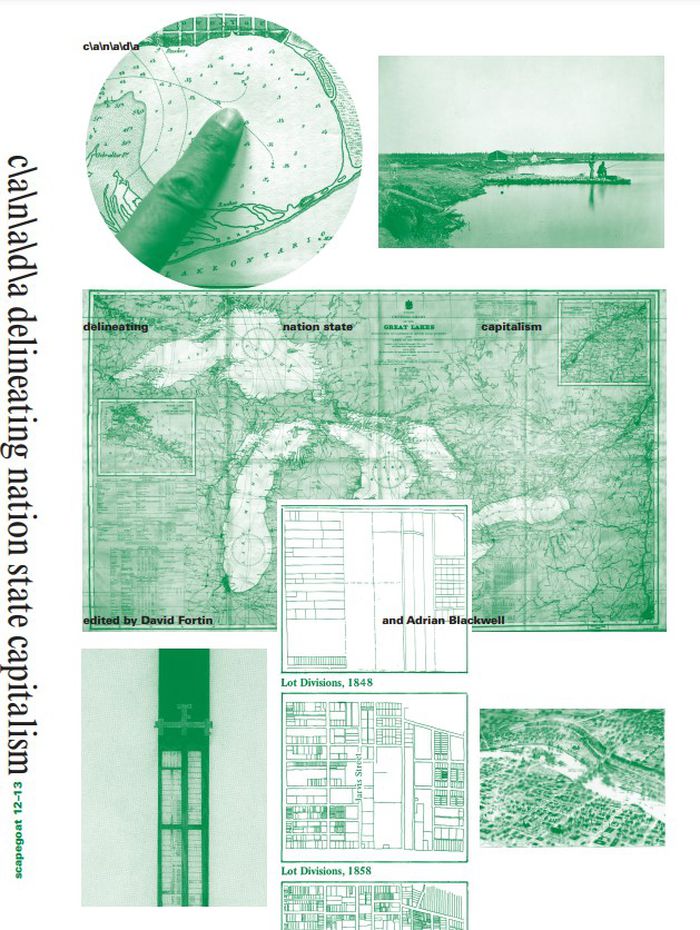
Scapegoat 12/13: c\a\n\a\d\a
Actions:
Price:
$30.00
(available to order)
Summary:
This issue aims to connect two critical discourses about space that have so far been disassociated: architectural theories that point to the importance of real property as the fundamental unit of urban morphology and architectural typology, and Indigenous land claims which point to the violence of colonial land dispossession, through which this property was originally invented and formed. This research sees property delineation as a fundamental grammatical logic of the production of the space of nation, state and capital. The editors and contributors to this volume approach the intersection of Indigenous and settler viewpoints, as well as the interdisciplinary perspectives of both spatial delineators and critical commentators, in order to understand the deep connections between Indigenous dispossession and urban pathologies of gentrification, homelessness, systemically biased planning and urban alienation. The issue also addresses this connection in order to rethink and redraw land relations as a foundation for undoing this alienation and creating spaces that cultivate a caring relation with land, kin and strangers.
Form:
journals and magazines
journals and magazines
Publication:
May 2022
May 2022
Subject:
Magazines
Magazines
Form:
books
books
Actions:
Holdings:
Description:
321 pages : illustrations (some color) ; 28 cm.
Description:
321 pages : illustrations (some color) ; 28 cm.
Author:
Subject:
Publication:
Tous : Presses universitaires François-Rabelais, 2011.
Tous : Presses universitaires François-Rabelais, 2011.
Title:
Architectures au Maghreb : XIXe-XXe siècles : réinvention du patrimoine / sous la direction de Myriam Bacha.
Actions:
Holdings:
Description:
321 pages : illustrations (some color) ; 28 cm.
Architectures au Maghreb : XIXe-XXe siècles : réinvention du patrimoine / sous la direction de Myriam Bacha.
Actions:
Holdings:
Description:
321 pages : illustrations (some color) ; 28 cm.
Form:
books
books
Publication:
Tous : Presses universitaires François-Rabelais, 2011.
Tous : Presses universitaires François-Rabelais, 2011.
Author:
Subject:
Form:
books
books
Actions:
Holdings:
Description:
122 pages : illustrations ; 17 cm.
Description:
122 pages : illustrations ; 17 cm.
Author:
Subject:
Publication:
Eindhoven, Netherlands : Onomatopee Projects, 2024.
Eindhoven, Netherlands : Onomatopee Projects, 2024.
Title:
A tree, a reader on arboreal kinship / edited by Marjolein van der Loo ; with written contributions by Joss Allen, Céline Baumann, Bárbara Sánchez Barroso, Jorge Menna Barreto, Renée Bus, Lucy Davis, Amirio Freeman, Manjot Kaur, Marjolein van der Loo, Karen Lofgren, Anne Richter, Jerrold Saija, Oscar Salguero, Jonmar van Vlijmen and Müge Yilmaz ; with visual contributions by Gerbrand Burger, Chihiro Geuzenbroek, Femke Habets, Roderick Hietbrink, Ingela Ihrman, Mari Keski-Korsu, Alice Ladenburg, Hira Nabi, Frank Resseler, Sanne Vaassen.
Actions:
Holdings:
Description:
122 pages : illustrations ; 17 cm.
Form:
books
books
Publication:
Eindhoven, Netherlands : Onomatopee Projects, 2024.
Eindhoven, Netherlands : Onomatopee Projects, 2024.
Author:
Subject:


