


12071 Results
Form:
books
books
Price:
$35.00
(available to order)
Summary:
In "Pornotopia", Paul Preciado examines popular culture and pornographic spaces as sites of architectural production. Combining historical perspectives with insights from critical theory, gender studies, queer theory, porn studies, and the history of technology, and drawing from a range of primary transdisciplinary sourcestreatises on sexuality, medical and pharmaceutical(...)
$35.00
(available to order)
Summary:
In "Pornotopia", Paul Preciado examines popular culture and pornographic spaces as sites of architectural production. Combining historical perspectives with insights from critical theory, gender studies, queer theory, porn studies, and the history of technology, and drawing from a range of primary transdisciplinary sourcestreatises on sexuality, medical and pharmaceutical(...)
Title:
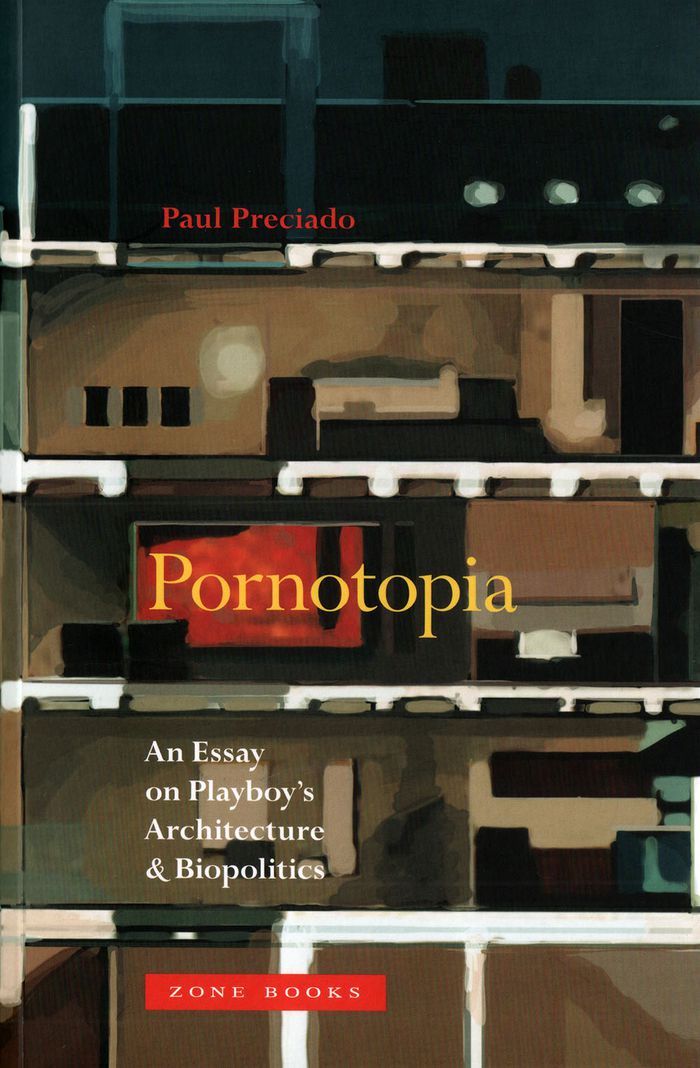
Pornotopia: an essay on Playboy's architecture and biopolitics
Actions:
Price:
$35.00
(available to order)
Summary:
In "Pornotopia", Paul Preciado examines popular culture and pornographic spaces as sites of architectural production. Combining historical perspectives with insights from critical theory, gender studies, queer theory, porn studies, and the history of technology, and drawing from a range of primary transdisciplinary sourcestreatises on sexuality, medical and pharmaceutical handbooks, architecture journals, erotic magazines, building manuals, and novels
Pornotopia: an essay on Playboy's architecture and biopolitics
Actions:
Price:
$35.00
(available to order)
Summary:
In "Pornotopia", Paul Preciado examines popular culture and pornographic spaces as sites of architectural production. Combining historical perspectives with insights from critical theory, gender studies, queer theory, porn studies, and the history of technology, and drawing from a range of primary transdisciplinary sourcestreatises on sexuality, medical and pharmaceutical handbooks, architecture journals, erotic magazines, building manuals, and novels
Form:
books
books
Publication:
October 2019
October 2019
Subject:
Architectural Theory
Architectural Theory
Form:
books
books
Actions:
Price:
$66.95
(available to order)
Summary:
En un demi-siècle, la société paysanne a connu une mue stupéfiante, dont les effets se sont lus rapidement et violemment dans les paysages. Tandis que les remembrements remodelaient les territoires au gré des nouvelles pratiques agricoles, la standardisation gagnait les édifices désormais bien éloignés de la diversité des constructions traditionnelles. Si cet(...)
$66.95
(available to order)
Summary:
En un demi-siècle, la société paysanne a connu une mue stupéfiante, dont les effets se sont lus rapidement et violemment dans les paysages. Tandis que les remembrements remodelaient les territoires au gré des nouvelles pratiques agricoles, la standardisation gagnait les édifices désormais bien éloignés de la diversité des constructions traditionnelles. Si cet(...)
Title:
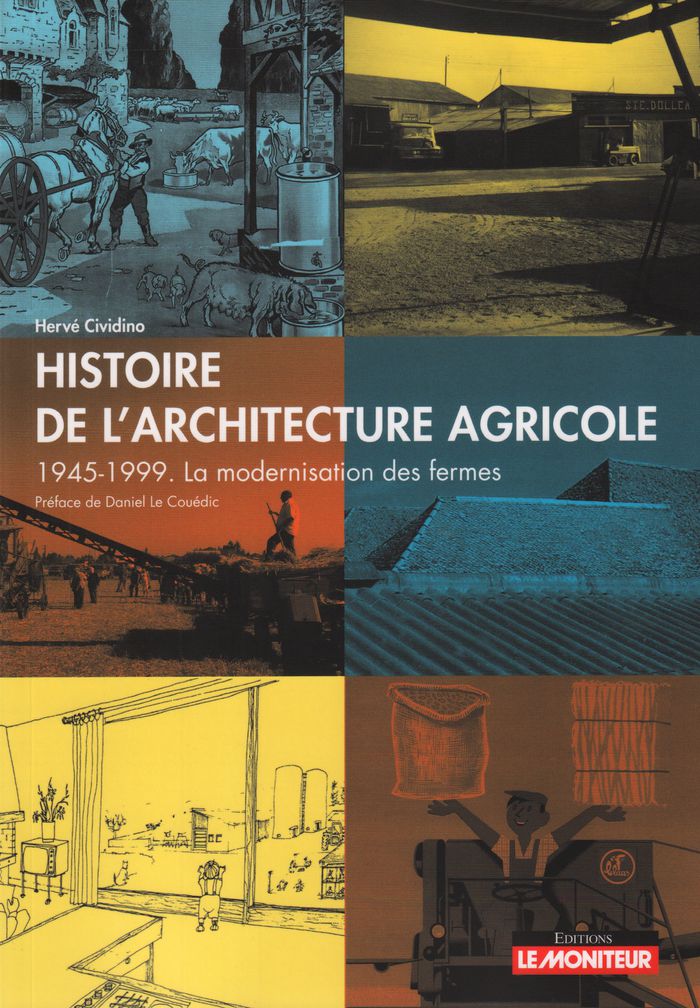
Histoire de l'architecture agricole, 1945-1999 : la modernisation des fermes
Actions:
Price:
$66.95
(available to order)
Summary:
En un demi-siècle, la société paysanne a connu une mue stupéfiante, dont les effets se sont lus rapidement et violemment dans les paysages. Tandis que les remembrements remodelaient les territoires au gré des nouvelles pratiques agricoles, la standardisation gagnait les édifices désormais bien éloignés de la diversité des constructions traditionnelles. Si cet aboutissement est bien connu, les raisons et les modalités qui l’ont produit demeurent opaques. À travers l’évolution des édifices, cet ouvrage révèle les ressorts politiques, économiques et réglementaires de la transformation du monde rural durant la seconde partie du XXe siècle. Portés par des acteurs divers aux motivations multiples, de l’État aux dépositaires d’intérêts privés, en passant par les territoires, ces nouveaux modes d’organisation des campagnes modifient en profondeur et à un rythme soutenu les paysages, mais également la sociologie et l’organisation du monde paysan.
Histoire de l'architecture agricole, 1945-1999 : la modernisation des fermes
Actions:
Price:
$66.95
(available to order)
Summary:
En un demi-siècle, la société paysanne a connu une mue stupéfiante, dont les effets se sont lus rapidement et violemment dans les paysages. Tandis que les remembrements remodelaient les territoires au gré des nouvelles pratiques agricoles, la standardisation gagnait les édifices désormais bien éloignés de la diversité des constructions traditionnelles. Si cet aboutissement est bien connu, les raisons et les modalités qui l’ont produit demeurent opaques. À travers l’évolution des édifices, cet ouvrage révèle les ressorts politiques, économiques et réglementaires de la transformation du monde rural durant la seconde partie du XXe siècle. Portés par des acteurs divers aux motivations multiples, de l’État aux dépositaires d’intérêts privés, en passant par les territoires, ces nouveaux modes d’organisation des campagnes modifient en profondeur et à un rythme soutenu les paysages, mais également la sociologie et l’organisation du monde paysan.
Form:
books
books
Publication:
July 2019
July 2019
Subject:
Architectural Theory
Architectural Theory
Form:
books
books
Actions:
Price:
$69.95
(available to order)
Summary:
Issues d'un colloque organisé en 2017, ces contributions, complétées d'articles, questionnent l'oeuvre de J.-F. Blondel (1705-1774), la portée de son enseignement unique et les mystères qui entourent sa vie privée, notamment à propos de sa formation. Si l'architecte a beaucoup écrit sur sa discipline, il s'est, en revanche, peu livré.
$69.95
(available to order)
Summary:
Issues d'un colloque organisé en 2017, ces contributions, complétées d'articles, questionnent l'oeuvre de J.-F. Blondel (1705-1774), la portée de son enseignement unique et les mystères qui entourent sa vie privée, notamment à propos de sa formation. Si l'architecte a beaucoup écrit sur sa discipline, il s'est, en revanche, peu livré.
Title:
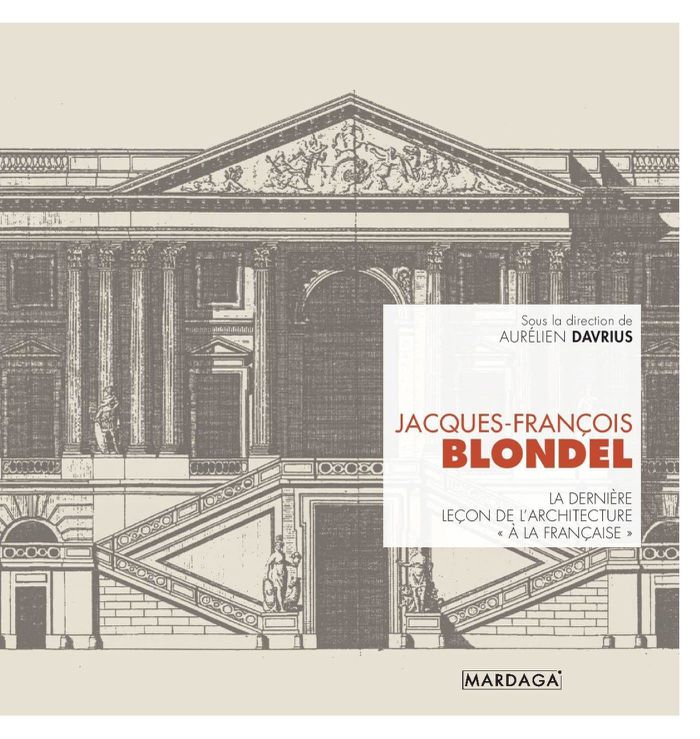
Jacques-François Blondel : La dernière leçon de l'architecture « à la française »
Actions:
Price:
$69.95
(available to order)
Summary:
Issues d'un colloque organisé en 2017, ces contributions, complétées d'articles, questionnent l'oeuvre de J.-F. Blondel (1705-1774), la portée de son enseignement unique et les mystères qui entourent sa vie privée, notamment à propos de sa formation. Si l'architecte a beaucoup écrit sur sa discipline, il s'est, en revanche, peu livré.
Jacques-François Blondel : La dernière leçon de l'architecture « à la française »
Actions:
Price:
$69.95
(available to order)
Summary:
Issues d'un colloque organisé en 2017, ces contributions, complétées d'articles, questionnent l'oeuvre de J.-F. Blondel (1705-1774), la portée de son enseignement unique et les mystères qui entourent sa vie privée, notamment à propos de sa formation. Si l'architecte a beaucoup écrit sur sa discipline, il s'est, en revanche, peu livré.
Form:
books
books
Publication:
May 2022
May 2022
Subject:
Architectural Theory
Architectural Theory
Form:
books
books
Actions:
Price:
$48.00
(available to order)
Summary:
This publication explores the influence of Heidegger's concept of dwelling in disputing major imperatives of modern architecture. It is a book on both the history of architecture and the history of ideas. Focused on the substential differences of the philosopher's first-person approach to Le Corbusier's positivism, it goes on to draw on the views of the "other modern".(...)
$48.00
(available to order)
Summary:
This publication explores the influence of Heidegger's concept of dwelling in disputing major imperatives of modern architecture. It is a book on both the history of architecture and the history of ideas. Focused on the substential differences of the philosopher's first-person approach to Le Corbusier's positivism, it goes on to draw on the views of the "other modern".(...)
Title:
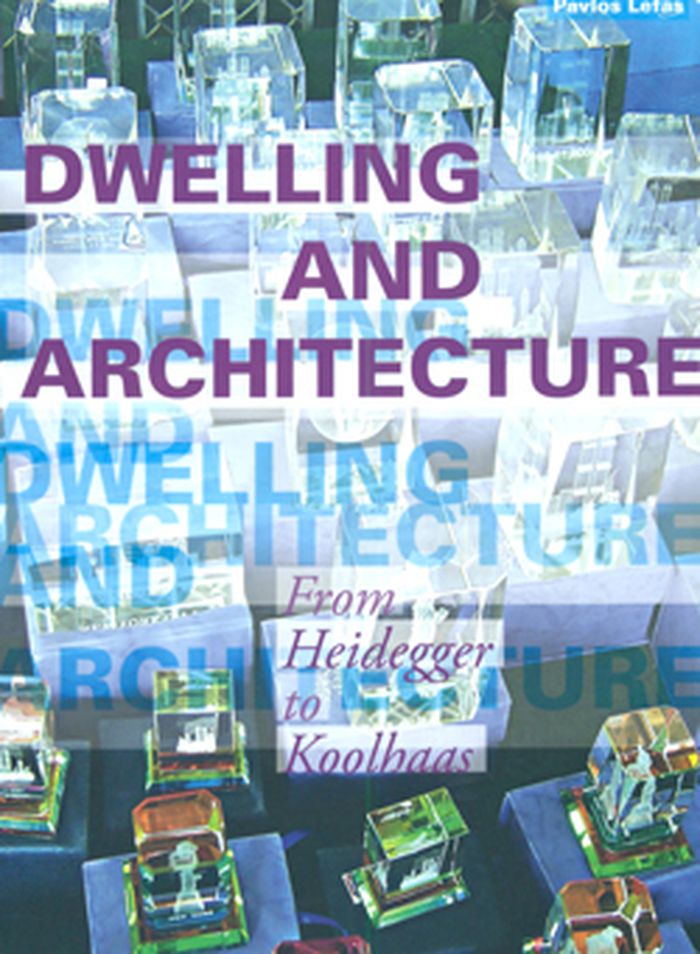
Dwelling and architecture : from Heidegger to Koolhaas
Actions:
Price:
$48.00
(available to order)
Summary:
This publication explores the influence of Heidegger's concept of dwelling in disputing major imperatives of modern architecture. It is a book on both the history of architecture and the history of ideas. Focused on the substential differences of the philosopher's first-person approach to Le Corbusier's positivism, it goes on to draw on the views of the "other modern". Of Heidegger's ideas, it pinpoints those that appealed to architects who questioned the post-war modern architecture's record, and demonstrate the scope of appropriation of his theory on dwelling; an appropriation, nevertheless, subject to limitations - for better or worse. Last but not least, it traces Heiddegger's thoughts into the current debate on architecture generated by modern-day architects and thinkers such as Aaron Betsky and Rem Koolhaas.
Dwelling and architecture : from Heidegger to Koolhaas
Actions:
Price:
$48.00
(available to order)
Summary:
This publication explores the influence of Heidegger's concept of dwelling in disputing major imperatives of modern architecture. It is a book on both the history of architecture and the history of ideas. Focused on the substential differences of the philosopher's first-person approach to Le Corbusier's positivism, it goes on to draw on the views of the "other modern". Of Heidegger's ideas, it pinpoints those that appealed to architects who questioned the post-war modern architecture's record, and demonstrate the scope of appropriation of his theory on dwelling; an appropriation, nevertheless, subject to limitations - for better or worse. Last but not least, it traces Heiddegger's thoughts into the current debate on architecture generated by modern-day architects and thinkers such as Aaron Betsky and Rem Koolhaas.
Form:
books
books
Publication:
November 2009
November 2009
Subject:
Architectural Theory
Architectural Theory
Form:
books
books
Price:
$38.50
(available to order)
Summary:
During the last decades architecture has been largely characterized by a lack of strong positions. A form of neoliberal indifference has become endemic, something that can be attributed to the fact that modernism has lost its claim to be both emancipatory and educational. More recently though, one can again observe attitudes that claim to address architecture and urbanism(...)
$38.50
(available to order)
Summary:
During the last decades architecture has been largely characterized by a lack of strong positions. A form of neoliberal indifference has become endemic, something that can be attributed to the fact that modernism has lost its claim to be both emancipatory and educational. More recently though, one can again observe attitudes that claim to address architecture and urbanism(...)
Title:
Positions on emancipation: architecture between aesthetics and politics
Actions:
Price:
$38.50
(available to order)
Summary:
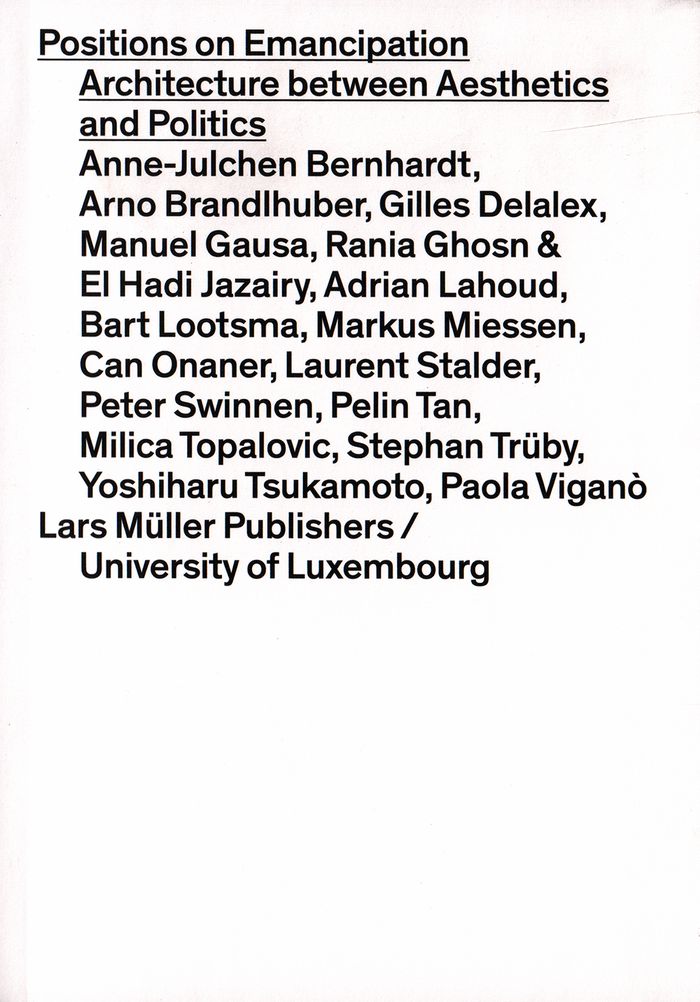
During the last decades architecture has been largely characterized by a lack of strong positions. A form of neoliberal indifference has become endemic, something that can be attributed to the fact that modernism has lost its claim to be both emancipatory and educational. More recently though, one can again observe attitudes that claim to address architecture and urbanism as more engaged with the social and political effects of global capitalism. This book relays a passionate debate between some of the most outstanding theoreticians and eloquent protagonists of this new attitude, leaving us with an overview of such postulated ambitions. Against the liberal “anything goes” and the revival of architectural autonomy, these attitudes believe less in the possibility for even the most experimental architectural object to have a changing effect on society. Their approaches instead vary from activism to the construction of new critical narratives.
Positions on emancipation: architecture between aesthetics and politics
Actions:
Price:
$38.50
(available to order)
Summary:
During the last decades architecture has been largely characterized by a lack of strong positions. A form of neoliberal indifference has become endemic, something that can be attributed to the fact that modernism has lost its claim to be both emancipatory and educational. More recently though, one can again observe attitudes that claim to address architecture and urbanism as more engaged with the social and political effects of global capitalism. This book relays a passionate debate between some of the most outstanding theoreticians and eloquent protagonists of this new attitude, leaving us with an overview of such postulated ambitions. Against the liberal “anything goes” and the revival of architectural autonomy, these attitudes believe less in the possibility for even the most experimental architectural object to have a changing effect on society. Their approaches instead vary from activism to the construction of new critical narratives.
Form:
books
books
Publication:
May 2018
May 2018
Subject:
Architectural Theory
Architectural Theory
Form:
books
books
Actions:
Price:
$89.95
(available in store)
Summary:
"POROSIS" invites an intense look at the work of the new figure in the Porto School of Architecture, after Eduardo Souto Moura and Álvaro Siza. The singularity of Nuno Brandão Costas work lies in his sustained attention to the primary elements of construction and its plasticity. Through new materials and techniques, his work has built upon the clarity of traditional(...)
$89.95
(available in store)
Summary:
"POROSIS" invites an intense look at the work of the new figure in the Porto School of Architecture, after Eduardo Souto Moura and Álvaro Siza. The singularity of Nuno Brandão Costas work lies in his sustained attention to the primary elements of construction and its plasticity. Through new materials and techniques, his work has built upon the clarity of traditional(...)
Title:
Porosis: the architecture of Nuno Brandão Costa
Actions:
Price:
$89.95
(available in store)
Summary:
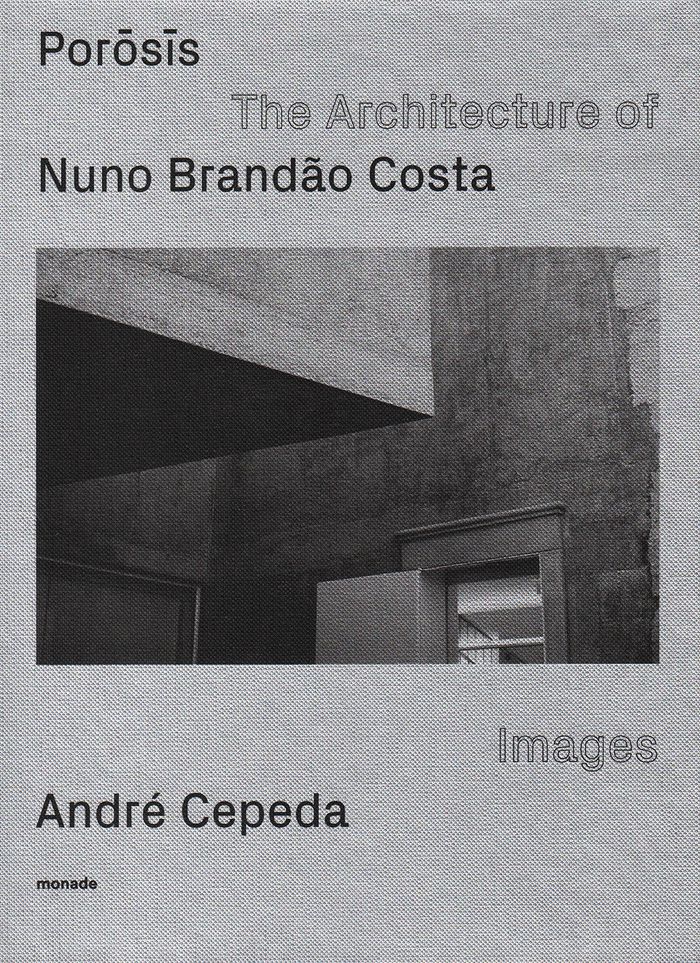
"POROSIS" invites an intense look at the work of the new figure in the Porto School of Architecture, after Eduardo Souto Moura and Álvaro Siza. The singularity of Nuno Brandão Costas work lies in his sustained attention to the primary elements of construction and its plasticity. Through new materials and techniques, his work has built upon the clarity of traditional Portuguese architecture. André Cepeda travelled for some months photographing the work of Nuno Brandão Costa. More a sensitive approach than a literal document, this book is a powerful testimony of Portuguese architecture nowadays, through the surprising work of this architect. The images, by one of the most highly regarded Portuguese photographers, brilliantly challenge the limits of an architectural monograph.
Porosis: the architecture of Nuno Brandão Costa
Actions:
Price:
$89.95
(available in store)
Summary:
"POROSIS" invites an intense look at the work of the new figure in the Porto School of Architecture, after Eduardo Souto Moura and Álvaro Siza. The singularity of Nuno Brandão Costas work lies in his sustained attention to the primary elements of construction and its plasticity. Through new materials and techniques, his work has built upon the clarity of traditional Portuguese architecture. André Cepeda travelled for some months photographing the work of Nuno Brandão Costa. More a sensitive approach than a literal document, this book is a powerful testimony of Portuguese architecture nowadays, through the surprising work of this architect. The images, by one of the most highly regarded Portuguese photographers, brilliantly challenge the limits of an architectural monograph.
Form:
books
books
Publication:
March 2018
March 2018
Subject:
Architecture Monographs
Architecture Monographs
Form:
books
books
Actions:
Price:
$41.95
(available to order)
Summary:
Although 3D printing promises a revolution in many industries, primarily industrial manufacturing, nowhere are the possibilities greater than in the field of product design and modular architecture. Ronald Rael and Virginia San Fratello, of the cutting-edge San Francisco Bay Area-based design firm Emerging Objects, have developed remarkable techniques for "printing" from(...)
$41.95
(available to order)
Summary:
Although 3D printing promises a revolution in many industries, primarily industrial manufacturing, nowhere are the possibilities greater than in the field of product design and modular architecture. Ronald Rael and Virginia San Fratello, of the cutting-edge San Francisco Bay Area-based design firm Emerging Objects, have developed remarkable techniques for "printing" from(...)
Title:
Printing architecture: innovative recipes for 3D printing
Actions:
Price:
$41.95
(available to order)
Summary:
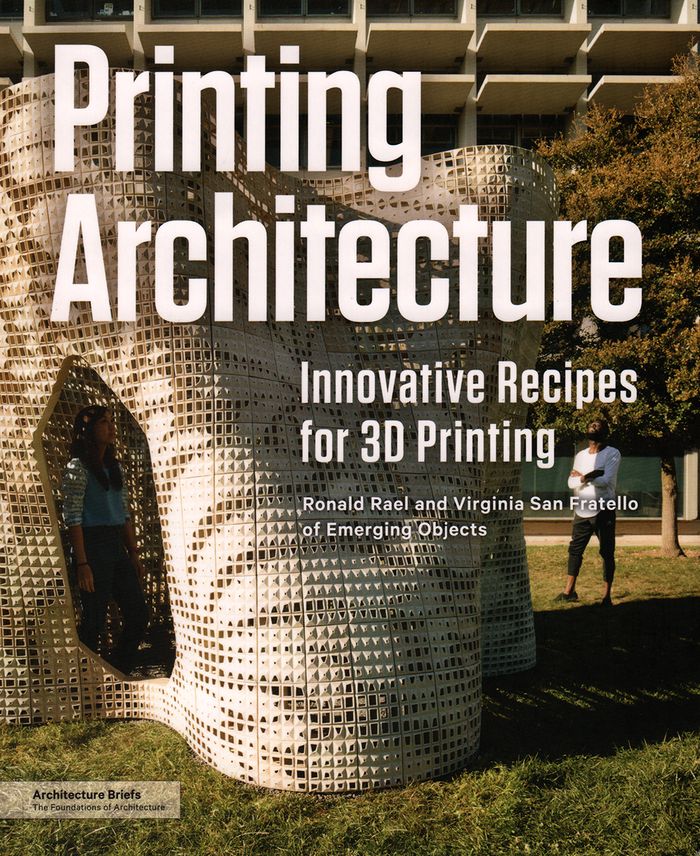
Although 3D printing promises a revolution in many industries, primarily industrial manufacturing, nowhere are the possibilities greater than in the field of product design and modular architecture. Ronald Rael and Virginia San Fratello, of the cutting-edge San Francisco Bay Area-based design firm Emerging Objects, have developed remarkable techniques for "printing" from a wide variety of powders, including sawdust, clay, cement, rubber, concrete, salt, and even coffee grounds, opening an entire realm of material, phenomenological, and ecological possibilities to designers. In addition to case studies and illustrations of their own work, Rael and San Fratello offer guidance for sourcing alternative materials, specific recipes for mixing compounds, and step-by-step instructions for conducting bench tests and setting parameters for material testing, to help readers understand the process of developing powder-based materials and their unique qualities.
Printing architecture: innovative recipes for 3D printing
Actions:
Price:
$41.95
(available to order)
Summary:
Although 3D printing promises a revolution in many industries, primarily industrial manufacturing, nowhere are the possibilities greater than in the field of product design and modular architecture. Ronald Rael and Virginia San Fratello, of the cutting-edge San Francisco Bay Area-based design firm Emerging Objects, have developed remarkable techniques for "printing" from a wide variety of powders, including sawdust, clay, cement, rubber, concrete, salt, and even coffee grounds, opening an entire realm of material, phenomenological, and ecological possibilities to designers. In addition to case studies and illustrations of their own work, Rael and San Fratello offer guidance for sourcing alternative materials, specific recipes for mixing compounds, and step-by-step instructions for conducting bench tests and setting parameters for material testing, to help readers understand the process of developing powder-based materials and their unique qualities.
Form:
books
books
Publication:
May 2018
May 2018
Subject:
Digital Architecture
Digital Architecture
Form:
books
books
Actions:
Price:
$81.00
(available to order)
Summary:
Associating the changing natural world with journeys in self-understanding, and the design process with a visual and spatial autobiography, this book describes journeys between London and the North Sea in successive centuries, analysing an enduring and evolving tradition from the picturesque and romanticism to modernism. Creative architects have often looked to the past(...)
$81.00
(available to order)
Summary:
Associating the changing natural world with journeys in self-understanding, and the design process with a visual and spatial autobiography, this book describes journeys between London and the North Sea in successive centuries, analysing an enduring and evolving tradition from the picturesque and romanticism to modernism. Creative architects have often looked to the past(...)
Title:
A landscape of architecture: history and fiction
Actions:
Price:
$81.00
(available to order)
Summary:
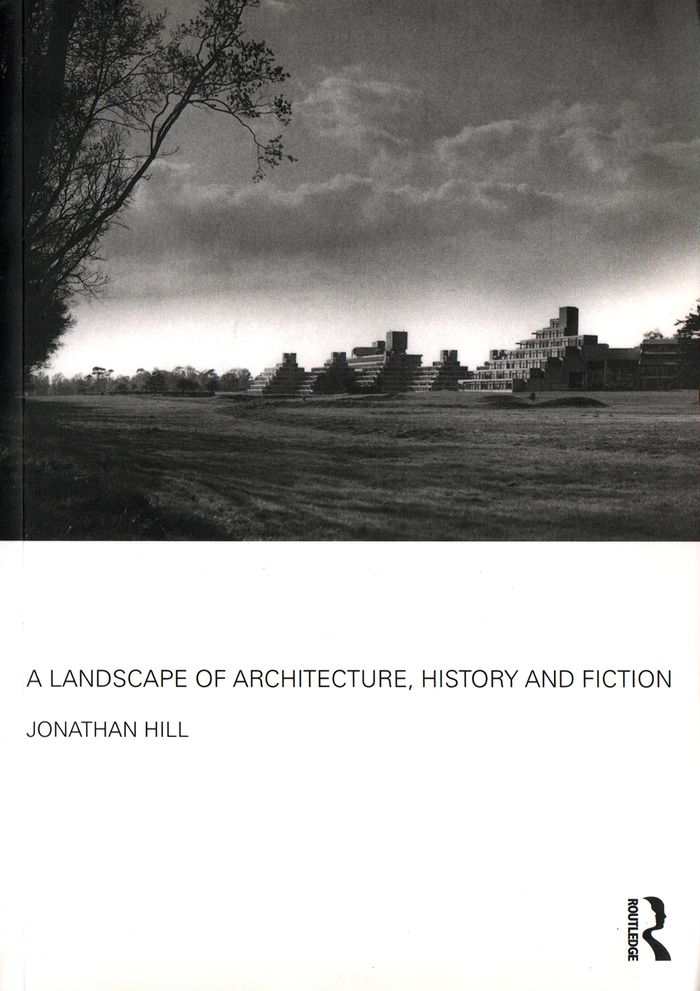
Associating the changing natural world with journeys in self-understanding, and the design process with a visual and spatial autobiography, this book describes journeys between London and the North Sea in successive centuries, analysing an enduring and evolving tradition from the picturesque and romanticism to modernism. Creative architects have often looked to the past to understand the present and imagine the future. Twenty-first-century architects need to appreciate the shock of the old as well as the shock of the new.
A landscape of architecture: history and fiction
Actions:
Price:
$81.00
(available to order)
Summary:
Associating the changing natural world with journeys in self-understanding, and the design process with a visual and spatial autobiography, this book describes journeys between London and the North Sea in successive centuries, analysing an enduring and evolving tradition from the picturesque and romanticism to modernism. Creative architects have often looked to the past to understand the present and imagine the future. Twenty-first-century architects need to appreciate the shock of the old as well as the shock of the new.
Form:
books
books
Publication:
December 2015
December 2015
Subject:
Architectural Theory
Architectural Theory
Form:
books
books
Actions:
Price:
$48.95
(available in store)
Summary:
Architect and philosopher Hélène Frichot examines how the discipline of architecture is theorized and practiced at the periphery. Eschewing a conventionally direct approach to architectural objects – to iconic buildings and big-name architects – she instead explores the background of architectural practice, to introduce the creative ecologies in which architecture exists(...)
$48.95
(available in store)
Summary:
Architect and philosopher Hélène Frichot examines how the discipline of architecture is theorized and practiced at the periphery. Eschewing a conventionally direct approach to architectural objects – to iconic buildings and big-name architects – she instead explores the background of architectural practice, to introduce the creative ecologies in which architecture exists(...)
Title:
Creative ecologies: theorizing the practice of architecture
Actions:
Price:
$48.95
(available in store)
Summary:
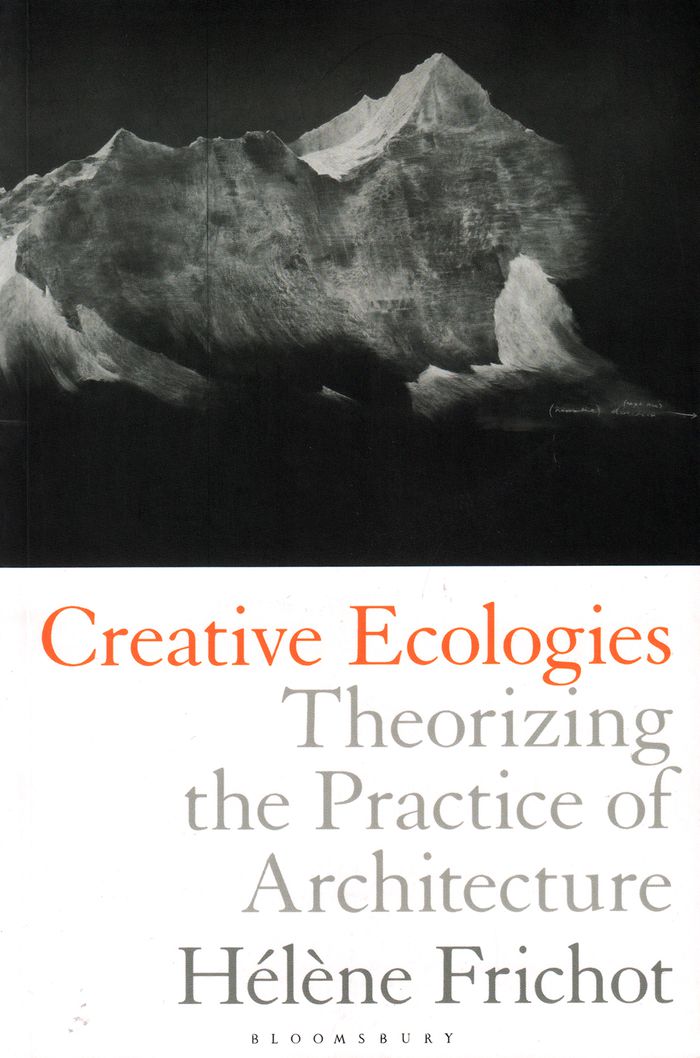
Architect and philosopher Hélène Frichot examines how the discipline of architecture is theorized and practiced at the periphery. Eschewing a conventionally direct approach to architectural objects – to iconic buildings and big-name architects – she instead explores the background of architectural practice, to introduce the creative ecologies in which architecture exists only in relation to other objects and ideas. This book is concerned with 'other ways of doing architecture'. It examines architecture at the limits where it is muddied by alternative disciplinary influences – whether art practice, philosophy or literature. Frichot meets a range of creative characters who work at the peripheries, and who challenge the central assumptions of the discipline, showing that there is no 'core of architecture' – there is rather architecture as a multiplicity of diverse concerns in engagement with local environments and worlds.
Creative ecologies: theorizing the practice of architecture
Actions:
Price:
$48.95
(available in store)
Summary:
Architect and philosopher Hélène Frichot examines how the discipline of architecture is theorized and practiced at the periphery. Eschewing a conventionally direct approach to architectural objects – to iconic buildings and big-name architects – she instead explores the background of architectural practice, to introduce the creative ecologies in which architecture exists only in relation to other objects and ideas. This book is concerned with 'other ways of doing architecture'. It examines architecture at the limits where it is muddied by alternative disciplinary influences – whether art practice, philosophy or literature. Frichot meets a range of creative characters who work at the peripheries, and who challenge the central assumptions of the discipline, showing that there is no 'core of architecture' – there is rather architecture as a multiplicity of diverse concerns in engagement with local environments and worlds.
Form:
books
books
Publication:
December 2018
December 2018
Subject:
Architectural Theory
Architectural Theory
Form:
books
books
Actions:
Price:
$39.95
(available in store)
Summary:
Catalogue to an exhibition of projects by the firm Architecture and Vision, who aim to improve life through a wise use of technologies and available resources to create a harmonious integration of humans, technology, and nature. Each of their projects focus on human comfort and well-being, as well as mobility and eco-sustainability.
$39.95
(available in store)
Summary:
Catalogue to an exhibition of projects by the firm Architecture and Vision, who aim to improve life through a wise use of technologies and available resources to create a harmonious integration of humans, technology, and nature. Each of their projects focus on human comfort and well-being, as well as mobility and eco-sustainability.
Title:
Architecture and vision, from pyramids to spacecraft
Actions:
Price:
$39.95
(available in store)
Summary:
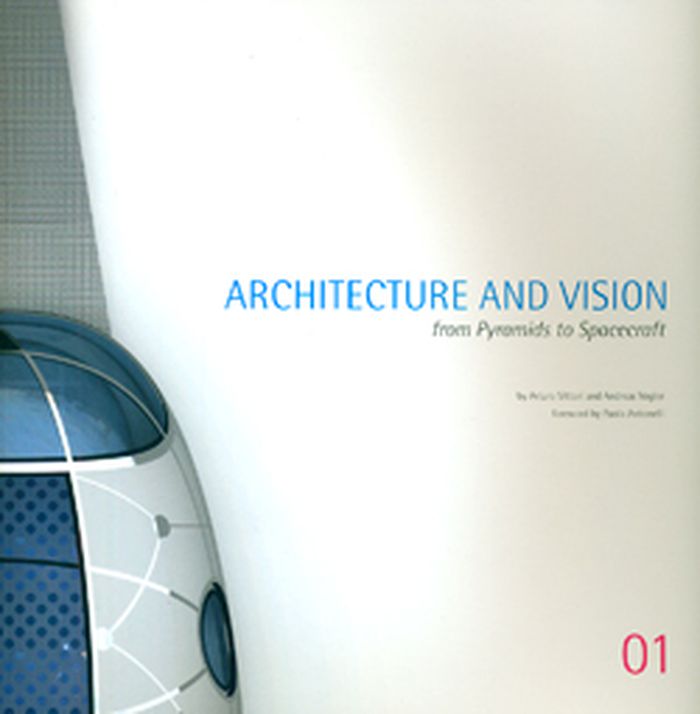
Catalogue to an exhibition of projects by the firm Architecture and Vision, who aim to improve life through a wise use of technologies and available resources to create a harmonious integration of humans, technology, and nature. Each of their projects focus on human comfort and well-being, as well as mobility and eco-sustainability.
Architecture and vision, from pyramids to spacecraft
Actions:
Price:
$39.95
(available in store)
Summary:
Catalogue to an exhibition of projects by the firm Architecture and Vision, who aim to improve life through a wise use of technologies and available resources to create a harmonious integration of humans, technology, and nature. Each of their projects focus on human comfort and well-being, as well as mobility and eco-sustainability.
Form:
books
books
Publication:
June 2009
June 2009
Subject:
Experimentale architecture
Experimentale architecture


