


6599 Results
Form:
events
events
Actions:
Description:
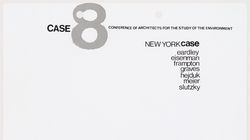
Visiting Scholar Susanne Bauer presents her research: The theoretical debates which took place in American architecture circles—predominantly those on the east coast—as of the early 1960s were often concerned with questions of formal analysis of architectural space and, more broadly, with the present state of architecture and the disciplines future. Some of these debates(...)
Visiting Scholar Susanne Bauer presents her research: The theoretical debates which took place in American architecture circles—predominantly those on the east coast—as of the early 1960s were often concerned with questions of formal analysis of architectural space and, more broadly, with the present state of architecture and the disciplines future. Some of these debates(...)
Location:
Shaughnessy House
Shaughnessy House
Date:
21 July 2016, 6pm
21 July 2016, 6pm
Title:
Visiting Scholar Seminar: Susanne Bauer
Actions:
Description:
Visiting Scholar Susanne Bauer presents her research: The theoretical debates which took place in American architecture circles—predominantly those on the east coast—as of the early 1960s were often concerned with questions of formal analysis of architectural space and, more broadly, with the present state of architecture and the disciplines future. Some of these debates(...)
Visiting Scholar Seminar: Susanne Bauer
Actions:
Description:
Visiting Scholar Susanne Bauer presents her research: The theoretical debates which took place in American architecture circles—predominantly those on the east coast—as of the early 1960s were often concerned with questions of formal analysis of architectural space and, more broadly, with the present state of architecture and the disciplines future. Some of these debates(...)
Form:
events
events
Date:
21 July 2016
6pm
21 July 2016
6pm
Location:
Shaughnessy House
Shaughnessy House
Form:
exhibitions
exhibitions

Actions:
Location:
Main Galleries Keyword(s):
Joar Nango, Nicole Luke, Taqralik Partridge, Jocelyn Piirainen, Rafico Ruiz, circumpolar North, Inuit, Inuit Nunangat, Sami, Sapmi, Towards Home
Main Galleries Keyword(s):
Joar Nango, Nicole Luke, Taqralik Partridge, Jocelyn Piirainen, Rafico Ruiz, circumpolar North, Inuit, Inuit Nunangat, Sami, Sapmi, Towards Home
Date:
11 June 2022 to 26 March 2023
11 June 2022 to 26 March 2023
Form:
exhibitions
exhibitions
Date:
11 June 2022 to
26 March 2023
11 June 2022 to
26 March 2023
Location:
Main Galleries Keyword(s):
Joar Nango, Nicole Luke, Taqralik Partridge, Jocelyn Piirainen, Rafico Ruiz, circumpolar North, Inuit, Inuit Nunangat, Sami, Sapmi, Towards Home
Main Galleries Keyword(s):
Joar Nango, Nicole Luke, Taqralik Partridge, Jocelyn Piirainen, Rafico Ruiz, circumpolar North, Inuit, Inuit Nunangat, Sami, Sapmi, Towards Home
Form:
exhibitions
exhibitions
Title:
Super City
Super City
Actions:
Description:
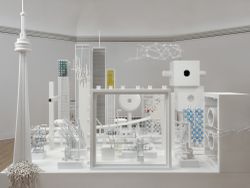
This installation by Canadian writer and artist Douglas Coupland (Generation X) investigates the creative impact of the 1960s explosion of toy building kits, offering a reflection on the profound effect toys can have-not only on how children learn to perceive the world, but also in terms of the kinds of things they produce as adults. Named after Super City, a kit(...)
This installation by Canadian writer and artist Douglas Coupland (Generation X) investigates the creative impact of the 1960s explosion of toy building kits, offering a reflection on the profound effect toys can have-not only on how children learn to perceive the world, but also in terms of the kinds of things they produce as adults. Named after Super City, a kit(...)
Location:
Octagonal gallery
Octagonal gallery
Date:
9 June 2005 to 20 November 2005
9 June 2005 to 20 November 2005
Title:
Super City
Actions:
Description:
This installation by Canadian writer and artist Douglas Coupland (Generation X) investigates the creative impact of the 1960s explosion of toy building kits, offering a reflection on the profound effect toys can have-not only on how children learn to perceive the world, but also in terms of the kinds of things they produce as adults. Named after Super City, a kit(...)
Super City
Actions:
Description:
This installation by Canadian writer and artist Douglas Coupland (Generation X) investigates the creative impact of the 1960s explosion of toy building kits, offering a reflection on the profound effect toys can have-not only on how children learn to perceive the world, but also in terms of the kinds of things they produce as adults. Named after Super City, a kit(...)
Form:
exhibitions
exhibitions
Date:
9 June 2005 to
20 November 2005
9 June 2005 to
20 November 2005
Location:
Octagonal gallery
Octagonal gallery
Form:
events
events
Actions:
Location:
Shaughnessy House Keyword(s):
research fellow 2023, seminar, research, Douglas Robb, Canada, landscape, decarbonization, northern corridor, infrastructure
Shaughnessy House Keyword(s):
research fellow 2023, seminar, research, Douglas Robb, Canada, landscape, decarbonization, northern corridor, infrastructure
Date:
1 June, 6 p.m.
1 June, 6 p.m.
Form:
events
events
Date:
1 June
6 p.m.
1 June
6 p.m.
Location:
Shaughnessy House Keyword(s):
research fellow 2023, seminar, research, Douglas Robb, Canada, landscape, decarbonization, northern corridor, infrastructure
Shaughnessy House Keyword(s):
research fellow 2023, seminar, research, Douglas Robb, Canada, landscape, decarbonization, northern corridor, infrastructure
Actions:
Reference number:
DR2007:0020
Description:
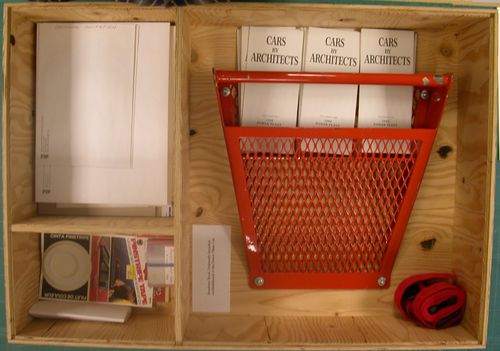
This consists of a boxed set of related pieces from L.W. Richards participation in "The Architecture Series" at the Power Plant contemporary art gallery in 1988-89. L.W. Richards renovated and drove a Pontiac Firebird, named "Power Plant". The project was the subject of Vikky Alexander's essay "Back to the Future" in the Power Plant Gallery's "The Architecture Series", 1989, pp.25-31. The project was reviewed by Adele Freedman (Globe and Mail, March 5, 1988, p.C12), Christopher Hume (Architect designs gallery on wheels, Toronto Star, Feb. 27, 1988, p. G15), and pictured and discussed in The Canadian Architect, Vol. 33, no. 4, April 1988, p.6. The set pf pieces includes: a) B&W photograph of the Power Plant car in an auto-body workshop, b) The Architecture Series, booklet with Alexander's essay, c)newspaper and magazine clippings/reviews, d)orangesteel brochure rack, that L.W. Richards designed, from the Power Plant car (~ 18" x 18" x 3"), e) nine B&W brochures titled "Cars by Architects" that fit into the red-orange rack, and f) ~ 20 colour slides of the Power Plant car in various locations in Toronto.
DR2007:0020
Description:
This consists of a boxed set of related pieces from L.W. Richards participation in "The Architecture Series" at the Power Plant contemporary art gallery in 1988-89. L.W. Richards renovated and drove a Pontiac Firebird, named "Power Plant". The project was the subject of Vikky Alexander's essay "Back to the Future" in the Power Plant Gallery's "The Architecture Series", 1989, pp.25-31. The project was reviewed by Adele Freedman (Globe and Mail, March 5, 1988, p.C12), Christopher Hume (Architect designs gallery on wheels, Toronto Star, Feb. 27, 1988, p. G15), and pictured and discussed in The Canadian Architect, Vol. 33, no. 4, April 1988, p.6. The set pf pieces includes: a) B&W photograph of the Power Plant car in an auto-body workshop, b) The Architecture Series, booklet with Alexander's essay, c)newspaper and magazine clippings/reviews, d)orangesteel brochure rack, that L.W. Richards designed, from the Power Plant car (~ 18" x 18" x 3"), e) nine B&W brochures titled "Cars by Architects" that fit into the red-orange rack, and f) ~ 20 colour slides of the Power Plant car in various locations in Toronto.
People:
Date:
1988-1989
1988-1989
Title:
Power Plant (Cars by Architects), 1988-1989
Actions:
DR2007:0020
Description:
This consists of a boxed set of related pieces from L.W. Richards participation in "The Architecture Series" at the Power Plant contemporary art gallery in 1988-89. L.W. Richards renovated and drove a Pontiac Firebird, named "Power Plant". The project was the subject of Vikky Alexander's essay "Back to the Future" in the Power Plant Gallery's "The Architecture Series", 1989, pp.25-31. The project was reviewed by Adele Freedman (Globe and Mail, March 5, 1988, p.C12), Christopher Hume (Architect designs gallery on wheels, Toronto Star, Feb. 27, 1988, p. G15), and pictured and discussed in The Canadian Architect, Vol. 33, no. 4, April 1988, p.6. The set pf pieces includes: a) B&W photograph of the Power Plant car in an auto-body workshop, b) The Architecture Series, booklet with Alexander's essay, c)newspaper and magazine clippings/reviews, d)orangesteel brochure rack, that L.W. Richards designed, from the Power Plant car (~ 18" x 18" x 3"), e) nine B&W brochures titled "Cars by Architects" that fit into the red-orange rack, and f) ~ 20 colour slides of the Power Plant car in various locations in Toronto.
Power Plant (Cars by Architects), 1988-1989
Actions:
DR2007:0020
Description:
This consists of a boxed set of related pieces from L.W. Richards participation in "The Architecture Series" at the Power Plant contemporary art gallery in 1988-89. L.W. Richards renovated and drove a Pontiac Firebird, named "Power Plant". The project was the subject of Vikky Alexander's essay "Back to the Future" in the Power Plant Gallery's "The Architecture Series", 1989, pp.25-31. The project was reviewed by Adele Freedman (Globe and Mail, March 5, 1988, p.C12), Christopher Hume (Architect designs gallery on wheels, Toronto Star, Feb. 27, 1988, p. G15), and pictured and discussed in The Canadian Architect, Vol. 33, no. 4, April 1988, p.6. The set pf pieces includes: a) B&W photograph of the Power Plant car in an auto-body workshop, b) The Architecture Series, booklet with Alexander's essay, c)newspaper and magazine clippings/reviews, d)orangesteel brochure rack, that L.W. Richards designed, from the Power Plant car (~ 18" x 18" x 3"), e) nine B&W brochures titled "Cars by Architects" that fit into the red-orange rack, and f) ~ 20 colour slides of the Power Plant car in various locations in Toronto.
Date:
1988-1989
1988-1989
People:
Level of archival description:
Series
Series
Title:
Projects
Projects
Reference number:
AP144.S2
Description:
Series documents Cedric Price's projects from his early work in the late 1950s to work dating from the time he founded his own practice in 1960 until 2000. Material includes numerous competition entries, planning and building projects, transportation-related projects, exhibitions, conceptual projects, furniture and interior designs, and monuments, follies, and decorations. Some projects also reflect his teaching, research, lecture and publication activities. Price also worked on several competition juries (see projects Musique, Elephant). Many of Cedric Price's projects in the series are unexecuted. Significant unrealized projects from the 1960s and 1970s include Fun Palace (1961-1974), Potteries Thinkbelt (1963-1967), Oxford Corner House (1965-1966), and Generator (1976-1980). Significant built projects from the same period include the New Aviary (1960-1966), his first major realized project (with Lord Snowdon and Frank Newby), and Inter-Action Centre (1971-1979). Other realized projects include an office building (BTDB Computer, 1968-1973) and restaurant (Blackpool Project, 1971-1975). Planning projects from the 1960s and 1970s include Potteries Thinkbelt, Detroit Think Grid (1969-1971) and Rice University's design charette, Atom (1967). In the 1980s and 1990s, Cedric Price worked on several building proposals including greenhouses (Serre, Serre (2)), museums, galleries, and pavilions (Trafalgar, Pertpavs, Snake), a railway station (Strate (2)), a cultural centre (Tiff), houses (Perthut, Castel), a bus station (Walsall), an aviary (CP Aviary) and office buildings (Domain, Berlin). Planning projects from the same time include parks and cultural complexes, (Parc, South Bank), urban areas, (Strate, Stratton, IFPRI, Haven, Mills), university campuses (Frankfurt, Unibad, Bedford), and rural areas (Stark, Arkage). Transportation-related projects include railways (Strate, Control, Rink), roadways (Stratton) and pedestrian links (Magnet, Halmag, South Bank). Only a few of his projects from that period were executed and those include the renovation projects Congress and SAS 29; a mobile market stall design for Westminster City Council (Westal) for which prototypes were built; a coffee cup design (Crowbar); and building conversion projects Gatard and Juke. Exhibition projects in the series include some devoted to Cedric Price's works (AA Exhibition, Aedes, AFX, Afella), some designed by him (Strike, Food for the Future, Topolski/Waterloo, Ashmole, Mean, AFX), as well as projects designed for exhibition (Citlin, Castel). The series also contains self-financed research and client-less projects, which form a significant part of Cedric Price's practice. Undertaken in anticipation of future clients or new planning needs, they include research into air structures and lightweight enclosures as well as integrated construction and transportation solutions (Trucksafe Air Portable Dock Ahoy), and housing research. South Bank, Magnet, and Duck Land represent a few of the client-less projects. The material in this series documents Cedric Price's work in the United Kingdom, in particular England (the Greater London area, and other areas) and Scotland, Germany, France, Austria, Australia, Japan, the United Arab Emirates, and the United States and other locations such as Canada, Nigeria, and Norway. Major clients include J. Lyons & Co. (Oxford Corner House), David Keddie (Two Tree Island, Southend Roof), Howard Gilman (Generator), British Railways (Strate and Strate (2), and others), the McAlpine family , particularly Alistair McAlpine, and their company Sir Robert McAlpine & Sons Ltd. (McAppy, Perthut, Trafalgar, Pertpavs, Ashmole, Perth, Obeliq, McVance); Établissement Public du Parc de la Villette (Parc, Serre, Serre (2), Musique) and the Canadian Centre for Architecture (IFPRI, Mean). He collaborated with several architects and engineers during the course of his career, his closest association being with engineer Frank Newby and quantity surveyor Douglas Smith. Some of his other collaborators include engineer Max Fordham (Strate (2), Tiff, Berlin), engineering firms Scott Wilson Kirkpatrick and Partners (Stratton, Rink, Control), and Sir Frederick Snow & Partners (South Bank), cybernetician Gordon Pask (Kawasaki/Japnet), architectural firm YRM/Yorke Rosenberg Mardall (Unibad), and architect Richard Rogers (Marman). He also collaborated with members of Archigram on the Trondheim Competition, (1972-1974), and with John and Julia Frazer who provided the computer modelling for Generator. David Price, Cedric Price's brother was the model maker for several projects. The series contains conceptual drawings, design development drawings, reference drawings and maps, presentation drawings (particularly for competitions), and working drawings. A significant amount of textual records are included, especially for projects involving a large amount of research or publicity (Air Structures, Lightweight Enclosures, South Bank, CP Aviary, Stratton), for executed projects, and for the larger unrealized projects like Fun Palace and Generator. Also includes photographic materials of project sites and models. Some models included in the series are made from durable materials (wood, metal, plastic), while others are in-office constructions made out of paper, cardboard and Fome-Cor (TM). Of particular note are the 11 models for Magnet, and a full-size prototype of a market stall for Westal. Series also contains publication layouts, including material for the "Cedric Price Supplement", 'Architectural Design' vols. 40- 42 (1970-1972). Changes in office practice are noted around 1971, evident in the Blackpool Project and later, including the adoption of the metric system, and the creation of working and detail drawings on A4 size paper and filed with textual records (e.g. approximately 300 such drawings are included in the textual records for Blackpool Project). At the same time fewer preamble drawings that relate to site sensing, progress and life-cycle graphs and tables are created for the projects (a common feature from the 1960s), although project progress tables are still used. Of particular interest is material in the Early Work and Miscellaneous Records file (AP144.S2.D1) that relates to office work methods and programmes.
AP144.S2
Description:
Series documents Cedric Price's projects from his early work in the late 1950s to work dating from the time he founded his own practice in 1960 until 2000. Material includes numerous competition entries, planning and building projects, transportation-related projects, exhibitions, conceptual projects, furniture and interior designs, and monuments, follies, and decorations. Some projects also reflect his teaching, research, lecture and publication activities. Price also worked on several competition juries (see projects Musique, Elephant). Many of Cedric Price's projects in the series are unexecuted. Significant unrealized projects from the 1960s and 1970s include Fun Palace (1961-1974), Potteries Thinkbelt (1963-1967), Oxford Corner House (1965-1966), and Generator (1976-1980). Significant built projects from the same period include the New Aviary (1960-1966), his first major realized project (with Lord Snowdon and Frank Newby), and Inter-Action Centre (1971-1979). Other realized projects include an office building (BTDB Computer, 1968-1973) and restaurant (Blackpool Project, 1971-1975). Planning projects from the 1960s and 1970s include Potteries Thinkbelt, Detroit Think Grid (1969-1971) and Rice University's design charette, Atom (1967). In the 1980s and 1990s, Cedric Price worked on several building proposals including greenhouses (Serre, Serre (2)), museums, galleries, and pavilions (Trafalgar, Pertpavs, Snake), a railway station (Strate (2)), a cultural centre (Tiff), houses (Perthut, Castel), a bus station (Walsall), an aviary (CP Aviary) and office buildings (Domain, Berlin). Planning projects from the same time include parks and cultural complexes, (Parc, South Bank), urban areas, (Strate, Stratton, IFPRI, Haven, Mills), university campuses (Frankfurt, Unibad, Bedford), and rural areas (Stark, Arkage). Transportation-related projects include railways (Strate, Control, Rink), roadways (Stratton) and pedestrian links (Magnet, Halmag, South Bank). Only a few of his projects from that period were executed and those include the renovation projects Congress and SAS 29; a mobile market stall design for Westminster City Council (Westal) for which prototypes were built; a coffee cup design (Crowbar); and building conversion projects Gatard and Juke. Exhibition projects in the series include some devoted to Cedric Price's works (AA Exhibition, Aedes, AFX, Afella), some designed by him (Strike, Food for the Future, Topolski/Waterloo, Ashmole, Mean, AFX), as well as projects designed for exhibition (Citlin, Castel). The series also contains self-financed research and client-less projects, which form a significant part of Cedric Price's practice. Undertaken in anticipation of future clients or new planning needs, they include research into air structures and lightweight enclosures as well as integrated construction and transportation solutions (Trucksafe Air Portable Dock Ahoy), and housing research. South Bank, Magnet, and Duck Land represent a few of the client-less projects. The material in this series documents Cedric Price's work in the United Kingdom, in particular England (the Greater London area, and other areas) and Scotland, Germany, France, Austria, Australia, Japan, the United Arab Emirates, and the United States and other locations such as Canada, Nigeria, and Norway. Major clients include J. Lyons & Co. (Oxford Corner House), David Keddie (Two Tree Island, Southend Roof), Howard Gilman (Generator), British Railways (Strate and Strate (2), and others), the McAlpine family , particularly Alistair McAlpine, and their company Sir Robert McAlpine & Sons Ltd. (McAppy, Perthut, Trafalgar, Pertpavs, Ashmole, Perth, Obeliq, McVance); Établissement Public du Parc de la Villette (Parc, Serre, Serre (2), Musique) and the Canadian Centre for Architecture (IFPRI, Mean). He collaborated with several architects and engineers during the course of his career, his closest association being with engineer Frank Newby and quantity surveyor Douglas Smith. Some of his other collaborators include engineer Max Fordham (Strate (2), Tiff, Berlin), engineering firms Scott Wilson Kirkpatrick and Partners (Stratton, Rink, Control), and Sir Frederick Snow & Partners (South Bank), cybernetician Gordon Pask (Kawasaki/Japnet), architectural firm YRM/Yorke Rosenberg Mardall (Unibad), and architect Richard Rogers (Marman). He also collaborated with members of Archigram on the Trondheim Competition, (1972-1974), and with John and Julia Frazer who provided the computer modelling for Generator. David Price, Cedric Price's brother was the model maker for several projects. The series contains conceptual drawings, design development drawings, reference drawings and maps, presentation drawings (particularly for competitions), and working drawings. A significant amount of textual records are included, especially for projects involving a large amount of research or publicity (Air Structures, Lightweight Enclosures, South Bank, CP Aviary, Stratton), for executed projects, and for the larger unrealized projects like Fun Palace and Generator. Also includes photographic materials of project sites and models. Some models included in the series are made from durable materials (wood, metal, plastic), while others are in-office constructions made out of paper, cardboard and Fome-Cor (TM). Of particular note are the 11 models for Magnet, and a full-size prototype of a market stall for Westal. Series also contains publication layouts, including material for the "Cedric Price Supplement", 'Architectural Design' vols. 40- 42 (1970-1972). Changes in office practice are noted around 1971, evident in the Blackpool Project and later, including the adoption of the metric system, and the creation of working and detail drawings on A4 size paper and filed with textual records (e.g. approximately 300 such drawings are included in the textual records for Blackpool Project). At the same time fewer preamble drawings that relate to site sensing, progress and life-cycle graphs and tables are created for the projects (a common feature from the 1960s), although project progress tables are still used. Of particular interest is material in the Early Work and Miscellaneous Records file (AP144.S2.D1) that relates to office work methods and programmes.
People:
Date:
1903-2003, predominant 1960-2000
1903-2003, predominant 1960-2000
Title:
Projects
Actions:
AP144.S2
Description:
Series documents Cedric Price's projects from his early work in the late 1950s to work dating from the time he founded his own practice in 1960 until 2000. Material includes numerous competition entries, planning and building projects, transportation-related projects, exhibitions, conceptual projects, furniture and interior designs, and monuments, follies, and decorations. Some projects also reflect his teaching, research, lecture and publication activities. Price also worked on several competition juries (see projects Musique, Elephant). Many of Cedric Price's projects in the series are unexecuted. Significant unrealized projects from the 1960s and 1970s include Fun Palace (1961-1974), Potteries Thinkbelt (1963-1967), Oxford Corner House (1965-1966), and Generator (1976-1980). Significant built projects from the same period include the New Aviary (1960-1966), his first major realized project (with Lord Snowdon and Frank Newby), and Inter-Action Centre (1971-1979). Other realized projects include an office building (BTDB Computer, 1968-1973) and restaurant (Blackpool Project, 1971-1975). Planning projects from the 1960s and 1970s include Potteries Thinkbelt, Detroit Think Grid (1969-1971) and Rice University's design charette, Atom (1967). In the 1980s and 1990s, Cedric Price worked on several building proposals including greenhouses (Serre, Serre (2)), museums, galleries, and pavilions (Trafalgar, Pertpavs, Snake), a railway station (Strate (2)), a cultural centre (Tiff), houses (Perthut, Castel), a bus station (Walsall), an aviary (CP Aviary) and office buildings (Domain, Berlin). Planning projects from the same time include parks and cultural complexes, (Parc, South Bank), urban areas, (Strate, Stratton, IFPRI, Haven, Mills), university campuses (Frankfurt, Unibad, Bedford), and rural areas (Stark, Arkage). Transportation-related projects include railways (Strate, Control, Rink), roadways (Stratton) and pedestrian links (Magnet, Halmag, South Bank). Only a few of his projects from that period were executed and those include the renovation projects Congress and SAS 29; a mobile market stall design for Westminster City Council (Westal) for which prototypes were built; a coffee cup design (Crowbar); and building conversion projects Gatard and Juke. Exhibition projects in the series include some devoted to Cedric Price's works (AA Exhibition, Aedes, AFX, Afella), some designed by him (Strike, Food for the Future, Topolski/Waterloo, Ashmole, Mean, AFX), as well as projects designed for exhibition (Citlin, Castel). The series also contains self-financed research and client-less projects, which form a significant part of Cedric Price's practice. Undertaken in anticipation of future clients or new planning needs, they include research into air structures and lightweight enclosures as well as integrated construction and transportation solutions (Trucksafe Air Portable Dock Ahoy), and housing research. South Bank, Magnet, and Duck Land represent a few of the client-less projects. The material in this series documents Cedric Price's work in the United Kingdom, in particular England (the Greater London area, and other areas) and Scotland, Germany, France, Austria, Australia, Japan, the United Arab Emirates, and the United States and other locations such as Canada, Nigeria, and Norway. Major clients include J. Lyons & Co. (Oxford Corner House), David Keddie (Two Tree Island, Southend Roof), Howard Gilman (Generator), British Railways (Strate and Strate (2), and others), the McAlpine family , particularly Alistair McAlpine, and their company Sir Robert McAlpine & Sons Ltd. (McAppy, Perthut, Trafalgar, Pertpavs, Ashmole, Perth, Obeliq, McVance); Établissement Public du Parc de la Villette (Parc, Serre, Serre (2), Musique) and the Canadian Centre for Architecture (IFPRI, Mean). He collaborated with several architects and engineers during the course of his career, his closest association being with engineer Frank Newby and quantity surveyor Douglas Smith. Some of his other collaborators include engineer Max Fordham (Strate (2), Tiff, Berlin), engineering firms Scott Wilson Kirkpatrick and Partners (Stratton, Rink, Control), and Sir Frederick Snow & Partners (South Bank), cybernetician Gordon Pask (Kawasaki/Japnet), architectural firm YRM/Yorke Rosenberg Mardall (Unibad), and architect Richard Rogers (Marman). He also collaborated with members of Archigram on the Trondheim Competition, (1972-1974), and with John and Julia Frazer who provided the computer modelling for Generator. David Price, Cedric Price's brother was the model maker for several projects. The series contains conceptual drawings, design development drawings, reference drawings and maps, presentation drawings (particularly for competitions), and working drawings. A significant amount of textual records are included, especially for projects involving a large amount of research or publicity (Air Structures, Lightweight Enclosures, South Bank, CP Aviary, Stratton), for executed projects, and for the larger unrealized projects like Fun Palace and Generator. Also includes photographic materials of project sites and models. Some models included in the series are made from durable materials (wood, metal, plastic), while others are in-office constructions made out of paper, cardboard and Fome-Cor (TM). Of particular note are the 11 models for Magnet, and a full-size prototype of a market stall for Westal. Series also contains publication layouts, including material for the "Cedric Price Supplement", 'Architectural Design' vols. 40- 42 (1970-1972). Changes in office practice are noted around 1971, evident in the Blackpool Project and later, including the adoption of the metric system, and the creation of working and detail drawings on A4 size paper and filed with textual records (e.g. approximately 300 such drawings are included in the textual records for Blackpool Project). At the same time fewer preamble drawings that relate to site sensing, progress and life-cycle graphs and tables are created for the projects (a common feature from the 1960s), although project progress tables are still used. Of particular interest is material in the Early Work and Miscellaneous Records file (AP144.S2.D1) that relates to office work methods and programmes.
Projects
Actions:
AP144.S2
Description:
Series documents Cedric Price's projects from his early work in the late 1950s to work dating from the time he founded his own practice in 1960 until 2000. Material includes numerous competition entries, planning and building projects, transportation-related projects, exhibitions, conceptual projects, furniture and interior designs, and monuments, follies, and decorations. Some projects also reflect his teaching, research, lecture and publication activities. Price also worked on several competition juries (see projects Musique, Elephant). Many of Cedric Price's projects in the series are unexecuted. Significant unrealized projects from the 1960s and 1970s include Fun Palace (1961-1974), Potteries Thinkbelt (1963-1967), Oxford Corner House (1965-1966), and Generator (1976-1980). Significant built projects from the same period include the New Aviary (1960-1966), his first major realized project (with Lord Snowdon and Frank Newby), and Inter-Action Centre (1971-1979). Other realized projects include an office building (BTDB Computer, 1968-1973) and restaurant (Blackpool Project, 1971-1975). Planning projects from the 1960s and 1970s include Potteries Thinkbelt, Detroit Think Grid (1969-1971) and Rice University's design charette, Atom (1967). In the 1980s and 1990s, Cedric Price worked on several building proposals including greenhouses (Serre, Serre (2)), museums, galleries, and pavilions (Trafalgar, Pertpavs, Snake), a railway station (Strate (2)), a cultural centre (Tiff), houses (Perthut, Castel), a bus station (Walsall), an aviary (CP Aviary) and office buildings (Domain, Berlin). Planning projects from the same time include parks and cultural complexes, (Parc, South Bank), urban areas, (Strate, Stratton, IFPRI, Haven, Mills), university campuses (Frankfurt, Unibad, Bedford), and rural areas (Stark, Arkage). Transportation-related projects include railways (Strate, Control, Rink), roadways (Stratton) and pedestrian links (Magnet, Halmag, South Bank). Only a few of his projects from that period were executed and those include the renovation projects Congress and SAS 29; a mobile market stall design for Westminster City Council (Westal) for which prototypes were built; a coffee cup design (Crowbar); and building conversion projects Gatard and Juke. Exhibition projects in the series include some devoted to Cedric Price's works (AA Exhibition, Aedes, AFX, Afella), some designed by him (Strike, Food for the Future, Topolski/Waterloo, Ashmole, Mean, AFX), as well as projects designed for exhibition (Citlin, Castel). The series also contains self-financed research and client-less projects, which form a significant part of Cedric Price's practice. Undertaken in anticipation of future clients or new planning needs, they include research into air structures and lightweight enclosures as well as integrated construction and transportation solutions (Trucksafe Air Portable Dock Ahoy), and housing research. South Bank, Magnet, and Duck Land represent a few of the client-less projects. The material in this series documents Cedric Price's work in the United Kingdom, in particular England (the Greater London area, and other areas) and Scotland, Germany, France, Austria, Australia, Japan, the United Arab Emirates, and the United States and other locations such as Canada, Nigeria, and Norway. Major clients include J. Lyons & Co. (Oxford Corner House), David Keddie (Two Tree Island, Southend Roof), Howard Gilman (Generator), British Railways (Strate and Strate (2), and others), the McAlpine family , particularly Alistair McAlpine, and their company Sir Robert McAlpine & Sons Ltd. (McAppy, Perthut, Trafalgar, Pertpavs, Ashmole, Perth, Obeliq, McVance); Établissement Public du Parc de la Villette (Parc, Serre, Serre (2), Musique) and the Canadian Centre for Architecture (IFPRI, Mean). He collaborated with several architects and engineers during the course of his career, his closest association being with engineer Frank Newby and quantity surveyor Douglas Smith. Some of his other collaborators include engineer Max Fordham (Strate (2), Tiff, Berlin), engineering firms Scott Wilson Kirkpatrick and Partners (Stratton, Rink, Control), and Sir Frederick Snow & Partners (South Bank), cybernetician Gordon Pask (Kawasaki/Japnet), architectural firm YRM/Yorke Rosenberg Mardall (Unibad), and architect Richard Rogers (Marman). He also collaborated with members of Archigram on the Trondheim Competition, (1972-1974), and with John and Julia Frazer who provided the computer modelling for Generator. David Price, Cedric Price's brother was the model maker for several projects. The series contains conceptual drawings, design development drawings, reference drawings and maps, presentation drawings (particularly for competitions), and working drawings. A significant amount of textual records are included, especially for projects involving a large amount of research or publicity (Air Structures, Lightweight Enclosures, South Bank, CP Aviary, Stratton), for executed projects, and for the larger unrealized projects like Fun Palace and Generator. Also includes photographic materials of project sites and models. Some models included in the series are made from durable materials (wood, metal, plastic), while others are in-office constructions made out of paper, cardboard and Fome-Cor (TM). Of particular note are the 11 models for Magnet, and a full-size prototype of a market stall for Westal. Series also contains publication layouts, including material for the "Cedric Price Supplement", 'Architectural Design' vols. 40- 42 (1970-1972). Changes in office practice are noted around 1971, evident in the Blackpool Project and later, including the adoption of the metric system, and the creation of working and detail drawings on A4 size paper and filed with textual records (e.g. approximately 300 such drawings are included in the textual records for Blackpool Project). At the same time fewer preamble drawings that relate to site sensing, progress and life-cycle graphs and tables are created for the projects (a common feature from the 1960s), although project progress tables are still used. Of particular interest is material in the Early Work and Miscellaneous Records file (AP144.S2.D1) that relates to office work methods and programmes.
Level of archival description:
Series
Series
Date:
1903-2003, predominant 1960-2000
1903-2003, predominant 1960-2000
People:
Form:
articles
articles
Title:
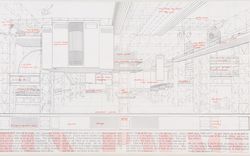
1964: Fun Palace
1964: Fun Palace
Actions:
Issue:
What the future looked like
What the future looked like
Form:
articles
articles
Actions:
Issue:
What the future looked like
What the future looked like
Form:
articles
articles
Title:
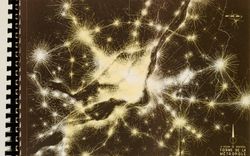
1966: Galactic Metropolis
1966: Galactic Metropolis
Actions:
Issue:
What the future looked like
What the future looked like
Published:
16 April 2016
16 April 2016
Issue:
What the future looked like
What the future looked like
Form:
articles
articles

Issue:
What the future looked like
What the future looked like


