


12071 Results
Form:
books
books
Actions:
Price:
$12.95
(available to order)
Summary:
One of Austria’s most influential architects, Otto Wagner (1841-1918) played a key role in modernizing urban architecture. Forming an approach described as structural rationalism, Wagner pioneered use of materials such as glass, steel, and especially aluminium. He was associated with the Viennese Succession, a group of artists and designers headed by Gustav Klimt that(...)
$12.95
(available to order)
Summary:
One of Austria’s most influential architects, Otto Wagner (1841-1918) played a key role in modernizing urban architecture. Forming an approach described as structural rationalism, Wagner pioneered use of materials such as glass, steel, and especially aluminium. He was associated with the Viennese Succession, a group of artists and designers headed by Gustav Klimt that(...)
Title:
Wagner, 1841-1918 : forerunner of modern architecture
Actions:
Price:
$12.95
(available to order)
Summary:
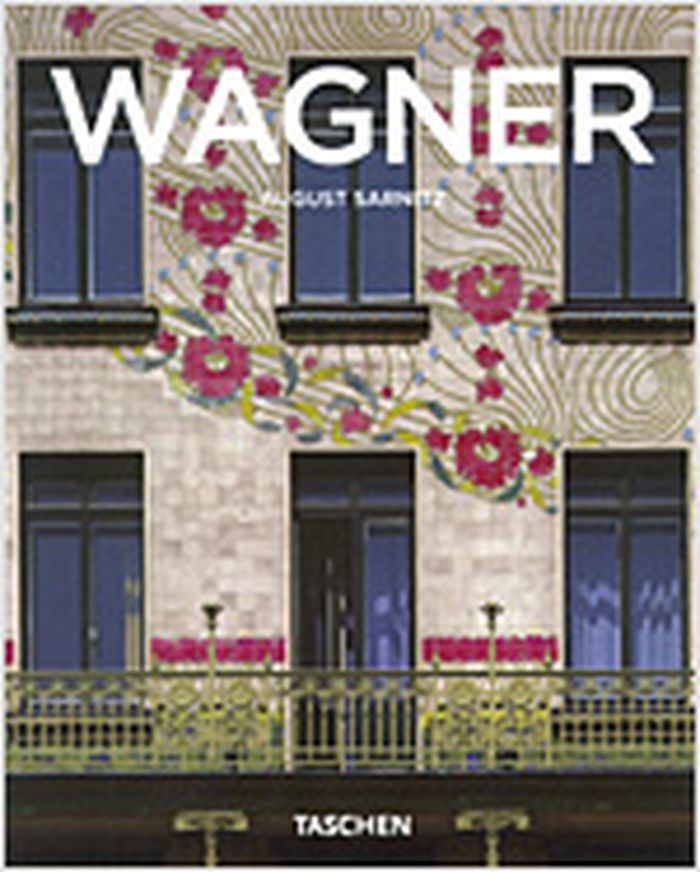
One of Austria’s most influential architects, Otto Wagner (1841-1918) played a key role in modernizing urban architecture. Forming an approach described as structural rationalism, Wagner pioneered use of materials such as glass, steel, and especially aluminium. He was associated with the Viennese Succession, a group of artists and designers headed by Gustav Klimt that initiated a departure from the conservative style of the Viennese Künstlerhaus. Among Wagner’s most important buildings are the Vienna Postsparkassenamt (Postal Savings building) and the Steinhof Church. Part of Taschen's Basic Architecture series. Each title in the series contains approximately 120 images, including photographs, sketches, drawings, and floor plans. Introductory essays explore the architect’s life and work, touching on family and background as well as collaborations with other architects. The body presents the most important works in chronological order, with descriptions of client and/or architect wishes, construction problems (why some projects were never executed), and resolutions. The appendix includes a list of complete or selected works, biography, bibliography and a map indicating the locations of the architect’s most famous buildings.
Wagner, 1841-1918 : forerunner of modern architecture
Actions:
Price:
$12.95
(available to order)
Summary:
One of Austria’s most influential architects, Otto Wagner (1841-1918) played a key role in modernizing urban architecture. Forming an approach described as structural rationalism, Wagner pioneered use of materials such as glass, steel, and especially aluminium. He was associated with the Viennese Succession, a group of artists and designers headed by Gustav Klimt that initiated a departure from the conservative style of the Viennese Künstlerhaus. Among Wagner’s most important buildings are the Vienna Postsparkassenamt (Postal Savings building) and the Steinhof Church. Part of Taschen's Basic Architecture series. Each title in the series contains approximately 120 images, including photographs, sketches, drawings, and floor plans. Introductory essays explore the architect’s life and work, touching on family and background as well as collaborations with other architects. The body presents the most important works in chronological order, with descriptions of client and/or architect wishes, construction problems (why some projects were never executed), and resolutions. The appendix includes a list of complete or selected works, biography, bibliography and a map indicating the locations of the architect’s most famous buildings.
Form:
books
books
Publication:
July 2005, Cologne
July 2005, Cologne
Subject:
Architecture Monographs
Architecture Monographs
Form:
books
books
Actions:
Price:
$58.00
(available to order)
Summary:
Cette monographie présente l'ensemble des projets réalisés ou conçus par Philippe Rahm (1967) et Jean-Gilles Décosterd (1963) ces dernières années autour du thème de la "distortion". Leur démarche consiste à s'emparer du temps et de l'espace comme d'un matériau pour l'architecture, à explorer le spectre du vide, la densité des corps. Villes hormonales, jardins(...)
$58.00
(available to order)
Summary:
Cette monographie présente l'ensemble des projets réalisés ou conçus par Philippe Rahm (1967) et Jean-Gilles Décosterd (1963) ces dernières années autour du thème de la "distortion". Leur démarche consiste à s'emparer du temps et de l'espace comme d'un matériau pour l'architecture, à explorer le spectre du vide, la densité des corps. Villes hormonales, jardins(...)
Title:
Décosterd & Rahm : distorsions - architecture 2000-2005
Actions:
Price:
$58.00
(available to order)
Summary:
Cette monographie présente l'ensemble des projets réalisés ou conçus par Philippe Rahm (1967) et Jean-Gilles Décosterd (1963) ces dernières années autour du thème de la "distortion". Leur démarche consiste à s'emparer du temps et de l'espace comme d'un matériau pour l'architecture, à explorer le spectre du vide, la densité des corps. Villes hormonales, jardins physiologiques, chambres de mélatonine, environnements de haute altitude, peinture Placebo, l'architecture devient ici un champ énergétique traversé de failles temporelles et de brèches géographiques.
Décosterd & Rahm : distorsions - architecture 2000-2005
Actions:
Price:
$58.00
(available to order)
Summary:
Cette monographie présente l'ensemble des projets réalisés ou conçus par Philippe Rahm (1967) et Jean-Gilles Décosterd (1963) ces dernières années autour du thème de la "distortion". Leur démarche consiste à s'emparer du temps et de l'espace comme d'un matériau pour l'architecture, à explorer le spectre du vide, la densité des corps. Villes hormonales, jardins physiologiques, chambres de mélatonine, environnements de haute altitude, peinture Placebo, l'architecture devient ici un champ énergétique traversé de failles temporelles et de brèches géographiques.
Form:
books
books
Publication:
May 2005, Orléans
May 2005, Orléans
Subject:
Architecture Monographs
Architecture Monographs
Form:
books
books
Actions:
Price:
$34.50
(available to order)
Summary:
In the late nineteenth century the conventions of Victorian domesticity came under scrutiny by British writers, designers, artists, and architects intent on bringing a modern spirit into the home. Seeking to redefine the spaces of middle-class private life, figures such as E. M. Forster, Roger Fry, Oscar Wilde, James McNeill Whistler, and Virginia Woolf attempted to(...)
$34.50
(available to order)
Summary:
In the late nineteenth century the conventions of Victorian domesticity came under scrutiny by British writers, designers, artists, and architects intent on bringing a modern spirit into the home. Seeking to redefine the spaces of middle-class private life, figures such as E. M. Forster, Roger Fry, Oscar Wilde, James McNeill Whistler, and Virginia Woolf attempted to(...)
Title:
Modernism and the architecture of private life
Actions:
Price:
$34.50
(available to order)
Summary:
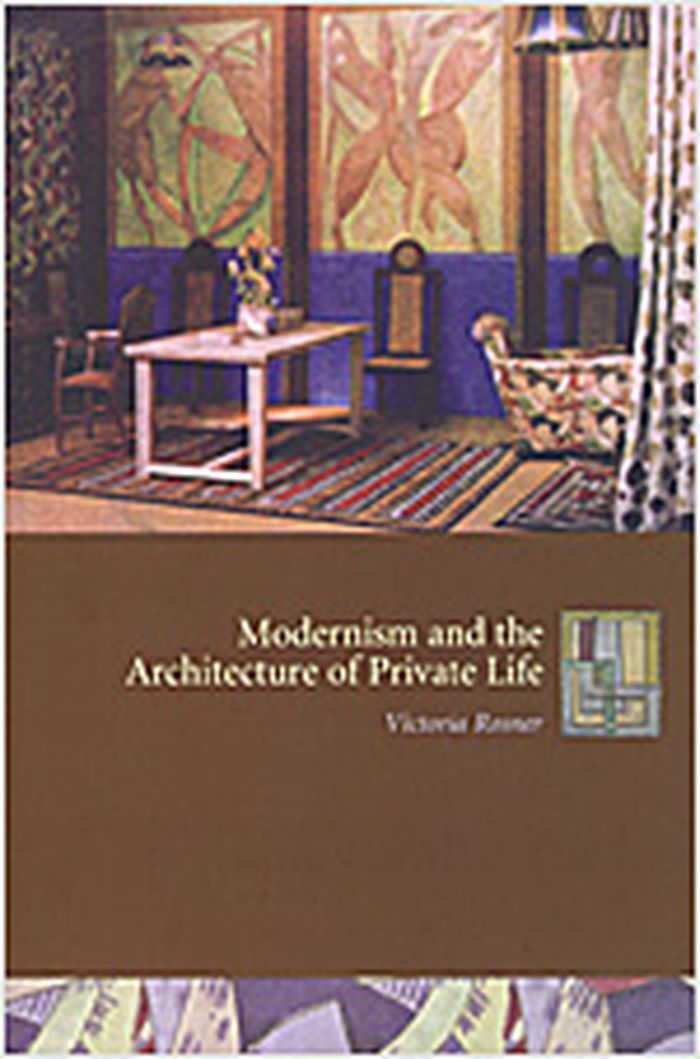
In the late nineteenth century the conventions of Victorian domesticity came under scrutiny by British writers, designers, artists, and architects intent on bringing a modern spirit into the home. Seeking to redefine the spaces of middle-class private life, figures such as E. M. Forster, Roger Fry, Oscar Wilde, James McNeill Whistler, and Virginia Woolf attempted to rethink Victorian design and reconstruct the form, function, and meaning of the home to meet the demands of modernity. In this study, Rosner draws on a host of previously unexamined archival sources and reveals the many personal and aesthetic connections among modern British writers, interior designers, and architects, elegantly synthesizing modernist literature with architectural plans, room designs, and decorative art.
Modernism and the architecture of private life
Actions:
Price:
$34.50
(available to order)
Summary:
In the late nineteenth century the conventions of Victorian domesticity came under scrutiny by British writers, designers, artists, and architects intent on bringing a modern spirit into the home. Seeking to redefine the spaces of middle-class private life, figures such as E. M. Forster, Roger Fry, Oscar Wilde, James McNeill Whistler, and Virginia Woolf attempted to rethink Victorian design and reconstruct the form, function, and meaning of the home to meet the demands of modernity. In this study, Rosner draws on a host of previously unexamined archival sources and reveals the many personal and aesthetic connections among modern British writers, interior designers, and architects, elegantly synthesizing modernist literature with architectural plans, room designs, and decorative art.
Form:
books
books
Publication:
January 2005, New York
January 2005, New York
Subject:
Architectural Theory
Architectural Theory
Form:
books
books
Actions:
Price:
$86.00
(available to order)
Summary:
There has never been a more important time to understand how to make the best use of local natural resources and create buildings that do not rely on stripping our planet or transporting materials across the globe. First published in 2017, Habitat gathers the world's leading experts on vernacular architecture to examine how local buildings have stood the test of time and(...)
$86.00
(available to order)
Summary:
There has never been a more important time to understand how to make the best use of local natural resources and create buildings that do not rely on stripping our planet or transporting materials across the globe. First published in 2017, Habitat gathers the world's leading experts on vernacular architecture to examine how local buildings have stood the test of time and(...)
Title:
Habitat: Vernacular architecture for a changing climate
Actions:
Price:
$86.00
(available to order)
Summary:
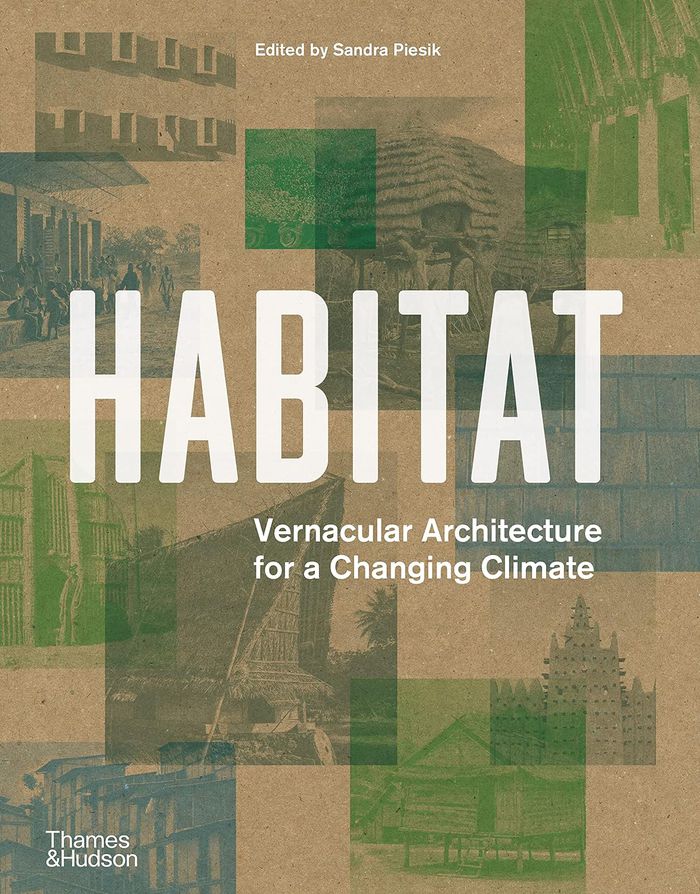
There has never been a more important time to understand how to make the best use of local natural resources and create buildings that do not rely on stripping our planet or transporting materials across the globe. First published in 2017, Habitat gathers the world's leading experts on vernacular architecture to examine how local buildings have stood the test of time and offer lessons for the future. Arranged by climate zone- Tropical, Dry, Temperate, Continental, and Polar- each regional section presents buildings in their environments, showing how climatic conditions and vegetation affect the evolution of building styles. This central part of Habitat is bookended by a range of essays exploring the economic and anthropological aspects of shelter, while the book's reference section offers information on materials science and engineering, including how buildings have been adapted to contend with natural disasters.
Habitat: Vernacular architecture for a changing climate
Actions:
Price:
$86.00
(available to order)
Summary:
There has never been a more important time to understand how to make the best use of local natural resources and create buildings that do not rely on stripping our planet or transporting materials across the globe. First published in 2017, Habitat gathers the world's leading experts on vernacular architecture to examine how local buildings have stood the test of time and offer lessons for the future. Arranged by climate zone- Tropical, Dry, Temperate, Continental, and Polar- each regional section presents buildings in their environments, showing how climatic conditions and vegetation affect the evolution of building styles. This central part of Habitat is bookended by a range of essays exploring the economic and anthropological aspects of shelter, while the book's reference section offers information on materials science and engineering, including how buildings have been adapted to contend with natural disasters.
Form:
books
books
Publication:
May 2024
May 2024
Subject:
Green Architecture
Green Architecture
Form:
books
books
Actions:
Price:
$48.95
(available in store)
Summary:
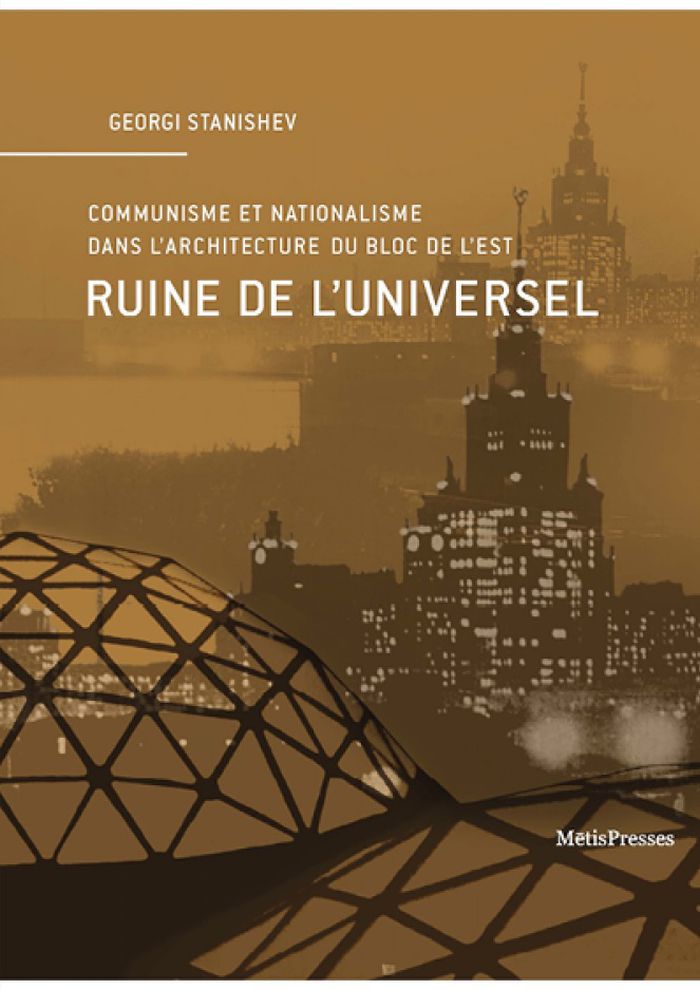
Un nouveau regard sur la période de la guerre froide au sein du bloc communiste, à travers l'étude des styles architecturaux parfois divergents qui se sont succédé durant cette période, témoignant de l'évolution du projet communiste au fil du temps : nouvel éclectisme stalinien, modernisme socialiste sous Khrouchtchev puis repli sur l'universalisme d'une architecture archaïque.
$48.95
(available in store)
Summary:
Un nouveau regard sur la période de la guerre froide au sein du bloc communiste, à travers l'étude des styles architecturaux parfois divergents qui se sont succédé durant cette période, témoignant de l'évolution du projet communiste au fil du temps : nouvel éclectisme stalinien, modernisme socialiste sous Khrouchtchev puis repli sur l'universalisme d'une architecture archaïque.
Title:
Ruine de l'universel : Communisme et nationalisme dans l'architecture du Bloc de l'Est
Actions:
Price:
$48.95
(available in store)
Summary:
Un nouveau regard sur la période de la guerre froide au sein du bloc communiste, à travers l'étude des styles architecturaux parfois divergents qui se sont succédé durant cette période, témoignant de l'évolution du projet communiste au fil du temps : nouvel éclectisme stalinien, modernisme socialiste sous Khrouchtchev puis repli sur l'universalisme d'une architecture archaïque.
Ruine de l'universel : Communisme et nationalisme dans l'architecture du Bloc de l'Est
Actions:
Price:
$48.95
(available in store)
Summary:
Un nouveau regard sur la période de la guerre froide au sein du bloc communiste, à travers l'étude des styles architecturaux parfois divergents qui se sont succédé durant cette période, témoignant de l'évolution du projet communiste au fil du temps : nouvel éclectisme stalinien, modernisme socialiste sous Khrouchtchev puis repli sur l'universalisme d'une architecture archaïque.
Form:
books
books
Publication:
May 2024
May 2024
Subject:
Architectural Theory
Architectural Theory
Form:
books
books
Actions:
Price:
$45.00
(available to order)
Summary:
Architect Paul Rudolph (1918–1997) was known for his iconic modern houses and exemplary Brutalist buildings in exposed concrete. Rudolph’s popularity peaked during the 1950s and 1960s, when he served as the chair of Yale University’s Department of Architecture, but his work fell from favor with the advent of postmodernism in the 1970s. This compact volume provides an(...)
$45.00
(available to order)
Summary:
Architect Paul Rudolph (1918–1997) was known for his iconic modern houses and exemplary Brutalist buildings in exposed concrete. Rudolph’s popularity peaked during the 1950s and 1960s, when he served as the chair of Yale University’s Department of Architecture, but his work fell from favor with the advent of postmodernism in the 1970s. This compact volume provides an(...)
Title:
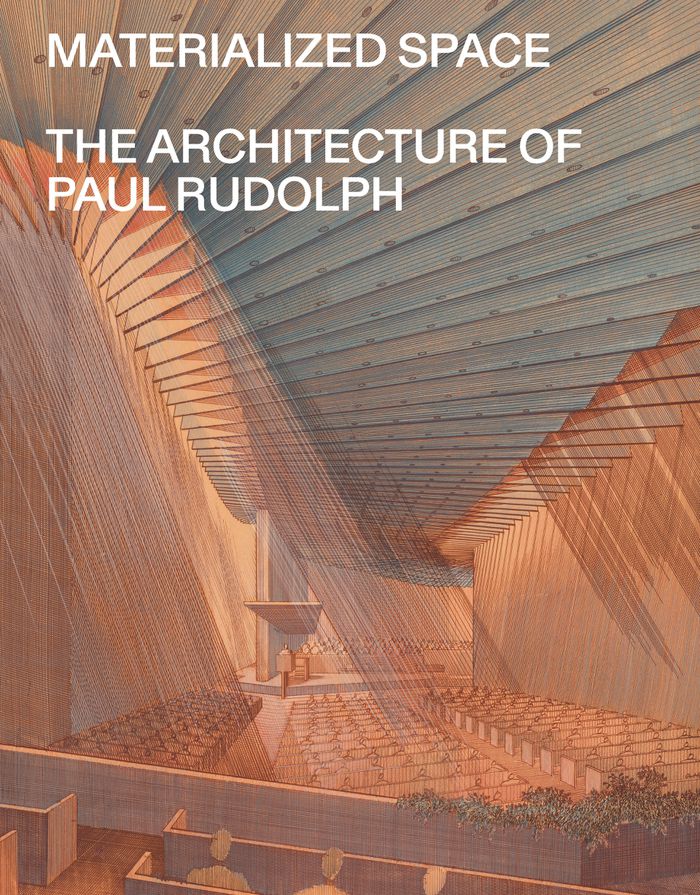
Materialized space: The architecture of Paul Rudolph
Actions:
Price:
$45.00
(available to order)
Summary:
Architect Paul Rudolph (1918–1997) was known for his iconic modern houses and exemplary Brutalist buildings in exposed concrete. Rudolph’s popularity peaked during the 1950s and 1960s, when he served as the chair of Yale University’s Department of Architecture, but his work fell from favor with the advent of postmodernism in the 1970s. This compact volume provides an introduction to and long-overdue reassessment of the architect’s trailblazing career, from his modernist Florida houses to his public and institutional buildings, unrealized megastructures, experimental interiors, and later mixed use developments in Asia. Abraham Thomas examines how Rudolph explored concepts such as functionalism, urbanism, and modular construction across decades and continents. Richly illustrated with photographs of the structures and Rudolph’s own drawings as well as models, furniture, and period press clippings, this book sheds light on the architect’s process and takes up themes as important in his time as in our own, such as civic design, housing development, and experimental materials and methods.
Materialized space: The architecture of Paul Rudolph
Actions:
Price:
$45.00
(available to order)
Summary:
Architect Paul Rudolph (1918–1997) was known for his iconic modern houses and exemplary Brutalist buildings in exposed concrete. Rudolph’s popularity peaked during the 1950s and 1960s, when he served as the chair of Yale University’s Department of Architecture, but his work fell from favor with the advent of postmodernism in the 1970s. This compact volume provides an introduction to and long-overdue reassessment of the architect’s trailblazing career, from his modernist Florida houses to his public and institutional buildings, unrealized megastructures, experimental interiors, and later mixed use developments in Asia. Abraham Thomas examines how Rudolph explored concepts such as functionalism, urbanism, and modular construction across decades and continents. Richly illustrated with photographs of the structures and Rudolph’s own drawings as well as models, furniture, and period press clippings, this book sheds light on the architect’s process and takes up themes as important in his time as in our own, such as civic design, housing development, and experimental materials and methods.
Form:
books
books
Publication:
October 2024
October 2024
Subject:
Architecture Monographs
Architecture Monographs
Form:
books
books
Actions:
Price:
$69.95
(available to order)
Summary:
This newly curated collection by some of the world's finest architectural studios showcases how innovative architectural designs can seamlessly integrate with and complement the natural landscape to create harmonious and captivating structure. Whether coastal, riverine, in the desert or among the trees, these projects live within the environment not apart. Discover the(...)
$69.95
(available to order)
Summary:
This newly curated collection by some of the world's finest architectural studios showcases how innovative architectural designs can seamlessly integrate with and complement the natural landscape to create harmonious and captivating structure. Whether coastal, riverine, in the desert or among the trees, these projects live within the environment not apart. Discover the(...)
Title:
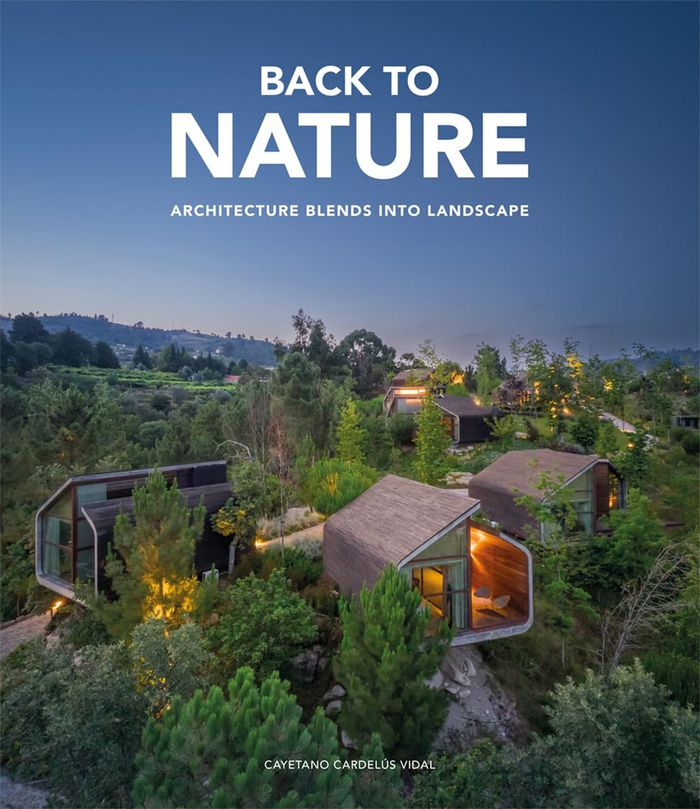
Back to nature: Architecture blends into landscape
Actions:
Price:
$69.95
(available to order)
Summary:
This newly curated collection by some of the world's finest architectural studios showcases how innovative architectural designs can seamlessly integrate with and complement the natural landscape to create harmonious and captivating structure. Whether coastal, riverine, in the desert or among the trees, these projects live within the environment not apart. Discover the artistry of architects who skillfully blend their creations with natures beauty, redefining the boundaries between man-mad and natural worlds.
Back to nature: Architecture blends into landscape
Actions:
Price:
$69.95
(available to order)
Summary:
This newly curated collection by some of the world's finest architectural studios showcases how innovative architectural designs can seamlessly integrate with and complement the natural landscape to create harmonious and captivating structure. Whether coastal, riverine, in the desert or among the trees, these projects live within the environment not apart. Discover the artistry of architects who skillfully blend their creations with natures beauty, redefining the boundaries between man-mad and natural worlds.
Form:
books
books
Publication:
November 2024
November 2024
Subject:
Residential Architecture
Residential Architecture
Form:
books
books
Actions:
Price:
$85.95
(available in store)
Summary:
Initially founded as a Facebook group in May 2019, ''Forgotten Architecture''s goal is to research and unearth not well known modern architecture worldwide. The idea behind it is simple: to recover projects by little-known architects and works left in the shadows of the masters, to delve into the work of "minor" figures, and to unite alternative takes on the History of(...)
$85.95
(available in store)
Summary:
Initially founded as a Facebook group in May 2019, ''Forgotten Architecture''s goal is to research and unearth not well known modern architecture worldwide. The idea behind it is simple: to recover projects by little-known architects and works left in the shadows of the masters, to delve into the work of "minor" figures, and to unite alternative takes on the History of(...)
Title:
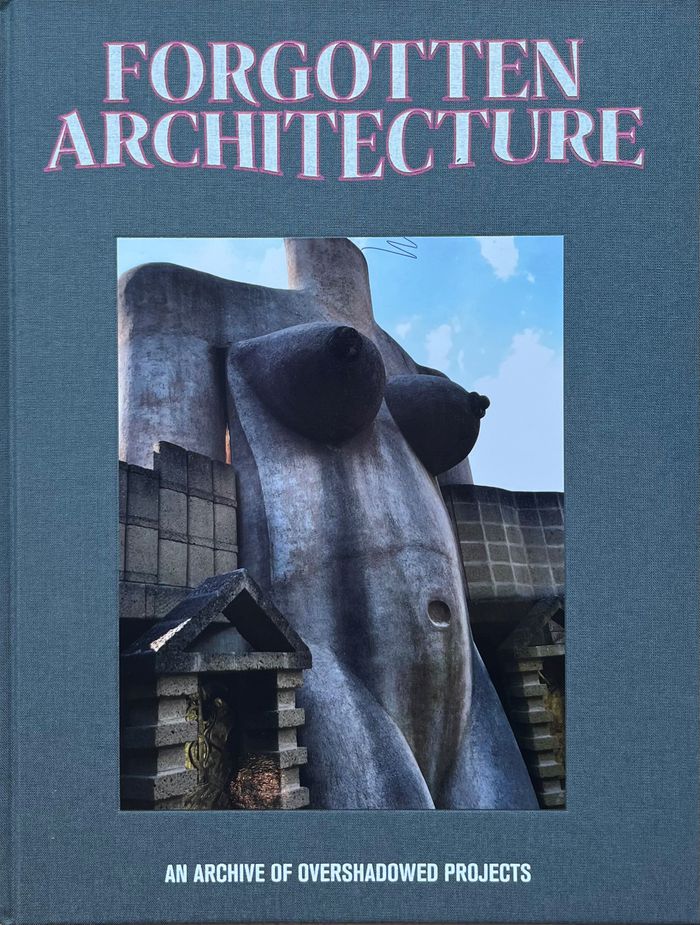
Forgotten architecture : An archive of overshadowed projects
Actions:
Price:
$85.95
(available in store)
Summary:
Initially founded as a Facebook group in May 2019, ''Forgotten Architecture''s goal is to research and unearth not well known modern architecture worldwide. The idea behind it is simple: to recover projects by little-known architects and works left in the shadows of the masters, to delve into the work of "minor" figures, and to unite alternative takes on the History of Architecture as a complement to university courses. The book maintains its distinctive features of a collective, dynamic, and horizontal experience born on a social network. The publication uses the architectural categories most frequently featured in the group as guiding themes, providing for each project a collection of photographic materials, documents, and drawings from prominent professional firms, institutions, and private archives—such as Fornasetti, Gaetano Pesce, Nanda Vigo, Vitra. Ephemeral architecture, gas stations, night clubs, playgrounds, houses, vacation resorts, cemeteries, churches, architectures in music videos. At the end of the book, a series of critical essays reflect on its characteristics as a collective and pedagogical experience, considering the repercussions of this experience on the discipline of architecture through different points of view.
Forgotten architecture : An archive of overshadowed projects
Actions:
Price:
$85.95
(available in store)
Summary:
Initially founded as a Facebook group in May 2019, ''Forgotten Architecture''s goal is to research and unearth not well known modern architecture worldwide. The idea behind it is simple: to recover projects by little-known architects and works left in the shadows of the masters, to delve into the work of "minor" figures, and to unite alternative takes on the History of Architecture as a complement to university courses. The book maintains its distinctive features of a collective, dynamic, and horizontal experience born on a social network. The publication uses the architectural categories most frequently featured in the group as guiding themes, providing for each project a collection of photographic materials, documents, and drawings from prominent professional firms, institutions, and private archives—such as Fornasetti, Gaetano Pesce, Nanda Vigo, Vitra. Ephemeral architecture, gas stations, night clubs, playgrounds, houses, vacation resorts, cemeteries, churches, architectures in music videos. At the end of the book, a series of critical essays reflect on its characteristics as a collective and pedagogical experience, considering the repercussions of this experience on the discipline of architecture through different points of view.
Form:
books
books
Publication:
May 2024
May 2024
Subject:
Contemporary Architecture
Contemporary Architecture
Form:
books
books
Actions:
Price:
$99.00
(available to order)
Summary:
''Magic Architecture'' was the architect Frederick Kiesler’s most ambitious book project, an epoch-spanning history of human housing from prehistory to the atomic era, submitted to editors after World War II but left unpublished. In its holistic view of habitation through the lens of anthropology, ecology, and the life sciences, ''Magic Architecture'' is one of the most(...)
$99.00
(available to order)
Summary:
''Magic Architecture'' was the architect Frederick Kiesler’s most ambitious book project, an epoch-spanning history of human housing from prehistory to the atomic era, submitted to editors after World War II but left unpublished. In its holistic view of habitation through the lens of anthropology, ecology, and the life sciences, ''Magic Architecture'' is one of the most(...)
Title:
Magic architecture: The story of human housing
Actions:
Price:
$99.00
(available to order)
Summary:
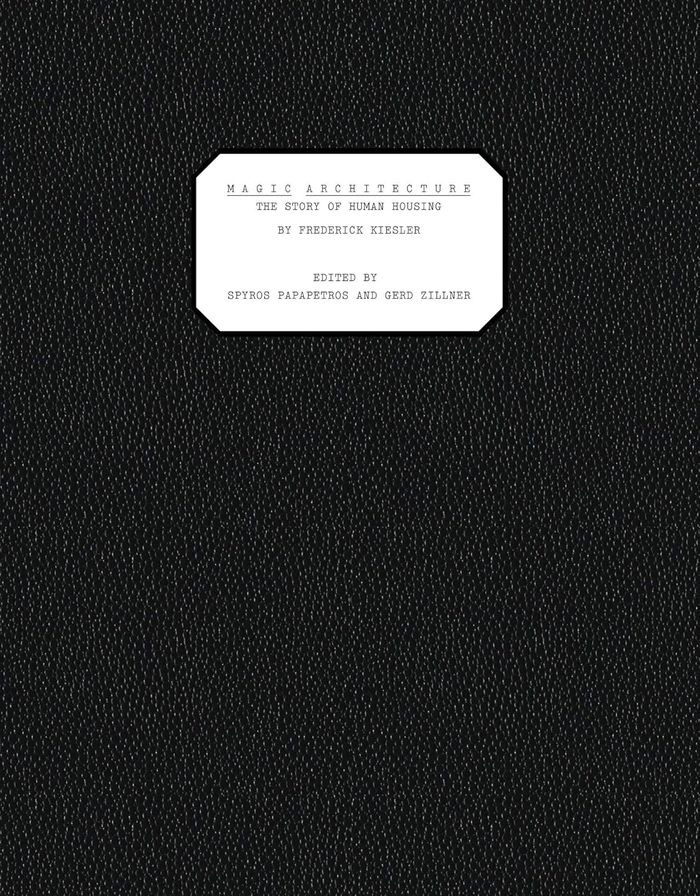
''Magic Architecture'' was the architect Frederick Kiesler’s most ambitious book project, an epoch-spanning history of human housing from prehistory to the atomic era, submitted to editors after World War II but left unpublished. In its holistic view of habitation through the lens of anthropology, ecology, and the life sciences, ''Magic Architecture'' is one of the most extraordinary texts on architecture written in the twentieth century, now at last published in the twenty-first. Kiesler’s exploration of the effects of modern technology in combination with the alternative epistemology of “magical” practices associated with cave drawings and the first artifacts of human industry reflects his profoundly interdisciplinary perspective on the development of art, architecture, and design. This critical edition preserves Kiesler’s conception of the book as a neo-Vitruvian treatise divided into ten parts that narrate an alternative history and theory of architecture. Also included are more than seventy composite plate illustrations consisting of images cut and pasted from books and popular science journals, with elaborate captions, as well as Kiesler’s own line drawings made specifically for this project. The editors have reassembled the book’s text and illustrations from archival documents, supplementing them with notes that trace the copious development of the work. Introductory essays provide an interpretation of key themes and bibliographic sources, as well as a chronological context of the architect’s research. Appendixes offer additional textual and visual material gathered by Kiesler for the project.
Magic architecture: The story of human housing
Actions:
Price:
$99.00
(available to order)
Summary:
''Magic Architecture'' was the architect Frederick Kiesler’s most ambitious book project, an epoch-spanning history of human housing from prehistory to the atomic era, submitted to editors after World War II but left unpublished. In its holistic view of habitation through the lens of anthropology, ecology, and the life sciences, ''Magic Architecture'' is one of the most extraordinary texts on architecture written in the twentieth century, now at last published in the twenty-first. Kiesler’s exploration of the effects of modern technology in combination with the alternative epistemology of “magical” practices associated with cave drawings and the first artifacts of human industry reflects his profoundly interdisciplinary perspective on the development of art, architecture, and design. This critical edition preserves Kiesler’s conception of the book as a neo-Vitruvian treatise divided into ten parts that narrate an alternative history and theory of architecture. Also included are more than seventy composite plate illustrations consisting of images cut and pasted from books and popular science journals, with elaborate captions, as well as Kiesler’s own line drawings made specifically for this project. The editors have reassembled the book’s text and illustrations from archival documents, supplementing them with notes that trace the copious development of the work. Introductory essays provide an interpretation of key themes and bibliographic sources, as well as a chronological context of the architect’s research. Appendixes offer additional textual and visual material gathered by Kiesler for the project.
Form:
books
books
Publication:
April 2025
April 2025
Subject:
Architecture Monographs
Architecture Monographs
Form:
books
books
Actions:
Price:
$68.00
(available to order)
Summary:
How did people living in the Middle Ages respond to spectacular buildings, such as the Gothic cathedrals? While contemporary scholarship places a large emphasis on the emotional content of Western medieval figurative art, the emotion of architecture has largely gone undiscussed. In a radical new approach, "Architecture and affect in the Middle Ages" explores the(...)
$68.00
(available to order)
Summary:
How did people living in the Middle Ages respond to spectacular buildings, such as the Gothic cathedrals? While contemporary scholarship places a large emphasis on the emotional content of Western medieval figurative art, the emotion of architecture has largely gone undiscussed. In a radical new approach, "Architecture and affect in the Middle Ages" explores the(...)
Title:
Architecture and affect in the Middle Ages
Actions:
Price:
$68.00
(available to order)
Summary:
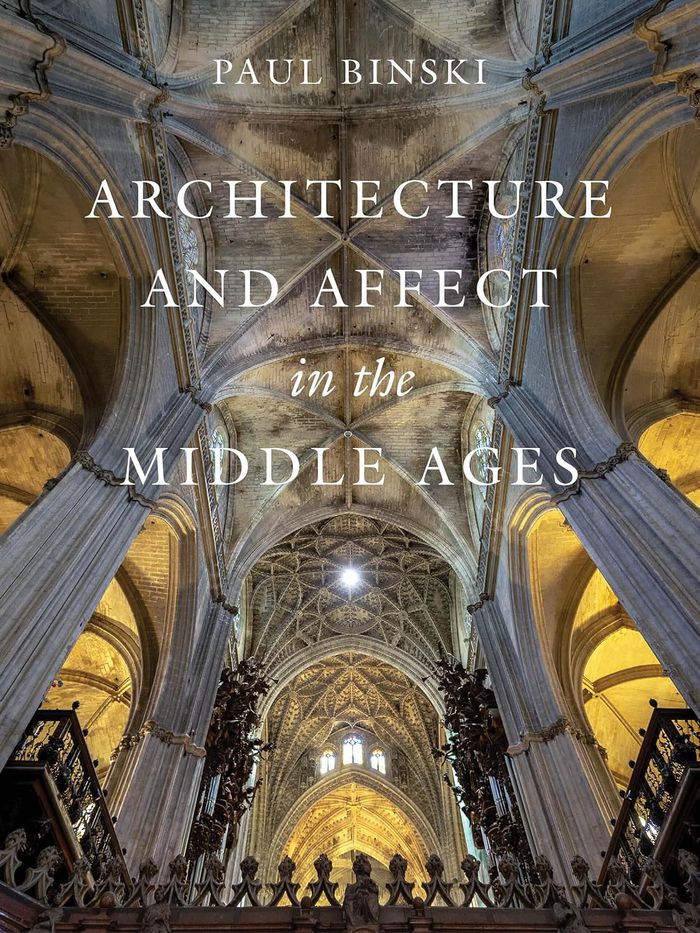
How did people living in the Middle Ages respond to spectacular buildings, such as the Gothic cathedrals? While contemporary scholarship places a large emphasis on the emotional content of Western medieval figurative art, the emotion of architecture has largely gone undiscussed. In a radical new approach, "Architecture and affect in the Middle Ages" explores the relationship between medieval buildings and the complexity of experience they engendered. Paul Binski examines long-standing misconceptions about the way viewers responded to medieval architecture across Western Europe and in Byzantine and Arabic culture between late antiquity and the end of the medieval period. He emphasizes the importance of the experience itself within these built environments, essentially places of action, space, and structure but also, crucially, of sound and emotion.
Architecture and affect in the Middle Ages
Actions:
Price:
$68.00
(available to order)
Summary:
How did people living in the Middle Ages respond to spectacular buildings, such as the Gothic cathedrals? While contemporary scholarship places a large emphasis on the emotional content of Western medieval figurative art, the emotion of architecture has largely gone undiscussed. In a radical new approach, "Architecture and affect in the Middle Ages" explores the relationship between medieval buildings and the complexity of experience they engendered. Paul Binski examines long-standing misconceptions about the way viewers responded to medieval architecture across Western Europe and in Byzantine and Arabic culture between late antiquity and the end of the medieval period. He emphasizes the importance of the experience itself within these built environments, essentially places of action, space, and structure but also, crucially, of sound and emotion.
Form:
books
books
Publication:
October 2024
October 2024
Subject:
Architectural Theory
Architectural Theory


