


12071 Results
Form:
books
books
Actions:
Price:
$45.99
(available in store)
Summary:
Against the backdrop of a global energy crisis, a widespread movement embracing the use of raw earth materials for building construction emerged in the 1970s. "Solar Adobe" examines this new wave of architectural experimentation taking place in the United States, detailing how an ancient tradition became a point of convergence for issues of environmentalism, architecture,(...)
$45.99
(available in store)
Summary:
Against the backdrop of a global energy crisis, a widespread movement embracing the use of raw earth materials for building construction emerged in the 1970s. "Solar Adobe" examines this new wave of architectural experimentation taking place in the United States, detailing how an ancient tradition became a point of convergence for issues of environmentalism, architecture,(...)
Title:
Solar adobe: Energy, ecology and earthen architecture
Actions:
Price:
$45.99
(available in store)
Summary:
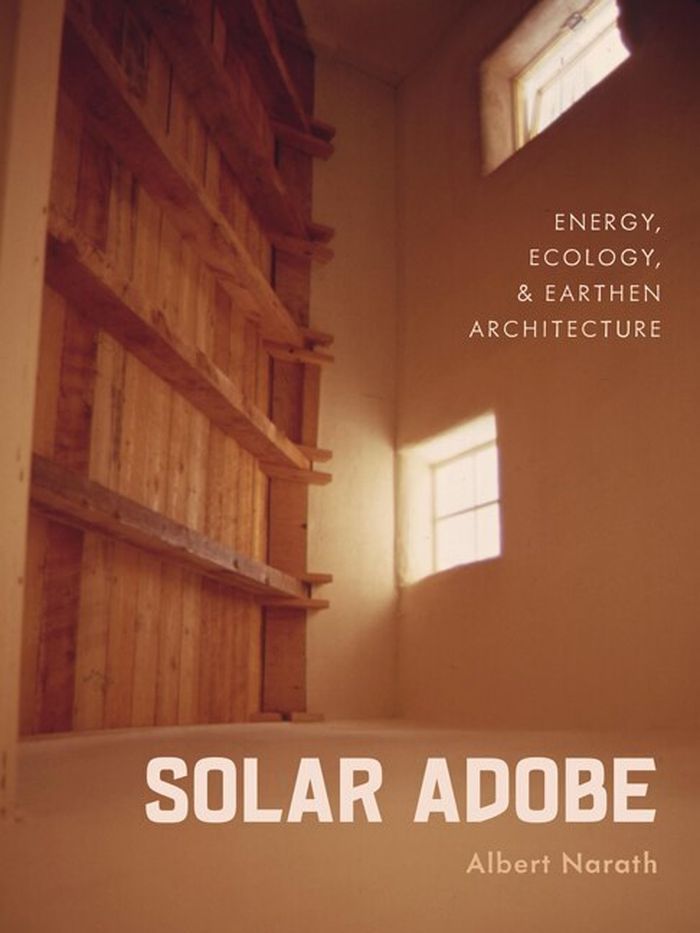
Against the backdrop of a global energy crisis, a widespread movement embracing the use of raw earth materials for building construction emerged in the 1970s. "Solar Adobe" examines this new wave of architectural experimentation taking place in the United States, detailing how an ancient tradition became a point of convergence for issues of environmentalism, architecture, technology, and Indigenous resistance. Utilized for centuries by the Pueblo people of the American Southwest and by Spanish colonialists, adobe construction found renewed interest as various groups contended with the troubled legacies of modern architecture and an increasingly urgent need for sustainable design practices. In this period of critical experimentation, design networks that included architects, historians, counterculture communities, government weapons labs, and Indigenous activists all looked to adobe as a means to address pressing environmental and political issues.
Solar adobe: Energy, ecology and earthen architecture
Actions:
Price:
$45.99
(available in store)
Summary:
Against the backdrop of a global energy crisis, a widespread movement embracing the use of raw earth materials for building construction emerged in the 1970s. "Solar Adobe" examines this new wave of architectural experimentation taking place in the United States, detailing how an ancient tradition became a point of convergence for issues of environmentalism, architecture, technology, and Indigenous resistance. Utilized for centuries by the Pueblo people of the American Southwest and by Spanish colonialists, adobe construction found renewed interest as various groups contended with the troubled legacies of modern architecture and an increasingly urgent need for sustainable design practices. In this period of critical experimentation, design networks that included architects, historians, counterculture communities, government weapons labs, and Indigenous activists all looked to adobe as a means to address pressing environmental and political issues.
Form:
books
books
Publication:
March 2024
March 2024
Subject:
Green Architecture
Green Architecture
Form:
books
books
Actions:
Price:
$52.00
(available to order)
Summary:
In 'Nothing less than literal : architecture after minimalism', Mark Linder shows how minimalist art of the 1960's was infiltrated with architecture, resulting in a reconfiguration of the disciplines of both art and architecture. Linder traces the exchange of concepts and techniques between architecture and art through a reading of the work of critics Clement Greenberg,(...)
$52.00
(available to order)
Summary:
In 'Nothing less than literal : architecture after minimalism', Mark Linder shows how minimalist art of the 1960's was infiltrated with architecture, resulting in a reconfiguration of the disciplines of both art and architecture. Linder traces the exchange of concepts and techniques between architecture and art through a reading of the work of critics Clement Greenberg,(...)
Title:
Nothing less than literal : architecture after minimalism
Actions:
Price:
$52.00
(available to order)
Summary:
In 'Nothing less than literal : architecture after minimalism', Mark Linder shows how minimalist art of the 1960's was infiltrated with architecture, resulting in a reconfiguration of the disciplines of both art and architecture. Linder traces the exchange of concepts and techniques between architecture and art through a reading of the work of critics Clement Greenberg, Colin Rowe, Michael Fried, and the artist-writer Robert Smithson, and then locates a recuparation of "the architecture of minimalism" in the contemporary works of John Hejduk and Frank Gehry.
Nothing less than literal : architecture after minimalism
Actions:
Price:
$52.00
(available to order)
Summary:
In 'Nothing less than literal : architecture after minimalism', Mark Linder shows how minimalist art of the 1960's was infiltrated with architecture, resulting in a reconfiguration of the disciplines of both art and architecture. Linder traces the exchange of concepts and techniques between architecture and art through a reading of the work of critics Clement Greenberg, Colin Rowe, Michael Fried, and the artist-writer Robert Smithson, and then locates a recuparation of "the architecture of minimalism" in the contemporary works of John Hejduk and Frank Gehry.
Form:
books
books
Publication:
December 2004, Cambridge, Mass.
December 2004, Cambridge, Mass.
Subject:
Architectural Theory
Architectural Theory
Form:
books
books
Price:
$76.00
(available to order)
Summary:
Vaudremer est assurément le grand oublié de la réhabilitation dont bénéficie depuis trente ans l'architecture du XIXe siècle. Cet ouvrage permet enfin d'éclairer cette figure dont le prestige égalait celui du plus grand architecte de son temps, Charles Garnier. Formé à l'Ecole des beaux-arts au classicisme, proche par sa sensibilité de la réflexion structurelle de(...)
$76.00
(available to order)
Summary:
Vaudremer est assurément le grand oublié de la réhabilitation dont bénéficie depuis trente ans l'architecture du XIXe siècle. Cet ouvrage permet enfin d'éclairer cette figure dont le prestige égalait celui du plus grand architecte de son temps, Charles Garnier. Formé à l'Ecole des beaux-arts au classicisme, proche par sa sensibilité de la réflexion structurelle de(...)
Title:
Émile Vaudremer 1829-1914 : la rigueur de l'architecture publique
Actions:
Price:
$76.00
(available to order)
Summary:
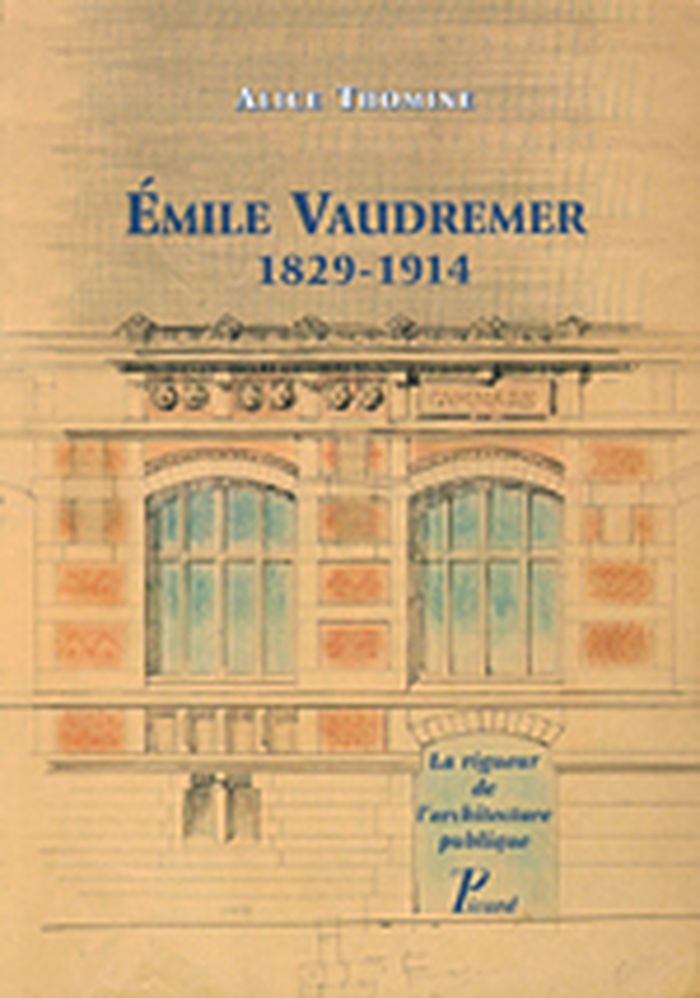
Vaudremer est assurément le grand oublié de la réhabilitation dont bénéficie depuis trente ans l'architecture du XIXe siècle. Cet ouvrage permet enfin d'éclairer cette figure dont le prestige égalait celui du plus grand architecte de son temps, Charles Garnier. Formé à l'Ecole des beaux-arts au classicisme, proche par sa sensibilité de la réflexion structurelle de Viollet-le-Duc sur le gothique, Vaudremer se distinguera en adoptant un style original qui fait la symbiose de ces deux tendances contradictoires, annonçant, par son dépouillement, l'architecture de la première moitié du XXe siècle, d'Otto Wagner à Auguste Perret.
Émile Vaudremer 1829-1914 : la rigueur de l'architecture publique
Actions:
Price:
$76.00
(available to order)
Summary:
Vaudremer est assurément le grand oublié de la réhabilitation dont bénéficie depuis trente ans l'architecture du XIXe siècle. Cet ouvrage permet enfin d'éclairer cette figure dont le prestige égalait celui du plus grand architecte de son temps, Charles Garnier. Formé à l'Ecole des beaux-arts au classicisme, proche par sa sensibilité de la réflexion structurelle de Viollet-le-Duc sur le gothique, Vaudremer se distinguera en adoptant un style original qui fait la symbiose de ces deux tendances contradictoires, annonçant, par son dépouillement, l'architecture de la première moitié du XXe siècle, d'Otto Wagner à Auguste Perret.
Form:
books
books
Publication:
March 2004, Paris
March 2004, Paris
Subject:
Architecture Monographs
Architecture Monographs
Form:
books
books
Actions:
Price:
$31.95
(available to order)
Summary:
Material intelligence, simulations, sensors, actuators, as well as the bio-mimetic and digital manufacturing innovations provide revolutionary ideas on growth, adaptability, repair, sensitivity, replication and energy savings in architecture. Should we continue constructing rigid and fixed structures? Or can our habitats begin to think?
$31.95
(available to order)
Summary:
Material intelligence, simulations, sensors, actuators, as well as the bio-mimetic and digital manufacturing innovations provide revolutionary ideas on growth, adaptability, repair, sensitivity, replication and energy savings in architecture. Should we continue constructing rigid and fixed structures? Or can our habitats begin to think?
Title:
Self-sufficient habitat: 5th advanced architecture contest
Actions:
Price:
$31.95
(available to order)
Summary:
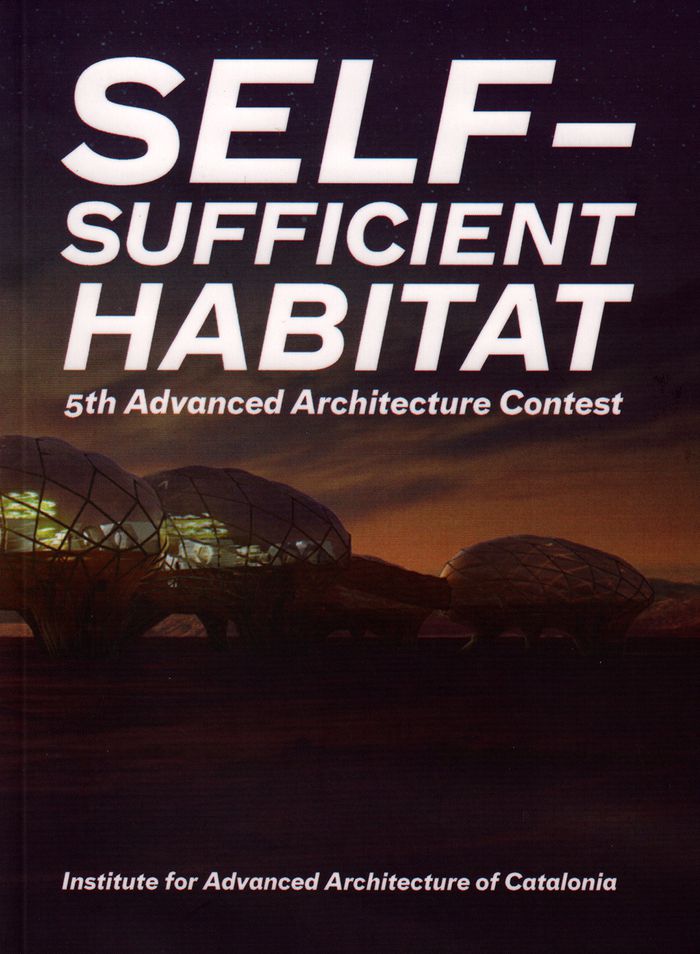
Material intelligence, simulations, sensors, actuators, as well as the bio-mimetic and digital manufacturing innovations provide revolutionary ideas on growth, adaptability, repair, sensitivity, replication and energy savings in architecture. Should we continue constructing rigid and fixed structures? Or can our habitats begin to think?
Self-sufficient habitat: 5th advanced architecture contest
Actions:
Price:
$31.95
(available to order)
Summary:
Material intelligence, simulations, sensors, actuators, as well as the bio-mimetic and digital manufacturing innovations provide revolutionary ideas on growth, adaptability, repair, sensitivity, replication and energy savings in architecture. Should we continue constructing rigid and fixed structures? Or can our habitats begin to think?
Form:
books
books
Publication:
September 2017
September 2017
Subject:
Green Architecture
Green Architecture
Form:
books
books
Actions:
Price:
$90.00
(available to order)
Summary:
This monograph from the Detail publishing house about Herzog & de Meuron delves a bit deeper behind the scenes and describes processes, all while highlighting one thing : plenty of construction details.
$90.00
(available to order)
Summary:
This monograph from the Detail publishing house about Herzog & de Meuron delves a bit deeper behind the scenes and describes processes, all while highlighting one thing : plenty of construction details.
Title:
Herzog & de Meuron: Architecture and construction details
Actions:
Price:
$90.00
(available to order)
Summary:
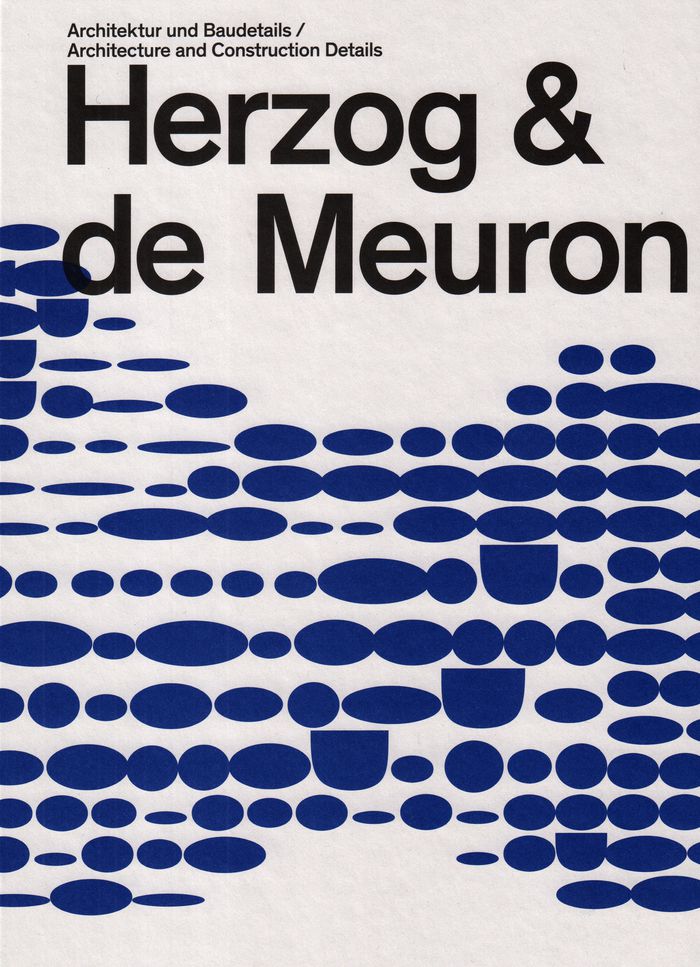
This monograph from the Detail publishing house about Herzog & de Meuron delves a bit deeper behind the scenes and describes processes, all while highlighting one thing : plenty of construction details.
Herzog & de Meuron: Architecture and construction details
Actions:
Price:
$90.00
(available to order)
Summary:
This monograph from the Detail publishing house about Herzog & de Meuron delves a bit deeper behind the scenes and describes processes, all while highlighting one thing : plenty of construction details.
Form:
books
books
Publication:
October 2017
October 2017
Subject:
Architecture Monographs
Architecture Monographs
Form:
books
books
Actions:
Price:
$65.95
(available to order)
Summary:
Alfred Neumann (1900–1968) was a Czech architect whose work was wrought in the context of postwar modernism and the establishment of the State of Israel in 1948. Today, his influence and impact have been largely forgotten, but, in their time, Neumann’s original designs received praise and elicited controversy in almost equal measure, offering exciting new possibilities to(...)
$65.95
(available to order)
Summary:
Alfred Neumann (1900–1968) was a Czech architect whose work was wrought in the context of postwar modernism and the establishment of the State of Israel in 1948. Today, his influence and impact have been largely forgotten, but, in their time, Neumann’s original designs received praise and elicited controversy in almost equal measure, offering exciting new possibilities to(...)
Title:
Space packed: the architecture of Alfred Neumann
Actions:
Price:
$65.95
(available to order)
Summary:
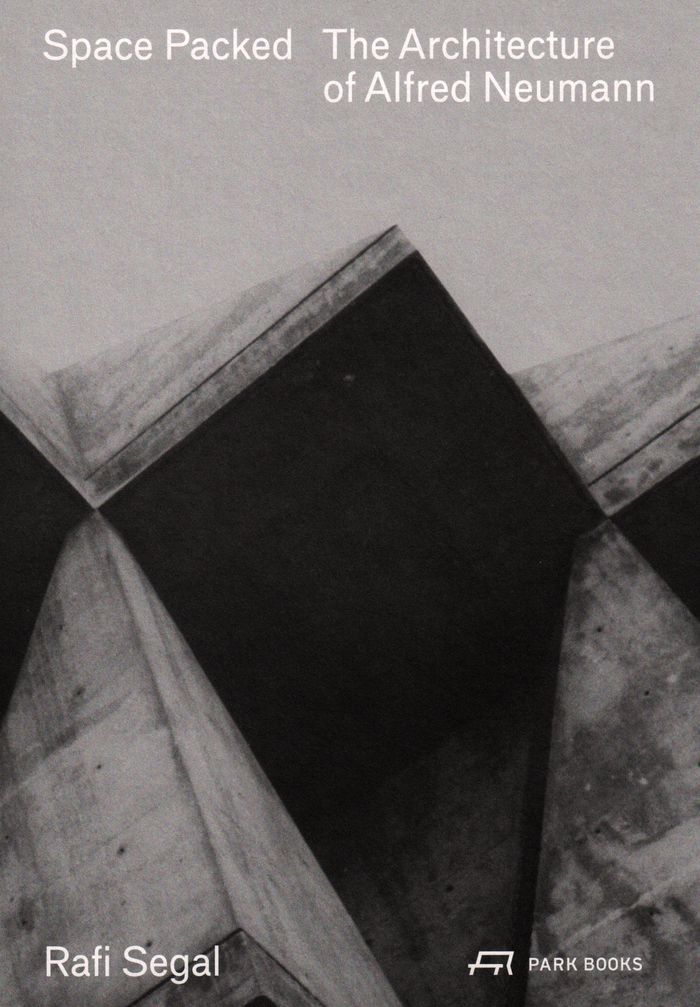
Alfred Neumann (1900–1968) was a Czech architect whose work was wrought in the context of postwar modernism and the establishment of the State of Israel in 1948. Today, his influence and impact have been largely forgotten, but, in their time, Neumann’s original designs received praise and elicited controversy in almost equal measure, offering exciting new possibilities to the modernist mainstream.
Space packed: the architecture of Alfred Neumann
Actions:
Price:
$65.95
(available to order)
Summary:
Alfred Neumann (1900–1968) was a Czech architect whose work was wrought in the context of postwar modernism and the establishment of the State of Israel in 1948. Today, his influence and impact have been largely forgotten, but, in their time, Neumann’s original designs received praise and elicited controversy in almost equal measure, offering exciting new possibilities to the modernist mainstream.
Form:
books
books
Publication:
August 2017
August 2017
Subject:
Architecture Monographs
Architecture Monographs
Form:
books
books
Actions:
Price:
$180.00
(available to order)
Summary:
Vernacular architecture is architecture without architects; designed based on local needs, these buildings make use of natural resources and demonstrate diverse architectural forms, design elements unique to their culture, and ingenious construction techniques. From bamboo garden pavilions in China to homes made from reeds in southern Iraq, and mud dwellings in Mali to(...)
$180.00
(available to order)
Summary:
Vernacular architecture is architecture without architects; designed based on local needs, these buildings make use of natural resources and demonstrate diverse architectural forms, design elements unique to their culture, and ingenious construction techniques. From bamboo garden pavilions in China to homes made from reeds in southern Iraq, and mud dwellings in Mali to(...)
Title:
Habitat: vernacular architecture for a changing planet
Actions:
Price:
$180.00
(available to order)
Summary:
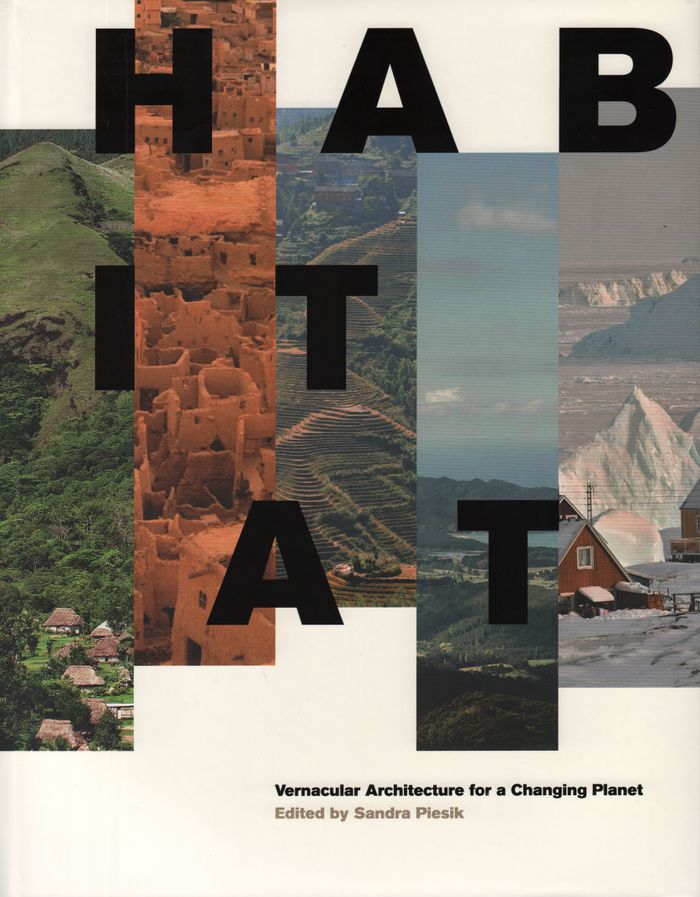
Vernacular architecture is architecture without architects; designed based on local needs, these buildings make use of natural resources and demonstrate diverse architectural forms, design elements unique to their culture, and ingenious construction techniques. From bamboo garden pavilions in China to homes made from reeds in southern Iraq, and mud dwellings in Mali to pine huts in Siberia, Habitat showcases the diverse and indigenous materials that can be used to build innovative, sustainable structures.
Habitat: vernacular architecture for a changing planet
Actions:
Price:
$180.00
(available to order)
Summary:
Vernacular architecture is architecture without architects; designed based on local needs, these buildings make use of natural resources and demonstrate diverse architectural forms, design elements unique to their culture, and ingenious construction techniques. From bamboo garden pavilions in China to homes made from reeds in southern Iraq, and mud dwellings in Mali to pine huts in Siberia, Habitat showcases the diverse and indigenous materials that can be used to build innovative, sustainable structures.
Form:
books
books
Publication:
November 2017
November 2017
Subject:
Contemporary Architecture
Contemporary Architecture
Form:
books
books
Actions:
Price:
$65.00
(available to order)
Summary:
Sustainable architecture is one of the most popular trends today. With dense urban living and less green space available, green walls and roofs are helping to fill that gap. These living structures can be created with vegetation, which helps to absorb rainwater, provide insulation, and lower temperatures while creating a habitat for natural flora and fauna. Green Walls(...)
$65.00
(available to order)
Summary:
Sustainable architecture is one of the most popular trends today. With dense urban living and less green space available, green walls and roofs are helping to fill that gap. These living structures can be created with vegetation, which helps to absorb rainwater, provide insulation, and lower temperatures while creating a habitat for natural flora and fauna. Green Walls(...)
Title:
Green walls, green roofs: designing sustainable architecture
Actions:
Price:
$65.00
(available to order)
Summary:
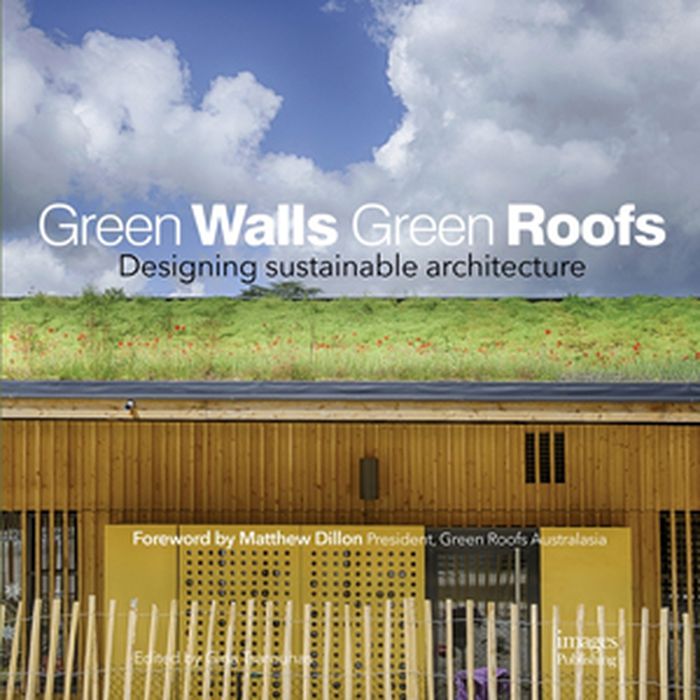
Sustainable architecture is one of the most popular trends today. With dense urban living and less green space available, green walls and roofs are helping to fill that gap. These living structures can be created with vegetation, which helps to absorb rainwater, provide insulation, and lower temperatures while creating a habitat for natural flora and fauna. Green Walls Green Roofs features projects from all over the world, showing how these elements work in various climates. Ranging from the tropical houses in Singapore to inner-city buildings in North America, this richly illustrated book will show you how living architecture can enrich our world.
Green walls, green roofs: designing sustainable architecture
Actions:
Price:
$65.00
(available to order)
Summary:
Sustainable architecture is one of the most popular trends today. With dense urban living and less green space available, green walls and roofs are helping to fill that gap. These living structures can be created with vegetation, which helps to absorb rainwater, provide insulation, and lower temperatures while creating a habitat for natural flora and fauna. Green Walls Green Roofs features projects from all over the world, showing how these elements work in various climates. Ranging from the tropical houses in Singapore to inner-city buildings in North America, this richly illustrated book will show you how living architecture can enrich our world.
Form:
books
books
Publication:
April 2016
April 2016
Subject:
Green Architecture
Green Architecture
Form:
books
books
Actions:
Price:
$57.50
(available to order)
Summary:
"Lessons for students in architecture", written by Dutch architect and educator Herman Hertzberger (born 1932), was first published in 1991 as an elaborated version of lectures Hertzberger had given since 1973 at Delft University of Technology. Since its first edition, the book has become a classic for students the world over; this immensely successful volume has gone(...)
$57.50
(available to order)
Summary:
"Lessons for students in architecture", written by Dutch architect and educator Herman Hertzberger (born 1932), was first published in 1991 as an elaborated version of lectures Hertzberger had given since 1973 at Delft University of Technology. Since its first edition, the book has become a classic for students the world over; this immensely successful volume has gone(...)
Title:
Lessons for students in architecture, 3rd edition
Actions:
Price:
$57.50
(available to order)
Summary:
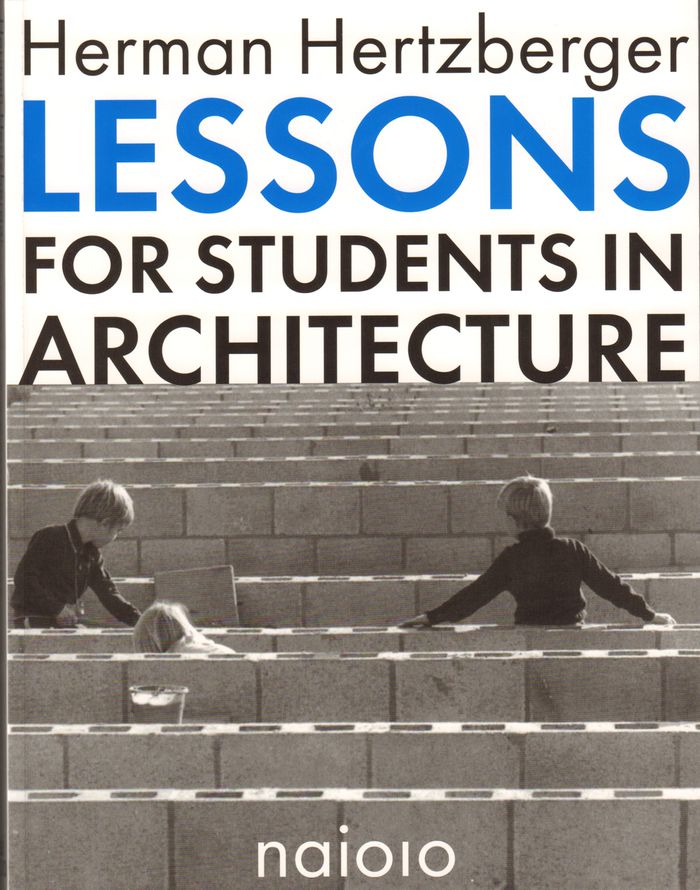
"Lessons for students in architecture", written by Dutch architect and educator Herman Hertzberger (born 1932), was first published in 1991 as an elaborated version of lectures Hertzberger had given since 1973 at Delft University of Technology. Since its first edition, the book has become a classic for students the world over; this immensely successful volume has gone through many reprints and has also been published in Japanese, German, Italian, Portuguese, Taiwanese, Dutch, Greek, Chinese, French, Polish and Persian. This new edition brings the classic book back into print.
Lessons for students in architecture, 3rd edition
Actions:
Price:
$57.50
(available to order)
Summary:
"Lessons for students in architecture", written by Dutch architect and educator Herman Hertzberger (born 1932), was first published in 1991 as an elaborated version of lectures Hertzberger had given since 1973 at Delft University of Technology. Since its first edition, the book has become a classic for students the world over; this immensely successful volume has gone through many reprints and has also been published in Japanese, German, Italian, Portuguese, Taiwanese, Dutch, Greek, Chinese, French, Polish and Persian. This new edition brings the classic book back into print.
Form:
books
books
Publication:
March 2017
March 2017
Subject:
Architectural Theory
Architectural Theory
Form:
books
books
Actions:
Price:
$45.00
(available to order)
Summary:
Building Happiness discusses the nature of happiness within our built environment. In association with Building Futures, the book includes ideas and debates informed by architects such as Herman Hertzberger and Aldo van Eyck, with these brought up to date through the work of contemporary architects and commentators. The nature of our environment and how we use it and how(...)
$45.00
(available to order)
Summary:
Building Happiness discusses the nature of happiness within our built environment. In association with Building Futures, the book includes ideas and debates informed by architects such as Herman Hertzberger and Aldo van Eyck, with these brought up to date through the work of contemporary architects and commentators. The nature of our environment and how we use it and how(...)
Title:
Building happiness: architecture to make you smile
Actions:
Price:
$45.00
(available to order)
Summary:
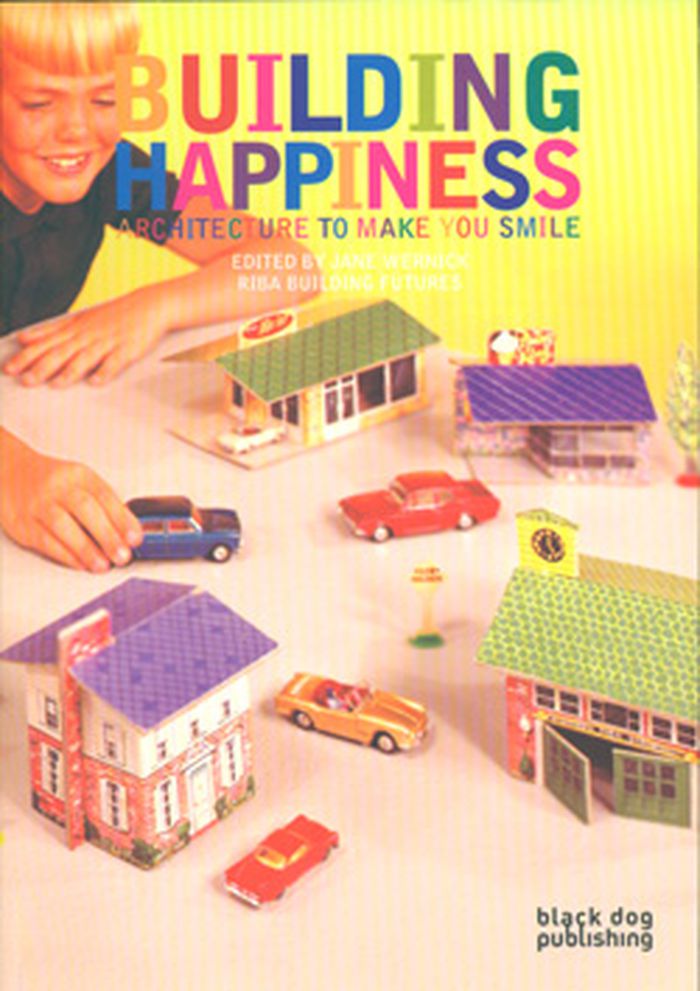
Building Happiness discusses the nature of happiness within our built environment. In association with Building Futures, the book includes ideas and debates informed by architects such as Herman Hertzberger and Aldo van Eyck, with these brought up to date through the work of contemporary architects and commentators. The nature of our environment and how we use it and how we are conditioned by it is considered in detail, particularly the ways this affects our sense of wellbeing or happiness. Is this a personal feeling or is it how space is used in our community that constructs happiness? Is it green eco-houses, traditional cottages or 1970s modernism that makes you happy? Building Happiness comprises both short commentaries and longer essays concerned with the impact of our built environment. The book also provides a visual representation of the themes addressed through evocative illustrations, sketches and photography. With an introduction by Jane Wernick, and contributions by architectural and social critics such as Jeremy Till, Shami Chakrabarti, and Kirsty Wark, as well as commentaries from Glenda Jackson and prestigious architects and artists such as Richard Rogers and Richard Wentworth, amongst others.
Building happiness: architecture to make you smile
Actions:
Price:
$45.00
(available to order)
Summary:
Building Happiness discusses the nature of happiness within our built environment. In association with Building Futures, the book includes ideas and debates informed by architects such as Herman Hertzberger and Aldo van Eyck, with these brought up to date through the work of contemporary architects and commentators. The nature of our environment and how we use it and how we are conditioned by it is considered in detail, particularly the ways this affects our sense of wellbeing or happiness. Is this a personal feeling or is it how space is used in our community that constructs happiness? Is it green eco-houses, traditional cottages or 1970s modernism that makes you happy? Building Happiness comprises both short commentaries and longer essays concerned with the impact of our built environment. The book also provides a visual representation of the themes addressed through evocative illustrations, sketches and photography. With an introduction by Jane Wernick, and contributions by architectural and social critics such as Jeremy Till, Shami Chakrabarti, and Kirsty Wark, as well as commentaries from Glenda Jackson and prestigious architects and artists such as Richard Rogers and Richard Wentworth, amongst others.
Form:
books
books
Publication:
December 2008, London
December 2008, London
Subject:
Architectural Theory
Architectural Theory


