


1128 Results
Form:
events
events
Description:
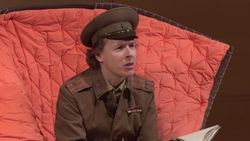
Individuals act as their own historians, suppressing some stories and emphasizing others. But at the scale of nations and cultures, and especially in this age of ubiquitous digital memory, it has become more difficult to forget. Building on questions about history and its uses, raised by exhibitions like Educating Architects: Four Courses by Kenneth Frampton and Besides,(...)
Individuals act as their own historians, suppressing some stories and emphasizing others. But at the scale of nations and cultures, and especially in this age of ubiquitous digital memory, it has become more difficult to forget. Building on questions about history and its uses, raised by exhibitions like Educating Architects: Four Courses by Kenneth Frampton and Besides,(...)
Keyword(s):
Johannes Grenzfurthner
Johannes Grenzfurthner
Date:
12 April 2018
12 April 2018
Title:
Come and Forget the Counterculture, with Johannes Grenzfurthner
Actions:
Description:
Individuals act as their own historians, suppressing some stories and emphasizing others. But at the scale of nations and cultures, and especially in this age of ubiquitous digital memory, it has become more difficult to forget. Building on questions about history and its uses, raised by exhibitions like Educating Architects: Four Courses by Kenneth Frampton and Besides,(...)
Come and Forget the Counterculture, with Johannes Grenzfurthner
Actions:
Description:
Individuals act as their own historians, suppressing some stories and emphasizing others. But at the scale of nations and cultures, and especially in this age of ubiquitous digital memory, it has become more difficult to forget. Building on questions about history and its uses, raised by exhibitions like Educating Architects: Four Courses by Kenneth Frampton and Besides,(...)
Form:
events
events
Date:
12 April 2018
12 April 2018
Keyword(s):
Johannes Grenzfurthner
Johannes Grenzfurthner
Form:
archives
Level of archival description:
Fonds
archives
Level of archival description:
Fonds
Actions:
Reference number:
AP226
Synopsis:
The Toyo Ito & Associates, Architects fonds, 1970 – 2011, documents the studio’s architectural work and involvement in selected exhibitions in the 1970s and 1980s. The records in this fonds represent 34 architectural projects, including built, unbuilt, and conceptual projects. The majority of the projects are located in Japan and are mostly documented through drawings as well as a limited number of videos, models, panels, textual records, and photographs. The fonds also contains records related to Toyo Ito & Associates, Architects’ participation in three exhibitions in the USA and the UK in 1978 and 1986.
AP226
Synopsis:
The Toyo Ito & Associates, Architects fonds, 1970 – 2011, documents the studio’s architectural work and involvement in selected exhibitions in the 1970s and 1980s. The records in this fonds represent 34 architectural projects, including built, unbuilt, and conceptual projects. The majority of the projects are located in Japan and are mostly documented through drawings as well as a limited number of videos, models, panels, textual records, and photographs. The fonds also contains records related to Toyo Ito & Associates, Architects’ participation in three exhibitions in the USA and the UK in 1978 and 1986.
People:
Date:
1970 - 2011
1970 - 2011
Title:
Toyo Ito & Associates, Architects fonds
Actions:
AP226
Synopsis:
The Toyo Ito & Associates, Architects fonds, 1970 – 2011, documents the studio’s architectural work and involvement in selected exhibitions in the 1970s and 1980s. The records in this fonds represent 34 architectural projects, including built, unbuilt, and conceptual projects. The majority of the projects are located in Japan and are mostly documented through drawings as well as a limited number of videos, models, panels, textual records, and photographs. The fonds also contains records related to Toyo Ito & Associates, Architects’ participation in three exhibitions in the USA and the UK in 1978 and 1986.
Toyo Ito & Associates, Architects fonds
Actions:
AP226
Synopsis:
The Toyo Ito & Associates, Architects fonds, 1970 – 2011, documents the studio’s architectural work and involvement in selected exhibitions in the 1970s and 1980s. The records in this fonds represent 34 architectural projects, including built, unbuilt, and conceptual projects. The majority of the projects are located in Japan and are mostly documented through drawings as well as a limited number of videos, models, panels, textual records, and photographs. The fonds also contains records related to Toyo Ito & Associates, Architects’ participation in three exhibitions in the USA and the UK in 1978 and 1986.
Form:
archives
Level of archival description:
Fonds
archives
Level of archival description:
Fonds
Date:
1970 - 2011
1970 - 2011
People:
Form:
events
events
Title:
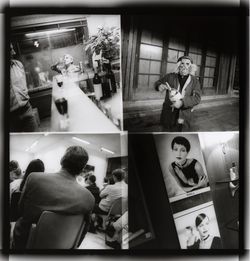
Talking Pictures, a Circuit
Talking Pictures, a Circuit
Actions:
Description:
In an nine-part circuit of installations and interventions travelling throughout the spaces of the CCA, Francesca Ammon, Davide Deriu, Reto Geiser, Sara Goldsmith, Catalina Mejía Moreno, Bas Princen, Mika Savela, and Peter Sealy invite us to reflect on photography’s critical and creative relationship with architecture. With funding from The Andrew W. Mellon Foundation,(...)
In an nine-part circuit of installations and interventions travelling throughout the spaces of the CCA, Francesca Ammon, Davide Deriu, Reto Geiser, Sara Goldsmith, Catalina Mejía Moreno, Bas Princen, Mika Savela, and Peter Sealy invite us to reflect on photography’s critical and creative relationship with architecture. With funding from The Andrew W. Mellon Foundation,(...)
Keyword(s):
Andrew W. Mellon Foundation, photography, photographs, Francesca Ammon, Davide Deriu, Reto Geiser, Sara Goldsmith, Catalina Mejía Moreno, Bas Princen, Mika Savela, Peter Sealy
Andrew W. Mellon Foundation, photography, photographs, Francesca Ammon, Davide Deriu, Reto Geiser, Sara Goldsmith, Catalina Mejía Moreno, Bas Princen, Mika Savela, Peter Sealy
Date:
14 October 2017, 4pm
14 October 2017, 4pm
Title:
Talking Pictures, a Circuit
Actions:
Description:
In an nine-part circuit of installations and interventions travelling throughout the spaces of the CCA, Francesca Ammon, Davide Deriu, Reto Geiser, Sara Goldsmith, Catalina Mejía Moreno, Bas Princen, Mika Savela, and Peter Sealy invite us to reflect on photography’s critical and creative relationship with architecture. With funding from The Andrew W. Mellon Foundation,(...)
Talking Pictures, a Circuit
Actions:
Description:
In an nine-part circuit of installations and interventions travelling throughout the spaces of the CCA, Francesca Ammon, Davide Deriu, Reto Geiser, Sara Goldsmith, Catalina Mejía Moreno, Bas Princen, Mika Savela, and Peter Sealy invite us to reflect on photography’s critical and creative relationship with architecture. With funding from The Andrew W. Mellon Foundation,(...)
Form:
events
events
Date:
14 October 2017
4pm
14 October 2017
4pm
Form:
archives
Level of archival description:
Fonds
archives
Level of archival description:
Fonds
Title:
Ábalos & Herreros fonds
Ábalos & Herreros fonds
Reference number:
AP164
Synopsis:
The Ábalos&Herreros fonds documents the activities of the architectural firm Ábalos&Herreros, founded by architects Iñaki Ábalos and Juan Herreros. The archive primarily consists of drawings, photographic materials and textual documentation, and covers the existance of the firm from 1985 to 2008. The concentration of the firm's work was produced in the city of Madrid and the Community of Madrid where the firm maintained its head office. However, the archive also documents projects for other Spanish autonomous communities as well as for other countries such as Portugal, Germany, the United States, and Brazil.
AP164
Synopsis:
The Ábalos&Herreros fonds documents the activities of the architectural firm Ábalos&Herreros, founded by architects Iñaki Ábalos and Juan Herreros. The archive primarily consists of drawings, photographic materials and textual documentation, and covers the existance of the firm from 1985 to 2008. The concentration of the firm's work was produced in the city of Madrid and the Community of Madrid where the firm maintained its head office. However, the archive also documents projects for other Spanish autonomous communities as well as for other countries such as Portugal, Germany, the United States, and Brazil.
People:
Date:
1920-2009
1920-2009
Title:
Ábalos & Herreros fonds
Actions:
AP164
Synopsis:
The Ábalos&Herreros fonds documents the activities of the architectural firm Ábalos&Herreros, founded by architects Iñaki Ábalos and Juan Herreros. The archive primarily consists of drawings, photographic materials and textual documentation, and covers the existance of the firm from 1985 to 2008. The concentration of the firm's work was produced in the city of Madrid and the Community of Madrid where the firm maintained its head office. However, the archive also documents projects for other Spanish autonomous communities as well as for other countries such as Portugal, Germany, the United States, and Brazil.
Ábalos & Herreros fonds
Actions:
AP164
Synopsis:
The Ábalos&Herreros fonds documents the activities of the architectural firm Ábalos&Herreros, founded by architects Iñaki Ábalos and Juan Herreros. The archive primarily consists of drawings, photographic materials and textual documentation, and covers the existance of the firm from 1985 to 2008. The concentration of the firm's work was produced in the city of Madrid and the Community of Madrid where the firm maintained its head office. However, the archive also documents projects for other Spanish autonomous communities as well as for other countries such as Portugal, Germany, the United States, and Brazil.
Form:
archives
Level of archival description:
Fonds
archives
Level of archival description:
Fonds
Date:
1920-2009
1920-2009
People:
Form:
archives
Level of archival description:
Collection
archives
Level of archival description:
Collection
Title:
Futurecasting collection
Futurecasting collection
Actions:
Reference number:
CD048
Synopsis:
This collection documents the activities of the “Futurecasting: Indigenous-led Architecture and Design in the Arctic” group formed by Jenni Hakovirta, Naomi Ratte, Nicole Luke, Magnus Antaris Tuolja, Andrea McIntosh, Robyn Adams, Berit Kristine Andersen Guvsám, Laila Susanna Kuhmunen, Johanna Minde, and Reanna Merasty. It contains materials related to the planning of seminars and workshops, and the creative process and projects created by its participants in 2022-2023 that were later presented in the Canadian Centre for Architecture’s exhibition and related publication “ᐊᖏᕐᕋᒧᑦ / Ruovttu Guvlui / Towards home” (2022-2023).
CD048
Synopsis:
This collection documents the activities of the “Futurecasting: Indigenous-led Architecture and Design in the Arctic” group formed by Jenni Hakovirta, Naomi Ratte, Nicole Luke, Magnus Antaris Tuolja, Andrea McIntosh, Robyn Adams, Berit Kristine Andersen Guvsám, Laila Susanna Kuhmunen, Johanna Minde, and Reanna Merasty. It contains materials related to the planning of seminars and workshops, and the creative process and projects created by its participants in 2022-2023 that were later presented in the Canadian Centre for Architecture’s exhibition and related publication “ᐊᖏᕐᕋᒧᑦ / Ruovttu Guvlui / Towards home” (2022-2023).
People:
Date:
2008-2023
2008-2023
Title:
Futurecasting collection
Actions:
CD048
Synopsis:
This collection documents the activities of the “Futurecasting: Indigenous-led Architecture and Design in the Arctic” group formed by Jenni Hakovirta, Naomi Ratte, Nicole Luke, Magnus Antaris Tuolja, Andrea McIntosh, Robyn Adams, Berit Kristine Andersen Guvsám, Laila Susanna Kuhmunen, Johanna Minde, and Reanna Merasty. It contains materials related to the planning of seminars and workshops, and the creative process and projects created by its participants in 2022-2023 that were later presented in the Canadian Centre for Architecture’s exhibition and related publication “ᐊᖏᕐᕋᒧᑦ / Ruovttu Guvlui / Towards home” (2022-2023).
Futurecasting collection
Actions:
CD048
Synopsis:
This collection documents the activities of the “Futurecasting: Indigenous-led Architecture and Design in the Arctic” group formed by Jenni Hakovirta, Naomi Ratte, Nicole Luke, Magnus Antaris Tuolja, Andrea McIntosh, Robyn Adams, Berit Kristine Andersen Guvsám, Laila Susanna Kuhmunen, Johanna Minde, and Reanna Merasty. It contains materials related to the planning of seminars and workshops, and the creative process and projects created by its participants in 2022-2023 that were later presented in the Canadian Centre for Architecture’s exhibition and related publication “ᐊᖏᕐᕋᒧᑦ / Ruovttu Guvlui / Towards home” (2022-2023).
Form:
archives
Level of archival description:
Collection
archives
Level of archival description:
Collection
Date:
2008-2023
2008-2023
People:
Form:
drawings, textual records, born digital
drawings, textual records, born digital
Actions:
Reference number:
AP181.S1.006
Description:
Original directory name: "05_Konsulenten". File contains records created and shared by COOP HIMMELB(L)AU and the various consultants on the project. These include PRO-Elektroplan GmbH, Bollinger+Grohmann, Dr. Pfeiler GmbH, Kersken + Kirchner GmbH., KBP Beratende Ingenieure GmbH, pbb planungsbüro balke, Ingenieurgemeinschaft BDP, a.g Licht, Realgruen Landschaftsarchitekten ,Lang + Burkhardt Verkehrsplanung und Städtebau, Emmer Pfenninger Partner AG, IB Rüdiger Schönenberg, Thomas A. Weisse + Partner. Bulk dates run from 2003-2006. Consultant expertise ranges from electricity, (electrical conveyor technology, Foerdertechnik) to structural physics (bauphysik), including open space planning (Freiflächenplanung), interior design (Inneneinrichtung), fire protection (Brandschutz), stage technology (Buehnentechnik), kitchen planning (Küchenplanung), facade engineering (Fassadentechnik), light design and planning (Lichtplaner), and solar panels for the roof. The records, largely plans, show the specific parts on which each of these consultants was working. The bulk of the records may be found under the “k_SSF_Ausführungsplanung/G_Pläne” directory which contains close to half of the records in this file. These are plans and views of the different areas and components of the BMW Welt building. These often include a CAD and a PDF version, some of which are annotated digitally or by hand prior to being digitized. CAD files include 2D drawings or 3D models, wireframes, screen captures, renderings, and plotter files. Records also include project management files, lists of the components of each room, engineering and analyses reports, many of which were digitized. Related to electrical and building engineering, there are a few databases in "c_PRO_Elektro_Foerdertechnik" and "b_KBP_Haustechnik". These contain information on the rooms and their technical requirements, such as equipment for plumbing, heat and ventilation, refrigeration systems, building automation, etc. Some database reports are also part of the records. Various sub-directories are named “quelldaten” (source data), which are typically zipped archives and often contain duplicate files. Duplicates were kept due to possible dependencies. Finally, the more than 7,000 plotter files across most directories suggest that printing physical copies of digital drawings for consultation was common practice. Early files (1997-2000) are AutoCAD Compiled Shape/Font File, AutoCAD Font Mapping Table, TrueType Font, and AutoCAD Colour-Dependant Plot Style Table. CAD files may depend on these to display drawings accurately. Most common file formats: Hewlett Packard Vector Graphic Plotter File, AutoCAD Drawing, Acrobat PDF 1.3 - Portable Document Format, Acrobat PDF 1.4 - Portable Document Format, ZIP Format
AP181.S1.006
Description:
Original directory name: "05_Konsulenten". File contains records created and shared by COOP HIMMELB(L)AU and the various consultants on the project. These include PRO-Elektroplan GmbH, Bollinger+Grohmann, Dr. Pfeiler GmbH, Kersken + Kirchner GmbH., KBP Beratende Ingenieure GmbH, pbb planungsbüro balke, Ingenieurgemeinschaft BDP, a.g Licht, Realgruen Landschaftsarchitekten ,Lang + Burkhardt Verkehrsplanung und Städtebau, Emmer Pfenninger Partner AG, IB Rüdiger Schönenberg, Thomas A. Weisse + Partner. Bulk dates run from 2003-2006. Consultant expertise ranges from electricity, (electrical conveyor technology, Foerdertechnik) to structural physics (bauphysik), including open space planning (Freiflächenplanung), interior design (Inneneinrichtung), fire protection (Brandschutz), stage technology (Buehnentechnik), kitchen planning (Küchenplanung), facade engineering (Fassadentechnik), light design and planning (Lichtplaner), and solar panels for the roof. The records, largely plans, show the specific parts on which each of these consultants was working. The bulk of the records may be found under the “k_SSF_Ausführungsplanung/G_Pläne” directory which contains close to half of the records in this file. These are plans and views of the different areas and components of the BMW Welt building. These often include a CAD and a PDF version, some of which are annotated digitally or by hand prior to being digitized. CAD files include 2D drawings or 3D models, wireframes, screen captures, renderings, and plotter files. Records also include project management files, lists of the components of each room, engineering and analyses reports, many of which were digitized. Related to electrical and building engineering, there are a few databases in "c_PRO_Elektro_Foerdertechnik" and "b_KBP_Haustechnik". These contain information on the rooms and their technical requirements, such as equipment for plumbing, heat and ventilation, refrigeration systems, building automation, etc. Some database reports are also part of the records. Various sub-directories are named “quelldaten” (source data), which are typically zipped archives and often contain duplicate files. Duplicates were kept due to possible dependencies. Finally, the more than 7,000 plotter files across most directories suggest that printing physical copies of digital drawings for consultation was common practice. Early files (1997-2000) are AutoCAD Compiled Shape/Font File, AutoCAD Font Mapping Table, TrueType Font, and AutoCAD Colour-Dependant Plot Style Table. CAD files may depend on these to display drawings accurately. Most common file formats: Hewlett Packard Vector Graphic Plotter File, AutoCAD Drawing, Acrobat PDF 1.3 - Portable Document Format, Acrobat PDF 1.4 - Portable Document Format, ZIP Format
People:
Date:
1996-2008
1996-2008
Title:
Consultants files for construction planning phase, BMW Welt, Munich
Actions:
AP181.S1.006
Description:
Original directory name: "05_Konsulenten". File contains records created and shared by COOP HIMMELB(L)AU and the various consultants on the project. These include PRO-Elektroplan GmbH, Bollinger+Grohmann, Dr. Pfeiler GmbH, Kersken + Kirchner GmbH., KBP Beratende Ingenieure GmbH, pbb planungsbüro balke, Ingenieurgemeinschaft BDP, a.g Licht, Realgruen Landschaftsarchitekten ,Lang + Burkhardt Verkehrsplanung und Städtebau, Emmer Pfenninger Partner AG, IB Rüdiger Schönenberg, Thomas A. Weisse + Partner. Bulk dates run from 2003-2006. Consultant expertise ranges from electricity, (electrical conveyor technology, Foerdertechnik) to structural physics (bauphysik), including open space planning (Freiflächenplanung), interior design (Inneneinrichtung), fire protection (Brandschutz), stage technology (Buehnentechnik), kitchen planning (Küchenplanung), facade engineering (Fassadentechnik), light design and planning (Lichtplaner), and solar panels for the roof. The records, largely plans, show the specific parts on which each of these consultants was working. The bulk of the records may be found under the “k_SSF_Ausführungsplanung/G_Pläne” directory which contains close to half of the records in this file. These are plans and views of the different areas and components of the BMW Welt building. These often include a CAD and a PDF version, some of which are annotated digitally or by hand prior to being digitized. CAD files include 2D drawings or 3D models, wireframes, screen captures, renderings, and plotter files. Records also include project management files, lists of the components of each room, engineering and analyses reports, many of which were digitized. Related to electrical and building engineering, there are a few databases in "c_PRO_Elektro_Foerdertechnik" and "b_KBP_Haustechnik". These contain information on the rooms and their technical requirements, such as equipment for plumbing, heat and ventilation, refrigeration systems, building automation, etc. Some database reports are also part of the records. Various sub-directories are named “quelldaten” (source data), which are typically zipped archives and often contain duplicate files. Duplicates were kept due to possible dependencies. Finally, the more than 7,000 plotter files across most directories suggest that printing physical copies of digital drawings for consultation was common practice. Early files (1997-2000) are AutoCAD Compiled Shape/Font File, AutoCAD Font Mapping Table, TrueType Font, and AutoCAD Colour-Dependant Plot Style Table. CAD files may depend on these to display drawings accurately. Most common file formats: Hewlett Packard Vector Graphic Plotter File, AutoCAD Drawing, Acrobat PDF 1.3 - Portable Document Format, Acrobat PDF 1.4 - Portable Document Format, ZIP Format
Consultants files for construction planning phase, BMW Welt, Munich
Actions:
AP181.S1.006
Description:
Original directory name: "05_Konsulenten". File contains records created and shared by COOP HIMMELB(L)AU and the various consultants on the project. These include PRO-Elektroplan GmbH, Bollinger+Grohmann, Dr. Pfeiler GmbH, Kersken + Kirchner GmbH., KBP Beratende Ingenieure GmbH, pbb planungsbüro balke, Ingenieurgemeinschaft BDP, a.g Licht, Realgruen Landschaftsarchitekten ,Lang + Burkhardt Verkehrsplanung und Städtebau, Emmer Pfenninger Partner AG, IB Rüdiger Schönenberg, Thomas A. Weisse + Partner. Bulk dates run from 2003-2006. Consultant expertise ranges from electricity, (electrical conveyor technology, Foerdertechnik) to structural physics (bauphysik), including open space planning (Freiflächenplanung), interior design (Inneneinrichtung), fire protection (Brandschutz), stage technology (Buehnentechnik), kitchen planning (Küchenplanung), facade engineering (Fassadentechnik), light design and planning (Lichtplaner), and solar panels for the roof. The records, largely plans, show the specific parts on which each of these consultants was working. The bulk of the records may be found under the “k_SSF_Ausführungsplanung/G_Pläne” directory which contains close to half of the records in this file. These are plans and views of the different areas and components of the BMW Welt building. These often include a CAD and a PDF version, some of which are annotated digitally or by hand prior to being digitized. CAD files include 2D drawings or 3D models, wireframes, screen captures, renderings, and plotter files. Records also include project management files, lists of the components of each room, engineering and analyses reports, many of which were digitized. Related to electrical and building engineering, there are a few databases in "c_PRO_Elektro_Foerdertechnik" and "b_KBP_Haustechnik". These contain information on the rooms and their technical requirements, such as equipment for plumbing, heat and ventilation, refrigeration systems, building automation, etc. Some database reports are also part of the records. Various sub-directories are named “quelldaten” (source data), which are typically zipped archives and often contain duplicate files. Duplicates were kept due to possible dependencies. Finally, the more than 7,000 plotter files across most directories suggest that printing physical copies of digital drawings for consultation was common practice. Early files (1997-2000) are AutoCAD Compiled Shape/Font File, AutoCAD Font Mapping Table, TrueType Font, and AutoCAD Colour-Dependant Plot Style Table. CAD files may depend on these to display drawings accurately. Most common file formats: Hewlett Packard Vector Graphic Plotter File, AutoCAD Drawing, Acrobat PDF 1.3 - Portable Document Format, Acrobat PDF 1.4 - Portable Document Format, ZIP Format
Form:
drawings, textual records, born digital
drawings, textual records, born digital
Date:
1996-2008
1996-2008
People:
Form:
exhibitions
exhibitions
Title:
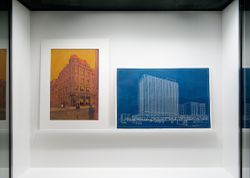
Starting from... People
Starting from... People
Actions:
Description:
One of the markers of modernity from the eighteenth century onwards is the emergence of “the people” as a respected political entity. In response, architects have advocated for the transformation of cities, explored new technologies, pioneered design discourses, and engaged in heated cultural conflicts—all in the name of the people. During this time, fictional, abstracted(...)
One of the markers of modernity from the eighteenth century onwards is the emergence of “the people” as a respected political entity. In response, architects have advocated for the transformation of cities, explored new technologies, pioneered design discourses, and engaged in heated cultural conflicts—all in the name of the people. During this time, fictional, abstracted(...)
Location:
Hall cases
Hall cases
Date:
5 October 2011 to 22 January 2012
5 October 2011 to 22 January 2012
Title:
Starting from... People
Actions:
Description:
One of the markers of modernity from the eighteenth century onwards is the emergence of “the people” as a respected political entity. In response, architects have advocated for the transformation of cities, explored new technologies, pioneered design discourses, and engaged in heated cultural conflicts—all in the name of the people. During this time, fictional, abstracted(...)
Starting from... People
Actions:
Description:
One of the markers of modernity from the eighteenth century onwards is the emergence of “the people” as a respected political entity. In response, architects have advocated for the transformation of cities, explored new technologies, pioneered design discourses, and engaged in heated cultural conflicts—all in the name of the people. During this time, fictional, abstracted(...)
Form:
exhibitions
exhibitions
Date:
5 October 2011 to
22 January 2012
5 October 2011 to
22 January 2012
Location:
Hall cases
Hall cases
Level of archival description:
Series
Series
Actions:
Reference number:
AP193.S1
Description:
Series 1, Water Flux and Scrambled Flat, 2002-2010, documents the conception and evolution of a project that was originally a farm building and later became a geology and glaciology museum and research center focused on the Swiss Alps. The project was never realized. R&Sie(n) conceptualized Scrambled Flat as an experimental farm. The project goal was to reconcile European Union’s agricultural regulations, imposing a separation between animal and human living, to the community of Évolène traditional way of living, contiguously with animals, benefiting from the resources they offer. As conceived, Scrambled Flat creates an environment where fluidity between the existence of the animals and the humans is materialized. The size of the form is also adapted from a typical local rural house and exploits the heat of the animals and the insulation of the hay. For this project, R&Sie(n) approached the mayor of the community with the design proposition. The mayor then called for a competition, while also changing the program to an ecology museum and research center illustrating the local effects of global warming and the thawing of the Alps. R&Sie(n) won the competition with Water Flux, a reinterpretation of Scrambled Flat. The project was intended to uncover and exorcise the anxieties of ecological disaster, and the principle of flux related to seasonal change and, more broadly, climate change. The firm designed rooms that reproduce the geological and meteorological environment of the high mountains making it visible and experimental, offering refrigerated spaces for art installations and scientific demonstrations. The concept was also to build with the use of new technologies such as digital modelling, point scanning, and computer numerical control (CNC), combined with ancient local knowledge of knocking on trees to decide which specific pines have the best wood for construction. The building is designed to be constructed with local lamellar wood milled by nearby CNC. The resulting parts would be used for the structure, the insulation, the waterproofing and both the interior and exterior finishes. The design includes a grille wrapping the building, reproducing the profile of traditional houses and enclosure and making it possible to hold the snow inside a typo-morphological imprint. Therefore, the transformable envelope of the building reacts to the rhythm of the seasons. In the winter, the structure would appear like a solid cut-out of ice and snow, with cavities similar to those found in glaciers. In the summer, it would resemble piles of stones used in these areas to make borders. A small pool would collect rainwater and supply it to an interior artificial snowmaking system designed for the gallery. Transformation of the water is an integral part of the design. The records contain images of plans, sections, details for the structure of the façade, renderings, plans of the engineered structure, and photographs documenting the conception of the models with the CNC machinery. The Rhino 3D modelling files are also part of the records along with AutoCAD models and a video documenting the process. The records contain two physical models: a smaller polymer model at 1:20 scale representing the whole structure of the building, and a larger 1:1 latch wood fragment representing detail of the structure in its integrality.
AP193.S1
Description:
Series 1, Water Flux and Scrambled Flat, 2002-2010, documents the conception and evolution of a project that was originally a farm building and later became a geology and glaciology museum and research center focused on the Swiss Alps. The project was never realized. R&Sie(n) conceptualized Scrambled Flat as an experimental farm. The project goal was to reconcile European Union’s agricultural regulations, imposing a separation between animal and human living, to the community of Évolène traditional way of living, contiguously with animals, benefiting from the resources they offer. As conceived, Scrambled Flat creates an environment where fluidity between the existence of the animals and the humans is materialized. The size of the form is also adapted from a typical local rural house and exploits the heat of the animals and the insulation of the hay. For this project, R&Sie(n) approached the mayor of the community with the design proposition. The mayor then called for a competition, while also changing the program to an ecology museum and research center illustrating the local effects of global warming and the thawing of the Alps. R&Sie(n) won the competition with Water Flux, a reinterpretation of Scrambled Flat. The project was intended to uncover and exorcise the anxieties of ecological disaster, and the principle of flux related to seasonal change and, more broadly, climate change. The firm designed rooms that reproduce the geological and meteorological environment of the high mountains making it visible and experimental, offering refrigerated spaces for art installations and scientific demonstrations. The concept was also to build with the use of new technologies such as digital modelling, point scanning, and computer numerical control (CNC), combined with ancient local knowledge of knocking on trees to decide which specific pines have the best wood for construction. The building is designed to be constructed with local lamellar wood milled by nearby CNC. The resulting parts would be used for the structure, the insulation, the waterproofing and both the interior and exterior finishes. The design includes a grille wrapping the building, reproducing the profile of traditional houses and enclosure and making it possible to hold the snow inside a typo-morphological imprint. Therefore, the transformable envelope of the building reacts to the rhythm of the seasons. In the winter, the structure would appear like a solid cut-out of ice and snow, with cavities similar to those found in glaciers. In the summer, it would resemble piles of stones used in these areas to make borders. A small pool would collect rainwater and supply it to an interior artificial snowmaking system designed for the gallery. Transformation of the water is an integral part of the design. The records contain images of plans, sections, details for the structure of the façade, renderings, plans of the engineered structure, and photographs documenting the conception of the models with the CNC machinery. The Rhino 3D modelling files are also part of the records along with AutoCAD models and a video documenting the process. The records contain two physical models: a smaller polymer model at 1:20 scale representing the whole structure of the building, and a larger 1:1 latch wood fragment representing detail of the structure in its integrality.
People:
Date:
2002-2010
2002-2010
Title:
Water Flux and Scrambled Flat
Actions:
AP193.S1
Description:
Series 1, Water Flux and Scrambled Flat, 2002-2010, documents the conception and evolution of a project that was originally a farm building and later became a geology and glaciology museum and research center focused on the Swiss Alps. The project was never realized. R&Sie(n) conceptualized Scrambled Flat as an experimental farm. The project goal was to reconcile European Union’s agricultural regulations, imposing a separation between animal and human living, to the community of Évolène traditional way of living, contiguously with animals, benefiting from the resources they offer. As conceived, Scrambled Flat creates an environment where fluidity between the existence of the animals and the humans is materialized. The size of the form is also adapted from a typical local rural house and exploits the heat of the animals and the insulation of the hay. For this project, R&Sie(n) approached the mayor of the community with the design proposition. The mayor then called for a competition, while also changing the program to an ecology museum and research center illustrating the local effects of global warming and the thawing of the Alps. R&Sie(n) won the competition with Water Flux, a reinterpretation of Scrambled Flat. The project was intended to uncover and exorcise the anxieties of ecological disaster, and the principle of flux related to seasonal change and, more broadly, climate change. The firm designed rooms that reproduce the geological and meteorological environment of the high mountains making it visible and experimental, offering refrigerated spaces for art installations and scientific demonstrations. The concept was also to build with the use of new technologies such as digital modelling, point scanning, and computer numerical control (CNC), combined with ancient local knowledge of knocking on trees to decide which specific pines have the best wood for construction. The building is designed to be constructed with local lamellar wood milled by nearby CNC. The resulting parts would be used for the structure, the insulation, the waterproofing and both the interior and exterior finishes. The design includes a grille wrapping the building, reproducing the profile of traditional houses and enclosure and making it possible to hold the snow inside a typo-morphological imprint. Therefore, the transformable envelope of the building reacts to the rhythm of the seasons. In the winter, the structure would appear like a solid cut-out of ice and snow, with cavities similar to those found in glaciers. In the summer, it would resemble piles of stones used in these areas to make borders. A small pool would collect rainwater and supply it to an interior artificial snowmaking system designed for the gallery. Transformation of the water is an integral part of the design. The records contain images of plans, sections, details for the structure of the façade, renderings, plans of the engineered structure, and photographs documenting the conception of the models with the CNC machinery. The Rhino 3D modelling files are also part of the records along with AutoCAD models and a video documenting the process. The records contain two physical models: a smaller polymer model at 1:20 scale representing the whole structure of the building, and a larger 1:1 latch wood fragment representing detail of the structure in its integrality.
Water Flux and Scrambled Flat
Actions:
AP193.S1
Description:
Series 1, Water Flux and Scrambled Flat, 2002-2010, documents the conception and evolution of a project that was originally a farm building and later became a geology and glaciology museum and research center focused on the Swiss Alps. The project was never realized. R&Sie(n) conceptualized Scrambled Flat as an experimental farm. The project goal was to reconcile European Union’s agricultural regulations, imposing a separation between animal and human living, to the community of Évolène traditional way of living, contiguously with animals, benefiting from the resources they offer. As conceived, Scrambled Flat creates an environment where fluidity between the existence of the animals and the humans is materialized. The size of the form is also adapted from a typical local rural house and exploits the heat of the animals and the insulation of the hay. For this project, R&Sie(n) approached the mayor of the community with the design proposition. The mayor then called for a competition, while also changing the program to an ecology museum and research center illustrating the local effects of global warming and the thawing of the Alps. R&Sie(n) won the competition with Water Flux, a reinterpretation of Scrambled Flat. The project was intended to uncover and exorcise the anxieties of ecological disaster, and the principle of flux related to seasonal change and, more broadly, climate change. The firm designed rooms that reproduce the geological and meteorological environment of the high mountains making it visible and experimental, offering refrigerated spaces for art installations and scientific demonstrations. The concept was also to build with the use of new technologies such as digital modelling, point scanning, and computer numerical control (CNC), combined with ancient local knowledge of knocking on trees to decide which specific pines have the best wood for construction. The building is designed to be constructed with local lamellar wood milled by nearby CNC. The resulting parts would be used for the structure, the insulation, the waterproofing and both the interior and exterior finishes. The design includes a grille wrapping the building, reproducing the profile of traditional houses and enclosure and making it possible to hold the snow inside a typo-morphological imprint. Therefore, the transformable envelope of the building reacts to the rhythm of the seasons. In the winter, the structure would appear like a solid cut-out of ice and snow, with cavities similar to those found in glaciers. In the summer, it would resemble piles of stones used in these areas to make borders. A small pool would collect rainwater and supply it to an interior artificial snowmaking system designed for the gallery. Transformation of the water is an integral part of the design. The records contain images of plans, sections, details for the structure of the façade, renderings, plans of the engineered structure, and photographs documenting the conception of the models with the CNC machinery. The Rhino 3D modelling files are also part of the records along with AutoCAD models and a video documenting the process. The records contain two physical models: a smaller polymer model at 1:20 scale representing the whole structure of the building, and a larger 1:1 latch wood fragment representing detail of the structure in its integrality.
Level of archival description:
Series
Series
Date:
2002-2010
2002-2010
People:
Form:
books
books
Actions:
Subject:
Publication:
Meson Press 2017
Meson Press 2017
Form:
books
books
Publication:
Meson Press 2017
Meson Press 2017
Subject:
Form:
books
books
Actions:
Holdings:
Description:
xii, 139 pages : illustrations ; 28 cm
Description:
xii, 139 pages : illustrations ; 28 cm
Author:
Subject:
Publication:
Mountain View, Calif. : Research Libraries Group, [1994]
Mountain View, Calif. : Research Libraries Group, [1994]
Title:
Digital imaging technology for preservation : proceedings from an RLG symposium held March 17 and 18, 1994, Cornell University, Ithaca, New York / edited by Nancy E. Elkington.
Actions:
Holdings:
Description:
xii, 139 pages : illustrations ; 28 cm
Digital imaging technology for preservation : proceedings from an RLG symposium held March 17 and 18, 1994, Cornell University, Ithaca, New York / edited by Nancy E. Elkington.
Actions:
Holdings:
Description:
xii, 139 pages : illustrations ; 28 cm
Form:
books
books
Publication:
Mountain View, Calif. : Research Libraries Group, [1994]
Mountain View, Calif. : Research Libraries Group, [1994]
Author:
Subject:


