


313 Results
Form:
books
books
Title:
Photography and Italy
Photography and Italy
Actions:
Price:
$32.95
(available to order)
Summary:
Photography and Italy traces the history of photography in Italy from its beginnings to the present as she guides us through the history of Italy and its ancient sites and Renaissance landmarks. Pelizzari specifically considers the role of photography in the formation of Italian national identity during times of political struggle, such as the lead up to Unification in(...)
$32.95
(available to order)
Summary:
Photography and Italy traces the history of photography in Italy from its beginnings to the present as she guides us through the history of Italy and its ancient sites and Renaissance landmarks. Pelizzari specifically considers the role of photography in the formation of Italian national identity during times of political struggle, such as the lead up to Unification in(...)
Title:
Photography and Italy
Actions:
Price:
$32.95
(available to order)
Summary:
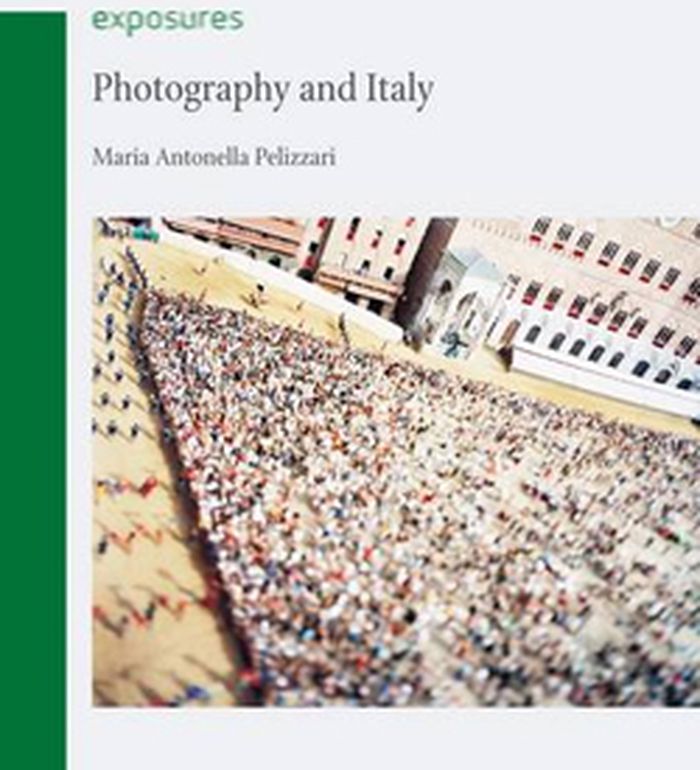
Photography and Italy traces the history of photography in Italy from its beginnings to the present as she guides us through the history of Italy and its ancient sites and Renaissance landmarks. Pelizzari specifically considers the role of photography in the formation of Italian national identity during times of political struggle, such as the lead up to Unification in 1860, and later in the nationalist wars of Mussolini’s regime. While many Italians and foreigners— such as Fratelli Alinari or Carlo Ponti, John Ruskin or Kit Talbot—focused their lenses on architectural masterpieces, others documented the changing times and political heroes, creating icons of figures such as Garibaldi and the brigands. Pelizzari’s exploration of Italian visual traditions also includes the photographic collages of Bruno Munari, the neorealist work of photographers such as Franco Pinna, the bold stylized compositions of Mario Giacomelli, and the controversial images created by Oliviero Toscani for Benetton advertising in the 1980s.
Photography and Italy
Actions:
Price:
$32.95
(available to order)
Summary:
Photography and Italy traces the history of photography in Italy from its beginnings to the present as she guides us through the history of Italy and its ancient sites and Renaissance landmarks. Pelizzari specifically considers the role of photography in the formation of Italian national identity during times of political struggle, such as the lead up to Unification in 1860, and later in the nationalist wars of Mussolini’s regime. While many Italians and foreigners— such as Fratelli Alinari or Carlo Ponti, John Ruskin or Kit Talbot—focused their lenses on architectural masterpieces, others documented the changing times and political heroes, creating icons of figures such as Garibaldi and the brigands. Pelizzari’s exploration of Italian visual traditions also includes the photographic collages of Bruno Munari, the neorealist work of photographers such as Franco Pinna, the bold stylized compositions of Mario Giacomelli, and the controversial images created by Oliviero Toscani for Benetton advertising in the 1980s.
Form:
books
books
Publication:
November 2010
November 2010
Subject:
Photography monographs
Photography monographs
Form:
books
books
Actions:
Price:
$28.95
(available to order)
Summary:
Artists surveyed include: Joseph Albers, Mel Bochner, Daniel Buren, Carlos Cruz-Diez, Robert Delaunay, Sonia Delaunay, Jimmie Durham, Helen Frankenthaler, Paul Gauguin, Donald Judd, Wassily Kandinsky, Paul Klee, Yves Klein, Kazimir Malevich, Piero Manzoni, Henri Matisse, Henri Michaux, Beatriz Milhazes, Piet Mondrian, Barnett Newman, Kenneth Noland, Hélio Oiticica, Paul(...)
$28.95
(available to order)
Summary:
Artists surveyed include: Joseph Albers, Mel Bochner, Daniel Buren, Carlos Cruz-Diez, Robert Delaunay, Sonia Delaunay, Jimmie Durham, Helen Frankenthaler, Paul Gauguin, Donald Judd, Wassily Kandinsky, Paul Klee, Yves Klein, Kazimir Malevich, Piero Manzoni, Henri Matisse, Henri Michaux, Beatriz Milhazes, Piet Mondrian, Barnett Newman, Kenneth Noland, Hélio Oiticica, Paul(...)
Title:
Colour: Documents on comtemporary art
Actions:
Price:
$28.95
(available to order)
Summary:
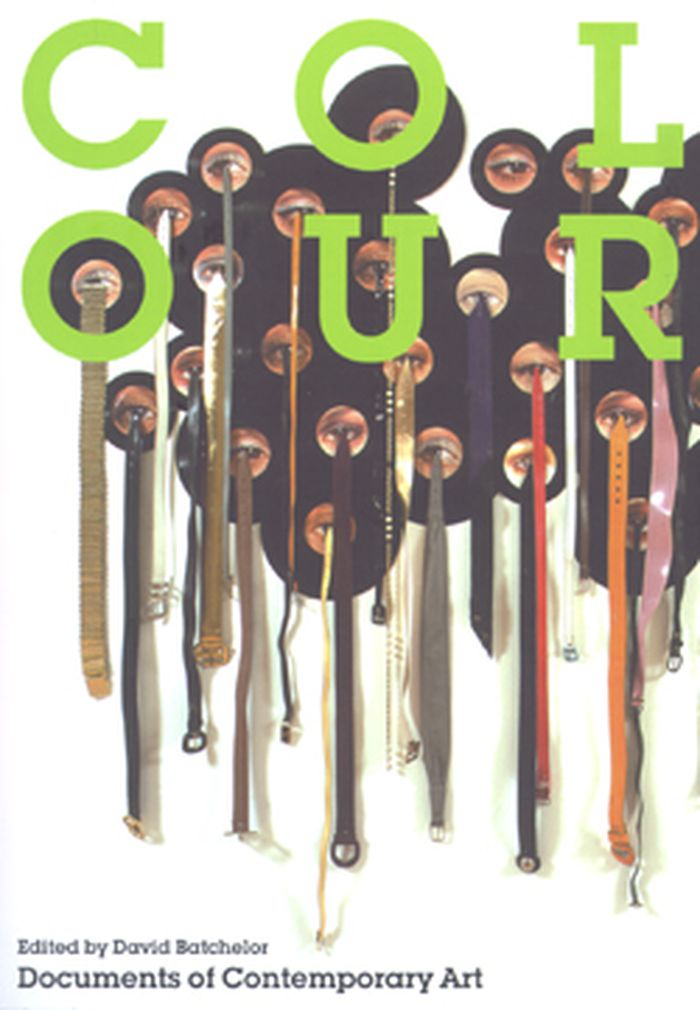
Artists surveyed include: Joseph Albers, Mel Bochner, Daniel Buren, Carlos Cruz-Diez, Robert Delaunay, Sonia Delaunay, Jimmie Durham, Helen Frankenthaler, Paul Gauguin, Donald Judd, Wassily Kandinsky, Paul Klee, Yves Klein, Kazimir Malevich, Piero Manzoni, Henri Matisse, Henri Michaux, Beatriz Milhazes, Piet Mondrian, Barnett Newman, Kenneth Noland, Hélio Oiticica, Paul Signac, Ad Reinhardt, Gerhard Richter, Aleksandr Rodchenko, Bridget Riley, Mark Rothko, Yinka Shonibare, Jessica Stockholder, Theo van Doesburg, Vincent van Gogh, Victor Vasarely, Rachel Whiteread. Writers include: Theodor Adorno, Roland Barthes, Charles Baudelaire, Jean Baudrillard, Walter Benjamin, Charles Blanc, Jacques Derrida, Thierry de Duve, Umberto Eco, Victoria Finlay, Joris-Karl Huysmans, Johannes Itten, Julia Kristeva, Claude Lévi-Strauss, Jacqueline Lichtenstein, Maurice Merleau-Ponty, John Ruskin, Adrian Stokes, Ludwig Wittgenstein. About the Editor: David Batchelor is an artist and writer who has exhibited widely in Europe and America. Senior Tutor in Critical Theory in the Department of Curating Contemporary Art at the Royal College of Art, London, he is a frequent contributor to such journals as Artforum and Frieze and the author of Minimalism and Chromophobia.
Colour: Documents on comtemporary art
Actions:
Price:
$28.95
(available to order)
Summary:
Artists surveyed include: Joseph Albers, Mel Bochner, Daniel Buren, Carlos Cruz-Diez, Robert Delaunay, Sonia Delaunay, Jimmie Durham, Helen Frankenthaler, Paul Gauguin, Donald Judd, Wassily Kandinsky, Paul Klee, Yves Klein, Kazimir Malevich, Piero Manzoni, Henri Matisse, Henri Michaux, Beatriz Milhazes, Piet Mondrian, Barnett Newman, Kenneth Noland, Hélio Oiticica, Paul Signac, Ad Reinhardt, Gerhard Richter, Aleksandr Rodchenko, Bridget Riley, Mark Rothko, Yinka Shonibare, Jessica Stockholder, Theo van Doesburg, Vincent van Gogh, Victor Vasarely, Rachel Whiteread. Writers include: Theodor Adorno, Roland Barthes, Charles Baudelaire, Jean Baudrillard, Walter Benjamin, Charles Blanc, Jacques Derrida, Thierry de Duve, Umberto Eco, Victoria Finlay, Joris-Karl Huysmans, Johannes Itten, Julia Kristeva, Claude Lévi-Strauss, Jacqueline Lichtenstein, Maurice Merleau-Ponty, John Ruskin, Adrian Stokes, Ludwig Wittgenstein. About the Editor: David Batchelor is an artist and writer who has exhibited widely in Europe and America. Senior Tutor in Critical Theory in the Department of Curating Contemporary Art at the Royal College of Art, London, he is a frequent contributor to such journals as Artforum and Frieze and the author of Minimalism and Chromophobia.
Form:
books
books
Publication:
March 2008, London/Massachusetts
March 2008, London/Massachusetts
Subject:
Art Theory
Art Theory
Form:
books
books

Actions:
Price:
$48.00
(available to order)
Summary:
In a sweeping panorama, Weatherland allows us to witness England’s cultural climates across the centuries. Before the Norman Conquest, Anglo-Saxons living in a wintry world wrote about the coldness of exile or the shelters they had to defend against enemies outside. The Middle Ages brought the warmth of spring; the new lyrics were sung in praise of blossoms and cuckoos.(...)
$48.00
(available to order)
Summary:
In a sweeping panorama, Weatherland allows us to witness England’s cultural climates across the centuries. Before the Norman Conquest, Anglo-Saxons living in a wintry world wrote about the coldness of exile or the shelters they had to defend against enemies outside. The Middle Ages brought the warmth of spring; the new lyrics were sung in praise of blossoms and cuckoos.(...)
Title:
Weatherland: writers and artists under English skies
Actions:
Price:
$48.00
(available to order)
Summary:
In a sweeping panorama, Weatherland allows us to witness England’s cultural climates across the centuries. Before the Norman Conquest, Anglo-Saxons living in a wintry world wrote about the coldness of exile or the shelters they had to defend against enemies outside. The Middle Ages brought the warmth of spring; the new lyrics were sung in praise of blossoms and cuckoos. Descriptions of a rainy night are rare before 1700, but by the end of the eighteenth century the Romantics had adopted the squall as a fit subject for their most probing thoughts. The weather is vast and yet we experience it intimately, and Alexandra Harris builds her story from small evocative details. There is the drawing of a twelfth-century man in February, warming bare toes by the fire. There is the tiny glass left behind from the Frost Fair of 1684, and the Sunspan house in Angmering that embodies the bright ambitions of the 1930s. Harris catches the distinct voices of compelling individuals. “Bloody cold,” says Jonathan Swift in the “slobbery” January of 1713. Percy Shelley wants to become a cloud and John Ruskin wants to bottle one. Weatherland is a celebration of English air and a life story of those who have lived in it.
Weatherland: writers and artists under English skies
Actions:
Price:
$48.00
(available to order)
Summary:
In a sweeping panorama, Weatherland allows us to witness England’s cultural climates across the centuries. Before the Norman Conquest, Anglo-Saxons living in a wintry world wrote about the coldness of exile or the shelters they had to defend against enemies outside. The Middle Ages brought the warmth of spring; the new lyrics were sung in praise of blossoms and cuckoos. Descriptions of a rainy night are rare before 1700, but by the end of the eighteenth century the Romantics had adopted the squall as a fit subject for their most probing thoughts. The weather is vast and yet we experience it intimately, and Alexandra Harris builds her story from small evocative details. There is the drawing of a twelfth-century man in February, warming bare toes by the fire. There is the tiny glass left behind from the Frost Fair of 1684, and the Sunspan house in Angmering that embodies the bright ambitions of the 1930s. Harris catches the distinct voices of compelling individuals. “Bloody cold,” says Jonathan Swift in the “slobbery” January of 1713. Percy Shelley wants to become a cloud and John Ruskin wants to bottle one. Weatherland is a celebration of English air and a life story of those who have lived in it.
Form:
books
books
Publication:
March 2016
March 2016
Subject:
Art Theory
Art Theory


