


12071 Results
Form:
books
books
Actions:
Price:
$96.00
(available to order)
Summary:
How can we build a sustainable future in a time of climate change and dwindling resources? As our spatial needs begin to evolve more rapidly, architects are exploring ingenious ways in which to reuse and recycle existing buildings; resulting in a stunning transformation of our existing urban fabric. This volume collects the strategies of reuse together, demonstrating(...)
$96.00
(available to order)
Summary:
How can we build a sustainable future in a time of climate change and dwindling resources? As our spatial needs begin to evolve more rapidly, architects are exploring ingenious ways in which to reuse and recycle existing buildings; resulting in a stunning transformation of our existing urban fabric. This volume collects the strategies of reuse together, demonstrating(...)
Title:
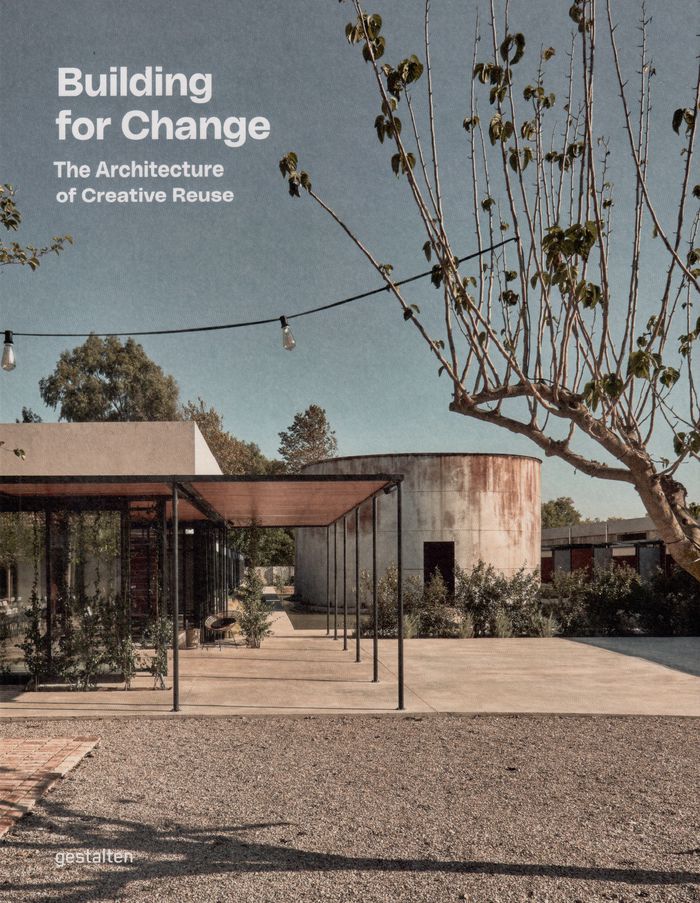
Building for change: The architecture of creative reuse
Actions:
Price:
$96.00
(available to order)
Summary:
How can we build a sustainable future in a time of climate change and dwindling resources? As our spatial needs begin to evolve more rapidly, architects are exploring ingenious ways in which to reuse and recycle existing buildings; resulting in a stunning transformation of our existing urban fabric. This volume collects the strategies of reuse together, demonstrating their power for change through groundbreaking projects from some of the world’s leading architects. From waste repurposed as construction materials, to buildings reworked with canny spatial interventions, and modular structures designed to be dismantled, discover how the architecture of creative reuse is helping us build a better tomorrow.
Building for change: The architecture of creative reuse
Actions:
Price:
$96.00
(available to order)
Summary:
How can we build a sustainable future in a time of climate change and dwindling resources? As our spatial needs begin to evolve more rapidly, architects are exploring ingenious ways in which to reuse and recycle existing buildings; resulting in a stunning transformation of our existing urban fabric. This volume collects the strategies of reuse together, demonstrating their power for change through groundbreaking projects from some of the world’s leading architects. From waste repurposed as construction materials, to buildings reworked with canny spatial interventions, and modular structures designed to be dismantled, discover how the architecture of creative reuse is helping us build a better tomorrow.
Form:
books
books
Publication:
October 2022
October 2022
Subject:
Contemporary Architecture
Contemporary Architecture
Form:
books
books
Price:
$74.95
(available to order)
Summary:
Public space is changing. Where in earlier times people met each other on a public square it seems that now a hotel lobby is the desired designation. This change in the notion of what the public area exactly is forms one of the most crucial themes in current architectural debate – Where are shared spaces presently to be found where people can meet each other and develop(...)
$74.95
(available to order)
Summary:
Public space is changing. Where in earlier times people met each other on a public square it seems that now a hotel lobby is the desired designation. This change in the notion of what the public area exactly is forms one of the most crucial themes in current architectural debate – Where are shared spaces presently to be found where people can meet each other and develop(...)
Title:
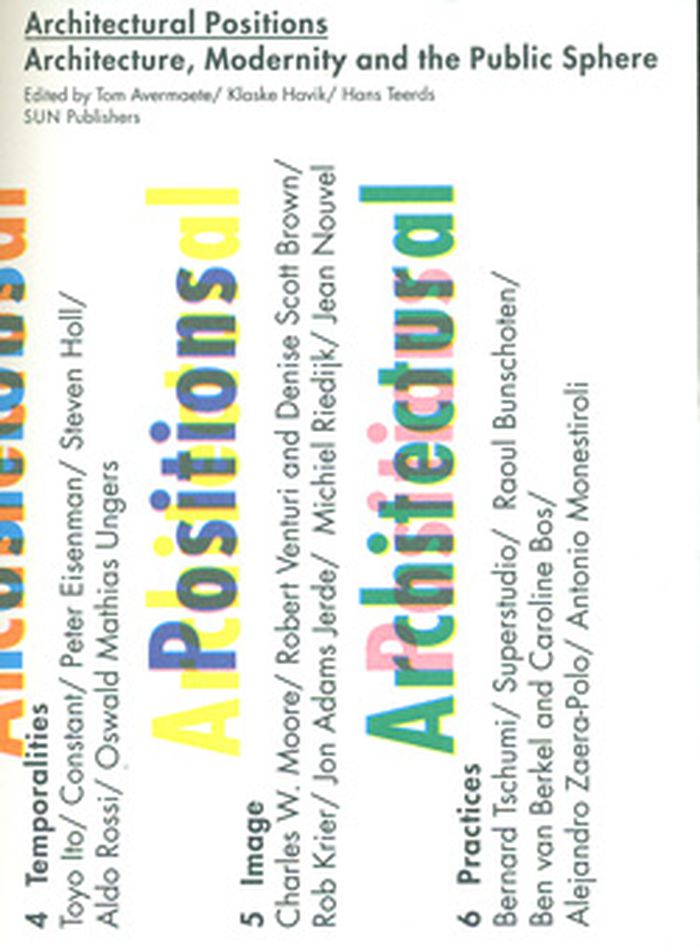
Architectural positions: architecture, modernity and the public sphere
Actions:
Price:
$74.95
(available to order)
Summary:
Public space is changing. Where in earlier times people met each other on a public square it seems that now a hotel lobby is the desired designation. This change in the notion of what the public area exactly is forms one of the most crucial themes in current architectural debate – Where are shared spaces presently to be found where people can meet each other and develop and share a public meaning? This illustrated anthology brings together an impressive collection of writings by 36 leading architects, who have over the last fifty years presented different positions in relation to the debate over the idea and limits of what the public is, or should be. Contributors include: Aldo Rossi, Rem Koolhaas, Matthias Ungers, Daniel Libeskind, Peter Zumthor, Alison and Peter Smithson, Rob Krier, Ben van Berkel and Caroline Bos and Jean Nouvel.
Architectural positions: architecture, modernity and the public sphere
Actions:
Price:
$74.95
(available to order)
Summary:
Public space is changing. Where in earlier times people met each other on a public square it seems that now a hotel lobby is the desired designation. This change in the notion of what the public area exactly is forms one of the most crucial themes in current architectural debate – Where are shared spaces presently to be found where people can meet each other and develop and share a public meaning? This illustrated anthology brings together an impressive collection of writings by 36 leading architects, who have over the last fifty years presented different positions in relation to the debate over the idea and limits of what the public is, or should be. Contributors include: Aldo Rossi, Rem Koolhaas, Matthias Ungers, Daniel Libeskind, Peter Zumthor, Alison and Peter Smithson, Rob Krier, Ben van Berkel and Caroline Bos and Jean Nouvel.
Form:
books
books
Publication:
July 2009
July 2009
Subject:
Architectural Theory
Architectural Theory
Form:
books
books
Actions:
Price:
$64.99
(available to order)
Summary:
Presenting a collection of 25 houses on five continents, Next Houses is a tour of the finest residential architecture of this young century. Author Ron Broadhurst has selected examples from nine countries, showcasing established superstars and emerging architects, including UNStudio, David Adjaye, and David Chipperfield, among others. The products of dialogue between(...)
$64.99
(available to order)
Summary:
Presenting a collection of 25 houses on five continents, Next Houses is a tour of the finest residential architecture of this young century. Author Ron Broadhurst has selected examples from nine countries, showcasing established superstars and emerging architects, including UNStudio, David Adjaye, and David Chipperfield, among others. The products of dialogue between(...)
Title:
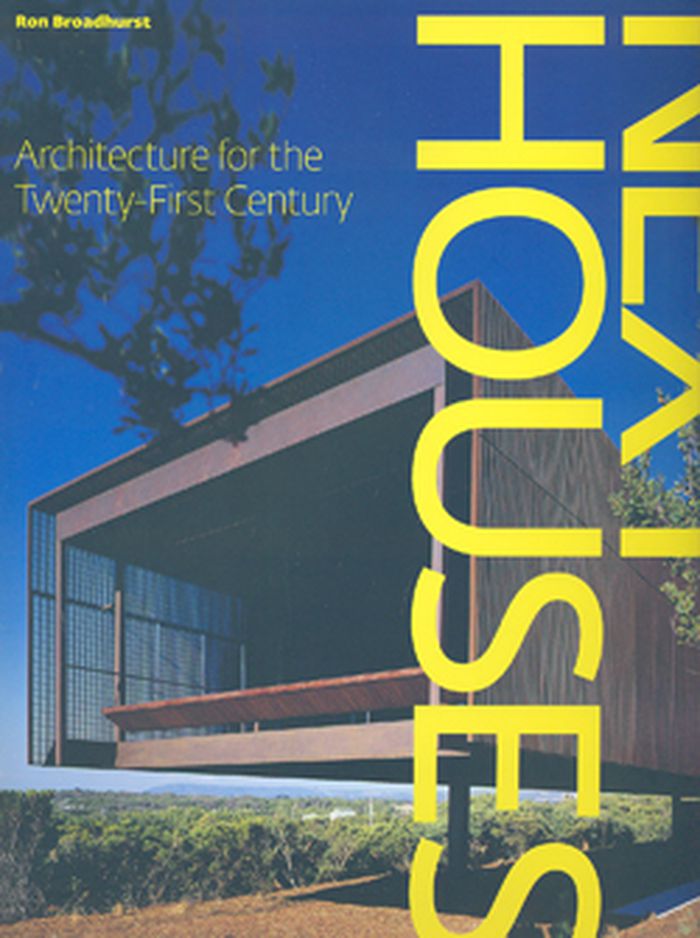
Next houses, architecture for the twenty-first century
Actions:
Price:
$64.99
(available to order)
Summary:
Presenting a collection of 25 houses on five continents, Next Houses is a tour of the finest residential architecture of this young century. Author Ron Broadhurst has selected examples from nine countries, showcasing established superstars and emerging architects, including UNStudio, David Adjaye, and David Chipperfield, among others. The products of dialogue between demanding clients and innovative designers, these houses represent the best and most innovative living spaces, including homes created with sustainability and ecofriendliness in mind--such as Werner Sobek's H16 and Krauss Schönberg's Haus W--as well as homes constructed on challenging sites--such as Tadao Ando's 4x4 House or Alvaro Leite Siza Vieira's Casa Tolo. An authoritative collection, Next Houses demonstrates uniquely of-the-moment architecture, and offers up a vision of how we will think of homes in the decades to come.
Next houses, architecture for the twenty-first century
Actions:
Price:
$64.99
(available to order)
Summary:
Presenting a collection of 25 houses on five continents, Next Houses is a tour of the finest residential architecture of this young century. Author Ron Broadhurst has selected examples from nine countries, showcasing established superstars and emerging architects, including UNStudio, David Adjaye, and David Chipperfield, among others. The products of dialogue between demanding clients and innovative designers, these houses represent the best and most innovative living spaces, including homes created with sustainability and ecofriendliness in mind--such as Werner Sobek's H16 and Krauss Schönberg's Haus W--as well as homes constructed on challenging sites--such as Tadao Ando's 4x4 House or Alvaro Leite Siza Vieira's Casa Tolo. An authoritative collection, Next Houses demonstrates uniquely of-the-moment architecture, and offers up a vision of how we will think of homes in the decades to come.
Form:
books
books
Publication:
November 2009
November 2009
Subject:
Residential Architecture
Residential Architecture
Form:
books
books
Actions:
Price:
$54.00
(available in store)
Summary:
Through three radical critiques of Modernist architecture, illustrated by the iconic--and very different--works of the Situationist International, Venturi Scott Brown and Archigram, Radical Games offers new perspectives on the architecture of the 1960s. It illuminates some of the pitfalls of contemporary architectural thought and questions a number of preconceptions that(...)
$54.00
(available in store)
Summary:
Through three radical critiques of Modernist architecture, illustrated by the iconic--and very different--works of the Situationist International, Venturi Scott Brown and Archigram, Radical Games offers new perspectives on the architecture of the 1960s. It illuminates some of the pitfalls of contemporary architectural thought and questions a number of preconceptions that(...)
Title:
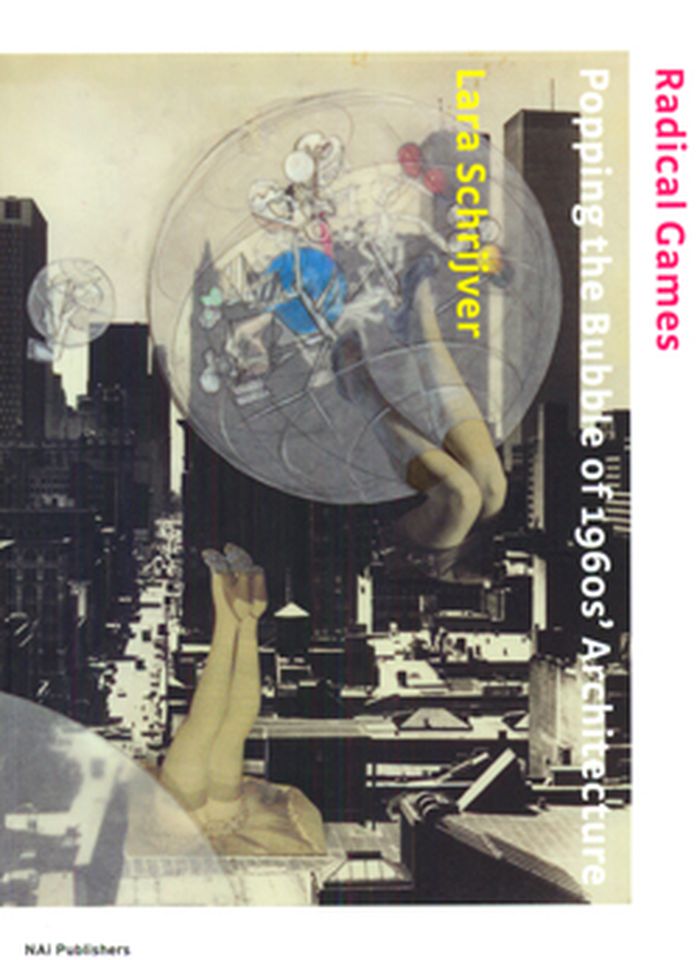
Radical games: Popping the bubble of 1960's architecture
Actions:
Price:
$54.00
(available in store)
Summary:
Through three radical critiques of Modernist architecture, illustrated by the iconic--and very different--works of the Situationist International, Venturi Scott Brown and Archigram, Radical Games offers new perspectives on the architecture of the 1960s. It illuminates some of the pitfalls of contemporary architectural thought and questions a number of preconceptions that remain with us from the prevalent discourses of the 1960s. Perched on the cusp of Postmodernism and global capitalism, the critiques in this volume demonstrate a perceptive understanding of Modernism, as well as contemporary conditions, such as our increasingly image-saturated society. It is also clear, however, that these radical projects were so entwined with Modernism that the architectural conversation of the 1960s was driven to an impasse, which the contemporary debate has not yet been able to escape.
Radical games: Popping the bubble of 1960's architecture
Actions:
Price:
$54.00
(available in store)
Summary:
Through three radical critiques of Modernist architecture, illustrated by the iconic--and very different--works of the Situationist International, Venturi Scott Brown and Archigram, Radical Games offers new perspectives on the architecture of the 1960s. It illuminates some of the pitfalls of contemporary architectural thought and questions a number of preconceptions that remain with us from the prevalent discourses of the 1960s. Perched on the cusp of Postmodernism and global capitalism, the critiques in this volume demonstrate a perceptive understanding of Modernism, as well as contemporary conditions, such as our increasingly image-saturated society. It is also clear, however, that these radical projects were so entwined with Modernism that the architectural conversation of the 1960s was driven to an impasse, which the contemporary debate has not yet been able to escape.
Form:
books
books
Publication:
June 2010
June 2010
Subject:
Architectural Theory
Architectural Theory
Form:
books
books
Actions:
Price:
$103.95
(available to order)
Summary:
En architecture, composer signifie concevoir un bâtiment selon des principes de régularité et de hiérarchie, ou selon des principes de mise en équilibre. Toutefois, ce n'est qu'à partir du XIXe siècle que la composition désigne véritablement la conception architecturale, notamment grâce à Jean-Nicolas-Louis Durant et son énonciation de la "Marche à suivre dans la(...)
$103.95
(available to order)
Summary:
En architecture, composer signifie concevoir un bâtiment selon des principes de régularité et de hiérarchie, ou selon des principes de mise en équilibre. Toutefois, ce n'est qu'à partir du XIXe siècle que la composition désigne véritablement la conception architecturale, notamment grâce à Jean-Nicolas-Louis Durant et son énonciation de la "Marche à suivre dans la(...)
Title:
Composition, non-composition : architecture et théories, XIXe - Xxe siècles
Actions:
Price:
$103.95
(available to order)
Summary:
En architecture, composer signifie concevoir un bâtiment selon des principes de régularité et de hiérarchie, ou selon des principes de mise en équilibre. Toutefois, ce n'est qu'à partir du XIXe siècle que la composition désigne véritablement la conception architecturale, notamment grâce à Jean-Nicolas-Louis Durant et son énonciation de la "Marche à suivre dans la composition d'un projet quelconque". Le concept s'érode rapidement au cours du XXe siècle, l'adoption de dispositifs architecturaux neutres, le recours à des processus agrégatifs, le développement d'opérations "objectives" constituant autant de tentatives de dépassement des principes compositionnels. C'est à cette histoire inédite des théories architecturales qu'invite ce livre, qui permet de comprendre les enjeux d'attitudes qui souvent s'opposent, l'effacement de certaines conceptions, l'émergence de nouvelles, et qui donne des clefs de lecture originales pour comprendre l'architecture contemporaine.
Composition, non-composition : architecture et théories, XIXe - Xxe siècles
Actions:
Price:
$103.95
(available to order)
Summary:
En architecture, composer signifie concevoir un bâtiment selon des principes de régularité et de hiérarchie, ou selon des principes de mise en équilibre. Toutefois, ce n'est qu'à partir du XIXe siècle que la composition désigne véritablement la conception architecturale, notamment grâce à Jean-Nicolas-Louis Durant et son énonciation de la "Marche à suivre dans la composition d'un projet quelconque". Le concept s'érode rapidement au cours du XXe siècle, l'adoption de dispositifs architecturaux neutres, le recours à des processus agrégatifs, le développement d'opérations "objectives" constituant autant de tentatives de dépassement des principes compositionnels. C'est à cette histoire inédite des théories architecturales qu'invite ce livre, qui permet de comprendre les enjeux d'attitudes qui souvent s'opposent, l'effacement de certaines conceptions, l'émergence de nouvelles, et qui donne des clefs de lecture originales pour comprendre l'architecture contemporaine.
Form:
books
books
Publication:
October 2009
October 2009
Subject:
Architectural Theory
Architectural Theory
Form:
books
books
Actions:
Price:
$79.95
(available to order)
Summary:
Cet ouvrage présente le travail de plus d’une centaine d’artistes qui tous proposent des créations dans lesquelles le thème de l’architecture, du bâti, joue un rôle central. Sculptures, installations, dessins, peintures, collages et photomontages ne sont que quelques-unes des nombreuses techniques utilisées par ces artistes pour exprimer leur vision de la chose(...)
$79.95
(available to order)
Summary:
Cet ouvrage présente le travail de plus d’une centaine d’artistes qui tous proposent des créations dans lesquelles le thème de l’architecture, du bâti, joue un rôle central. Sculptures, installations, dessins, peintures, collages et photomontages ne sont que quelques-unes des nombreuses techniques utilisées par ces artistes pour exprimer leur vision de la chose(...)
Title:
Villes imaginaires et construction fictives: quand l'art s'empare de l'architecture
Actions:
Price:
$79.95
(available to order)
Summary:
Cet ouvrage présente le travail de plus d’une centaine d’artistes qui tous proposent des créations dans lesquelles le thème de l’architecture, du bâti, joue un rôle central. Sculptures, installations, dessins, peintures, collages et photomontages ne sont que quelques-unes des nombreuses techniques utilisées par ces artistes pour exprimer leur vision de la chose construite, qu’il s’agisse d’une maison, d’une église, d’un immeuble, ou plus largement de la rue ou de la ville. Propositions, critiques, hommages, questionnements abondent dans ces projets qui, en définitive, racontent l’histoire de lieux, réels ou fictifs, utopiques ou tragiques, et révèlent l’importance du rôle de l’architecture dans notre culture visuelle.
Villes imaginaires et construction fictives: quand l'art s'empare de l'architecture
Actions:
Price:
$79.95
(available to order)
Summary:
Cet ouvrage présente le travail de plus d’une centaine d’artistes qui tous proposent des créations dans lesquelles le thème de l’architecture, du bâti, joue un rôle central. Sculptures, installations, dessins, peintures, collages et photomontages ne sont que quelques-unes des nombreuses techniques utilisées par ces artistes pour exprimer leur vision de la chose construite, qu’il s’agisse d’une maison, d’une église, d’un immeuble, ou plus largement de la rue ou de la ville. Propositions, critiques, hommages, questionnements abondent dans ces projets qui, en définitive, racontent l’histoire de lieux, réels ou fictifs, utopiques ou tragiques, et révèlent l’importance du rôle de l’architecture dans notre culture visuelle.
Form:
books
books
Publication:
October 2009
October 2009
Subject:
Experimentale architecture
Experimentale architecture
Form:
books
books
Actions:
Price:
$54.99
(available to order)
Summary:
Adam Kalkin began utilising the shipping container in selected projects circa 1994, exemplified in the iconic 'Quik House.' This book features 32 fully illustrated projects, accompanied by essays from Barry Bergdoll, Alastair Gordon and Will McLean.
$54.99
(available to order)
Summary:
Adam Kalkin began utilising the shipping container in selected projects circa 1994, exemplified in the iconic 'Quik House.' This book features 32 fully illustrated projects, accompanied by essays from Barry Bergdoll, Alastair Gordon and Will McLean.
Title:
Quik Build: Adam Kalkin's ABC of container architecture
Actions:
Price:
$54.99
(available to order)
Summary:
Adam Kalkin began utilising the shipping container in selected projects circa 1994, exemplified in the iconic 'Quik House.' This book features 32 fully illustrated projects, accompanied by essays from Barry Bergdoll, Alastair Gordon and Will McLean.
Quik Build: Adam Kalkin's ABC of container architecture
Actions:
Price:
$54.99
(available to order)
Summary:
Adam Kalkin began utilising the shipping container in selected projects circa 1994, exemplified in the iconic 'Quik House.' This book features 32 fully illustrated projects, accompanied by essays from Barry Bergdoll, Alastair Gordon and Will McLean.
Form:
books
books
Publication:
October 2009
October 2009
Subject:
Architecture Monographs
Architecture Monographs
Form:
books
books
Price:
$46.95
(available in store)
Summary:
Drawing on a range of previously unexplored archival resources, Michael Osman examines the increasing role of environmental technologies in building design from the late nineteenth century. He shows how architects appropriated and subsumed the work of engineers as thermostats, air handlers, and refrigeration proliferated. He argues that this change was closely connected(...)
$46.95
(available in store)
Summary:
Drawing on a range of previously unexplored archival resources, Michael Osman examines the increasing role of environmental technologies in building design from the late nineteenth century. He shows how architects appropriated and subsumed the work of engineers as thermostats, air handlers, and refrigeration proliferated. He argues that this change was closely connected(...)
Title:
Modernism's visible hand: architecture and regulation in America
Actions:
Price:
$46.95
(available in store)
Summary:
Drawing on a range of previously unexplored archival resources, Michael Osman examines the increasing role of environmental technologies in building design from the late nineteenth century. He shows how architects appropriated and subsumed the work of engineers as thermostats, air handlers, and refrigeration proliferated. He argues that this change was closely connected to broader cultural and economic trends in management and the regulation of risk. The transformation shaped the evolution of architectural modernism and the development of the building as a machine. Rather than assume the preexisting natural order of things, participants in regulation—including architects, scientists, entrepreneurs, engineers, managers, economists, government employees, and domestic reformers—became entangled in managing the errors, crises, and risks stemming from the nation’s unprecedented growth.
Modernism's visible hand: architecture and regulation in America
Actions:
Price:
$46.95
(available in store)
Summary:
Drawing on a range of previously unexplored archival resources, Michael Osman examines the increasing role of environmental technologies in building design from the late nineteenth century. He shows how architects appropriated and subsumed the work of engineers as thermostats, air handlers, and refrigeration proliferated. He argues that this change was closely connected to broader cultural and economic trends in management and the regulation of risk. The transformation shaped the evolution of architectural modernism and the development of the building as a machine. Rather than assume the preexisting natural order of things, participants in regulation—including architects, scientists, entrepreneurs, engineers, managers, economists, government employees, and domestic reformers—became entangled in managing the errors, crises, and risks stemming from the nation’s unprecedented growth.
Form:
books
books
Publication:
April 2018
April 2018
Subject:
Architectural Theory
Architectural Theory
Form:
books
books
Actions:
Price:
$29.99
(available to order)
Summary:
“Green buildings” that slash energy use and carbon emissions are all the rage, but they aren’t enough. The hidden culprit is embodied carbon?the carbon emitted when materials are mined, manufactured, and transported?comprising some ten percent of global emissions. With the built environment doubling by 2030, buildings are a carbon juggernaut threatening to overwhelm the(...)
$29.99
(available to order)
Summary:
“Green buildings” that slash energy use and carbon emissions are all the rage, but they aren’t enough. The hidden culprit is embodied carbon?the carbon emitted when materials are mined, manufactured, and transported?comprising some ten percent of global emissions. With the built environment doubling by 2030, buildings are a carbon juggernaut threatening to overwhelm the(...)
Title:
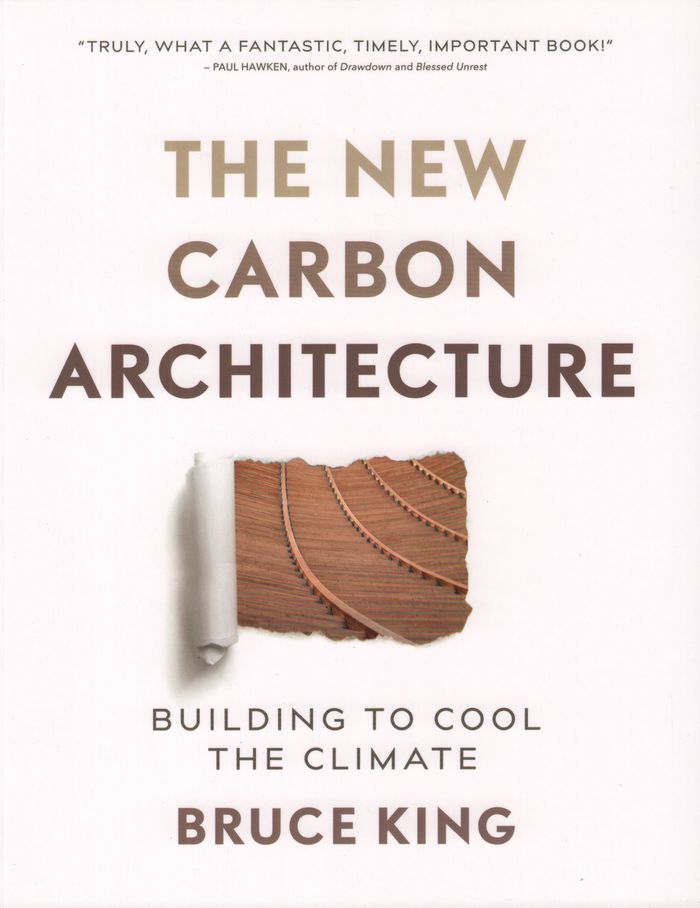
New carbon architecture: building to cool the climate
Actions:
Price:
$29.99
(available to order)
Summary:
“Green buildings” that slash energy use and carbon emissions are all the rage, but they aren’t enough. The hidden culprit is embodied carbon?the carbon emitted when materials are mined, manufactured, and transported?comprising some ten percent of global emissions. With the built environment doubling by 2030, buildings are a carbon juggernaut threatening to overwhelm the climate. Like never before in history, buildings can become part of the climate solution. With biomimicry and innovation, we can pull huge amounts of carbon out of the atmosphere and lock it up as walls, roofs, foundations, and insulation. We can literally make buildings out of the sky with a massive positive impact.
New carbon architecture: building to cool the climate
Actions:
Price:
$29.99
(available to order)
Summary:
“Green buildings” that slash energy use and carbon emissions are all the rage, but they aren’t enough. The hidden culprit is embodied carbon?the carbon emitted when materials are mined, manufactured, and transported?comprising some ten percent of global emissions. With the built environment doubling by 2030, buildings are a carbon juggernaut threatening to overwhelm the climate. Like never before in history, buildings can become part of the climate solution. With biomimicry and innovation, we can pull huge amounts of carbon out of the atmosphere and lock it up as walls, roofs, foundations, and insulation. We can literally make buildings out of the sky with a massive positive impact.
Form:
books
books
Publication:
January 2018
January 2018
Subject:
Green Architecture
Green Architecture
Form:
books
books
Price:
$65.70
(available in store)
Summary:
This book examines the work of three seminal Nordic architects - Alvar Aalto, Jørn Utzon and Sverre Fehn - from a phenomenological perspective, utilising the methodology of 'paradigm' (or 'in the manner of''). Roger Tyrrell explains how the approach of each architect is defined by the three sub-frames of the paradigm: that of the ‘origin’ (arche), that of ‘revealing’(...)
$65.70
(available in store)
Summary:
This book examines the work of three seminal Nordic architects - Alvar Aalto, Jørn Utzon and Sverre Fehn - from a phenomenological perspective, utilising the methodology of 'paradigm' (or 'in the manner of''). Roger Tyrrell explains how the approach of each architect is defined by the three sub-frames of the paradigm: that of the ‘origin’ (arche), that of ‘revealing’(...)
Title:
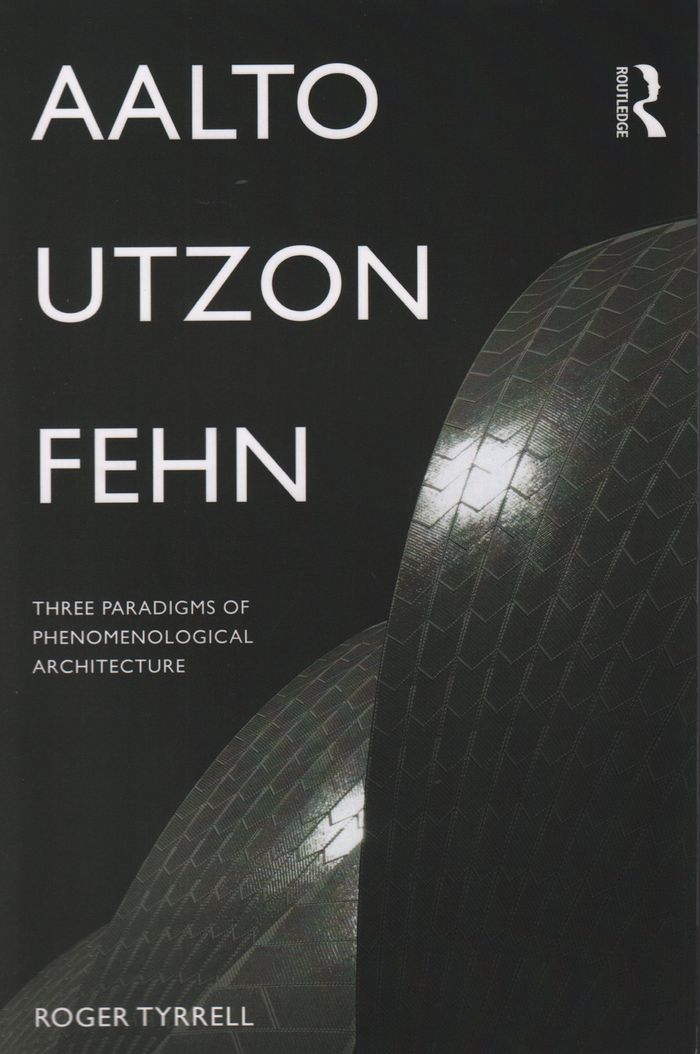
Aalto, Utzon, Fehn: three paradigms of phenomenological architecture
Actions:
Price:
$65.70
(available in store)
Summary:
This book examines the work of three seminal Nordic architects - Alvar Aalto, Jørn Utzon and Sverre Fehn - from a phenomenological perspective, utilising the methodology of 'paradigm' (or 'in the manner of''). Roger Tyrrell explains how the approach of each architect is defined by the three sub-frames of the paradigm: that of the ‘origin’ (arche), that of ‘revealing’ (techne), and that of ‘the poetic conjunction’, in order to gain a holistic understanding of the experiential or phenomenological predisposition of the three architects. Using this method the author describes the commonalties and distinctive qualities of the architecture and design methods of Aalto, Utzon and Fehn. The final chapter projects the intellectual heritage of the three protagonists into the contemporary world, examining the work of practices from the UK, Norway and the USA that each extend this particular way of making place.
Aalto, Utzon, Fehn: three paradigms of phenomenological architecture
Actions:
Price:
$65.70
(available in store)
Summary:
This book examines the work of three seminal Nordic architects - Alvar Aalto, Jørn Utzon and Sverre Fehn - from a phenomenological perspective, utilising the methodology of 'paradigm' (or 'in the manner of''). Roger Tyrrell explains how the approach of each architect is defined by the three sub-frames of the paradigm: that of the ‘origin’ (arche), that of ‘revealing’ (techne), and that of ‘the poetic conjunction’, in order to gain a holistic understanding of the experiential or phenomenological predisposition of the three architects. Using this method the author describes the commonalties and distinctive qualities of the architecture and design methods of Aalto, Utzon and Fehn. The final chapter projects the intellectual heritage of the three protagonists into the contemporary world, examining the work of practices from the UK, Norway and the USA that each extend this particular way of making place.
Form:
books
books
Publication:
March 2018
March 2018
Subject:
Architectural Theory
Architectural Theory


