


341 Results
Form:
books
books
Actions:
Price:
$35.95
(available to order)
Summary:
The Escuelas Nacionales de Arte (National Art Schools), constructed from 1961 to 1965, were the result of an educational program initiated by Fidel Castro and Che Guevara soon after the Revolution of 1959. The architects they commissioned created an (...)
$35.95
(available to order)
Summary:
The Escuelas Nacionales de Arte (National Art Schools), constructed from 1961 to 1965, were the result of an educational program initiated by Fidel Castro and Che Guevara soon after the Revolution of 1959. The architects they commissioned created an (...)
Title:
Revolution of forms : Cuba's forgotten art schools
Actions:
Price:
$35.95
(available to order)
Summary:
The Escuelas Nacionales de Arte (National Art Schools), constructed from 1961 to 1965, were the result of an educational program initiated by Fidel Castro and Che Guevara soon after the Revolution of 1959. The architects they commissioned created an organic complex of brick and terra-cotta Catalan vaulted structures that reflected the optimism and exuberance of the period. The schools attempted to reinvent architecture, just as the Revolution hoped to reinvent society. However, even before construction was completed, the schools fell out of official favor and were subjected to an attack that resulted in their subsequent "disappearance." An ideological campaign branded them politically incorrect, a bourgeois luxury that was not in keeping with the Revolution. The buildings fell into disuse and, abandoned to the jungle, were literally overgrown. Now, almost 40 years later, Cuba is beginning to recognize and reclaim these significant works of architecture. Revolution of Forms investigates the history and politics surrounding the creation of these structures as well as their subsequent abandonment. The text is accompanied by archival photographs, plans, and images of the present condition of these structures.
Revolution of forms : Cuba's forgotten art schools
Actions:
Price:
$35.95
(available to order)
Summary:
The Escuelas Nacionales de Arte (National Art Schools), constructed from 1961 to 1965, were the result of an educational program initiated by Fidel Castro and Che Guevara soon after the Revolution of 1959. The architects they commissioned created an organic complex of brick and terra-cotta Catalan vaulted structures that reflected the optimism and exuberance of the period. The schools attempted to reinvent architecture, just as the Revolution hoped to reinvent society. However, even before construction was completed, the schools fell out of official favor and were subjected to an attack that resulted in their subsequent "disappearance." An ideological campaign branded them politically incorrect, a bourgeois luxury that was not in keeping with the Revolution. The buildings fell into disuse and, abandoned to the jungle, were literally overgrown. Now, almost 40 years later, Cuba is beginning to recognize and reclaim these significant works of architecture. Revolution of Forms investigates the history and politics surrounding the creation of these structures as well as their subsequent abandonment. The text is accompanied by archival photographs, plans, and images of the present condition of these structures.
Form:
books
books
Publication:
January 1999, New York
January 1999, New York
Subject:
Architecture since 1900, Europe
Architecture since 1900, Europe
Form:
books
books
Actions:
Price:
$40.00
(available to order)
Summary:
Ce projet au long cours a débuté en novembre 2014. Avec l’artiste Ed Pien et 13 aînés de la collectivité de San Agustín, à Cuba. Ils explorent la notion du temps, et l’impact du temps sur la vie de chacun d’entre eux. Durant les dix années ou presque depuis le début de ce projet, de nombreux événements majeurs ont eu lieu. Malgré tous les dé s, la pandémie a fait(...)
$40.00
(available to order)
Summary:
Ce projet au long cours a débuté en novembre 2014. Avec l’artiste Ed Pien et 13 aînés de la collectivité de San Agustín, à Cuba. Ils explorent la notion du temps, et l’impact du temps sur la vie de chacun d’entre eux. Durant les dix années ou presque depuis le début de ce projet, de nombreux événements majeurs ont eu lieu. Malgré tous les dé s, la pandémie a fait(...)
Title:
Presente: Pasado/futuro, v. 02
Actions:
Price:
$40.00
(available to order)
Summary:
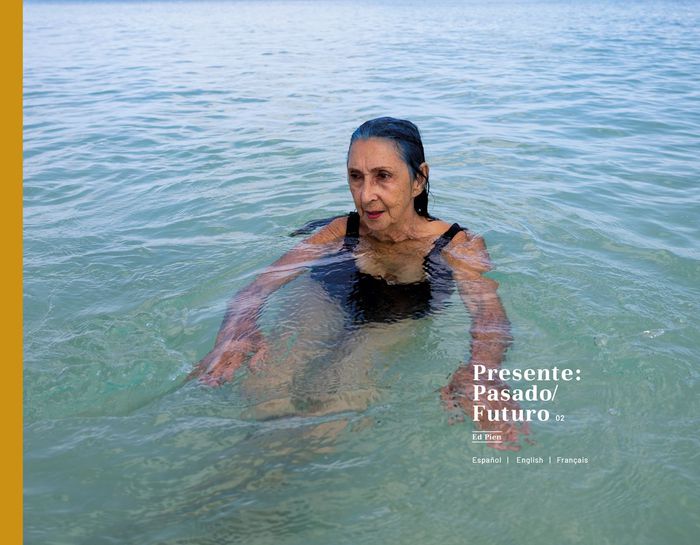
Ce projet au long cours a débuté en novembre 2014. Avec l’artiste Ed Pien et 13 aînés de la collectivité de San Agustín, à Cuba. Ils explorent la notion du temps, et l’impact du temps sur la vie de chacun d’entre eux. Durant les dix années ou presque depuis le début de ce projet, de nombreux événements majeurs ont eu lieu. Malgré tous les dé s, la pandémie a fait ressortir le meilleur chez bien des gens, leur capacité à agir pour aider leurs familles, leurs amis et leurs communautés. Également, certains ont continué de faire avancer la cause des droits de la personne, de la justice, de la paix et de l’égalité. Et au milieu de tout ça, le temps poursuivait sa progression inexorable, dont chacun d’entre nous porte les traces. Au deuxième tome de la publication Présent : passé / futur, rend hommage à celles et ceux qui nous ont quittés (...) et nous célébrons celles et ceux qui, avec patience et générosité, se sont engagés à poursuivre cette exploration du temps.
Presente: Pasado/futuro, v. 02
Actions:
Price:
$40.00
(available to order)
Summary:
Ce projet au long cours a débuté en novembre 2014. Avec l’artiste Ed Pien et 13 aînés de la collectivité de San Agustín, à Cuba. Ils explorent la notion du temps, et l’impact du temps sur la vie de chacun d’entre eux. Durant les dix années ou presque depuis le début de ce projet, de nombreux événements majeurs ont eu lieu. Malgré tous les dé s, la pandémie a fait ressortir le meilleur chez bien des gens, leur capacité à agir pour aider leurs familles, leurs amis et leurs communautés. Également, certains ont continué de faire avancer la cause des droits de la personne, de la justice, de la paix et de l’égalité. Et au milieu de tout ça, le temps poursuivait sa progression inexorable, dont chacun d’entre nous porte les traces. Au deuxième tome de la publication Présent : passé / futur, rend hommage à celles et ceux qui nous ont quittés (...) et nous célébrons celles et ceux qui, avec patience et générosité, se sont engagés à poursuivre cette exploration du temps.
Form:
books
books
Publication:
August 2023
August 2023
Subject:
Photography monographs
Photography monographs
Form:
books
books
Title:
Koh-i-noor
Koh-i-noor
Actions:
Price:
$24.95
(available in store)
Summary:
It’s 2011 on Nova Scotia’s South Shore, and Sean Lohan is at a crossroads. The son of Colorado Buddhists, Sean wonders if he should accept his parents’ offer to join their natural cosmetics company or venture out on his own. When an art history professor opens Sean’s eyes to the contradictions of capitalism, he realizes he can’t avoid or transcend his own personal(...)
$24.95
(available in store)
Summary:
It’s 2011 on Nova Scotia’s South Shore, and Sean Lohan is at a crossroads. The son of Colorado Buddhists, Sean wonders if he should accept his parents’ offer to join their natural cosmetics company or venture out on his own. When an art history professor opens Sean’s eyes to the contradictions of capitalism, he realizes he can’t avoid or transcend his own personal(...)
Title:
Koh-i-noor
Actions:
Price:
$24.95
(available in store)
Summary:
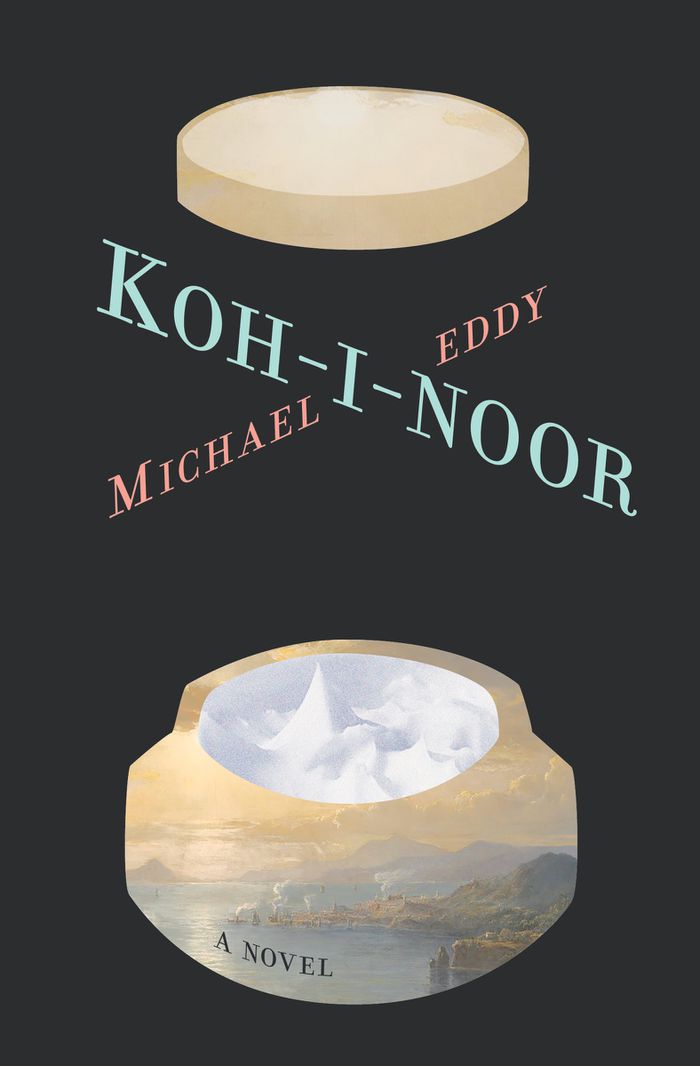
It’s 2011 on Nova Scotia’s South Shore, and Sean Lohan is at a crossroads. The son of Colorado Buddhists, Sean wonders if he should accept his parents’ offer to join their natural cosmetics company or venture out on his own. When an art history professor opens Sean’s eyes to the contradictions of capitalism, he realizes he can’t avoid or transcend his own personal dilemmas and instead chooses to face them head-on. Sean’s ultimate decision to found a social enterprise leads him to China. At the same time, his close friend Jerry becomes entangled in a Google-like tech enterprise in California, and his girlfriend Samantha pursues her own high-minded interventions in Cuba—each path leading to increasingly risky and complex outcomes. In the roving literary style of Thomas Pynchon and Mathias Énard, this enthralling debut offers readers a fast-paced adventure through the diverging nuances of economics, spirituality, and extraction. In a period of increasing uncertainty, Koh-i-Noor is a timely doomscroll through four decades of globalization, generational change, and the search for one’s own values.
Koh-i-noor
Actions:
Price:
$24.95
(available in store)
Summary:
It’s 2011 on Nova Scotia’s South Shore, and Sean Lohan is at a crossroads. The son of Colorado Buddhists, Sean wonders if he should accept his parents’ offer to join their natural cosmetics company or venture out on his own. When an art history professor opens Sean’s eyes to the contradictions of capitalism, he realizes he can’t avoid or transcend his own personal dilemmas and instead chooses to face them head-on. Sean’s ultimate decision to found a social enterprise leads him to China. At the same time, his close friend Jerry becomes entangled in a Google-like tech enterprise in California, and his girlfriend Samantha pursues her own high-minded interventions in Cuba—each path leading to increasingly risky and complex outcomes. In the roving literary style of Thomas Pynchon and Mathias Énard, this enthralling debut offers readers a fast-paced adventure through the diverging nuances of economics, spirituality, and extraction. In a period of increasing uncertainty, Koh-i-Noor is a timely doomscroll through four decades of globalization, generational change, and the search for one’s own values.
Form:
books
books
Publication:
May 2026
May 2026
Subject:
Literature and poetry
Literature and poetry
Form:
books
books
Price:
$79.00
(available to order)
Summary:
Of the architects who made Palm Springs a crucible of midcentury American modernism, William F. Cody (1916-1978) was one of the most prolific, diverse, and iconic. Directing a practice ranging from residences to commercial centers and industrial complexes to master plans, Cody's designs are so recognizable that they provide visual shorthand for what is widely hailed as(...)
$79.00
(available to order)
Summary:
Of the architects who made Palm Springs a crucible of midcentury American modernism, William F. Cody (1916-1978) was one of the most prolific, diverse, and iconic. Directing a practice ranging from residences to commercial centers and industrial complexes to master plans, Cody's designs are so recognizable that they provide visual shorthand for what is widely hailed as(...)
Subject:
Architecture Monographs
Architecture Monographs
Publication:
September 2021
September 2021
Title:
Master of the midcentury: the architecture of Williiam F. Cody
Actions:
Price:
$79.00
(available to order)
Summary:
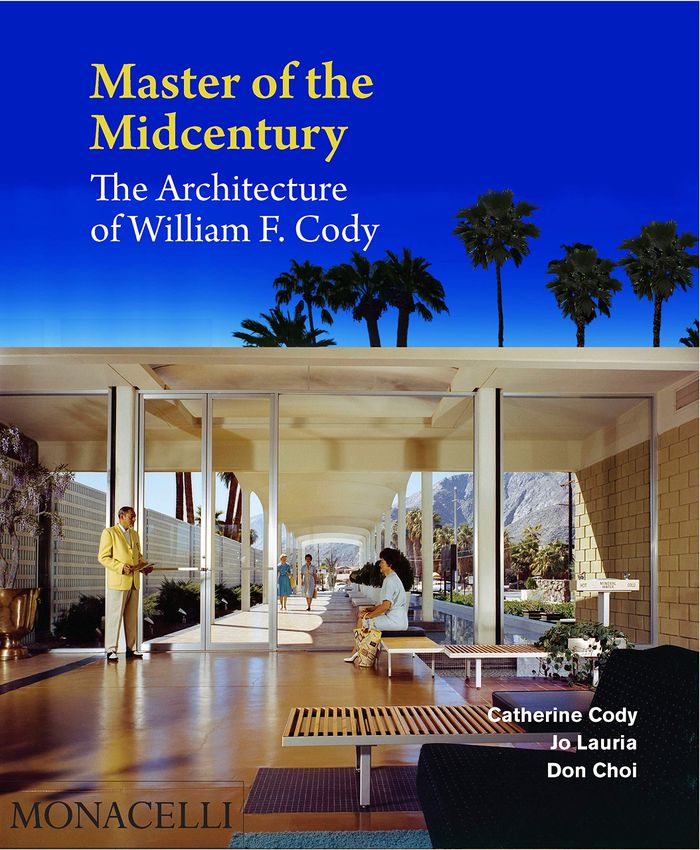
Of the architects who made Palm Springs a crucible of midcentury American modernism, William F. Cody (1916-1978) was one of the most prolific, diverse, and iconic. Directing a practice ranging from residences to commercial centers and industrial complexes to master plans, Cody's designs are so recognizable that they provide visual shorthand for what is widely hailed as "Desert Modern." While his architecture was disciplined and technically innovative, Cody did not practice an austere modernism; he imbued in his projects a love for social spaces, rich with patterns, texture, color, and art. Though the majority of Cody's built work was concentrated in California and Arizona, he had commissions in other western states, Hawaii, Mexico, Honduras, and Cuba. From icons like the Del Marcos Hotel (1946), to inventive country clubs like the Eldorado (1957), to houses for celebrities (Frank Sinatra, Bing Crosby, Walt Disney), Cody's projects defined the emerging West Coast lifestyle that combined luxury, leisure, and experimental design. Cody also pushed the boundaries of engineering, with beams and roof slabs so thin that his buildings seemed to defy gravity.
Master of the midcentury: the architecture of Williiam F. Cody
Actions:
Price:
$79.00
(available to order)
Summary:
Of the architects who made Palm Springs a crucible of midcentury American modernism, William F. Cody (1916-1978) was one of the most prolific, diverse, and iconic. Directing a practice ranging from residences to commercial centers and industrial complexes to master plans, Cody's designs are so recognizable that they provide visual shorthand for what is widely hailed as "Desert Modern." While his architecture was disciplined and technically innovative, Cody did not practice an austere modernism; he imbued in his projects a love for social spaces, rich with patterns, texture, color, and art. Though the majority of Cody's built work was concentrated in California and Arizona, he had commissions in other western states, Hawaii, Mexico, Honduras, and Cuba. From icons like the Del Marcos Hotel (1946), to inventive country clubs like the Eldorado (1957), to houses for celebrities (Frank Sinatra, Bing Crosby, Walt Disney), Cody's projects defined the emerging West Coast lifestyle that combined luxury, leisure, and experimental design. Cody also pushed the boundaries of engineering, with beams and roof slabs so thin that his buildings seemed to defy gravity.
Form:
books
books
Publication:
September 2021
September 2021
Subject:
Architecture Monographs
Architecture Monographs
Form:
books
books
Actions:
Price:
$50.50
(available in store)
Summary:
In the decades after World War II, from just prior to the revolution and into the mid-1980s, modernist architecture blossomed in Cuba, attracting both native talent and leading international architects from Europe. Havana Modern examines Cuban modernism’s highlights with a wealth of archival materials, photos and new scholarship. Edited by Rubén Gallo—author of Mexican(...)
$50.50
(available in store)
Summary:
In the decades after World War II, from just prior to the revolution and into the mid-1980s, modernist architecture blossomed in Cuba, attracting both native talent and leading international architects from Europe. Havana Modern examines Cuban modernism’s highlights with a wealth of archival materials, photos and new scholarship. Edited by Rubén Gallo—author of Mexican(...)
Title:
Havana modern: Critical readings in Cuban architecture
Actions:
Price:
$50.50
(available in store)
Summary:
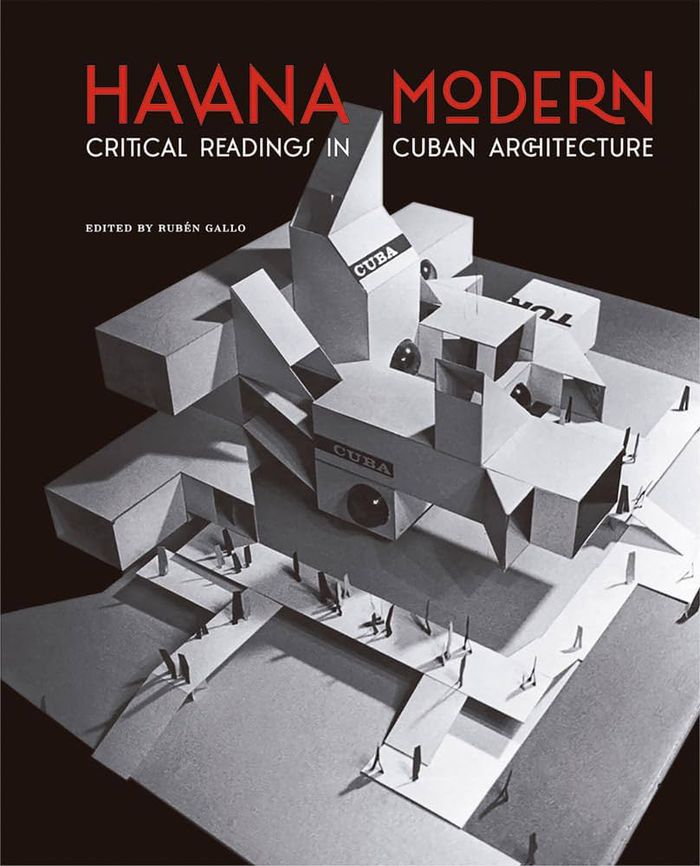
In the decades after World War II, from just prior to the revolution and into the mid-1980s, modernist architecture blossomed in Cuba, attracting both native talent and leading international architects from Europe. Havana Modern examines Cuban modernism’s highlights with a wealth of archival materials, photos and new scholarship. Edited by Rubén Gallo—author of Mexican Modernity (2005), Freud’s Mexico (2010) and Proust’s Latin Americans (2014)—the volume is arranged in 10 chapters authored by current and former Princeton faculty members and graduate students. These essays, which arose from seminars organized by Gallo and historian Beatriz Colomina, examine Max Abramovitz’s American Embassy; Richard Neutra’s De Schultess House; Martín Domínguez Esteban, Miguel Gastón and Emilio del Junco’s Radiocentro; Mies van Der Rohe’s office building for Ron Barcardí S.A.; Vittorio Garatti, Roberto Gottardi and Ricardo Porro’s National Art Schools for Havana; Mario Girona’s Coppelia Ice-cream parlor and park; Vittorio Garatti, Hugo D’Acosta and Sergio Baroni’s Cuban Pavilion at Expo 67; Antonio Quintana and Alberto Rodriguez’s "Edificio Experimental"; and Aleksandr Grigorievich Rochegov’s USRR Embassy. Havana Modern draws on history, politics, culture, literature and film to elucidate this outstandingly rich era in architectural history.
Havana modern: Critical readings in Cuban architecture
Actions:
Price:
$50.50
(available in store)
Summary:
In the decades after World War II, from just prior to the revolution and into the mid-1980s, modernist architecture blossomed in Cuba, attracting both native talent and leading international architects from Europe. Havana Modern examines Cuban modernism’s highlights with a wealth of archival materials, photos and new scholarship. Edited by Rubén Gallo—author of Mexican Modernity (2005), Freud’s Mexico (2010) and Proust’s Latin Americans (2014)—the volume is arranged in 10 chapters authored by current and former Princeton faculty members and graduate students. These essays, which arose from seminars organized by Gallo and historian Beatriz Colomina, examine Max Abramovitz’s American Embassy; Richard Neutra’s De Schultess House; Martín Domínguez Esteban, Miguel Gastón and Emilio del Junco’s Radiocentro; Mies van Der Rohe’s office building for Ron Barcardí S.A.; Vittorio Garatti, Roberto Gottardi and Ricardo Porro’s National Art Schools for Havana; Mario Girona’s Coppelia Ice-cream parlor and park; Vittorio Garatti, Hugo D’Acosta and Sergio Baroni’s Cuban Pavilion at Expo 67; Antonio Quintana and Alberto Rodriguez’s "Edificio Experimental"; and Aleksandr Grigorievich Rochegov’s USRR Embassy. Havana Modern draws on history, politics, culture, literature and film to elucidate this outstandingly rich era in architectural history.
Form:
books
books
Publication:
September 2023
September 2023
Subject:
Architecture since 1900, Americas
Architecture since 1900, Americas
Form:
books
books
Title:
Walker Evans
Walker Evans
Actions:
Price:
$37.50
(available to order)
Summary:
Walker Evans (1903-1975) is best known for documenting the people and living conditions of the American South during the Great Depression. But his photographic accomplishments were much broader than these famous images: modernist views of New York City, such as his Flatiron Building, New York (1928-29) and Brooklyn Bridge (1929); architectural studies of Victorian homes(...)
$37.50
(available to order)
Summary:
Walker Evans (1903-1975) is best known for documenting the people and living conditions of the American South during the Great Depression. But his photographic accomplishments were much broader than these famous images: modernist views of New York City, such as his Flatiron Building, New York (1928-29) and Brooklyn Bridge (1929); architectural studies of Victorian homes(...)
Title:
Walker Evans
Actions:
Price:
$37.50
(available to order)
Summary:
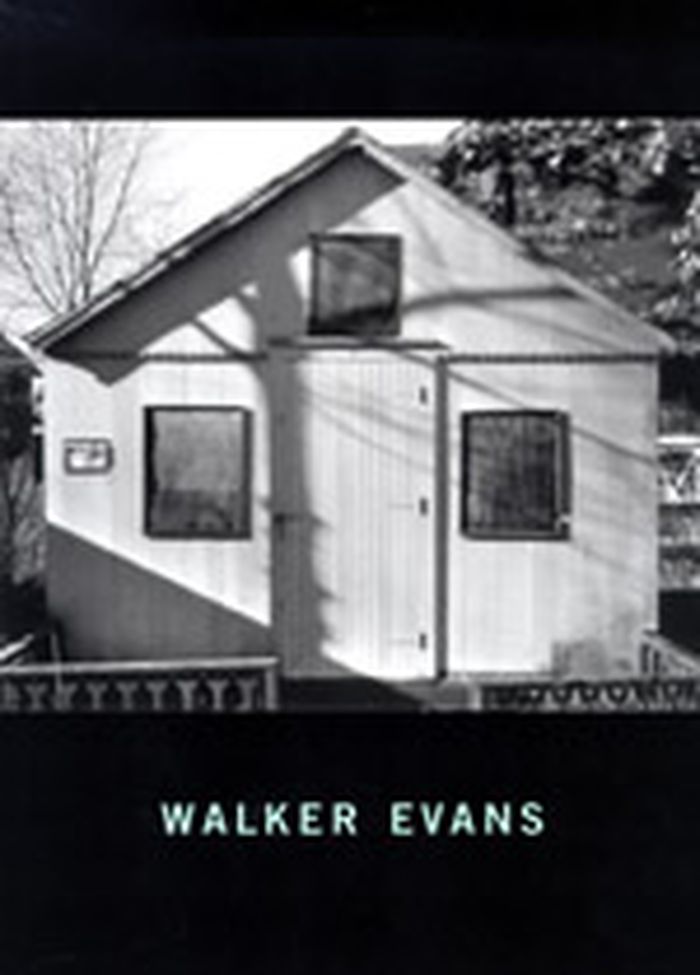
Walker Evans (1903-1975) is best known for documenting the people and living conditions of the American South during the Great Depression. But his photographic accomplishments were much broader than these famous images: modernist views of New York City, such as his Flatiron Building, New York (1928-29) and Brooklyn Bridge (1929); architectural studies of Victorian homes and other buildings in Boston, Cape Cod, Saratoga Springs, and small towns in upstate New York; a series of spontaneous and surreptitious portraits taken on the Manhattan subway; scenes from Cuba in the 1930s; and his commercial assignments as a staff photographer and writer for Fortune magazine. The familiar work from his Farm Security Administration project is also here-views of the rural South immortalized in his collaborative book with James Agee, Let Us Now Praise Famous Men, along with urban images from New Orleans and Savannah. Essays by Christian A. Peterson, associate curator of photography at The Minneapolis Institute of Arts, describe Evans's photographic vision and include information about the acquisition history of many of the photographs in this book. Illustrated with almost one hundred high-quality black-and-white photographs, Walker Evans presents the full breadth of Evans's expansive and varied photographic art.
Walker Evans
Actions:
Price:
$37.50
(available to order)
Summary:
Walker Evans (1903-1975) is best known for documenting the people and living conditions of the American South during the Great Depression. But his photographic accomplishments were much broader than these famous images: modernist views of New York City, such as his Flatiron Building, New York (1928-29) and Brooklyn Bridge (1929); architectural studies of Victorian homes and other buildings in Boston, Cape Cod, Saratoga Springs, and small towns in upstate New York; a series of spontaneous and surreptitious portraits taken on the Manhattan subway; scenes from Cuba in the 1930s; and his commercial assignments as a staff photographer and writer for Fortune magazine. The familiar work from his Farm Security Administration project is also here-views of the rural South immortalized in his collaborative book with James Agee, Let Us Now Praise Famous Men, along with urban images from New Orleans and Savannah. Essays by Christian A. Peterson, associate curator of photography at The Minneapolis Institute of Arts, describe Evans's photographic vision and include information about the acquisition history of many of the photographs in this book. Illustrated with almost one hundred high-quality black-and-white photographs, Walker Evans presents the full breadth of Evans's expansive and varied photographic art.
Form:
books
books
Publication:
July 2003, Minneapolis
July 2003, Minneapolis
Subject:
Photography monographs
Photography monographs
Form:
books
books
Actions:
Price:
$108.00
(available in store)
Summary:
The teachings of Mies van der Rohe and his respect for the effects of space and material has had a great influence on the American architect and artist Gene Summers. Thanks to the technology of the day and Summers’ own creative talents, he was able to help transform Mies’ visions into built structures. For 16 years Gene Summers was a close colleague of Mies, heading(...)
$108.00
(available in store)
Summary:
The teachings of Mies van der Rohe and his respect for the effects of space and material has had a great influence on the American architect and artist Gene Summers. Thanks to the technology of the day and Summers’ own creative talents, he was able to help transform Mies’ visions into built structures. For 16 years Gene Summers was a close colleague of Mies, heading(...)
Title:
Gene Summers : art / architecture
Actions:
Price:
$108.00
(available in store)
Summary:
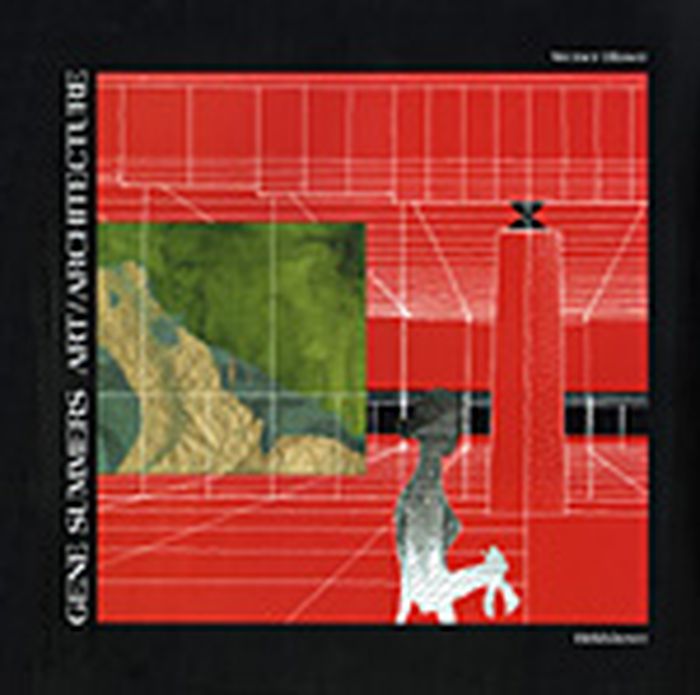
The teachings of Mies van der Rohe and his respect for the effects of space and material has had a great influence on the American architect and artist Gene Summers. Thanks to the technology of the day and Summers’ own creative talents, he was able to help transform Mies’ visions into built structures. For 16 years Gene Summers was a close colleague of Mies, heading his office and working with him on many projects including the Seagram Building in New York, Bacardi’s office buildings in Cuba and Mexico, and Krupps’ offices in Essen. Also working independently, Summers created projects for C.F Murphy Associates, such as the McCormick Convention Centre and the Malcolm X College in Chicago. Later with Ridgway Limited, he was responsible for the the acclaimed restoration of the Biltmore Hotels in Los Angeles. Familiar with bronze as a building material, Summers used his knowledge to design elegant furniture and household objects before devoting himself entirely to producing artworks using this medium. This volume is the first presentation of Gene Summers’ architectural and artistic work, surveying the many areas in which he was active. Phyllis Lambert, founder of the Canadian Centre for Architecture president of the International Confederation of Architectural Museums, provides an enlightening introduction to his work.
Gene Summers : art / architecture
Actions:
Price:
$108.00
(available in store)
Summary:
The teachings of Mies van der Rohe and his respect for the effects of space and material has had a great influence on the American architect and artist Gene Summers. Thanks to the technology of the day and Summers’ own creative talents, he was able to help transform Mies’ visions into built structures. For 16 years Gene Summers was a close colleague of Mies, heading his office and working with him on many projects including the Seagram Building in New York, Bacardi’s office buildings in Cuba and Mexico, and Krupps’ offices in Essen. Also working independently, Summers created projects for C.F Murphy Associates, such as the McCormick Convention Centre and the Malcolm X College in Chicago. Later with Ridgway Limited, he was responsible for the the acclaimed restoration of the Biltmore Hotels in Los Angeles. Familiar with bronze as a building material, Summers used his knowledge to design elegant furniture and household objects before devoting himself entirely to producing artworks using this medium. This volume is the first presentation of Gene Summers’ architectural and artistic work, surveying the many areas in which he was active. Phyllis Lambert, founder of the Canadian Centre for Architecture president of the International Confederation of Architectural Museums, provides an enlightening introduction to his work.
Form:
books
books
Publication:
November 2003, Basel
November 2003, Basel
Subject:
Architecture Monographs
Architecture Monographs
Form:
books
books

Title:
Chris Marker Staring Back
Chris Marker Staring Back
Actions:
Price:
$29.95
(available to order)
Summary:
This title features photographs by one of French cinema's most influential and enigmatic artists.Any new film and any new book by French filmmaker Chris Marker is an event. Marker gave film lovers one of their most memorable experiences with "La Jetee" (1962) - a time-travel montage set after a nuclear war that inspired Terry Gilliam's "Twelve Monkeys" (1995). His still(...)
$29.95
(available to order)
Summary:
This title features photographs by one of French cinema's most influential and enigmatic artists.Any new film and any new book by French filmmaker Chris Marker is an event. Marker gave film lovers one of their most memorable experiences with "La Jetee" (1962) - a time-travel montage set after a nuclear war that inspired Terry Gilliam's "Twelve Monkeys" (1995). His still(...)
Title:
Chris Marker Staring Back
Actions:
Price:
$29.95
(available to order)
Summary:
This title features photographs by one of French cinema's most influential and enigmatic artists.Any new film and any new book by French filmmaker Chris Marker is an event. Marker gave film lovers one of their most memorable experiences with "La Jetee" (1962) - a time-travel montage set after a nuclear war that inspired Terry Gilliam's "Twelve Monkeys" (1995). His still camerawork is not as well known, but Marker has been taking photographs as long as he has been making films. "Staring Back" presents 200 black-and-white photographs from Marker's personal archives, taken from 1952 to 2006. Some of the photographs are related to his classic films (which include "Le Jetee", "Sans Soleil", "Cuba Si!", and "The Case of the Grinning Cat"), others are portraits of famous faces (Simone Signoret, Akira Kurosawa), but most are pictures of people Marker has encountered as he has traveled the world (an extra who appeared in Kurosawa's "Ran", a woman seen on a street in Siberia).The central section of the book contains a series of photographs documenting political protests Marker has witnessed, including the march on the Pentagon in 1967, the events of May 1968 in Paris, and the tumultuous 2006 demonstrations protesting the French government's proposed employment policies.
Chris Marker Staring Back
Actions:
Price:
$29.95
(available to order)
Summary:
This title features photographs by one of French cinema's most influential and enigmatic artists.Any new film and any new book by French filmmaker Chris Marker is an event. Marker gave film lovers one of their most memorable experiences with "La Jetee" (1962) - a time-travel montage set after a nuclear war that inspired Terry Gilliam's "Twelve Monkeys" (1995). His still camerawork is not as well known, but Marker has been taking photographs as long as he has been making films. "Staring Back" presents 200 black-and-white photographs from Marker's personal archives, taken from 1952 to 2006. Some of the photographs are related to his classic films (which include "Le Jetee", "Sans Soleil", "Cuba Si!", and "The Case of the Grinning Cat"), others are portraits of famous faces (Simone Signoret, Akira Kurosawa), but most are pictures of people Marker has encountered as he has traveled the world (an extra who appeared in Kurosawa's "Ran", a woman seen on a street in Siberia).The central section of the book contains a series of photographs documenting political protests Marker has witnessed, including the march on the Pentagon in 1967, the events of May 1968 in Paris, and the tumultuous 2006 demonstrations protesting the French government's proposed employment policies.
Form:
books
books
Publication:
October 2007, Cambridge
October 2007, Cambridge
Subject:
Photography monographs
Photography monographs
Form:
books
books
Actions:
Price:
$16.95
(available in store)
Summary:
In the summer of 2025, nine Western States formally recognized the State of Palestine. This State recognition and the resurrection of the moribund so-called “two-State solution” is combined with a criminalization of calls to liberate Palestine “from the river to the sea.” This issue asks: can liberation ever take the form of a state? Borrowing a phrase Sophia Azeb used(...)
$16.95
(available in store)
Summary:
In the summer of 2025, nine Western States formally recognized the State of Palestine. This State recognition and the resurrection of the moribund so-called “two-State solution” is combined with a criminalization of calls to liberate Palestine “from the river to the sea.” This issue asks: can liberation ever take the form of a state? Borrowing a phrase Sophia Azeb used(...)
Title:
The Funambulist 64: The no-state solution
Actions:
Price:
$16.95
(available in store)
Summary:
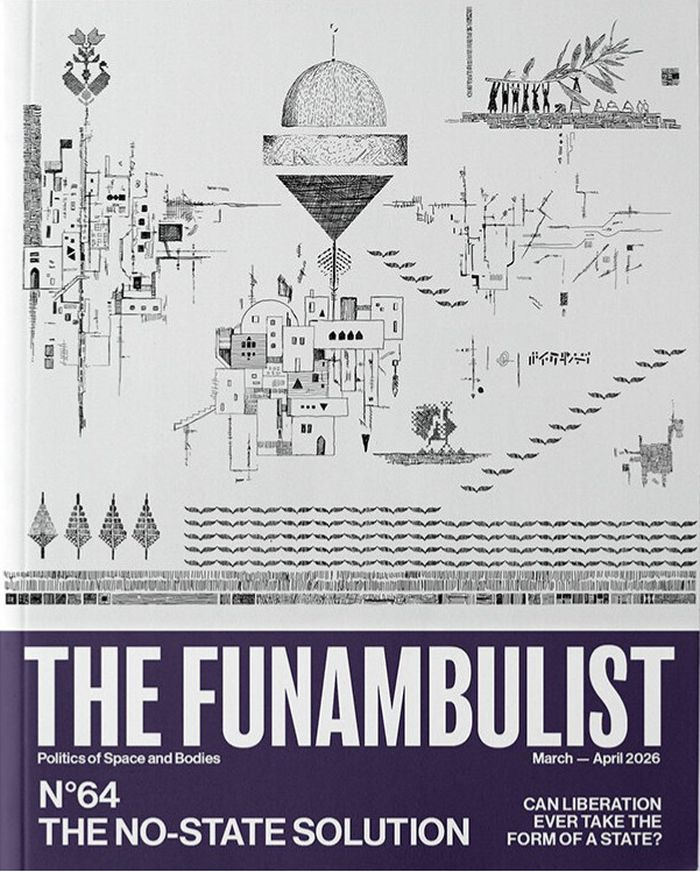
In the summer of 2025, nine Western States formally recognized the State of Palestine. This State recognition and the resurrection of the moribund so-called “two-State solution” is combined with a criminalization of calls to liberate Palestine “from the river to the sea.” This issue asks: can liberation ever take the form of a state? Borrowing a phrase Sophia Azeb used multiple times in the history of The Funambulist (since our first conversation in 2014), The No-State Solution intends to revisit this concept in the context of Palestine in challenging the very idea of “solution” (Sophia Azeb & Rebecca Gross), but also in other liberation struggles such as the Kurdish (Havin Guneser) and Zapatista (Linda Quiquivix) ones. It warns us against state dreams, such as the ones implemented in Sierra Leone and Liberia (what William C. Anderson calls “Black Zionism” in his contribution), and questions the differences between State and community forms of governance, in particular when it comes to healthcare, as made evident in Cuba and Venezuela (Lisbeth Moya González). Finally, it envisions borderless, stateless futures in Aotearoa (Kai-rui Cheng) and Kanaky (Florenda Nirikani). As for the artwork on the cover, it is an original creation by Samir Harb.
The Funambulist 64: The no-state solution
Actions:
Price:
$16.95
(available in store)
Summary:
In the summer of 2025, nine Western States formally recognized the State of Palestine. This State recognition and the resurrection of the moribund so-called “two-State solution” is combined with a criminalization of calls to liberate Palestine “from the river to the sea.” This issue asks: can liberation ever take the form of a state? Borrowing a phrase Sophia Azeb used multiple times in the history of The Funambulist (since our first conversation in 2014), The No-State Solution intends to revisit this concept in the context of Palestine in challenging the very idea of “solution” (Sophia Azeb & Rebecca Gross), but also in other liberation struggles such as the Kurdish (Havin Guneser) and Zapatista (Linda Quiquivix) ones. It warns us against state dreams, such as the ones implemented in Sierra Leone and Liberia (what William C. Anderson calls “Black Zionism” in his contribution), and questions the differences between State and community forms of governance, in particular when it comes to healthcare, as made evident in Cuba and Venezuela (Lisbeth Moya González). Finally, it envisions borderless, stateless futures in Aotearoa (Kai-rui Cheng) and Kanaky (Florenda Nirikani). As for the artwork on the cover, it is an original creation by Samir Harb.
Form:
books
books
Publication:
March 2026
March 2026
Subject:
Magazines
Magazines
Form:
journals and magazines
journals and magazines
Actions:
Price:
$16.95
(available in store)
Summary:
Au cours de l’été 2025, neuf États occidentaux ont officiellement reconnu l’État de Palestine. Cette reconnaissance par les États et la résurrection de la « solution à deux États » moribonde, s’accompagnent d’une criminalisation des appels à la libération de la Palestine « du Jourdain à la Mer ». Ce numéro pose la question suivante : la libération peut-elle prendre la(...)
$16.95
(available in store)
Summary:
Au cours de l’été 2025, neuf États occidentaux ont officiellement reconnu l’État de Palestine. Cette reconnaissance par les États et la résurrection de la « solution à deux États » moribonde, s’accompagnent d’une criminalisation des appels à la libération de la Palestine « du Jourdain à la Mer ». Ce numéro pose la question suivante : la libération peut-elle prendre la(...)
Title:
The Funambulist No. 64 FR : La solution sans état
Actions:
Price:
$16.95
(available in store)
Summary:
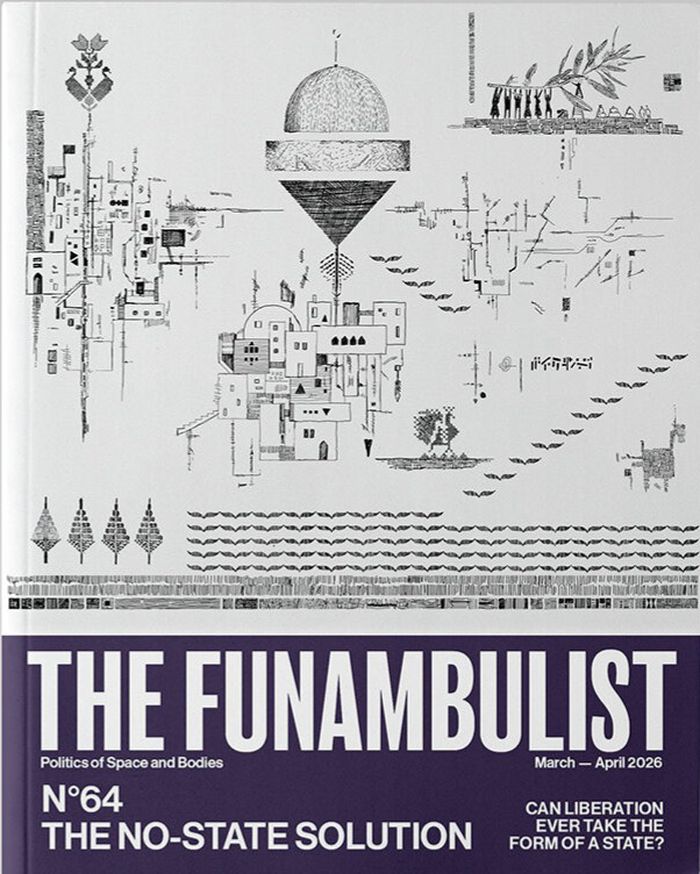
Au cours de l’été 2025, neuf États occidentaux ont officiellement reconnu l’État de Palestine. Cette reconnaissance par les États et la résurrection de la « solution à deux États » moribonde, s’accompagnent d’une criminalisation des appels à la libération de la Palestine « du Jourdain à la Mer ». Ce numéro pose la question suivante : la libération peut-elle prendre la forme d’un État ? Reprenant une expression que Sophia Azeb a utilisée à plusieurs reprises dans l’histoire du Funambulist (depuis notre première conversation en 2014), « La Solution Sans État » entend revisiter ce concept dans le contexte palestinien en remettant en question l’idée même de « solution » (Sophia Azeb & Rebecca Gross), mais aussi dans d’autres luttes de libération telles que celles des peuples kurdes (Havin Guneser) et des Zapatista (Linda Quiquivix). Il nous met en garde contre les rêves étatiques, tels que ceux mis en œuvre en Sierra Leone et au Liberia (ce que William C. Anderson appelle le « sionisme noir » dans sa contribution), et s’interroge sur les différences entre les formes de gouvernance étatiques et celles communautaires, en particulier en matière de santé, comme le montrent les exemples de Cuba et du Venezuela (Lisbeth Moya González). Enfin, il envisage ce à quoi pourrait ressembler des futurs sans frontières et sans États à Aotearoa-Nouvelle Zélande (Kai-rui Cheng) et en Kanaky (Florenda Nirikani). Quant à l’illustration de la couverture, il s’agit d’une création originale de Samir Harb.
The Funambulist No. 64 FR : La solution sans état
Actions:
Price:
$16.95
(available in store)
Summary:
Au cours de l’été 2025, neuf États occidentaux ont officiellement reconnu l’État de Palestine. Cette reconnaissance par les États et la résurrection de la « solution à deux États » moribonde, s’accompagnent d’une criminalisation des appels à la libération de la Palestine « du Jourdain à la Mer ». Ce numéro pose la question suivante : la libération peut-elle prendre la forme d’un État ? Reprenant une expression que Sophia Azeb a utilisée à plusieurs reprises dans l’histoire du Funambulist (depuis notre première conversation en 2014), « La Solution Sans État » entend revisiter ce concept dans le contexte palestinien en remettant en question l’idée même de « solution » (Sophia Azeb & Rebecca Gross), mais aussi dans d’autres luttes de libération telles que celles des peuples kurdes (Havin Guneser) et des Zapatista (Linda Quiquivix). Il nous met en garde contre les rêves étatiques, tels que ceux mis en œuvre en Sierra Leone et au Liberia (ce que William C. Anderson appelle le « sionisme noir » dans sa contribution), et s’interroge sur les différences entre les formes de gouvernance étatiques et celles communautaires, en particulier en matière de santé, comme le montrent les exemples de Cuba et du Venezuela (Lisbeth Moya González). Enfin, il envisage ce à quoi pourrait ressembler des futurs sans frontières et sans États à Aotearoa-Nouvelle Zélande (Kai-rui Cheng) et en Kanaky (Florenda Nirikani). Quant à l’illustration de la couverture, il s’agit d’une création originale de Samir Harb.
Form:
journals and magazines
journals and magazines
Publication:
February 2026
February 2026
Subject:
Magazines
Magazines


