


358 Results
Form:
books
books
Price:
$65.00
(available in store)
Summary:
Filled with drawings, collages, and models, this book examines how each firm’s utopian vision was shaped by the times in which it was conceived. The designs by Archigram, a Londonbased firm headed by Peter Cook, Ron Herron and Dennis Crompton, date back to the moon landing and an era filled with hope for new beginnings. By contrast, the latter project, the work of Future(...)
$65.00
(available in store)
Summary:
Filled with drawings, collages, and models, this book examines how each firm’s utopian vision was shaped by the times in which it was conceived. The designs by Archigram, a Londonbased firm headed by Peter Cook, Ron Herron and Dennis Crompton, date back to the moon landing and an era filled with hope for new beginnings. By contrast, the latter project, the work of Future(...)
Title:
Yesterday's future: visionary designs by Future Systems and Archigram
Actions:
Price:
$65.00
(available in store)
Summary:
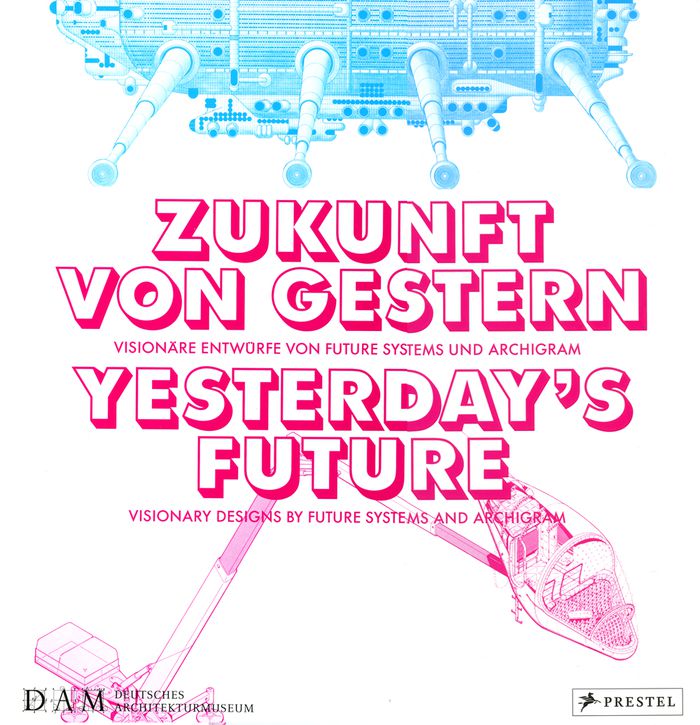
Filled with drawings, collages, and models, this book examines how each firm’s utopian vision was shaped by the times in which it was conceived. The designs by Archigram, a Londonbased firm headed by Peter Cook, Ron Herron and Dennis Crompton, date back to the moon landing and an era filled with hope for new beginnings. By contrast, the latter project, the work of Future Systems, headed by Czech architect Jan Kaplický and David Nixon, was conceptualized at the height of the Cold War, when the future appeared gloomy. While Archigram conceived organic architectures to ensure survival in inhospitable environments, the technical looking designs by Future Systems are intended for use in more friendly climes. Although the majority of these utopian designs were never realized, their plans offer a fascinating look at how architects prepare for a world they can only imagine.
Yesterday's future: visionary designs by Future Systems and Archigram
Actions:
Price:
$65.00
(available in store)
Summary:
Filled with drawings, collages, and models, this book examines how each firm’s utopian vision was shaped by the times in which it was conceived. The designs by Archigram, a Londonbased firm headed by Peter Cook, Ron Herron and Dennis Crompton, date back to the moon landing and an era filled with hope for new beginnings. By contrast, the latter project, the work of Future Systems, headed by Czech architect Jan Kaplický and David Nixon, was conceptualized at the height of the Cold War, when the future appeared gloomy. While Archigram conceived organic architectures to ensure survival in inhospitable environments, the technical looking designs by Future Systems are intended for use in more friendly climes. Although the majority of these utopian designs were never realized, their plans offer a fascinating look at how architects prepare for a world they can only imagine.
Form:
books
books
Publication:
June 2016
June 2016
Subject:
Architecture Monographs
Architecture Monographs
Form:
books
books

Actions:
Price:
$45.95
(available to order)
Summary:
During the Cold War era, the songs that Soviet citizens could listen to were ruthlessly controlled by the state. But a secret underground subculture of music lovers and bootleggers defied the censors, building recording machines and making their own records of forbidden jazz, rock 'n' roll, and Russian music, cut onto used hospital x-ray film. Foregrounding interviews(...)
$45.95
(available to order)
Summary:
During the Cold War era, the songs that Soviet citizens could listen to were ruthlessly controlled by the state. But a secret underground subculture of music lovers and bootleggers defied the censors, building recording machines and making their own records of forbidden jazz, rock 'n' roll, and Russian music, cut onto used hospital x-ray film. Foregrounding interviews(...)
Title:
Bone music: Soviet X-Ray audio
Actions:
Price:
$45.95
(available to order)
Summary:
During the Cold War era, the songs that Soviet citizens could listen to were ruthlessly controlled by the state. But a secret underground subculture of music lovers and bootleggers defied the censors, building recording machines and making their own records of forbidden jazz, rock 'n' roll, and Russian music, cut onto used hospital x-ray film. Foregrounding interviews and oral testimonies gathered over five years, this volume presents the stories of the original bone bootleggers, their customers, musicians, record collectors, and commentators, evoking a spirited resistance to a repressive culture of prohibition and punishment. Richly illustrated with dozens of new images of Soviet x-ray discs and sound letters, the book details how the bootleggers worked, outlining the technical precedents of their techniques, situating their discs in a revised history of recorded media, and bringing a wealth of compelling new detail.
Bone music: Soviet X-Ray audio
Actions:
Price:
$45.95
(available to order)
Summary:
During the Cold War era, the songs that Soviet citizens could listen to were ruthlessly controlled by the state. But a secret underground subculture of music lovers and bootleggers defied the censors, building recording machines and making their own records of forbidden jazz, rock 'n' roll, and Russian music, cut onto used hospital x-ray film. Foregrounding interviews and oral testimonies gathered over five years, this volume presents the stories of the original bone bootleggers, their customers, musicians, record collectors, and commentators, evoking a spirited resistance to a repressive culture of prohibition and punishment. Richly illustrated with dozens of new images of Soviet x-ray discs and sound letters, the book details how the bootleggers worked, outlining the technical precedents of their techniques, situating their discs in a revised history of recorded media, and bringing a wealth of compelling new detail.
Form:
books
books
Publication:
February 2022
February 2022
Subject:
Acoustics
Acoustics
Form:
books
books
Actions:
Price:
$60.00
(available to order)
Summary:
Born into the semiotic seductions of the 1980s, Scottish painter Lucy McKenzie reworks the iconography of that decade to foster associations between the most unlikely sources —East European propaganda murals, German abstract painting, Cold War imagery, industrial typefaces and 1980s synth-pop. To embellish this wide-ranging lexicon, she often collaborates with fashion(...)
$60.00
(available to order)
Summary:
Born into the semiotic seductions of the 1980s, Scottish painter Lucy McKenzie reworks the iconography of that decade to foster associations between the most unlikely sources —East European propaganda murals, German abstract painting, Cold War imagery, industrial typefaces and 1980s synth-pop. To embellish this wide-ranging lexicon, she often collaborates with fashion(...)
Title:
Lucy Mckenzie : chêne de weekend, 2006-2009
Actions:
Price:
$60.00
(available to order)
Summary:
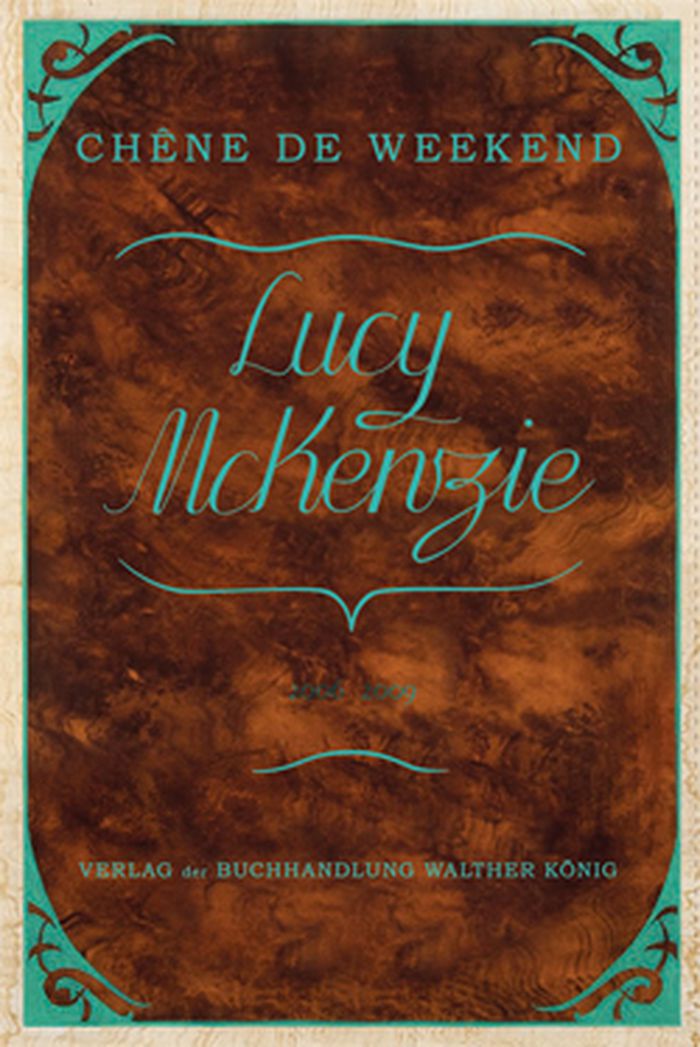
Born into the semiotic seductions of the 1980s, Scottish painter Lucy McKenzie reworks the iconography of that decade to foster associations between the most unlikely sources —East European propaganda murals, German abstract painting, Cold War imagery, industrial typefaces and 1980s synth-pop. To embellish this wide-ranging lexicon, she often collaborates with fashion designers, musicians and interior designers on works that have been exhibited as theatrical sets at museums in Edinburgh, San Francisco, New York and Cologne, winning her an international following. Chêne De Weekend introduces new paintings that reference nineteenth-century trompe l'oeil paintings used for interior design, part of McKenzie's participation in Atelier, an interior design collective. Alongside reproductions of works, it includes a fictional account of her study of trompe l'oeil and an homage to the fashion designer Beca Lipscombe, one of her collaborators in Atelier.
Lucy Mckenzie : chêne de weekend, 2006-2009
Actions:
Price:
$60.00
(available to order)
Summary:
Born into the semiotic seductions of the 1980s, Scottish painter Lucy McKenzie reworks the iconography of that decade to foster associations between the most unlikely sources —East European propaganda murals, German abstract painting, Cold War imagery, industrial typefaces and 1980s synth-pop. To embellish this wide-ranging lexicon, she often collaborates with fashion designers, musicians and interior designers on works that have been exhibited as theatrical sets at museums in Edinburgh, San Francisco, New York and Cologne, winning her an international following. Chêne De Weekend introduces new paintings that reference nineteenth-century trompe l'oeil paintings used for interior design, part of McKenzie's participation in Atelier, an interior design collective. Alongside reproductions of works, it includes a fictional account of her study of trompe l'oeil and an homage to the fashion designer Beca Lipscombe, one of her collaborators in Atelier.
Form:
books
books
Publication:
March 2010
March 2010
Subject:
Contemporary Art Monographs
Contemporary Art Monographs
Form:
books
books

Actions:
Price:
$32.00
(available in store)
Summary:
Architecture is a constant presence in the study of human interaction- acting as both the ground on which human social behavior is performed and a means of shaping subjectivity itself. ''Proxemics'' was an attempt to visualize and instrumentalize these dynamics, appealing to both the social sciences and the emerging field of environmental design. Founded by anthropologist(...)
$32.00
(available in store)
Summary:
Architecture is a constant presence in the study of human interaction- acting as both the ground on which human social behavior is performed and a means of shaping subjectivity itself. ''Proxemics'' was an attempt to visualize and instrumentalize these dynamics, appealing to both the social sciences and the emerging field of environmental design. Founded by anthropologist(...)
Title:
Proxemics and the architecture of social interaction
Actions:
Price:
$32.00
(available in store)
Summary:
Architecture is a constant presence in the study of human interaction- acting as both the ground on which human social behavior is performed and a means of shaping subjectivity itself. ''Proxemics'' was an attempt to visualize and instrumentalize these dynamics, appealing to both the social sciences and the emerging field of environmental design. Founded by anthropologist Edward T. Hall and taking shape between the departments of architecture and anthropology at the Illinois Institute of Technology, proxemics developed amidst cold war political tensions and intense social and civil unrest. ''Proxemics and the Architecture of Social Interaction'' presents selections from Hall’s extensive archive of visual materials alongside a critical analysis that traces transformations in the fields of design and science. Together these materials illuminate a moment in American history when new spatial practices arose to challenge the environmental conditions of cultural, political, and racial identity.
Proxemics and the architecture of social interaction
Actions:
Price:
$32.00
(available in store)
Summary:
Architecture is a constant presence in the study of human interaction- acting as both the ground on which human social behavior is performed and a means of shaping subjectivity itself. ''Proxemics'' was an attempt to visualize and instrumentalize these dynamics, appealing to both the social sciences and the emerging field of environmental design. Founded by anthropologist Edward T. Hall and taking shape between the departments of architecture and anthropology at the Illinois Institute of Technology, proxemics developed amidst cold war political tensions and intense social and civil unrest. ''Proxemics and the Architecture of Social Interaction'' presents selections from Hall’s extensive archive of visual materials alongside a critical analysis that traces transformations in the fields of design and science. Together these materials illuminate a moment in American history when new spatial practices arose to challenge the environmental conditions of cultural, political, and racial identity.
Form:
books
books
Publication:
January 2021
January 2021
Subject:
Architecture ecologies
Architecture ecologies
Form:
books
books

Actions:
Price:
$35.95
(available to order)
Summary:
Many societies have imagined going to live in space. What they want to do once they get up there—whether conquering the unknown, establishing space ''colonies,'' privatising the moon’s resources—reveals more than expected. In this fascinating radical history of space exploration, Fred Scharmen shows that often science and fiction have combined in the imagined dreams of(...)
$35.95
(available to order)
Summary:
Many societies have imagined going to live in space. What they want to do once they get up there—whether conquering the unknown, establishing space ''colonies,'' privatising the moon’s resources—reveals more than expected. In this fascinating radical history of space exploration, Fred Scharmen shows that often science and fiction have combined in the imagined dreams of(...)
Title:
Space forces: a critical history of life in outer space
Actions:
Price:
$35.95
(available to order)
Summary:
Many societies have imagined going to live in space. What they want to do once they get up there—whether conquering the unknown, establishing space ''colonies,'' privatising the moon’s resources—reveals more than expected. In this fascinating radical history of space exploration, Fred Scharmen shows that often science and fiction have combined in the imagined dreams of life in outer space, but these visions have real implications for life back on earth. For the Russian Cosmists of the 1890s space was a place to pursue human perfection away from the Earth. For others, such as Wernher Von Braun, it was an engineering task that combined, in the Space Race, the Cold War, and during World War II, with destructive geopolitics. Arthur C. Clarke, in his speculative books, offered an alternative vision of wonder that is indifferent to human interaction. Meanwhile NASA planned and managed the space station like an earthbound corporation. Today, the market has arrived into outer space and exploration is the plaything of superrich technology billionaires, who plan to privatise the mineral wealth for themselves. Are other worlds really possible? Bringing these figures and ideas together reveals a completely different story of our relationship with outer space, as well as the dangers of our current direction of extractive capitalism and colonisation.
Space forces: a critical history of life in outer space
Actions:
Price:
$35.95
(available to order)
Summary:
Many societies have imagined going to live in space. What they want to do once they get up there—whether conquering the unknown, establishing space ''colonies,'' privatising the moon’s resources—reveals more than expected. In this fascinating radical history of space exploration, Fred Scharmen shows that often science and fiction have combined in the imagined dreams of life in outer space, but these visions have real implications for life back on earth. For the Russian Cosmists of the 1890s space was a place to pursue human perfection away from the Earth. For others, such as Wernher Von Braun, it was an engineering task that combined, in the Space Race, the Cold War, and during World War II, with destructive geopolitics. Arthur C. Clarke, in his speculative books, offered an alternative vision of wonder that is indifferent to human interaction. Meanwhile NASA planned and managed the space station like an earthbound corporation. Today, the market has arrived into outer space and exploration is the plaything of superrich technology billionaires, who plan to privatise the mineral wealth for themselves. Are other worlds really possible? Bringing these figures and ideas together reveals a completely different story of our relationship with outer space, as well as the dangers of our current direction of extractive capitalism and colonisation.
Form:
books
books
Publication:
November 2021
November 2021
Subject:
Architectural Theory
Architectural Theory
Form:
books
books
Price:
$48.99
(available to order)
Summary:
Reinhold Martin and Claire Zimmerman bring together essays from an array of scholars exploring the troubled relationship between architecture and antidemocratic politics. Comprising detailed case studies throughout the world spanning from the early nineteenth century to the present, "Architecture against Democracy" analyzes crucial occasions when the built environment has(...)
$48.99
(available to order)
Summary:
Reinhold Martin and Claire Zimmerman bring together essays from an array of scholars exploring the troubled relationship between architecture and antidemocratic politics. Comprising detailed case studies throughout the world spanning from the early nineteenth century to the present, "Architecture against Democracy" analyzes crucial occasions when the built environment has(...)
Title:
Architecture against democracy: histories of the nationalist international
Actions:
Price:
$48.99
(available to order)
Summary:
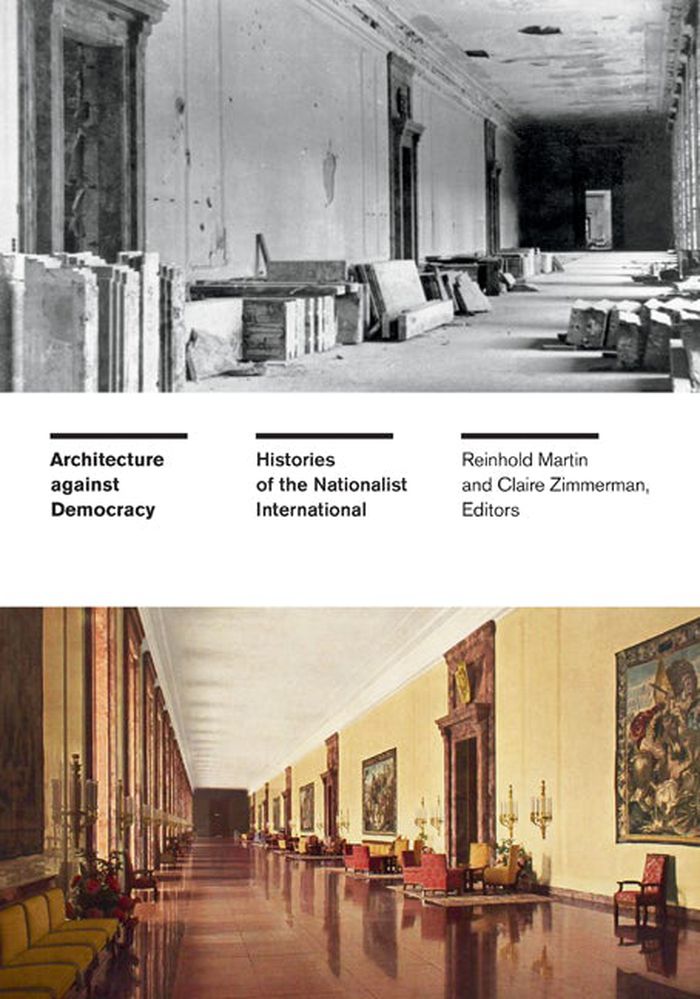
Reinhold Martin and Claire Zimmerman bring together essays from an array of scholars exploring the troubled relationship between architecture and antidemocratic politics. Comprising detailed case studies throughout the world spanning from the early nineteenth century to the present, "Architecture against Democracy" analyzes crucial occasions when the built environment has been harnessed as an instrument of authoritarian power. Alongside chapters focusing on paradigmatic episodes from twentieth-century German and Italian fascism, the contributors examine historic and contemporary events and subjects that are organized thematically, including the founding of the Smithsonian Institution, Ellis Island infrastructure, the aftermath of the Paris Commune, Cold War West Germany and Iraq, Frank Lloyd Wright’s domestic architecture, and Istanbul’s Taksim Square. Through the range and depth of these accounts, "Architecture against Democracy" presents a selective overview of antidemocratic processes as they unfold in the built environment throughout Western modernity, offering an architectural history of the recent "nationalist international."
Architecture against democracy: histories of the nationalist international
Actions:
Price:
$48.99
(available to order)
Summary:
Reinhold Martin and Claire Zimmerman bring together essays from an array of scholars exploring the troubled relationship between architecture and antidemocratic politics. Comprising detailed case studies throughout the world spanning from the early nineteenth century to the present, "Architecture against Democracy" analyzes crucial occasions when the built environment has been harnessed as an instrument of authoritarian power. Alongside chapters focusing on paradigmatic episodes from twentieth-century German and Italian fascism, the contributors examine historic and contemporary events and subjects that are organized thematically, including the founding of the Smithsonian Institution, Ellis Island infrastructure, the aftermath of the Paris Commune, Cold War West Germany and Iraq, Frank Lloyd Wright’s domestic architecture, and Istanbul’s Taksim Square. Through the range and depth of these accounts, "Architecture against Democracy" presents a selective overview of antidemocratic processes as they unfold in the built environment throughout Western modernity, offering an architectural history of the recent "nationalist international."
Form:
books
books
Publication:
April 2024
April 2024
Subject:
Architectural Theory
Architectural Theory
Form:
books
books
Actions:
Price:
$28.95
(available to order)
Summary:
This irreverent survey celebrates the more populist and enduring work in graphic and industrial design that was a product of the Soviet era - a period that remains politically sensitive and under-explored, yet whose influence on the objects and aesthetics of Russian life and thought has been profound. "Made in Russia" presents fifty such masterpieces, from pioneers of(...)
$28.95
(available to order)
Summary:
This irreverent survey celebrates the more populist and enduring work in graphic and industrial design that was a product of the Soviet era - a period that remains politically sensitive and under-explored, yet whose influence on the objects and aesthetics of Russian life and thought has been profound. "Made in Russia" presents fifty such masterpieces, from pioneers of(...)
Title:
Made in Russia: unsung icons of Soviet design
Actions:
Price:
$28.95
(available to order)
Summary:
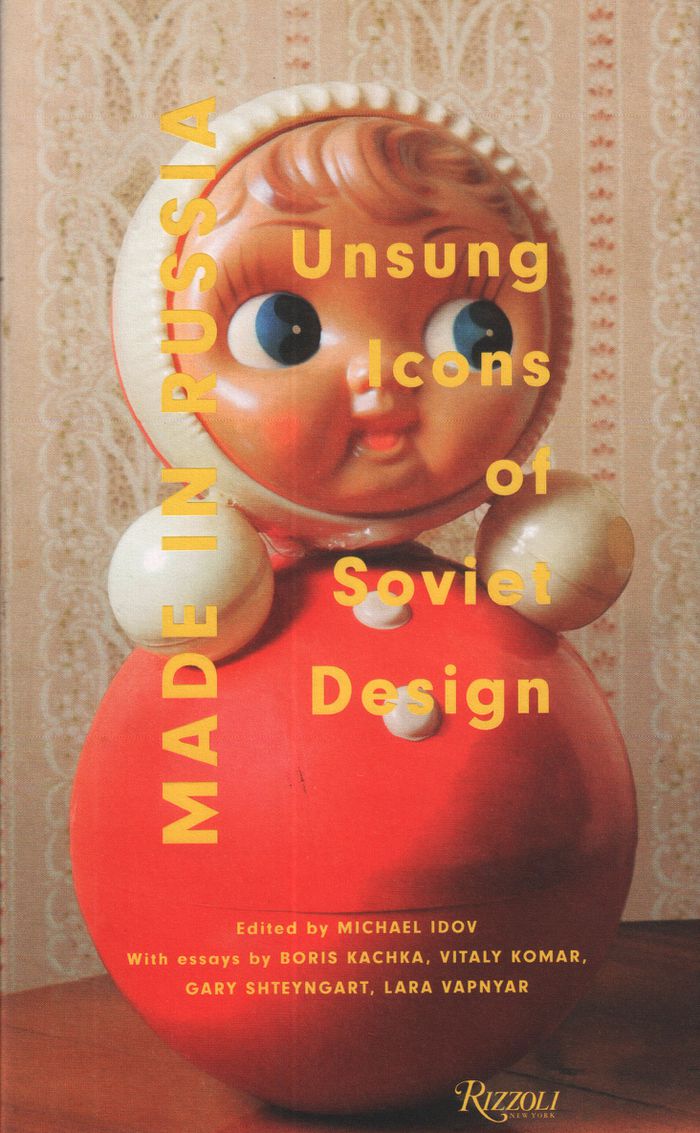
This irreverent survey celebrates the more populist and enduring work in graphic and industrial design that was a product of the Soviet era - a period that remains politically sensitive and under-explored, yet whose influence on the objects and aesthetics of Russian life and thought has been profound. "Made in Russia" presents fifty such masterpieces, from pioneers of Soviet technology such as the Sputnik, the Buran snowmobile, and the LOMO camera to icons of quotidian culture such as the fishnet shopping bag, the beveled glass, a Cold War-inspired arcade game, and Misha the Olympic bear. Edited by the journalist and author Michael Idov - a Soviet product himself - and including essays from Boris Kachka, Vitaly Komar, Gary Shteyngart, and Lara Vapnyar, the collection explores the provenance of these objects in the forgotten Soviet culture and the unique climate for design from which they could only have emerged.
Made in Russia: unsung icons of Soviet design
Actions:
Price:
$28.95
(available to order)
Summary:
This irreverent survey celebrates the more populist and enduring work in graphic and industrial design that was a product of the Soviet era - a period that remains politically sensitive and under-explored, yet whose influence on the objects and aesthetics of Russian life and thought has been profound. "Made in Russia" presents fifty such masterpieces, from pioneers of Soviet technology such as the Sputnik, the Buran snowmobile, and the LOMO camera to icons of quotidian culture such as the fishnet shopping bag, the beveled glass, a Cold War-inspired arcade game, and Misha the Olympic bear. Edited by the journalist and author Michael Idov - a Soviet product himself - and including essays from Boris Kachka, Vitaly Komar, Gary Shteyngart, and Lara Vapnyar, the collection explores the provenance of these objects in the forgotten Soviet culture and the unique climate for design from which they could only have emerged.
Form:
books
books
Publication:
April 2011
April 2011
Subject:
Current Exhibitions
Current Exhibitions
Form:
books
books
Price:
$25.95
(available to order)
Summary:
In the late 1960s the world was faced with impending disaster: the height of the Cold War, the end of oil and the decline of great cities throughout the world. Out of this crisis came a new generation that hoped to build a better future, influenced by visions of geodesic domes, walking cities and a meaningful connection with nature. In this work of cultural history,(...)
$25.95
(available to order)
Summary:
In the late 1960s the world was faced with impending disaster: the height of the Cold War, the end of oil and the decline of great cities throughout the world. Out of this crisis came a new generation that hoped to build a better future, influenced by visions of geodesic domes, walking cities and a meaningful connection with nature. In this work of cultural history,(...)
Title:
Last futures: natures, technology and the end of architecture
Actions:
Price:
$25.95
(available to order)
Summary:
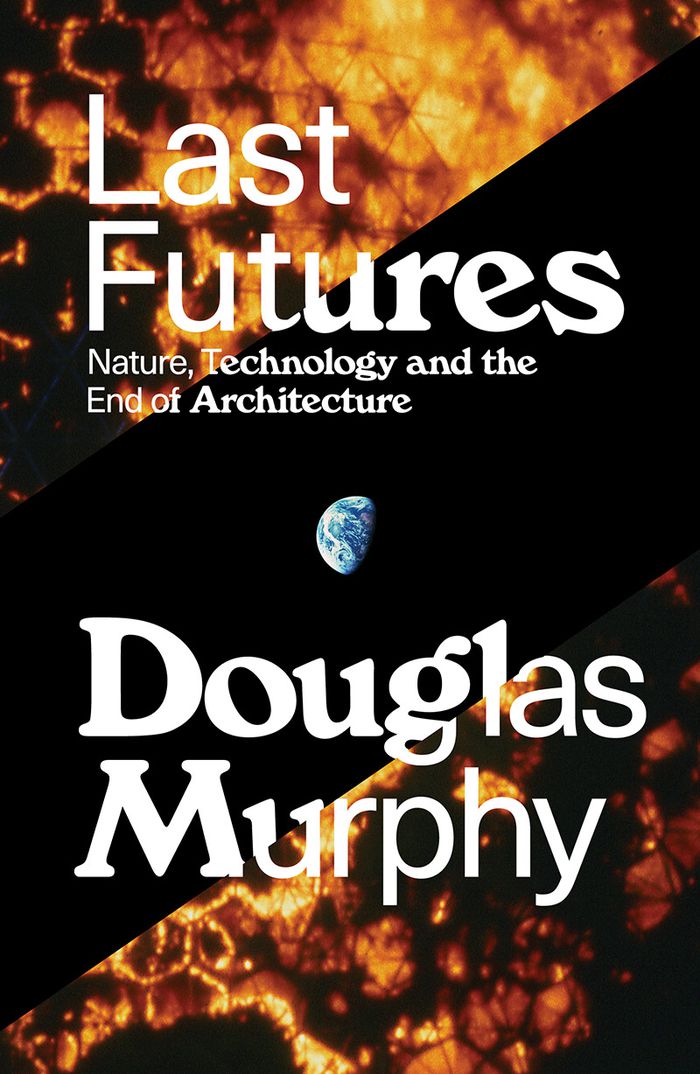
In the late 1960s the world was faced with impending disaster: the height of the Cold War, the end of oil and the decline of great cities throughout the world. Out of this crisis came a new generation that hoped to build a better future, influenced by visions of geodesic domes, walking cities and a meaningful connection with nature. In this work of cultural history, architect Douglas Murphy traces the lost archeology of the present day through the works of thinkers and designers such as Buckminster Fuller, the ecological pioneer Stewart Brand, the Archigram architects who envisioned the Plug-In City in the ’60s, as well as co-operatives in Vienna, communes in the Californian desert and protesters on the streets of Paris. In this mind-bending account of the last avant-garde, we see not just the source of our current problems but also some powerful alternative futures.
Last futures: natures, technology and the end of architecture
Actions:
Price:
$25.95
(available to order)
Summary:
In the late 1960s the world was faced with impending disaster: the height of the Cold War, the end of oil and the decline of great cities throughout the world. Out of this crisis came a new generation that hoped to build a better future, influenced by visions of geodesic domes, walking cities and a meaningful connection with nature. In this work of cultural history, architect Douglas Murphy traces the lost archeology of the present day through the works of thinkers and designers such as Buckminster Fuller, the ecological pioneer Stewart Brand, the Archigram architects who envisioned the Plug-In City in the ’60s, as well as co-operatives in Vienna, communes in the Californian desert and protesters on the streets of Paris. In this mind-bending account of the last avant-garde, we see not just the source of our current problems but also some powerful alternative futures.
Form:
books
books
Publication:
July 2022
July 2022
Subject:
Architecture ecologies
Architecture ecologies
Form:
books
books
Price:
$35.00
(available to order)
Summary:
In the late 1960s the world was faced with impending disaster: the height of the Cold War, the end of oil and the decline of great cities throughout the world. Out of this crisis came a new generation that hoped to build a better future, influenced by visions of geodesic domes, walking cities and a meaningful connection with nature. In this brilliant work of cultural(...)
$35.00
(available to order)
Summary:
In the late 1960s the world was faced with impending disaster: the height of the Cold War, the end of oil and the decline of great cities throughout the world. Out of this crisis came a new generation that hoped to build a better future, influenced by visions of geodesic domes, walking cities and a meaningful connection with nature. In this brilliant work of cultural(...)
Publication:
October 2015
October 2015
Title:
Last futures : nature, technology and the end of architecture
Actions:
Price:
$35.00
(available to order)
Summary:
In the late 1960s the world was faced with impending disaster: the height of the Cold War, the end of oil and the decline of great cities throughout the world. Out of this crisis came a new generation that hoped to build a better future, influenced by visions of geodesic domes, walking cities and a meaningful connection with nature. In this brilliant work of cultural history, architect Douglas Murphy traces the lost archeology of the present day through the works of thinkers and designers such as Buckminster Fuller, the ecological pioneer Stewart Brand, the Archigram architects who envisioned the Plug-In City in the ’60s, as well as co-operatives in Vienna, communes in the Californian desert and protesters on the streets of Paris. In this mind-bending account of the last avant-garde, we see not just the source of our current problems but also some powerful alternative futures.
Last futures : nature, technology and the end of architecture
Actions:
Price:
$35.00
(available to order)
Summary:
In the late 1960s the world was faced with impending disaster: the height of the Cold War, the end of oil and the decline of great cities throughout the world. Out of this crisis came a new generation that hoped to build a better future, influenced by visions of geodesic domes, walking cities and a meaningful connection with nature. In this brilliant work of cultural history, architect Douglas Murphy traces the lost archeology of the present day through the works of thinkers and designers such as Buckminster Fuller, the ecological pioneer Stewart Brand, the Archigram architects who envisioned the Plug-In City in the ’60s, as well as co-operatives in Vienna, communes in the Californian desert and protesters on the streets of Paris. In this mind-bending account of the last avant-garde, we see not just the source of our current problems but also some powerful alternative futures.
Form:
books
books
Publication:
October 2015
October 2015
Form:
books
books
Title:
Videotape: Object lessons
Videotape: Object lessons
Actions:
Price:
$21.95
(available to order)
Summary:
Over the span of a single decade, VHS technology changed the relationship between privacy and entertainment, pried open the closed societies behind the Iron Curtain, and then sank back into oblivion. Its meteoric rise and fall encapsulated the dynamics of the '80s and foreshadowed the seismic cultural shifts to come after the Cold War. In the West, its advent deepened the(...)
$21.95
(available to order)
Summary:
Over the span of a single decade, VHS technology changed the relationship between privacy and entertainment, pried open the closed societies behind the Iron Curtain, and then sank back into oblivion. Its meteoric rise and fall encapsulated the dynamics of the '80s and foreshadowed the seismic cultural shifts to come after the Cold War. In the West, its advent deepened the(...)
Publication:
September 2025
September 2025
Title:
Videotape: Object lessons
Actions:
Price:
$21.95
(available to order)
Summary:
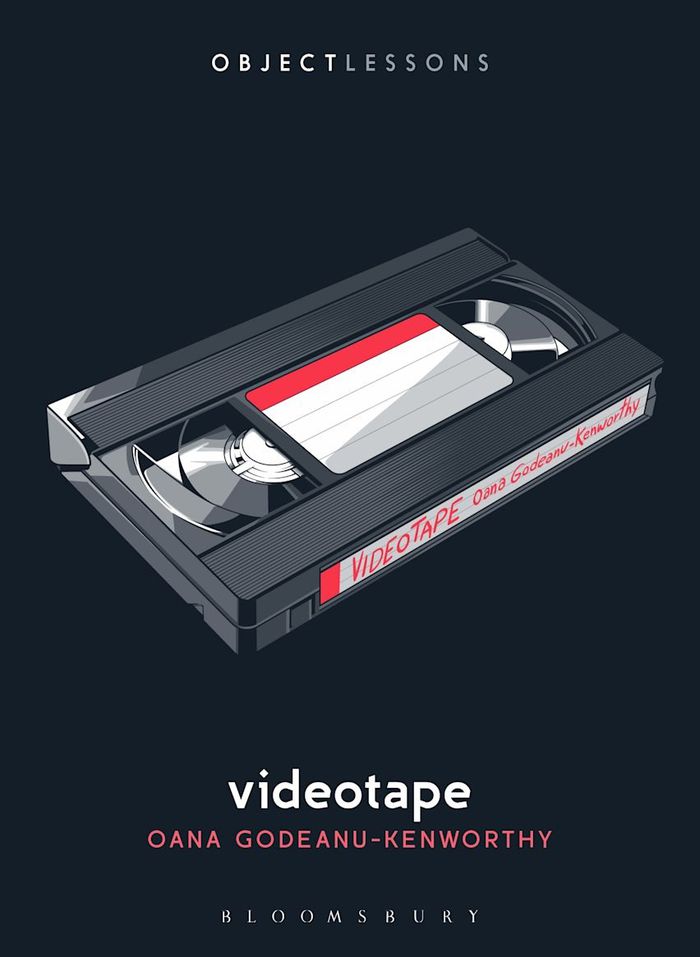
Over the span of a single decade, VHS technology changed the relationship between privacy and entertainment, pried open the closed societies behind the Iron Curtain, and then sank back into oblivion. Its meteoric rise and fall encapsulated the dynamics of the '80s and foreshadowed the seismic cultural shifts to come after the Cold War. In the West, its advent deepened the trends of the age: individualism, consumerism, the fragmentation of society, and the consolidation of corporate power in the entertainment industry and its victory over the regulatory powers of the state. In the East, it encouraged new forms of socialization and economic exchanges, while announcing the gradual crumbling of government control over the imagination of the people. By the mid-1990s, the VHS format was displaced by the DVD. The DVD would eventually give way to streaming. Yet the cultural legacy of the videotape continues to inform our relationship to technology, privacy, and to entertainment.
Videotape: Object lessons
Actions:
Price:
$21.95
(available to order)
Summary:
Over the span of a single decade, VHS technology changed the relationship between privacy and entertainment, pried open the closed societies behind the Iron Curtain, and then sank back into oblivion. Its meteoric rise and fall encapsulated the dynamics of the '80s and foreshadowed the seismic cultural shifts to come after the Cold War. In the West, its advent deepened the trends of the age: individualism, consumerism, the fragmentation of society, and the consolidation of corporate power in the entertainment industry and its victory over the regulatory powers of the state. In the East, it encouraged new forms of socialization and economic exchanges, while announcing the gradual crumbling of government control over the imagination of the people. By the mid-1990s, the VHS format was displaced by the DVD. The DVD would eventually give way to streaming. Yet the cultural legacy of the videotape continues to inform our relationship to technology, privacy, and to entertainment.
Form:
books
books
Publication:
September 2025
September 2025


