


5849 Results
Form:
exhibitions
exhibitions
Description:
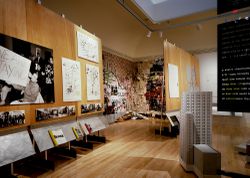
In the 1980s and 1990s, the trend in urban design shifted from the global planning approach—exemplified by the urban master plans of the 1950s and 1960s—to a sector based approach favouring gradual change rather than the rebuilding of cities. Urban Revisions: Current Projects for the Public Realm examines the physical and social space of the city, as seen by contemporary(...)
In the 1980s and 1990s, the trend in urban design shifted from the global planning approach—exemplified by the urban master plans of the 1950s and 1960s—to a sector based approach favouring gradual change rather than the rebuilding of cities. Urban Revisions: Current Projects for the Public Realm examines the physical and social space of the city, as seen by contemporary(...)
Location:
Main galleries
Main galleries
Date:
19 October 1994 to 8 January 1995
19 October 1994 to 8 January 1995
Title:
Urban Revisions: Current Projects for the Public Realm
Actions:
Description:
In the 1980s and 1990s, the trend in urban design shifted from the global planning approach—exemplified by the urban master plans of the 1950s and 1960s—to a sector based approach favouring gradual change rather than the rebuilding of cities. Urban Revisions: Current Projects for the Public Realm examines the physical and social space of the city, as seen by contemporary(...)
Urban Revisions: Current Projects for the Public Realm
Actions:
Description:
In the 1980s and 1990s, the trend in urban design shifted from the global planning approach—exemplified by the urban master plans of the 1950s and 1960s—to a sector based approach favouring gradual change rather than the rebuilding of cities. Urban Revisions: Current Projects for the Public Realm examines the physical and social space of the city, as seen by contemporary(...)
Form:
exhibitions
exhibitions
Date:
19 October 1994 to
8 January 1995
19 October 1994 to
8 January 1995
Location:
Main galleries
Main galleries
Form:
events
events
Actions:
Description:
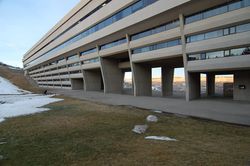
Michelangelo Sabatino, 2011 Visiting Scholar, offers an overview of Arthur Erickson’s contribution to shaping the city of the 20th century, drawn from his forthcoming book Arthur Erickson : Architectural Environments. Click here for the Facebook event.
Michelangelo Sabatino, 2011 Visiting Scholar, offers an overview of Arthur Erickson’s contribution to shaping the city of the 20th century, drawn from his forthcoming book Arthur Erickson : Architectural Environments. Click here for the Facebook event.
Location:
Shaughnessy House
Presented in English Keyword(s):
Michelangelo Sabatino, visiting scholar seminar
Shaughnessy House
Presented in English Keyword(s):
Michelangelo Sabatino, visiting scholar seminar
Date:
11 August 2011, 6pm
11 August 2011, 6pm
Title:
Visiting Scholar Seminar: Michelangelo Sabatino
Actions:
Description:
Michelangelo Sabatino, 2011 Visiting Scholar, offers an overview of Arthur Erickson’s contribution to shaping the city of the 20th century, drawn from his forthcoming book Arthur Erickson : Architectural Environments. Click here for the Facebook event.
Visiting Scholar Seminar: Michelangelo Sabatino
Actions:
Description:
Michelangelo Sabatino, 2011 Visiting Scholar, offers an overview of Arthur Erickson’s contribution to shaping the city of the 20th century, drawn from his forthcoming book Arthur Erickson : Architectural Environments. Click here for the Facebook event.
Form:
events
events
Date:
11 August 2011
6pm
11 August 2011
6pm
Location:
Shaughnessy House
Presented in English Keyword(s):
Michelangelo Sabatino, visiting scholar seminar
Shaughnessy House
Presented in English Keyword(s):
Michelangelo Sabatino, visiting scholar seminar
Form:
articles
articles
Title:
Are You Afraid of the Dark?
Are You Afraid of the Dark?
Actions:
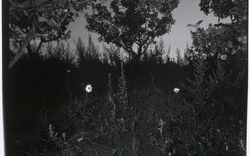
Zainab Marvi on how superstitions regulate women's urban experience in Karachi
Title:
Are You Afraid of the Dark?
Zainab Marvi on how superstitions regulate women's urban experience in Karachi
Actions:
Are You Afraid of the Dark?
Zainab Marvi on how superstitions regulate women's urban experience in Karachi
Actions:
Issue:
Keep Safe
Keep Safe
Form:
events
events
Actions:
Description:
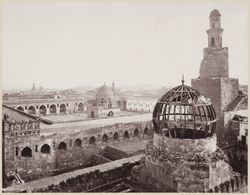
Topic: Late 19th-century photography of Arab cities: perception and reception of Islamic architectural and urban features Presentation: Hidden perceptions of the “Islamic” city in early photography
Topic: Late 19th-century photography of Arab cities: perception and reception of Islamic architectural and urban features Presentation: Hidden perceptions of the “Islamic” city in early photography
Date:
4 July 2013
4 July 2013
Title:
Visiting Scholar Seminar: Jorge Manuel Simão Alvez Correia
Actions:
Description:
Topic: Late 19th-century photography of Arab cities: perception and reception of Islamic architectural and urban features Presentation: Hidden perceptions of the “Islamic” city in early photography
Visiting Scholar Seminar: Jorge Manuel Simão Alvez Correia
Actions:
Description:
Topic: Late 19th-century photography of Arab cities: perception and reception of Islamic architectural and urban features Presentation: Hidden perceptions of the “Islamic” city in early photography
Form:
events
events
Date:
4 July 2013
4 July 2013
Form:
events
events
Actions:
Description:
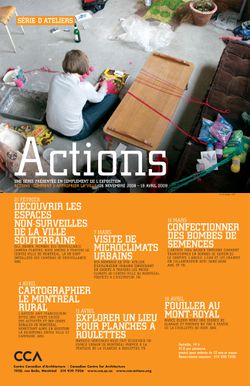
Members of the Montréal collective SYN-atelier d’exploration urbaine present a workshop investigating urban microclimates in downtown Montréal. Caused by particular conditions in urban construction, microclimates are environments that have surprising temperature variations — a building courtyard that is several degrees warmer than the street or a windy alley many degrees(...)
Members of the Montréal collective SYN-atelier d’exploration urbaine present a workshop investigating urban microclimates in downtown Montréal. Caused by particular conditions in urban construction, microclimates are environments that have surprising temperature variations — a building courtyard that is several degrees warmer than the street or a windy alley many degrees(...)
Date:
7 March 2009
7 March 2009
Title:
Exploring Urban Microclimates
Actions:
Description:
Members of the Montréal collective SYN-atelier d’exploration urbaine present a workshop investigating urban microclimates in downtown Montréal. Caused by particular conditions in urban construction, microclimates are environments that have surprising temperature variations — a building courtyard that is several degrees warmer than the street or a windy alley many degrees(...)
Exploring Urban Microclimates
Actions:
Description:
Members of the Montréal collective SYN-atelier d’exploration urbaine present a workshop investigating urban microclimates in downtown Montréal. Caused by particular conditions in urban construction, microclimates are environments that have surprising temperature variations — a building courtyard that is several degrees warmer than the street or a windy alley many degrees(...)
Form:
events
events
Date:
7 March 2009
7 March 2009
Form:
events
events
Title:
Learning from… Toronto
Learning from… Toronto
Actions:
Description:
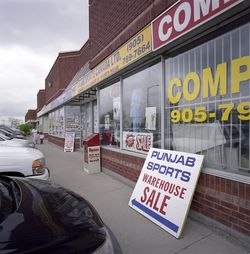
Ian Chodikoff, architect, urban designer, and editor of Canadian Architect magazine, presents his research on the contemporary suburb and how the influences of ethnic diversity and multiculturalism affect architecture and urban design within the suburban landscape across the Greater Toronto Area (GTA). Today’s suburbs are more ethnically diverse, globally connected and(...)
Ian Chodikoff, architect, urban designer, and editor of Canadian Architect magazine, presents his research on the contemporary suburb and how the influences of ethnic diversity and multiculturalism affect architecture and urban design within the suburban landscape across the Greater Toronto Area (GTA). Today’s suburbs are more ethnically diverse, globally connected and(...)
Location:
Paul Desmarais Theatre
Paul Desmarais Theatre
Date:
4 March 2010 , 7pm
4 March 2010 , 7pm
Title:
Learning from… Toronto
Actions:
Description:
Ian Chodikoff, architect, urban designer, and editor of Canadian Architect magazine, presents his research on the contemporary suburb and how the influences of ethnic diversity and multiculturalism affect architecture and urban design within the suburban landscape across the Greater Toronto Area (GTA). Today’s suburbs are more ethnically diverse, globally connected and(...)
Learning from… Toronto
Actions:
Description:
Ian Chodikoff, architect, urban designer, and editor of Canadian Architect magazine, presents his research on the contemporary suburb and how the influences of ethnic diversity and multiculturalism affect architecture and urban design within the suburban landscape across the Greater Toronto Area (GTA). Today’s suburbs are more ethnically diverse, globally connected and(...)
Form:
events
events
Date:
4 March 2010
7pm
4 March 2010
7pm
Location:
Paul Desmarais Theatre
Paul Desmarais Theatre
Form:
events
events
Title:
I for Interface
(Part II)
I for Interface
(Part II)
Actions:
Description:
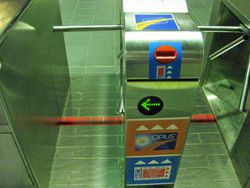
The second in a series of two events, this is a participatory design workshop that gathers residents and people interested in how information technology can improve the urban experience of Montreal.
The second in a series of two events, this is a participatory design workshop that gathers residents and people interested in how information technology can improve the urban experience of Montreal.
Date:
8 December 2012, 2pm - 5pm
8 December 2012, 2pm - 5pm
Title:
I for Interface
(Part II)
Actions:
Description:
The second in a series of two events, this is a participatory design workshop that gathers residents and people interested in how information technology can improve the urban experience of Montreal.
I for Interface
(Part II)
Actions:
Description:
The second in a series of two events, this is a participatory design workshop that gathers residents and people interested in how information technology can improve the urban experience of Montreal.
Form:
events
events
Date:
8 December 2012
2pm - 5pm
8 December 2012
2pm - 5pm
Form:
events
events

Title:
Learning from... Ordos
Learning from... Ordos
Actions:
Description:
The coal- and gas-rich city of Ordos in northern China boasts a new central district devoid of people. The contemporary city centre was built from scratch on the arid Mongolian steppe at a cost of over $161 billion, and was projected to house over 1 million people. Currently, the government claims that 28,000 reside in the new area. Despite the lack of residents, property(...)
The coal- and gas-rich city of Ordos in northern China boasts a new central district devoid of people. The contemporary city centre was built from scratch on the arid Mongolian steppe at a cost of over $161 billion, and was projected to house over 1 million people. Currently, the government claims that 28,000 reside in the new area. Despite the lack of residents, property(...)
Location:
Paul-Desmarais Theatre
Paul-Desmarais Theatre
Date:
8 November 2012 , 7pm
8 November 2012 , 7pm
Title:
Learning from... Ordos
Actions:
Description:
The coal- and gas-rich city of Ordos in northern China boasts a new central district devoid of people. The contemporary city centre was built from scratch on the arid Mongolian steppe at a cost of over $161 billion, and was projected to house over 1 million people. Currently, the government claims that 28,000 reside in the new area. Despite the lack of residents, property(...)
Learning from... Ordos
Actions:
Description:
The coal- and gas-rich city of Ordos in northern China boasts a new central district devoid of people. The contemporary city centre was built from scratch on the arid Mongolian steppe at a cost of over $161 billion, and was projected to house over 1 million people. Currently, the government claims that 28,000 reside in the new area. Despite the lack of residents, property(...)
Form:
events
events
Date:
8 November 2012
7pm
8 November 2012
7pm
Location:
Paul-Desmarais Theatre
Paul-Desmarais Theatre
Form:
exhibitions
exhibitions

Description:
The New Spirit: Modern Architecture in Vancouver, 1938–1963 looks at key buildings and projects from an exhilarating epoch in Vancouver’s history through design drawings, period photographs, furniture, and decoration. In the years following the Second World War, Vancouver emerged as a city with a particularly vital and progressive architectural culture, adapting the(...)
The New Spirit: Modern Architecture in Vancouver, 1938–1963 looks at key buildings and projects from an exhilarating epoch in Vancouver’s history through design drawings, period photographs, furniture, and decoration. In the years following the Second World War, Vancouver emerged as a city with a particularly vital and progressive architectural culture, adapting the(...)
Location:
Main galleries
Main galleries
Date:
5 March 1997 to 25 May 1997
5 March 1997 to 25 May 1997
Title:
The New Spirit: Modern Architecture in Vancouver, 1938-1963
Actions:
Description:
The New Spirit: Modern Architecture in Vancouver, 1938–1963 looks at key buildings and projects from an exhilarating epoch in Vancouver’s history through design drawings, period photographs, furniture, and decoration. In the years following the Second World War, Vancouver emerged as a city with a particularly vital and progressive architectural culture, adapting the(...)
The New Spirit: Modern Architecture in Vancouver, 1938-1963
Actions:
Description:
The New Spirit: Modern Architecture in Vancouver, 1938–1963 looks at key buildings and projects from an exhilarating epoch in Vancouver’s history through design drawings, period photographs, furniture, and decoration. In the years following the Second World War, Vancouver emerged as a city with a particularly vital and progressive architectural culture, adapting the(...)
Form:
exhibitions
exhibitions
Date:
5 March 1997 to
25 May 1997
5 March 1997 to
25 May 1997
Location:
Main galleries
Main galleries
Form:
events
events
Title:
I for Interface
(Part I)
I for Interface
(Part I)
Actions:
Description:
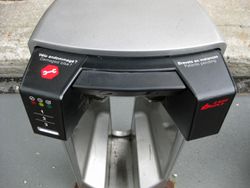
In the first of this two-part workshop, participants examine how public interfaces shape the experience of contemporary Montréal and how the design of public interfaces can improve the experience of daily life in Montréal for its citizens and visitors.
In the first of this two-part workshop, participants examine how public interfaces shape the experience of contemporary Montréal and how the design of public interfaces can improve the experience of daily life in Montréal for its citizens and visitors.
Date:
1 December 2012, 2pm - 5pm
1 December 2012, 2pm - 5pm
Title:
I for Interface
(Part I)
Actions:
Description:
In the first of this two-part workshop, participants examine how public interfaces shape the experience of contemporary Montréal and how the design of public interfaces can improve the experience of daily life in Montréal for its citizens and visitors.
I for Interface
(Part I)
Actions:
Description:
In the first of this two-part workshop, participants examine how public interfaces shape the experience of contemporary Montréal and how the design of public interfaces can improve the experience of daily life in Montréal for its citizens and visitors.
Form:
events
events
Date:
1 December 2012
2pm - 5pm
1 December 2012
2pm - 5pm


