


6599 Results
Form:
events
events
Title:
Learning from… Toronto
Learning from… Toronto
Actions:
Description:
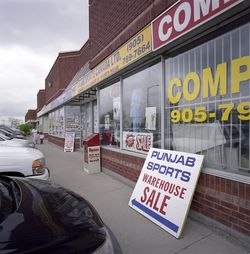
Ian Chodikoff, architect, urban designer, and editor of Canadian Architect magazine, presents his research on the contemporary suburb and how the influences of ethnic diversity and multiculturalism affect architecture and urban design within the suburban landscape across the Greater Toronto Area (GTA). Today’s suburbs are more ethnically diverse, globally connected and(...)
Ian Chodikoff, architect, urban designer, and editor of Canadian Architect magazine, presents his research on the contemporary suburb and how the influences of ethnic diversity and multiculturalism affect architecture and urban design within the suburban landscape across the Greater Toronto Area (GTA). Today’s suburbs are more ethnically diverse, globally connected and(...)
Location:
Paul Desmarais Theatre
Paul Desmarais Theatre
Date:
4 March 2010 , 7pm
4 March 2010 , 7pm
Title:
Learning from… Toronto
Actions:
Description:
Ian Chodikoff, architect, urban designer, and editor of Canadian Architect magazine, presents his research on the contemporary suburb and how the influences of ethnic diversity and multiculturalism affect architecture and urban design within the suburban landscape across the Greater Toronto Area (GTA). Today’s suburbs are more ethnically diverse, globally connected and(...)
Learning from… Toronto
Actions:
Description:
Ian Chodikoff, architect, urban designer, and editor of Canadian Architect magazine, presents his research on the contemporary suburb and how the influences of ethnic diversity and multiculturalism affect architecture and urban design within the suburban landscape across the Greater Toronto Area (GTA). Today’s suburbs are more ethnically diverse, globally connected and(...)
Form:
events
events
Date:
4 March 2010
7pm
4 March 2010
7pm
Location:
Paul Desmarais Theatre
Paul Desmarais Theatre
Form:
drawings
Quantity:
36 drawing(s)
drawings
Quantity:
36 drawing(s)
Actions:
Reference number:
DR2006:0077
Description:
illustrations for Cedric Price lecture at AA School of Architecture 'Being a speculation into immediate futures', watercolour renderings, sketches and illustrations for unidentified projects, collage and sketches for Generator, conceptual sketches for Parc, photographs, including one for Potteries Thinkbelt, broadsheet manifesto for RIBA Architecture Gallery (1999), lecture poster, and studies for logo designs
DR2006:0077
Description:
illustrations for Cedric Price lecture at AA School of Architecture 'Being a speculation into immediate futures', watercolour renderings, sketches and illustrations for unidentified projects, collage and sketches for Generator, conceptual sketches for Parc, photographs, including one for Potteries Thinkbelt, broadsheet manifesto for RIBA Architecture Gallery (1999), lecture poster, and studies for logo designs
People:
Date:
1974-1999
1974-1999
Title:
Illustrations for Cedric Price lecture at AA School of Architecture
Actions:
DR2006:0077
Description:
illustrations for Cedric Price lecture at AA School of Architecture 'Being a speculation into immediate futures', watercolour renderings, sketches and illustrations for unidentified projects, collage and sketches for Generator, conceptual sketches for Parc, photographs, including one for Potteries Thinkbelt, broadsheet manifesto for RIBA Architecture Gallery (1999), lecture poster, and studies for logo designs
Illustrations for Cedric Price lecture at AA School of Architecture
Actions:
DR2006:0077
Description:
illustrations for Cedric Price lecture at AA School of Architecture 'Being a speculation into immediate futures', watercolour renderings, sketches and illustrations for unidentified projects, collage and sketches for Generator, conceptual sketches for Parc, photographs, including one for Potteries Thinkbelt, broadsheet manifesto for RIBA Architecture Gallery (1999), lecture poster, and studies for logo designs
Form:
drawings
Quantity:
36 drawing(s)
drawings
Quantity:
36 drawing(s)
Date:
1974-1999
1974-1999
People:
Level of archival description:
Project
Project
Reference number:
AP178.S1.1988.PR07
Description:
This project series documents the Reconstrução do Chiado in Lisbon, Portugal. The office's archives identified this project as 58/80. The office assigned the dates 1988-1998 for this project. Chiado is a historic district in the center of Lisbon, Portugal, and a linchpin between the Baixa Pombalina and the Bairro Alto Hill. After a devastating earthquake in 1755, the city was rebuilt and reorganized by military architects and engineers. The Pombaline style, specific to Lisbon, includes pre-fabricated anti-seismic structure and sober style. On August 25, 1988, a fire started in one of the oldest department stores of Lisbon, the Grandella building, damaging partially or totally seventeen buildings, between the Rua Do Carmo, Rua Nova do Almada and Rua Garret. Álvaro Siza was selected by the mayor of Lisbon, Nuno Krus Abecasis, to reorganize and rebuild the district. After public consultations, it was decided to maintain the historic image of the Chiado by restoring the façades and ornamentations. Adjustments by Siza include introducing residential and cultural functions to the district, with the exception of the Grandes Armazéns building and the Grandella building, which had their own program. As Siza said himself: "It’s not about drawing a new section of the city, but rather just introducing corrections and adjustments, reinforce the whole city." Siza started to work on the layout plan in January 1989 and presented it to the municipal authorities of Lisbon in April 1990. The reconstruction of the Chiado had several goals, but there were two general concepts behind his plan. The aesthetic aspect of the program included restorations of buildings to reinstitute the historical spirit of the district. The spatial reorganization, in a really Siza way, focused on finding architectural solutions that would bring more functionality to the city. The idea was to think of the reconstruction in relation with the urban revitalization of the Baixa Pombalina and to maintain as much as possible the patrimonial value of the district. Siza's intentions were to stimulate the commercial and residential functions of the district, which was on the decline over the last years prior to the fire. Some of the measures taken were: improving the traffic fluidity; creating parking spaces for the future residents and shopkeepers, improving the access to stores and others facilities, creating a staired passageway between Rua do Crucifixo and Rua Nova do Almada, and a pedestrian passageway between the rear of those buildings giving onto Rua Garret and Rua Do Carmo. They also studied the integration of a subway station to the district. Municipal authorities decided to rebuild or restore the original facades, reorganize the interior and improve the safety of the buildings. The biggest challenge was to convert the Grandes Armazéns do Chiado into a hotel and rebuild the Grandella with its original 20th century façade, while rethinking the interior division(s?) in order to add different functions to the building, including offices and leisure and cultural facilities. The reconstruction plan was divided into six distinct blocks: Bloco A, Bloco B, Bloco C, Bloco D, Bloco E, and Bloco F. Each Block includes several buildings and each was individually numbered. The first three blocks (A, B, C) were the most damaged, and required massive work, stonework, technical and mechanical work, replacing doors and windows, as well as repainting, repaving, and restoring decorative elements. Reconstruction for Blocks D, E, and F, which are less documented in the fonds, focused on making changes that complemented the neighboring building. Siza also worked specifically on the Edifício Castro e Melo, Câmara Chaves, Edifício Leonel, Edifício Grandella, and Recuperaçäo do Edifício dos Grandes Armazéns. The rest of the buildings were restored by other architects and firms. "Chiado" is often referring to two different things: the districts between the Baixa Pombalina and the Bairro Alto Hill, as well as a building, also known as the Hotel do Chiado. To avoid confusion, in this finding aid the term "Chiado" is always referring to the district, and the Chiado building will be referred to as the Grandes Armazéns do Chiado building. To fully understand the nature of the project, it is important to comprehend the reconstruction of the Chiado as a whole project, rather than as individual components. Siza himself saw the Chiado as one big building. Bloco A (plots 7,8,9,10,11 and 20) Bloco B (plots 12, 13, 14/15 and 16) Bloco C (plots 2, 3 and 6) Bloco D (plots 4 and 5) Bloco E (plots 1,17,18 and 19) This project series includes eleven subseries : Subseries 1) AP178.S1.1988.PR07.SS1 Master plans and exterior spaces, Reconstruction of Chiado, 2) AP178.S1.1988.PR07.SS2 Bloco A, 3) AP178.S1.1988.PR07.SS3 Edificio Camara Chaves building, 4) AP178.S1.1988.PR07.SS4 Edifício Castro e Melo, 5) AP178.S1.1988.PR07.SS5 Bloco B, 6) AP178.S1.1988.PR07.SS6– Bloco, B Chiado, Edifício Leonel, Lisboa, Portugal (1988-1998), 7) AP178.S1.1988.PR07.SS7 Bloco C, 8) AP178.S1.1988.PR07.SS8 - Bloco C, Chiado, Recuperaçäo do Edifício Grandella, 9) AP178.S1.1988.PR07.SS9 - Bloco C, Chiado, Recuperaçäo do Edifício dos Grandes Armazéns, 10) AP178.S1.1988.PR07.SS10 Ligacao Pedonal do Patio B, 11) AP178.S1.1988.PR07.SS11 Chiado, Estação de Metropolitano Baixa Chiado. It is important to note that the project AP178.S1.1994.PR08 Renovação do Elevador de Santa Justa, Chiado, 1994 is also related to the Reconstruction of the Chiado. All documentation for this project series, including the project subseries, has been kept together to maintain the office's arrangement.
AP178.S1.1988.PR07
Description:
This project series documents the Reconstrução do Chiado in Lisbon, Portugal. The office's archives identified this project as 58/80. The office assigned the dates 1988-1998 for this project. Chiado is a historic district in the center of Lisbon, Portugal, and a linchpin between the Baixa Pombalina and the Bairro Alto Hill. After a devastating earthquake in 1755, the city was rebuilt and reorganized by military architects and engineers. The Pombaline style, specific to Lisbon, includes pre-fabricated anti-seismic structure and sober style. On August 25, 1988, a fire started in one of the oldest department stores of Lisbon, the Grandella building, damaging partially or totally seventeen buildings, between the Rua Do Carmo, Rua Nova do Almada and Rua Garret. Álvaro Siza was selected by the mayor of Lisbon, Nuno Krus Abecasis, to reorganize and rebuild the district. After public consultations, it was decided to maintain the historic image of the Chiado by restoring the façades and ornamentations. Adjustments by Siza include introducing residential and cultural functions to the district, with the exception of the Grandes Armazéns building and the Grandella building, which had their own program. As Siza said himself: "It’s not about drawing a new section of the city, but rather just introducing corrections and adjustments, reinforce the whole city." Siza started to work on the layout plan in January 1989 and presented it to the municipal authorities of Lisbon in April 1990. The reconstruction of the Chiado had several goals, but there were two general concepts behind his plan. The aesthetic aspect of the program included restorations of buildings to reinstitute the historical spirit of the district. The spatial reorganization, in a really Siza way, focused on finding architectural solutions that would bring more functionality to the city. The idea was to think of the reconstruction in relation with the urban revitalization of the Baixa Pombalina and to maintain as much as possible the patrimonial value of the district. Siza's intentions were to stimulate the commercial and residential functions of the district, which was on the decline over the last years prior to the fire. Some of the measures taken were: improving the traffic fluidity; creating parking spaces for the future residents and shopkeepers, improving the access to stores and others facilities, creating a staired passageway between Rua do Crucifixo and Rua Nova do Almada, and a pedestrian passageway between the rear of those buildings giving onto Rua Garret and Rua Do Carmo. They also studied the integration of a subway station to the district. Municipal authorities decided to rebuild or restore the original facades, reorganize the interior and improve the safety of the buildings. The biggest challenge was to convert the Grandes Armazéns do Chiado into a hotel and rebuild the Grandella with its original 20th century façade, while rethinking the interior division(s?) in order to add different functions to the building, including offices and leisure and cultural facilities. The reconstruction plan was divided into six distinct blocks: Bloco A, Bloco B, Bloco C, Bloco D, Bloco E, and Bloco F. Each Block includes several buildings and each was individually numbered. The first three blocks (A, B, C) were the most damaged, and required massive work, stonework, technical and mechanical work, replacing doors and windows, as well as repainting, repaving, and restoring decorative elements. Reconstruction for Blocks D, E, and F, which are less documented in the fonds, focused on making changes that complemented the neighboring building. Siza also worked specifically on the Edifício Castro e Melo, Câmara Chaves, Edifício Leonel, Edifício Grandella, and Recuperaçäo do Edifício dos Grandes Armazéns. The rest of the buildings were restored by other architects and firms. "Chiado" is often referring to two different things: the districts between the Baixa Pombalina and the Bairro Alto Hill, as well as a building, also known as the Hotel do Chiado. To avoid confusion, in this finding aid the term "Chiado" is always referring to the district, and the Chiado building will be referred to as the Grandes Armazéns do Chiado building. To fully understand the nature of the project, it is important to comprehend the reconstruction of the Chiado as a whole project, rather than as individual components. Siza himself saw the Chiado as one big building. Bloco A (plots 7,8,9,10,11 and 20) Bloco B (plots 12, 13, 14/15 and 16) Bloco C (plots 2, 3 and 6) Bloco D (plots 4 and 5) Bloco E (plots 1,17,18 and 19) This project series includes eleven subseries : Subseries 1) AP178.S1.1988.PR07.SS1 Master plans and exterior spaces, Reconstruction of Chiado, 2) AP178.S1.1988.PR07.SS2 Bloco A, 3) AP178.S1.1988.PR07.SS3 Edificio Camara Chaves building, 4) AP178.S1.1988.PR07.SS4 Edifício Castro e Melo, 5) AP178.S1.1988.PR07.SS5 Bloco B, 6) AP178.S1.1988.PR07.SS6– Bloco, B Chiado, Edifício Leonel, Lisboa, Portugal (1988-1998), 7) AP178.S1.1988.PR07.SS7 Bloco C, 8) AP178.S1.1988.PR07.SS8 - Bloco C, Chiado, Recuperaçäo do Edifício Grandella, 9) AP178.S1.1988.PR07.SS9 - Bloco C, Chiado, Recuperaçäo do Edifício dos Grandes Armazéns, 10) AP178.S1.1988.PR07.SS10 Ligacao Pedonal do Patio B, 11) AP178.S1.1988.PR07.SS11 Chiado, Estação de Metropolitano Baixa Chiado. It is important to note that the project AP178.S1.1994.PR08 Renovação do Elevador de Santa Justa, Chiado, 1994 is also related to the Reconstruction of the Chiado. All documentation for this project series, including the project subseries, has been kept together to maintain the office's arrangement.
People:
Date:
1942-2012
1942-2012
Title:
Reconstrução do Chiado [Reconstruction of the Chiado area], Lisbon, Portugal (1988-1998)
Actions:
AP178.S1.1988.PR07
Description:
This project series documents the Reconstrução do Chiado in Lisbon, Portugal. The office's archives identified this project as 58/80. The office assigned the dates 1988-1998 for this project. Chiado is a historic district in the center of Lisbon, Portugal, and a linchpin between the Baixa Pombalina and the Bairro Alto Hill. After a devastating earthquake in 1755, the city was rebuilt and reorganized by military architects and engineers. The Pombaline style, specific to Lisbon, includes pre-fabricated anti-seismic structure and sober style. On August 25, 1988, a fire started in one of the oldest department stores of Lisbon, the Grandella building, damaging partially or totally seventeen buildings, between the Rua Do Carmo, Rua Nova do Almada and Rua Garret. Álvaro Siza was selected by the mayor of Lisbon, Nuno Krus Abecasis, to reorganize and rebuild the district. After public consultations, it was decided to maintain the historic image of the Chiado by restoring the façades and ornamentations. Adjustments by Siza include introducing residential and cultural functions to the district, with the exception of the Grandes Armazéns building and the Grandella building, which had their own program. As Siza said himself: "It’s not about drawing a new section of the city, but rather just introducing corrections and adjustments, reinforce the whole city." Siza started to work on the layout plan in January 1989 and presented it to the municipal authorities of Lisbon in April 1990. The reconstruction of the Chiado had several goals, but there were two general concepts behind his plan. The aesthetic aspect of the program included restorations of buildings to reinstitute the historical spirit of the district. The spatial reorganization, in a really Siza way, focused on finding architectural solutions that would bring more functionality to the city. The idea was to think of the reconstruction in relation with the urban revitalization of the Baixa Pombalina and to maintain as much as possible the patrimonial value of the district. Siza's intentions were to stimulate the commercial and residential functions of the district, which was on the decline over the last years prior to the fire. Some of the measures taken were: improving the traffic fluidity; creating parking spaces for the future residents and shopkeepers, improving the access to stores and others facilities, creating a staired passageway between Rua do Crucifixo and Rua Nova do Almada, and a pedestrian passageway between the rear of those buildings giving onto Rua Garret and Rua Do Carmo. They also studied the integration of a subway station to the district. Municipal authorities decided to rebuild or restore the original facades, reorganize the interior and improve the safety of the buildings. The biggest challenge was to convert the Grandes Armazéns do Chiado into a hotel and rebuild the Grandella with its original 20th century façade, while rethinking the interior division(s?) in order to add different functions to the building, including offices and leisure and cultural facilities. The reconstruction plan was divided into six distinct blocks: Bloco A, Bloco B, Bloco C, Bloco D, Bloco E, and Bloco F. Each Block includes several buildings and each was individually numbered. The first three blocks (A, B, C) were the most damaged, and required massive work, stonework, technical and mechanical work, replacing doors and windows, as well as repainting, repaving, and restoring decorative elements. Reconstruction for Blocks D, E, and F, which are less documented in the fonds, focused on making changes that complemented the neighboring building. Siza also worked specifically on the Edifício Castro e Melo, Câmara Chaves, Edifício Leonel, Edifício Grandella, and Recuperaçäo do Edifício dos Grandes Armazéns. The rest of the buildings were restored by other architects and firms. "Chiado" is often referring to two different things: the districts between the Baixa Pombalina and the Bairro Alto Hill, as well as a building, also known as the Hotel do Chiado. To avoid confusion, in this finding aid the term "Chiado" is always referring to the district, and the Chiado building will be referred to as the Grandes Armazéns do Chiado building. To fully understand the nature of the project, it is important to comprehend the reconstruction of the Chiado as a whole project, rather than as individual components. Siza himself saw the Chiado as one big building. Bloco A (plots 7,8,9,10,11 and 20) Bloco B (plots 12, 13, 14/15 and 16) Bloco C (plots 2, 3 and 6) Bloco D (plots 4 and 5) Bloco E (plots 1,17,18 and 19) This project series includes eleven subseries : Subseries 1) AP178.S1.1988.PR07.SS1 Master plans and exterior spaces, Reconstruction of Chiado, 2) AP178.S1.1988.PR07.SS2 Bloco A, 3) AP178.S1.1988.PR07.SS3 Edificio Camara Chaves building, 4) AP178.S1.1988.PR07.SS4 Edifício Castro e Melo, 5) AP178.S1.1988.PR07.SS5 Bloco B, 6) AP178.S1.1988.PR07.SS6– Bloco, B Chiado, Edifício Leonel, Lisboa, Portugal (1988-1998), 7) AP178.S1.1988.PR07.SS7 Bloco C, 8) AP178.S1.1988.PR07.SS8 - Bloco C, Chiado, Recuperaçäo do Edifício Grandella, 9) AP178.S1.1988.PR07.SS9 - Bloco C, Chiado, Recuperaçäo do Edifício dos Grandes Armazéns, 10) AP178.S1.1988.PR07.SS10 Ligacao Pedonal do Patio B, 11) AP178.S1.1988.PR07.SS11 Chiado, Estação de Metropolitano Baixa Chiado. It is important to note that the project AP178.S1.1994.PR08 Renovação do Elevador de Santa Justa, Chiado, 1994 is also related to the Reconstruction of the Chiado. All documentation for this project series, including the project subseries, has been kept together to maintain the office's arrangement.
Reconstrução do Chiado [Reconstruction of the Chiado area], Lisbon, Portugal (1988-1998)
Actions:
AP178.S1.1988.PR07
Description:
This project series documents the Reconstrução do Chiado in Lisbon, Portugal. The office's archives identified this project as 58/80. The office assigned the dates 1988-1998 for this project. Chiado is a historic district in the center of Lisbon, Portugal, and a linchpin between the Baixa Pombalina and the Bairro Alto Hill. After a devastating earthquake in 1755, the city was rebuilt and reorganized by military architects and engineers. The Pombaline style, specific to Lisbon, includes pre-fabricated anti-seismic structure and sober style. On August 25, 1988, a fire started in one of the oldest department stores of Lisbon, the Grandella building, damaging partially or totally seventeen buildings, between the Rua Do Carmo, Rua Nova do Almada and Rua Garret. Álvaro Siza was selected by the mayor of Lisbon, Nuno Krus Abecasis, to reorganize and rebuild the district. After public consultations, it was decided to maintain the historic image of the Chiado by restoring the façades and ornamentations. Adjustments by Siza include introducing residential and cultural functions to the district, with the exception of the Grandes Armazéns building and the Grandella building, which had their own program. As Siza said himself: "It’s not about drawing a new section of the city, but rather just introducing corrections and adjustments, reinforce the whole city." Siza started to work on the layout plan in January 1989 and presented it to the municipal authorities of Lisbon in April 1990. The reconstruction of the Chiado had several goals, but there were two general concepts behind his plan. The aesthetic aspect of the program included restorations of buildings to reinstitute the historical spirit of the district. The spatial reorganization, in a really Siza way, focused on finding architectural solutions that would bring more functionality to the city. The idea was to think of the reconstruction in relation with the urban revitalization of the Baixa Pombalina and to maintain as much as possible the patrimonial value of the district. Siza's intentions were to stimulate the commercial and residential functions of the district, which was on the decline over the last years prior to the fire. Some of the measures taken were: improving the traffic fluidity; creating parking spaces for the future residents and shopkeepers, improving the access to stores and others facilities, creating a staired passageway between Rua do Crucifixo and Rua Nova do Almada, and a pedestrian passageway between the rear of those buildings giving onto Rua Garret and Rua Do Carmo. They also studied the integration of a subway station to the district. Municipal authorities decided to rebuild or restore the original facades, reorganize the interior and improve the safety of the buildings. The biggest challenge was to convert the Grandes Armazéns do Chiado into a hotel and rebuild the Grandella with its original 20th century façade, while rethinking the interior division(s?) in order to add different functions to the building, including offices and leisure and cultural facilities. The reconstruction plan was divided into six distinct blocks: Bloco A, Bloco B, Bloco C, Bloco D, Bloco E, and Bloco F. Each Block includes several buildings and each was individually numbered. The first three blocks (A, B, C) were the most damaged, and required massive work, stonework, technical and mechanical work, replacing doors and windows, as well as repainting, repaving, and restoring decorative elements. Reconstruction for Blocks D, E, and F, which are less documented in the fonds, focused on making changes that complemented the neighboring building. Siza also worked specifically on the Edifício Castro e Melo, Câmara Chaves, Edifício Leonel, Edifício Grandella, and Recuperaçäo do Edifício dos Grandes Armazéns. The rest of the buildings were restored by other architects and firms. "Chiado" is often referring to two different things: the districts between the Baixa Pombalina and the Bairro Alto Hill, as well as a building, also known as the Hotel do Chiado. To avoid confusion, in this finding aid the term "Chiado" is always referring to the district, and the Chiado building will be referred to as the Grandes Armazéns do Chiado building. To fully understand the nature of the project, it is important to comprehend the reconstruction of the Chiado as a whole project, rather than as individual components. Siza himself saw the Chiado as one big building. Bloco A (plots 7,8,9,10,11 and 20) Bloco B (plots 12, 13, 14/15 and 16) Bloco C (plots 2, 3 and 6) Bloco D (plots 4 and 5) Bloco E (plots 1,17,18 and 19) This project series includes eleven subseries : Subseries 1) AP178.S1.1988.PR07.SS1 Master plans and exterior spaces, Reconstruction of Chiado, 2) AP178.S1.1988.PR07.SS2 Bloco A, 3) AP178.S1.1988.PR07.SS3 Edificio Camara Chaves building, 4) AP178.S1.1988.PR07.SS4 Edifício Castro e Melo, 5) AP178.S1.1988.PR07.SS5 Bloco B, 6) AP178.S1.1988.PR07.SS6– Bloco, B Chiado, Edifício Leonel, Lisboa, Portugal (1988-1998), 7) AP178.S1.1988.PR07.SS7 Bloco C, 8) AP178.S1.1988.PR07.SS8 - Bloco C, Chiado, Recuperaçäo do Edifício Grandella, 9) AP178.S1.1988.PR07.SS9 - Bloco C, Chiado, Recuperaçäo do Edifício dos Grandes Armazéns, 10) AP178.S1.1988.PR07.SS10 Ligacao Pedonal do Patio B, 11) AP178.S1.1988.PR07.SS11 Chiado, Estação de Metropolitano Baixa Chiado. It is important to note that the project AP178.S1.1994.PR08 Renovação do Elevador de Santa Justa, Chiado, 1994 is also related to the Reconstruction of the Chiado. All documentation for this project series, including the project subseries, has been kept together to maintain the office's arrangement.
Level of archival description:
Project
Project
Date:
1942-2012
1942-2012
People:
Form:
textual records
textual records
Actions:
Reference number:
AP075.S3.SS1.019
Description:
Contains typescript text for the following lectures by Cornelia Hahn Oberlander: - The Magic of Sand - Indoors and Out - Planning for Play Everywhere. Play in Hospitals, 1984. - Landscape Architecture in the 20th Century: The Relationship of Architecture and - Landscape Architecture. Museum of Modern Art October 21-22. - Lecture given at the Vancouver Art Gallery, 1954. - The TVA as creator of a Regional Landscape. - Greening the City. University of Texas. November 18, 1994. - The Garden in My Life and My Work. Western Washington University. June 14, 1988. - Nature in the City: or, the City in Nature. Architecture and Urban Studies Alliance, Calgary, Alberta. February 11, 1987. - Address to the Graduating Classes in Agrcultural Sciences, Applied Science, Architecture, Landscape Architecture, Community and Regional Planning, Forestry, - Interdisciplinary Studies. The University of British Columbia. May 29, 1991. - The Garden as Art. Van Dusen Botanical Garden. October 2, 1990. - Landscapes that Shaped Vancouver. The Society of Architectural Historians. October 13, 2000. - Breaking Ground. Smith College. March 26, 2001. - Green Spaces: Inspiring Landscapes by Women - Landscape Architecture in the Next Millenium. Hotel Vancouver. March 29, 1999. - Landscape Architecture: Bridge Between Buliding and Nature. Toronto, ON. November 26, 1999. - Limiting Footprints: An Ecological Approach to Landscape Architecture. Harvard University. March 27, 2001. - Leadership in Landscape: Sustainable Development Directions for the Future. Smith College. March 18, 1998. - Linking Places to Design: An Ecological Approach. Alaska Design Forum Lecture. April 1999. - Limiting Footprints: An Ecological Approach to Landscape Architecture. February 22, 2001. - The Meanings of Gardens… Transformed. University of Virginia. March 23, 2001. - Landscape Architecture North of the Arctic Circle. University of Massachusetts, Amherst. March 26, 2007. - Landscape Architecture Aesthetics and Sustainability. Palm Springs, CA. March 15, 2008. - Limiting Footprints: Low Impact Technologies. University of Arkansas. February 20, 2005. - Conservation of 20th Century Canadian Landscapes. ASLA CSLA Montreal. September 22, 2001. - Government Complex of the Province of British Columbia, Vancouver, BC: Changes of a City. October 11, 1979. - Heritage of Green Spaces: Robson Square. Vancouver Heritage Foundation. April 21, 2010. - Where Architecture Meets the Trees. Smith College. February 29, 1992. - Green Roofs and Sustainable Development: Ideas into Action. McGill University. October 21, 2005.
AP075.S3.SS1.019
Description:
Contains typescript text for the following lectures by Cornelia Hahn Oberlander: - The Magic of Sand - Indoors and Out - Planning for Play Everywhere. Play in Hospitals, 1984. - Landscape Architecture in the 20th Century: The Relationship of Architecture and - Landscape Architecture. Museum of Modern Art October 21-22. - Lecture given at the Vancouver Art Gallery, 1954. - The TVA as creator of a Regional Landscape. - Greening the City. University of Texas. November 18, 1994. - The Garden in My Life and My Work. Western Washington University. June 14, 1988. - Nature in the City: or, the City in Nature. Architecture and Urban Studies Alliance, Calgary, Alberta. February 11, 1987. - Address to the Graduating Classes in Agrcultural Sciences, Applied Science, Architecture, Landscape Architecture, Community and Regional Planning, Forestry, - Interdisciplinary Studies. The University of British Columbia. May 29, 1991. - The Garden as Art. Van Dusen Botanical Garden. October 2, 1990. - Landscapes that Shaped Vancouver. The Society of Architectural Historians. October 13, 2000. - Breaking Ground. Smith College. March 26, 2001. - Green Spaces: Inspiring Landscapes by Women - Landscape Architecture in the Next Millenium. Hotel Vancouver. March 29, 1999. - Landscape Architecture: Bridge Between Buliding and Nature. Toronto, ON. November 26, 1999. - Limiting Footprints: An Ecological Approach to Landscape Architecture. Harvard University. March 27, 2001. - Leadership in Landscape: Sustainable Development Directions for the Future. Smith College. March 18, 1998. - Linking Places to Design: An Ecological Approach. Alaska Design Forum Lecture. April 1999. - Limiting Footprints: An Ecological Approach to Landscape Architecture. February 22, 2001. - The Meanings of Gardens… Transformed. University of Virginia. March 23, 2001. - Landscape Architecture North of the Arctic Circle. University of Massachusetts, Amherst. March 26, 2007. - Landscape Architecture Aesthetics and Sustainability. Palm Springs, CA. March 15, 2008. - Limiting Footprints: Low Impact Technologies. University of Arkansas. February 20, 2005. - Conservation of 20th Century Canadian Landscapes. ASLA CSLA Montreal. September 22, 2001. - Government Complex of the Province of British Columbia, Vancouver, BC: Changes of a City. October 11, 1979. - Heritage of Green Spaces: Robson Square. Vancouver Heritage Foundation. April 21, 2010. - Where Architecture Meets the Trees. Smith College. February 29, 1992. - Green Roofs and Sustainable Development: Ideas into Action. McGill University. October 21, 2005.
People:
Date:
1954-2010
1954-2010
Title:
Texts of Cornelia Hahn Oberlander for various lectures
Actions:
AP075.S3.SS1.019
Description:
Contains typescript text for the following lectures by Cornelia Hahn Oberlander: - The Magic of Sand - Indoors and Out - Planning for Play Everywhere. Play in Hospitals, 1984. - Landscape Architecture in the 20th Century: The Relationship of Architecture and - Landscape Architecture. Museum of Modern Art October 21-22. - Lecture given at the Vancouver Art Gallery, 1954. - The TVA as creator of a Regional Landscape. - Greening the City. University of Texas. November 18, 1994. - The Garden in My Life and My Work. Western Washington University. June 14, 1988. - Nature in the City: or, the City in Nature. Architecture and Urban Studies Alliance, Calgary, Alberta. February 11, 1987. - Address to the Graduating Classes in Agrcultural Sciences, Applied Science, Architecture, Landscape Architecture, Community and Regional Planning, Forestry, - Interdisciplinary Studies. The University of British Columbia. May 29, 1991. - The Garden as Art. Van Dusen Botanical Garden. October 2, 1990. - Landscapes that Shaped Vancouver. The Society of Architectural Historians. October 13, 2000. - Breaking Ground. Smith College. March 26, 2001. - Green Spaces: Inspiring Landscapes by Women - Landscape Architecture in the Next Millenium. Hotel Vancouver. March 29, 1999. - Landscape Architecture: Bridge Between Buliding and Nature. Toronto, ON. November 26, 1999. - Limiting Footprints: An Ecological Approach to Landscape Architecture. Harvard University. March 27, 2001. - Leadership in Landscape: Sustainable Development Directions for the Future. Smith College. March 18, 1998. - Linking Places to Design: An Ecological Approach. Alaska Design Forum Lecture. April 1999. - Limiting Footprints: An Ecological Approach to Landscape Architecture. February 22, 2001. - The Meanings of Gardens… Transformed. University of Virginia. March 23, 2001. - Landscape Architecture North of the Arctic Circle. University of Massachusetts, Amherst. March 26, 2007. - Landscape Architecture Aesthetics and Sustainability. Palm Springs, CA. March 15, 2008. - Limiting Footprints: Low Impact Technologies. University of Arkansas. February 20, 2005. - Conservation of 20th Century Canadian Landscapes. ASLA CSLA Montreal. September 22, 2001. - Government Complex of the Province of British Columbia, Vancouver, BC: Changes of a City. October 11, 1979. - Heritage of Green Spaces: Robson Square. Vancouver Heritage Foundation. April 21, 2010. - Where Architecture Meets the Trees. Smith College. February 29, 1992. - Green Roofs and Sustainable Development: Ideas into Action. McGill University. October 21, 2005.
Texts of Cornelia Hahn Oberlander for various lectures
Actions:
AP075.S3.SS1.019
Description:
Contains typescript text for the following lectures by Cornelia Hahn Oberlander: - The Magic of Sand - Indoors and Out - Planning for Play Everywhere. Play in Hospitals, 1984. - Landscape Architecture in the 20th Century: The Relationship of Architecture and - Landscape Architecture. Museum of Modern Art October 21-22. - Lecture given at the Vancouver Art Gallery, 1954. - The TVA as creator of a Regional Landscape. - Greening the City. University of Texas. November 18, 1994. - The Garden in My Life and My Work. Western Washington University. June 14, 1988. - Nature in the City: or, the City in Nature. Architecture and Urban Studies Alliance, Calgary, Alberta. February 11, 1987. - Address to the Graduating Classes in Agrcultural Sciences, Applied Science, Architecture, Landscape Architecture, Community and Regional Planning, Forestry, - Interdisciplinary Studies. The University of British Columbia. May 29, 1991. - The Garden as Art. Van Dusen Botanical Garden. October 2, 1990. - Landscapes that Shaped Vancouver. The Society of Architectural Historians. October 13, 2000. - Breaking Ground. Smith College. March 26, 2001. - Green Spaces: Inspiring Landscapes by Women - Landscape Architecture in the Next Millenium. Hotel Vancouver. March 29, 1999. - Landscape Architecture: Bridge Between Buliding and Nature. Toronto, ON. November 26, 1999. - Limiting Footprints: An Ecological Approach to Landscape Architecture. Harvard University. March 27, 2001. - Leadership in Landscape: Sustainable Development Directions for the Future. Smith College. March 18, 1998. - Linking Places to Design: An Ecological Approach. Alaska Design Forum Lecture. April 1999. - Limiting Footprints: An Ecological Approach to Landscape Architecture. February 22, 2001. - The Meanings of Gardens… Transformed. University of Virginia. March 23, 2001. - Landscape Architecture North of the Arctic Circle. University of Massachusetts, Amherst. March 26, 2007. - Landscape Architecture Aesthetics and Sustainability. Palm Springs, CA. March 15, 2008. - Limiting Footprints: Low Impact Technologies. University of Arkansas. February 20, 2005. - Conservation of 20th Century Canadian Landscapes. ASLA CSLA Montreal. September 22, 2001. - Government Complex of the Province of British Columbia, Vancouver, BC: Changes of a City. October 11, 1979. - Heritage of Green Spaces: Robson Square. Vancouver Heritage Foundation. April 21, 2010. - Where Architecture Meets the Trees. Smith College. February 29, 1992. - Green Roofs and Sustainable Development: Ideas into Action. McGill University. October 21, 2005.
Form:
textual records
textual records
Date:
1954-2010
1954-2010
People:
Level of archival description:
Project
Project
Actions:
Reference number:
AP066.S3.D11
Description:
Le dossier documente la soumission pour le concours sur invitation pour le Monument pour les fêtes du 350 ième anniversaire de Montréal tenu en 1993, de mars à juin. Le dossier contient des dessins, des maquettes et des documents textuels. Objectifs du concours: "La Ville de Montréal et la Corporation des célébrations du 350e anniversaire ont convenu de faire réaliser un monument destiné à rappeler aux générations futures les fêtes qui ont entouré le 350e anniversaire de la fondation de Montréal." Extrait du "Cahier des charges" (66-C011-002T). Description du projet par l'architecte: "Sur la paroi externe du Monument seront posés 18 panneaux d'émail de porcelaine dont un certain nombre communiqueront des archétypes de la fête en quelques sortes de signes compris par tous comme des éléments appelant des humeurs propres à l'état de fête." Jacques Rousseau, extrait de "À la recherche de l'esprit de la fête", texte manuscrit faisant partie du cahier de croquis (66-A011-001T).
AP066.S3.D11
Description:
Le dossier documente la soumission pour le concours sur invitation pour le Monument pour les fêtes du 350 ième anniversaire de Montréal tenu en 1993, de mars à juin. Le dossier contient des dessins, des maquettes et des documents textuels. Objectifs du concours: "La Ville de Montréal et la Corporation des célébrations du 350e anniversaire ont convenu de faire réaliser un monument destiné à rappeler aux générations futures les fêtes qui ont entouré le 350e anniversaire de la fondation de Montréal." Extrait du "Cahier des charges" (66-C011-002T). Description du projet par l'architecte: "Sur la paroi externe du Monument seront posés 18 panneaux d'émail de porcelaine dont un certain nombre communiqueront des archétypes de la fête en quelques sortes de signes compris par tous comme des éléments appelant des humeurs propres à l'état de fête." Jacques Rousseau, extrait de "À la recherche de l'esprit de la fête", texte manuscrit faisant partie du cahier de croquis (66-A011-001T).
People:
Date:
1993
1993
Title:
Monument pour les fêtes du 350ième anniversaire de Montréal
Actions:
AP066.S3.D11
Description:
Le dossier documente la soumission pour le concours sur invitation pour le Monument pour les fêtes du 350 ième anniversaire de Montréal tenu en 1993, de mars à juin. Le dossier contient des dessins, des maquettes et des documents textuels. Objectifs du concours: "La Ville de Montréal et la Corporation des célébrations du 350e anniversaire ont convenu de faire réaliser un monument destiné à rappeler aux générations futures les fêtes qui ont entouré le 350e anniversaire de la fondation de Montréal." Extrait du "Cahier des charges" (66-C011-002T). Description du projet par l'architecte: "Sur la paroi externe du Monument seront posés 18 panneaux d'émail de porcelaine dont un certain nombre communiqueront des archétypes de la fête en quelques sortes de signes compris par tous comme des éléments appelant des humeurs propres à l'état de fête." Jacques Rousseau, extrait de "À la recherche de l'esprit de la fête", texte manuscrit faisant partie du cahier de croquis (66-A011-001T).
Monument pour les fêtes du 350ième anniversaire de Montréal
Actions:
AP066.S3.D11
Description:
Le dossier documente la soumission pour le concours sur invitation pour le Monument pour les fêtes du 350 ième anniversaire de Montréal tenu en 1993, de mars à juin. Le dossier contient des dessins, des maquettes et des documents textuels. Objectifs du concours: "La Ville de Montréal et la Corporation des célébrations du 350e anniversaire ont convenu de faire réaliser un monument destiné à rappeler aux générations futures les fêtes qui ont entouré le 350e anniversaire de la fondation de Montréal." Extrait du "Cahier des charges" (66-C011-002T). Description du projet par l'architecte: "Sur la paroi externe du Monument seront posés 18 panneaux d'émail de porcelaine dont un certain nombre communiqueront des archétypes de la fête en quelques sortes de signes compris par tous comme des éléments appelant des humeurs propres à l'état de fête." Jacques Rousseau, extrait de "À la recherche de l'esprit de la fête", texte manuscrit faisant partie du cahier de croquis (66-A011-001T).
Level of archival description:
Dossier 11
Dossier 11
Date:
1993
1993
People:
Form:
archives
Level of archival description:
Fonds
archives
Level of archival description:
Fonds
Title:
John Bird fonds
John Bird fonds
Actions:
Reference number:
AP108
Synopsis:
The John Bird fonds documents the professional practice of the Westmount-based architect, and includes drawings and photographs of 24 architectural projects carried out in and around Montréal, Québec between 1954 and 1992. The fonds also contains a number of published articles that document John Bird's professional activities. Key projects that are represented include the Canadian Technical Tape Building, St. Laurent (1955-1963), Saint Gabriel's Church, Montréal (1959-1960), and Saint John Brebeuf Church, Lasalle (1962-1966). The fonds also includes numerous projects for Toronto-Dominion Bank buildings (1959-1992) as well as residential designs completed for the Central Mortgage and Housing Corporation (1956-1969).
AP108
Synopsis:
The John Bird fonds documents the professional practice of the Westmount-based architect, and includes drawings and photographs of 24 architectural projects carried out in and around Montréal, Québec between 1954 and 1992. The fonds also contains a number of published articles that document John Bird's professional activities. Key projects that are represented include the Canadian Technical Tape Building, St. Laurent (1955-1963), Saint Gabriel's Church, Montréal (1959-1960), and Saint John Brebeuf Church, Lasalle (1962-1966). The fonds also includes numerous projects for Toronto-Dominion Bank buildings (1959-1992) as well as residential designs completed for the Central Mortgage and Housing Corporation (1956-1969).
People:
Date:
1942 - 1992
1942 - 1992
Title:
John Bird fonds
Actions:
AP108
Synopsis:
The John Bird fonds documents the professional practice of the Westmount-based architect, and includes drawings and photographs of 24 architectural projects carried out in and around Montréal, Québec between 1954 and 1992. The fonds also contains a number of published articles that document John Bird's professional activities. Key projects that are represented include the Canadian Technical Tape Building, St. Laurent (1955-1963), Saint Gabriel's Church, Montréal (1959-1960), and Saint John Brebeuf Church, Lasalle (1962-1966). The fonds also includes numerous projects for Toronto-Dominion Bank buildings (1959-1992) as well as residential designs completed for the Central Mortgage and Housing Corporation (1956-1969).
John Bird fonds
Actions:
AP108
Synopsis:
The John Bird fonds documents the professional practice of the Westmount-based architect, and includes drawings and photographs of 24 architectural projects carried out in and around Montréal, Québec between 1954 and 1992. The fonds also contains a number of published articles that document John Bird's professional activities. Key projects that are represented include the Canadian Technical Tape Building, St. Laurent (1955-1963), Saint Gabriel's Church, Montréal (1959-1960), and Saint John Brebeuf Church, Lasalle (1962-1966). The fonds also includes numerous projects for Toronto-Dominion Bank buildings (1959-1992) as well as residential designs completed for the Central Mortgage and Housing Corporation (1956-1969).
Form:
archives
Level of archival description:
Fonds
archives
Level of archival description:
Fonds
Date:
1942 - 1992
1942 - 1992
People:
Form:
events
events
Title:
Learning from... Mexico City
Learning from... Mexico City
Actions:
Description:
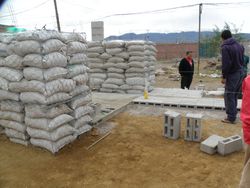
Arturo Ortiz Struck describes the boundaries of formal and legal building in the context of Mexico:“In order to build a critical view of the production of space and architecture in this environment, we should start from two fundamental premises. The first considers that spaces reflect who we are, and they express our cultural ways and how we unfold in everyday life. The(...)
Arturo Ortiz Struck describes the boundaries of formal and legal building in the context of Mexico:“In order to build a critical view of the production of space and architecture in this environment, we should start from two fundamental premises. The first considers that spaces reflect who we are, and they express our cultural ways and how we unfold in everyday life. The(...)
Location:
Paul-Desmarais Theatre
Paul-Desmarais Theatre
Date:
10 May 2012 , 7pm
10 May 2012 , 7pm
Title:
Learning from... Mexico City
Actions:
Description:
Arturo Ortiz Struck describes the boundaries of formal and legal building in the context of Mexico:“In order to build a critical view of the production of space and architecture in this environment, we should start from two fundamental premises. The first considers that spaces reflect who we are, and they express our cultural ways and how we unfold in everyday life. The(...)
Learning from... Mexico City
Actions:
Description:
Arturo Ortiz Struck describes the boundaries of formal and legal building in the context of Mexico:“In order to build a critical view of the production of space and architecture in this environment, we should start from two fundamental premises. The first considers that spaces reflect who we are, and they express our cultural ways and how we unfold in everyday life. The(...)
Form:
events
events
Date:
10 May 2012
7pm
10 May 2012
7pm
Location:
Paul-Desmarais Theatre
Paul-Desmarais Theatre
Form:
archives
Level of archival description:
Fonds
archives
Level of archival description:
Fonds
Title:
Bauhaus in America fonds
Bauhaus in America fonds
Actions:
Reference number:
AP217
Synopsis:
The Bauhaus in America fonds, circa 1930 – 2011, documents the research and production activities that went into producing the documentary film Bauhaus in America (1995) directed by Judith Pearlman. Material in the fonds consists of research in the form of photographs, textual records, publications, and ephemera from institutions in Germany and the United States. The fonds also contains film, video, and audio recordings that were used for preliminary research and compiled into the finished film. The recordings are primarily interviews with Bauhaus-related individuals. There is also material related to publishing activities based on the research for the film.
AP217
Synopsis:
The Bauhaus in America fonds, circa 1930 – 2011, documents the research and production activities that went into producing the documentary film Bauhaus in America (1995) directed by Judith Pearlman. Material in the fonds consists of research in the form of photographs, textual records, publications, and ephemera from institutions in Germany and the United States. The fonds also contains film, video, and audio recordings that were used for preliminary research and compiled into the finished film. The recordings are primarily interviews with Bauhaus-related individuals. There is also material related to publishing activities based on the research for the film.
People:
Date:
circa 1930 - 2011
circa 1930 - 2011
Title:
Bauhaus in America fonds
Actions:
AP217
Synopsis:
The Bauhaus in America fonds, circa 1930 – 2011, documents the research and production activities that went into producing the documentary film Bauhaus in America (1995) directed by Judith Pearlman. Material in the fonds consists of research in the form of photographs, textual records, publications, and ephemera from institutions in Germany and the United States. The fonds also contains film, video, and audio recordings that were used for preliminary research and compiled into the finished film. The recordings are primarily interviews with Bauhaus-related individuals. There is also material related to publishing activities based on the research for the film.
Bauhaus in America fonds
Actions:
AP217
Synopsis:
The Bauhaus in America fonds, circa 1930 – 2011, documents the research and production activities that went into producing the documentary film Bauhaus in America (1995) directed by Judith Pearlman. Material in the fonds consists of research in the form of photographs, textual records, publications, and ephemera from institutions in Germany and the United States. The fonds also contains film, video, and audio recordings that were used for preliminary research and compiled into the finished film. The recordings are primarily interviews with Bauhaus-related individuals. There is also material related to publishing activities based on the research for the film.
Form:
archives
Level of archival description:
Fonds
archives
Level of archival description:
Fonds
Date:
circa 1930 - 2011
circa 1930 - 2011
People:
Form:
archives
Level of archival description:
Collection
archives
Level of archival description:
Collection
Title:
Futurecasting collection
Futurecasting collection
Actions:
Reference number:
CD048
Synopsis:
This collection documents the activities of the “Futurecasting: Indigenous-led Architecture and Design in the Arctic” group formed by Jenni Hakovirta, Naomi Ratte, Nicole Luke, Magnus Antaris Tuolja, Andrea McIntosh, Robyn Adams, Berit Kristine Andersen Guvsám, Laila Susanna Kuhmunen, Johanna Minde, and Reanna Merasty. It contains materials related to the planning of seminars and workshops, and the creative process and projects created by its participants in 2022-2023 that were later presented in the Canadian Centre for Architecture’s exhibition and related publication “ᐊᖏᕐᕋᒧᑦ / Ruovttu Guvlui / Towards home” (2022-2023).
CD048
Synopsis:
This collection documents the activities of the “Futurecasting: Indigenous-led Architecture and Design in the Arctic” group formed by Jenni Hakovirta, Naomi Ratte, Nicole Luke, Magnus Antaris Tuolja, Andrea McIntosh, Robyn Adams, Berit Kristine Andersen Guvsám, Laila Susanna Kuhmunen, Johanna Minde, and Reanna Merasty. It contains materials related to the planning of seminars and workshops, and the creative process and projects created by its participants in 2022-2023 that were later presented in the Canadian Centre for Architecture’s exhibition and related publication “ᐊᖏᕐᕋᒧᑦ / Ruovttu Guvlui / Towards home” (2022-2023).
People:
Date:
2008-2023
2008-2023
Title:
Futurecasting collection
Actions:
CD048
Synopsis:
This collection documents the activities of the “Futurecasting: Indigenous-led Architecture and Design in the Arctic” group formed by Jenni Hakovirta, Naomi Ratte, Nicole Luke, Magnus Antaris Tuolja, Andrea McIntosh, Robyn Adams, Berit Kristine Andersen Guvsám, Laila Susanna Kuhmunen, Johanna Minde, and Reanna Merasty. It contains materials related to the planning of seminars and workshops, and the creative process and projects created by its participants in 2022-2023 that were later presented in the Canadian Centre for Architecture’s exhibition and related publication “ᐊᖏᕐᕋᒧᑦ / Ruovttu Guvlui / Towards home” (2022-2023).
Futurecasting collection
Actions:
CD048
Synopsis:
This collection documents the activities of the “Futurecasting: Indigenous-led Architecture and Design in the Arctic” group formed by Jenni Hakovirta, Naomi Ratte, Nicole Luke, Magnus Antaris Tuolja, Andrea McIntosh, Robyn Adams, Berit Kristine Andersen Guvsám, Laila Susanna Kuhmunen, Johanna Minde, and Reanna Merasty. It contains materials related to the planning of seminars and workshops, and the creative process and projects created by its participants in 2022-2023 that were later presented in the Canadian Centre for Architecture’s exhibition and related publication “ᐊᖏᕐᕋᒧᑦ / Ruovttu Guvlui / Towards home” (2022-2023).
Form:
archives
Level of archival description:
Collection
archives
Level of archival description:
Collection
Date:
2008-2023
2008-2023
People:
Form:
archives
Level of archival description:
Fonds
archives
Level of archival description:
Fonds
Reference number:
AP181
Synopsis:
The COOP HIMMELB(L)AU BMW Welt project records, 1994-2007, document the design of the firm’s BMW Welt project, also known as BMW World, in Munich, Germany. The archive consists of approximately 52, 400 born-digital files representing the greater part of the digital archive of the project, as well as 52 of the study models made in the earlier stages of the project.
AP181
Synopsis:
The COOP HIMMELB(L)AU BMW Welt project records, 1994-2007, document the design of the firm’s BMW Welt project, also known as BMW World, in Munich, Germany. The archive consists of approximately 52, 400 born-digital files representing the greater part of the digital archive of the project, as well as 52 of the study models made in the earlier stages of the project.
People:
Date:
1994-2015
1994-2015
Title:
COOP HIMMELB(L)AU BMW Welt project records
Actions:
AP181
Synopsis:
The COOP HIMMELB(L)AU BMW Welt project records, 1994-2007, document the design of the firm’s BMW Welt project, also known as BMW World, in Munich, Germany. The archive consists of approximately 52, 400 born-digital files representing the greater part of the digital archive of the project, as well as 52 of the study models made in the earlier stages of the project.
COOP HIMMELB(L)AU BMW Welt project records
Actions:
AP181
Synopsis:
The COOP HIMMELB(L)AU BMW Welt project records, 1994-2007, document the design of the firm’s BMW Welt project, also known as BMW World, in Munich, Germany. The archive consists of approximately 52, 400 born-digital files representing the greater part of the digital archive of the project, as well as 52 of the study models made in the earlier stages of the project.
Form:
archives
Level of archival description:
Fonds
archives
Level of archival description:
Fonds
Date:
1994-2015
1994-2015
People:


