


5773 Results
Form:
drawings, textual records
drawings, textual records
Reference number:
DR1995:0188:526-705
Description:
correspondence, architect's statement, proposals, building programme for Fun Palace Project, drafts of promotional material, clippings, report on Camden Pilot project, report on Fun Palace Project, notes on circulation, access, and systems, meeting notes, notes, minute of meetings of the Cybernetics Committee, draft articles with annotations, memoranda, draft survey, drafts and sketches of Fun Palace booklet, publications, cost estimate, sketch axonometric of service tower, brochures, questionnaires, certificate of incorporation for the Fun Palace, trust deeds, planning papers, application forms and site drawings of Children's Playground dated 1974, report on land redevelopment, and includes course outline dated 1980 for the Architectural Association
DR1995:0188:526-705
Description:
correspondence, architect's statement, proposals, building programme for Fun Palace Project, drafts of promotional material, clippings, report on Camden Pilot project, report on Fun Palace Project, notes on circulation, access, and systems, meeting notes, notes, minute of meetings of the Cybernetics Committee, draft articles with annotations, memoranda, draft survey, drafts and sketches of Fun Palace booklet, publications, cost estimate, sketch axonometric of service tower, brochures, questionnaires, certificate of incorporation for the Fun Palace, trust deeds, planning papers, application forms and site drawings of Children's Playground dated 1974, report on land redevelopment, and includes course outline dated 1980 for the Architectural Association
People:
Title:
Correspondence, architect's statement, proposals, building programme for Fun Palace Project
Actions:
DR1995:0188:526-705
Description:
correspondence, architect's statement, proposals, building programme for Fun Palace Project, drafts of promotional material, clippings, report on Camden Pilot project, report on Fun Palace Project, notes on circulation, access, and systems, meeting notes, notes, minute of meetings of the Cybernetics Committee, draft articles with annotations, memoranda, draft survey, drafts and sketches of Fun Palace booklet, publications, cost estimate, sketch axonometric of service tower, brochures, questionnaires, certificate of incorporation for the Fun Palace, trust deeds, planning papers, application forms and site drawings of Children's Playground dated 1974, report on land redevelopment, and includes course outline dated 1980 for the Architectural Association
Correspondence, architect's statement, proposals, building programme for Fun Palace Project
Actions:
DR1995:0188:526-705
Description:
correspondence, architect's statement, proposals, building programme for Fun Palace Project, drafts of promotional material, clippings, report on Camden Pilot project, report on Fun Palace Project, notes on circulation, access, and systems, meeting notes, notes, minute of meetings of the Cybernetics Committee, draft articles with annotations, memoranda, draft survey, drafts and sketches of Fun Palace booklet, publications, cost estimate, sketch axonometric of service tower, brochures, questionnaires, certificate of incorporation for the Fun Palace, trust deeds, planning papers, application forms and site drawings of Children's Playground dated 1974, report on land redevelopment, and includes course outline dated 1980 for the Architectural Association
Form:
drawings, textual records
drawings, textual records
People:
Reference number:
AP140.S2.SS7.D3.P10.9
Description:
- Includes segments from the Abend Shau, 6/7, the Landes Schau, and Heute Journal. - Also includes the film "Ein Stärkes Stuck" by Gisela Reich with narration by Walter Kreye.
AP140.S2.SS7.D3.P10.9
Description:
- Includes segments from the Abend Shau, 6/7, the Landes Schau, and Heute Journal. - Also includes the film "Ein Stärkes Stuck" by Gisela Reich with narration by Walter Kreye.
People:
Date:
1984
1984
Title:
German media coverage of the opening of the Staatsgalerie Stuttgart
Actions:
AP140.S2.SS7.D3.P10.9
Description:
- Includes segments from the Abend Shau, 6/7, the Landes Schau, and Heute Journal. - Also includes the film "Ein Stärkes Stuck" by Gisela Reich with narration by Walter Kreye.
German media coverage of the opening of the Staatsgalerie Stuttgart
Actions:
AP140.S2.SS7.D3.P10.9
Description:
- Includes segments from the Abend Shau, 6/7, the Landes Schau, and Heute Journal. - Also includes the film "Ein Stärkes Stuck" by Gisela Reich with narration by Walter Kreye.
Date:
1984
1984
People:
Level of archival description:
Project
Project
Title:
Potteries Thinkbelt
Potteries Thinkbelt
Reference number:
AP144.S2.D56
Description:
File documents the unexecuted project, Potteries Thinkbelt, conceived for North Staffordshire, England, United Kingdom. The proposal called for a network of educational facilities for 20,000 students to be located over a 100 square mile area northwest of London. Moveable components, including fold-out lecture/demonstration units, rail-based teaching units, self-teach carrel units, faculty units, and housing units, were to be dispersed along the rail system. Existing conditions materials include regional aerial photographs with overlays of the rail system, and photographs, photo collages and panoramas of the region. Schematic sketches and drawings show the development of Price's design. Regional plans examine links between new and existing rail systems and national transportation networks and their projected use. Diagrammatic plans illustrate the relationships between recommended functions/activities attributed to specific areas. Detailed plans, sections, elevations, and axonometric drawings show housing types (sprawl, capsule, and crate), faculty and transfer areas in Madeley, Pitts Hill, and Meir. Other materials include regional land-use plans, photomontages with drawn perspectives, thumbnail sketches, life-span charts, conceptual sketches, aerial photographs and reprographic copies, some rendered and annotated. Many of the drawings were published in Price, Cedric. "PTB, Potteries Thinkbelt: A Plan for an Advanced Educational Industry in North Staffordshire." 'Architectural Design'. (October, 1966), 483-497; in Price, Cedric and Paul Barker, "The Potteries Thinkbelt", 'New Society' (June 1966) 14-17; and in Price, Cedric "Potteries Thinkbelt: Project for an Education Industry", 'Bauen & Wohnen', no. 9 (1967) 351-360. Material in this file was created between 1939 and 1987 but predominantly between 1963 and 1967. File contains conceptual drawings, design development drawings, presentation drawings, publication drawings, reference drawings, photographic material, and textual records.
AP144.S2.D56
Description:
File documents the unexecuted project, Potteries Thinkbelt, conceived for North Staffordshire, England, United Kingdom. The proposal called for a network of educational facilities for 20,000 students to be located over a 100 square mile area northwest of London. Moveable components, including fold-out lecture/demonstration units, rail-based teaching units, self-teach carrel units, faculty units, and housing units, were to be dispersed along the rail system. Existing conditions materials include regional aerial photographs with overlays of the rail system, and photographs, photo collages and panoramas of the region. Schematic sketches and drawings show the development of Price's design. Regional plans examine links between new and existing rail systems and national transportation networks and their projected use. Diagrammatic plans illustrate the relationships between recommended functions/activities attributed to specific areas. Detailed plans, sections, elevations, and axonometric drawings show housing types (sprawl, capsule, and crate), faculty and transfer areas in Madeley, Pitts Hill, and Meir. Other materials include regional land-use plans, photomontages with drawn perspectives, thumbnail sketches, life-span charts, conceptual sketches, aerial photographs and reprographic copies, some rendered and annotated. Many of the drawings were published in Price, Cedric. "PTB, Potteries Thinkbelt: A Plan for an Advanced Educational Industry in North Staffordshire." 'Architectural Design'. (October, 1966), 483-497; in Price, Cedric and Paul Barker, "The Potteries Thinkbelt", 'New Society' (June 1966) 14-17; and in Price, Cedric "Potteries Thinkbelt: Project for an Education Industry", 'Bauen & Wohnen', no. 9 (1967) 351-360. Material in this file was created between 1939 and 1987 but predominantly between 1963 and 1967. File contains conceptual drawings, design development drawings, presentation drawings, publication drawings, reference drawings, photographic material, and textual records.
People:
Date:
1939-1987, predominant 1963-1967
1939-1987, predominant 1963-1967
Title:
Potteries Thinkbelt
Actions:
AP144.S2.D56
Description:
File documents the unexecuted project, Potteries Thinkbelt, conceived for North Staffordshire, England, United Kingdom. The proposal called for a network of educational facilities for 20,000 students to be located over a 100 square mile area northwest of London. Moveable components, including fold-out lecture/demonstration units, rail-based teaching units, self-teach carrel units, faculty units, and housing units, were to be dispersed along the rail system. Existing conditions materials include regional aerial photographs with overlays of the rail system, and photographs, photo collages and panoramas of the region. Schematic sketches and drawings show the development of Price's design. Regional plans examine links between new and existing rail systems and national transportation networks and their projected use. Diagrammatic plans illustrate the relationships between recommended functions/activities attributed to specific areas. Detailed plans, sections, elevations, and axonometric drawings show housing types (sprawl, capsule, and crate), faculty and transfer areas in Madeley, Pitts Hill, and Meir. Other materials include regional land-use plans, photomontages with drawn perspectives, thumbnail sketches, life-span charts, conceptual sketches, aerial photographs and reprographic copies, some rendered and annotated. Many of the drawings were published in Price, Cedric. "PTB, Potteries Thinkbelt: A Plan for an Advanced Educational Industry in North Staffordshire." 'Architectural Design'. (October, 1966), 483-497; in Price, Cedric and Paul Barker, "The Potteries Thinkbelt", 'New Society' (June 1966) 14-17; and in Price, Cedric "Potteries Thinkbelt: Project for an Education Industry", 'Bauen & Wohnen', no. 9 (1967) 351-360. Material in this file was created between 1939 and 1987 but predominantly between 1963 and 1967. File contains conceptual drawings, design development drawings, presentation drawings, publication drawings, reference drawings, photographic material, and textual records.
Potteries Thinkbelt
Actions:
AP144.S2.D56
Description:
File documents the unexecuted project, Potteries Thinkbelt, conceived for North Staffordshire, England, United Kingdom. The proposal called for a network of educational facilities for 20,000 students to be located over a 100 square mile area northwest of London. Moveable components, including fold-out lecture/demonstration units, rail-based teaching units, self-teach carrel units, faculty units, and housing units, were to be dispersed along the rail system. Existing conditions materials include regional aerial photographs with overlays of the rail system, and photographs, photo collages and panoramas of the region. Schematic sketches and drawings show the development of Price's design. Regional plans examine links between new and existing rail systems and national transportation networks and their projected use. Diagrammatic plans illustrate the relationships between recommended functions/activities attributed to specific areas. Detailed plans, sections, elevations, and axonometric drawings show housing types (sprawl, capsule, and crate), faculty and transfer areas in Madeley, Pitts Hill, and Meir. Other materials include regional land-use plans, photomontages with drawn perspectives, thumbnail sketches, life-span charts, conceptual sketches, aerial photographs and reprographic copies, some rendered and annotated. Many of the drawings were published in Price, Cedric. "PTB, Potteries Thinkbelt: A Plan for an Advanced Educational Industry in North Staffordshire." 'Architectural Design'. (October, 1966), 483-497; in Price, Cedric and Paul Barker, "The Potteries Thinkbelt", 'New Society' (June 1966) 14-17; and in Price, Cedric "Potteries Thinkbelt: Project for an Education Industry", 'Bauen & Wohnen', no. 9 (1967) 351-360. Material in this file was created between 1939 and 1987 but predominantly between 1963 and 1967. File contains conceptual drawings, design development drawings, presentation drawings, publication drawings, reference drawings, photographic material, and textual records.
Level of archival description:
File 56
File 56
Date:
1939-1987, predominant 1963-1967
1939-1987, predominant 1963-1967
People:
Form:
photographs
photographs
Actions:
Reference number:
ARCH256302
Description:
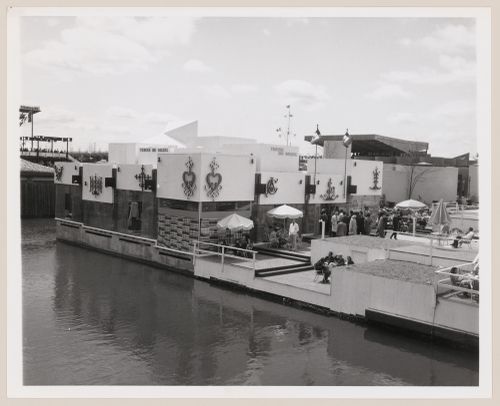
"Les éléments d'exposition du pavillon que la république de Haiti fait construire à l'Expo 67 illustreront le thème 'Haiti, terre de soleil'. L'édifice sera situé dans l'Ile Notre-Dame, à proximité des pavillons de Monaco et de la Yougoslavie. Il se reflétera dans deux des canaux de l'Expo. / The pavilion of the Republic of Haiti will stress the theme 'Haiti... land of the sun,' and will be located on Notre-Dame near the pavilions of Monaco and Yugoslavia. The pavilion's floor and external terrace will be a checkered motif stylizing the sun, while the roof will be made of 16 hollow tubes of varying heights. Total cost of the pavilion will be approximately $150,000.00."--Description.
ARCH256302
Description:
"Les éléments d'exposition du pavillon que la république de Haiti fait construire à l'Expo 67 illustreront le thème 'Haiti, terre de soleil'. L'édifice sera situé dans l'Ile Notre-Dame, à proximité des pavillons de Monaco et de la Yougoslavie. Il se reflétera dans deux des canaux de l'Expo. / The pavilion of the Republic of Haiti will stress the theme 'Haiti... land of the sun,' and will be located on Notre-Dame near the pavilions of Monaco and Yugoslavia. The pavilion's floor and external terrace will be a checkered motif stylizing the sun, while the roof will be made of 16 hollow tubes of varying heights. Total cost of the pavilion will be approximately $150,000.00."--Description.
People:
Date:
1967
1967
Title:
View of the Pavilion of Haiti, Expo 67, Montréal, Québec
Actions:
ARCH256302
Description:
"Les éléments d'exposition du pavillon que la république de Haiti fait construire à l'Expo 67 illustreront le thème 'Haiti, terre de soleil'. L'édifice sera situé dans l'Ile Notre-Dame, à proximité des pavillons de Monaco et de la Yougoslavie. Il se reflétera dans deux des canaux de l'Expo. / The pavilion of the Republic of Haiti will stress the theme 'Haiti... land of the sun,' and will be located on Notre-Dame near the pavilions of Monaco and Yugoslavia. The pavilion's floor and external terrace will be a checkered motif stylizing the sun, while the roof will be made of 16 hollow tubes of varying heights. Total cost of the pavilion will be approximately $150,000.00."--Description.
View of the Pavilion of Haiti, Expo 67, Montréal, Québec
Actions:
ARCH256302
Description:
"Les éléments d'exposition du pavillon que la république de Haiti fait construire à l'Expo 67 illustreront le thème 'Haiti, terre de soleil'. L'édifice sera situé dans l'Ile Notre-Dame, à proximité des pavillons de Monaco et de la Yougoslavie. Il se reflétera dans deux des canaux de l'Expo. / The pavilion of the Republic of Haiti will stress the theme 'Haiti... land of the sun,' and will be located on Notre-Dame near the pavilions of Monaco and Yugoslavia. The pavilion's floor and external terrace will be a checkered motif stylizing the sun, while the roof will be made of 16 hollow tubes of varying heights. Total cost of the pavilion will be approximately $150,000.00."--Description.
Form:
photographs
photographs
Date:
1967
1967
People:
Form:
exhibitions
exhibitions
Actions:
Description:
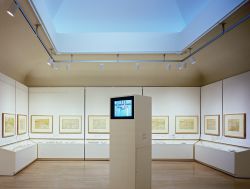
*Opening the Gates of Eighteenth-Century Montréal* explores the development of the city during the eighteenth century, when Montréal was a fortified town. The exhibition provides a unique opportunity to consider the building of the eighteenth-century military and commercial town, the nucleus from which Montréal grew. The product of nearly fifteen years of research and(...)
*Opening the Gates of Eighteenth-Century Montréal* explores the development of the city during the eighteenth century, when Montréal was a fortified town. The exhibition provides a unique opportunity to consider the building of the eighteenth-century military and commercial town, the nucleus from which Montréal grew. The product of nearly fifteen years of research and(...)
Location:
Main galleries
Main galleries
Date:
8 September 1992 to 28 February 1993
8 September 1992 to 28 February 1993
Title:
Opening the Gates of Eighteenth-Century Montréal
Actions:
Description:
*Opening the Gates of Eighteenth-Century Montréal* explores the development of the city during the eighteenth century, when Montréal was a fortified town. The exhibition provides a unique opportunity to consider the building of the eighteenth-century military and commercial town, the nucleus from which Montréal grew. The product of nearly fifteen years of research and(...)
Opening the Gates of Eighteenth-Century Montréal
Actions:
Description:
*Opening the Gates of Eighteenth-Century Montréal* explores the development of the city during the eighteenth century, when Montréal was a fortified town. The exhibition provides a unique opportunity to consider the building of the eighteenth-century military and commercial town, the nucleus from which Montréal grew. The product of nearly fifteen years of research and(...)
Form:
exhibitions
exhibitions
Date:
8 September 1992 to
28 February 1993
8 September 1992 to
28 February 1993
Location:
Main galleries
Main galleries
Form:
events
events
Title:
Learning from... Bahrain
Learning from... Bahrain
Actions:
Description:
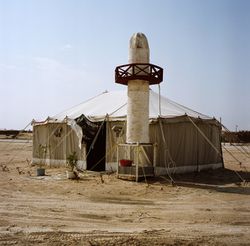
Noura al Sayeh presents the third lecture in the Learning From… the Middle East series. The presentation will survey the photographic documentation of the Bahrain coast by photographer Camille Zakharia. The urban transformations in the last 30 years have redrawn the Bahraini landscape and triggered the development of a contemporary vernacular culture. The presentation(...)
Noura al Sayeh presents the third lecture in the Learning From… the Middle East series. The presentation will survey the photographic documentation of the Bahrain coast by photographer Camille Zakharia. The urban transformations in the last 30 years have redrawn the Bahraini landscape and triggered the development of a contemporary vernacular culture. The presentation(...)
Location:
Paul-Desmarais Theatre
Paul-Desmarais Theatre
Date:
6 October 2011 , 7pm
6 October 2011 , 7pm
Title:
Learning from... Bahrain
Actions:
Description:
Noura al Sayeh presents the third lecture in the Learning From… the Middle East series. The presentation will survey the photographic documentation of the Bahrain coast by photographer Camille Zakharia. The urban transformations in the last 30 years have redrawn the Bahraini landscape and triggered the development of a contemporary vernacular culture. The presentation(...)
Learning from... Bahrain
Actions:
Description:
Noura al Sayeh presents the third lecture in the Learning From… the Middle East series. The presentation will survey the photographic documentation of the Bahrain coast by photographer Camille Zakharia. The urban transformations in the last 30 years have redrawn the Bahraini landscape and triggered the development of a contemporary vernacular culture. The presentation(...)
Form:
events
events
Date:
6 October 2011
7pm
6 October 2011
7pm
Location:
Paul-Desmarais Theatre
Paul-Desmarais Theatre
Form:
textual records
textual records
Reference number:
ARCH255577
Description:
20 publications including: Tall building structure: a world view / Council on Tall Buildings and Urban Habitat; Bauwelt 6 Aug. 1962 Hugo Weber: Mies van der Rohe; L'architettura July-Aug. 1955 annotated in graphite "M.G. Thesis"; Bauen & Wohnen July 1972; Arts & Architecture Nov. 1956; Western Architect & Engineer Feb. 1961; Architectural Forum Feb. 1959, June 1959, April 1961 and May 1962; Polytechnisch Tydschrift 12 Sept. 1957; Architectural Review Oct. 1977; Architectural Record Oct. 1960; Document Architettura v.1 no.14; Casabella Jan-Feb 1988; Columus Indiana: central area plan; Elkhart Indiana: Comprehensive plan for parks, recreation and open land; Elkhat Indiana: central area plan; Mauna City: a city within a city
ARCH255577
Description:
20 publications including: Tall building structure: a world view / Council on Tall Buildings and Urban Habitat; Bauwelt 6 Aug. 1962 Hugo Weber: Mies van der Rohe; L'architettura July-Aug. 1955 annotated in graphite "M.G. Thesis"; Bauen & Wohnen July 1972; Arts & Architecture Nov. 1956; Western Architect & Engineer Feb. 1961; Architectural Forum Feb. 1959, June 1959, April 1961 and May 1962; Polytechnisch Tydschrift 12 Sept. 1957; Architectural Review Oct. 1977; Architectural Record Oct. 1960; Document Architettura v.1 no.14; Casabella Jan-Feb 1988; Columus Indiana: central area plan; Elkhart Indiana: Comprehensive plan for parks, recreation and open land; Elkhat Indiana: central area plan; Mauna City: a city within a city
People:
Date:
1951-1966
1951-1966
Title:
Misc. publications and magazines of architecture
Actions:
ARCH255577
Description:
20 publications including: Tall building structure: a world view / Council on Tall Buildings and Urban Habitat; Bauwelt 6 Aug. 1962 Hugo Weber: Mies van der Rohe; L'architettura July-Aug. 1955 annotated in graphite "M.G. Thesis"; Bauen & Wohnen July 1972; Arts & Architecture Nov. 1956; Western Architect & Engineer Feb. 1961; Architectural Forum Feb. 1959, June 1959, April 1961 and May 1962; Polytechnisch Tydschrift 12 Sept. 1957; Architectural Review Oct. 1977; Architectural Record Oct. 1960; Document Architettura v.1 no.14; Casabella Jan-Feb 1988; Columus Indiana: central area plan; Elkhart Indiana: Comprehensive plan for parks, recreation and open land; Elkhat Indiana: central area plan; Mauna City: a city within a city
Misc. publications and magazines of architecture
Actions:
ARCH255577
Description:
20 publications including: Tall building structure: a world view / Council on Tall Buildings and Urban Habitat; Bauwelt 6 Aug. 1962 Hugo Weber: Mies van der Rohe; L'architettura July-Aug. 1955 annotated in graphite "M.G. Thesis"; Bauen & Wohnen July 1972; Arts & Architecture Nov. 1956; Western Architect & Engineer Feb. 1961; Architectural Forum Feb. 1959, June 1959, April 1961 and May 1962; Polytechnisch Tydschrift 12 Sept. 1957; Architectural Review Oct. 1977; Architectural Record Oct. 1960; Document Architettura v.1 no.14; Casabella Jan-Feb 1988; Columus Indiana: central area plan; Elkhart Indiana: Comprehensive plan for parks, recreation and open land; Elkhat Indiana: central area plan; Mauna City: a city within a city
Form:
textual records
textual records
Date:
1951-1966
1951-1966
People:
Form:
events
events
Title:
Learning from... Dubai
Learning from... Dubai
Actions:
Description:
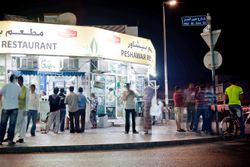
Yasser Elsheshtawy presents the second lecture in the series Learning From… the Middle East.Whether presented as a playground for the super-rich, a land of unabashed consumerism, or an exemplary case study for capitalist exploitation – such portrayals ultimately suggest a one-sided dimension of the city of Dubai. The talk will examine the spaces of the everyday, the(...)
Yasser Elsheshtawy presents the second lecture in the series Learning From… the Middle East.Whether presented as a playground for the super-rich, a land of unabashed consumerism, or an exemplary case study for capitalist exploitation – such portrayals ultimately suggest a one-sided dimension of the city of Dubai. The talk will examine the spaces of the everyday, the(...)
Location:
Paul-Desmarais Theatre
Paul-Desmarais Theatre
Date:
29 September 2011 , 7PM
29 September 2011 , 7PM
Title:
Learning from... Dubai
Actions:
Description:
Yasser Elsheshtawy presents the second lecture in the series Learning From… the Middle East.Whether presented as a playground for the super-rich, a land of unabashed consumerism, or an exemplary case study for capitalist exploitation – such portrayals ultimately suggest a one-sided dimension of the city of Dubai. The talk will examine the spaces of the everyday, the(...)
Learning from... Dubai
Actions:
Description:
Yasser Elsheshtawy presents the second lecture in the series Learning From… the Middle East.Whether presented as a playground for the super-rich, a land of unabashed consumerism, or an exemplary case study for capitalist exploitation – such portrayals ultimately suggest a one-sided dimension of the city of Dubai. The talk will examine the spaces of the everyday, the(...)
Form:
events
events
Date:
29 September 2011
7PM
29 September 2011
7PM
Location:
Paul-Desmarais Theatre
Paul-Desmarais Theatre
Level of archival description:
Project
Project
Reference number:
AP206.S1.1975.PR01
Description:
This project series documents Aditya Prakash's proposal for an alternative plan for Chandigarh, India, which came to be known as the Linear City. Prakash began developing and advocating for this idea around the early 1970s. The Linear City had two fundamental ideas at its core. The first was to raise the roadways in Chandigarh (or any future city) 10-12 feet from ground level. This, he proposed, would separate vehicular traffic from pedestrians, eliminating all the hazardous impacts of traffic on daily life. The large part of the drawings for this project show sector plans and city blocks with evenly dispersed roundabout roadways as major transit hubs, wrapping around but high above centres of pedestrian activity that included shops, markets and green spaces. The sale of the land below the roadways would pay for the upheaval. He also recommended building this city only a few sectors deep, but endlessly expanding it length-wise, with a raised canal along one side to provide an additional transportation network and irrigation. The second fundamental idea of this city was the creation of self-sustaining sectors in the city plan, advocating that each neighbourhood should have the infrastructure to provide food and recycling for its residents. He fervently argued for the reimagination of modernist Chandigarh by incorporating sustainable, local traditions - the rural should exist in harmony with the urban. In opposition to Le Corbusier and Pierre Jeanneret, he believed areas for recycling, animal husbandry, and growing food should be incorporated into the fabric of the city.[1] This project is recorded largely through original drawings of city plans, perspectives and axonometric views detailing Prakash's new vision for the city. It seems that many of the perspectives were drawn by family friend Sandeep Virmani, after listening to Prakash's ideas.[2] The project is also recorded through photographs, negatives and slides showing plans and the project model. A small amount of notes and an article on the project are also included. [1]Vikramaditya Prakash, One Continuous Line: Art, Architecture and Urbanism of Aditya Prakash (Ahmedabad, India: Mapin Publishing Pvt. Ltd., 2019), 164-181. [2]Prakash, One Continuous Line, 169.
AP206.S1.1975.PR01
Description:
This project series documents Aditya Prakash's proposal for an alternative plan for Chandigarh, India, which came to be known as the Linear City. Prakash began developing and advocating for this idea around the early 1970s. The Linear City had two fundamental ideas at its core. The first was to raise the roadways in Chandigarh (or any future city) 10-12 feet from ground level. This, he proposed, would separate vehicular traffic from pedestrians, eliminating all the hazardous impacts of traffic on daily life. The large part of the drawings for this project show sector plans and city blocks with evenly dispersed roundabout roadways as major transit hubs, wrapping around but high above centres of pedestrian activity that included shops, markets and green spaces. The sale of the land below the roadways would pay for the upheaval. He also recommended building this city only a few sectors deep, but endlessly expanding it length-wise, with a raised canal along one side to provide an additional transportation network and irrigation. The second fundamental idea of this city was the creation of self-sustaining sectors in the city plan, advocating that each neighbourhood should have the infrastructure to provide food and recycling for its residents. He fervently argued for the reimagination of modernist Chandigarh by incorporating sustainable, local traditions - the rural should exist in harmony with the urban. In opposition to Le Corbusier and Pierre Jeanneret, he believed areas for recycling, animal husbandry, and growing food should be incorporated into the fabric of the city.[1] This project is recorded largely through original drawings of city plans, perspectives and axonometric views detailing Prakash's new vision for the city. It seems that many of the perspectives were drawn by family friend Sandeep Virmani, after listening to Prakash's ideas.[2] The project is also recorded through photographs, negatives and slides showing plans and the project model. A small amount of notes and an article on the project are also included. [1]Vikramaditya Prakash, One Continuous Line: Art, Architecture and Urbanism of Aditya Prakash (Ahmedabad, India: Mapin Publishing Pvt. Ltd., 2019), 164-181. [2]Prakash, One Continuous Line, 169.
People:
Date:
circa 1975-2003
circa 1975-2003
Title:
Linear city, Chandigarh, India (circa 1975-1987)
Actions:
AP206.S1.1975.PR01
Description:
This project series documents Aditya Prakash's proposal for an alternative plan for Chandigarh, India, which came to be known as the Linear City. Prakash began developing and advocating for this idea around the early 1970s. The Linear City had two fundamental ideas at its core. The first was to raise the roadways in Chandigarh (or any future city) 10-12 feet from ground level. This, he proposed, would separate vehicular traffic from pedestrians, eliminating all the hazardous impacts of traffic on daily life. The large part of the drawings for this project show sector plans and city blocks with evenly dispersed roundabout roadways as major transit hubs, wrapping around but high above centres of pedestrian activity that included shops, markets and green spaces. The sale of the land below the roadways would pay for the upheaval. He also recommended building this city only a few sectors deep, but endlessly expanding it length-wise, with a raised canal along one side to provide an additional transportation network and irrigation. The second fundamental idea of this city was the creation of self-sustaining sectors in the city plan, advocating that each neighbourhood should have the infrastructure to provide food and recycling for its residents. He fervently argued for the reimagination of modernist Chandigarh by incorporating sustainable, local traditions - the rural should exist in harmony with the urban. In opposition to Le Corbusier and Pierre Jeanneret, he believed areas for recycling, animal husbandry, and growing food should be incorporated into the fabric of the city.[1] This project is recorded largely through original drawings of city plans, perspectives and axonometric views detailing Prakash's new vision for the city. It seems that many of the perspectives were drawn by family friend Sandeep Virmani, after listening to Prakash's ideas.[2] The project is also recorded through photographs, negatives and slides showing plans and the project model. A small amount of notes and an article on the project are also included. [1]Vikramaditya Prakash, One Continuous Line: Art, Architecture and Urbanism of Aditya Prakash (Ahmedabad, India: Mapin Publishing Pvt. Ltd., 2019), 164-181. [2]Prakash, One Continuous Line, 169.
Linear city, Chandigarh, India (circa 1975-1987)
Actions:
AP206.S1.1975.PR01
Description:
This project series documents Aditya Prakash's proposal for an alternative plan for Chandigarh, India, which came to be known as the Linear City. Prakash began developing and advocating for this idea around the early 1970s. The Linear City had two fundamental ideas at its core. The first was to raise the roadways in Chandigarh (or any future city) 10-12 feet from ground level. This, he proposed, would separate vehicular traffic from pedestrians, eliminating all the hazardous impacts of traffic on daily life. The large part of the drawings for this project show sector plans and city blocks with evenly dispersed roundabout roadways as major transit hubs, wrapping around but high above centres of pedestrian activity that included shops, markets and green spaces. The sale of the land below the roadways would pay for the upheaval. He also recommended building this city only a few sectors deep, but endlessly expanding it length-wise, with a raised canal along one side to provide an additional transportation network and irrigation. The second fundamental idea of this city was the creation of self-sustaining sectors in the city plan, advocating that each neighbourhood should have the infrastructure to provide food and recycling for its residents. He fervently argued for the reimagination of modernist Chandigarh by incorporating sustainable, local traditions - the rural should exist in harmony with the urban. In opposition to Le Corbusier and Pierre Jeanneret, he believed areas for recycling, animal husbandry, and growing food should be incorporated into the fabric of the city.[1] This project is recorded largely through original drawings of city plans, perspectives and axonometric views detailing Prakash's new vision for the city. It seems that many of the perspectives were drawn by family friend Sandeep Virmani, after listening to Prakash's ideas.[2] The project is also recorded through photographs, negatives and slides showing plans and the project model. A small amount of notes and an article on the project are also included. [1]Vikramaditya Prakash, One Continuous Line: Art, Architecture and Urbanism of Aditya Prakash (Ahmedabad, India: Mapin Publishing Pvt. Ltd., 2019), 164-181. [2]Prakash, One Continuous Line, 169.
Level of archival description:
Project
Project
Date:
circa 1975-2003
circa 1975-2003
People:
Form:
drawings
drawings
Actions:
Reference number:
DR1985:0415
Description:
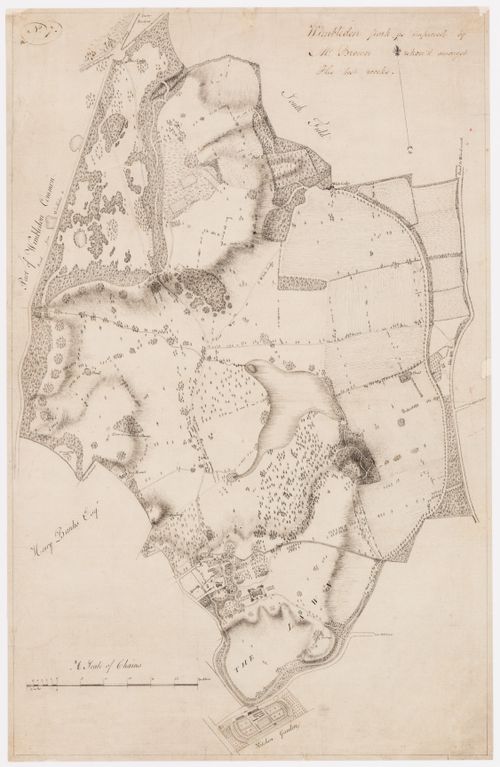
- DR1985:0415 presents a cartographic survey of Wimbledon Park as "improved" in the second half of the eighteenth century. Covering some 1,200 acres, the park as shown in this plan contains all the elements of Capability Brown's mature landscape style: expanses of grass traversed by meandering paths, irregular plantings of trees placed singly and in clumps, and winding streams dammed to create a large, irregular lake near the centre of the property and several small ponds about the periphery. The main house (built 1732-33 for Sarah, the Duchess of Marlborough), its outbuildings, and the village church are shown at the southern end of the park, as is a kitchen garden dating from an earlier period. Roads, lanes, and neighbouring properties are neatly labelled in the draughtsman's hand, and the fall of the land has been indicated in shade lines.
DR1985:0415
Description:
- DR1985:0415 presents a cartographic survey of Wimbledon Park as "improved" in the second half of the eighteenth century. Covering some 1,200 acres, the park as shown in this plan contains all the elements of Capability Brown's mature landscape style: expanses of grass traversed by meandering paths, irregular plantings of trees placed singly and in clumps, and winding streams dammed to create a large, irregular lake near the centre of the property and several small ponds about the periphery. The main house (built 1732-33 for Sarah, the Duchess of Marlborough), its outbuildings, and the village church are shown at the southern end of the park, as is a kitchen garden dating from an earlier period. Roads, lanes, and neighbouring properties are neatly labelled in the draughtsman's hand, and the fall of the land has been indicated in shade lines.
People:
Subject:
landscape architecture, topographic
landscape architecture, topographic
Date:
between 1765 and 1785
between 1765 and 1785
Title:
A survey plan of Wimbledon Park as designed for Lord Spencer by Capability Brown
Actions:
DR1985:0415
Description:
- DR1985:0415 presents a cartographic survey of Wimbledon Park as "improved" in the second half of the eighteenth century. Covering some 1,200 acres, the park as shown in this plan contains all the elements of Capability Brown's mature landscape style: expanses of grass traversed by meandering paths, irregular plantings of trees placed singly and in clumps, and winding streams dammed to create a large, irregular lake near the centre of the property and several small ponds about the periphery. The main house (built 1732-33 for Sarah, the Duchess of Marlborough), its outbuildings, and the village church are shown at the southern end of the park, as is a kitchen garden dating from an earlier period. Roads, lanes, and neighbouring properties are neatly labelled in the draughtsman's hand, and the fall of the land has been indicated in shade lines.
A survey plan of Wimbledon Park as designed for Lord Spencer by Capability Brown
Actions:
DR1985:0415
Description:
- DR1985:0415 presents a cartographic survey of Wimbledon Park as "improved" in the second half of the eighteenth century. Covering some 1,200 acres, the park as shown in this plan contains all the elements of Capability Brown's mature landscape style: expanses of grass traversed by meandering paths, irregular plantings of trees placed singly and in clumps, and winding streams dammed to create a large, irregular lake near the centre of the property and several small ponds about the periphery. The main house (built 1732-33 for Sarah, the Duchess of Marlborough), its outbuildings, and the village church are shown at the southern end of the park, as is a kitchen garden dating from an earlier period. Roads, lanes, and neighbouring properties are neatly labelled in the draughtsman's hand, and the fall of the land has been indicated in shade lines.
Form:
drawings
drawings
Date:
between 1765 and 1785
between 1765 and 1785
People:
Subject:
landscape architecture, topographic
landscape architecture, topographic


